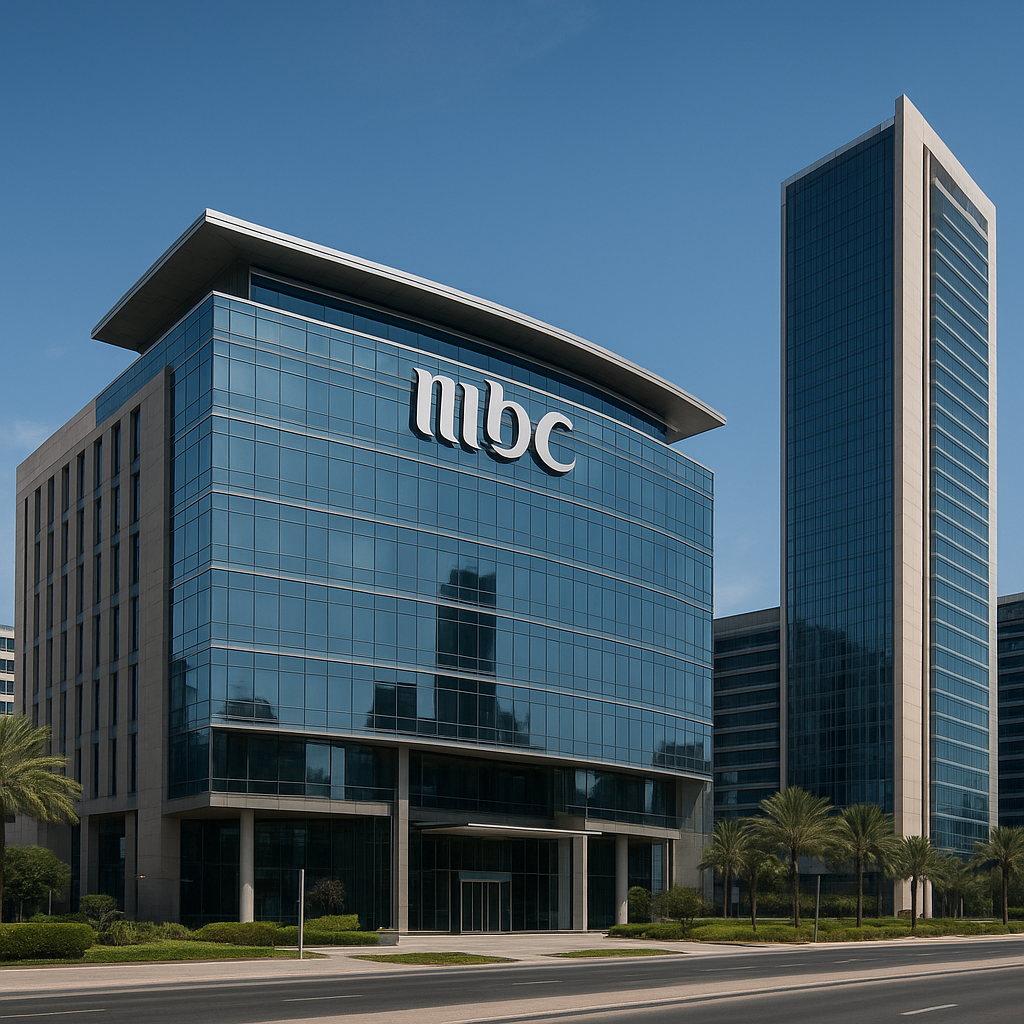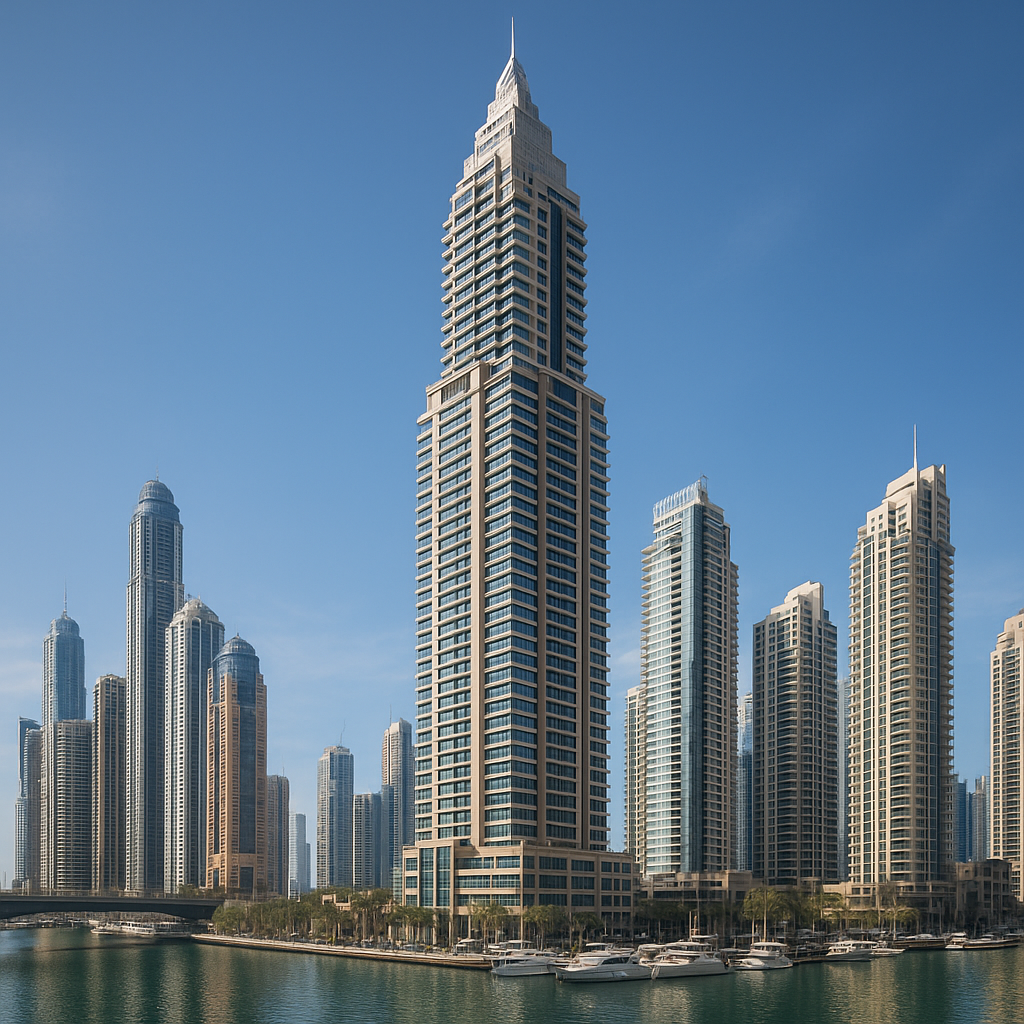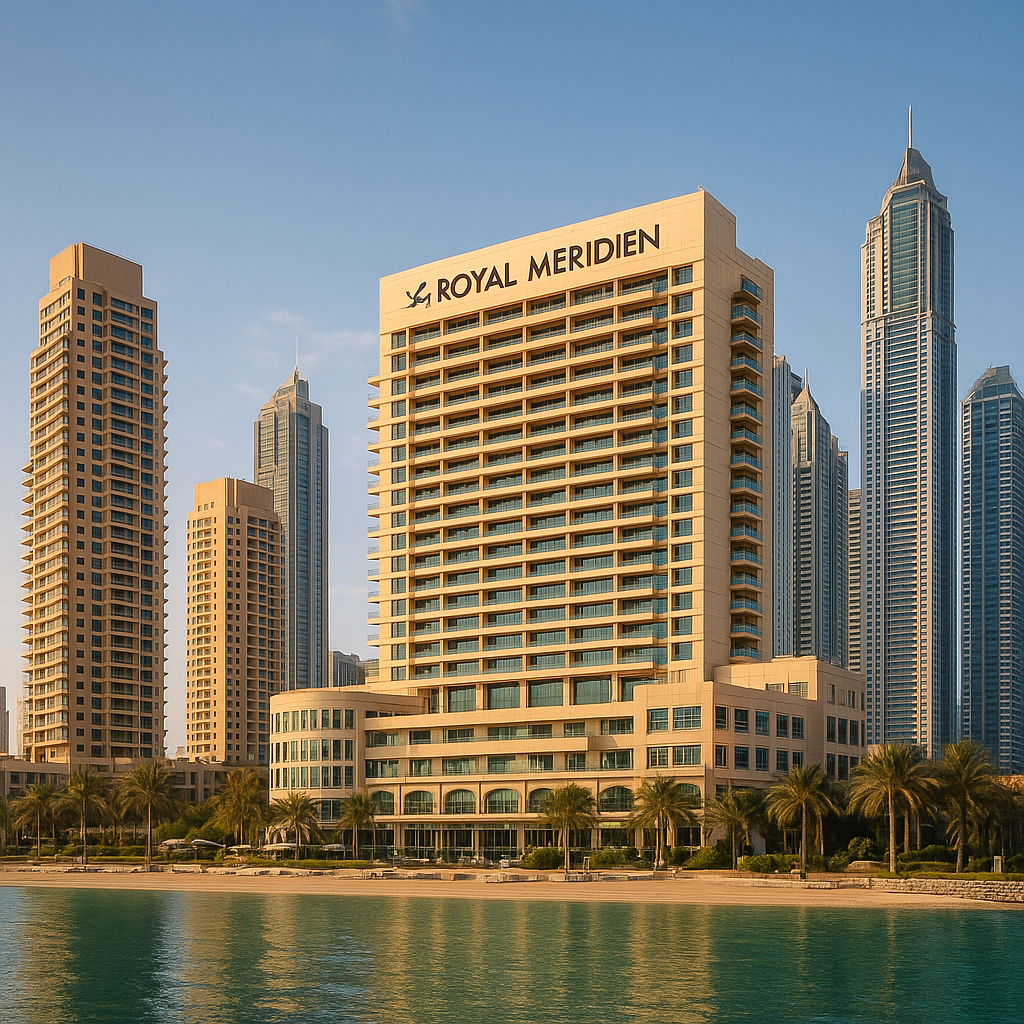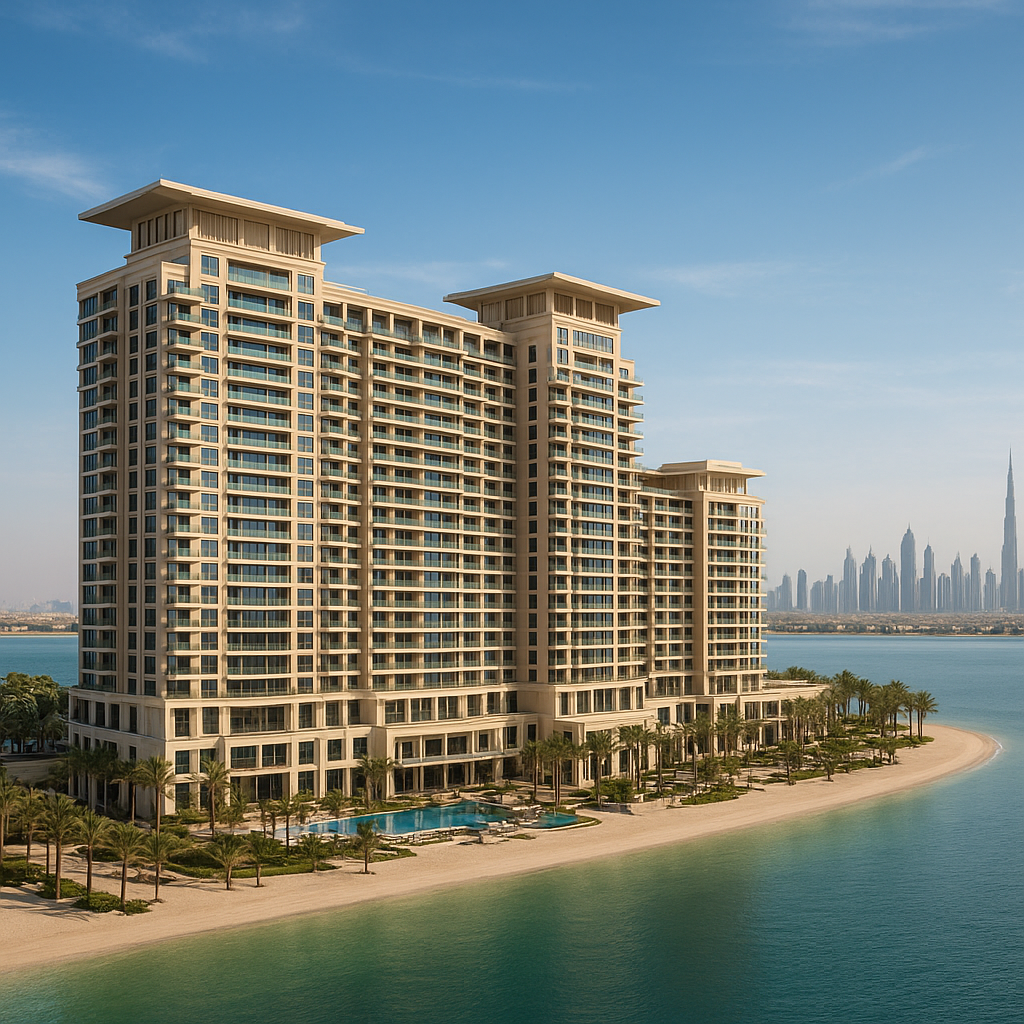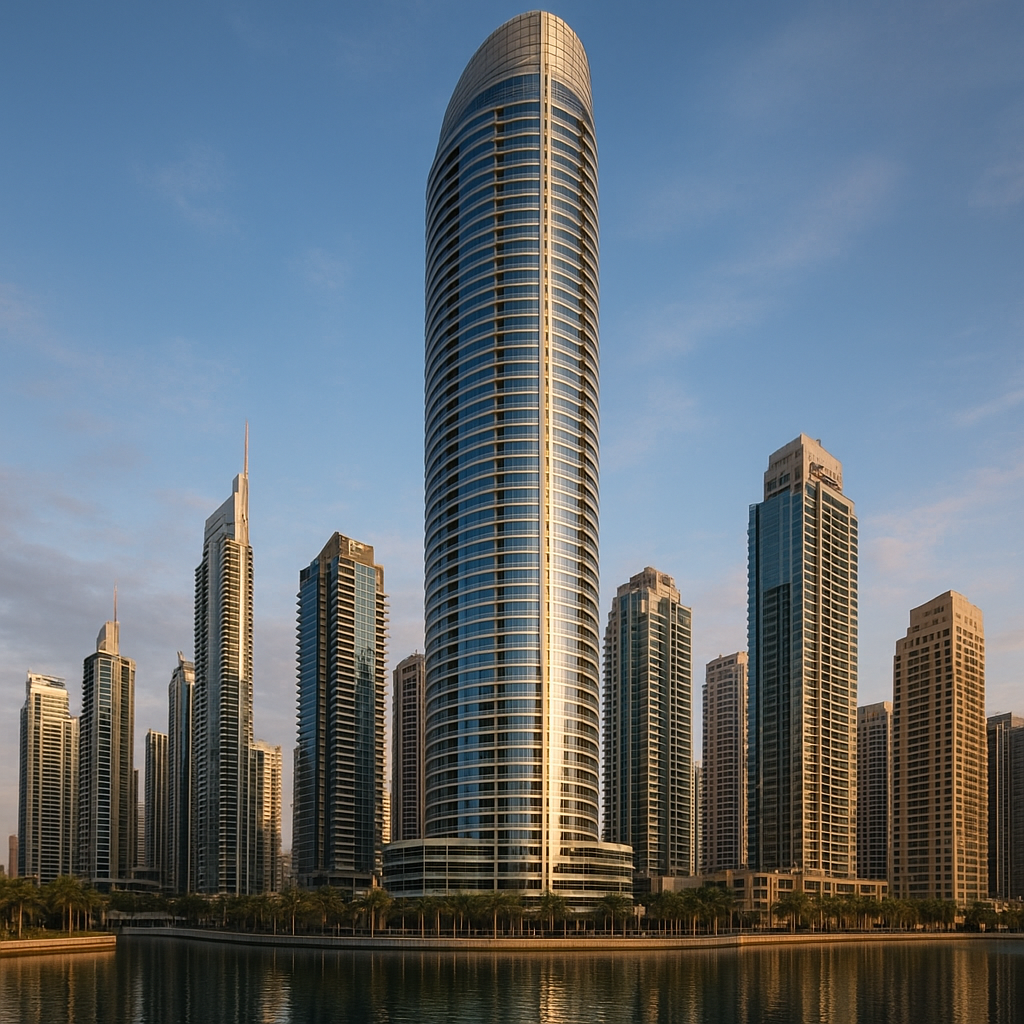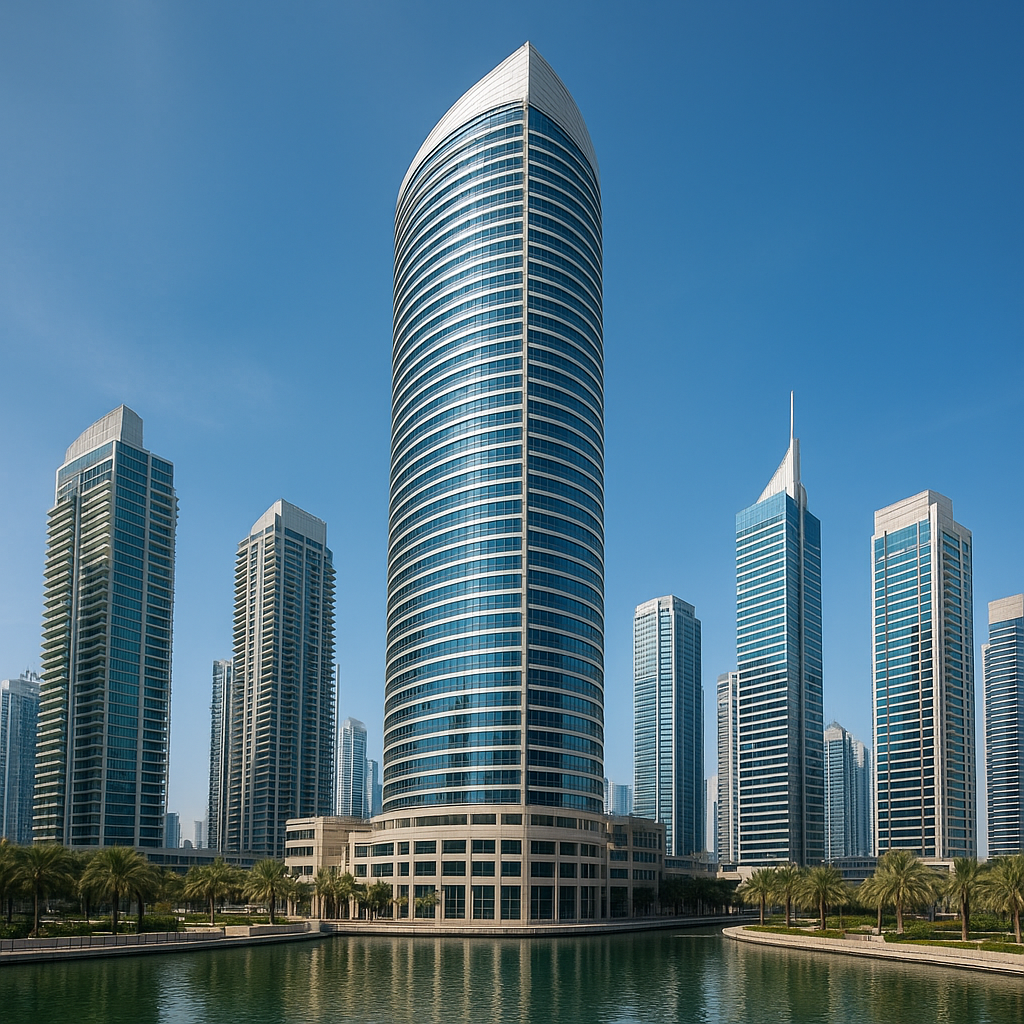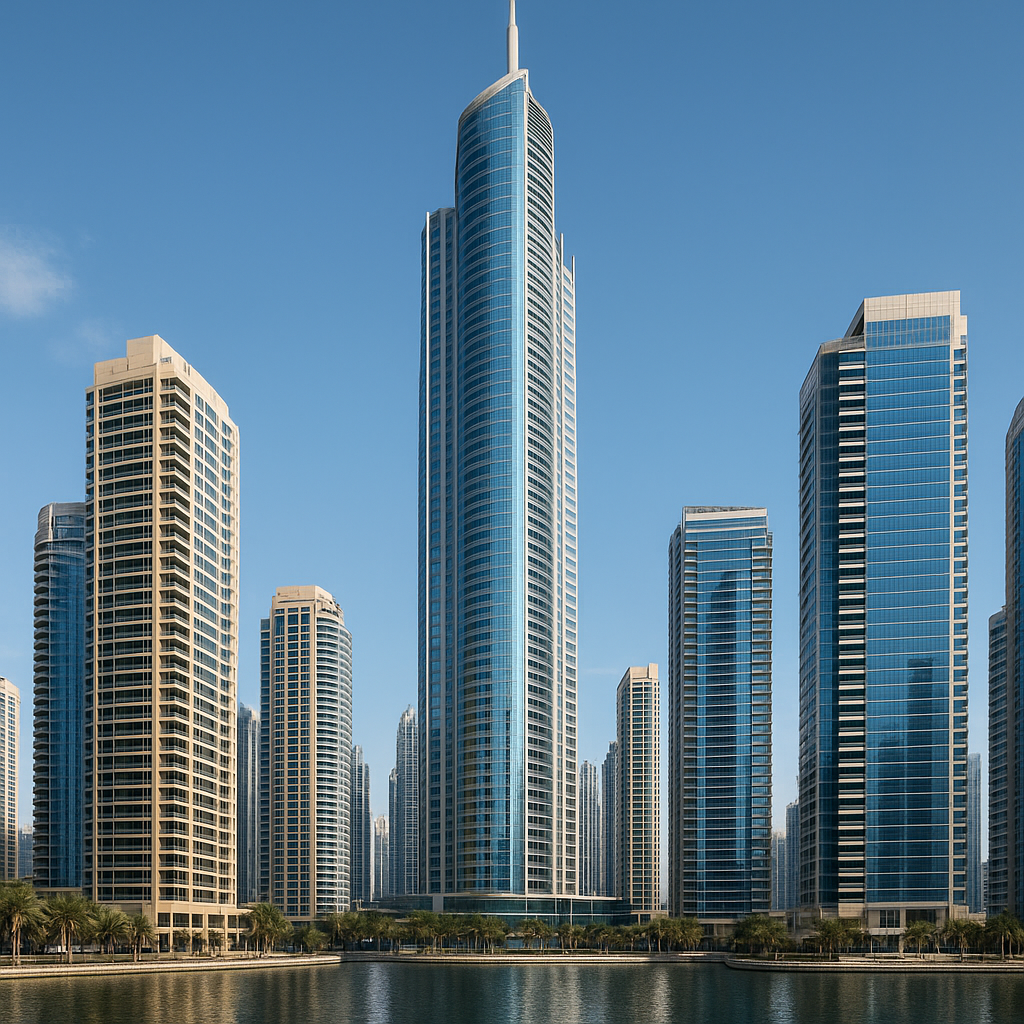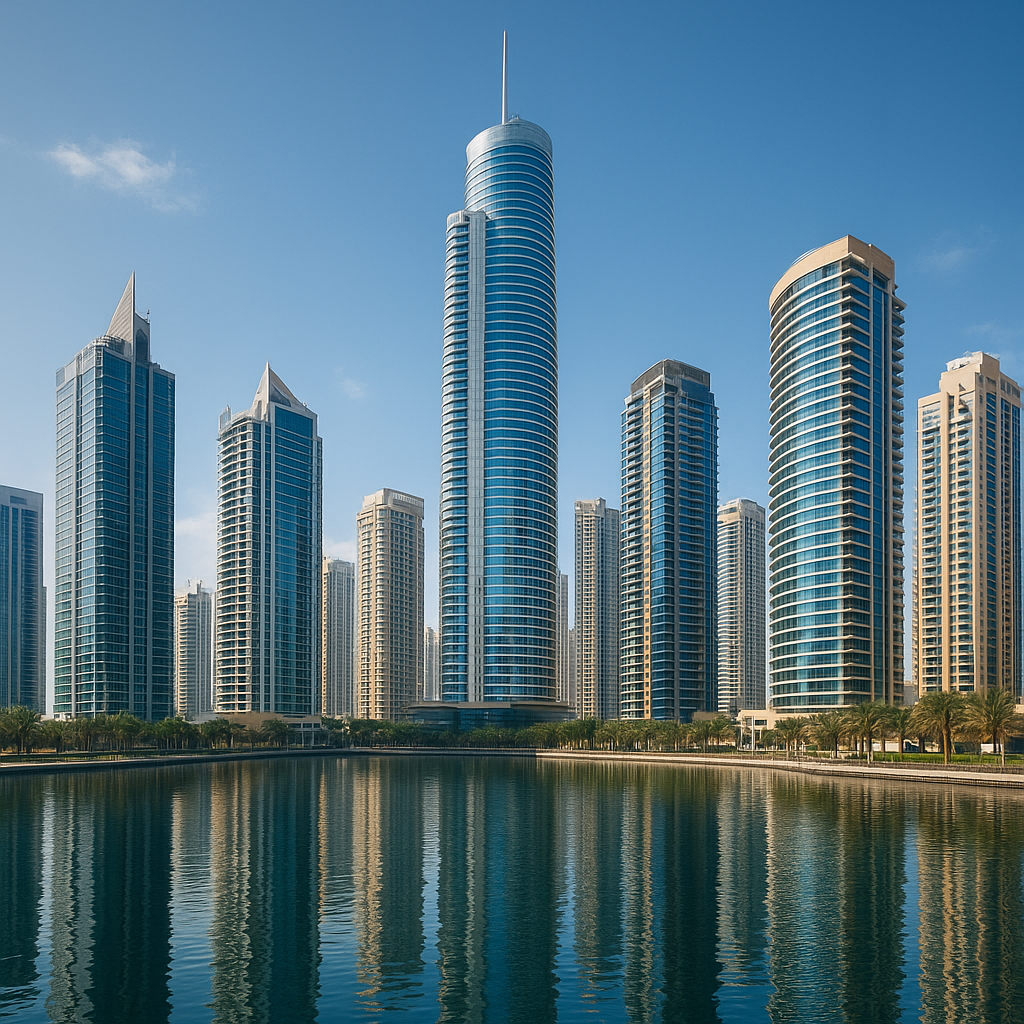
The Bonnington Tower in Jumeirah Lake Towers (commonly called JLT) is a notable part of one of Dubai’s most dynamic mixed‑use districts. Located within a landscape of artificial lakes and a dense cluster of residential and commercial skyscrapers, the Bonnington Tower represents the blend of hospitality and urban living that characterizes the JLT precinct. This article explores the tower’s setting, characteristics, amenities, and wider significance within Dubai’s fast‑evolving skyline, offering useful context for visitors, residents and property enthusiasts.
Location and urban context
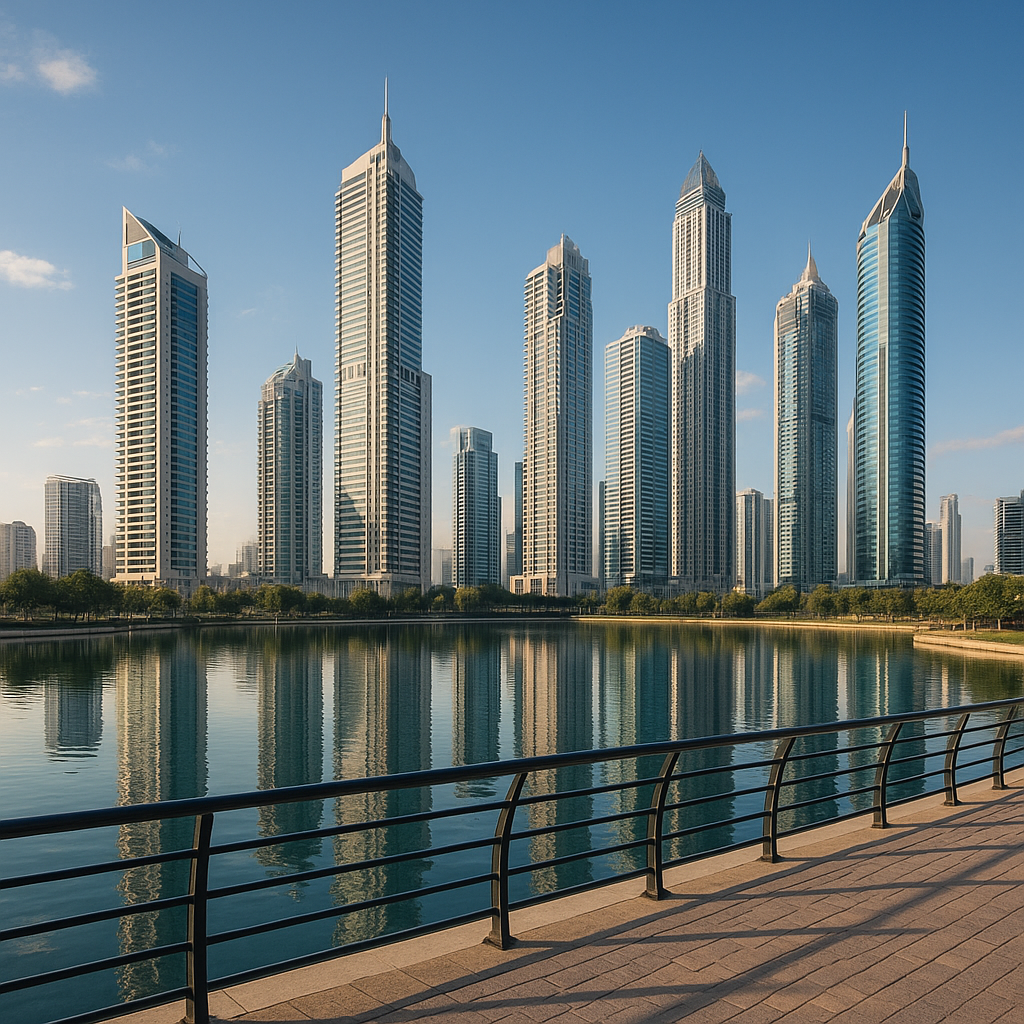
The Bonnington Tower stands among a constellation of towers around three man‑made lakes forming the heart of the Jumeirah Lake Towers development. JLT sits along the western edge of Dubai’s main artery, Sheikh Zayed Road, directly opposite the Marina and within easy reach of major business and leisure districts. The development is organized into 26 lettered clusters (from A to Z), with each cluster containing several towers designed for mixed uses — commercial, residential and hotel functions.
From a transport perspective, the area is well connected. The DMCC (formerly “Jumeirah Lakes Towers”) station on the Dubai Metro Red Line runs along Sheikh Zayed Road and provides rapid links to Dubai Marina, JBR, the Dubai International Financial Centre and central Dubai. Road access is quick to major highways, and an extensive network of pedestrian walkways, promenades and cycle paths runs around the lakes and through the clusters.
JLT’s location — between the coast and the city centre — makes it attractive for both short‑stay visitors and long‑term residents. A short drive or metro trip places residents at Dubai Marina’s waterfront, the JBR leisure strip, and within a 20–30 minute journey of Dubai International Airport (depending on traffic and time of day).
The Bonnington Tower: identity and uses
The Bonnington Tower is most widely recognized for housing hospitality and serviced‑apartment offerings under the Bonnington brand in the JLT environment. While towers in the cluster combine both commercial office space and residential units, the Bonnington Tower has become particularly associated with accommodation and guest services aimed at business travellers, families and long‑stay visitors seeking a hotel‑like experience with the convenience of apartment living.
- Accommodation model: The building typically offers a mix of fully furnished serviced apartments and traditional hotel rooms. This model appeals to guests who require flexible stays from a few nights to several months, and to corporate clients needing temporary residence for employees.
- Amenities: As with many hospitality towers in JLT, the Bonnington Tower commonly features amenities such as a fitness centre, swimming pool, meeting rooms, on‑site dining options and 24‑hour reception/concierge services. On the residential side, apartments often include kitchens, laundry facilities and house‑keeping options.
- Clientele: The typical audience includes business travellers attending meetings in nearby office towers, families on extended stays, and tourists seeking a quieter alternative to the high‑energy coastline hotels of Marina and JBR.
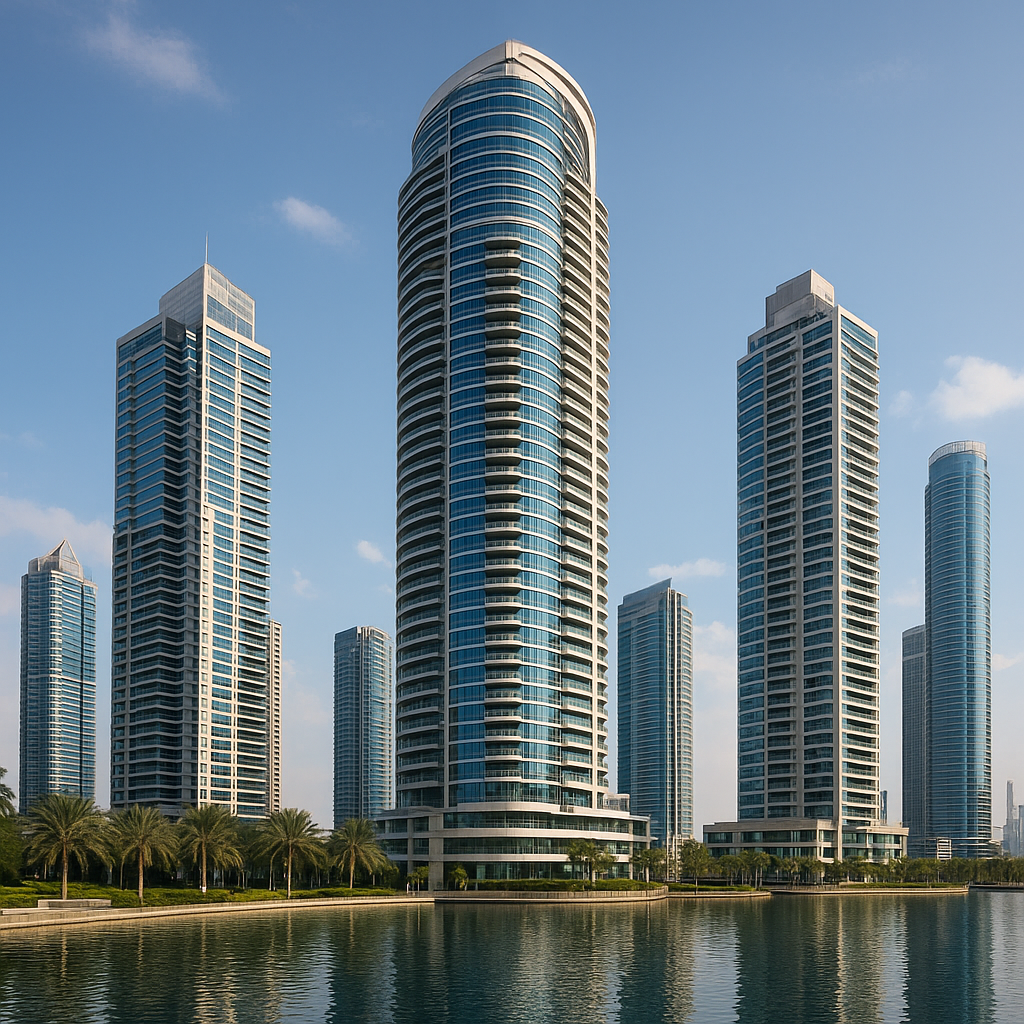
The building’s façade and materials follow contemporary high‑rise design trends common to the JLT precinct — curtain wall glazing, precast concrete elements and balconies that provide views across the lakes toward the Dubai Marina skyline. Public spaces are generally designed to be welcoming, with landscaped podiums, lobbies and direct connections to the lakeside walkways.
Architecture, construction and sustainability
While specific technical data for Bonnington Tower (such as exact height and floor count) is less commonly cited in public building registries compared with Dubai’s high‑profile skyscrapers, its architectural language is consistent with the late 1990s and early 2000s generation of JLT towers: efficient rectangular floor plates, repeated vertical rhythm and a clear separation between service cores and usable living/working space. The design emphasis for hospitality towers in the area focuses on guest comfort, security and operational efficiency.
In recent years many buildings in JLT — including hospitality properties — have undertaken retrofits and operational changes to improve energy performance, water efficiency and guest comfort. Common sustainability measures that may be found in or around towers like the Bonnington include:
- LED lighting retrofits in common areas and guest rooms
- Water‑saving fixtures and irrigation controls for landscaped areas
- Improved HVAC controls to reduce energy consumption in low‑occupancy periods
- Waste management programs and recycling for guest and residential waste streams
These measures align with Dubai’s broader sustainability goals and the push for more efficient operations across hospitality and residential properties.
Statistical and contextual data (JLT and the Bonnington Tower)
It is useful to place the Bonnington Tower within the broader statistical context of JLT, where more comprehensive data is available:
- JLT comprises more than 80 towers organized into 26 clusters around three artificial lakes. These towers host a mix of residential, commercial and hotel uses.
- The precinct was conceived in the early 2000s as a mixed‑use development to provide office, retail and housing close to Dubai’s coastal leisure districts and major road links.
- The DMCC free zone administers much of the business and real‑estate activity in the area, with incentives that encourage international businesses to set up offices within JLT.
- JLT’s clusters and boardwalks create a compact urban fabric in which towers are frequently within a few minutes’ walk of each other and the lakeside leisure promenades.
Specific published metrics for the Bonnington Tower itself — such as exact gross floor area, number of rooms or height in metres — are not always centrally recorded in public databases at the same level of detail as landmark skyscrapers. Where public hotel listings exist, however, Bonnington properties typically report room counts in the range suited to boutique or mid‑sized hotels (commonly from a few dozen up to a few hundred rooms depending on the building’s footprint and market positioning). For a precise, up‑to‑date figure for room inventory, floor count or building area, hotel‑specific registries or the property’s management would be the definitive source.
Local amenities and services around Bonnington Tower
One of JLT’s strengths is the dense mix of local services and retail that supports tower residents and guests. Around the Bonnington Tower, you’ll typically find:
- Ground‑floor retail: convenience stores, coffee shops, laundries and fast casual dining outlets
- Restaurants and cafés: a range of international and regional cuisine options scattered along the lakeside promenades
- Fitness and wellness: gyms, yoga studios and medical clinics within nearby towers or street level
- Professional services: banks, real‑estate agencies and business centres serving both short‑stay guests and longer‑term residents
- Parks and pedestrian areas: landscaped edges around the lakes, benches, children’s play areas and popular jogging routes
The lakeside promenades are particularly popular in the cooler months for evening walks, dining and informal social gatherings. For guests of the Bonnington Tower, this provides a quieter but still vibrant alternative to the busier waterfronts of Dubai Marina.
Economic and social significance
Within JLT, towers like the Bonnington are part of a broader ecosystem that supports Dubai’s hospitality, corporate and residential markets. Key roles played by such properties include:
- Providing flexible accommodation solutions for businesses expanding into the region or for contractors on medium‑term assignments.
- Supporting tourism by offering a different price‑quality option relative to premium beachfront hotels.
- Contributing to local employment through hospitality, maintenance and retail roles.
- Enhancing the day‑to‑day vibrancy of the lakeside environment, as guests and residents use local cafés, gyms and retail services.
Given JLT’s character as a multi‑functional urban quarter, towers that combine hospitality and serviced apartments help to smooth demand cycles — absorbing transient visitors during peak seasons and providing steady rental revenue in off‑peak times.
Interesting facts and lesser‑known details
Several features and patterns make Bonnington Tower and its surroundings notable:
- Integrated living and working: JLT’s design philosophy encourages proximity of offices, homes and leisure — something exemplified by mixed‑use buildings such as Bonnington Tower where guests can step out to cafés, co‑working spaces and the lakeside in minutes.
- Active community calendar: The lakeside walkways host farmers’ markets, small fairs and seasonal events that attract both residents and visitors — adding to the tower’s appeal for guests who prefer neighbourhood immersion over isolated hotel compounds.
- Comparative affordability: Historically, JLT offered relatively more affordable rents compared with neighbouring Marina, which has kept demand high among professionals seeking value without sacrificing access to leisure amenities.
- Proximity to business districts: This makes hotel and serviced‑apartment towers attractive to corporate clients attending meetings across Dubai’s business nodes.
Practical information and visitor tips
If you plan to stay at the Bonnington Tower or visit the area, here are practical pointers to make the most of your time:
- Transport: Use the DMCC Metro station for quick city‑wide connections. Taxis and ride‑hailing apps are plentiful; during peak travel times allow extra time for transfers to the airport or Sheikh Zayed Road.
- Dining: Explore the lake walkway for varied options; weekdays are quieter, while evenings and weekends bring increased footfall.
- Weather: Dubai’s summer months are extremely hot; lakeside strolls are most pleasant in the cooler season from October to April.
- Local rules: Respect building and community rules for pool use, noise and guest registration if staying in serviced apartments; these regulations help keep shared facilities comfortable for all residents.
- Shopping and services: A short drive will take you to larger shopping centres and supermarkets; however, JLT provides a good selection of daily essentials within walking distance.
Conclusion
The Bonnington Tower in Jumeirah Lake Towers exemplifies the multifunctional character of JLT: part hospitality hub, part residential enclave and part neighbourhood anchor. While exact technical specifications for the tower may not be prominently published in global skyscraper registries, its value is best understood through its relationship to the surrounding lakes, walkable clusters and the greater Dubai urban fabric. For travellers seeking a convenient, community‑oriented base and for professionals looking for proximity to business nodes, the Bonnington Tower offers an appealing balance of service, location and access to the lively amenities that define JLT.