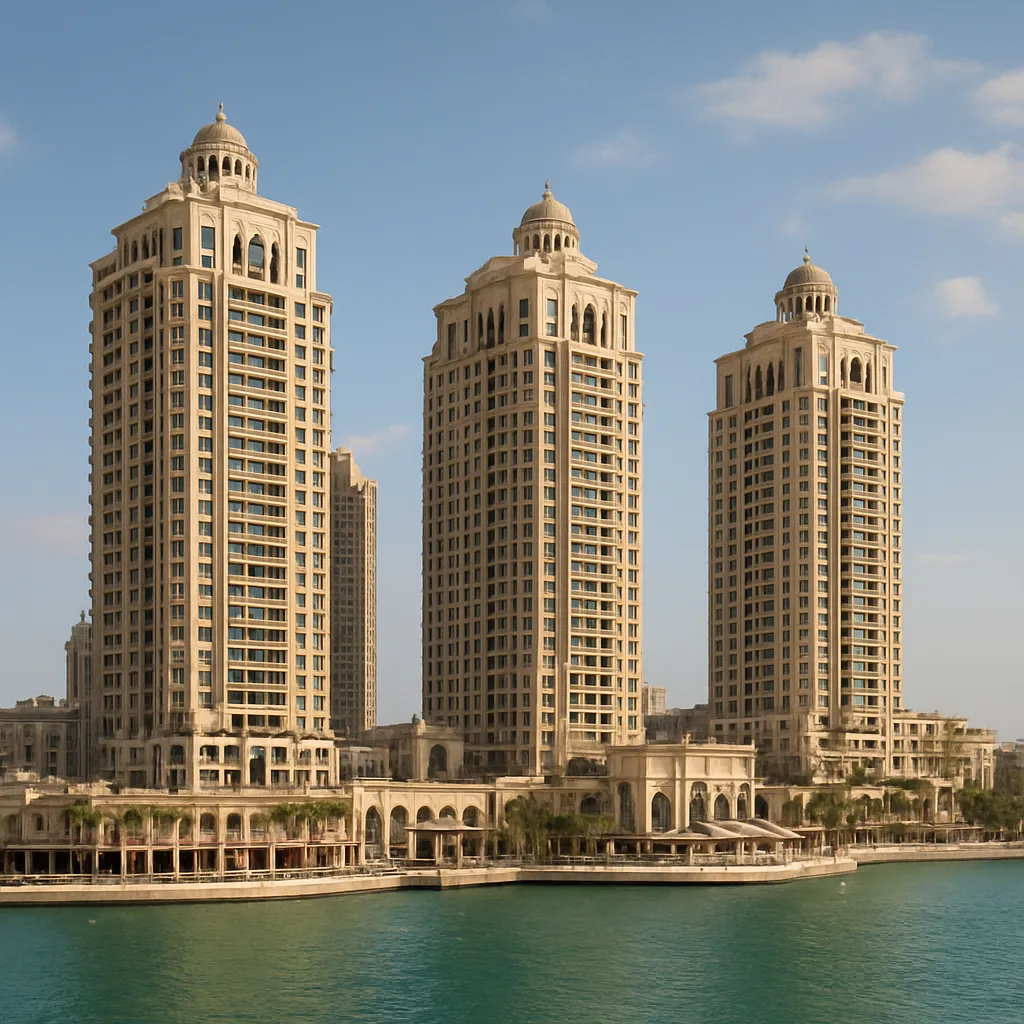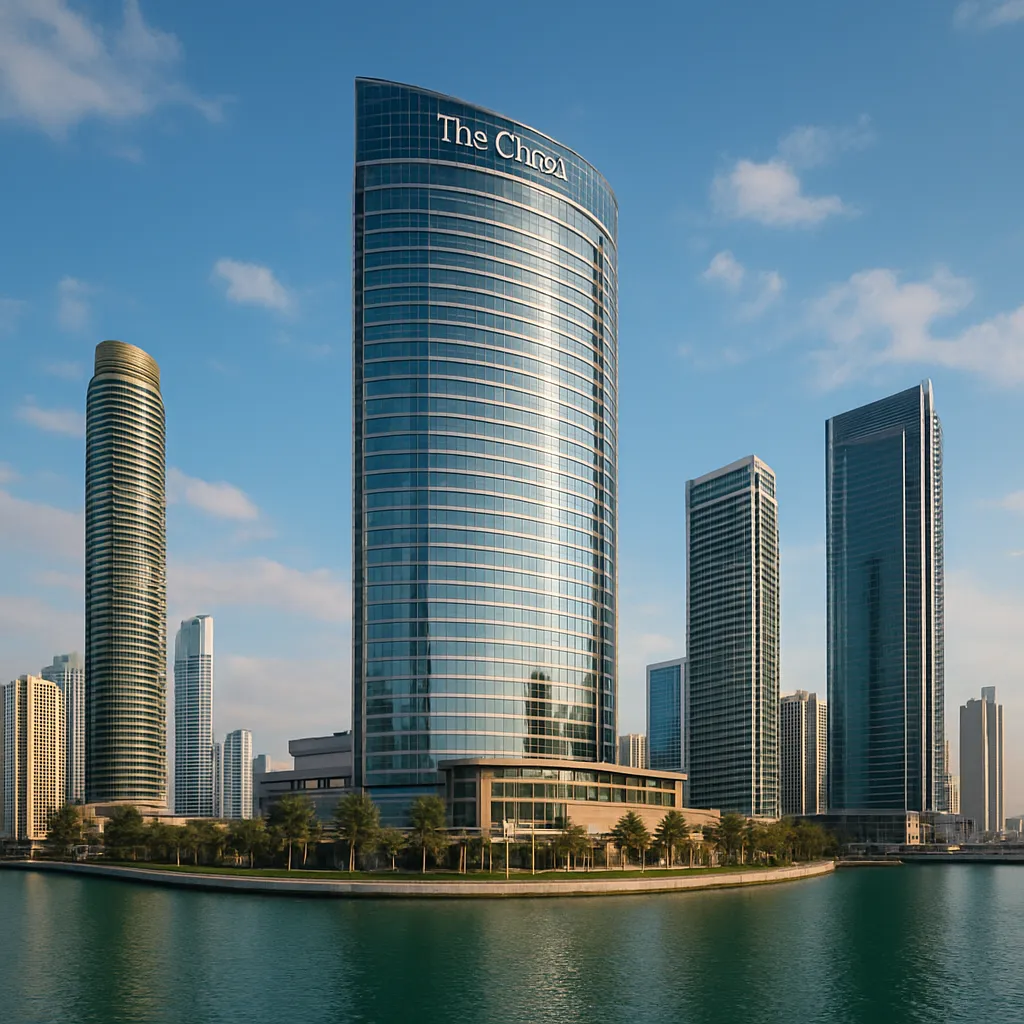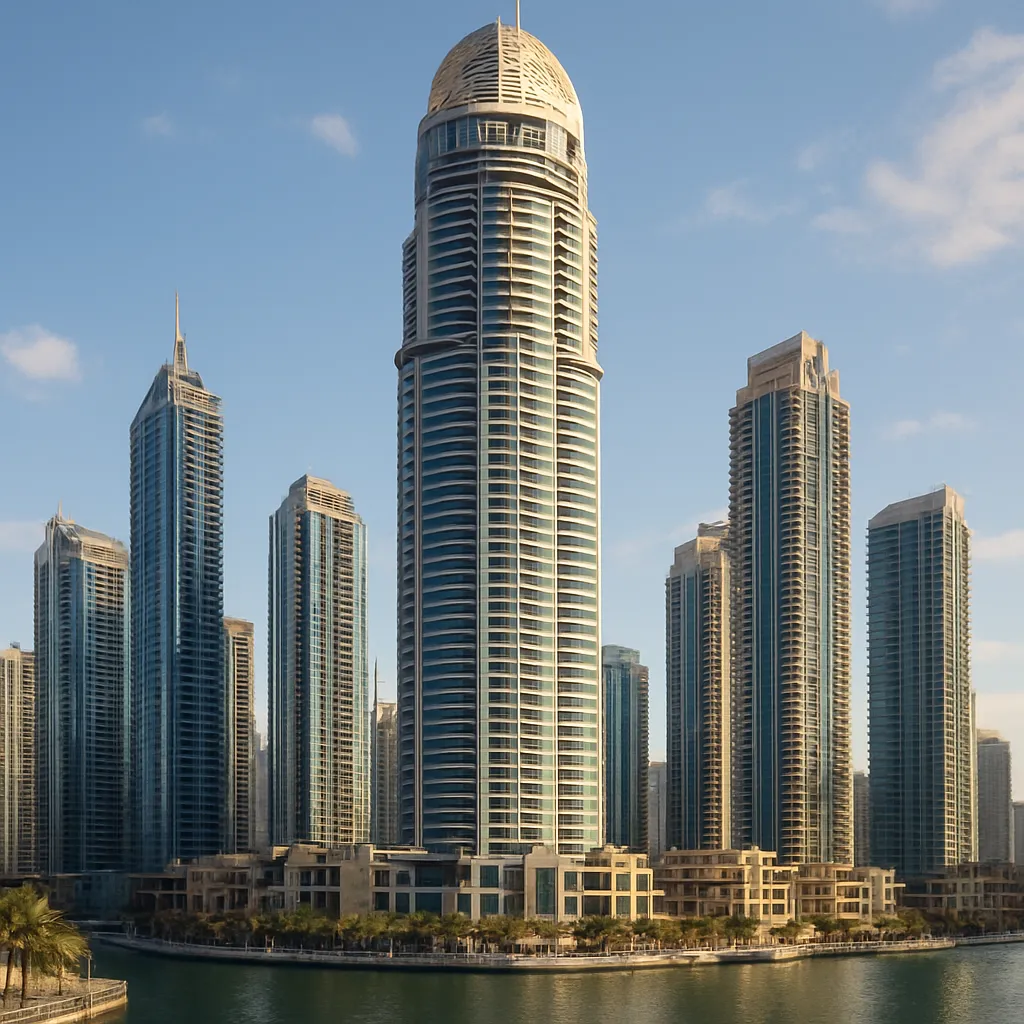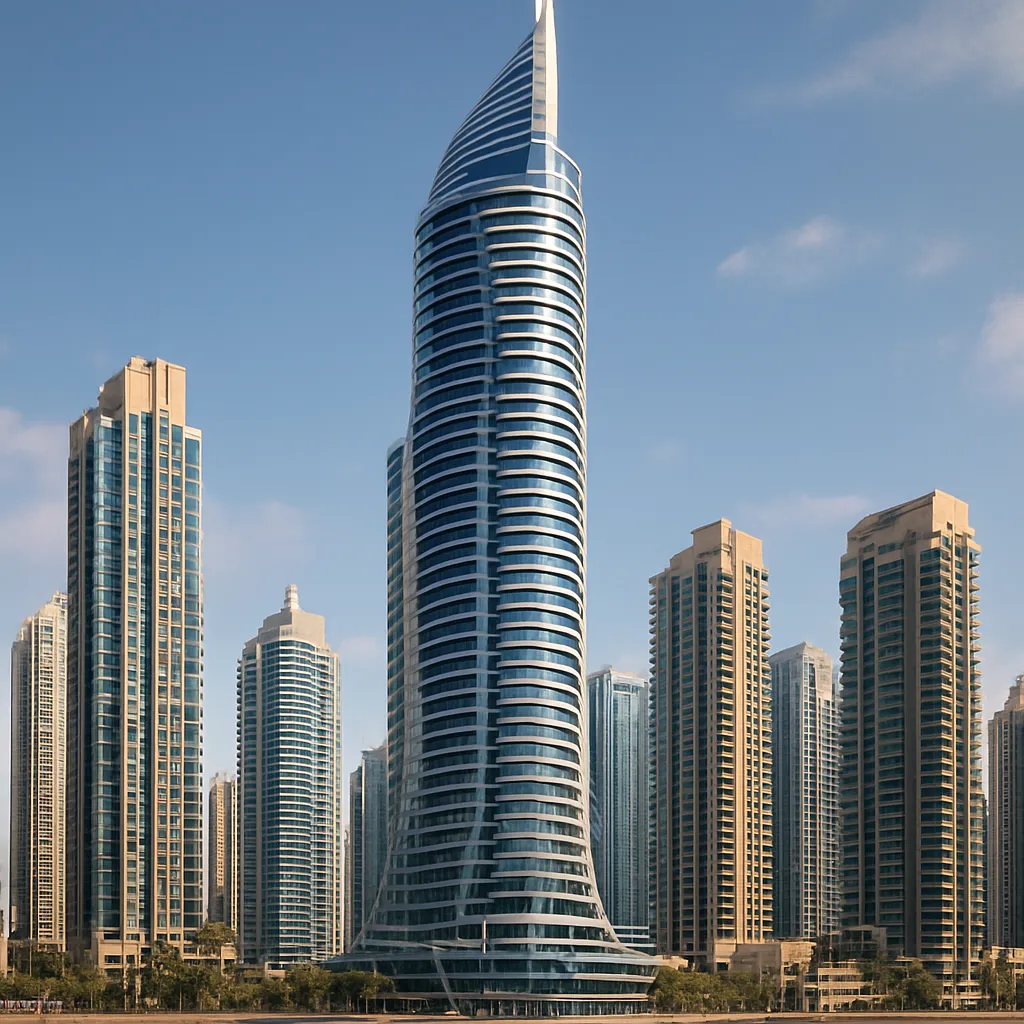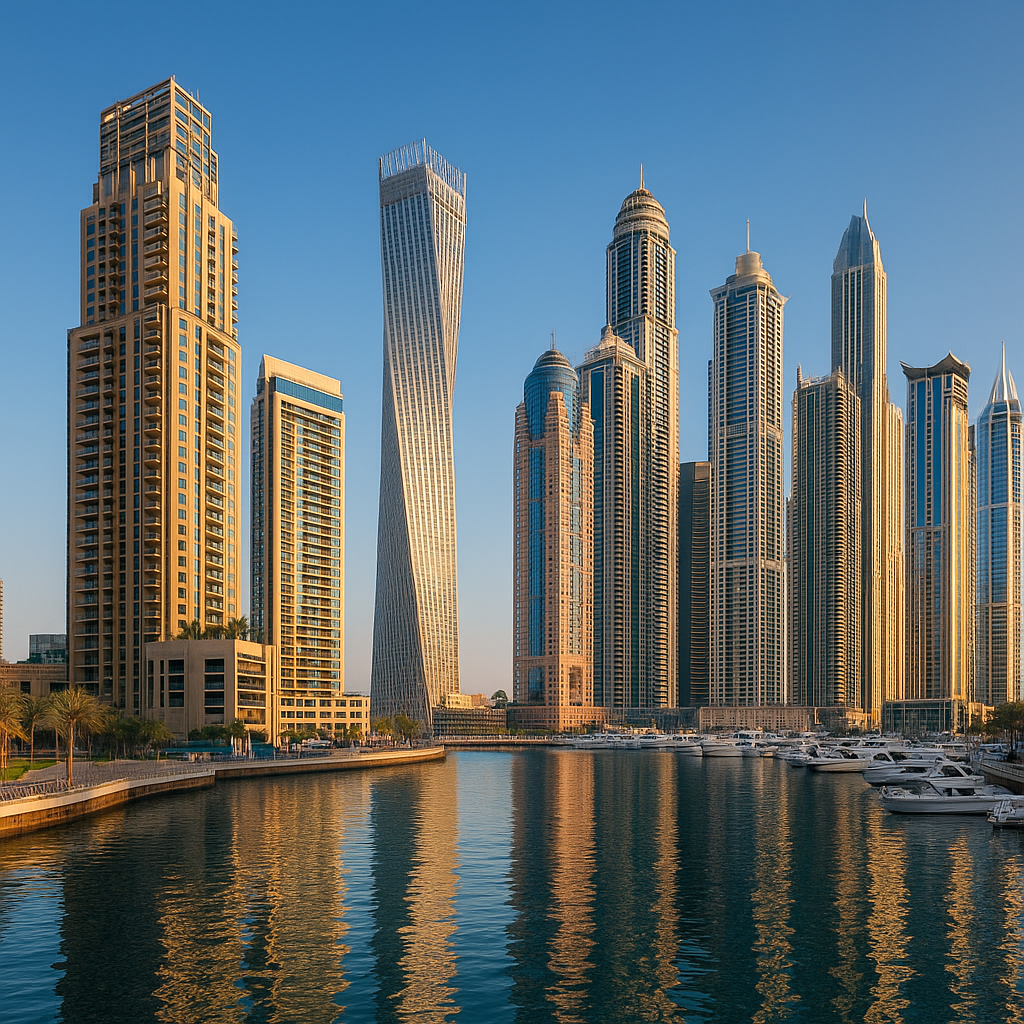
Marina 101 stands as an imposing presence on the skyline of Dubai Marina, a district known for its ambitious urban design and high-rise residential culture. This article explores the building’s location, architecture, construction history, statistics and functions, plus some lesser-known facts and the role Marina 101 plays in Dubai’s urban and economic story. The goal is to provide a detailed, balanced portrait of one of the emirate’s most talked-about towers.
Location and urban context
Marina 101 is situated in the heart of Dubai Marina, a man-made canal city carved along a two-mile stretch of shoreline and now lined with luxury towers, promenades and marinas. The tower rises directly adjacent to the waterway, within walking distance of major waterfront attractions such as The Beach at Jumeirah Beach Residence (JBR), Dubai Media City and numerous retail and leisure nodes. Its placement was planned to take full advantage of panoramic views across the marina and out toward the Arabian Gulf, a defining feature in marketing the building’s luxury apartments and hotel rooms.
Connectivity and surroundings
- Dubai Marina is well served by road and public transport, including the Dubai Metro (nearby stations) and the Dubai Tram, making Marina 101 relatively accessible for residents and visitors.
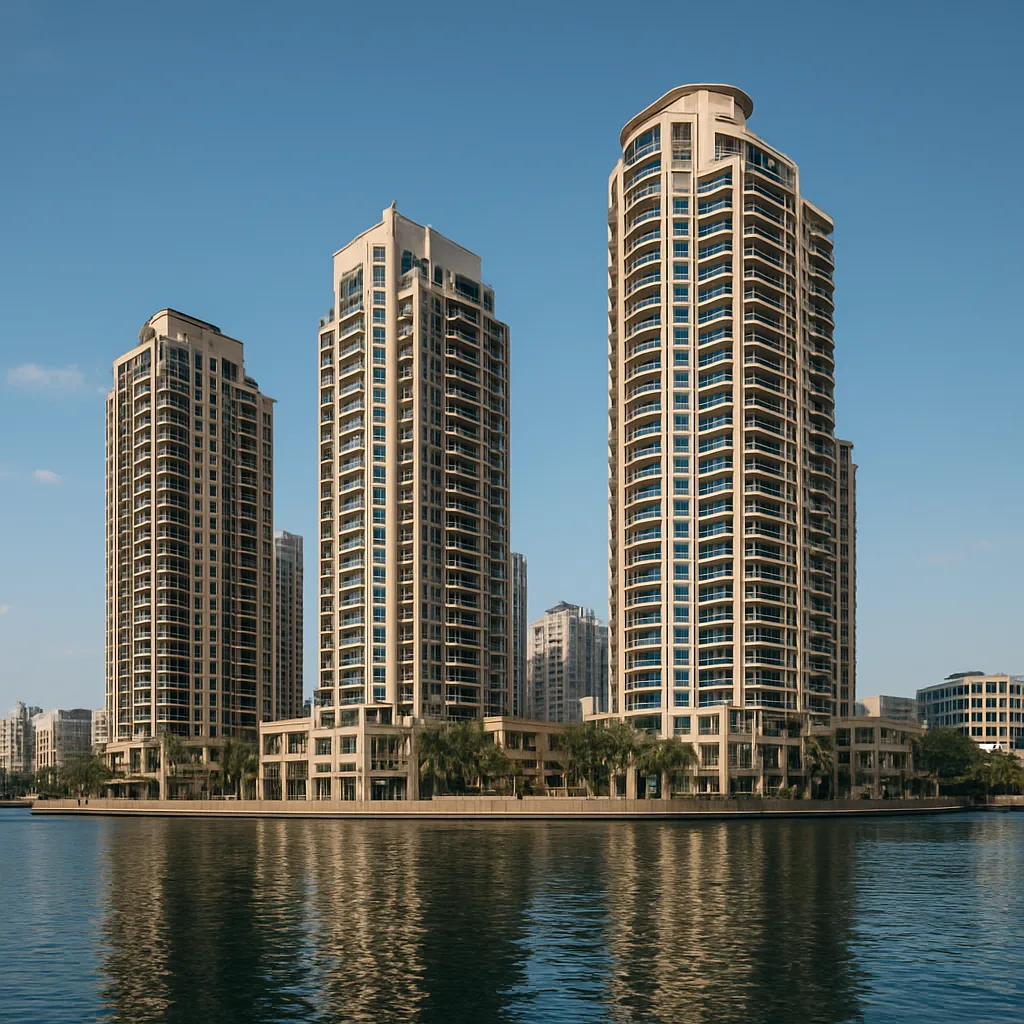
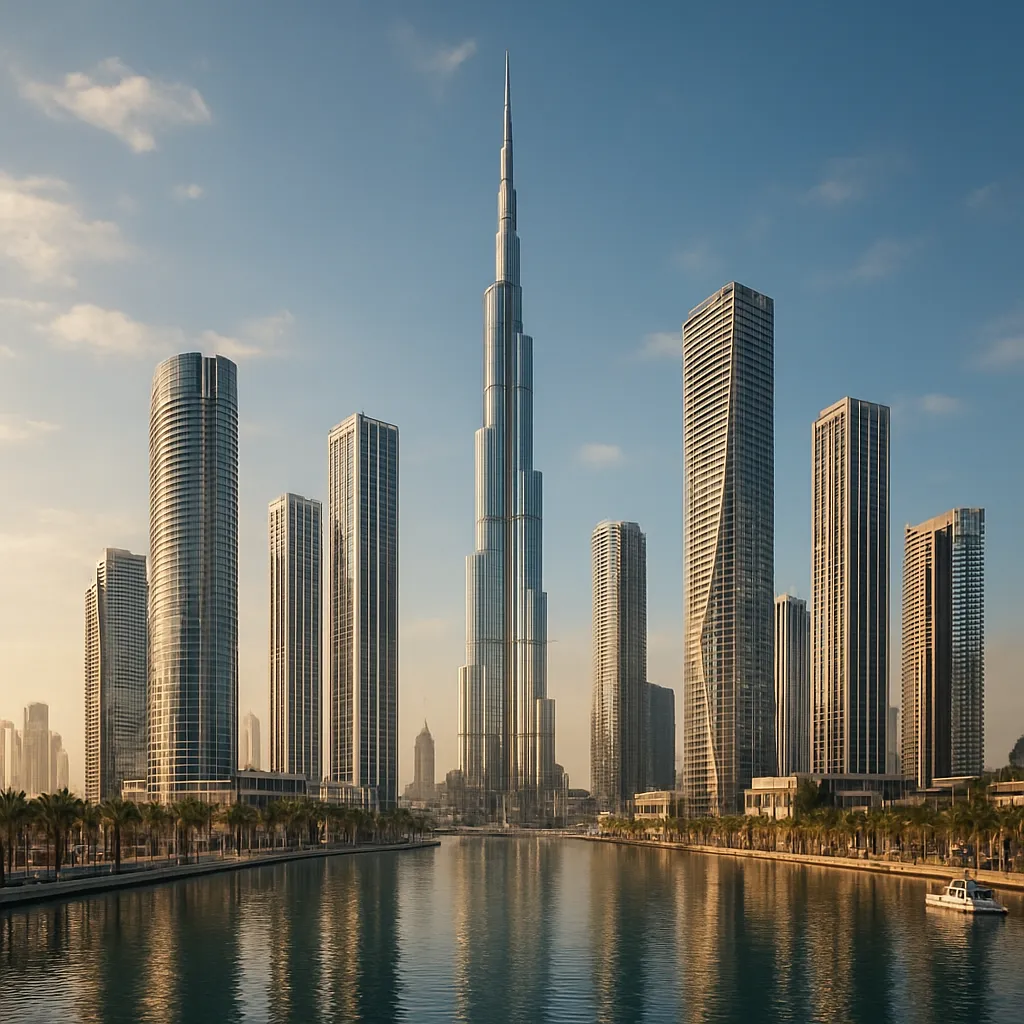
- The tower sits among a dense cluster of high-rises, contributing to one of the world’s most recognizable modern skylines; its reflection and night illumination add visual depth to the marina waterfront.
- Nearby amenities include yacht berths, promenades, cafés, international restaurants and leisure venues, providing both convenience and a lifestyle appeal that draws investors and long-term residents alike.
Design, architecture and functionality
Marina 101 was conceived as a mixed-use mega-tower combining residential apartments and a luxury hotel component. The building’s vertical program and architectural language reflect modern high-rise design standards while catering to Dubai’s market for high-end living and hospitality.
General configuration
- Height: reported at approximately 425 meters (about 1,394 feet).
- Floors: 101 floors, which is the origin of the tower’s name.
- Primary uses: high-rise residential units, serviced apartments and a multi-star hotel occupying a substantial block of floors.
The tower’s exterior combines glazing and architectural elements intended to create a slender vertical profile despite its substantial mass. The façades are designed to offer extensive glazing for views while balancing solar and thermal performance in a hot climate. Vertical zoning separates the residential and hospitality components, often with amenity floors and mechanical levels interleaved to service both programs efficiently.
Amenities and internal organization
Marina 101 was marketed with a wide range of high-end amenities typical for towers of its class: rooftop or high-level dining and lounge spaces, swimming pools for residents and hotel guests, fitness centers, sky gardens or terraces and private parking. Upper floors were intended to contain signature suites or penthouses with sweeping views of the marina and the sea. Because of its mixed nature, the building includes separate access lobbies and vertical circulation for residents and hotel guests to ensure privacy and operational efficiency.
Construction history, timeline and statistics
The construction history of Marina 101 reflects several broader themes in Dubai’s development story: rapid ambition, global financing, and the vulnerability of mega-projects to economic cycles.
Key milestones (general overview)
- Construction commencement: late 2000s (work began before or around 2007–2008 during the boom era).
- Impact of the global financial crisis: like many Dubai projects launched during that period, Marina 101 experienced delays and financing challenges after 2008.
- Topping out: widely reported as achieved in the mid-2010s (around 2016), when the structure reached its maximum height.
- Interior completion and full operational opening: experienced further delays; various reports have noted phased handovers and slow activation of the hotel component during subsequent years.
Important statistics often cited in descriptions of Marina 101 include the previously mentioned 425 meter height and 101 floors. These numbers place the tower among the tallest buildings in Dubai and make it one of the most prominent vertical residential/hotel projects in the region.
Engineering and construction features
Large high-rises in Dubai rely on advanced structural engineering to manage wind loads, seismic considerations and the demands of mixed-use programs. Marina 101’s structural solutions include deep piled foundations to support the weight of the tower and a reinforced concrete core providing torsional stability. The façade system was designed to manage solar gain and provide robust resistance to the corrosive marine environment typical of waterfront sites. Construction techniques included the use of high-strength concrete and staged slip-form or jump-form systems for the central core to accelerate vertical progress.
Operational use, market positioning and occupants
Marina 101 was intended to appeal to both investors and high-net-worth residents seeking panoramic waterfront living combined with hotel-style services. The original concept positioned the tower as a premium product in Dubai’s saturated but highly visible residential market.
Hotel component and hospitality positioning
The hotel portion was marketed as a multi-star luxury operation with branded services, banquet facilities and dining outlets designed to attract both tourists and business travelers. In large mixed-use towers, hotel floors often occupy lower-to-mid segments while premium residential units and penthouses occupy higher floors to capture the best views and command higher prices.
Residential market and apartment mix
Residential offerings in Marina 101 were intended to include a range of unit sizes — from studio and one-bedroom apartments to multi-bedroom units and duplex penthouses — targeting both the buy-to-let investor market and end-users seeking permanent residence in a high-profile building. Marina 101’s marketing emphasized its luxury finishes, skyline vistas and proximity to lifestyle amenities as key selling points.
Cultural, economic and skyline significance
Marina 101 contributes to Dubai’s image as a city of vertical ambition. The tower’s scale and placement reinforce the Dubai Marina district’s identity as an urban waterfront where skyline drama is part of the brand that attracts tourism, investment and lifestyle migration.
Economic and investment aspects
- High-rise developments like Marina 101 are emblematic of Dubai’s model of real estate-driven growth and its global investor appeal.
- Large towers generate not only residential value but also secondary economic activity: hospitality services, retail, hospitality employment and increased footfall for surrounding businesses.
- Yet such projects also reflect market risk; delays and financing changes can affect investor returns and unit mortgageability during periods of oversupply or economic downturn.
Skyline and symbolic role
On a symbolic level, Marina 101 acts as a vertical landmark. At night its lighting profile contributes to the waterfront panorama; by day it creates a visual anchor for the marina district. Whether viewed from the water, from the promenade, or from neighboring high-rises, the tower’s silhouette is part of a larger composition that many visitors now associate with modern Dubai.
Interesting facts and lesser-known details
Beyond statistics and floor plans, Marina 101 has a number of interesting aspects worth highlighting:
- Name and branding: the simple numeric name ties directly to its floor count, a common naming practice for towers aiming to be instantly recognizable and memorable.
- Mixed-use complexity: combining residential and hotel programs in a single vertical envelope requires careful planning of services, separate lobbies and separate mechanical systems to maintain operational clarity and resident privacy.
- Market timing: its construction and completion timelines intersect with Dubai’s boom-and-correction cycles, offering a case study in how mega-projects weather financial shocks and evolve through phased openings.
- Visibility: because of its height and location, the tower is visible from many vantage points across Dubai’s coastline, making units with unobstructed views especially prized.
Visitor experience and practical information
For people visiting Dubai Marina, Marina 101 functions primarily as a visual landmark from the public promenade, boat tours and neighboring hospitality venues. Access to internal areas such as the hotel or private residential lobbies is controlled; hotel guests typically enter through a designated hospitality entrance, while residents use secure access routes.
What visitors can expect
- Photographers and architecture enthusiasts often include Marina 101 in waterfront skyline shots, particularly at dusk or night when building lighting is prominent.
- Dining or lounge spaces within mixed-use towers (if open to non-residents) can offer unique vantage points; however, public access depends on the operators and security protocols in place at any given time.
- Nearby public amenities — promenades, cafés, marinas and beaches — are the most accessible ways to enjoy the tower’s presence without requiring entry.
Challenges, controversies and future prospects
Large developments like Marina 101 inevitably encounter operational and financial challenges. The project’s timeline experienced delays and staggered occupancy, a story shared by several Dubai towers initiated during the late-2000s boom. These delays affected the full activation of hotel services and some residential handovers.
Future prospects
Looking ahead, Marina 101’s long-term value depends on several factors: continued demand for high-end waterfront residences, the success of its hotel operations (if fully opened and branded), and wider economic conditions in Dubai and the Gulf. If fully realized according to its original mixed-use ambitions, the tower can provide steady hospitality revenues and sustained residential desirability due to its prime Marina location and commanding views.
Conclusion
Marina 101 is more than a tall building; it is a statement of intent common to Dubai’s waterfront development model — combining ambition, luxury and urban spectacle. With an approximate height of 425 meters and 101 floors, it stands as one of the most prominent towers in Dubai Marina. Its mixed-use program, waterfront siting and high-rise engineering make it a compelling case study in contemporary urban high-density development. While its path from slab to fully operational complex has included delays and complications, the tower still plays a significant role in shaping the Marina’s skyline and attracting investment attention to one of the city’s most dynamic districts.