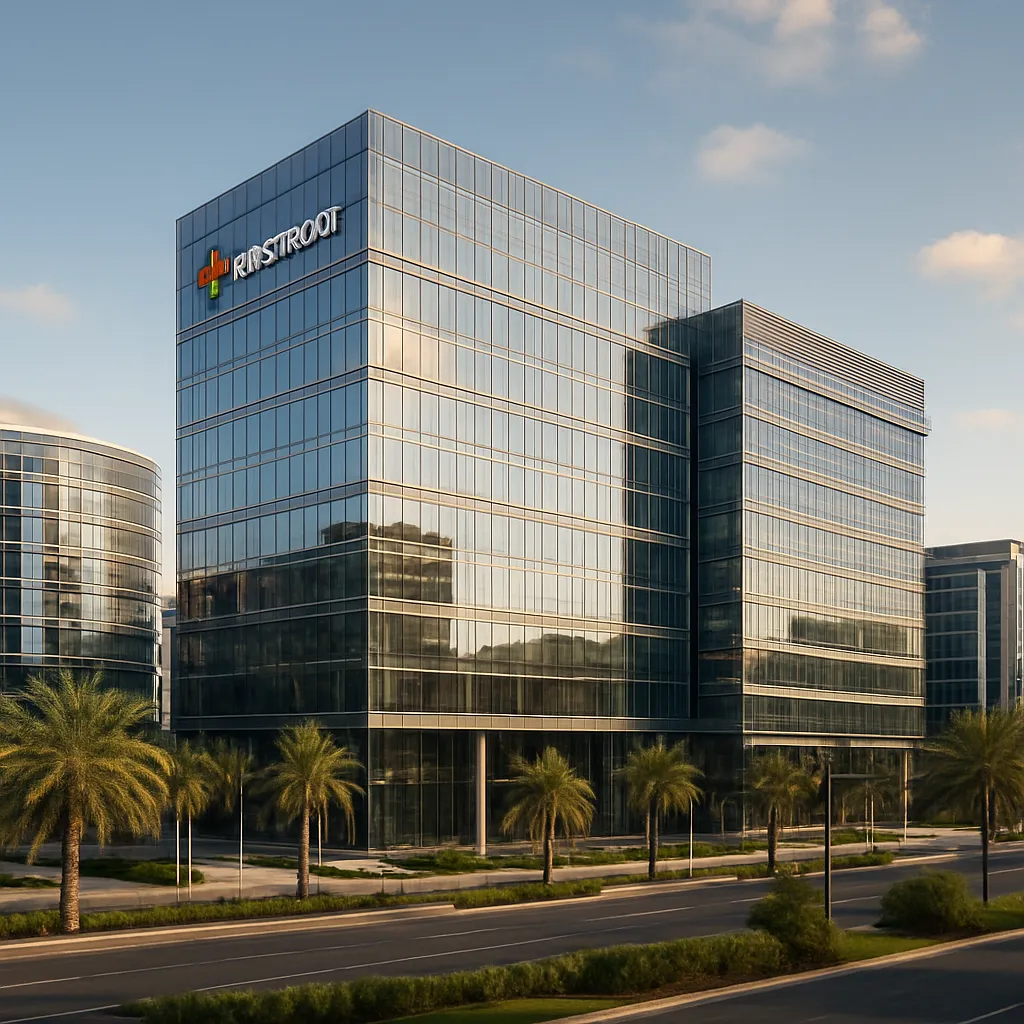
The Microsoft presence in Dubai Internet City is an important node in the global network of the company’s regional operations. Located within one of the Middle East’s earliest and most influential technology free zones, the office acts as a commercial, technical and cultural bridge between Microsoft’s worldwide strategy and local digital transformation projects in the Gulf and broader Middle East and North Africa region. This article explores the building and its context, what makes it noteworthy, the services and initiatives it hosts, and practical and statistical information that reflects its role in the regional technology landscape.
Location and urban context
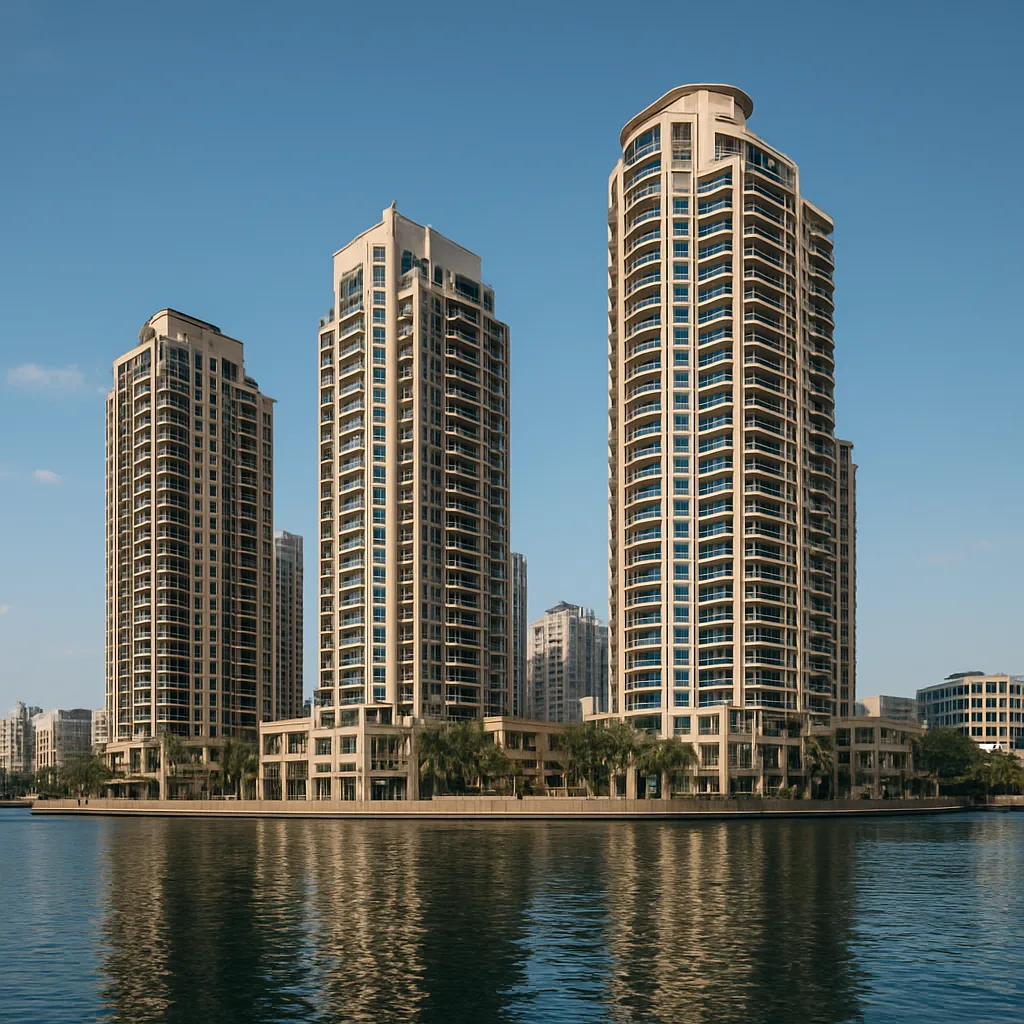
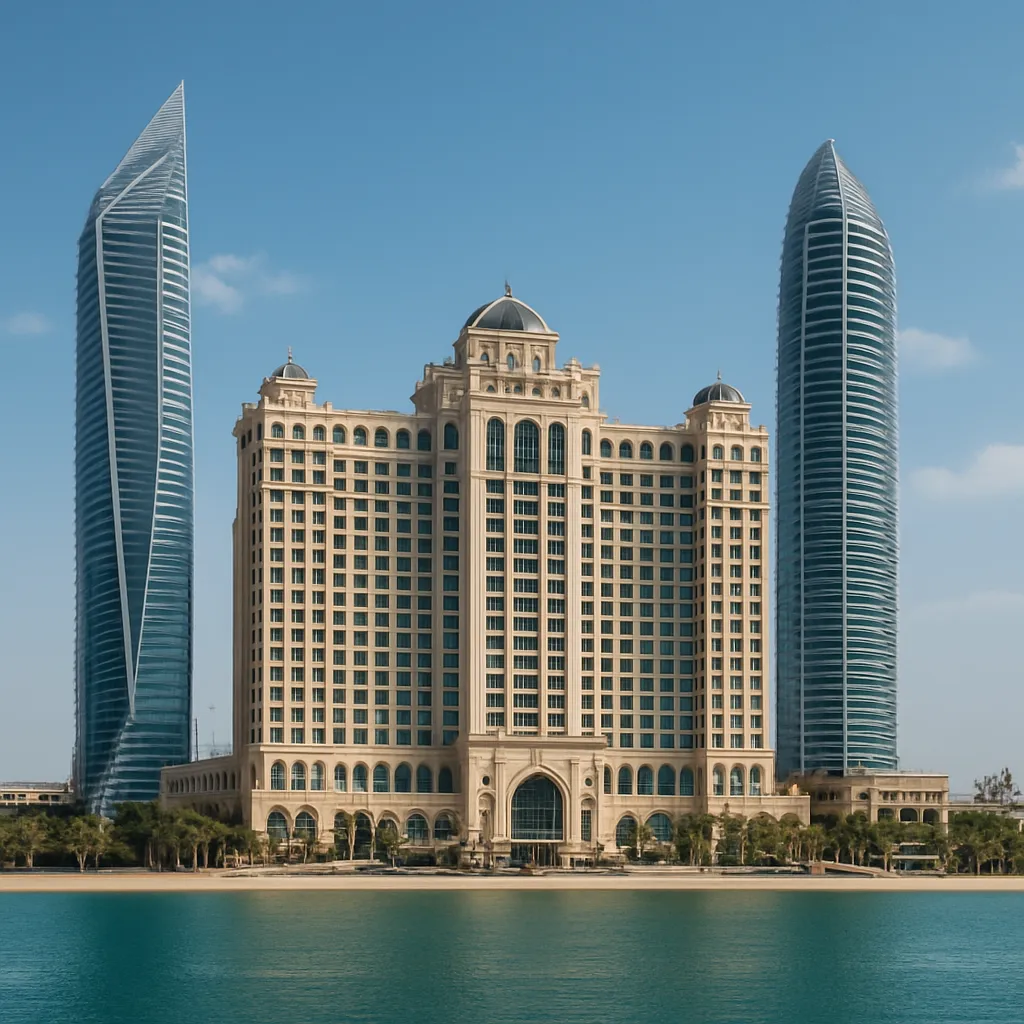
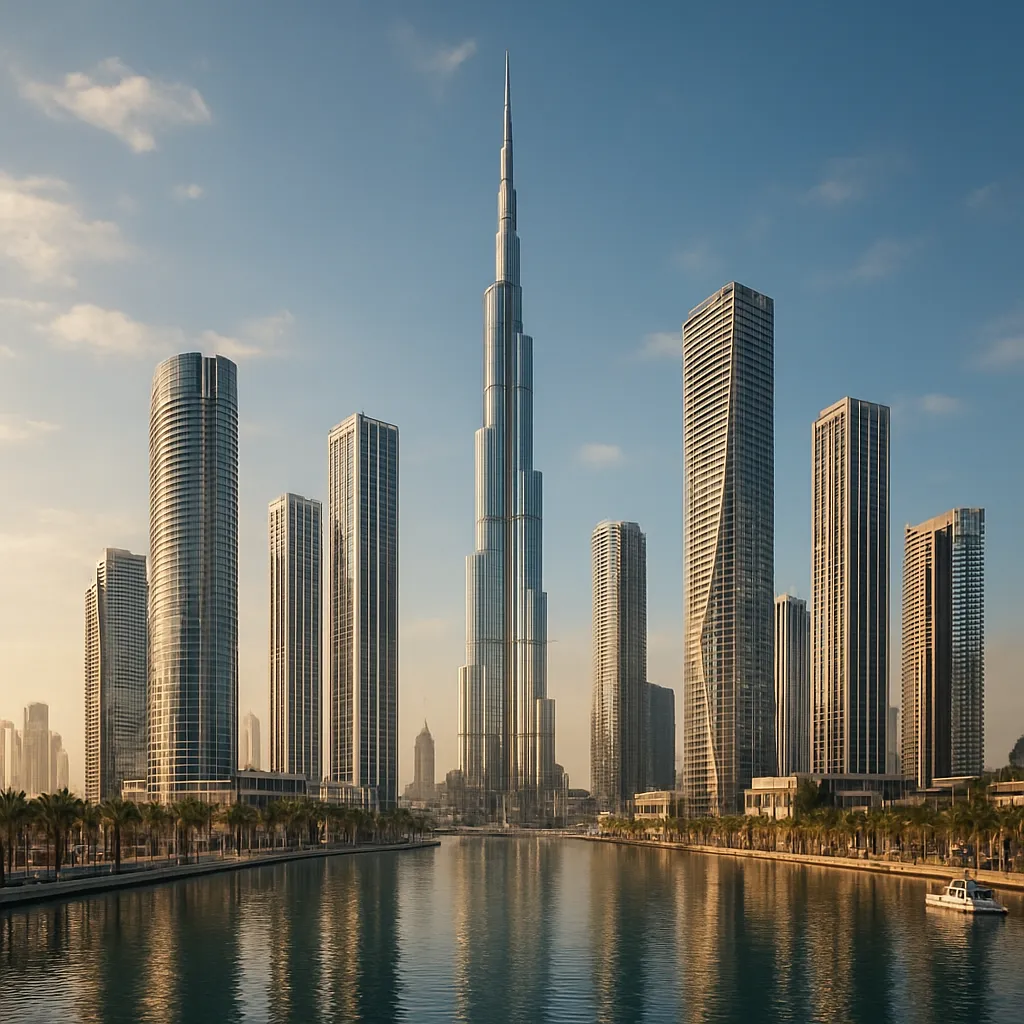
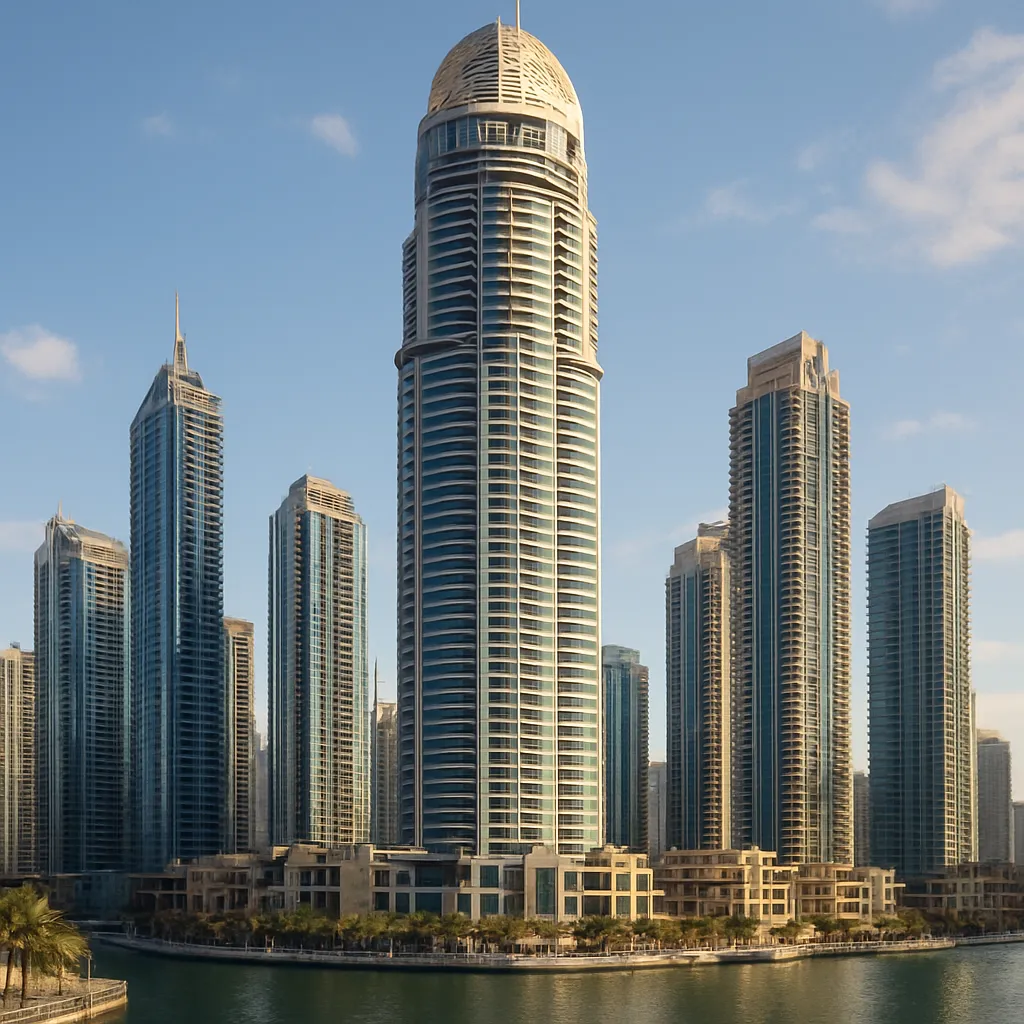
Microsoft’s offices are situated in Dubai Internet City, a purpose-built technology park created to attract global information and communications technology companies and foster a technology-focused cluster. Dubai Internet City is part of the larger TECOM (now part of Dubai Holding) portfolio of business communities and is located along the northwest corridor of Dubai, close to Sheikh Zayed Road and adjacent to other business districts such as Dubai Media City and Dubai Knowledge Park.
The site benefits from strong urban connectivity. Dubai Internet City is served by the Dubai Metro (Red Line), with the Dubai Internet City metro station providing direct links to major urban nodes such as Dubai Mall/Burj Khalifa and Dubai International Airport. Road access is straightforward via Sheikh Zayed Road and surrounding arterial routes, while an extensive network of taxis and ride-hailing services serve the area. The location positions Microsoft in the heart of the UAE’s commercial and technology ecosystem, enabling easy access for customers, partners, government entities and talent across the region.
Architectural character and workspace design
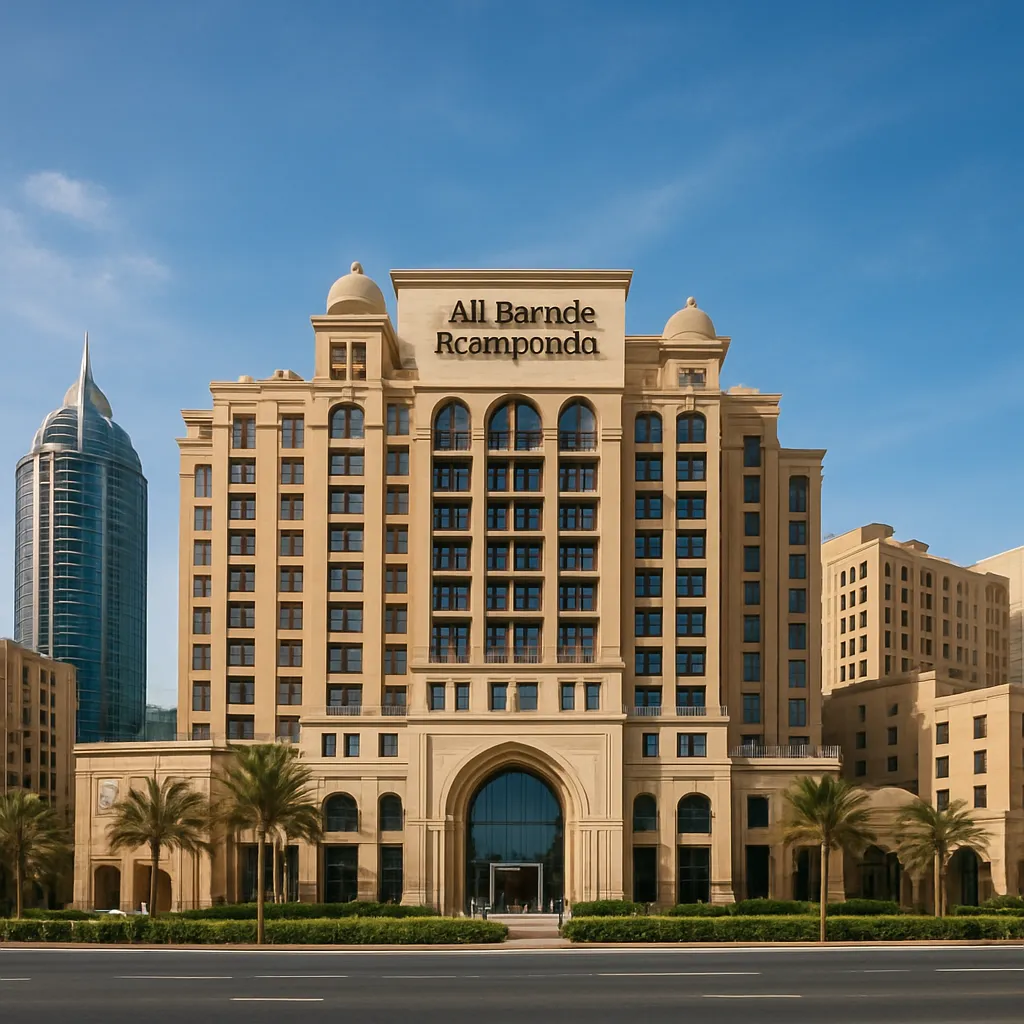
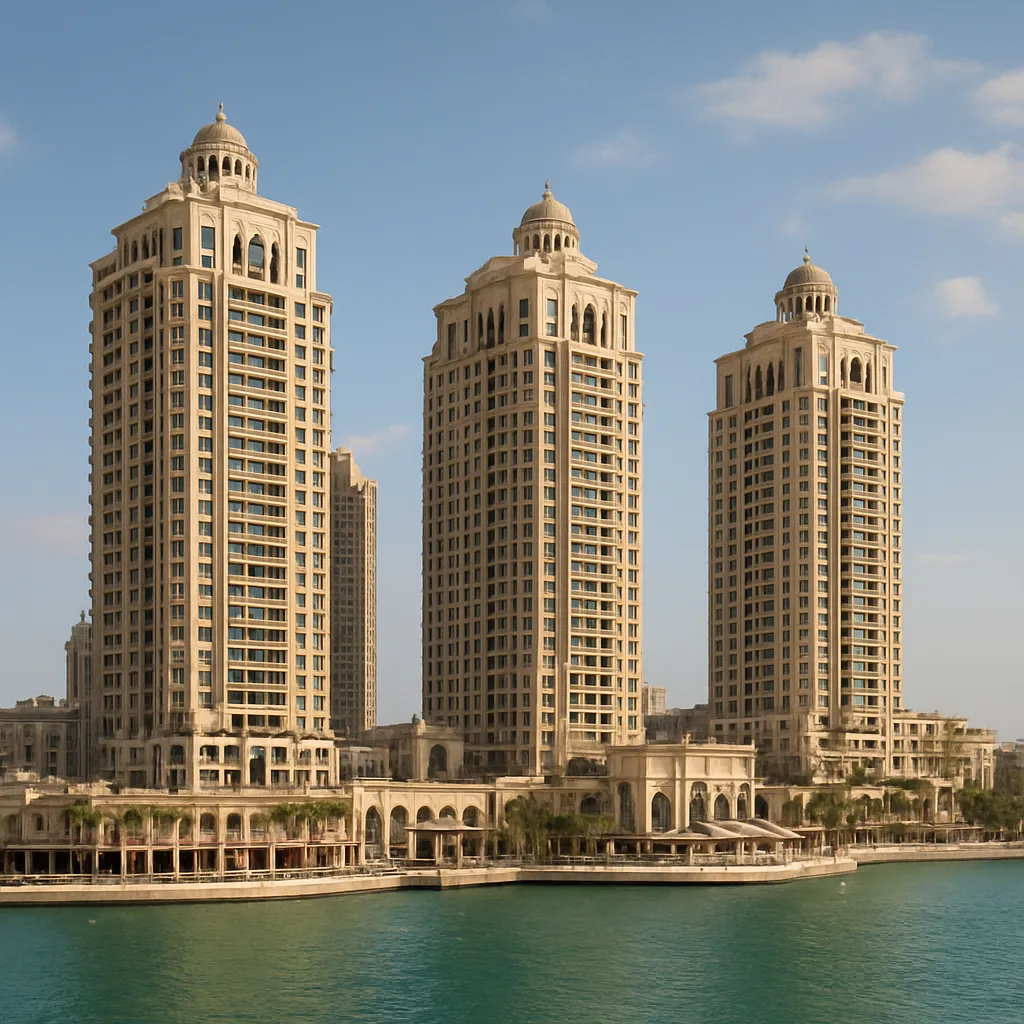
The offices in Dubai Internet City reflect a contemporary corporate approach to workspace design that emphasizes flexibility, collaboration and technology-enabled environments. Microsoft’s regional spaces typically incorporate a mix of open-plan working areas, private meeting rooms, demonstration and briefing centers, and informal collaboration zones. The physical design aims to support a wide range of activities from software development and cloud engineering to customer workshops, executive briefings and partner events.
Key characteristics commonly found in Microsoft’s Dubai Internet City offices include:
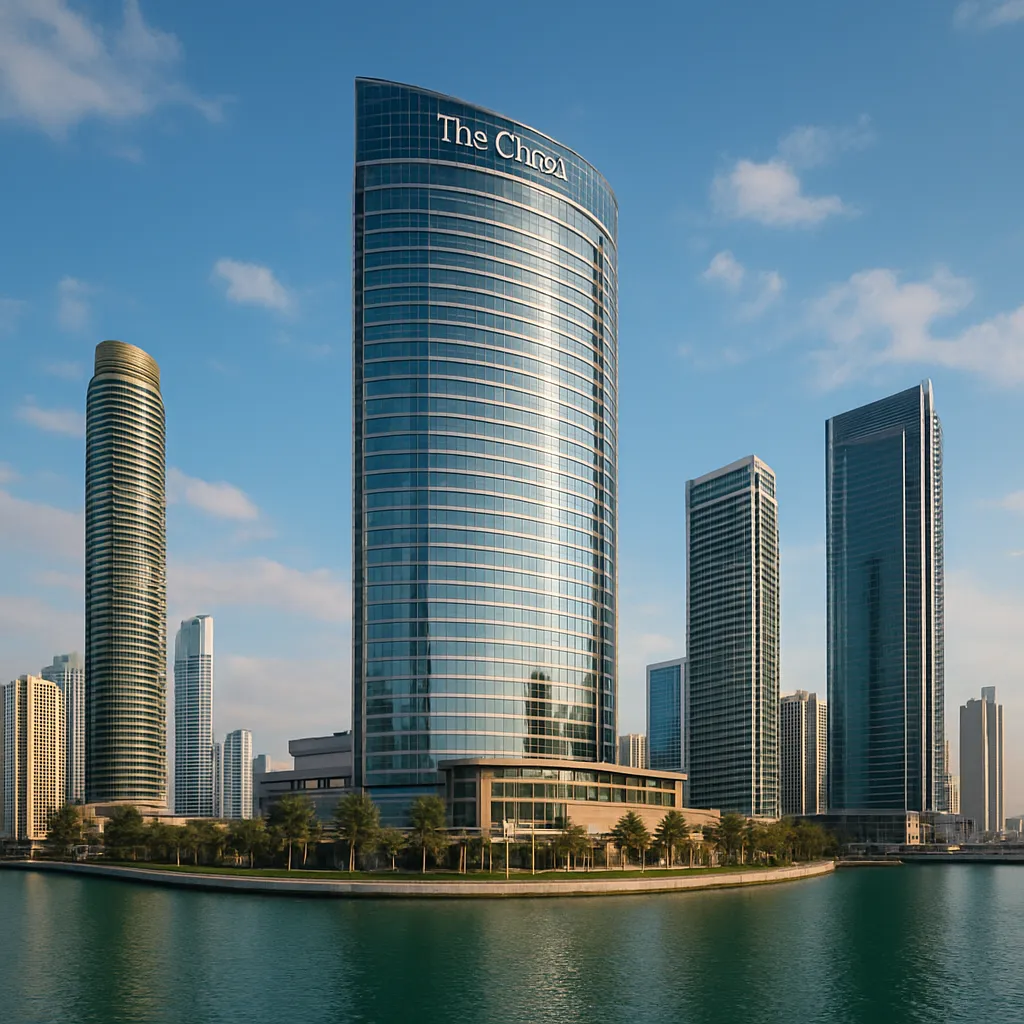
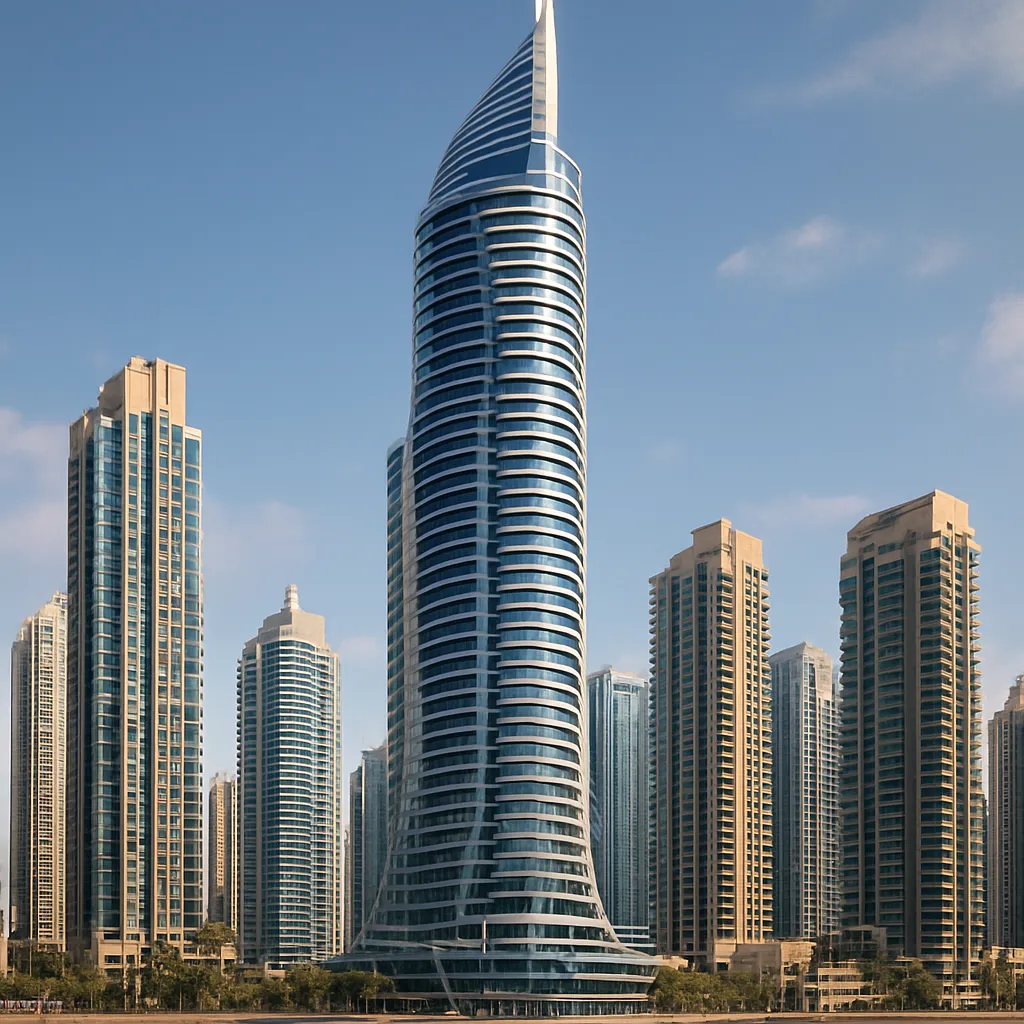
- modern glass-and-steel façades and smart building systems;
- flexible, modular interiors that can be reconfigured for project teams and events;
- dedicated demonstration and lab areas for showcasing solutions such as Azure platforms, AI prototypes and enterprise applications;
- meeting and collaboration hubs designed for customer co-creation sessions and partner engagements;
- staff amenities intended to enhance productivity and wellbeing, including cafés, quiet rooms and technology-equipped training spaces.
Although specific architectural certifications vary building by building across Dubai Internet City, the development has increasingly emphasized energy efficiency, smart systems and improved occupant comfort—aligning with regional priorities around sustainability and resilient design. Microsoft’s global workplace approach of integrating technology, people-first design and sustainability best practices is reflected at the regional office level.
Role and significance in the regional technology ecosystem
Microsoft’s presence in Dubai Internet City is more than a corporate office; it functions as a hub for regional engagement, technical leadership and ecosystem development. The office serves multiple strategic roles concurrently:
- Regional headquarters and coordination center: the Dubai office often operates as the regional HQ for Microsoft operations across the Gulf and the broader Middle East and North Africa market, managing commercial strategy, partner relations and customer programs.
- Customer engagement and digital transformation: the space hosts workshops, briefings and demonstrations of cloud and AI solutions used by governments, large enterprises and small- and medium-sized businesses pursuing digital transformation.
- Partner enablement: Microsoft collaborates with a wide network of independent software vendors (ISVs), systems integrators and local partners who use the Dubai office as a point of contact for co-selling, technical enablement and certifications.
- Talent and training hub: the workplace supports training programs, talent development initiatives and community outreach through Microsoft Learn, certification courses and hackathons.
- Innovation showcase: the office often features demo environments showcasing Azure cloud services, mixed reality experiences enabled by Microsoft technologies, and proof-of-concept deployments for sectors such as healthcare, finance and energy.
Because Dubai Internet City gathers global technology firms, the Microsoft office interacts daily with multinational corporations and local startups alike. This concentration of tech players enables knowledge transfer, partnership formation and competitive innovation—factors that helped Dubai Internet City become a magnet for digital investment across the region.
Services, programs and collaborative initiatives
Within the Dubai Internet City environment, Microsoft runs and supports a variety of programs designed to accelerate cloud adoption, promote skills development and facilitate public-private collaboration. These programs typically include cloud migration accelerators, industry-specific solution showcases and education initiatives targeted at both private sector and government stakeholders.
Cloud and platform initiatives
Microsoft leverages its presence to promote adoption of cloud-native architectures, particularly through Azure capabilities tailored to local regulatory and operational needs. In the UAE, Microsoft operates local cloud infrastructure (Azure regions), which enables customers to meet data residency and compliance requirements—a key consideration for government and regulated industries. These cloud regions support services such as virtual machines, databases, storage, AI and analytics, and are often a core topic of regional Microsoft engagements.
Skills, education and workforce development
Microsoft’s programs in the region emphasize digital skills development. Initiatives include certification preparation, free and subsidized training resources, and public-private partnerships aimed at increasing the number of certified professionals in areas such as cloud engineering, data science and cybersecurity. Microsoft’s global initiatives—such as AI for Good, Microsoft Learn, and community-driven events—are adapted locally to address skills gaps and encourage entrepreneurship.
Public sector partnerships and innovation
Governments in the UAE and neighboring countries collaborate with Microsoft on smart city programs, digital identity, e-government platforms, and sector-specific modernization (for example, healthcare data modernization and smart utilities). The Dubai office often supports these initiatives by offering technical architecture guidance, pilot projects and workshops that align Microsoft technologies with government policy and regulatory frameworks.
Statistics and measurable impact
Precise figures tied to a single office building are seldom published, but a few measurable indicators illustrate the significance of Microsoft’s presence in Dubai Internet City and the broader region:
- Dubai Internet City was established in the late 1990s and has grown into a major technology cluster hosting a large number of international and regional companies. The development houses well over a thousand technology firms, with many multinational names alongside regional and local startups and service providers. Estimates commonly cited in industry reporting place the number of companies in Dubai Internet City and adjacent business communities in the low thousands.
- Microsoft announced the establishment of Azure cloud regions in the UAE in the late 2010s, enabling local data residency for enterprise and public sector customers. The availability of local cloud regions has been a catalyst for substantial cloud adoption across industries in the country.
- The regional technology ecosystem supported by Dubai Internet City contributes meaningfully to employment in Dubai’s knowledge economy. Tens of thousands of professionals work across the wider cluster of media, technology and education business parks in the same corridor.
These high-level statistics underscore a broader point: Microsoft’s Dubai operations are embedded in a robust and growing digital economy, where cloud infrastructure, talent development and partnerships are accelerating adoption of new technologies.
Notable projects and public-facing activities
Microsoft’s regional office is often involved in projects that attract public attention because of their scale or social impact. Examples of the types of projects and activities typically associated with Microsoft in Dubai Internet City include:
- large-scale cloud migration projects for banks and financial institutions, leveraging Azure to improve scalability and security;
- smart city pilots with municipal and government agencies focused on traffic management, utilities optimization and data-driven urban services;
- healthcare modernization programs that use cloud platforms and AI to improve patient care coordination and analytics;
- educational initiatives and partnerships with universities and training providers to expand data science and cloud engineering capabilities in the local workforce;
- hackathons, developer meetups and community events designed to encourage innovation and startup growth.
While specific contracts and deployments are often confidential or disclosed only by the involved parties, the type and scale of these activities exemplify how the office functions as a practical resource for digital transformation projects across the region.
Visitor information and practical details
For visitors and partners, the Microsoft office in Dubai Internet City typically operates as a meeting and demonstration venue with the following practical attributes:
- appointments and prior registration are recommended for customer briefings, partner sessions and executive meetings;
- the proximity to Dubai Internet City metro station ensures relatively straightforward public transport access for domestic and international visitors;
- parking and drop-off zones are typically available within the business park for guests arriving by car or taxi;
- security and reception protocols at corporate offices in Dubai require visitors to register and present identification on arrival; many events will also require pre-authorization;
- events such as workshops, seminars and public briefings may be advertised on Microsoft’s regional event pages and through local partner networks.
Economic, social and strategic importance
Microsoft’s presence in Dubai Internet City is significant from several perspectives. Economically, it supports the growth of the cloud market in the region, helps local partners scale their offerings, and contributes to job creation in high-skill roles. Socially, programs related to education, digital literacy and accessibility often flow from the company’s local engagement, helping to broaden the benefits of technology adoption. Strategically, having a major global technology provider with local operations and cloud infrastructure enhances the region’s attractiveness to global investors and multinational companies seeking reliable, sovereign-compliant cloud services.
The office’s ability to convene stakeholders—ranging from government officials and enterprise customers to startups and academic institutions—creates an environment where strategic collaborations can be formed more easily than through remote interactions alone. This convening power is a crucial advantage for any regional headquarters and is part of why Dubai Internet City continues to be a preferred location for global tech firms.
Challenges and future outlook
The technology landscape in the Middle East is evolving rapidly, and Microsoft’s Dubai Internet City operations face both opportunities and challenges. Competitive pressures from other cloud providers and rising local and regional tech champions mean that innovation and continuous investment in services and partnerships are necessary. Talent competition is another factor; attracting and retaining skilled cloud engineers, AI specialists and cybersecurity experts is an ongoing priority.
Looking ahead, several trends will shape the future role of Microsoft’s office in Dubai Internet City:
- increasing demand for cloud-native and edge solutions as industries adopt real-time analytics and IoT at scale;
- greater emphasis on data governance and sovereign cloud services to meet regulatory expectations across different jurisdictions in the region;
- broadening of AI and machine learning deployments across sectors such as healthcare, finance and energy, requiring partnerships that combine domain expertise with technical capability;
- continued investment in skills and certifications to close the digital skills gap and nurture a pipeline of regional talent.
Microsoft’s strategy of investing in both physical presence and local cloud infrastructure positions it to remain an influential player in the region as these trends unfold.
Conclusion
The Microsoft office in Dubai Internet City is more than an office building: it is a strategic platform for cloud adoption, a hub for partner and government engagement, and a focal point for skills development and innovation in the Gulf region. Located within a well-connected technology cluster and supported by local Azure infrastructure, the office helps bridge global technology leadership and regional needs. With programs targeted at education, public sector modernization and enterprise transformation, the presence contributes to the growth of the local digital economy while addressing practical concerns around compliance and data residency. As the Middle East continues to accelerate its digital agenda, the Microsoft presence in Dubai Internet City will likely remain a prominent and active participant in shaping that future.
Key highlighted terms in this article: Microsoft, Dubai Internet City, headquarters, Azure, cloud, innovation, technology, UAE, ecosystem, sustainability.