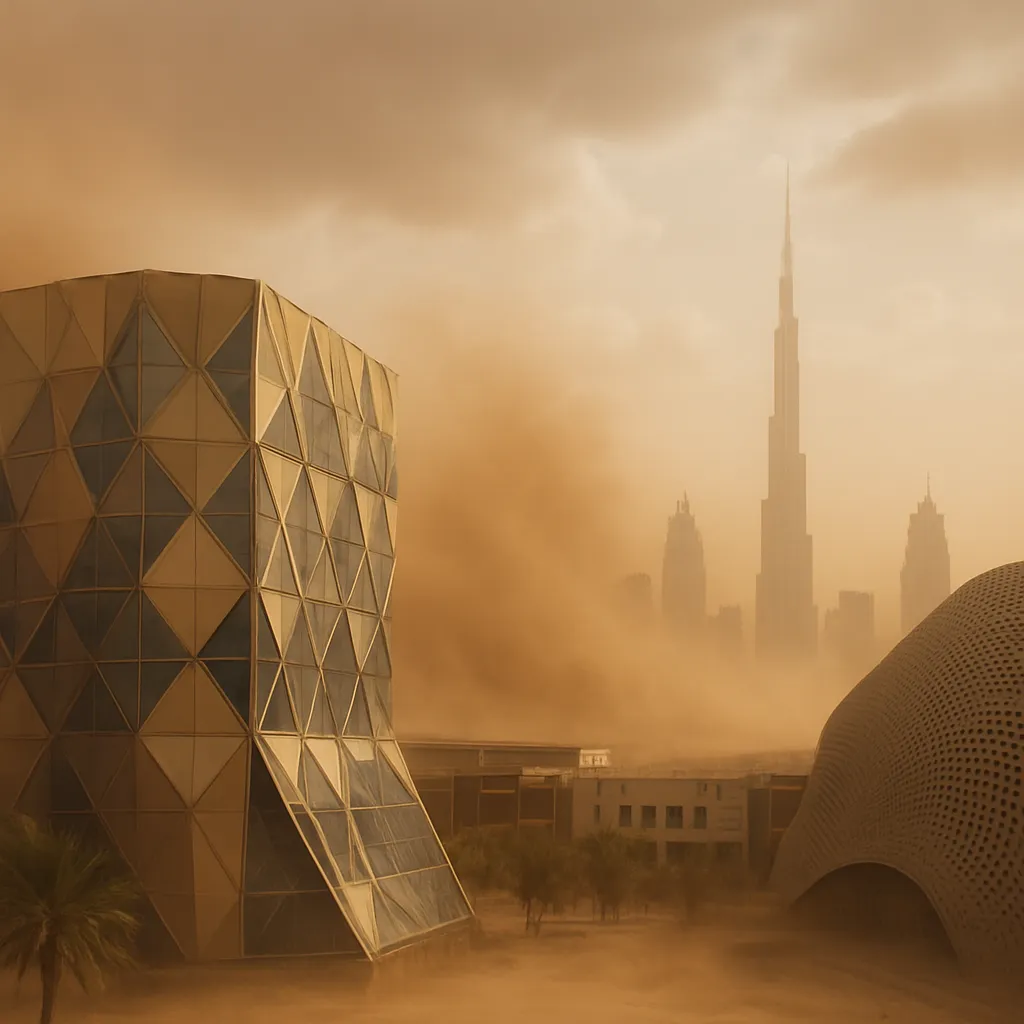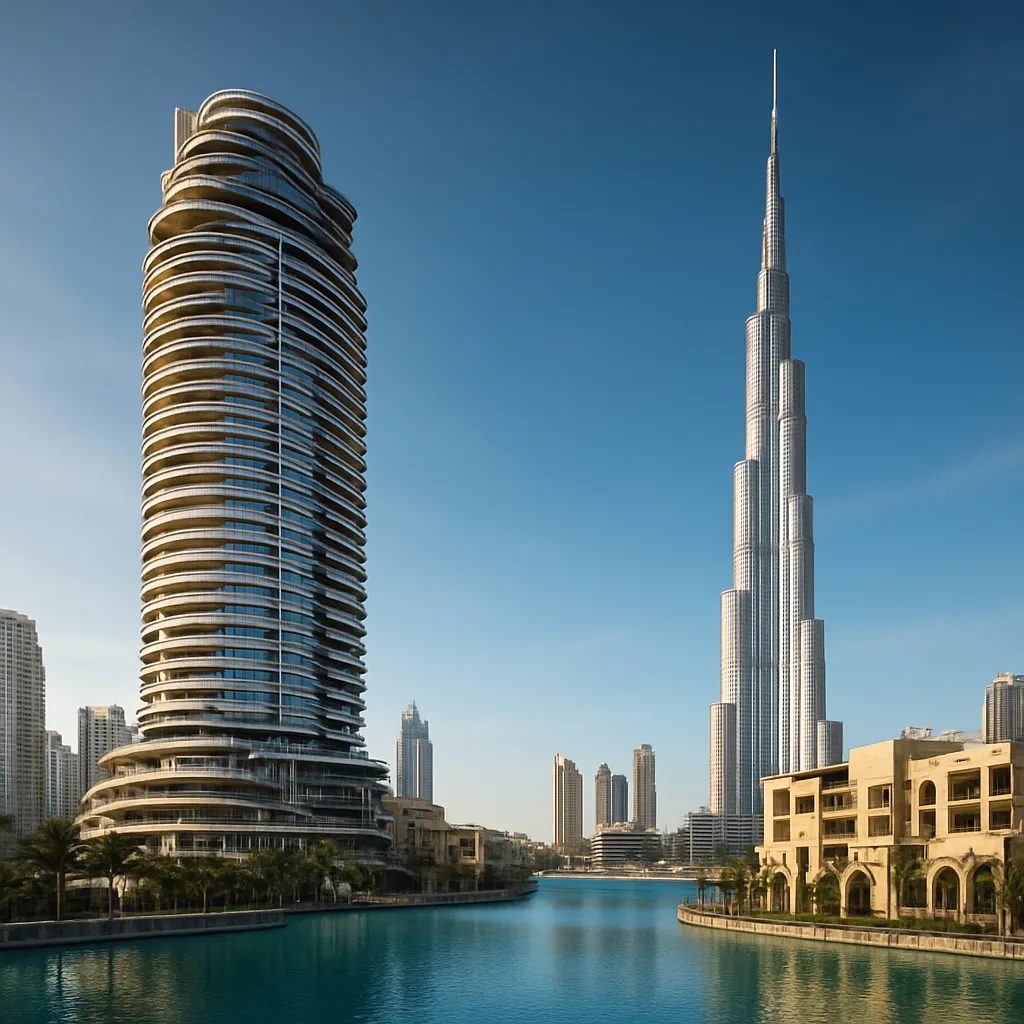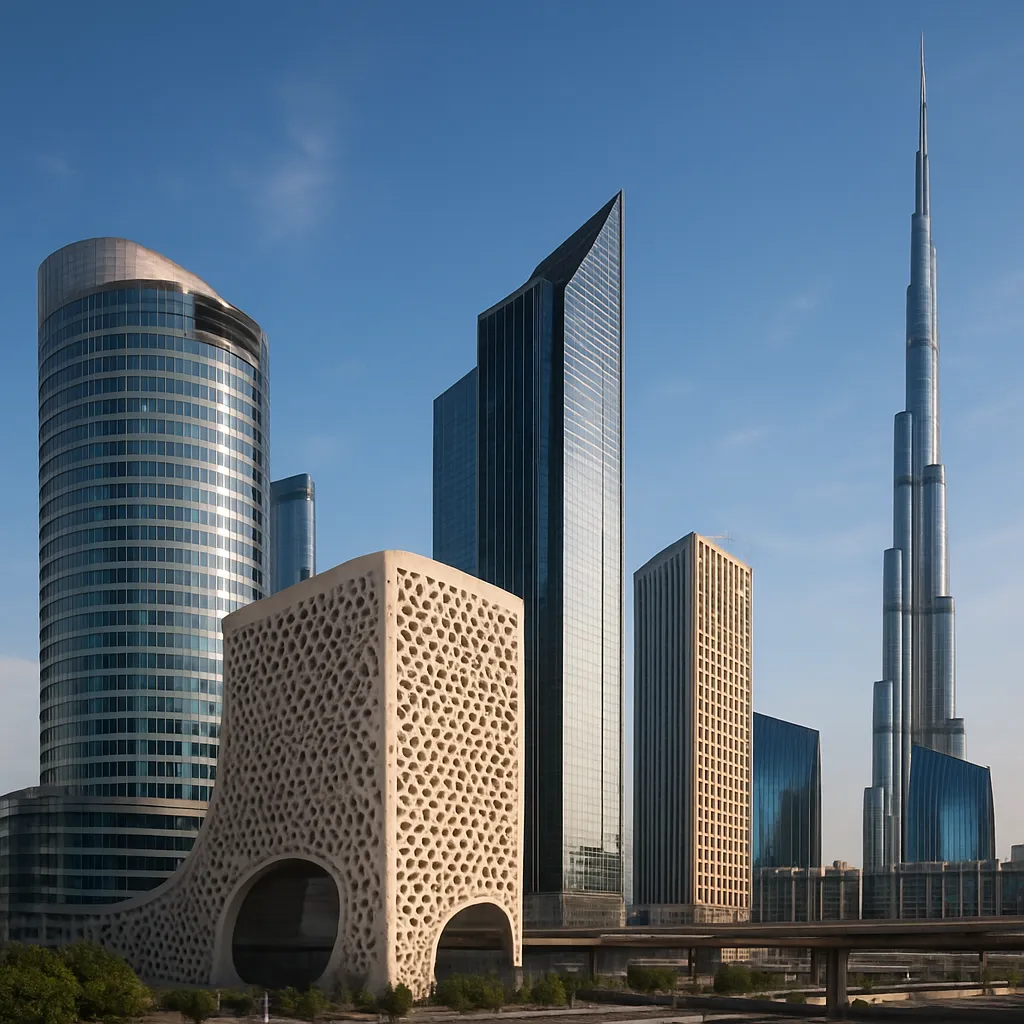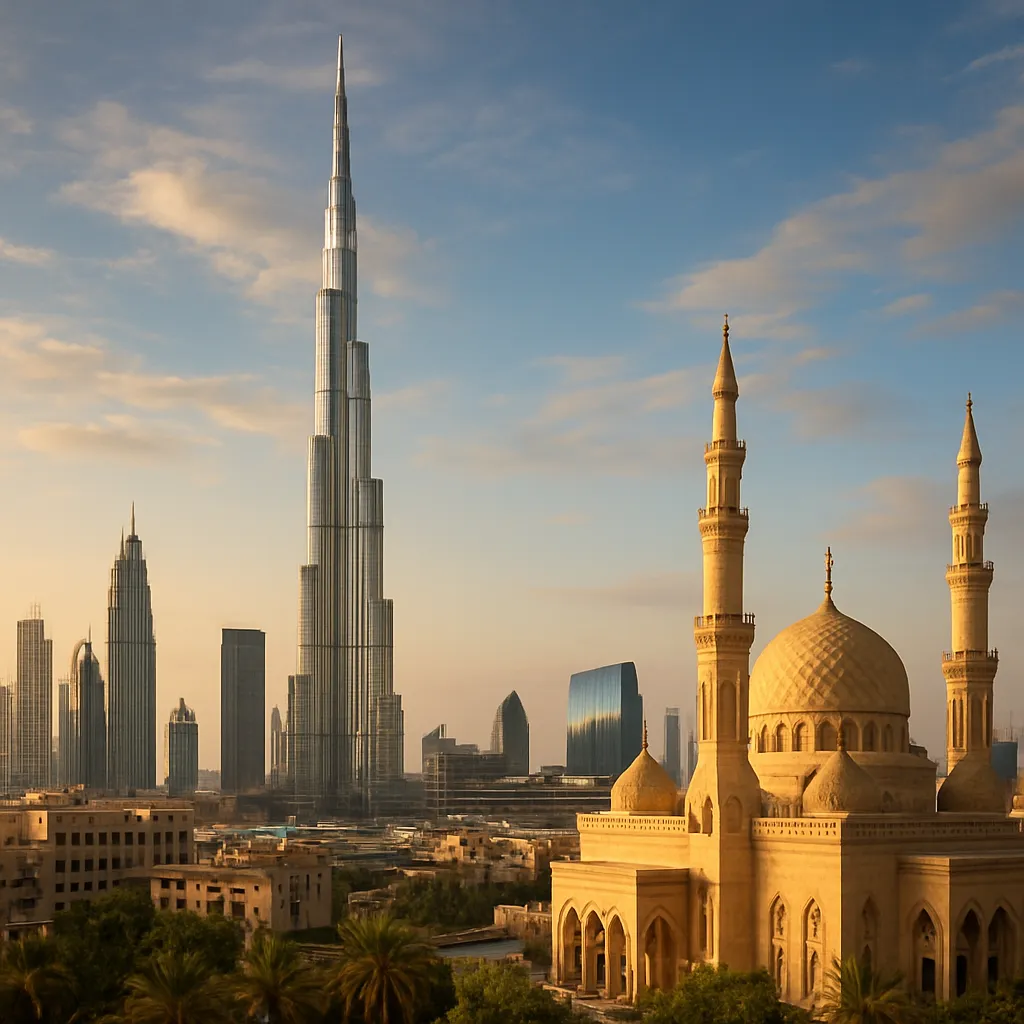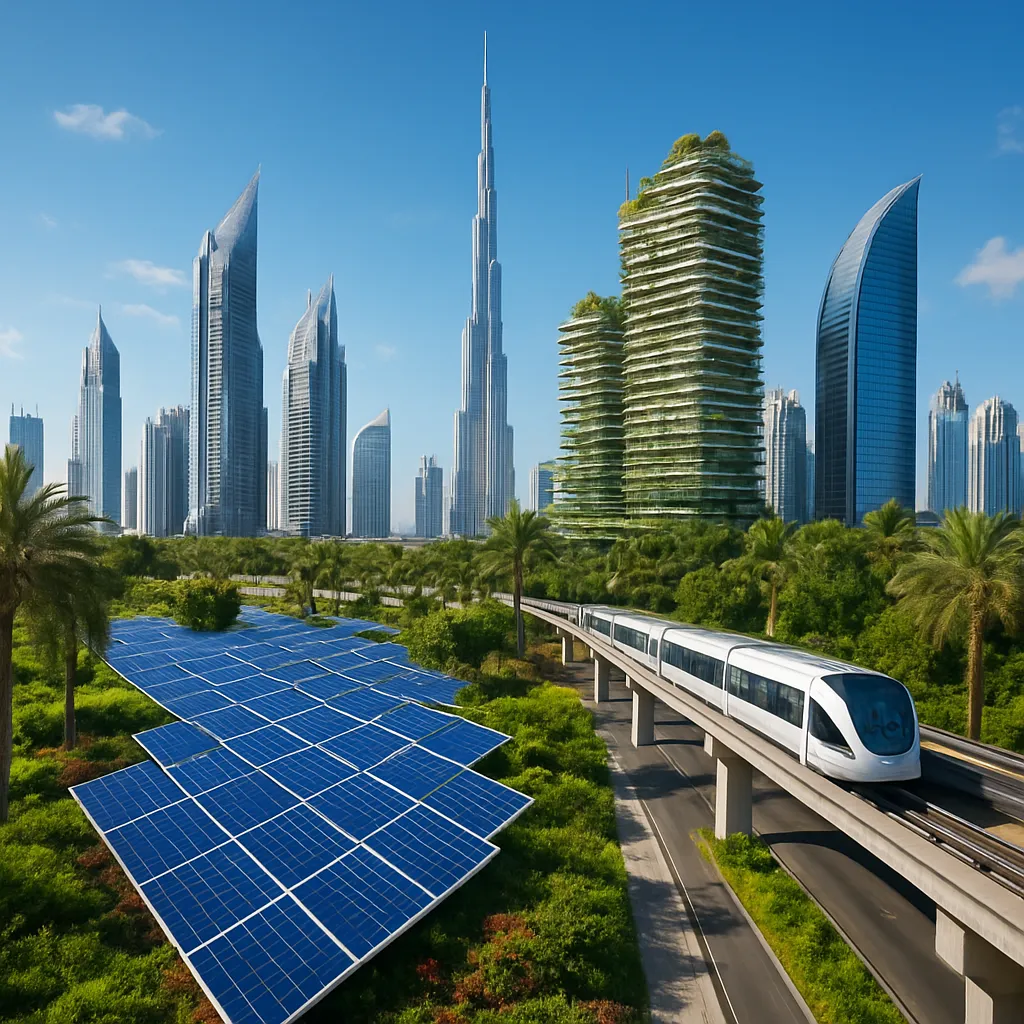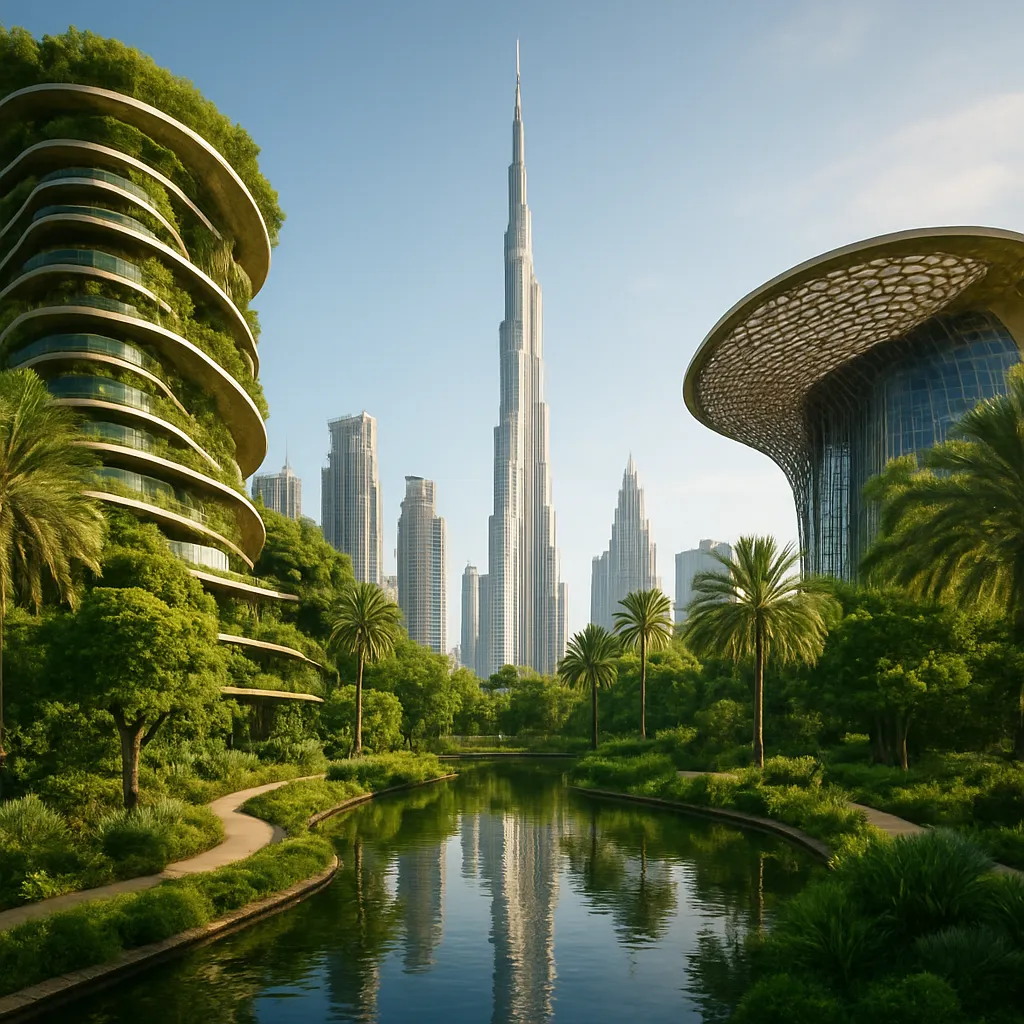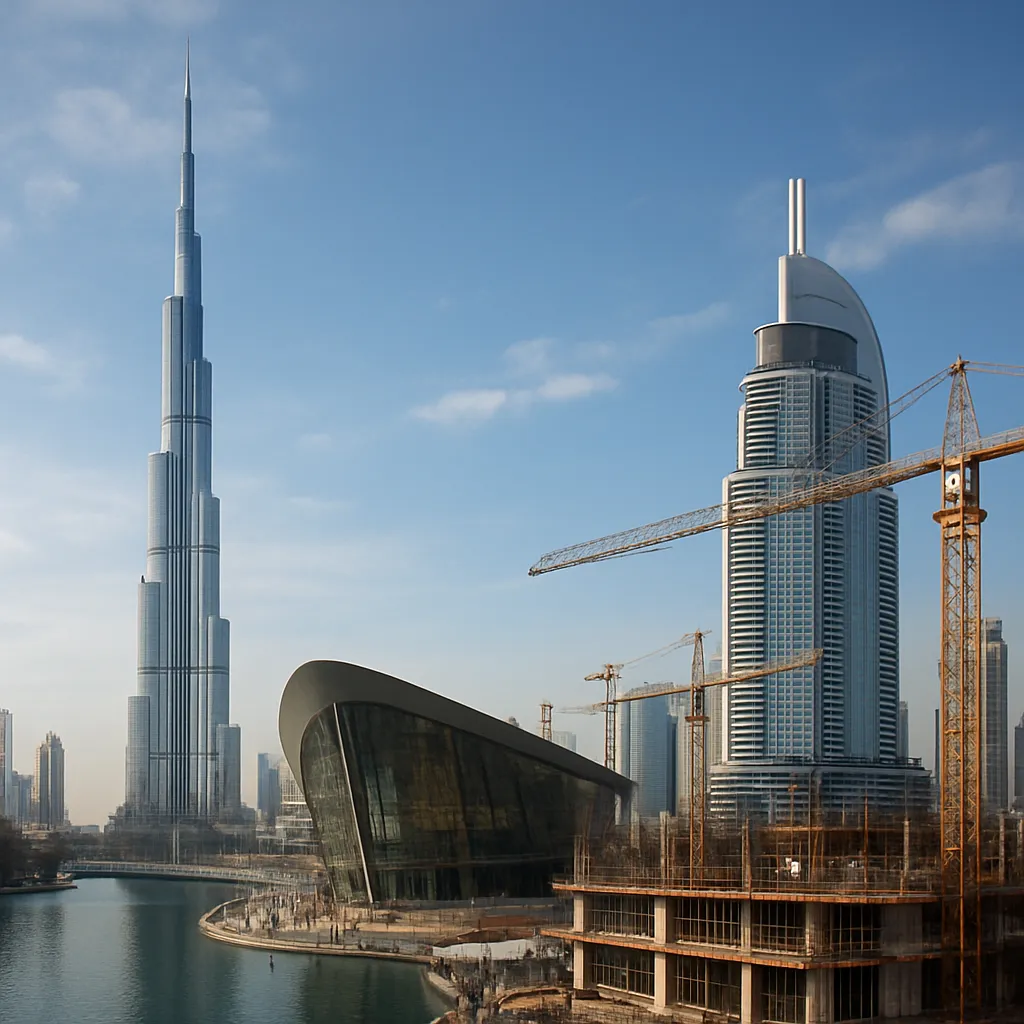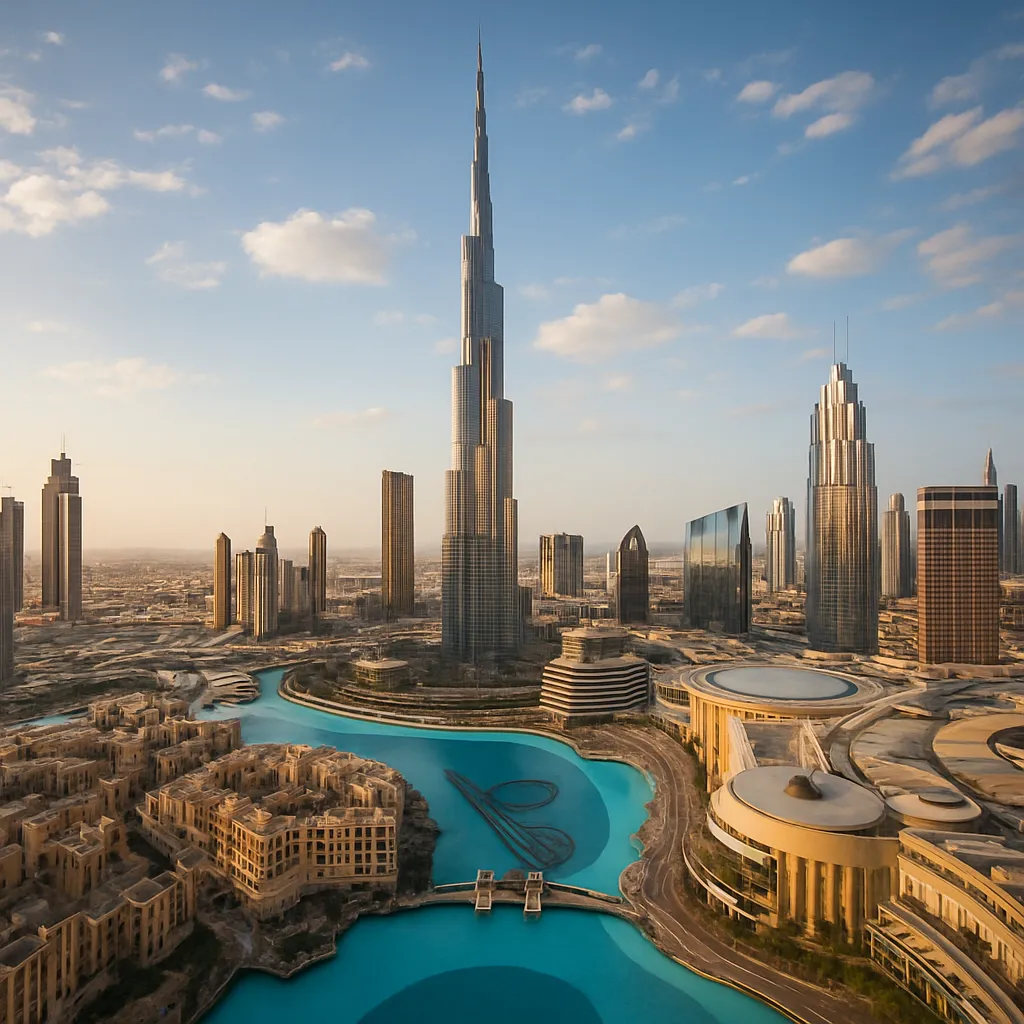
Dubai’s towering silhouettes carve an unforgettable impression against the desert horizon. Behind every gleaming panel and daring spire lies a tapestry of subtle innovations, cultural references, and meticulous engineering choices. Exploring these concealed facets reveals how today’s tallest buildings in Dubai are not only feats of height but also triumphs of sustainability, material science, and architectural symbolism.
Evolution of the Modern Skyline
From the early days of the Burj Al Arab to the majestic Burj Khalifa, Dubai’s ascent into a global architectural hub reflects a relentless pursuit of innovation and ambition. While most visitors gape at dizzying heights, few appreciate the incremental design shifts that make each new skyscraper distinct:
- Adaptive structural systems that counter desert winds and thermal loads
- Advanced curtain-wall assemblies optimizing thermal performance
- Shifting massing strategies, gradually stepping towers towards slender profiles
By combining parametric design tools with traditional engineering wisdom, architects have refined every transition line and facade panel to achieve both aesthetic elegance and operational resilience.
Extravagant Facade Innovations
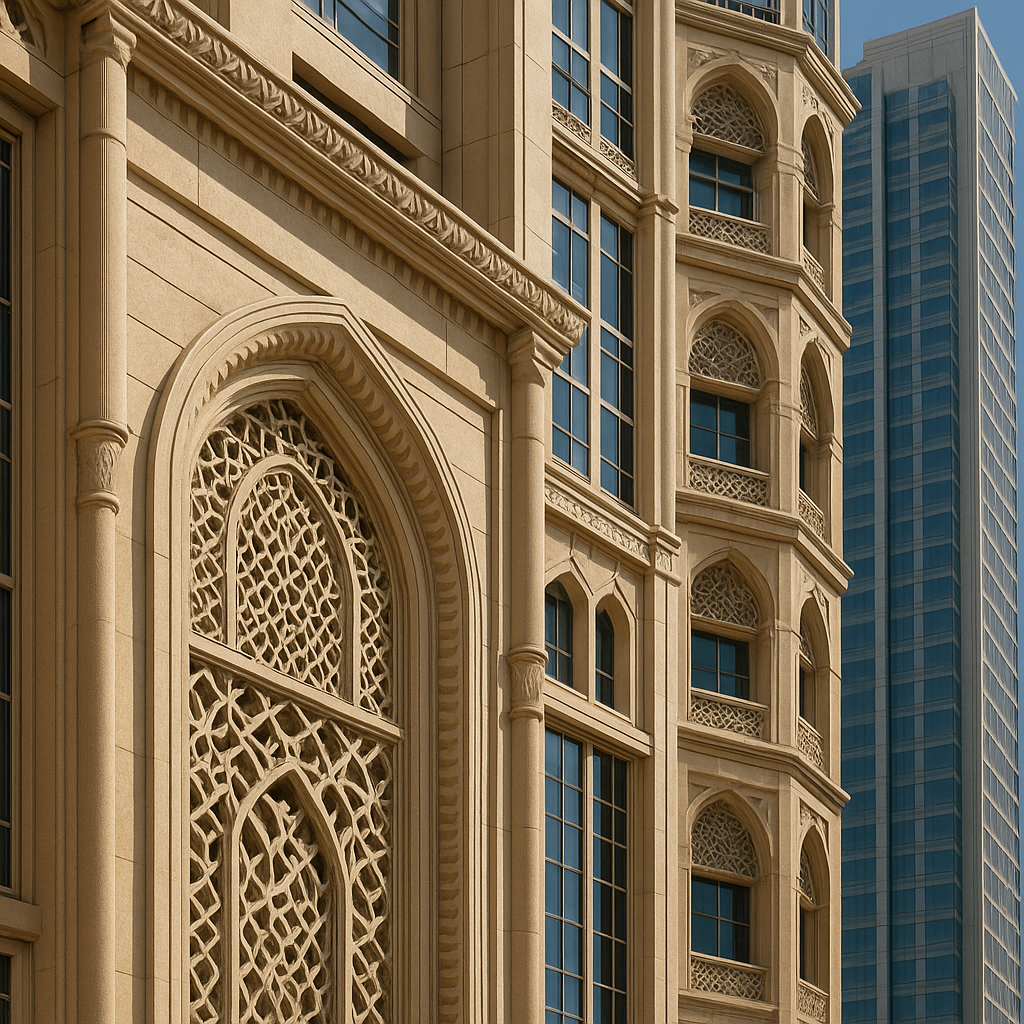
Beyond the gleaming glass and steel frames, Dubai’s skyscrapers often hide a wealth of geometry and texture. These details transform what might otherwise be a monotonous skin into a dynamic canvas:
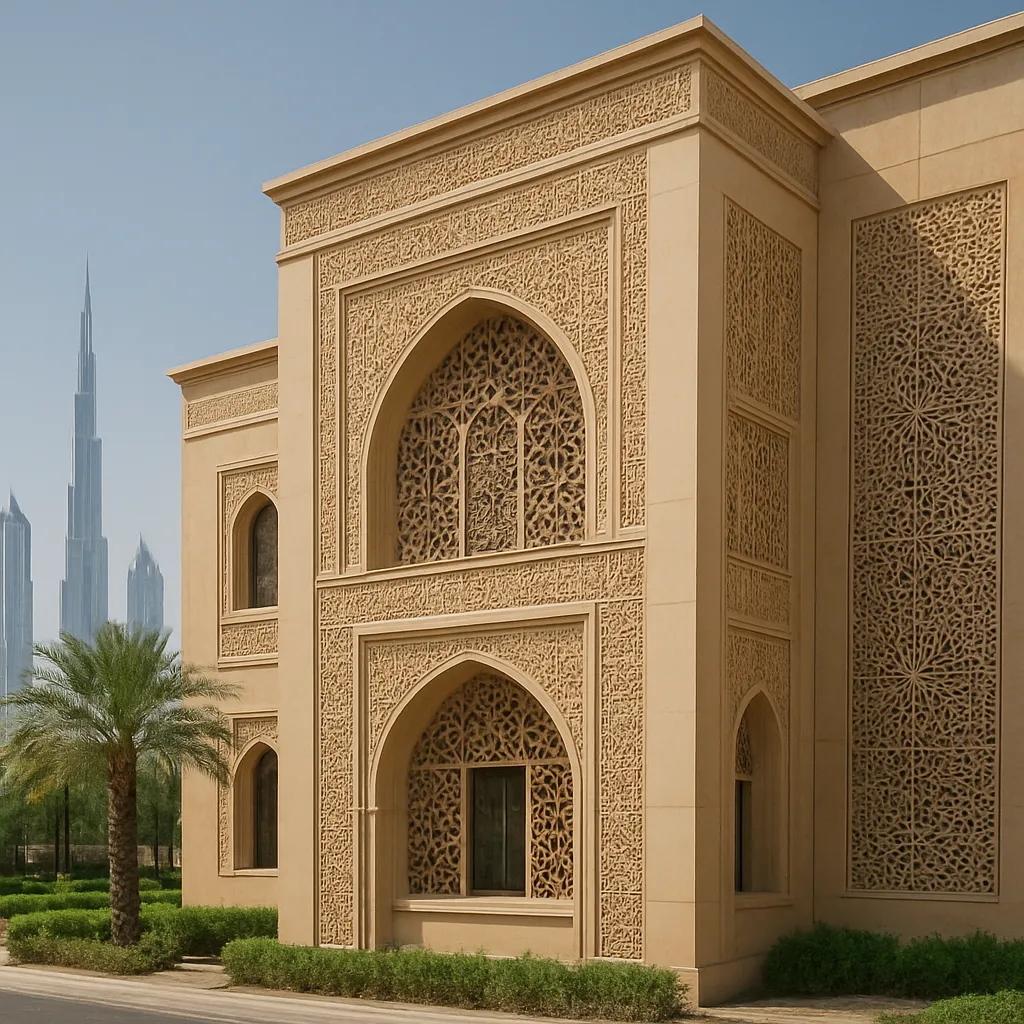
Muqarnas and Islamic Tessellations
Rooted in centuries-old craftsmanship, muqarnas—three-dimensional decorative vaulting—appears in select balconied zones or entrance canopies. When scaled up, these honeycomb patterns filter sunlight, creating dance-like shadows across interior floors.
Double-Skin Facade Dynamics
A growing number of towers utilize a double-skin system: an outer climate-shielding glass layer and an inner high-performance panel. This cavity not only enhances insulation, but also facilitates natural ventilation and access for maintenance robots hidden within the interstitial space.
Photovoltaic Integration
Instead of clinging standard solar panels to rooftops, some edifices incorporate semi-transparent photovoltaics directly into colored spandrel glass. The result is a shimmering mosaic that generates clean energy without compromising sleek lines.
Sustainable Engineering and Hidden Infrastructure
While the exterior captivates, the concealed networks within each skyscraper are equally groundbreaking:
- Ice-based cooling systems that produce ice slurry at night, melting them by day to reduce daytime chiller loads.
- District cooling integration, linking adjacent buildings via underground chilled-water tunnels.
- Rainwater harvesting embedded in rooftop designs, channeling precious desert rain into storage tanks carved beneath podiums.
Consider the undercroft areas: these are not mere hollow spaces but house high-capacity pumps, smart VRF (Variable Refrigerant Flow) modules, and IoT sensors that optimize energy usage around the clock.
Acoustic Optimization
Dubai’s busy urban environment demands careful acoustic design. Many towers hide sound-attenuating fins and absorption panels within perforated metal cladding. These unseen barriers ensure penthouse living rooms remain tranquil despite the city’s pulse below.
Symbolism and Cultural Echoes
Dubai’s identity is intrinsically linked to its heritage and maritime past. Architects frequently embed symbolic cues into the city’s skyline:
- Bow-shaped floor plates pay homage to traditional dhow boats.
- Pin-striped vertical fins mimic date-palm leaves, referencing the oases that once dotted the desert.
- Crown-like spires echo Bedouin tent forms, crowned with lighting features that glitter like starlit skies.
Take the sculptural apex of a landmark hotel: the tapering silhouette resembles a falcon’s wing, celebrating the UAE’s national bird. Subtle interior motifs—woven carpets imitating sand dunes—reinforce this narrative within lobbies and corridors.
Light as a Storyteller
Programmable LED ribbons concealed within facade ridges trace shifting patterns at night, conjuring images of rolling desert winds or crashing surf. This interplay of light and shadow brings walls to life, offering an ever-evolving urban tapestry.
Technological Frontiers and Future Directions
As Dubai progresses towards its next generation of megatall structures, several cutting-edge technologies promise to further enrich hidden architectural narratives:
- 3D-printed structural elements using local gypsum sands for rapid on-site production.
- Responsive facades with electrochromic glass that tints automatically based on solar intensity.
- Vertical farming modules integrated into mid-rise podiums, supplying fresh produce to building occupants.
The metropolis’s architects and engineers continue to push boundaries, ensuring that every new tower is more than a feat of height—it’s a living, breathing statement of sustainability, tradition, and forward-thinking design.