Dubai’s skyline stands as a testament to human innovation and ambition, where each soaring structure serves as more than a functional edifice. Beyond their gleaming facades and record-breaking heights, the city’s most famous towers embody layers of symbolism, from cultural narratives to technological prowess. This exploration uncovers how designers and planners weave heritage, sustainability, and futuristic vision into concrete, glass, and steel.
Iconic Forms and Futuristic Vision
Burj Khalifa: Reaching for the Sky
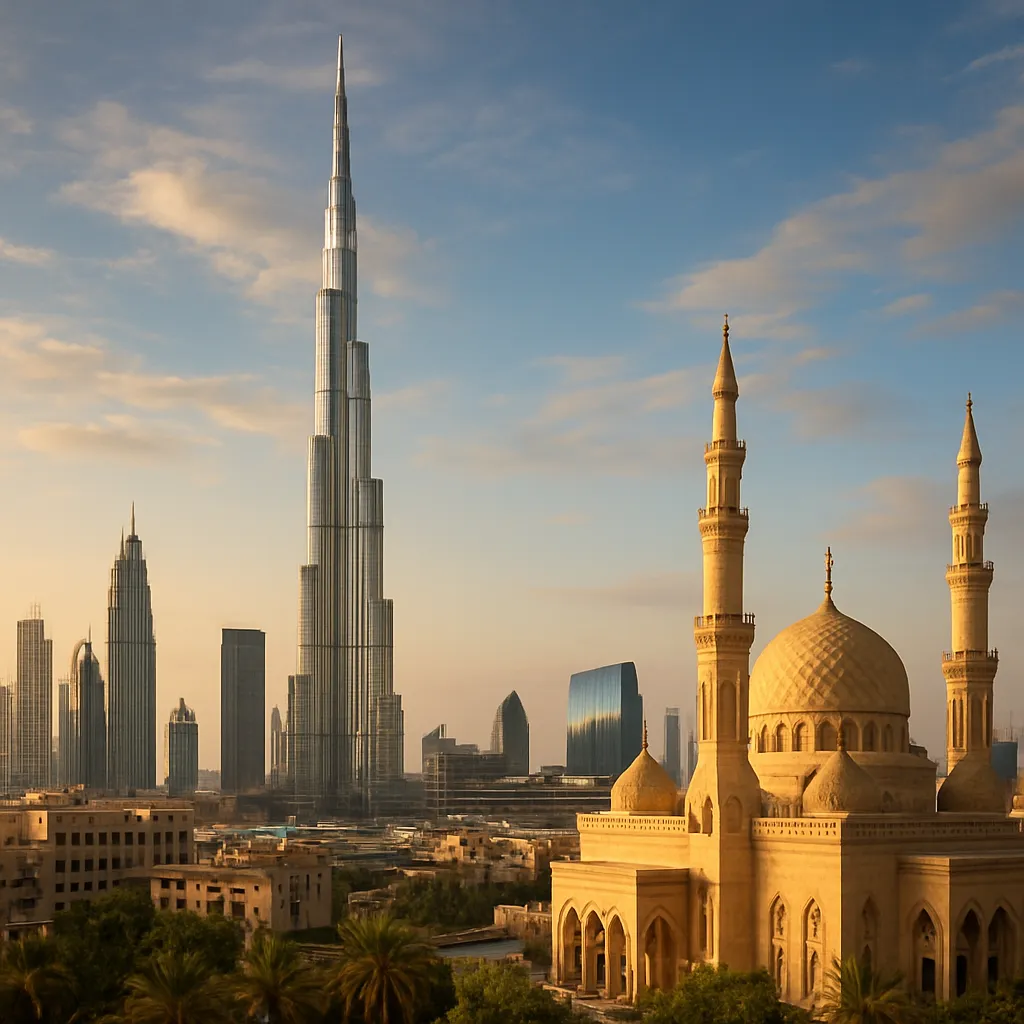
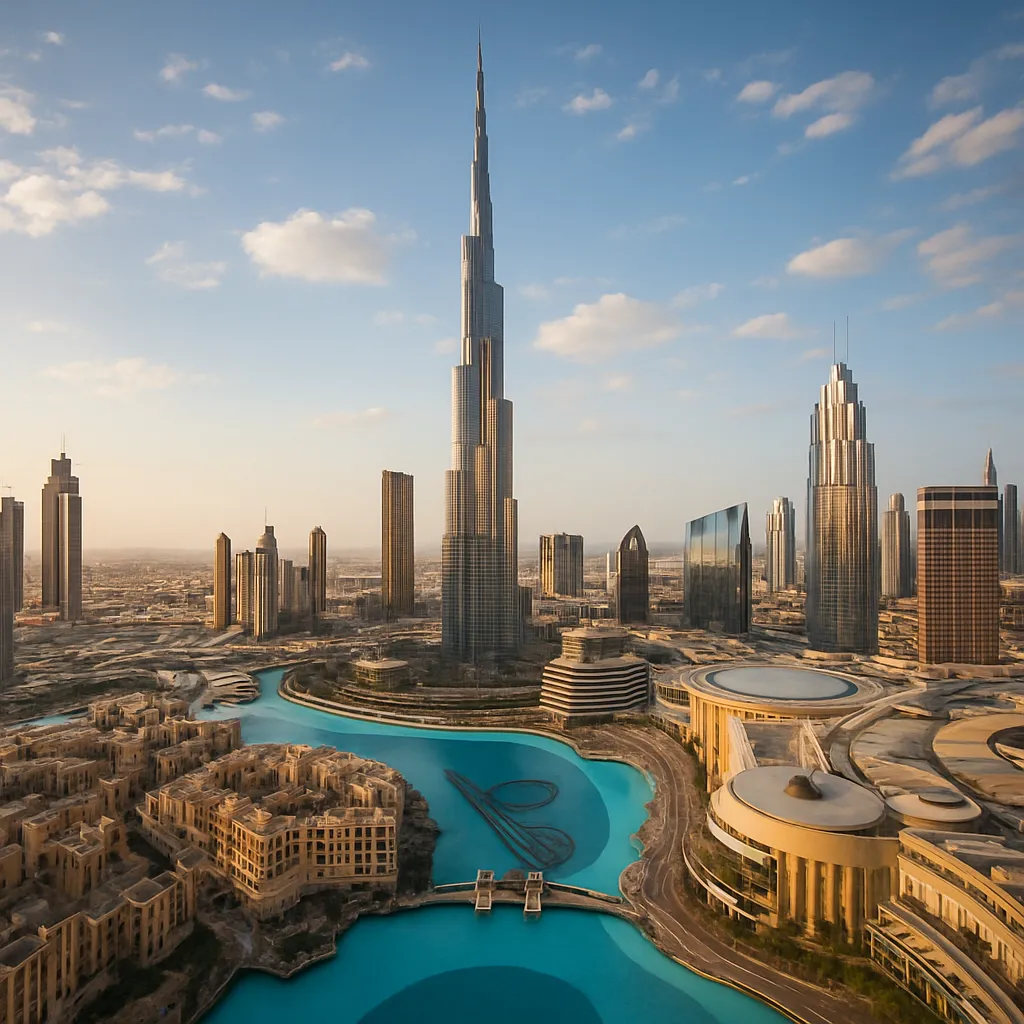
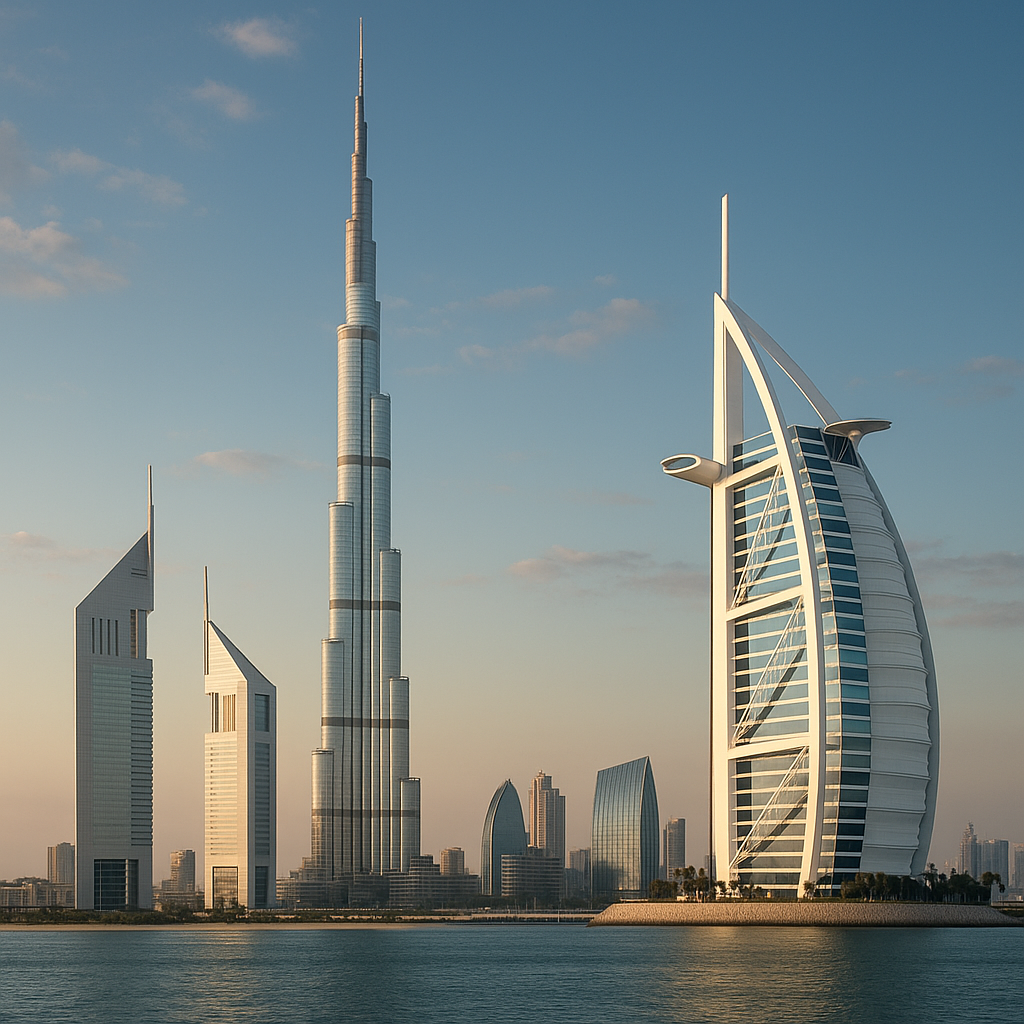
The Burj Khalifa dominates not only Dubai’s horizon but also the collective imagination of millions. Its tapering silhouette draws inspiration from the Hymenocallis flower, reflecting a pursuit of harmony between nature and structure. As the world’s tallest building, it represents a desire to transcend limits, a physical manifestation of the emirate’s growth trajectory. The triple-lobed footprint enhances stability while paying homage to Islamic architectural geometry, blending tradition with unprecedented scale.
Burj Al Arab: A Sail’s Embrace
Perched on its own artificial island, the Burj Al Arab evokes the image of a billowing dhow sail. This dramatic design signals Dubai’s historic ties to maritime trade and pearl diving, while its lavish interiors project a message of luxury and global ambition. The tower’s form-casting wind loads outward expresses resilience, and its vivid silhouette has turned the structure into a diplomatic gift of sorts—a landmark recognized across continents.
Symbolism of Cultural Heritage and Modernity
Traditional Motifs in Glass and Steel
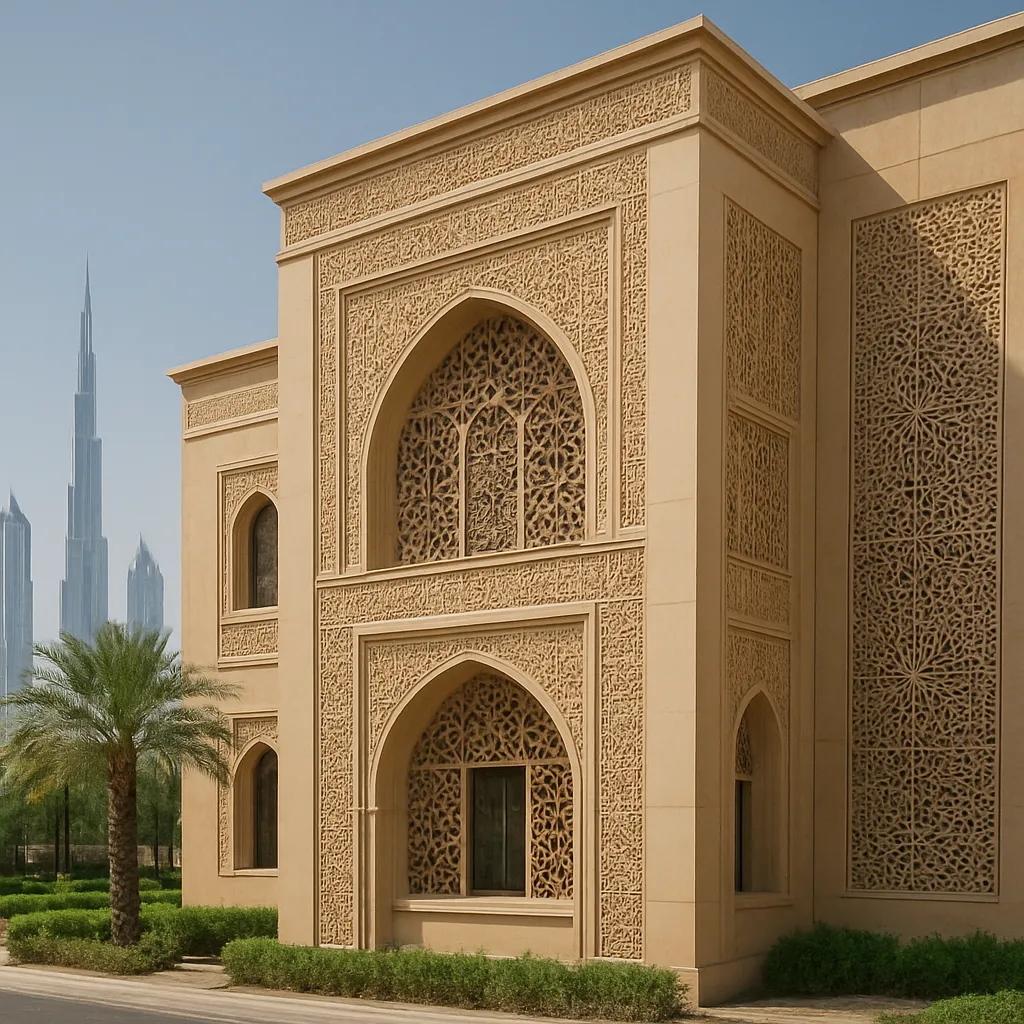
Modern skyscrapers in Dubai frequently incorporate cultural patterns traditionally found in mashrabiya screens and arabesque ornamentation. These elements are abstracted into facade details that both filter light and narrate a tale of continuity. The interplay of shadow and reflection on high-rise surfaces conjures the dynamic rhythms of desert sands and wind-carved dunes.
Cultural Fusion in Urban Design
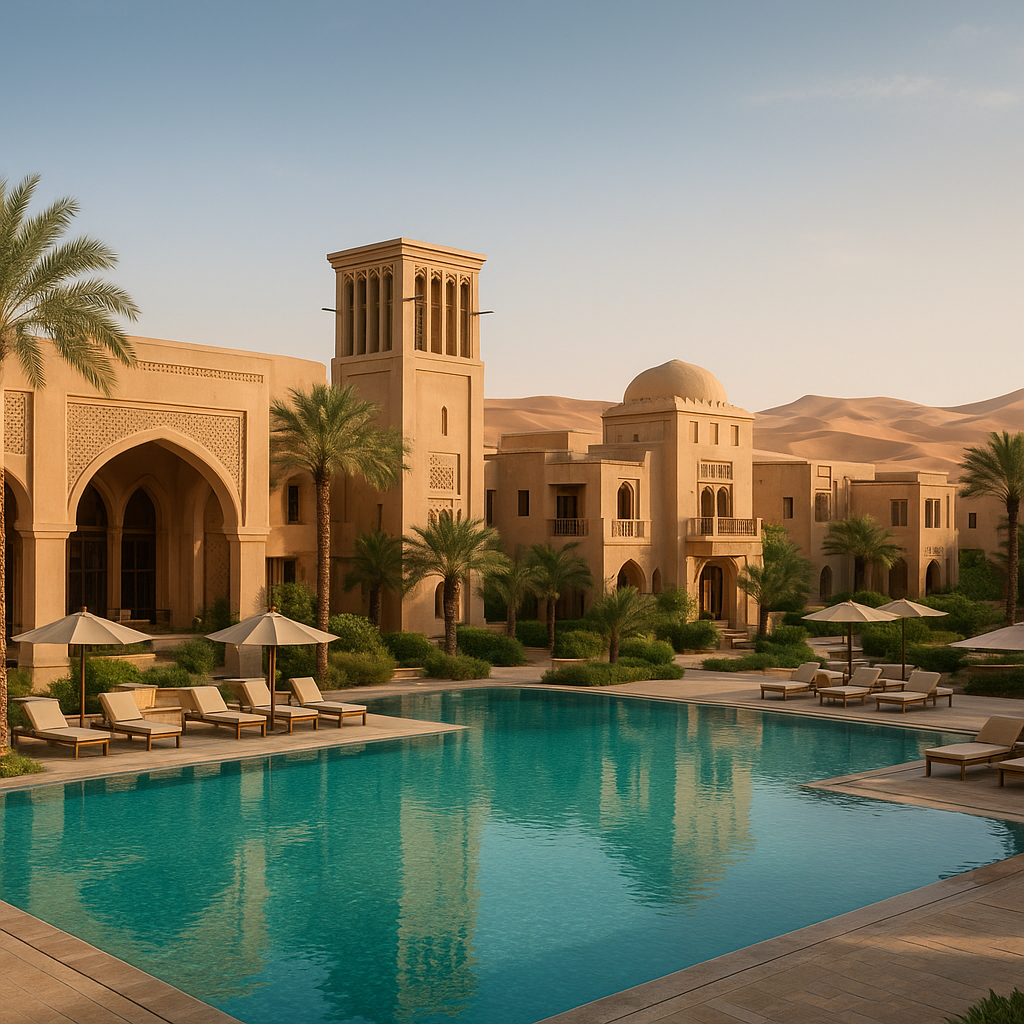
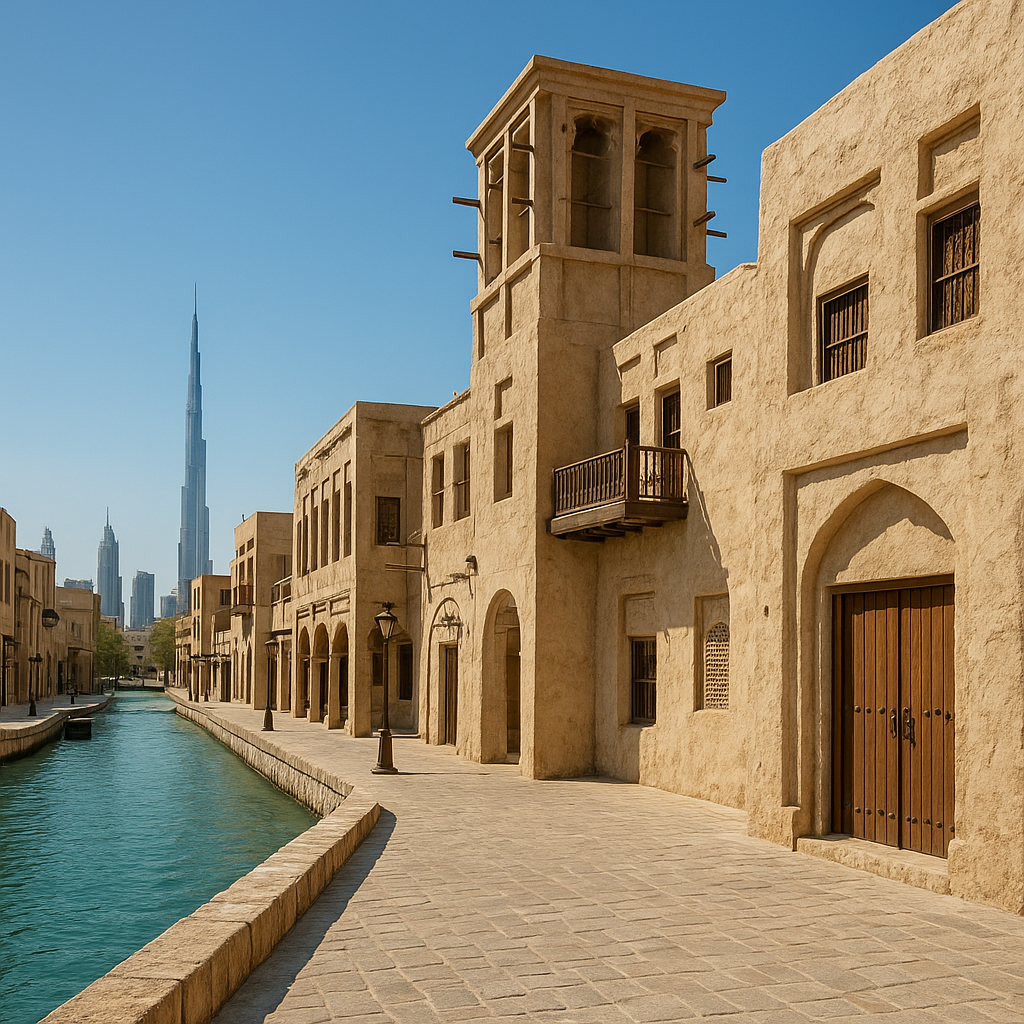
Beyond aesthetics, Dubai’s architectural language fuses Bedouin heritage with global design trends. In neighborhoods like Downtown Dubai and Business Bay, the juxtaposition of ultra-modern office towers with museums and restored wind-tower houses fosters a dialogue between past and present. This resilience of identity amid rapid urbanization highlights a commitment to preserving memory even as the skyline evolves.
Innovations in Sustainability and Resilience
Green Technology and Resource Efficiency
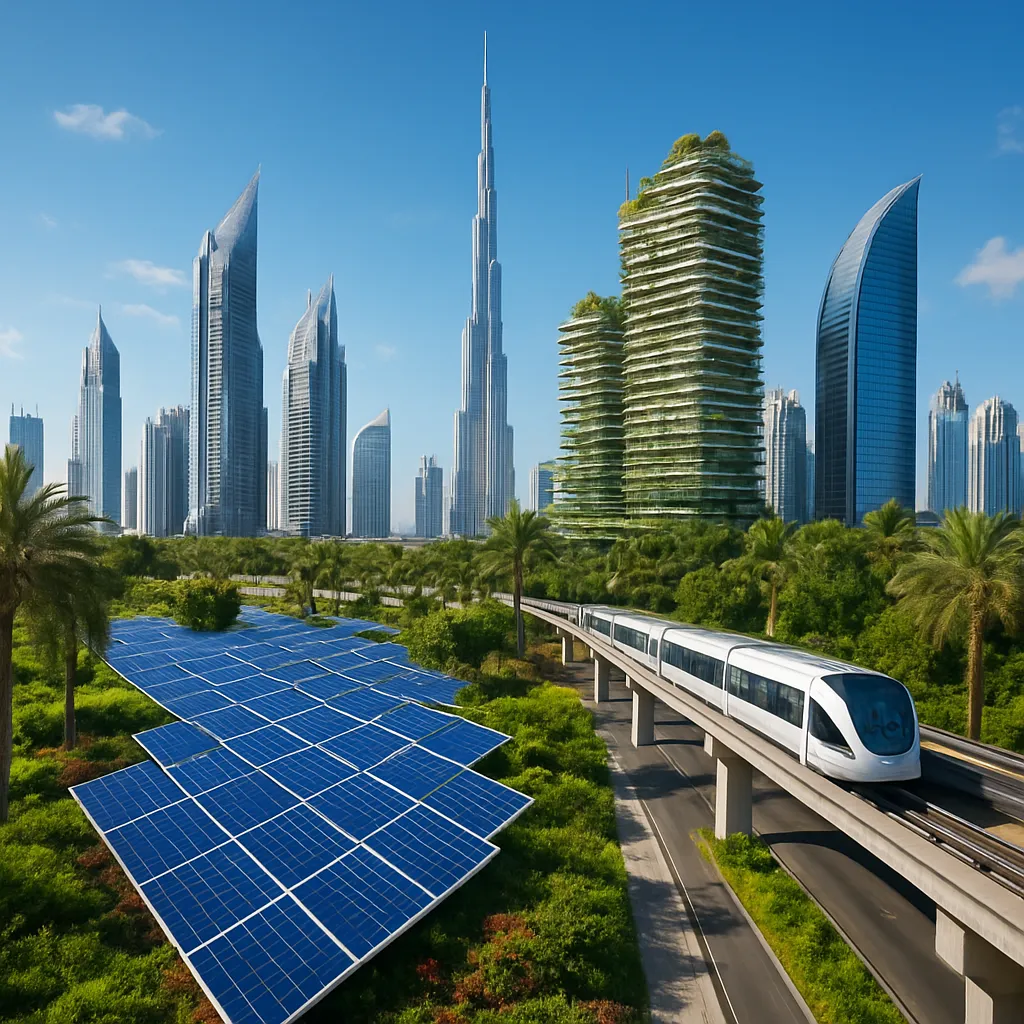
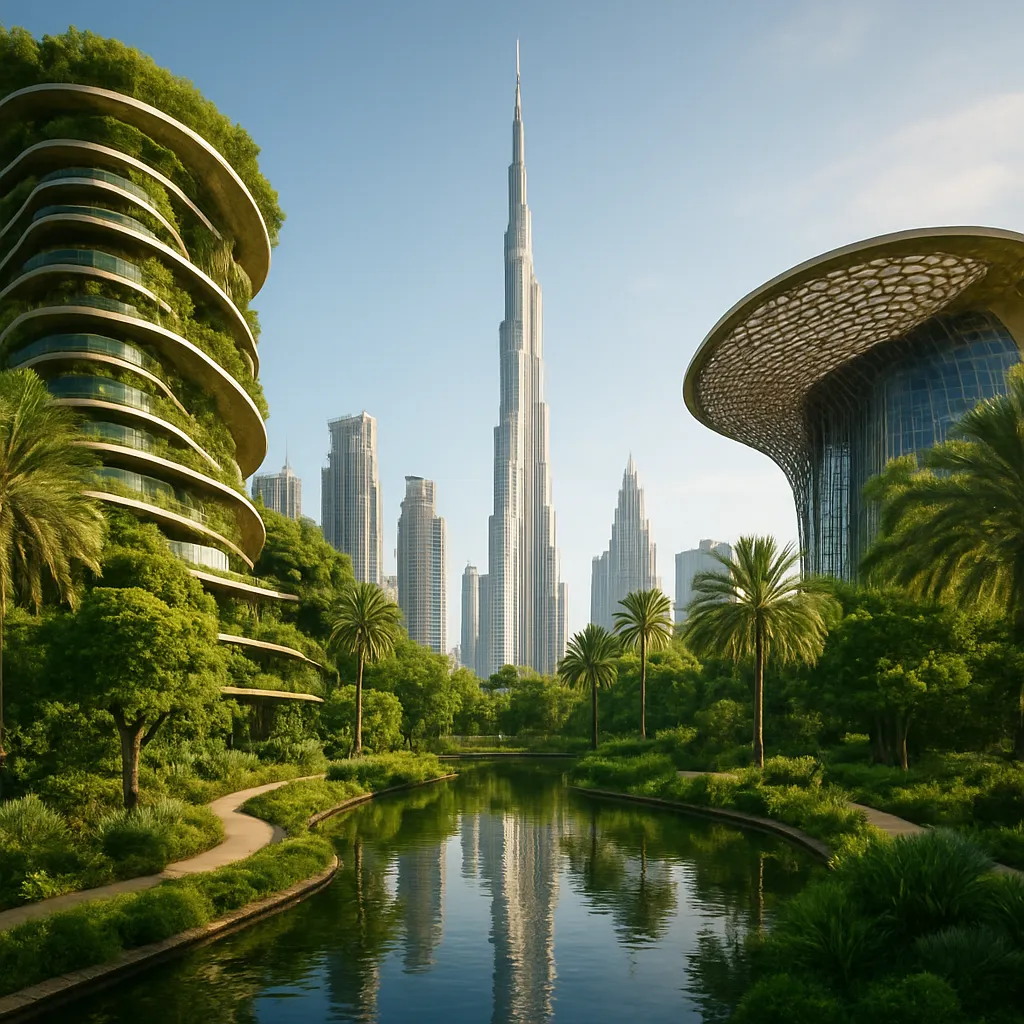
In a region defined by scorching temperatures and scarce freshwater, symbolism takes on a practical edge. Projects like the Ciel Tower and Museum of the Future integrate passive cooling, solar shading fins, and greywater recycling to reduce environmental impact. The innovation lies not only in sleek aesthetics but in embedding ecological responsibility into the towers’ DNA.
- Solar photovoltaic panels hidden within façade elements
- High-performance glazing that minimizes solar gain
- Smart building systems optimizing energy consumption
Adaptive Reuse and Technological Resilience
Some of Dubai’s historic structures are poised for revival under new adaptive-reuse strategies. By combining traditional wind-tower techniques with modern climate-control, developers demonstrate resilience against both environmental extremes and economic fluctuations. This synthesis of old and new stands as a powerful symbol of sustainable progress.
Impact on Urban Landscape and Global Identity
Skyline as National Narrative
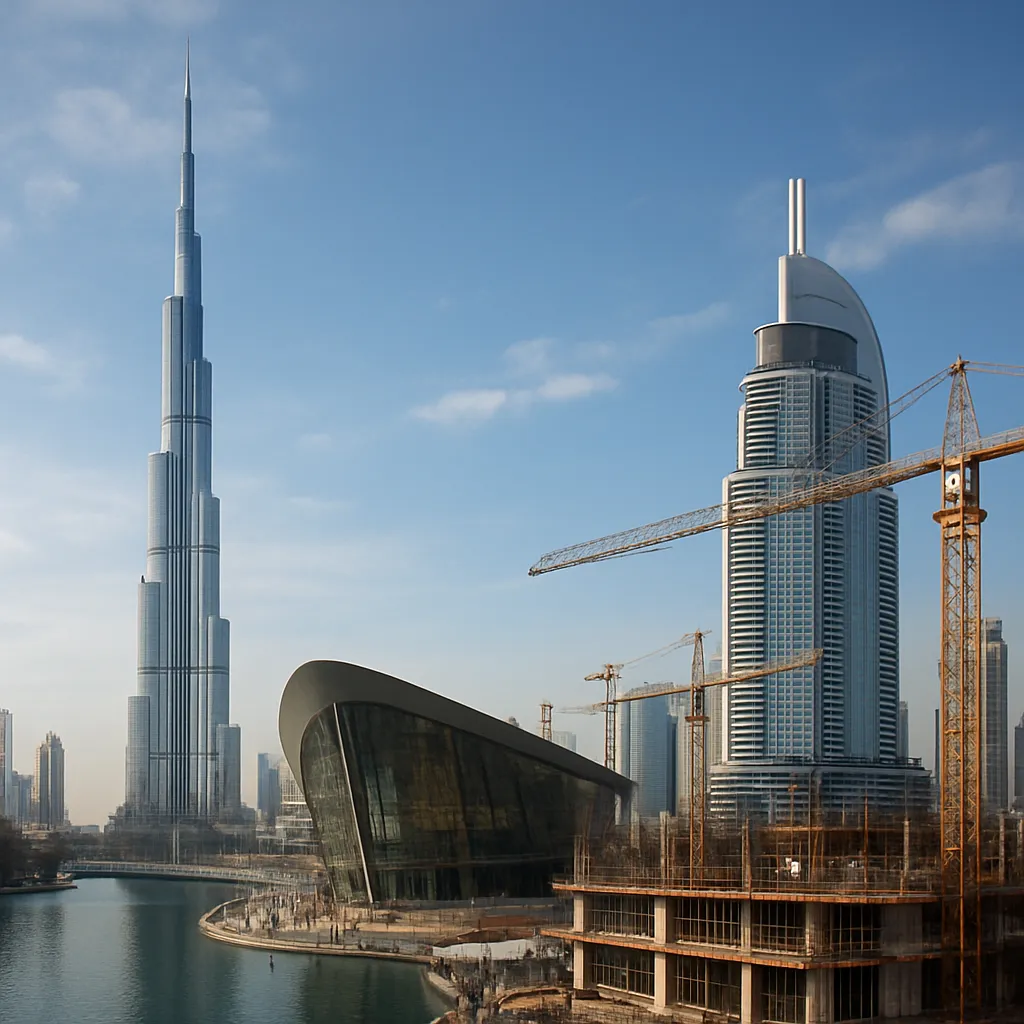
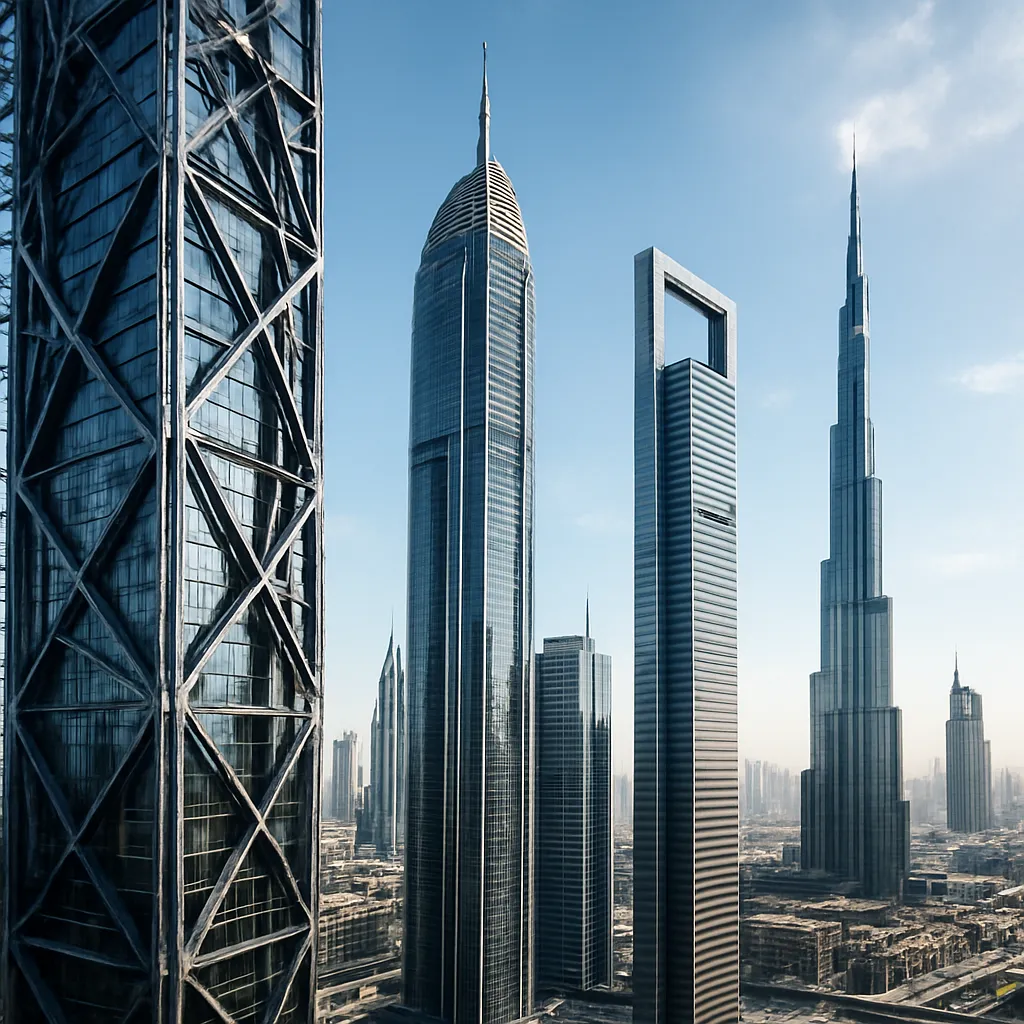
Every angle of Downtown Dubai’s towering cluster tells a story: from Burj Khalifa’s spire to the twisting forms of Cayan Tower. The ordered ascent of heights and varying silhouettes narrate a journey from desert outpost to international hub. This orchestration transforms the city’s skyline into a living architecture of national pride, visible from satellites and postcards alike.
Tourism, Commerce, and Cultural Exchange
Dubai’s skyscrapers function as more than visual statements; they host diplomatic events, global conventions, and cultural exhibitions. The mutual attraction of business and leisure tourism reinforces the global character of each structure. Through design competitions and collaborations with renowned architects, Dubai positions itself as a crossroads of ideas, where the physical form of towers becomes a canvas for cultural exchange and economic growth.