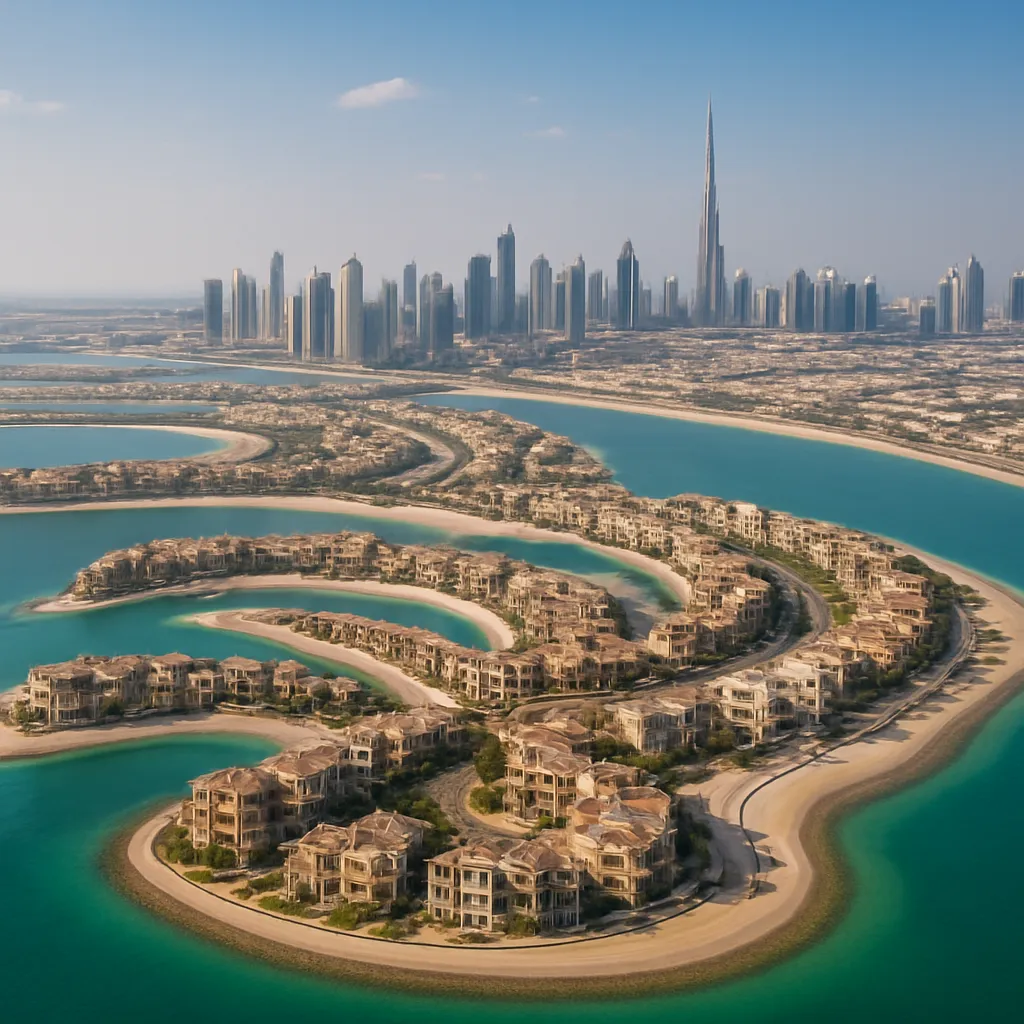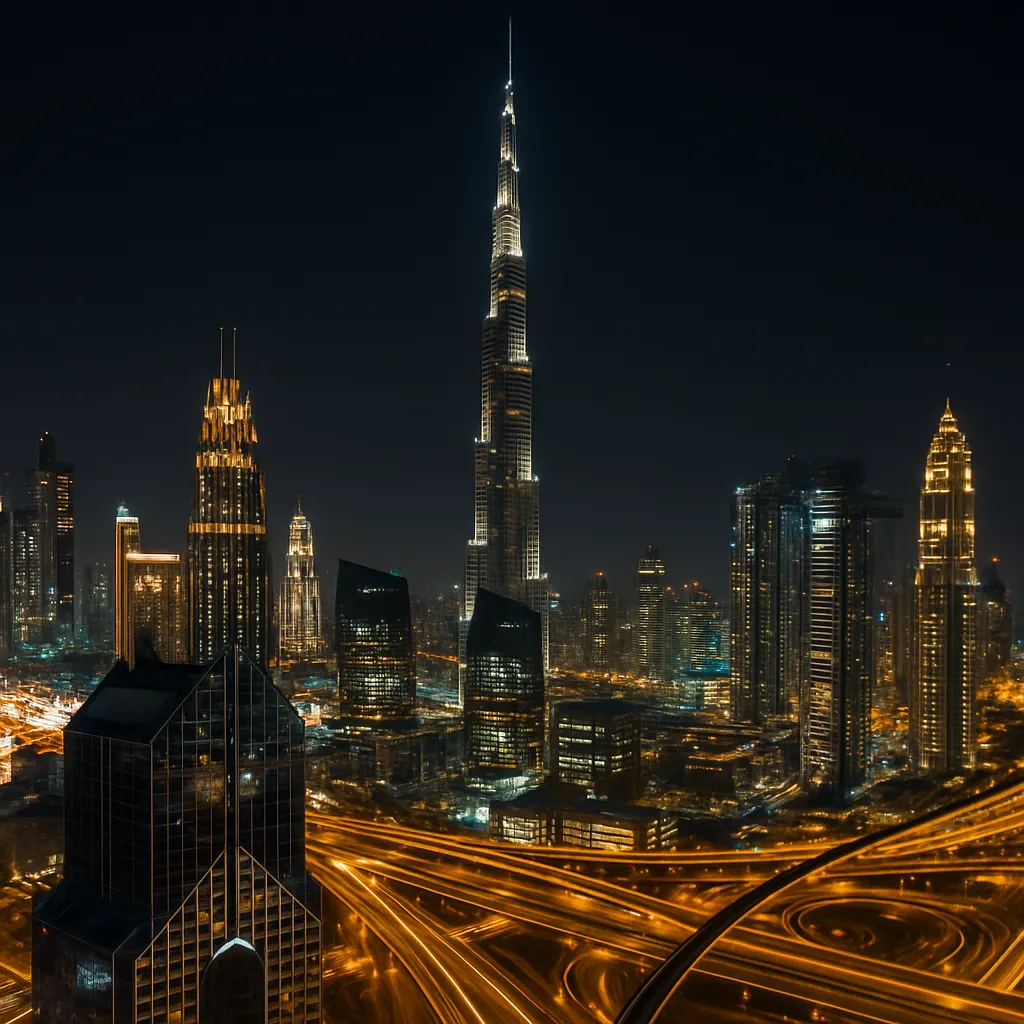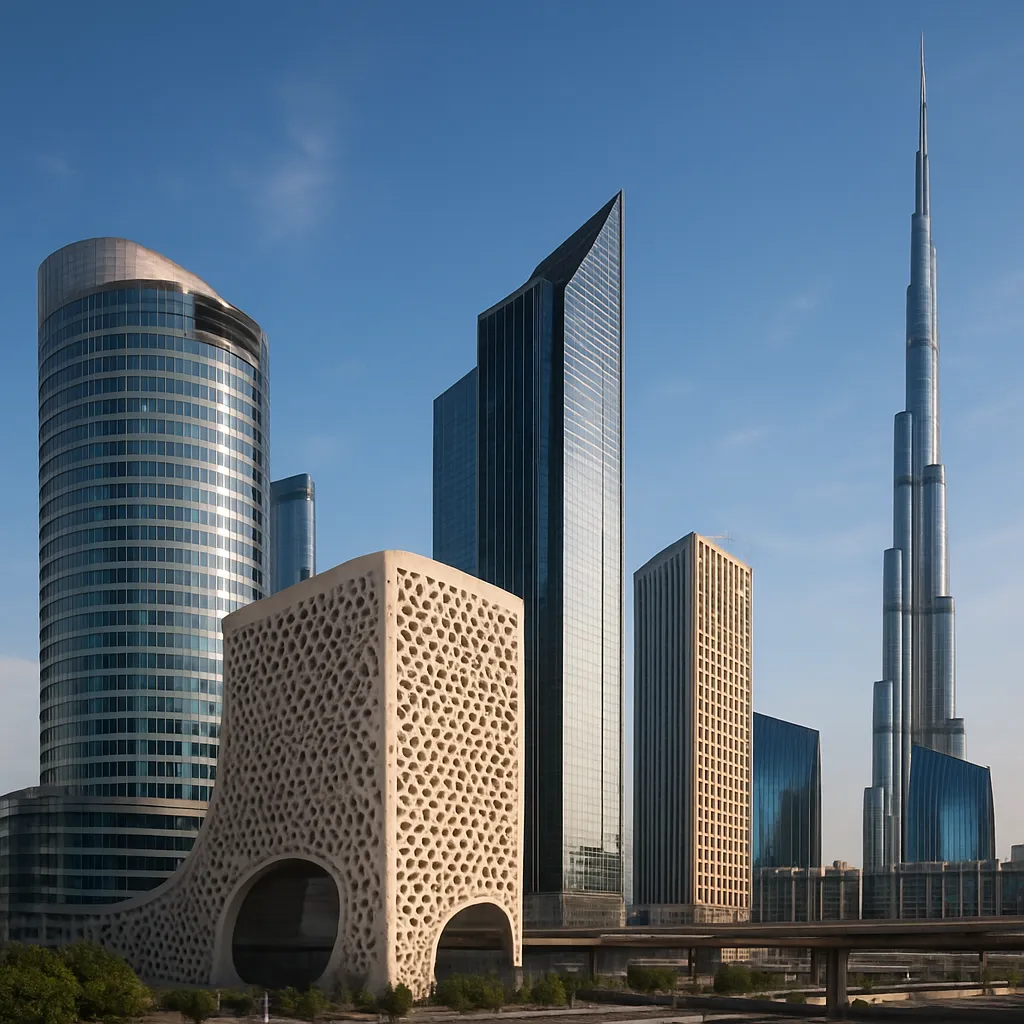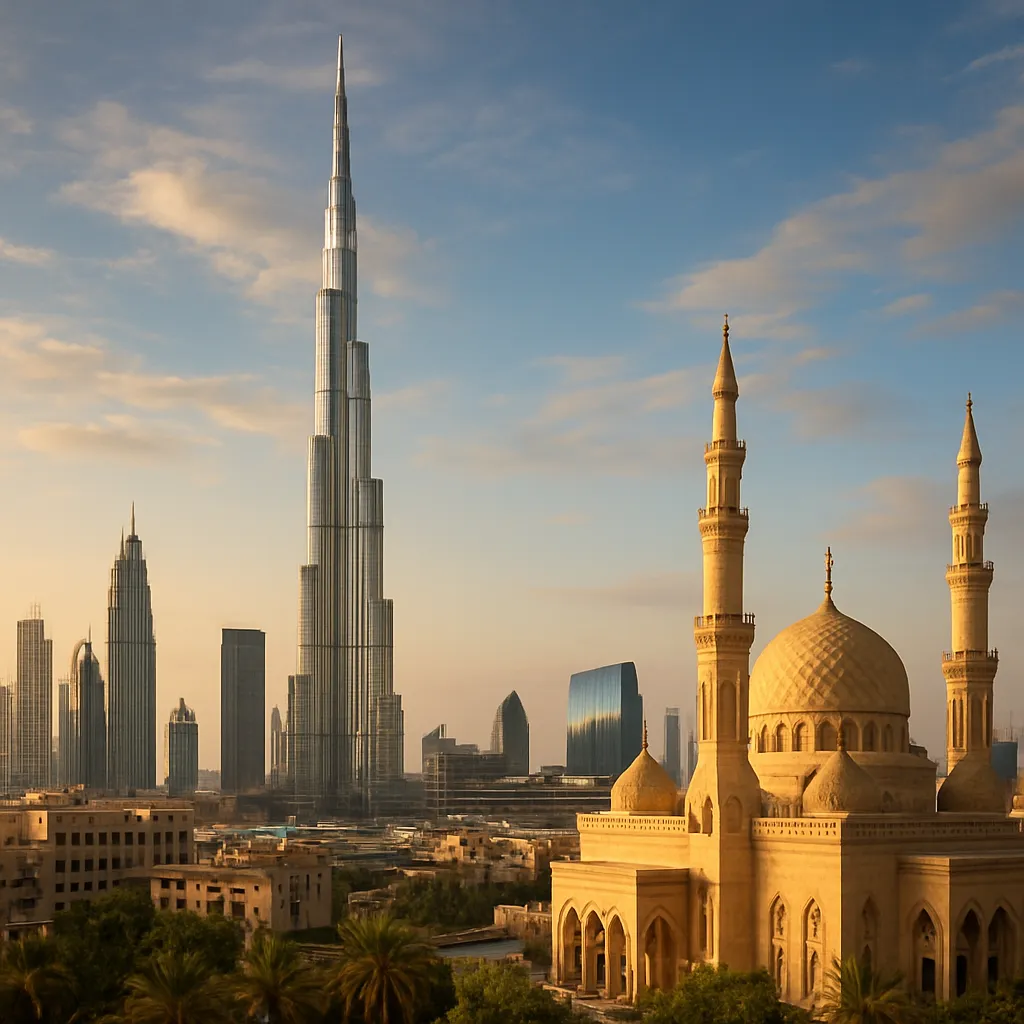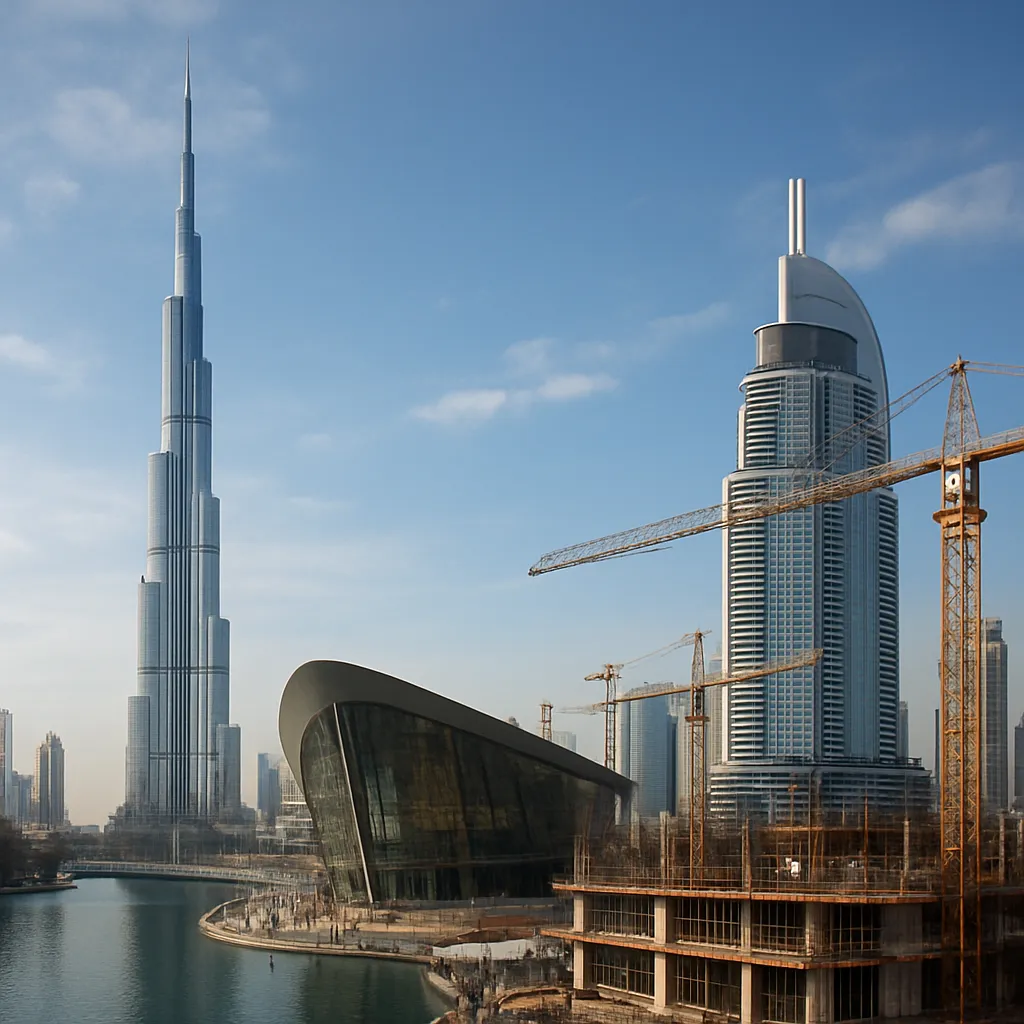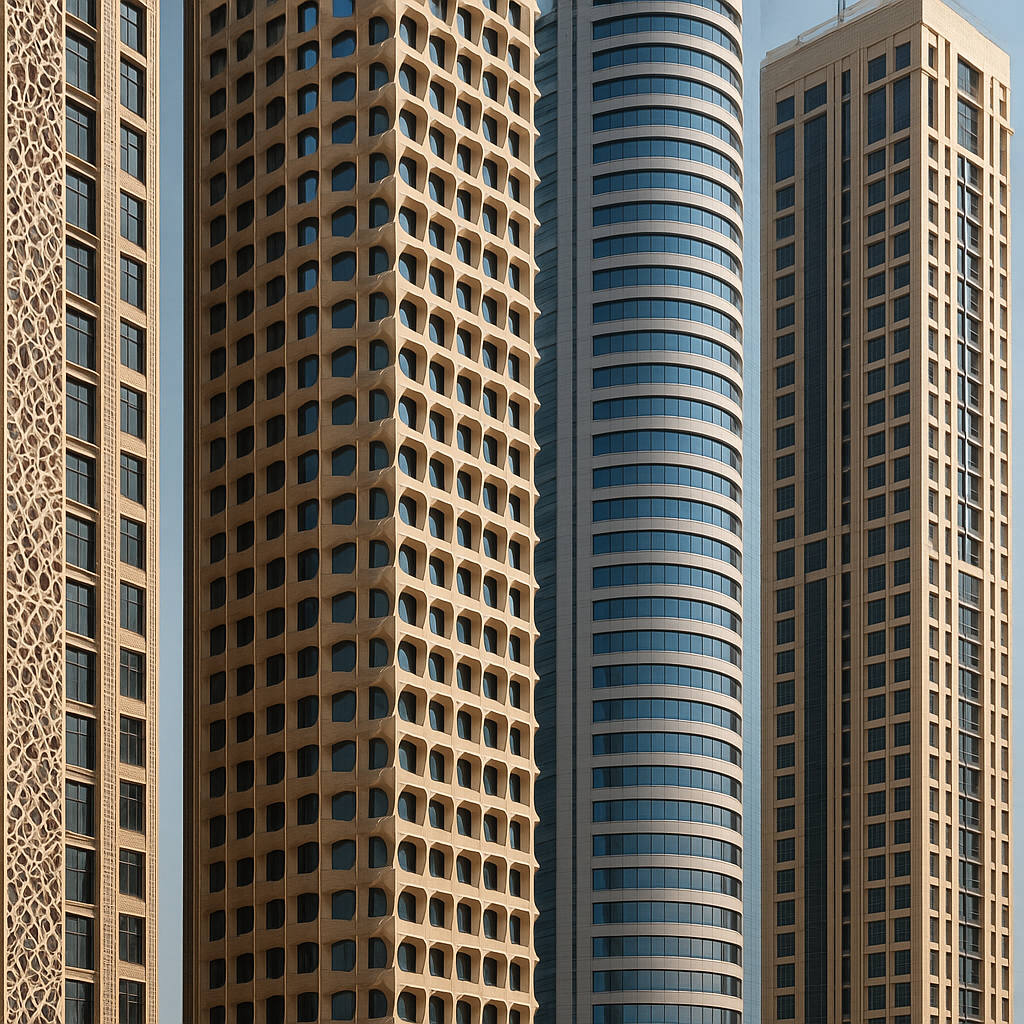
The skyline of Dubai is a living canvas where every building speaks volumes about ambition, luxury, and cutting-edge engineering. At the heart of this urban masterpiece lies the art of facade design, a discipline that blends aesthetic aspirations with technical mastery. From the shimmering glass towers of Downtown Dubai to the twisting profiles along the Marina, each high-rise challenges conventional boundaries and redefines the city’s identity.
Understanding the dynamic interplay between form, function, and environment is essential for architects, engineers, and developers striving to create structures that are as iconic as they are resilient. The pursuit of excellence in facade design in Dubai extends beyond mere appearance: it addresses soaring temperatures, sand-laden winds, and the demand for efficient energy use. This article delves into the core elements that make Dubai’s high-rise facades a testament to human ingenuity.
Architectural Innovation and Iconic Skylines
Dubai’s high-rise skyline has been shaped by an unrelenting drive for innovation. Architects draw inspiration from traditional Middle Eastern forms, marine life, and even local flora to craft facades that evoke narrative and place. This fusion of cultural motifs and futuristic geometries results in towers that serve not just as buildings but also as symbols of progress.
Design Language and Urban Impact
The facade is the building’s public persona, contributing to the city’s visual coherence and rhythm. By manipulating massing, texture, and light reflection, designers achieve a sense of movement and depth. A successful facade concept enhances pedestrian experience at street level, a key factor for mixed-use developments where retail, hospitality, and residential spaces coexist.
Case Studies: Burj Khalifa and Beyond
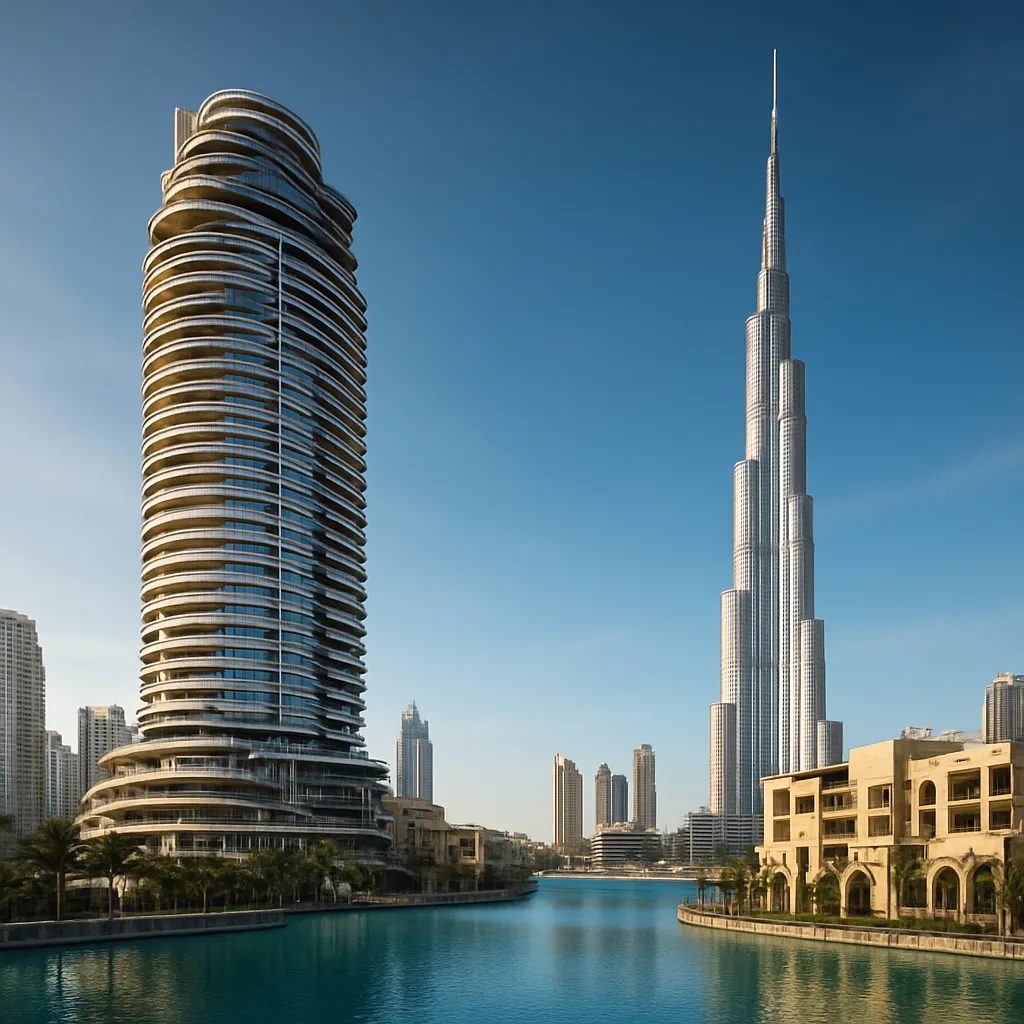
- Burj Khalifa employs a stepped, spiraling design that both minimizes wind load and maximizes sun shading. Its cladding system uses high-performance reflective glass intermixed with textured aluminum panels.
- Cayan Tower features a patented 90-degree twist, offering panoramic views and creating a dynamic silhouette. The curtain wall incorporates solar control glazing to reduce thermal gain.
- Emirates Towers showcase a sleek, triangular profile that accentuates their slenderness. A combination of double-glazed units and frit patterns on glass ensures visual continuity and glare reduction.
Materials, Sustainability, and Environmental Performance
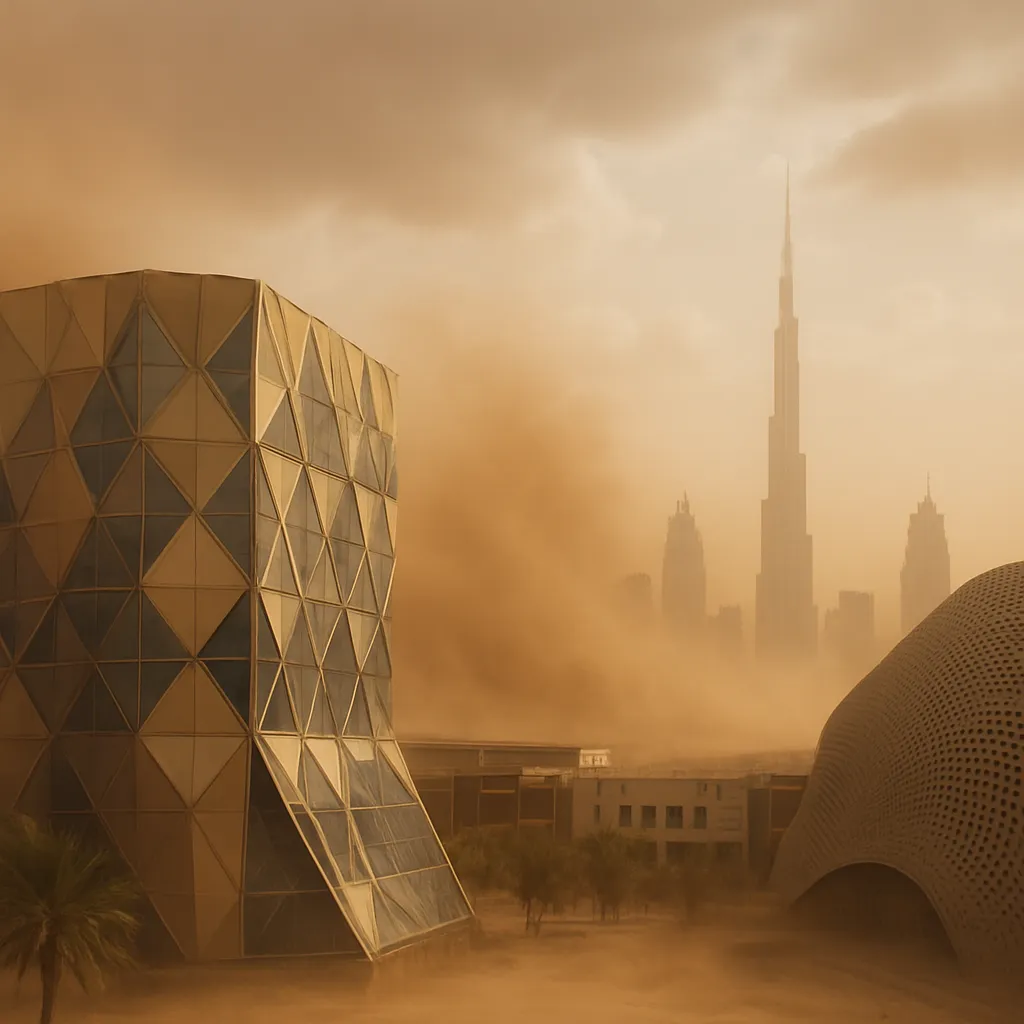
In a region characterized by extreme heat and frequent sandstorms, selecting the right materials is paramount. Dubai’s high-rises typically rely on advanced glazing systems, insulated metal panels, and specially coated surfaces that withstand harsh conditions while optimizing indoor comfort.
Advanced Glass and Solar Control
The choice of glass has a direct impact on a building’s performance and energy footprint. Architects specify low-emissivity (low-E) coatings, double or triple glazing, and solar control tints to block up to 80% of solar heat gain. In some projects, dynamic glazing—where glass opacity adjusts with sunlight—further enhances efficiency.
Insulation, Thermal Breaks, and Water Management
- High-grade insulation materials and thermal breaks in curtain wall systems prevent heat transfer between exterior and interior spaces.
- Rainwater harvesting and facade-integrated drainage systems reduce runoff and support irrigation for landscaped podiums.
- Perforated metal screens (mashrabiya-inspired) provide shading and add a decorative layer, enabling air circulation while limiting dust ingress.
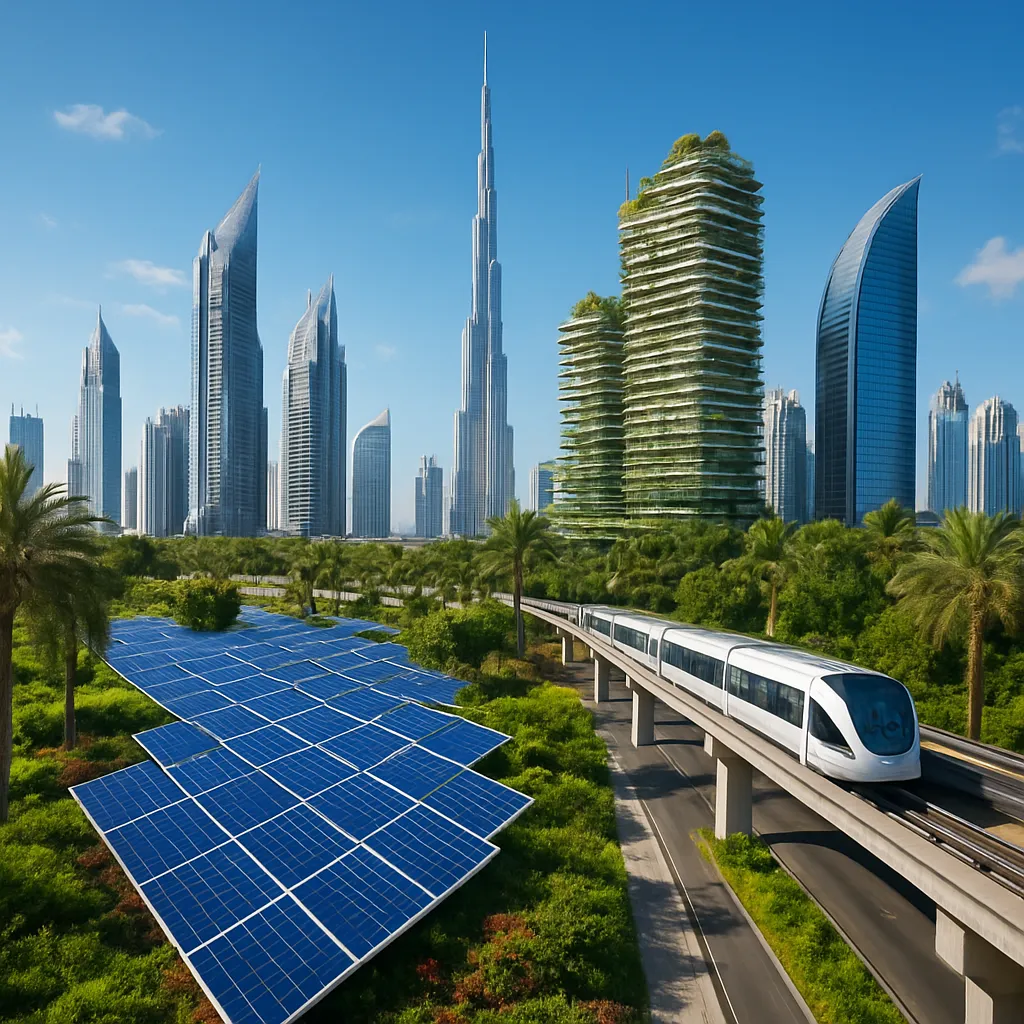
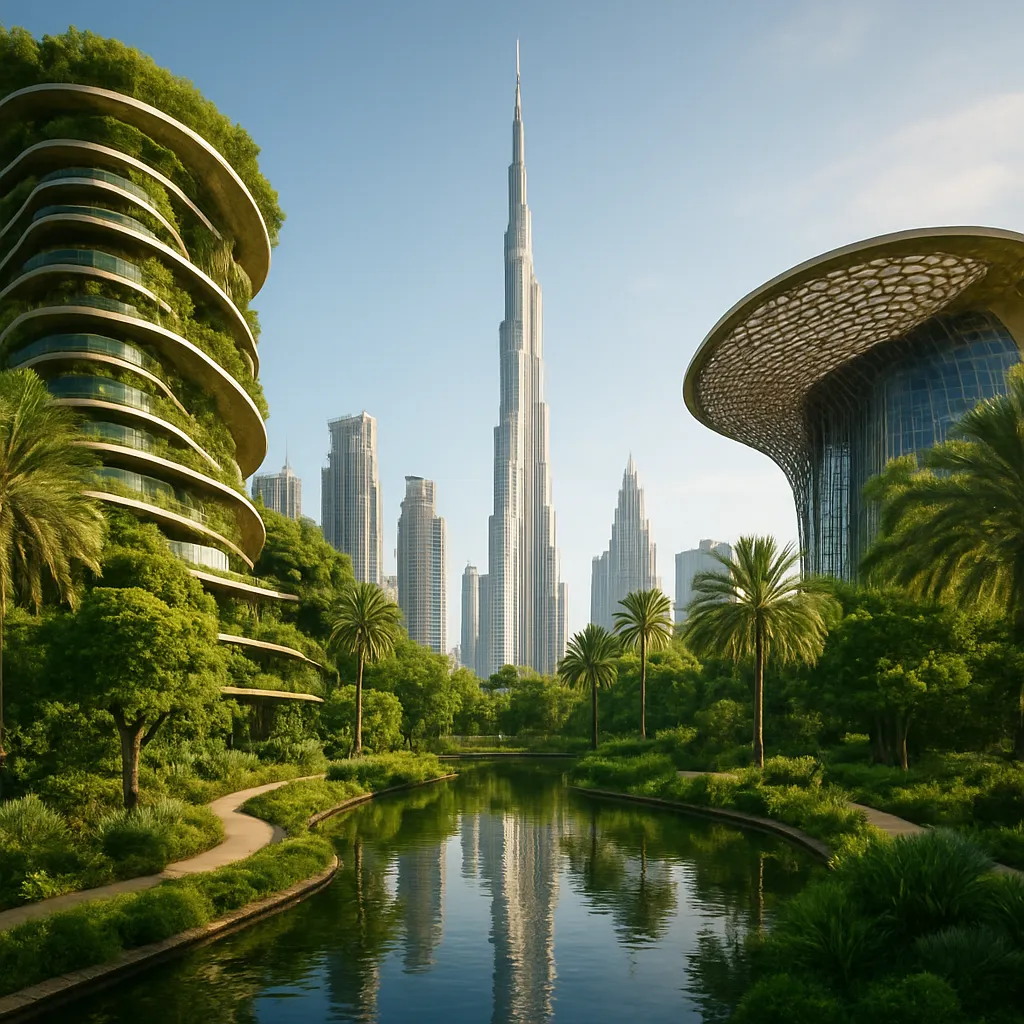
Sustainability certifications such as LEED and Estidama drive the adoption of green facade strategies. Innovations like photovoltaic panels embedded into cladding and living walls with drought-resistant plants underscore Dubai’s commitment to balancing sustainability with luxury.
Technological Integration in Facade Systems
The integration of technology into facade design is transforming buildings into responsive, interactive organisms. By embedding sensors, actuators, and control algorithms, facades can adapt to varying climate conditions, occupant preferences, and energy demands.
Smart Facades and Adaptable Solutions
- Motorized louvers adjust in real time to sun angles, optimizing daylighting while reducing glare.
- Integrated photovoltaic cells generate renewable energy, feeding power back to the building management system.
- Infrared sensors detect external temperature changes and activate facade shading elements automatically.
These integration strategies not only improve operational efficiency but also extend facade lifespan by reducing material fatigue. Remote monitoring platforms enable facility managers to track performance metrics—such as thermal resistance, solar heat gain coefficient, and air infiltration—ensuring proactive maintenance and continuous optimization.
Toward the Future: Trends and Cultural Context
As Dubai continues its evolution, facade design will increasingly reflect a synthesis of aesthetics, technology, and cultural resonance. Parametric design tools, AI-driven simulations, and virtual reality walkthroughs are becoming standard in early conceptual stages, empowering stakeholders to assess facade performance virtually before construction.
The future will likely see more self-cleaning surfaces that use nanotechnology to repel dust, as well as kinetic facades that animate building skins through movement. Biophilic elements—such as integrated green walls and sky gardens—will foster occupant well-being while counteracting the urban heat island effect.
Ultimately, the art of facade design in Dubai’s high-rise buildings lies in striking the perfect balance between form and function, ambition and pragmatism, global influence and local identity. It is a discipline where innovation is limitless and where every surface tells a story of vision, resilience, and the pursuit of architectural excellence.