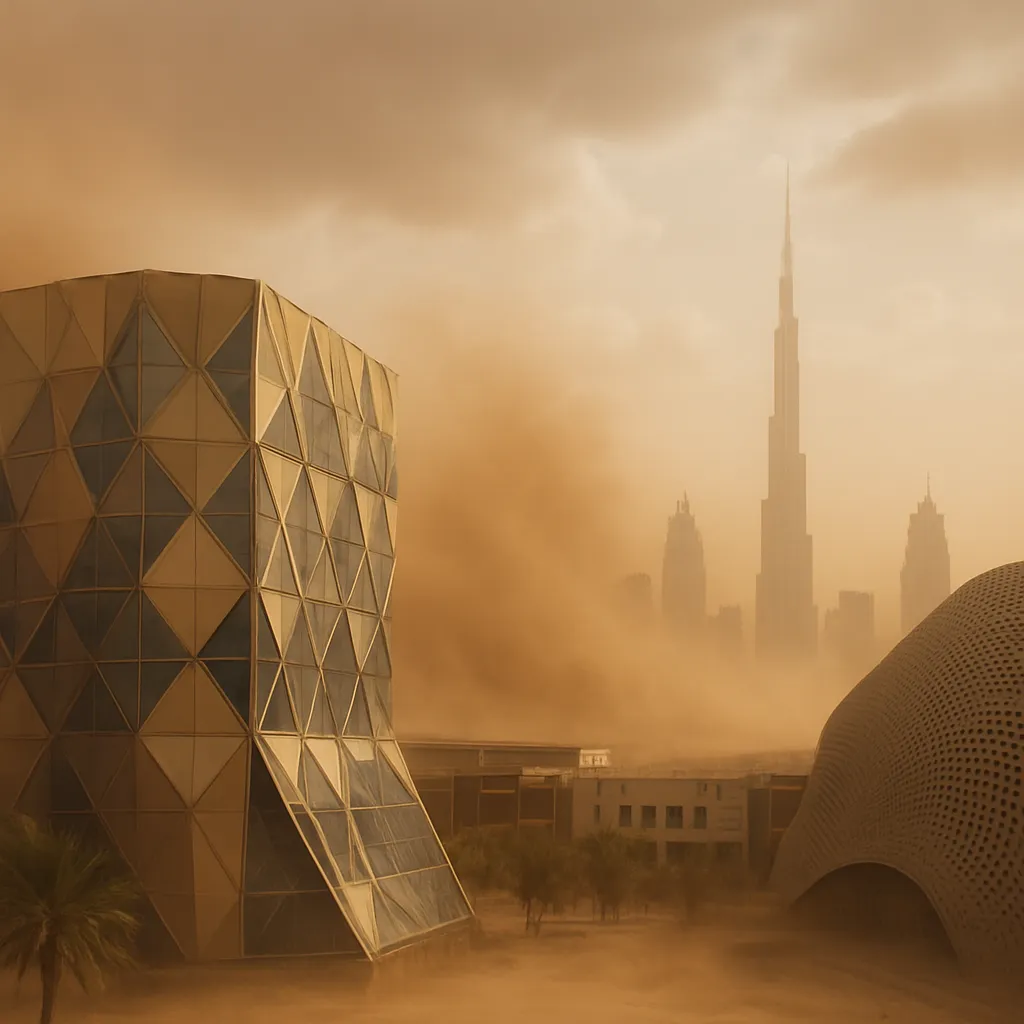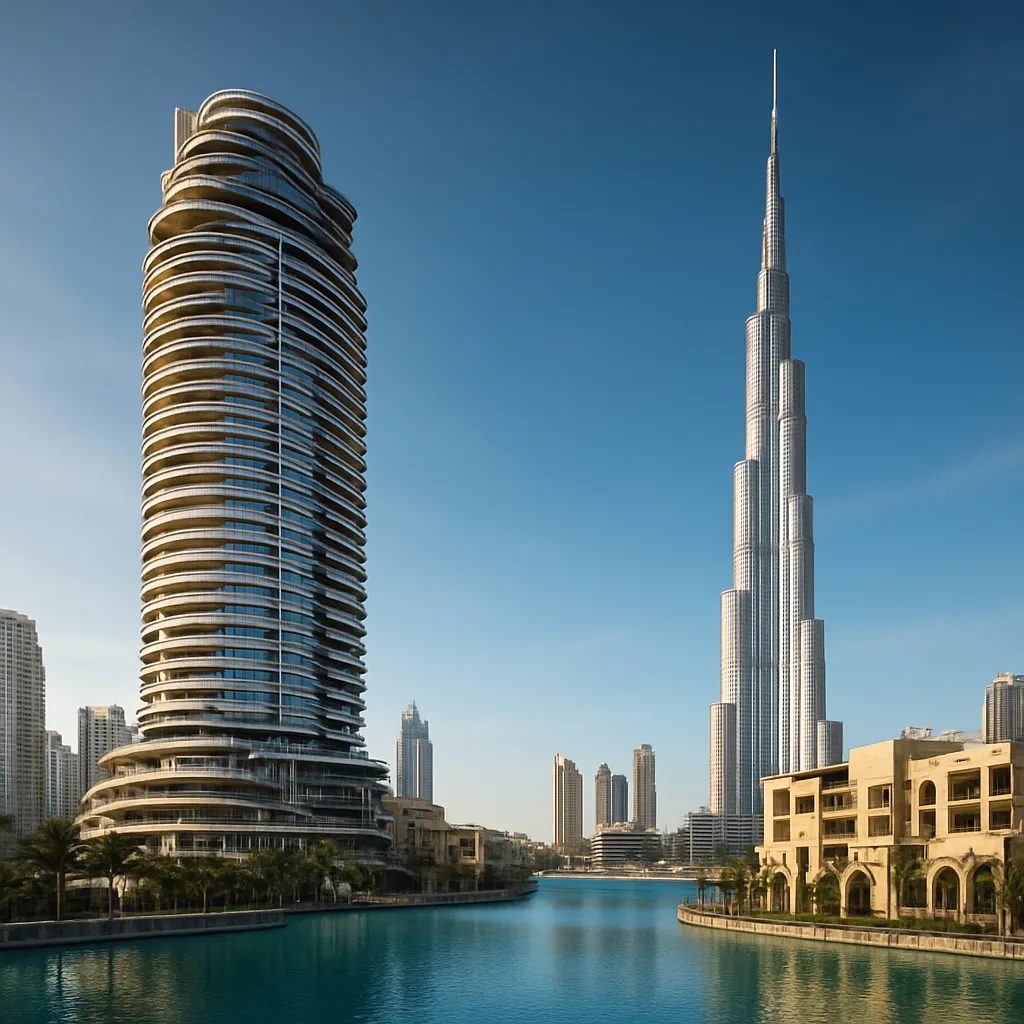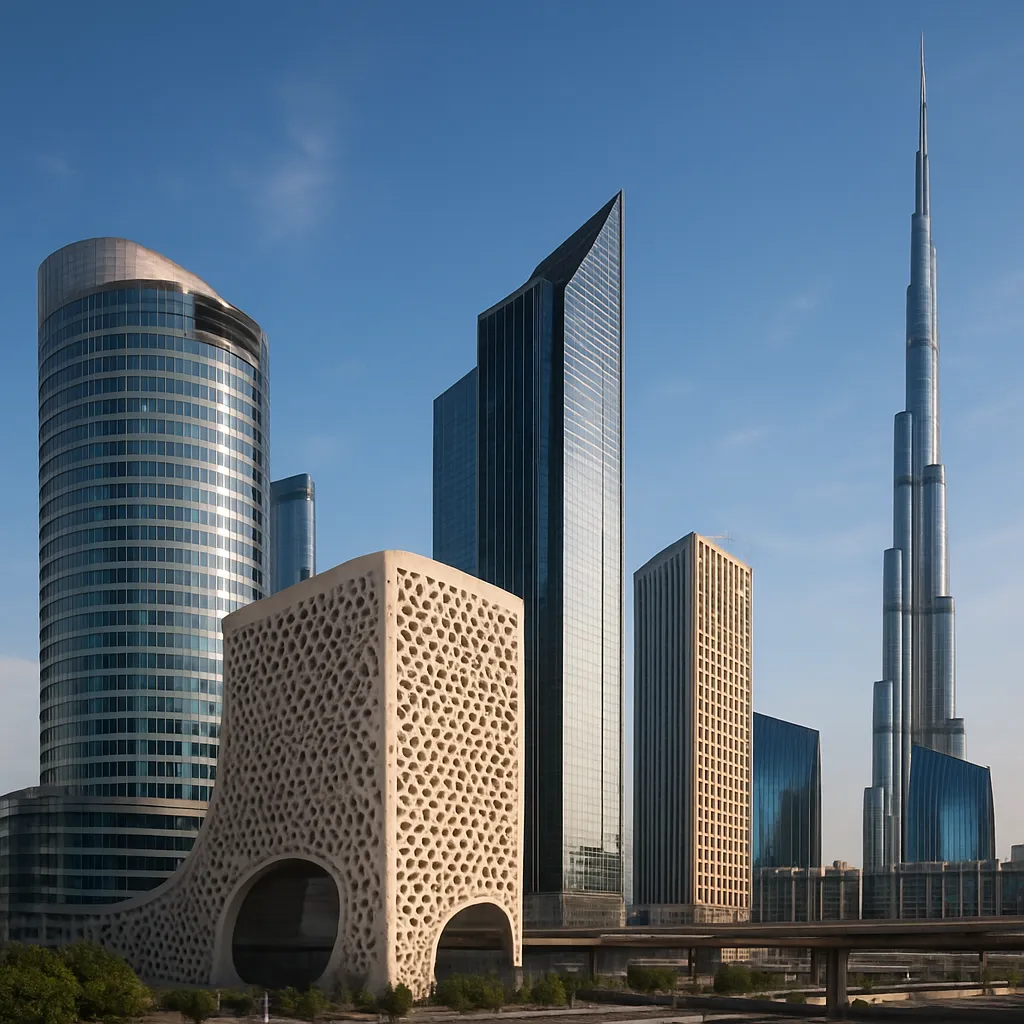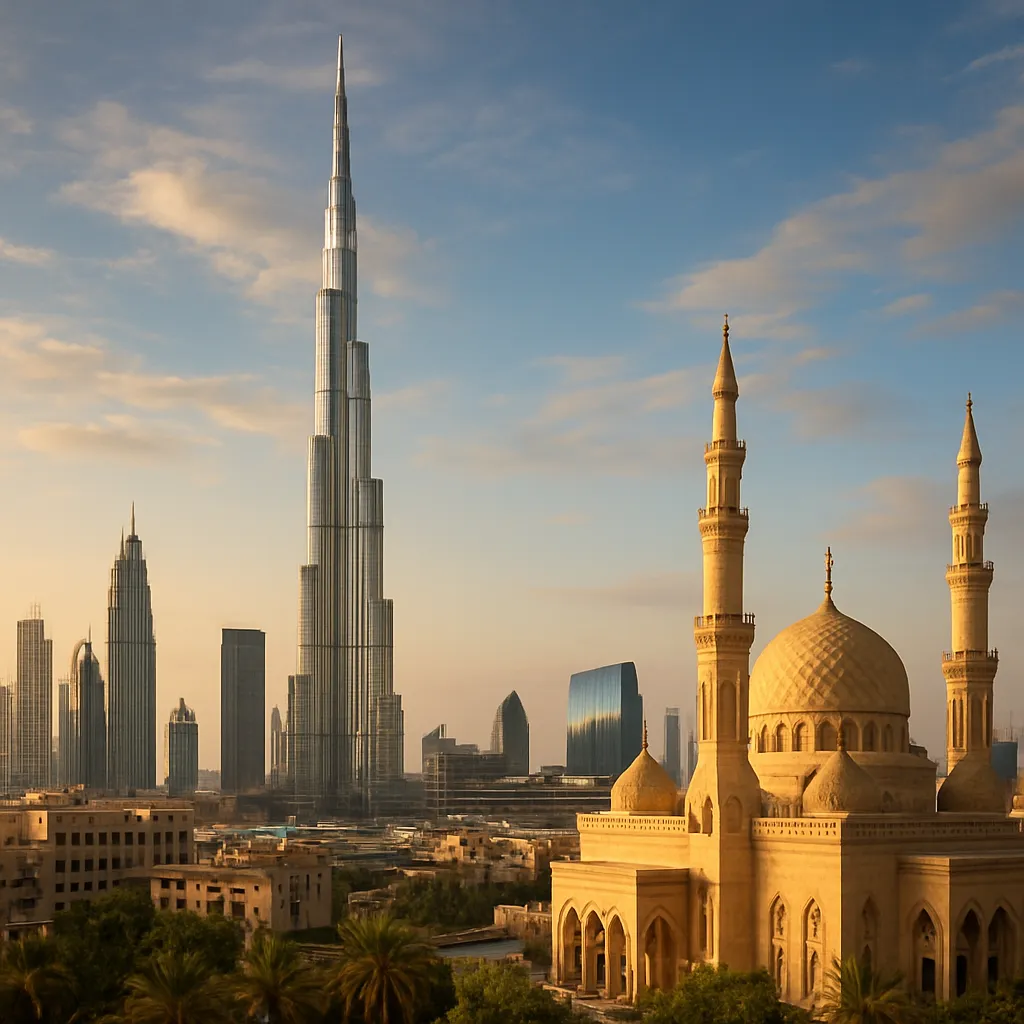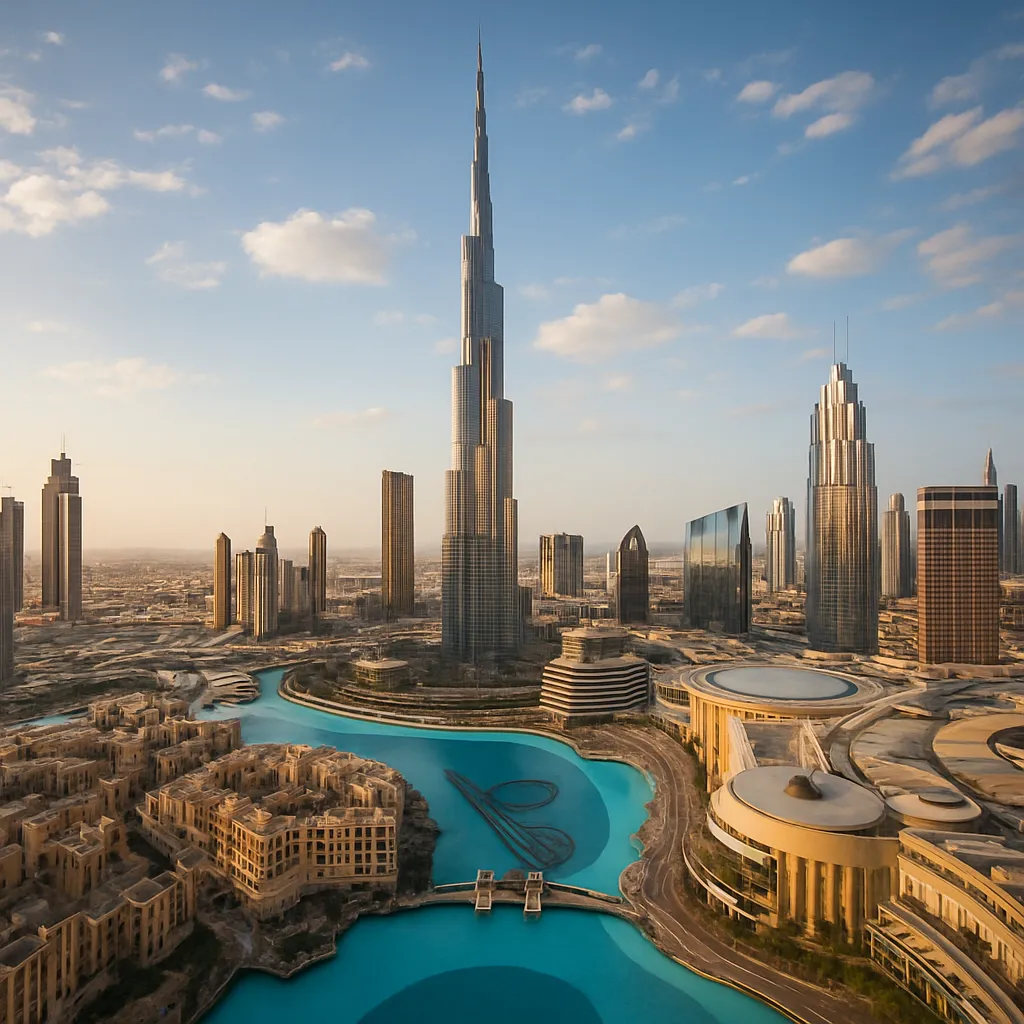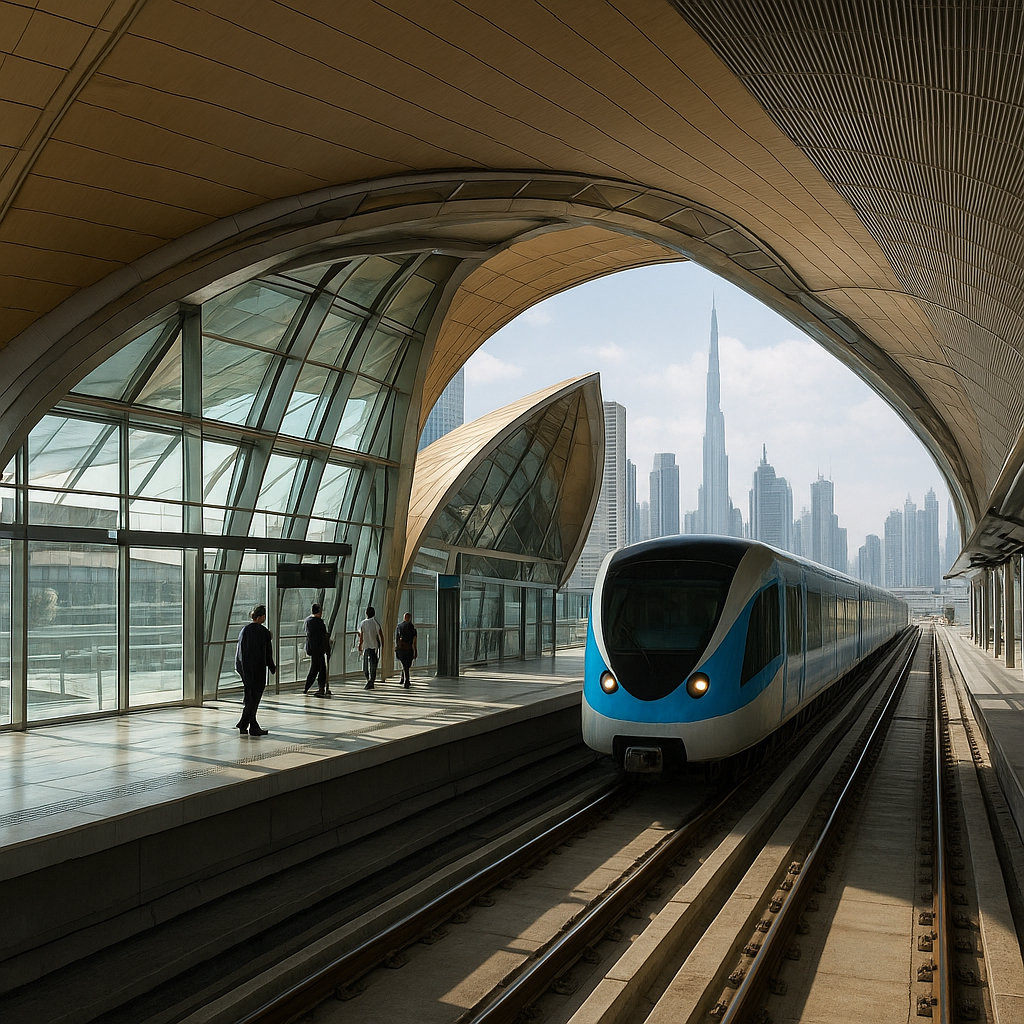
The sprawling network of Dubai’s metro stations stands as a testament to the emirate’s unrelenting pursuit of excellence in urban transit design. Beyond mere transportation hubs, these stations embody a fusion of cutting-edge technology and timeless traditions. Each stop is thoughtfully conceived to deliver an immersive journey that highlights both local identity and global ambition. From sweeping vaulted ceilings to intricate geometric motifs, every detail contributes to a seamless passenger experience and solidifies Dubai’s status as a world-class city.
The Evolution of Metro Station Architecture in Dubai
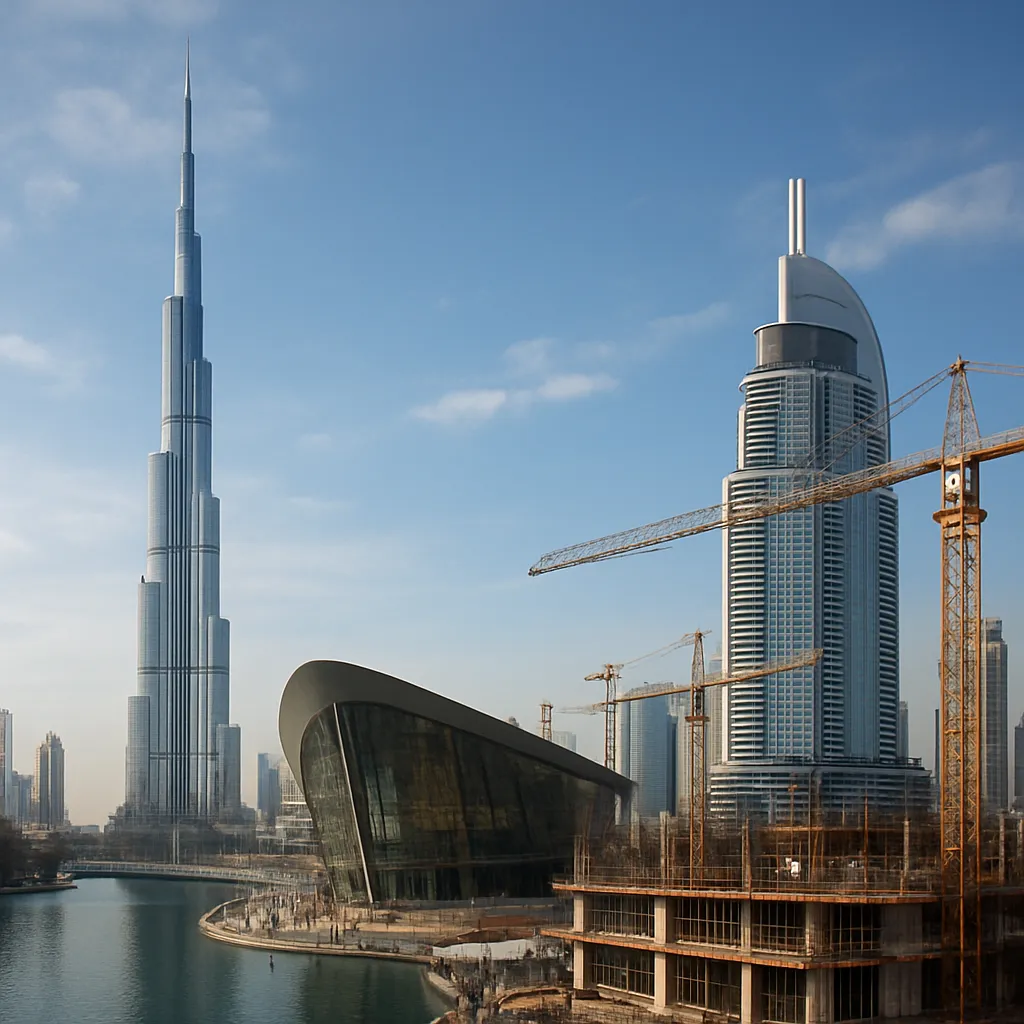
Since the launch of the Red and Green Lines, Dubai has redefined what it means to build a landmark in the realm of public transit. Early stations focused on robust, functional layouts capable of handling high volumes of commuters. Architects prioritized clear sightlines, straightforward platform arrangements, and efficient passenger flows. However, as the city matured, so did its design aspirations. Subsequent phases embraced more daring forms and materials, incorporating sweeping curves, undulating canopies, and daring cantilevers that evoked a sense of motion even at rest.
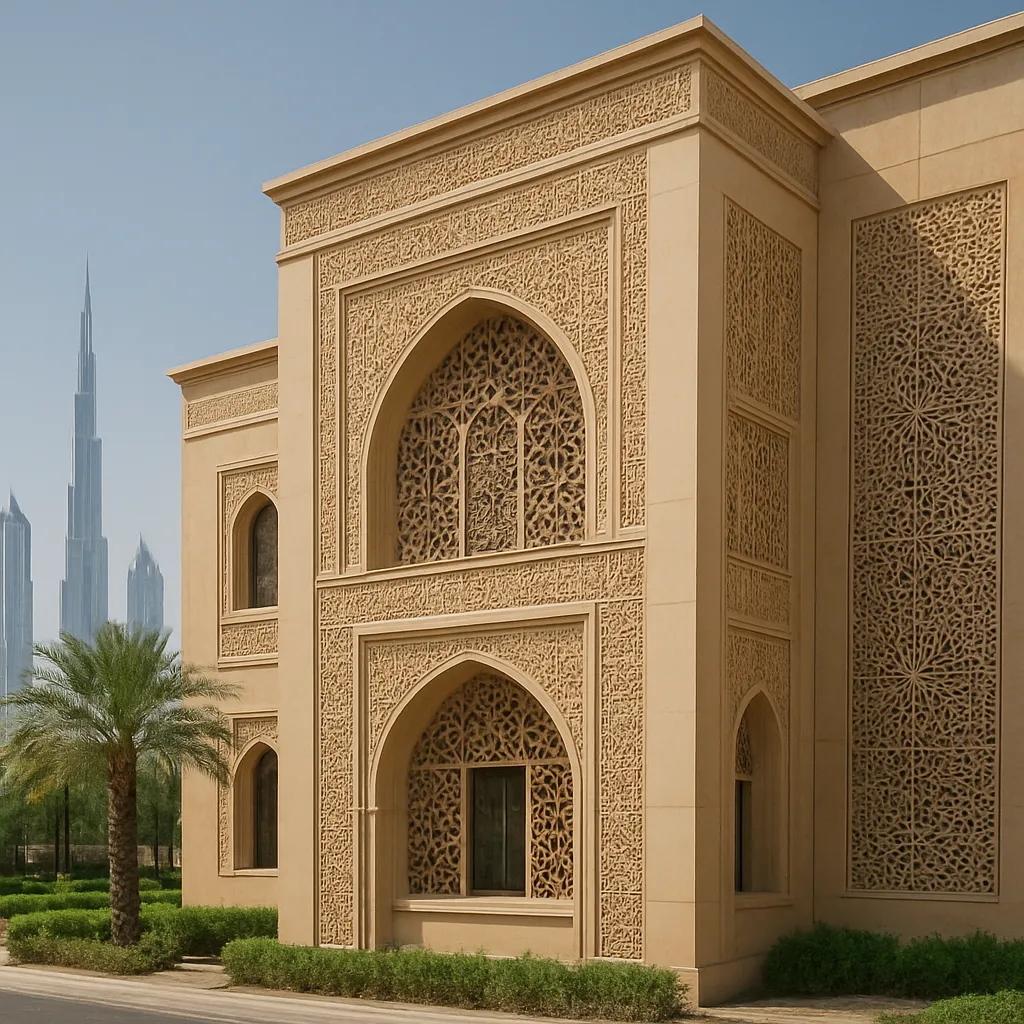
Design teams studied global precedents in Tokyo, London, and Singapore to inform their approach. Yet they infused each station with a uniquely Emirati spirit: domed shelters reminiscent of Bedouin tents, lattice screens that filter sunlight like the mashrabiya of old souks, and color schemes drawn from shifting desert sands. This synergy of modern engineering and traditional motifs has defined a new vernacular of public transportation architecture in the Gulf region.
Key milestones in this evolution include:
- Pioneering use of pre-stressed concrete for vast, column-free halls.
- Integration of high-performance glazing systems to control solar gain.
- Adoption of modular construction techniques for rapid station delivery.
Iconic Station Designs Reflecting Cultural Heritage
At the heart of Dubai’s metro project lies a deliberate focus on celebrating cultural heritage through built form. Stations such as Al Fahidi feature facades inspired by the angular geometry of falaj irrigation channels, while Burjuman’s heart-shaped foyer echoes local patterns found in pearl-diving manuscripts. Designers drew from Emirati art, calligraphy, and the undulating dunes to craft spaces that resonate with historical depth.
Within each station, passengers encounter:
- Aesthetics rooted in regional art, including mosaic inlays and stylized ceramic tiles.
- Lighting schemes that emulate the warm glow of desert sunsets or the cool luminescence of moonlit nights.
- Public art installations by local sculptors, bridging contemporary practice with age-old narratives.
Beyond visual cues, stations are designed to offer a multisensory experience. The gentle scent of agarwood or oud diffusers in waiting areas evokes traditional Emirati hospitality, while curated audio loops of wind and water subtly reinforce the bond between urban life and desert ecology. These thoughtful details transform mundane commutes into moments of cultural discovery.
Innovations in Sustainability and Technology
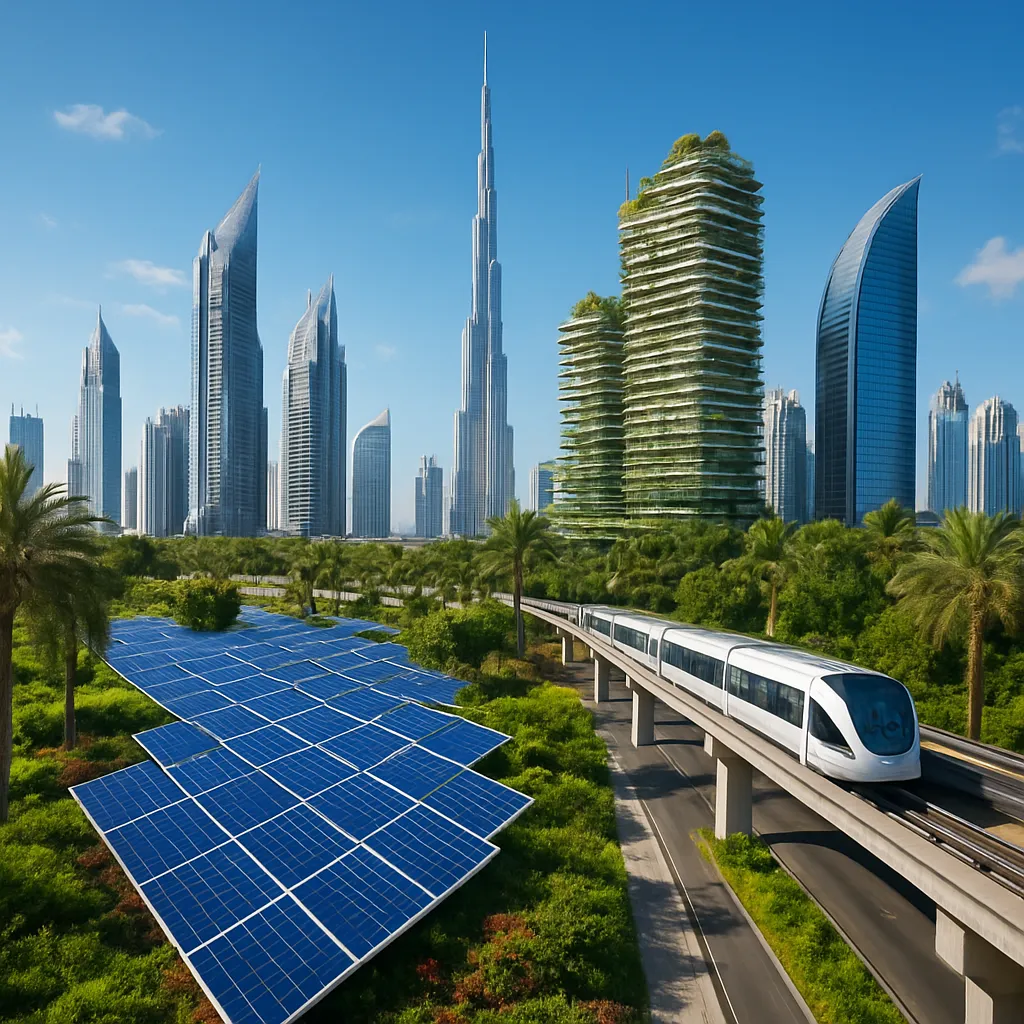
Dubai’s metro system has become a laboratory for innovation in sustainable transit infrastructure. Each station integrates advanced energy-management systems that optimize lighting, ventilation, and escalator use. Photovoltaic panels atop exposed canopy structures feed surplus power back into the grid, while high-efficiency chillers and variable-speed fans ensure optimal climate control with minimal energy consumption.
Stations employ smart building management platforms to monitor real-time data on CO₂ levels, footfall density, and energy use. Predictive algorithms trigger adjustments in HVAC settings or escalator speeds to maintain passenger comfort and reduce operational costs. Meanwhile, live information displays and mobile-app integrations enhance passenger experience by providing accurate arrival times, crowding forecasts, and wayfinding assistance in multiple languages.
In pursuit of sustainability, the metro network has achieved:
- LEED Gold certification for select stations, recognizing excellence in eco-friendly design.
- Rainwater harvesting systems that supply non-potable water for landscaping and sanitation.
- Use of recycled materials in seating, wall panels, and flooring to minimize environmental footprint.
Integration with Urban Fabric and Public Spaces
Dubai’s metro stations do not exist in isolation; they form integral nodes within the city’s broader connectivity strategy. Stations like Dubai Internet City and DMCC stand as multimodal interchanges, linking rail, bus, taxi, and bicycle networks. Thoughtful pedestrian bridges and shaded promenades ensure safe, comfortable transitions between modes, even under the intense midday sun.
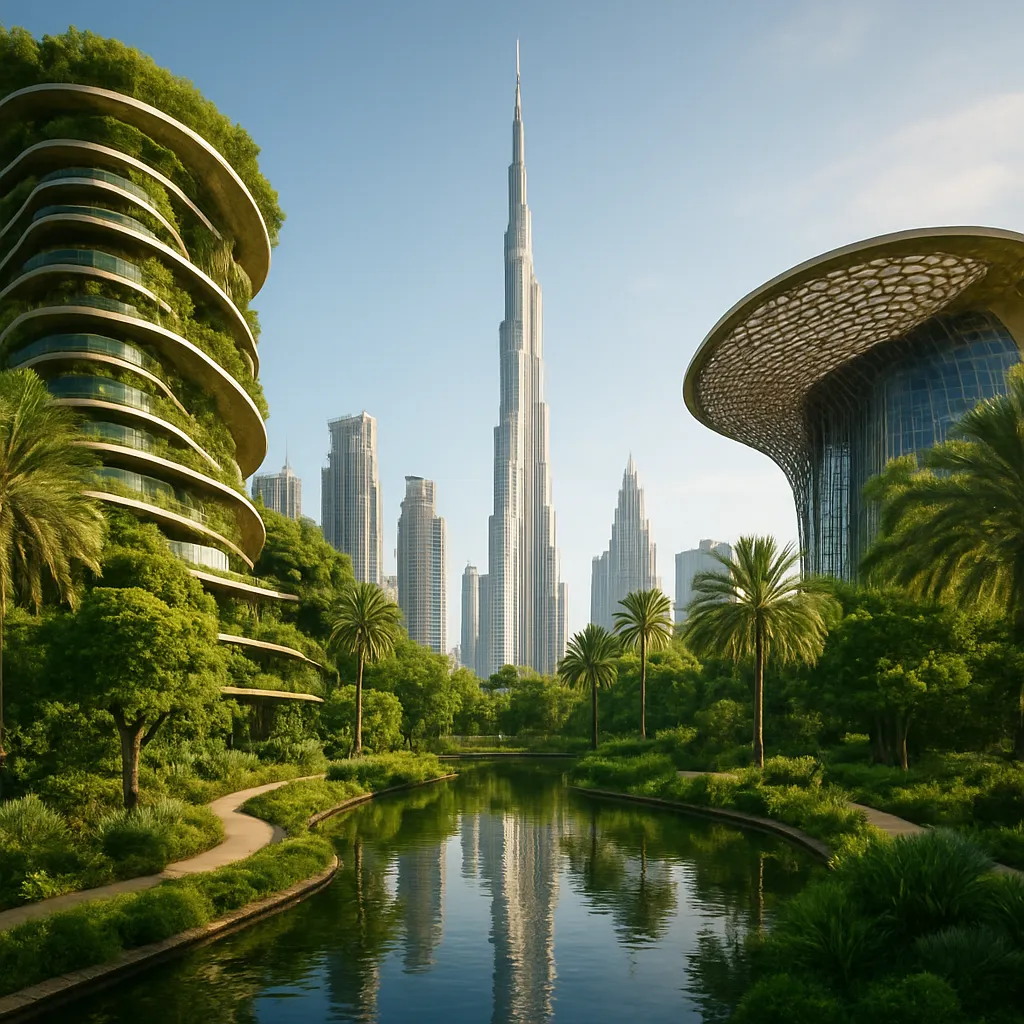
Beyond transportation, stations double as vibrant community hubs. Retail arcades brim with cafes, bookstores, and artisan markets that cater to commuters and casual visitors alike. Landscaped plazas featuring native date palms and water features invite relaxation, reinforcing the station’s role as a public amenity. This approach strengthens the bond between transit infrastructure and daily life, making the integration of the metro into Dubai’s urban landscape seamless.
Future expansions promise even tighter integration, with:
- Direct pedestrian tunnels beneath major highways to reduce walking times and improve safety.
- Vertical connections linking underground parking with ticket halls, enhancing accessibility for drivers.
- Smart lighting and interactive art installations in outdoor plazas to animate public spaces after dark.
As Dubai continues to grow, its metro stations will remain a model for how transportation can elevate city life. Through a harmonious blend of form and function, heritage and technology, they redefine what it means to travel in a modern metropolis.