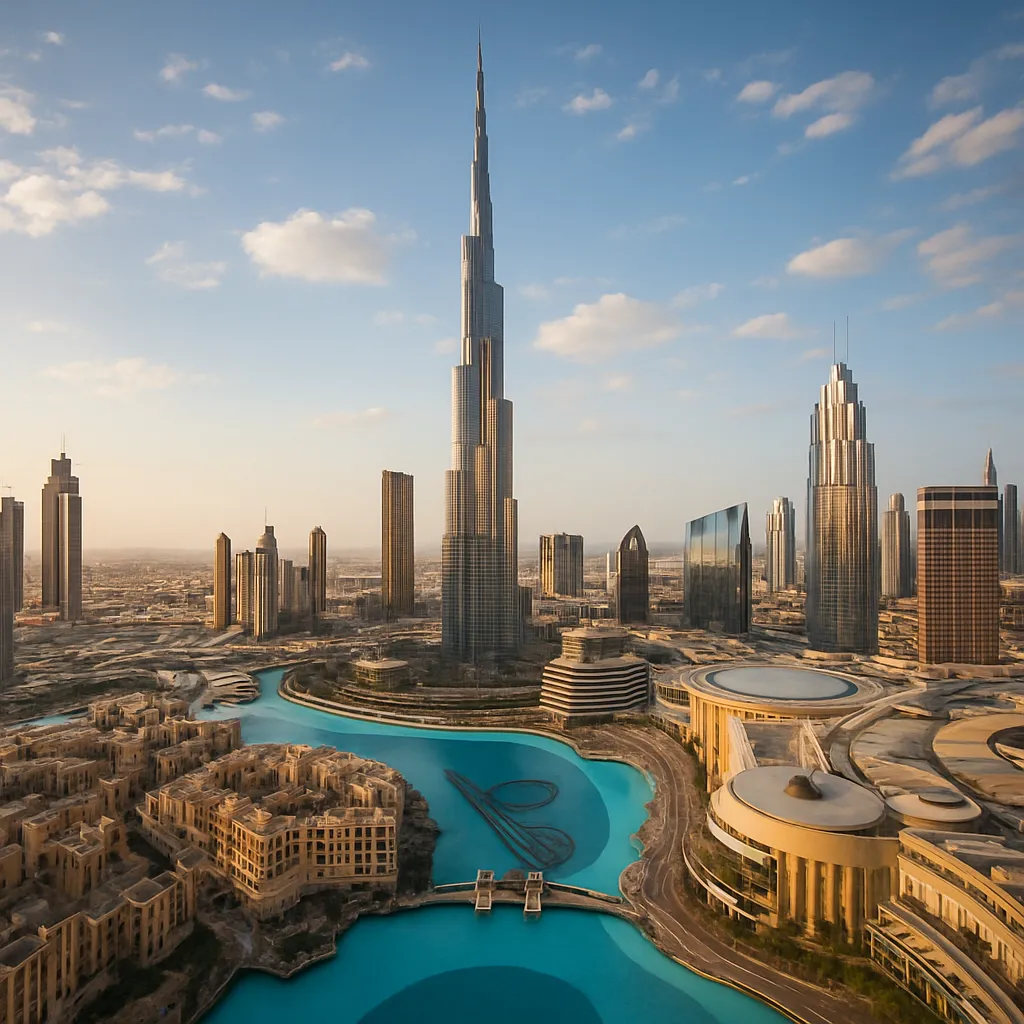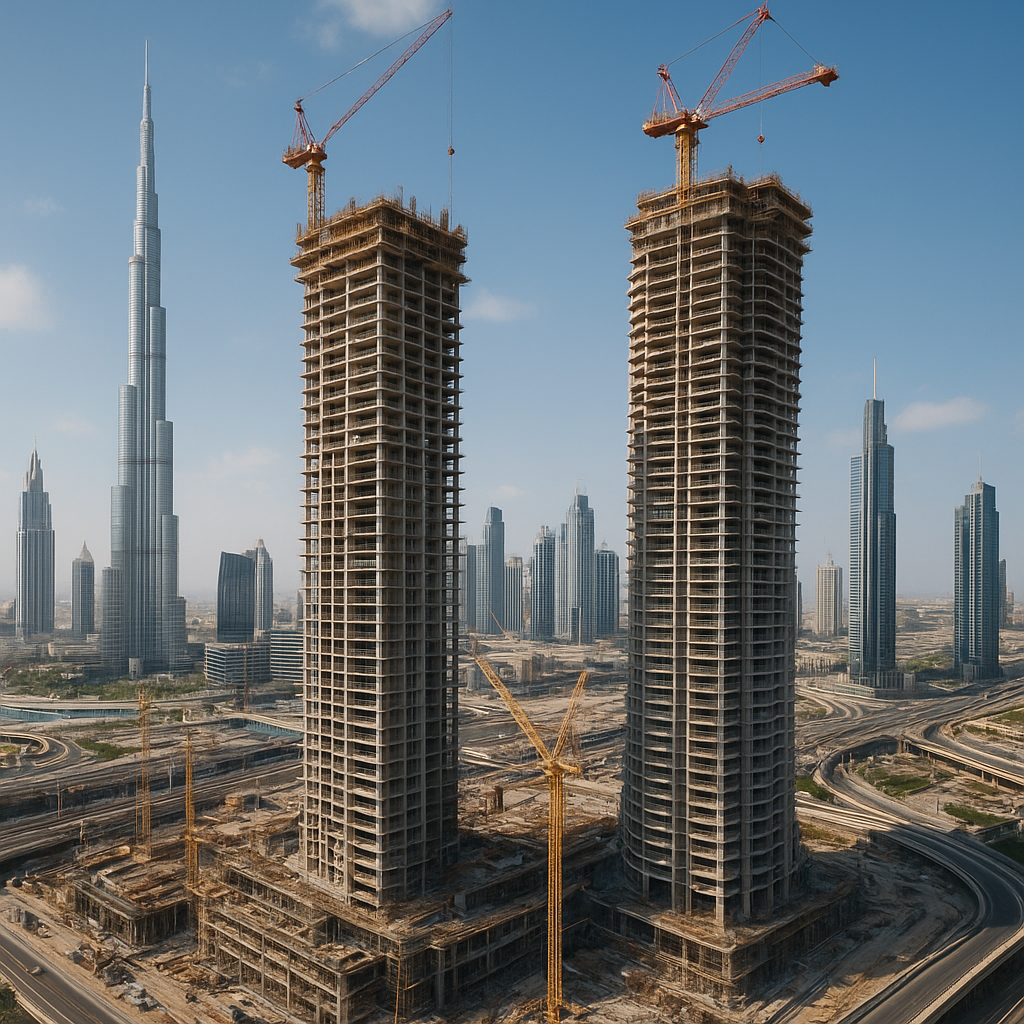
The skyline of Dubai is a testament to human ambition, where each tower reaches toward the skies with daring elegance. From the first tentative high-rises to the latest bold silhouettes, Dubai’s residential giants represent a blend of art and science. This article delves into the core principles that enable these structures to stand tall in one of the world’s most demanding environments, exploring the interplay of design, structural systems, material selection, and futuristic technologies.
Design and Architectural Innovations
Every iconic residential tower in Dubai begins with a vision shaped by both cultural aspiration and functional need. Leading architects harness cutting-edge digital modeling to create forms that respond to environmental forces while delivering luxurious living spaces. The emphasis on innovation and architecture ensures that each facade not only dazzles but also contributes to energy efficiency and user comfort.
Form-Follows-Function Philosophy
- Wind Analysis: Computational fluid dynamics (CFD) simulations guide the building’s orientation and shape. Curved profiles reduce vortex shedding and wind load.
- Solar Shading: Strategic overhangs and louvers mitigate solar gain, enhancing thermal comfort without compromising views.
- Mixed-Use Integration: Amenities such as sky gardens, swimming pools, and communal lounges are seamlessly woven into the tower’s vertical fabric.
Adaptive Façade Systems
Dubai’s towers often feature dynamic façades that adapt to shifting sunlight and seasonal variations. Panels with reflective coatings and selective glazing optimize daylight penetration while limiting heat transfer. Underlining the importance of precision, these surfaces are manufactured with tolerances of less than a millimeter to ensure seamless installation on curved and tapered elevations.
Structural Engineering and Foundation Systems
At the heart of every high-rise stands a robust skeleton engineered to resist gravitational, wind, and seismic forces. Engineers in Dubai rely on advanced methods to guarantee resilience and safety for thousands of occupants.
High-Performance Core and Outrigger Systems
- Reinforced Concrete Core: A thick cylindrical or rectangular core houses elevators, stairwells, and service shafts. This element acts as the spine, providing torsional stiffness.
- Outriggers and Belt Trusses: Connecting the core to perimeter columns, outriggers distribute lateral loads uniformly, reducing sway and improving occupant comfort during high winds.
- Composite Steel-Concrete Solutions: Hybrid structures combine the benefits of steel’s tensile strength with concrete’s compressive capacity, enhancing overall performance.
Deep Foundation Techniques
Given the varied soil conditions beneath the desert sands, foundation design is critical. Dubai’s tallest residential towers typically rest on large-capacity piles driven deep into stable strata. These piles are often linked by a thick mat foundation to distribute loads evenly, preventing differential settlement. Geotechnical investigations inform decisions on pile length, diameter, and spacing to secure optimal load-bearing capacity.
Materials, Construction Techniques, and Sustainability
Material selection is more than a matter of cost and availability; it is central to achieving structural integrity, durability, and environmental stewardship. Engineers and contractors collaborate to employ sustainable strategies without compromising on strength or aesthetics.
High-Strength Concrete and Self-Consolidating Mixes
- High-Performance Concretes: Mixes with compressive strengths exceeding 80 MPa allow for slender columns and long spans, maximizing usable floor area.
- Self-Consolidating Concrete: Reduced reliance on vibration ensures uniform compaction in dense reinforcement cages, accelerating construction and minimizing noise.
- Supplementary Cementitious Materials: Fly ash and slag replace a portion of cement, lowering the carbon footprint and improving long-term durability.
Advanced Steel Alloys and Prefabrication
Steel components are fabricated off-site with meticulous quality control. This prefabrication approach shortens the construction schedule and enhances worker safety. High-strength steel alloys enable slender beams and columns, contributing to the tower’s sleek profiles and minimizing dead load.
Sustainability and Green Certifications
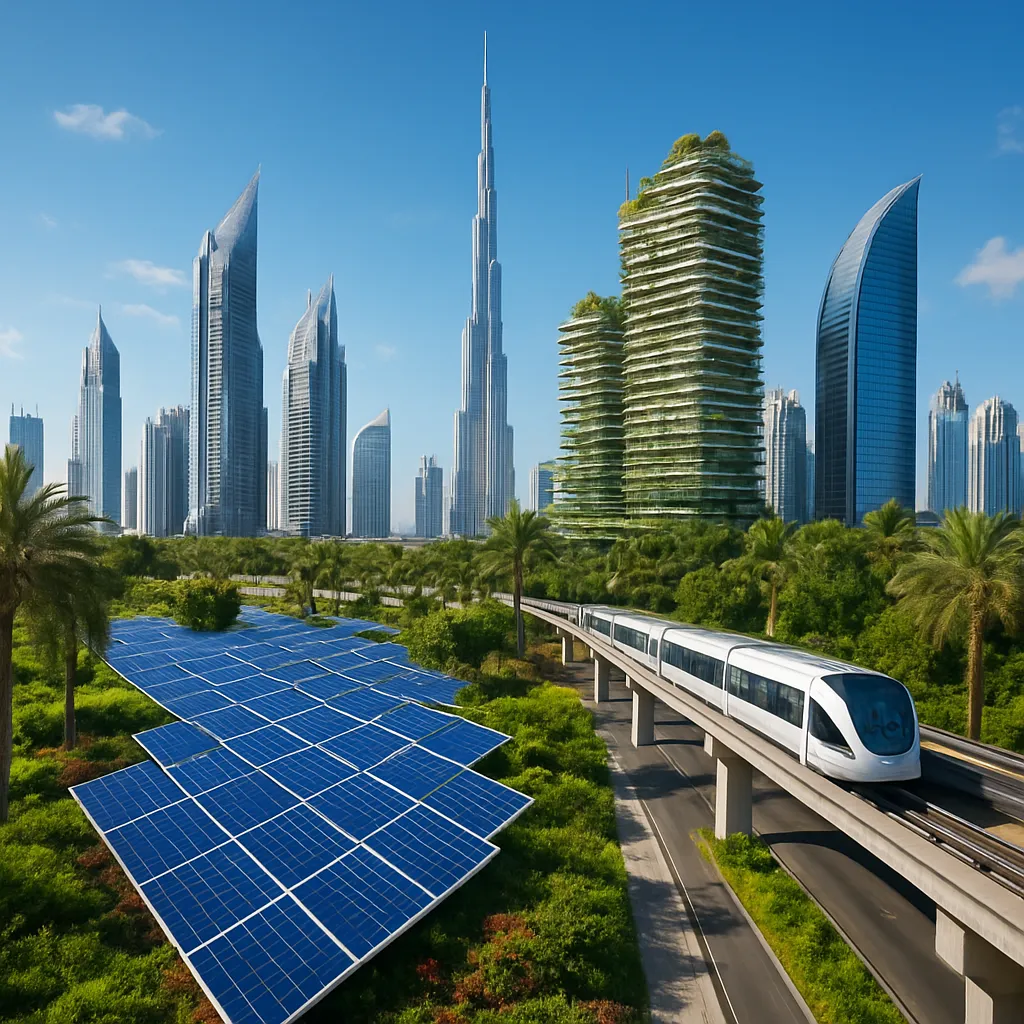
Leading developers target green building standards, integrating solar panels, greywater recycling, and intelligent building management systems. Emphasis on sustainability extends beyond operational efficiency to the sourcing of materials, waste reduction, and occupant well-being. The result is a net-positive impact on the environment, aligning luxury living with ecological responsibility.
Advanced Technologies and Monitoring Systems
Cutting-edge tools and real-time monitoring are essential to ensure the long-term performance of Dubai’s tallest residential towers. From construction through occupancy, technology underpins every stage.
Building Information Modeling and Virtual Reality
- BIM Platforms: Integrated databases centralize architectural, structural, and MEP (mechanical, electrical, plumbing) models, enabling clash detection and seamless coordination.
- Virtual Reality Simulations: Stakeholders experience digital walkthroughs, refining design choices and improving safety planning before any physical work begins.
Structural Health Monitoring
Sensor networks embedded in critical elements track strain, displacement, and vibration. This proactive approach alerts maintenance teams to anomalies, ensuring the tower’s resilience over decades. Data analytics optimize maintenance schedules, reducing costs and extending structural lifespan.
Construction Robotics and Drones
Automation accelerates masonry, concrete placement, and material handling. Drones provide aerial surveys and progress monitoring, allowing project managers to verify work quality and safety compliance in real time. These innovations underscore the vital role of technology in modern high-rise construction.
Weatherproofing, Fire Safety, and Occupant Comfort
Designing towers for Dubai’s climate demands special attention to waterproofing, fire protection, and indoor environmental quality. Advanced envelope systems combine insulation layers, vapor barriers, and breathable membranes to prevent water ingress and thermal bridging.
- Fire-Resistant Materials: Intumescent coatings on structural steel and fire-rated partitions compartmentalize spaces, maintaining evacuation routes and structural integrity during emergencies.
- HVAC Optimization: Zoned air-conditioning systems with heat recovery units adapt to occupancy patterns, ensuring consistent comfort while conserving energy.
- Acoustic Insulation: Multi-layered floor assemblies and double-glazed windows isolate units from mechanical noise, enhancing privacy and tranquility.
Future Directions in Dubai’s High-Rise Residential Sector
As Dubai continues to push architectural boundaries, the next generation of towers will likely integrate even more material breakthroughs, automated construction methods, and smart building ecosystems. Concepts such as 3D-printed structural elements, carbon-neutral concrete alternatives, and AI-driven design optimization promise to redefine the limits of vertical living.
Urban Integration and Smart Communities
Beyond individual towers, master-planned districts emphasize walkability, public transport links, and mixed habitat zones. Digital twins of entire neighborhoods will enable city planners to simulate growth scenarios, manage resources, and enhance safety through predictive analytics.
Resilience to Climate Change
Rising temperatures and severe weather events demand adaptable designs. Future residential towers will incorporate flood-resilient podiums, passive cooling strategies, and dynamic shading systems that adjust in real time to environmental sensors.
Biophilic Design and Well-being
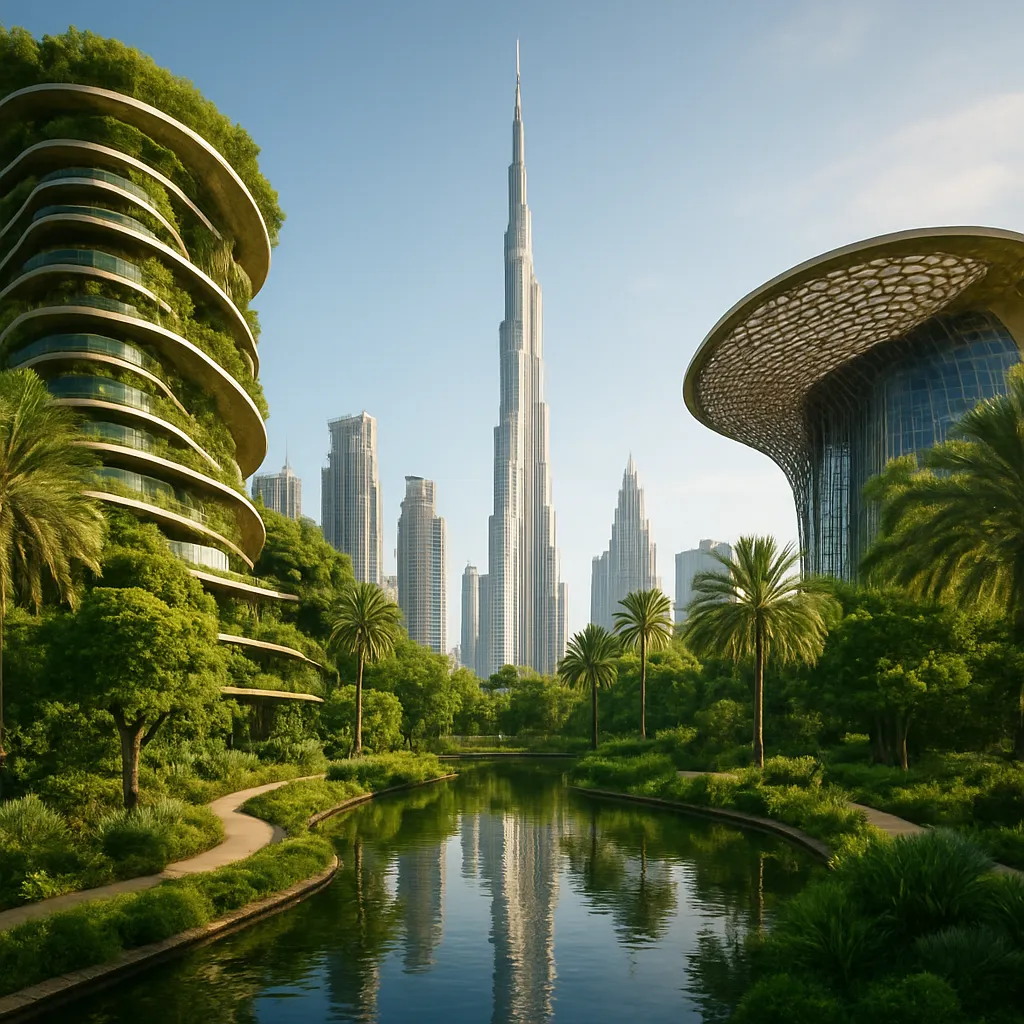
Increased emphasis on green spaces and natural elements within vertical environments highlights the human-centric approach to high-rise living. Sky gardens, living walls, and communal terraces foster community interaction and promote mental health, showcasing the evolving synergy of innovation and human comfort.