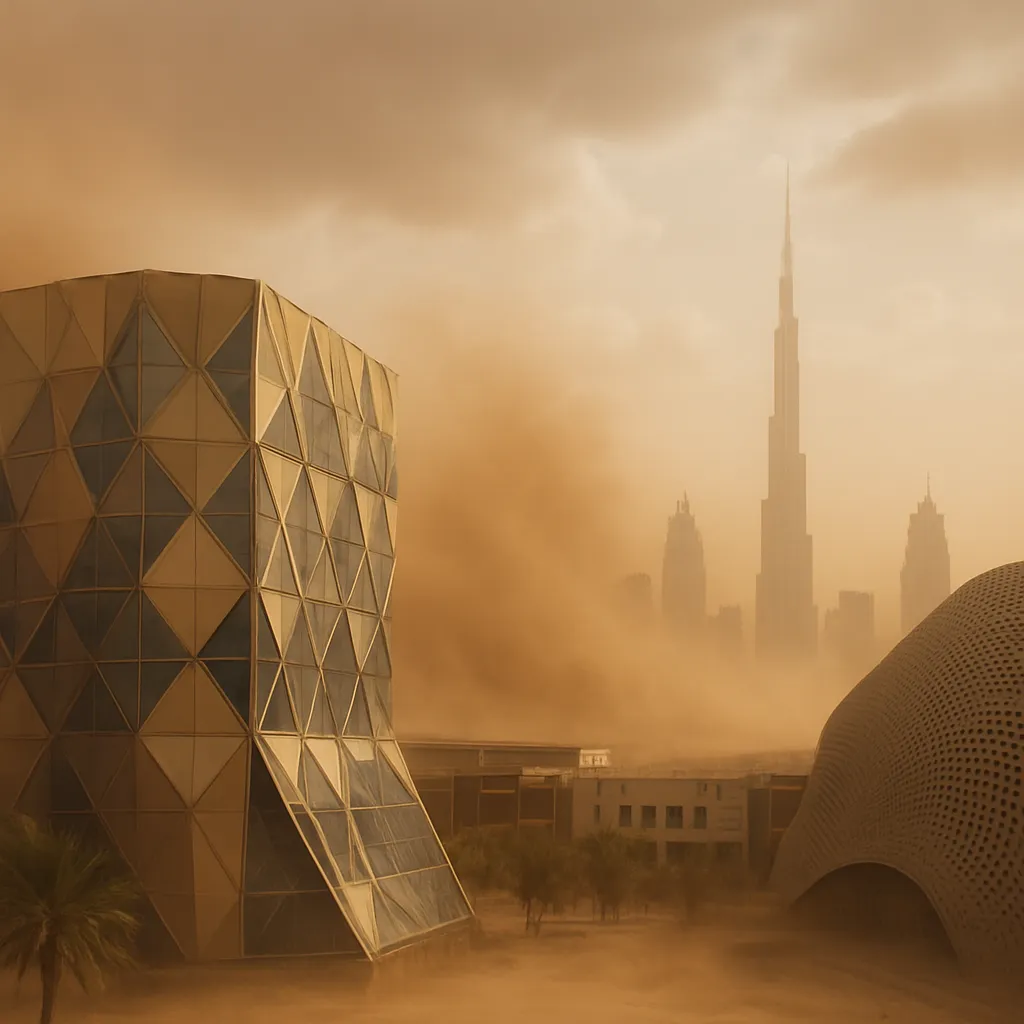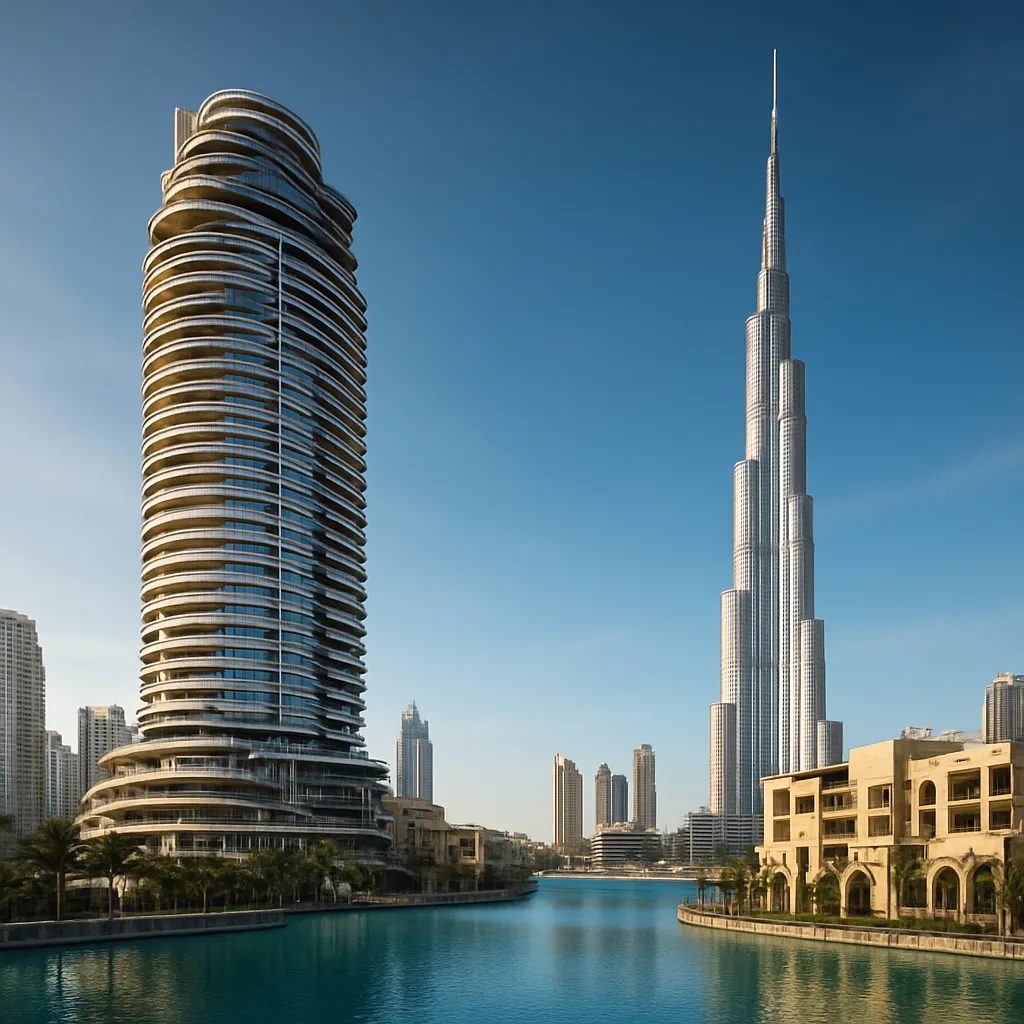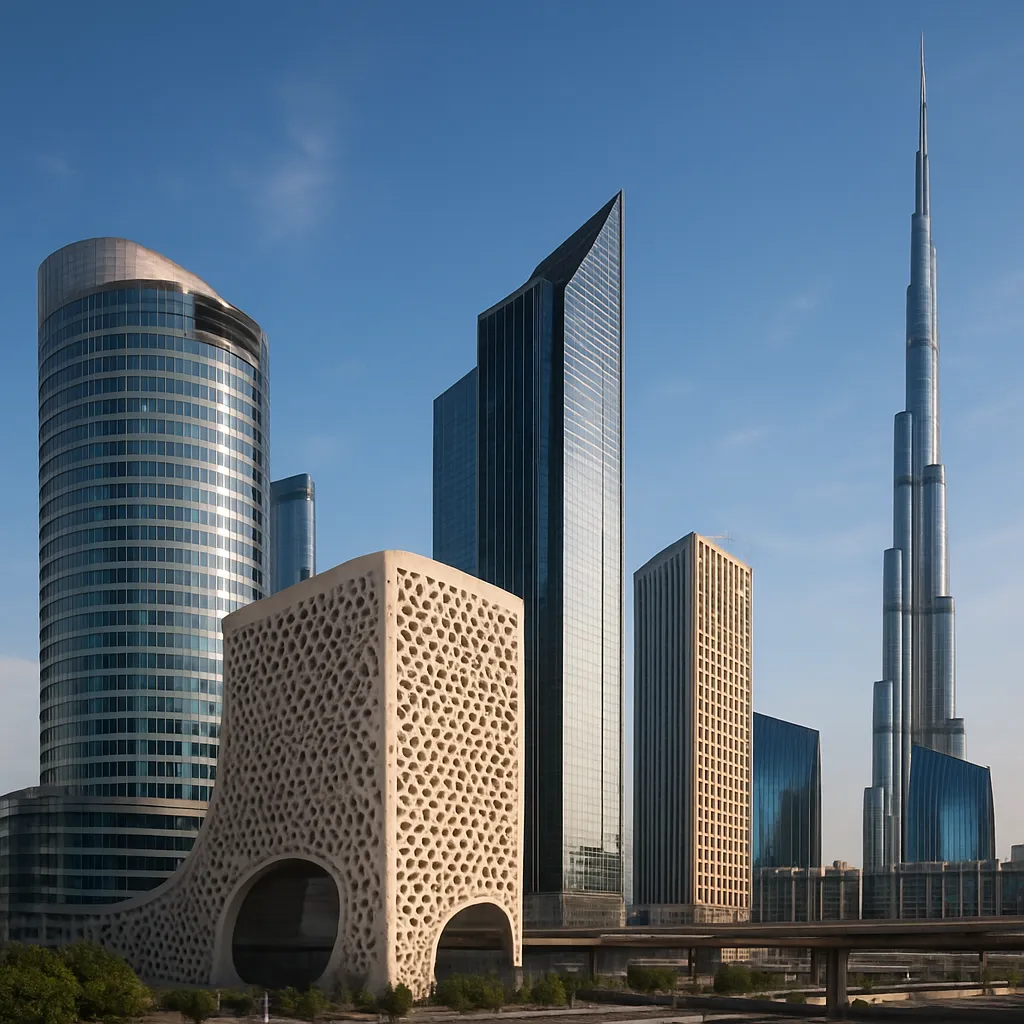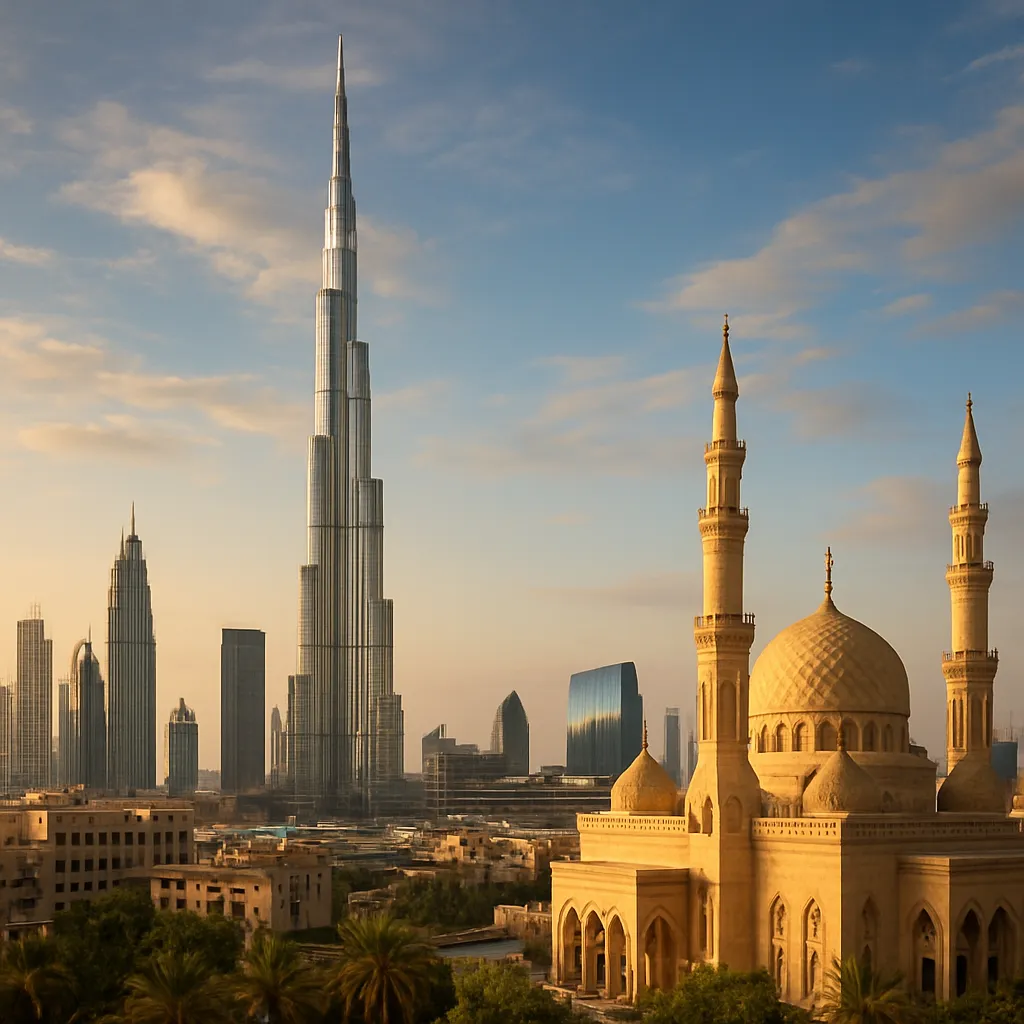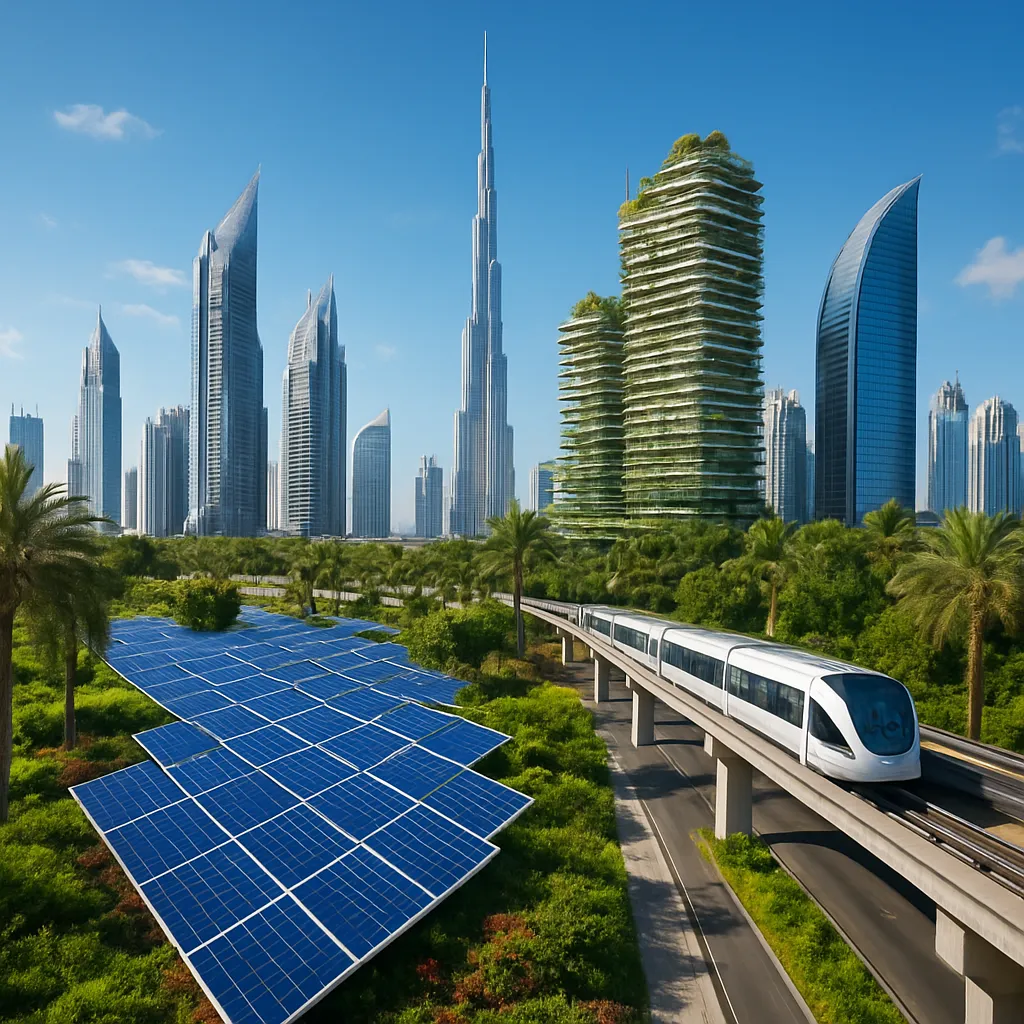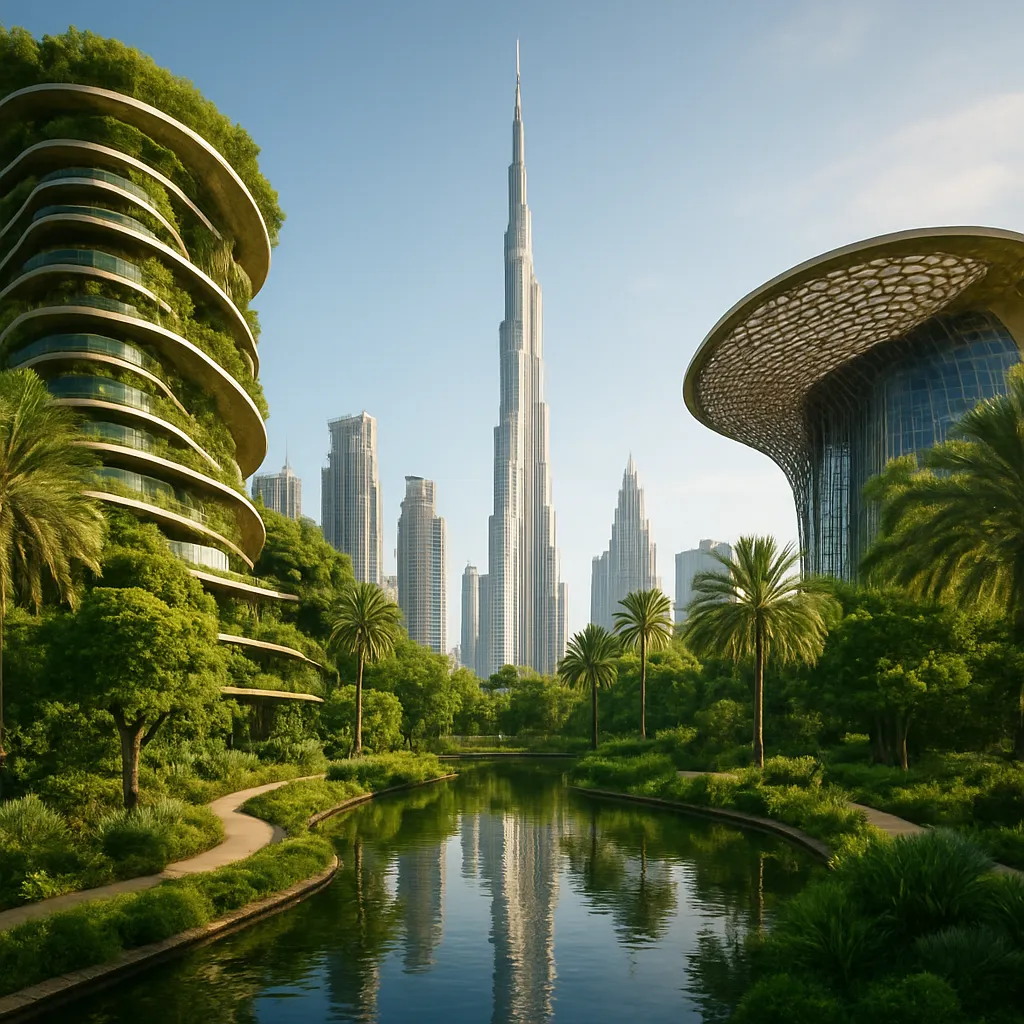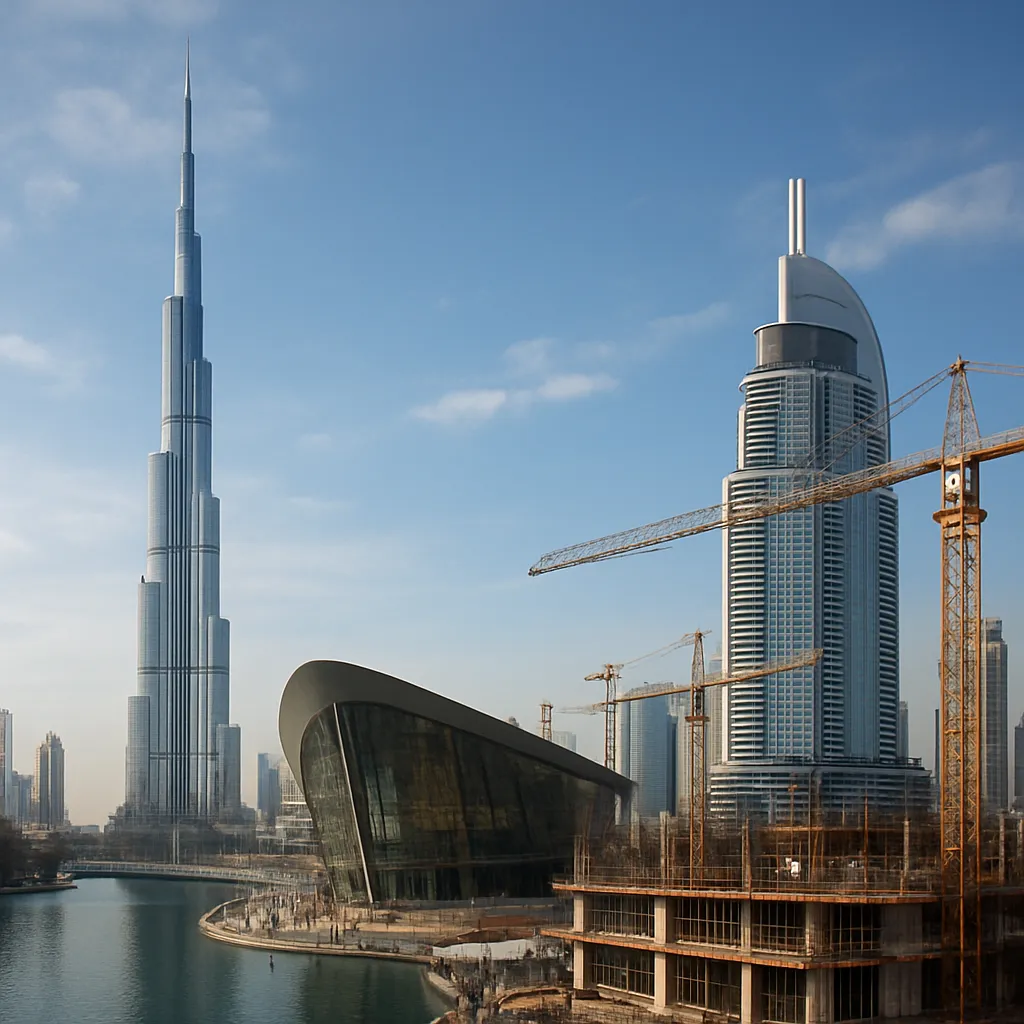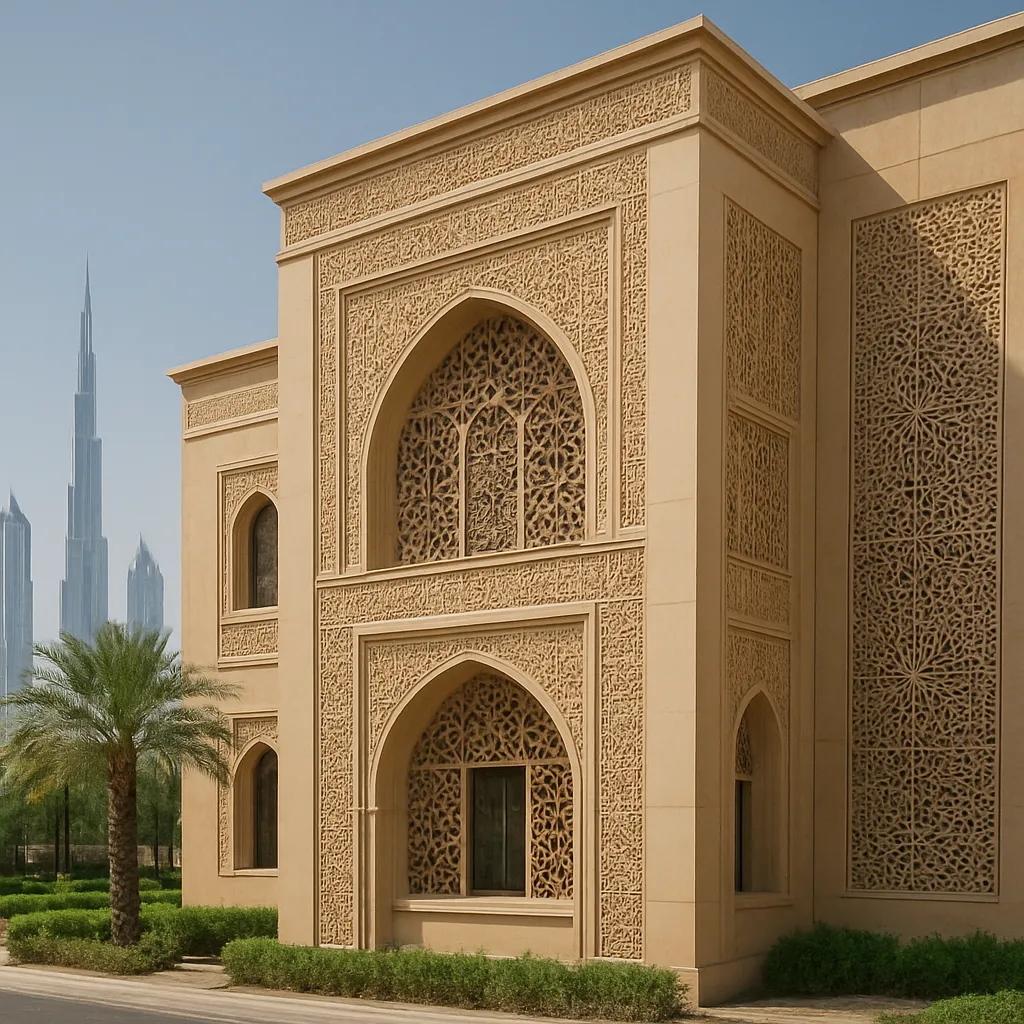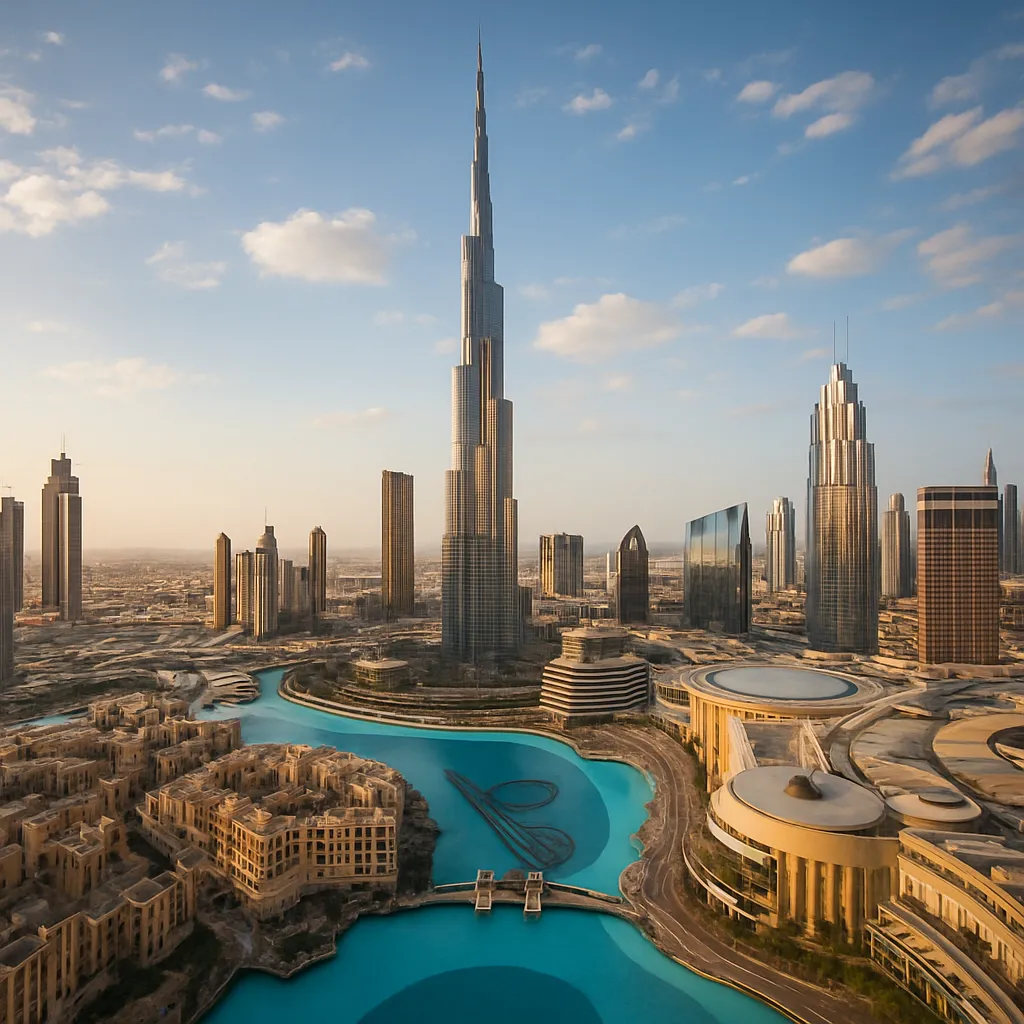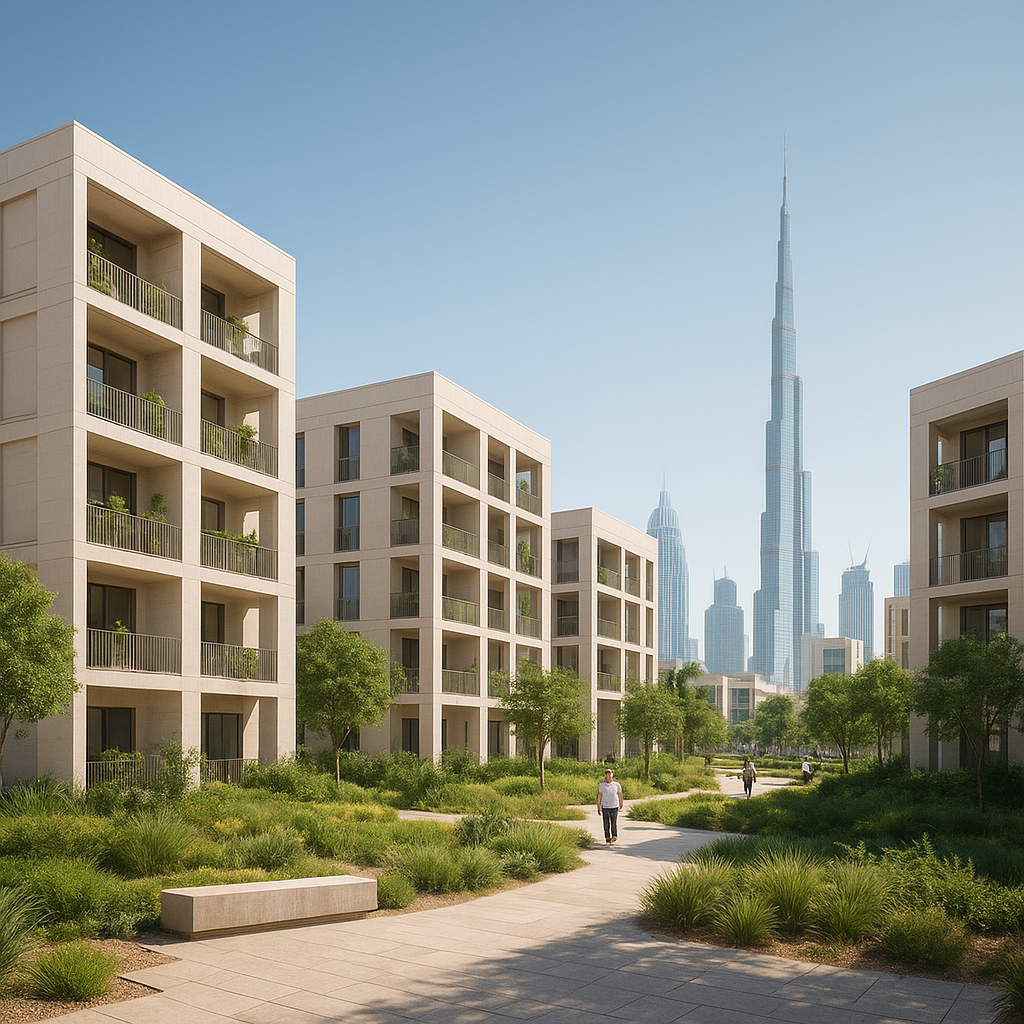
Dubai’s skyline has long been synonymous with opulence, grandeur, and architectural marvels that defy convention. Yet beneath the glimmering glass towers and record-breaking heights lies a growing imperative to develop affordable housing and sustainable urban solutions. As the city’s population soars and socioeconomic diversity expands, the quest for cost-effective yet aesthetically compelling structures is more urgent than ever. This article examines how emerging trends, cutting-edge innovations, regulatory frameworks, and collaborative efforts are shaping the future of affordable architecture in Dubai.
Emerging Trends in Dubai’s Affordable Architecture
Dubai’s real estate sector has historically been driven by luxury developments. However, a shift is underway as demand for inclusive and economically accessible housing escalates. The following trends highlight how the industry is adapting:
- Modular construction: Prefabricated modules manufactured off-site can significantly reduce labor costs, construction timelines, and onsite waste.
- Mixed-use developments: Integrating residential, commercial, and recreational spaces encourages efficient land use and fosters vibrant communities.
- Adaptive reuse: Converting existing structures—such as warehouses or older apartment blocks—into modern, budget-friendly housing conserves resources and maintains cultural heritage.
- Green building certifications: Programs like Estidama and LEED stimulate the adoption of energy-efficient systems, water recycling, and low-impact materials in cost-sensitive projects.
- Public-private partnerships: Collaborations between government bodies and developers share financial risks and enable the delivery of more affordable units at scale.
Innovations Driving Cost Efficiency
Technological and material innovations are at the heart of reducing per-unit expenses without sacrificing quality or sustainability. Key breakthroughs include:
1. Advanced Prefabrication and 3D Printing
Dubai has been a pioneer in experimenting with 3D-printed residential units. These printers use a mix of concrete composites to construct walls and structural elements layer by layer. Benefits include:
- Up to 50% reduction in building material waste.
- Shortened construction cycles—projects that once took months can now be completed in weeks.
- Lower reliance on manual labor, mitigating cost fluctuations associated with wage rates.
2. Innovative Material Science
Researchers are developing novel materials such as geo-polymers and self-healing concrete. These substances enhance durability and reduce long-term maintenance costs. Incorporating high-performance insulation panels also slashes energy consumption, making apartments more affordable to operate.
3. Smart Building Systems
IoT-enabled sensors, automated climate control, and intelligent lighting systems optimize resource utilization. By dynamically adjusting energy loads and monitoring usage patterns, residents enjoy lower utility bills. Integration of rooftop solar panels and on-site battery storage further reduces operational expenses.
Regulatory Frameworks and Institutional Support
Government directives and policy measures play a pivotal role in shaping market dynamics for affordable architecture. In Dubai, several initiatives and regulations bolster the sector:
Dubai Municipality’s Affordable Housing Strategy
Launched to address housing shortages, this strategy sets targets for the percentage of affordable units in new developments. It also offers incentives such as reduced land fees, accelerated permit approvals, and technical assistance for sustainable design compliance.
Land Allocation and Zoning Reforms
Recent amendments to zoning laws have designated specific zones for mid-income and low-income housing. This ensures that large-scale masterplans deliver a balanced mix of property types rather than exclusively high-end villas or luxury apartments.
Financing and Mortgage Schemes
Specialized mortgage products with lower down payments and extended repayment periods enable a broader segment of the population to invest in homeownership. Coupled with microfinance programs and rent-to-own options, these schemes alleviate short-term affordability pressures.
Case Studies: Pioneering Affordable Projects
Several landmark projects demonstrate how innovative approaches can yield high-impact results:
Masdar City Collaboration
Though located in Abu Dhabi, the Masdar City model offers valuable lessons for Dubai. Its modular housing units, powered by renewable energy, have inspired similar pilot programs in Dubai’s Al Warsan and Al Quoz areas. The emphasis on zero-energy buildings lays the groundwork for scalable, resilient communities.
District One Affordable Living
A recent initiative within District One allocated 1,500 mid-rise apartments with streamlined finishes and communal amenities. By targeting young professionals and small families, the project utilized standardized floor plans and bulk procurement to achieve a 20% cost reduction compared to comparable luxury buildings.
Future Perspectives and Recommendations
As Dubai approaches its 2040 Urban Master Plan milestones, the emphasis on diversified, affordable architecture will intensify. Stakeholders should consider the following actions:
- Increase collaboration between architects, engineers, and policymakers to develop integrated solutions rather than siloed technologies.
- Leverage digital twin simulations to forecast environmental performance and cost implications during the design phase.
- Promote community-driven design initiatives, ensuring that affordable housing meets the cultural and social needs of diverse populations.
- Scale green loan programs with favorable interest rates specifically tied to energy-efficient, low-carbon construction.
- Expand vocational training centers focused on modular construction techniques to build a skilled local workforce.
By harnessing innovation, solidifying public-private collaborations, and enacting supportive regulations, Dubai can transcend traditional barriers to affordability. The city’s architectural evolution will not only accommodate its burgeoning population but also set a global standard for sustainable, cost-conscious urban development.