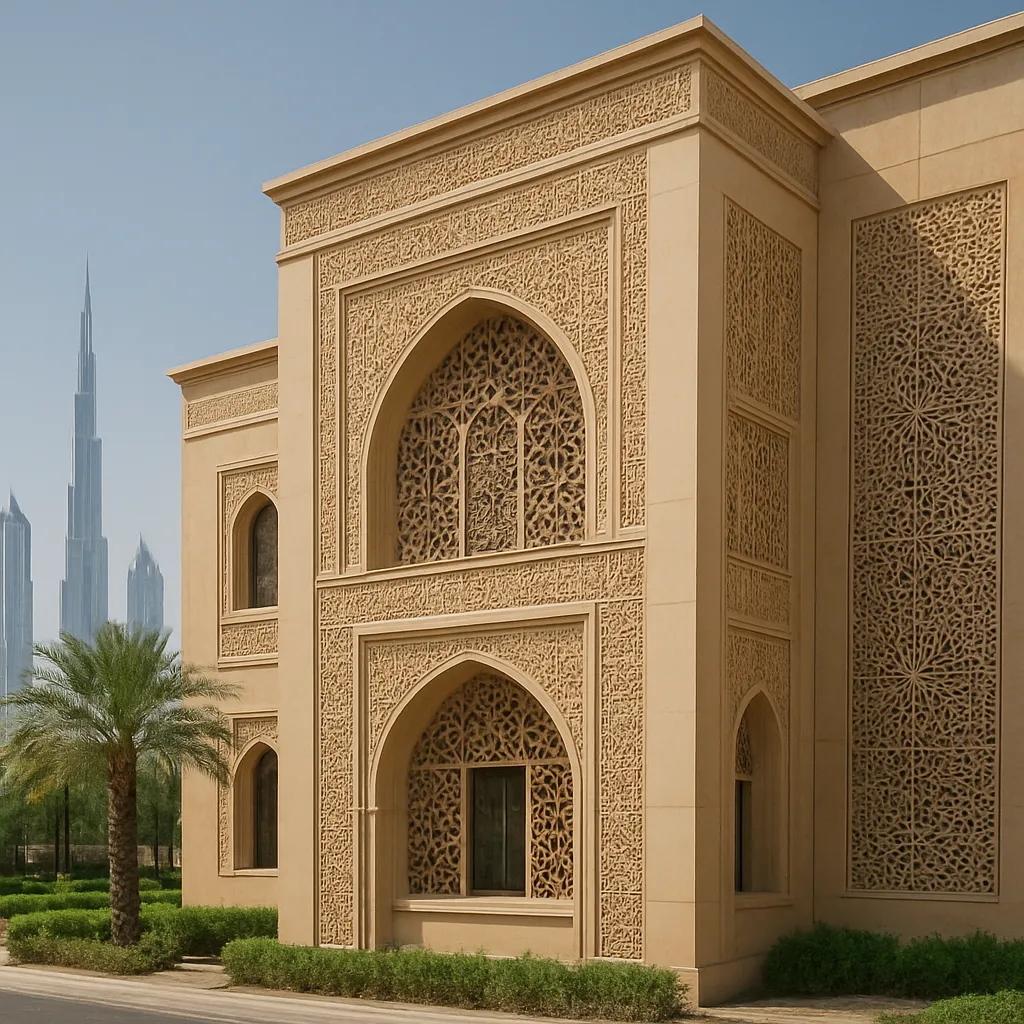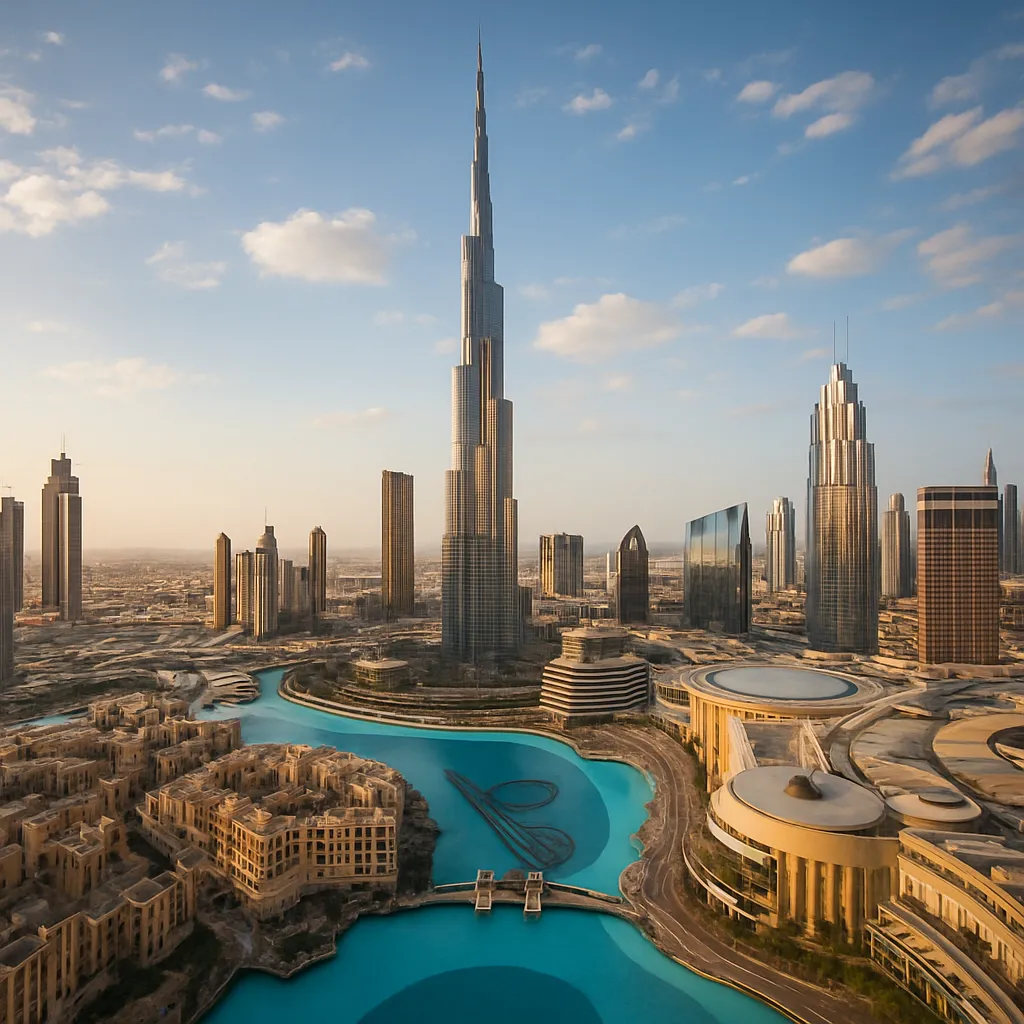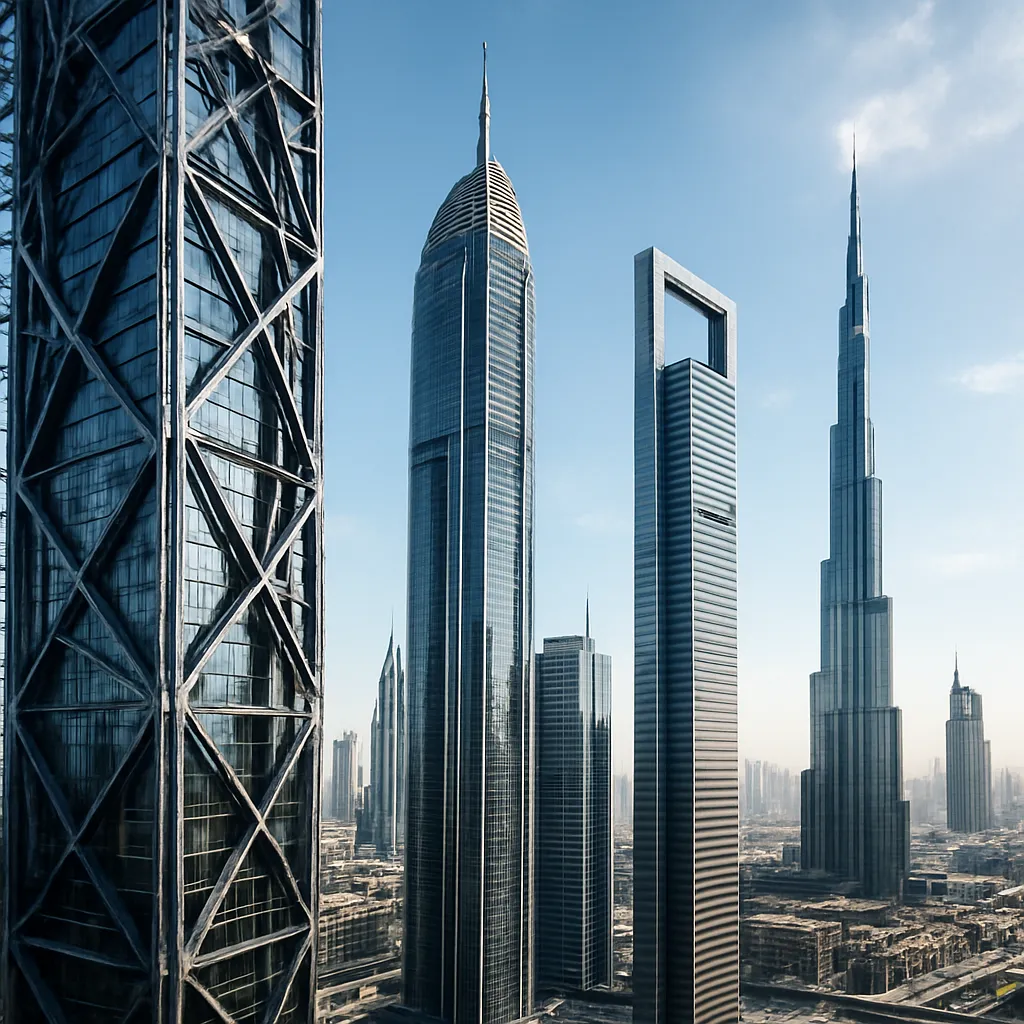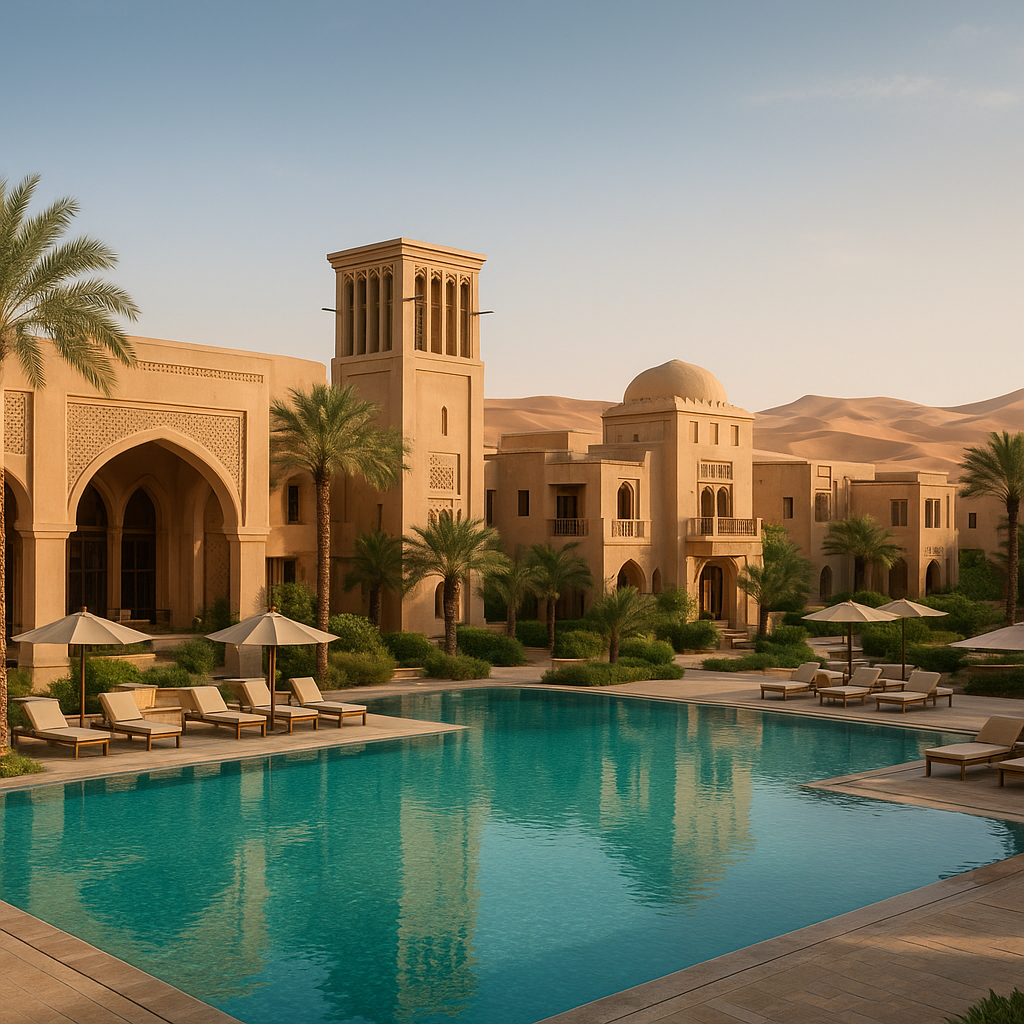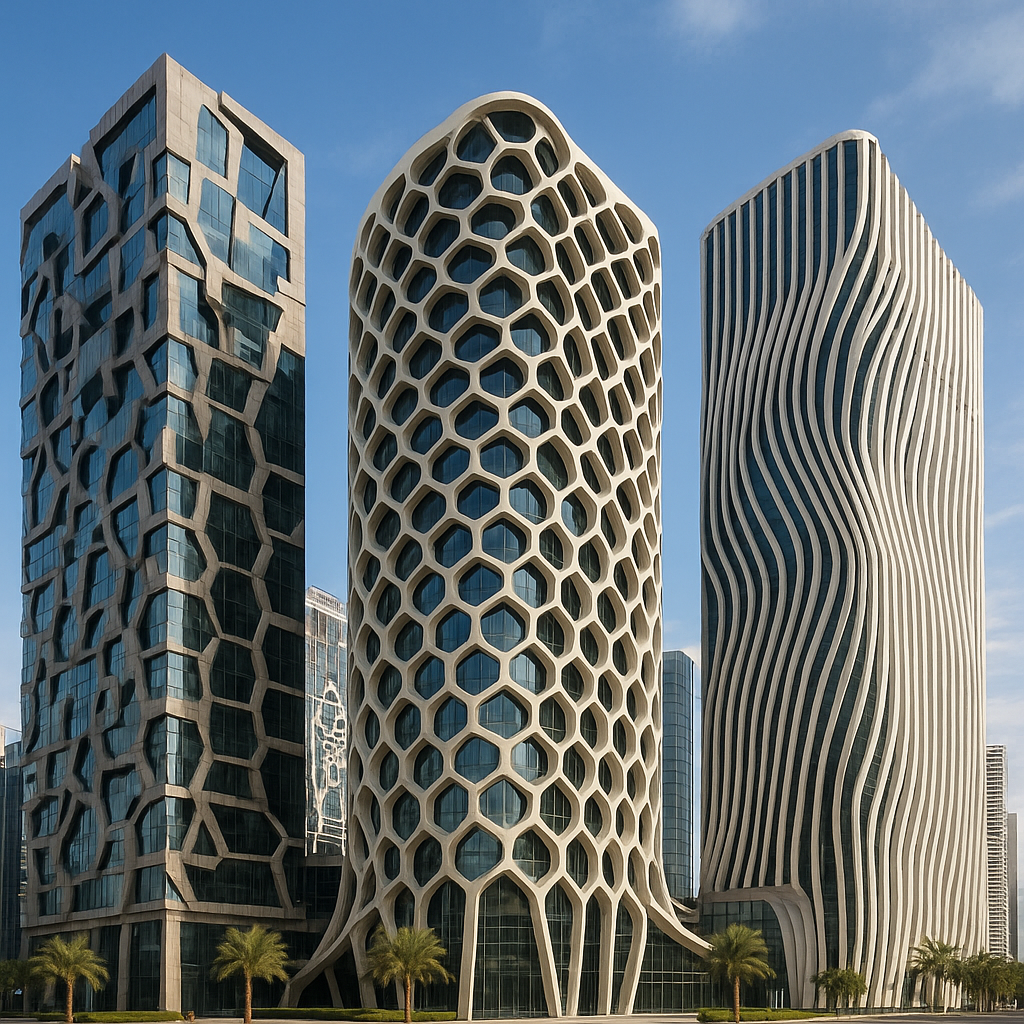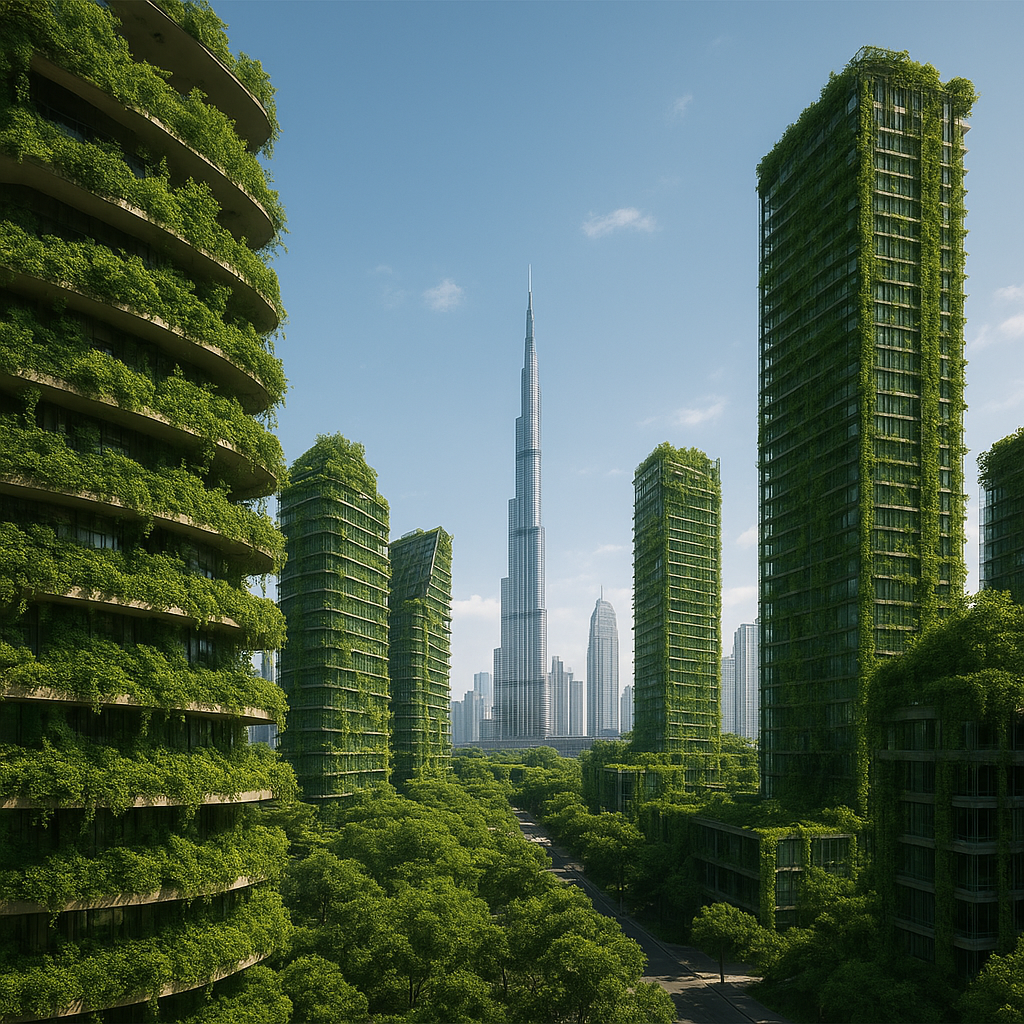
The Green Building Revolution in Dubai reflects the Emirate’s relentless pursuit of sustainability and resilience amid its dazzling skyline. From the world’s tallest towers to sprawling mixed-use developments, Dubai is pioneering approaches that blend cutting-edge smart systems with traditional concepts of environmental stewardship. This article explores the foundational principles, advanced technologies, supportive policies, and landmark projects driving the city’s transformation toward a net-zero future.
Sustainable Design Principles in Dubai’s Skyline
At the core of Dubai’s green building movement lies a commitment to energy optimization, water conservation, and holistic life-cycle planning. Designers and engineers employ LEED and other rating systems to quantify performance, while local adaptations ensure relevance in desert conditions. Key strategies include:
- High-performance building envelopes featuring insulated glass and façade design that reduces solar heat gain
- Integrated shading devices and orientation to maximize natural daylight while minimizing cooling loads
- Rainwater harvesting, greywater recycling, and low-flow fixtures to address scarce freshwater resources
- Use of locally sourced and recycled materials, reducing the embodied carbon footprint
- Community planning that promotes walkability and transit access, lessening reliance on private vehicles
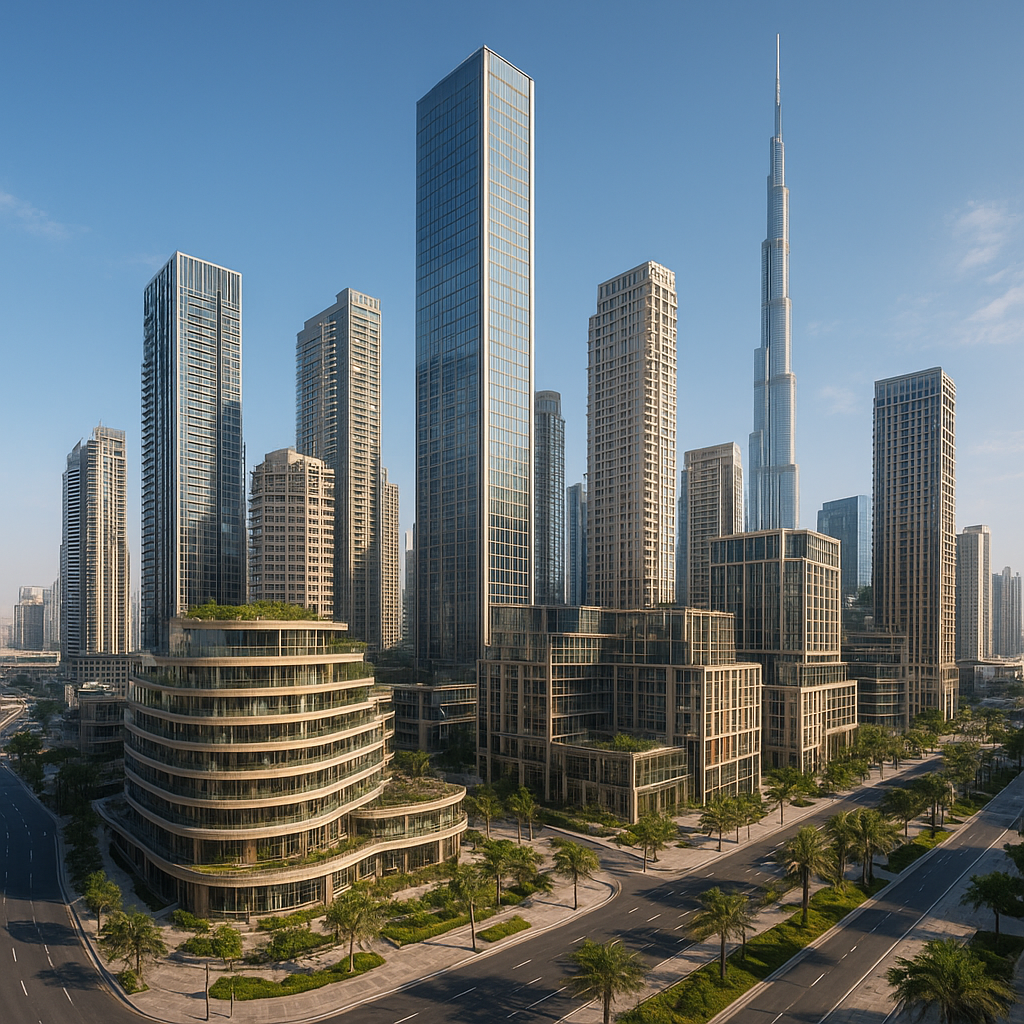
Together, these measures underpin a resilient, climate-responsive approach that elevates occupant comfort and environmental performance. Dubai’s architects are increasingly focused on creating mixed-use districts where work, living, and leisure functions coalesce around shared green infrastructure.
Innovative Technologies and Material Choices
Role of Renewable Energy Systems
Solar power is central to Dubai’s decarbonization efforts. Photovoltaic installations adorn rooftops, façades, and even shading structures in parking areas. The Mohammed bin Rashid Al Maktoum Solar Park leverages both concentrated solar power and large-scale PV arrays to feed the grid. Within buildings, on-site solar often combines with energy storage to balance peak loads, enabling near-net-zero operations.
Advanced Cooling and HVAC Solutions
Traditional air conditioning accounts for a substantial share of regional energy use. To curb this, Dubai’s developers deploy:
- District cooling networks that centralize chillers for multiple buildings, boosting efficiency
- Thermal energy storage systems that shift electricity consumption to off-peak hours
- Smart HVAC controls and demand-controlled ventilation to tailor airflow to occupancy patterns
- Desiccant dehumidification combined with evaporative cooling for dry climates
These innovations not only cut energy demand but also enhance indoor air quality, a priority for hot, humid environments.
Green Materials and Biophilic Integration
Material science advances have introduced self-cleaning coatings, high-reflectance finishes, and photovoltaics embedded within curtain walls. Biophilic design features such as green roofs and vertical gardens improve thermal insulation while supporting biodiversity. These living façades act as natural filters, reducing ambient temperatures and encouraging urban wildlife habitats.
Policy Framework and Incentives
Dubai’s government has enacted robust regulations and incentive schemes to accelerate green construction. Mandatory building codes require new developments to meet baseline efficiency targets and water usage limits. Further stimuli include:
- Grants and rebates for renewable energy installations and efficiency upgrades
- Priority permitting and reduced fees for projects with high green certifications
- Support for pilot programs showcasing emerging sustainable technologies
- Public–private partnerships funding research into desert-adapted construction methods
The Dubai Carbon Centre of Excellence offers technical assistance to project teams, fostering knowledge exchange and capacity building. This collaborative ecosystem ensures that best practices proliferate throughout the building sector.
Case Studies of Iconic Green Structures
The Sustainable City
As one of the world’s first net-zero residential communities, The Sustainable City exemplifies integrated design. Solar canopies cover parking lanes, powering homes and shared facilities. Smart systems monitor energy flows, while on-site agriculture and aquaponics promote local food production. Water-efficient landscapes thrive under drip irrigation powered by treated greywater.
Dubai Design District (d3)
d3 blends commercial and creative spaces within a compact footprint. Green roofs and shaded plazas manage microclimates, reducing ambient temperatures by up to 10 °C compared to adjacent areas. Buildings adhere to a unified design manual prioritizing passive cooling, natural ventilation, and resilience to climate extremes.
Alef Residence
Winning accolades for sustainable luxury, this high-rise employs double-skin façades with operable louvers, achieving significant reductions in cooling demand. High-efficiency chillers linked to off-site renewable generation underscore the project’s commitment to decarbonization.
Challenges and Future Directions
Despite remarkable progress, Dubai faces ongoing hurdles. The water-energy nexus remains strained, and retrofitting existing buildings poses logistical and financial challenges. To address these, innovators are exploring:
- Next-generation evaporative cooling towers using minimal water consumption
- Modular façade panels with integrated sensors for real-time performance analytics
- Hydrogen-based district energy plants to complement solar resources
- Advanced AI algorithms optimizing energy flows across entire districts
Collaboration between government, industry, and academia will be essential to scale these solutions. As Dubai continues hosting global forums on climate action, its built environment serves as a living laboratory for renewable energy integration and desert-optimized design. The city’s dedication to a greener future is reshaping the definition of urban luxury, demonstrating that environmental responsibility and architectural ambition can coexist harmoniously.