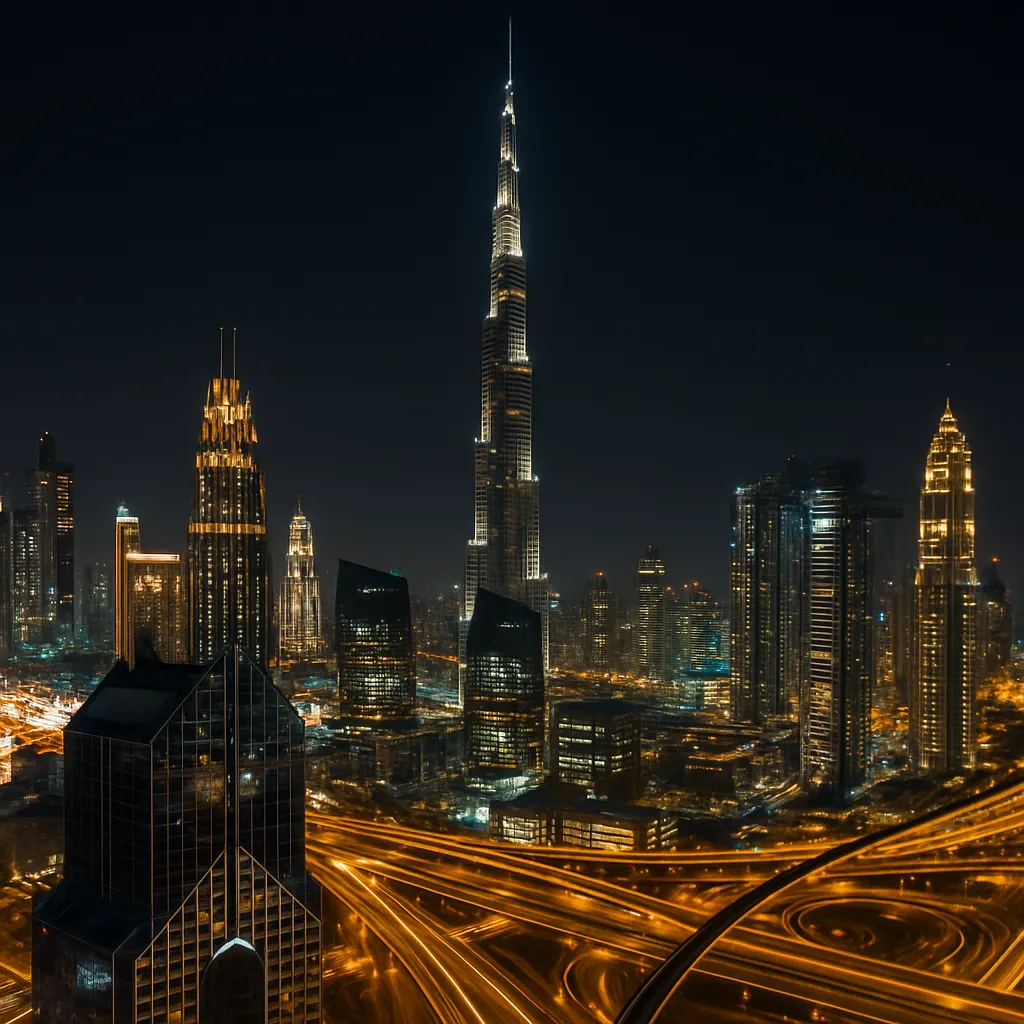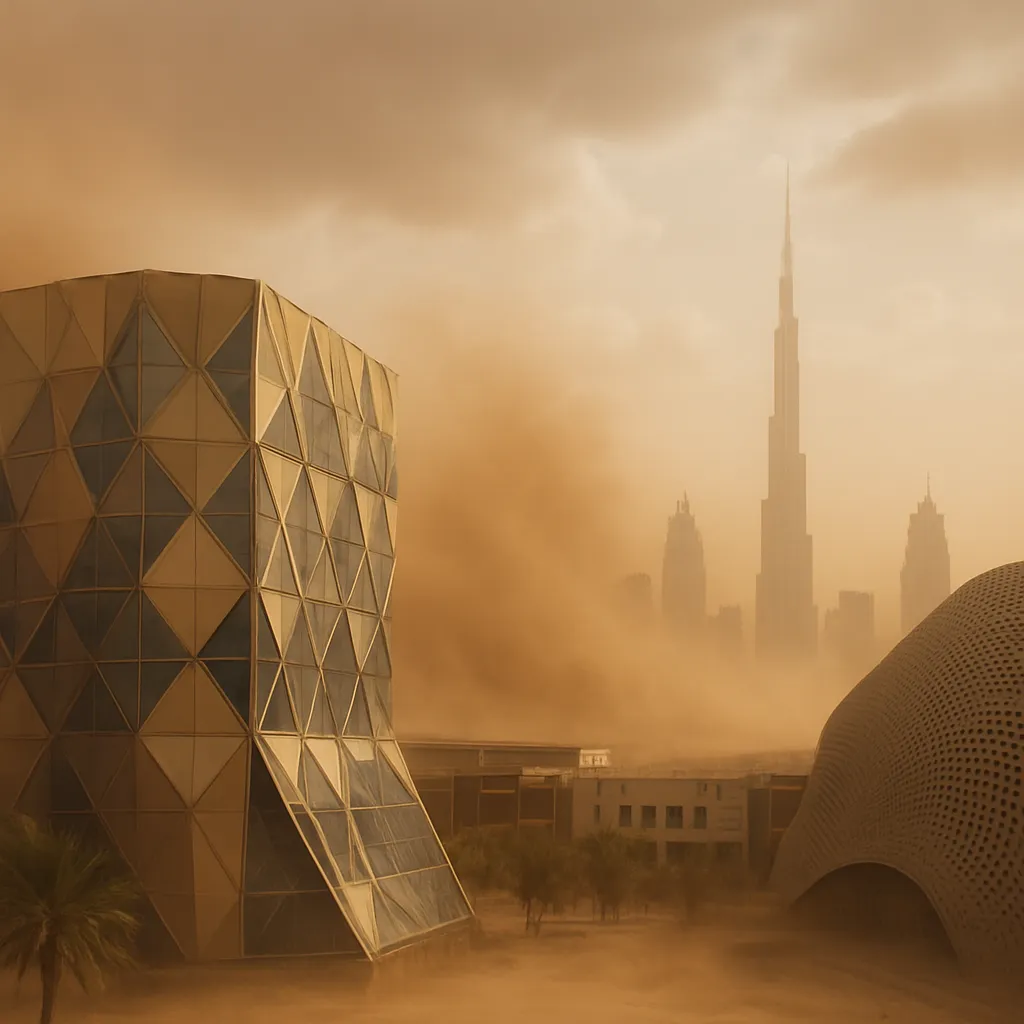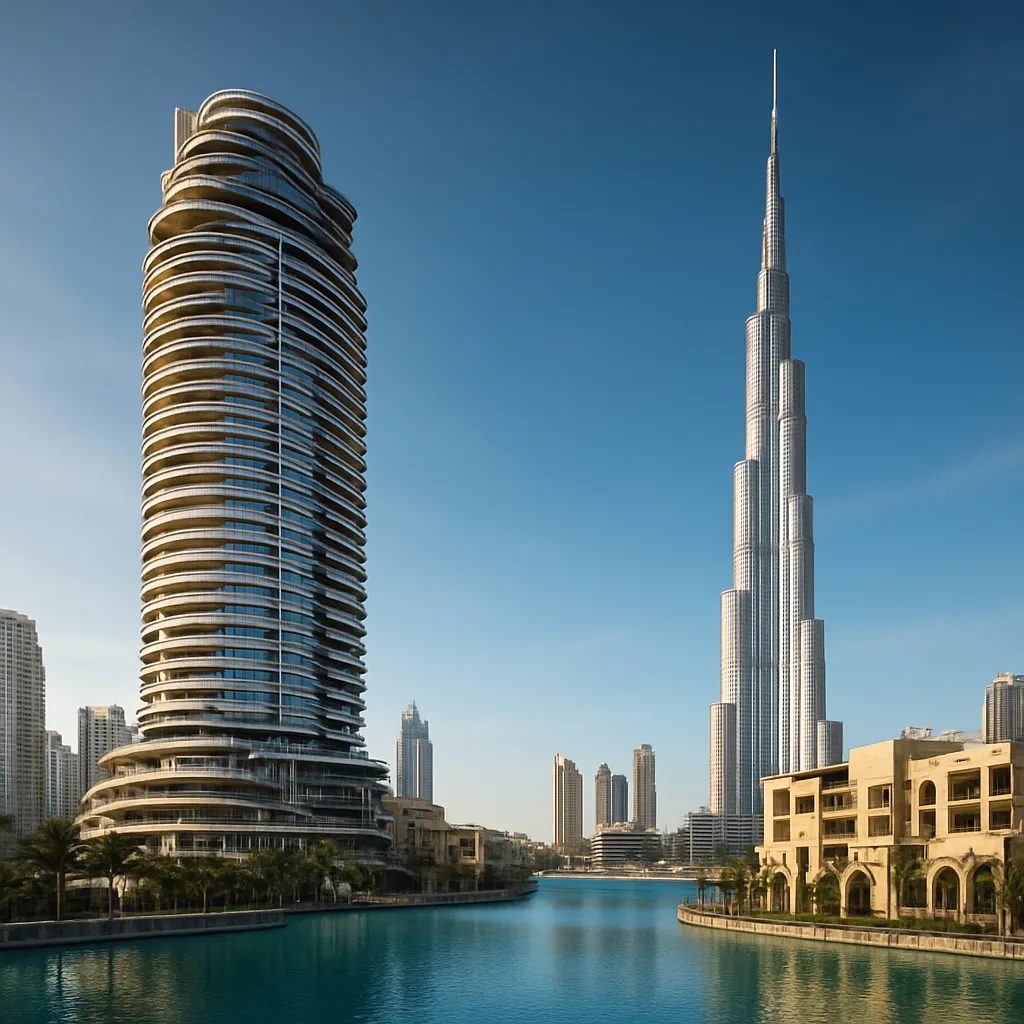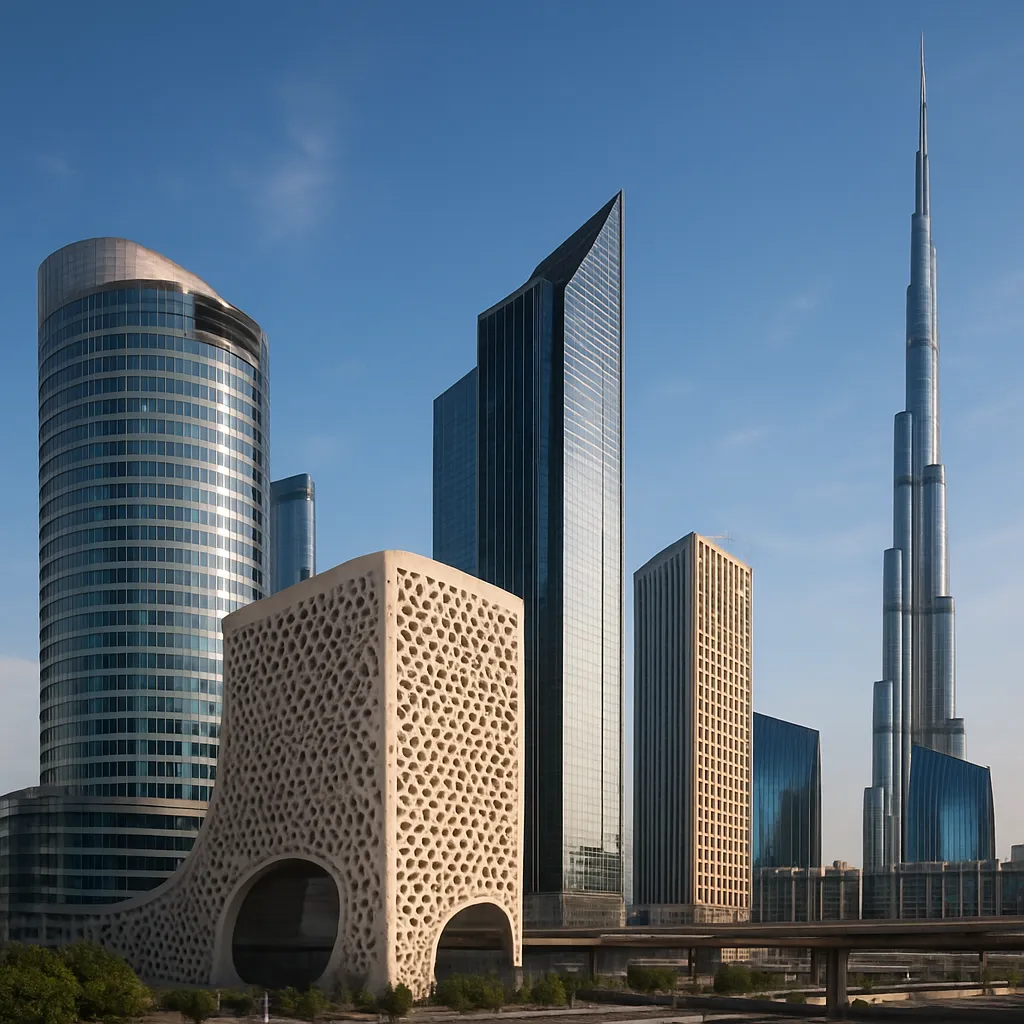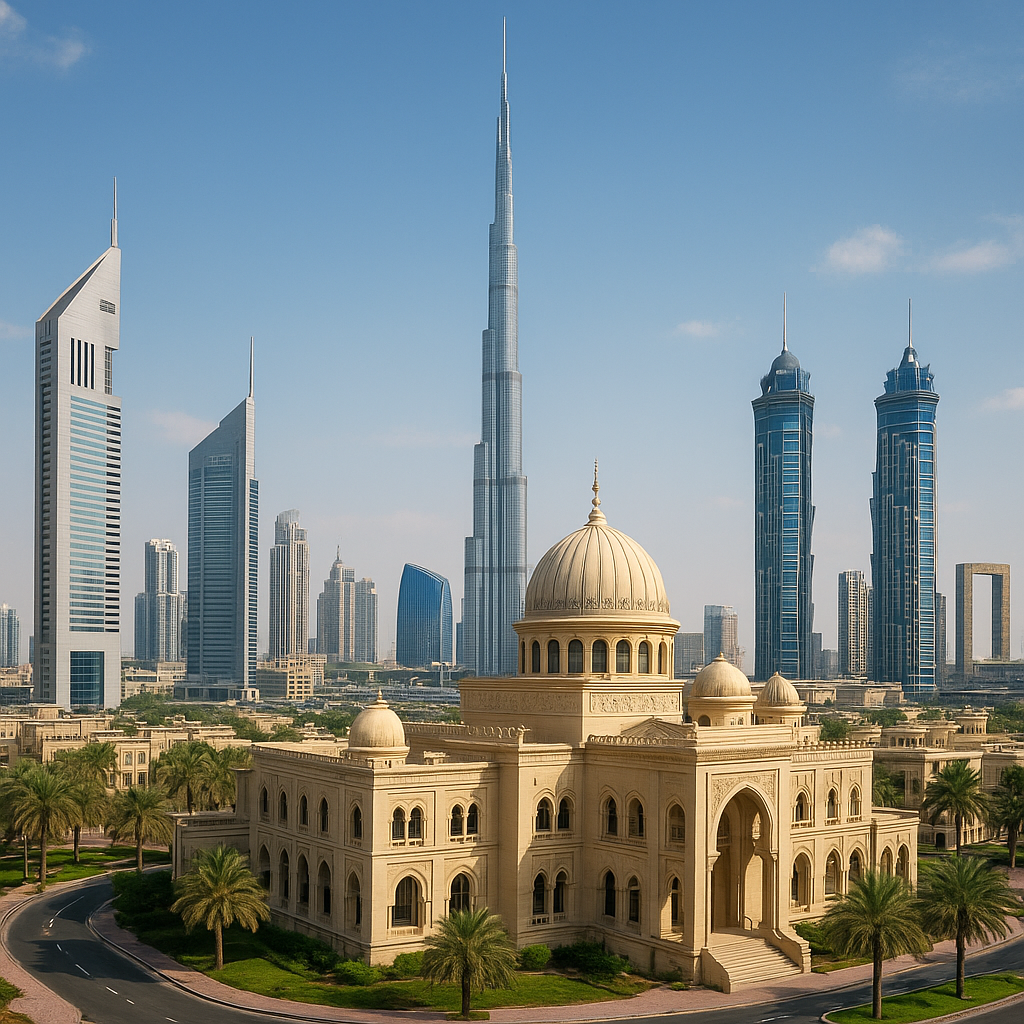
Dubai’s built environment stands as a testament to the city’s role as a global crossroads, where **cultural** traditions merge with **innovation** and **technology**. This article delves into the rich tapestry of influences—Western and Eastern—that have shaped Dubai’s architectural identity, exploring the city’s most **iconic** landmarks, the legacies they carry, and the emerging trends that set the stage for future **sustainability** and **diversity**.
Western Influences in Dubai’s Skyline
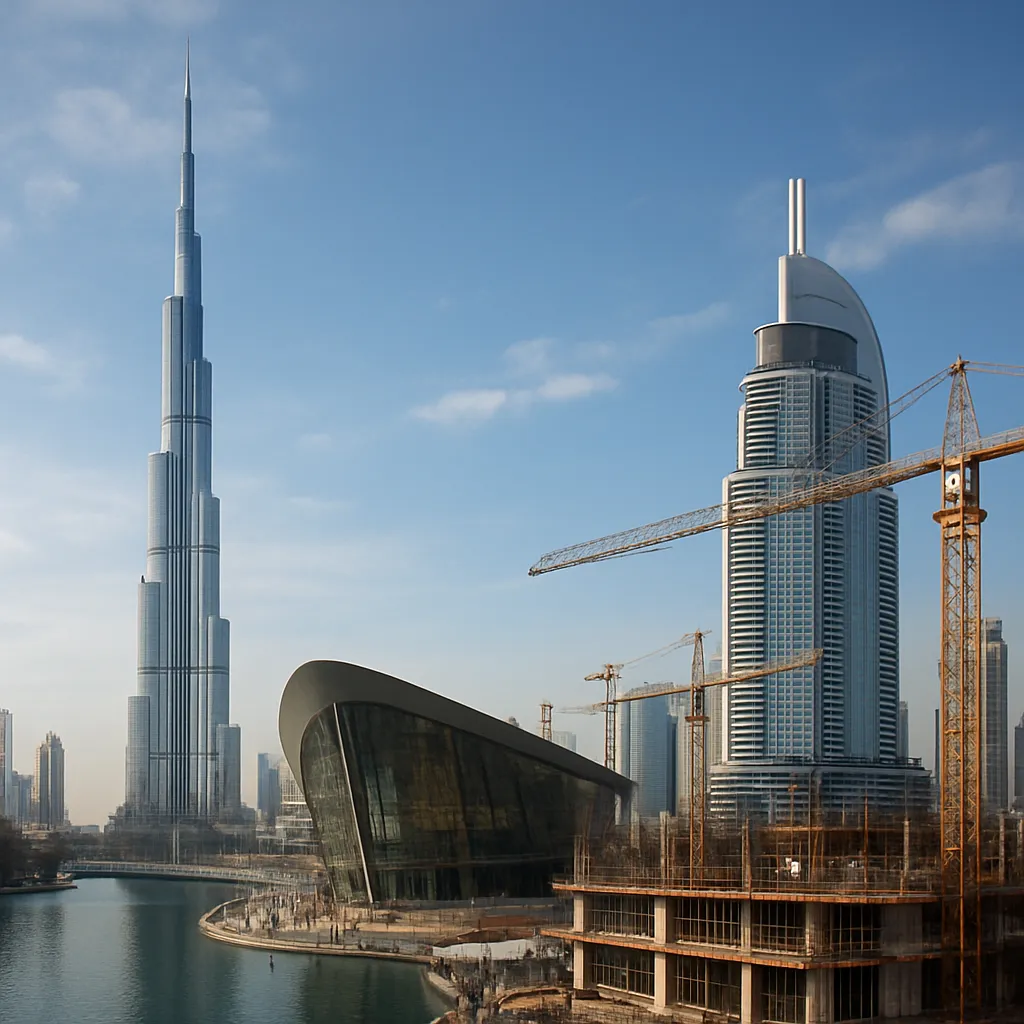
Dubai’s vertical expansion owes much to Western architectural paradigms. The city’s ambition to create a distinctive **skyline** found inspiration in American skyscrapers, European high-rises, and avant-garde design thinking. From the early phases of high-rise construction to the present-day megastructures, Western design principles have left an indelible mark.
Origins of High-Rise Construction
- Early 1990s: Adoption of American structural systems enabled rapid building growth.
- European design consultancies introduced advanced façade solutions.
- Engineering firms imported precast and composite materials for quicker assembly.
Gothic and Neoclassical Inspirations
While Dubai’s climate demanded innovation, architects often looked to historic European styles for aesthetic cues. Gothic spires, pointed arches, and Neoclassical columns appeared in mashups that symbolized progress:
- Emphasis on verticality, reminiscent of Gothic churches.
- Porticoes and pediments echoing Neoclassical grandeur.
- Integration of sculptural ornamentation for a sense of permanence.
Modernist and Postmodern Innovations
Leading Western firms helped usher in Modernist transparency—glass walls, open-plan interiors—and Postmodern playfulness—bold colors, unexpected geometries:
- High-performance curtain walls reducing solar gain while maximizing views.
- Structural expressionism: exposing steel trusses and cross-bracing for dramatic effect.
- Adaptive reuse trends: transforming older towers into dynamic mixed-use hubs.
Eastern Elements and Cultural Integration
Parallel to Western methodologies, Dubai’s architecture draws deeply from Eastern traditions. Islamic design tenets, alongside influences from South Asia and East Asia, inform the city’s vocabulary of ornament, spatial hierarchy, and climatic responsiveness.
Islamic Architectural Heritage
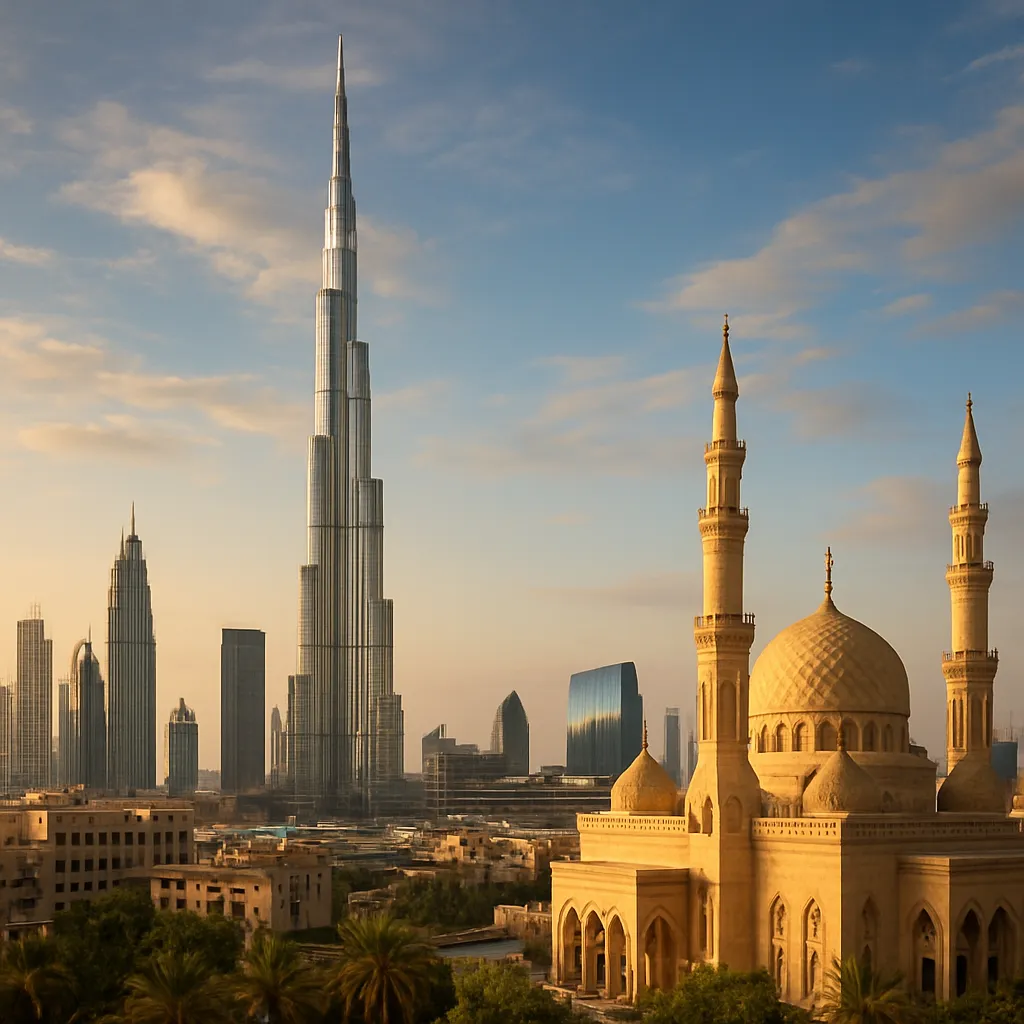
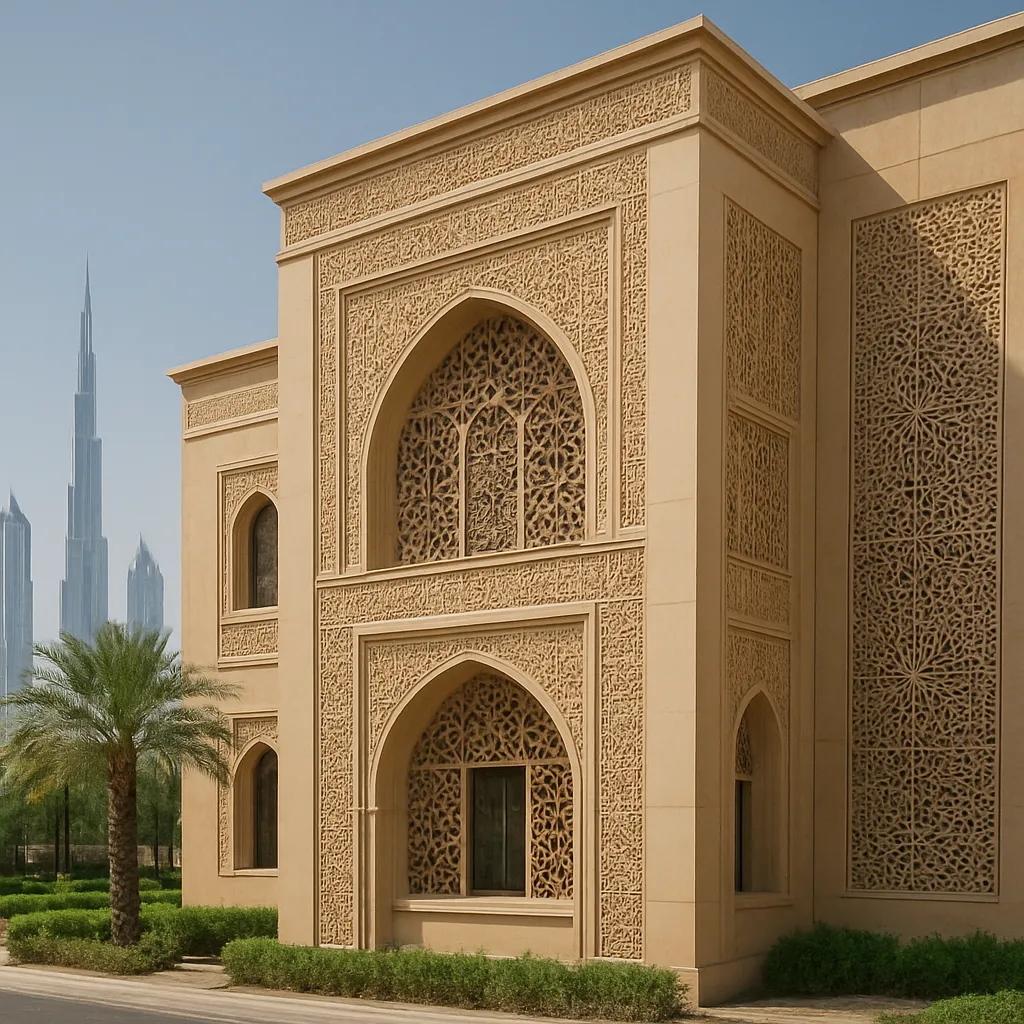
The region’s historic forms—courtyards, mashrabiya screens, domes, and minarets—have been reinterpreted in contemporary contexts:
- Court compounds offering natural ventilation and private communal spaces.
- Mashrabiya façades providing solar shading with intricate lattice patterns.
- Domed atriums crowning luxury hotels and public buildings as focal points of grandeur.
Asian Aesthetics and Sustainable Design
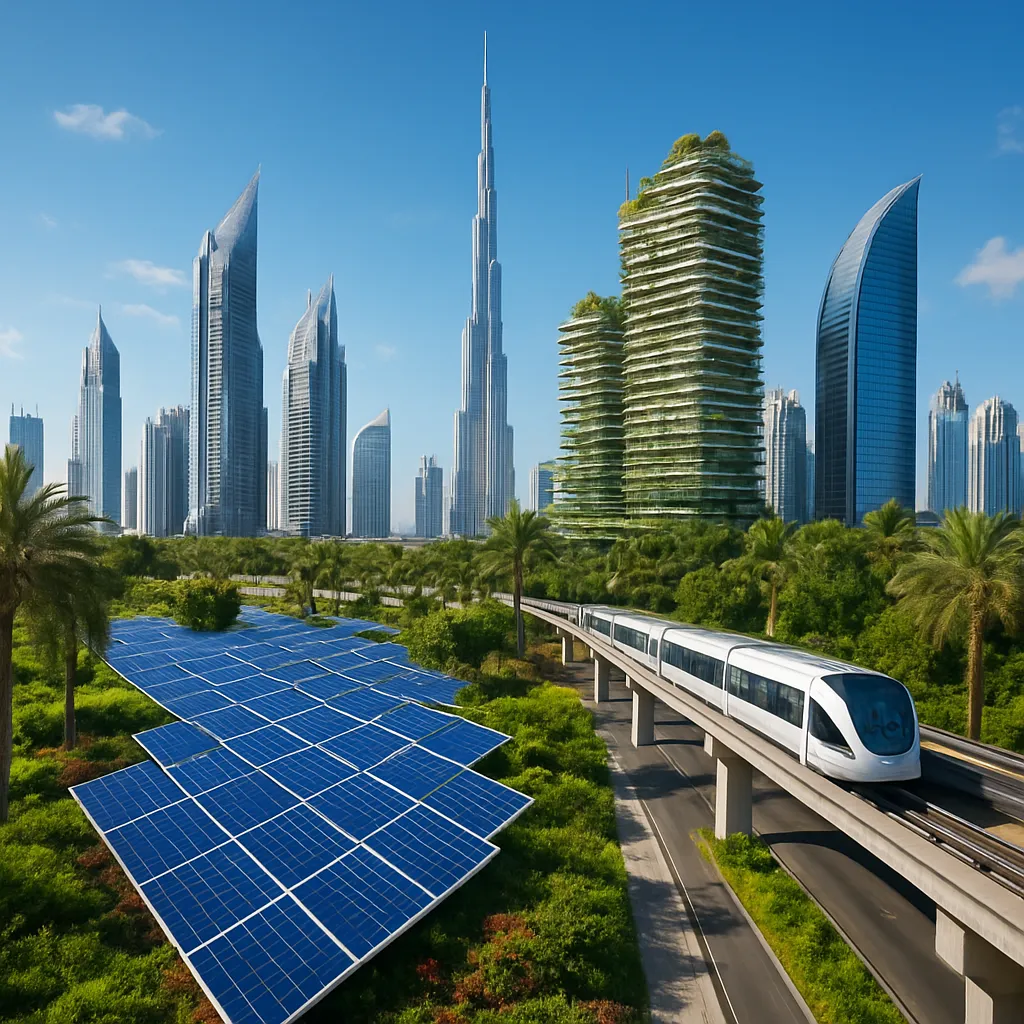
Eastern philosophies champion harmony with nature, minimalism, and resource efficiency. These ideals resonate in Dubai’s push for **sustainability**:
- Zen-inspired gardens integrated into residential podiums.
- Bamboo-textured cladding and ceramic tiles reflecting craftsmanship from Southeast Asia.
- Rainwater harvesting systems echoing rural practices found in South Asia.
Materiality and Craftsmanship
Local artisans collaborate with architects to bring Eastern sensibilities into high-tech settings:
- Hand-carved stone panels marrying tradition with CNC precision.
- Woven-metal screens referencing textile patterns from India and Pakistan.
- Decorative ceramics echoing Chinese glazing techniques, now weather-resistant.
Fusion and Future Trends
The most compelling aspect of Dubai’s architecture lies in its ability to blend disparate influences into cohesive forms. This fusion moves beyond superficial mimicry, resulting in buildings that are both functional and symbolic.
Hybrid Structural Solutions
Engineering teams are developing innovative systems that marry Western load-bearing strategies with Eastern spatial organization:
- Composite steel-reinforced concrete frames enabling cantilevers and floating volumes.
- Integrated MEP (Mechanical, Electrical, Plumbing) modules concealed within mashrabiya-style screens.
- Modular construction combining prefabrication with traditional on-site craftsmanship.
Technological Innovations and Smart Cities
Dubai’s smart city agenda harnesses **technology** to optimize resource use and improve livability, drawing on both Western IoT platforms and Eastern design philosophies of living in harmony with the environment:
- Sensor-driven façades that adjust shading in real time, echoing adaptive skins found in nature.
- AI-managed HVAC systems influenced by traditional courtyard ventilation practices.
- Augmented-reality interfaces for building management and visitor engagement.
Emerging Landmarks and Iconic Proposals
Architects propose or construct daring new projects that further blur cultural boundaries:
- An underwater hotel with domes inspired by Persian tomb architecture.
- A floating mosque combining Malay timber craftsmanship with parametric concrete design.
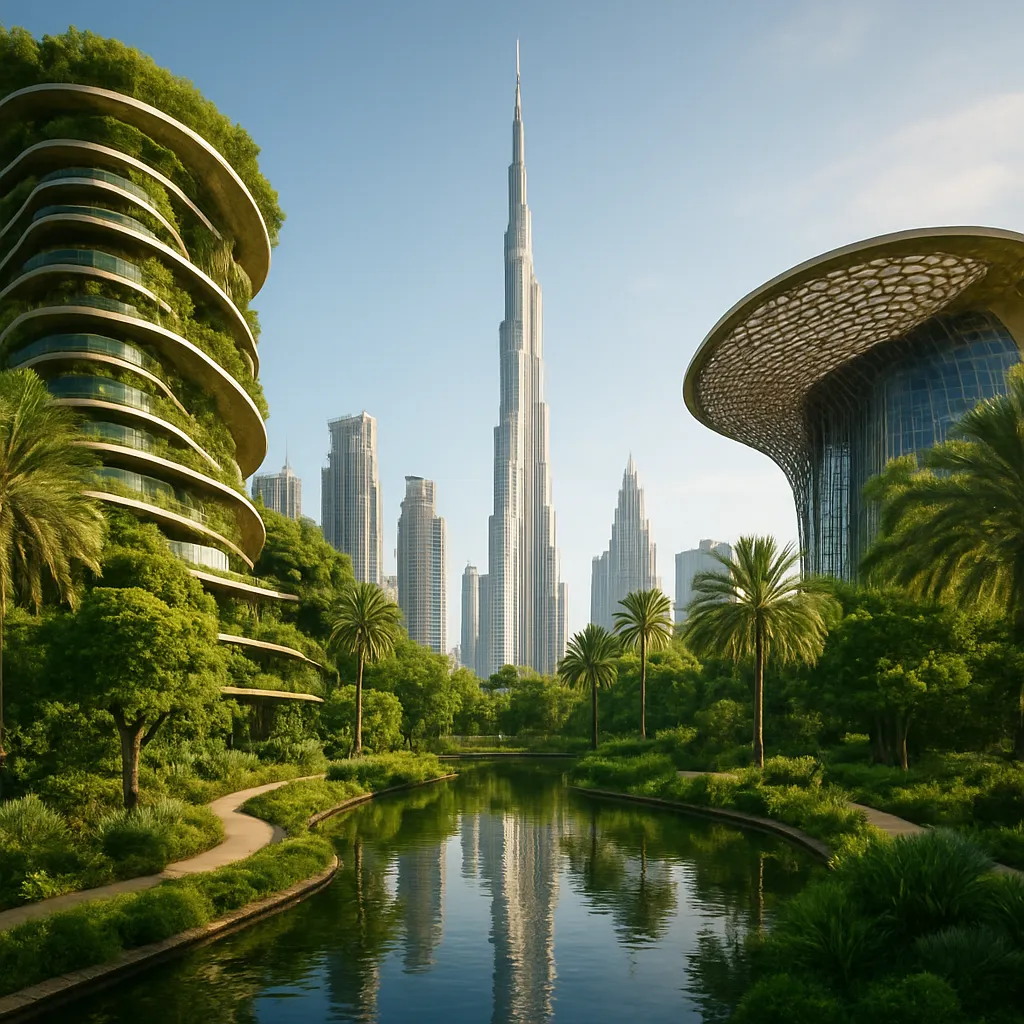
- A vertical botanical garden tower fusing Japanese “forest bathing” concepts with Western green-wall systems.
Ultimately, Dubai’s architectural landscape thrives on its ability to absorb stylistic cues from every corner of the globe, transforming them into an evolving canvas. The interplay of Western ambition, Eastern philosophy, and local **heritage** creates an urban mosaic that continues to redefine what a 21st-century city can look like.