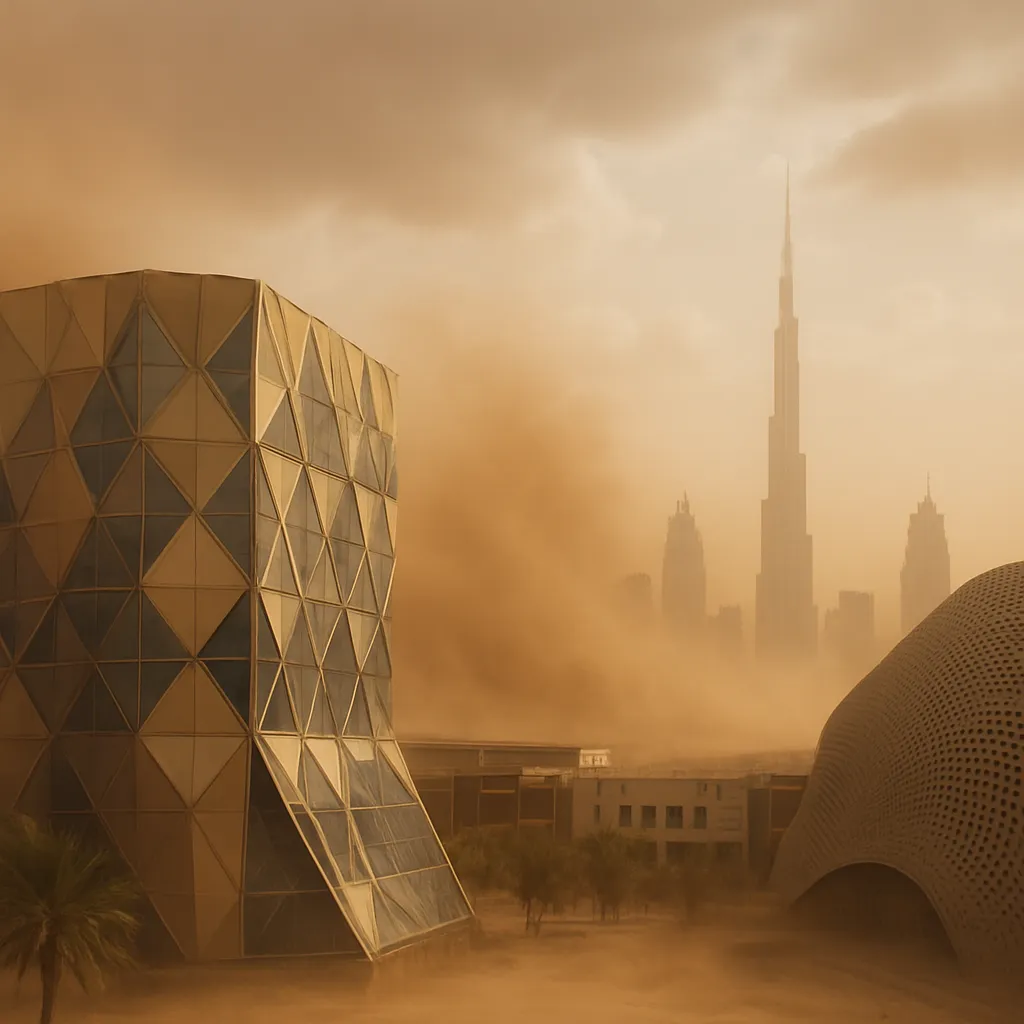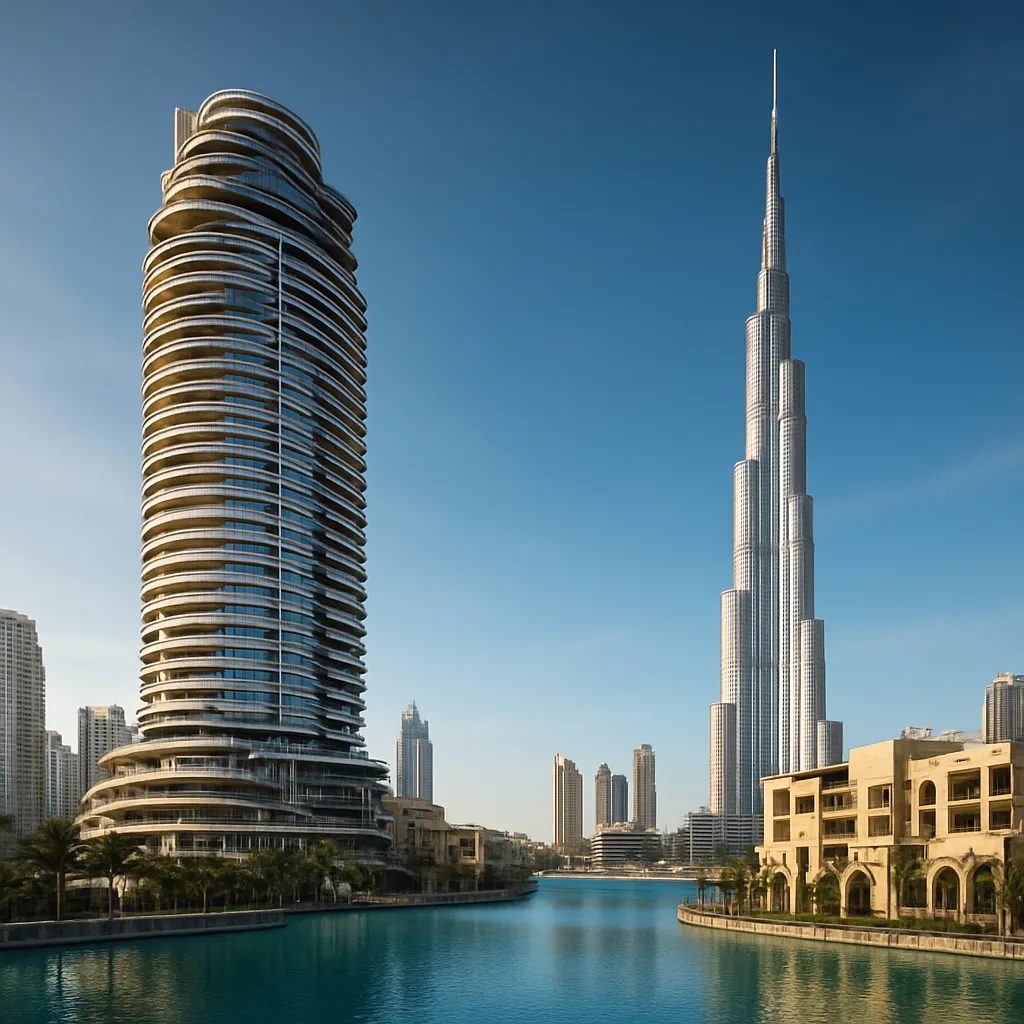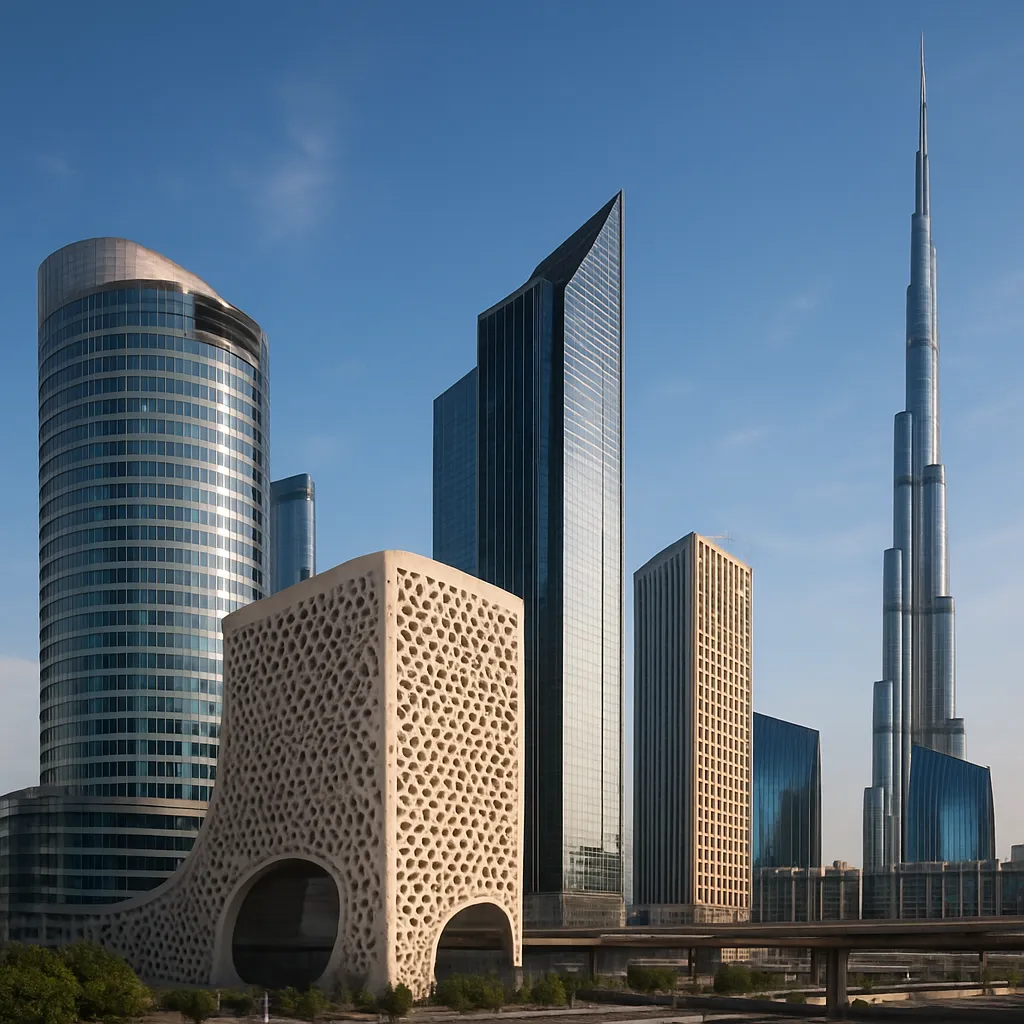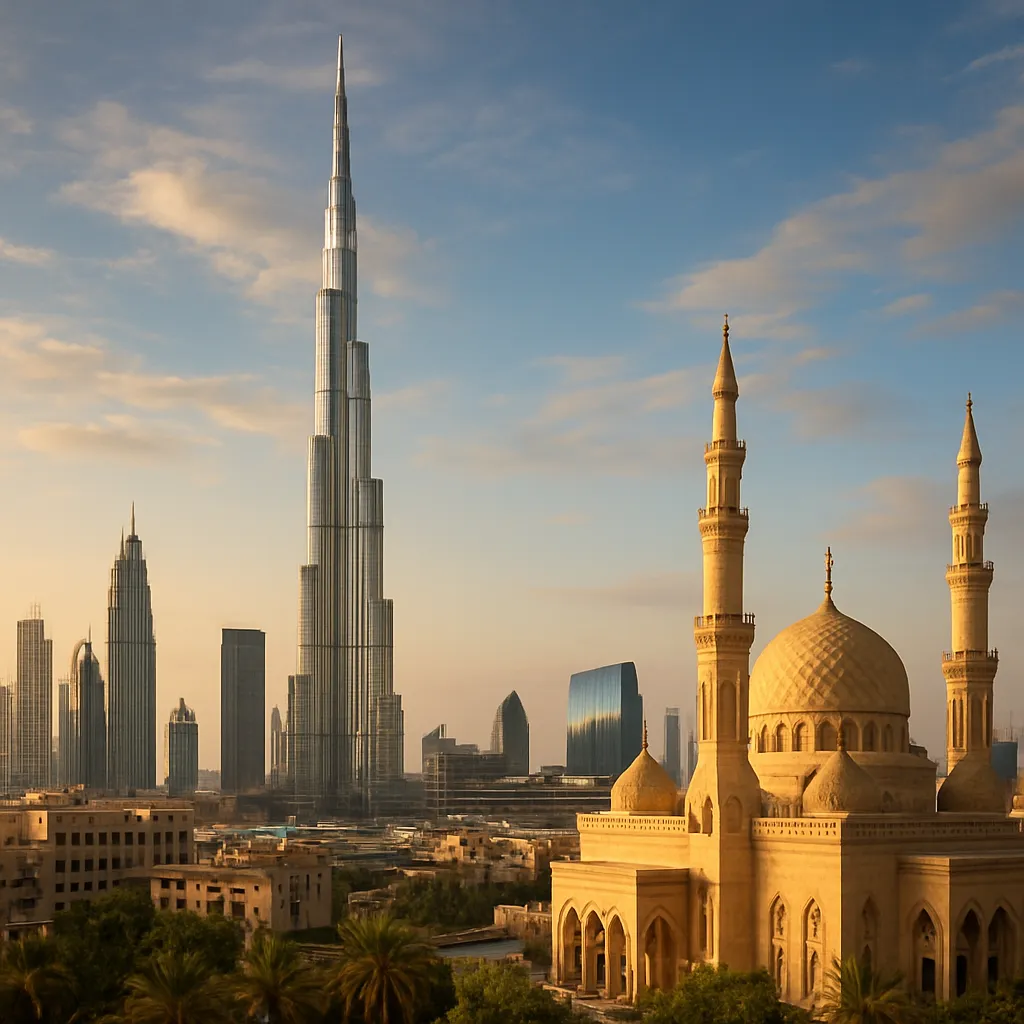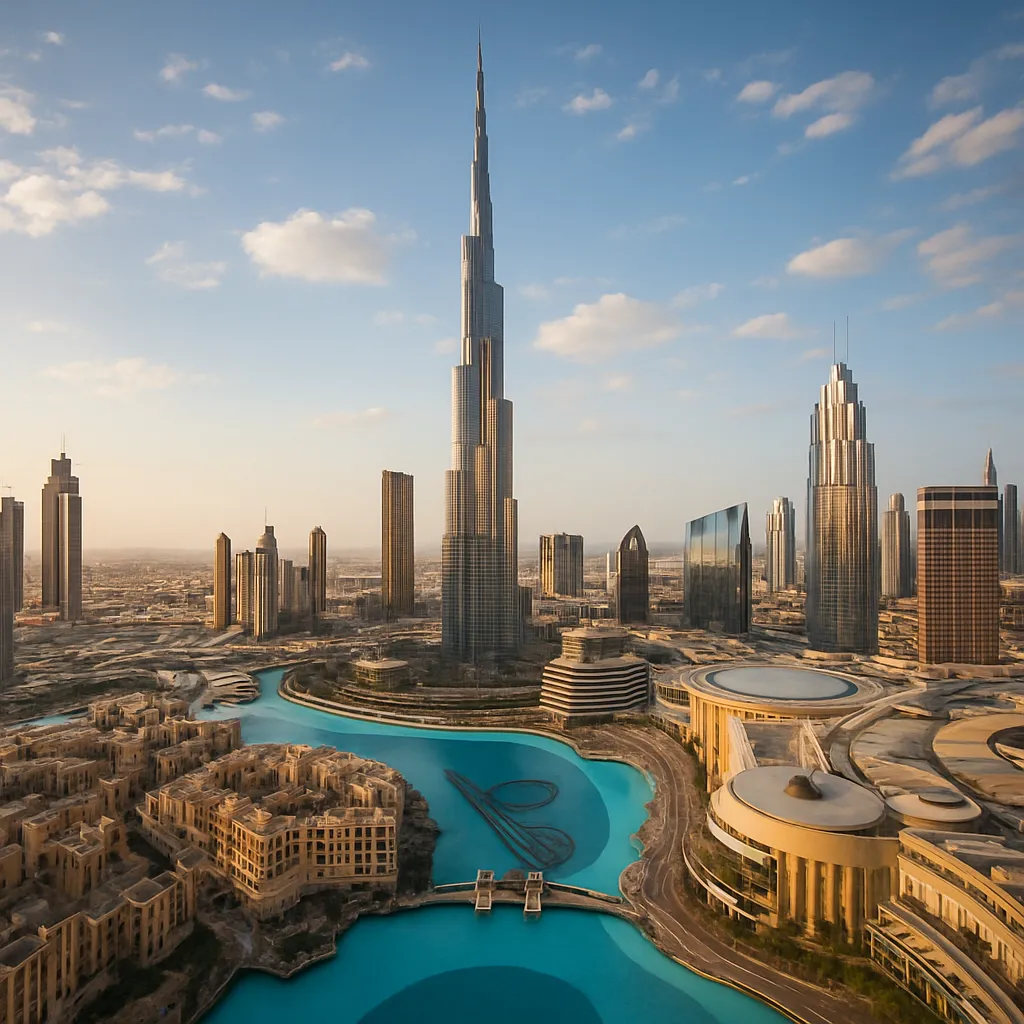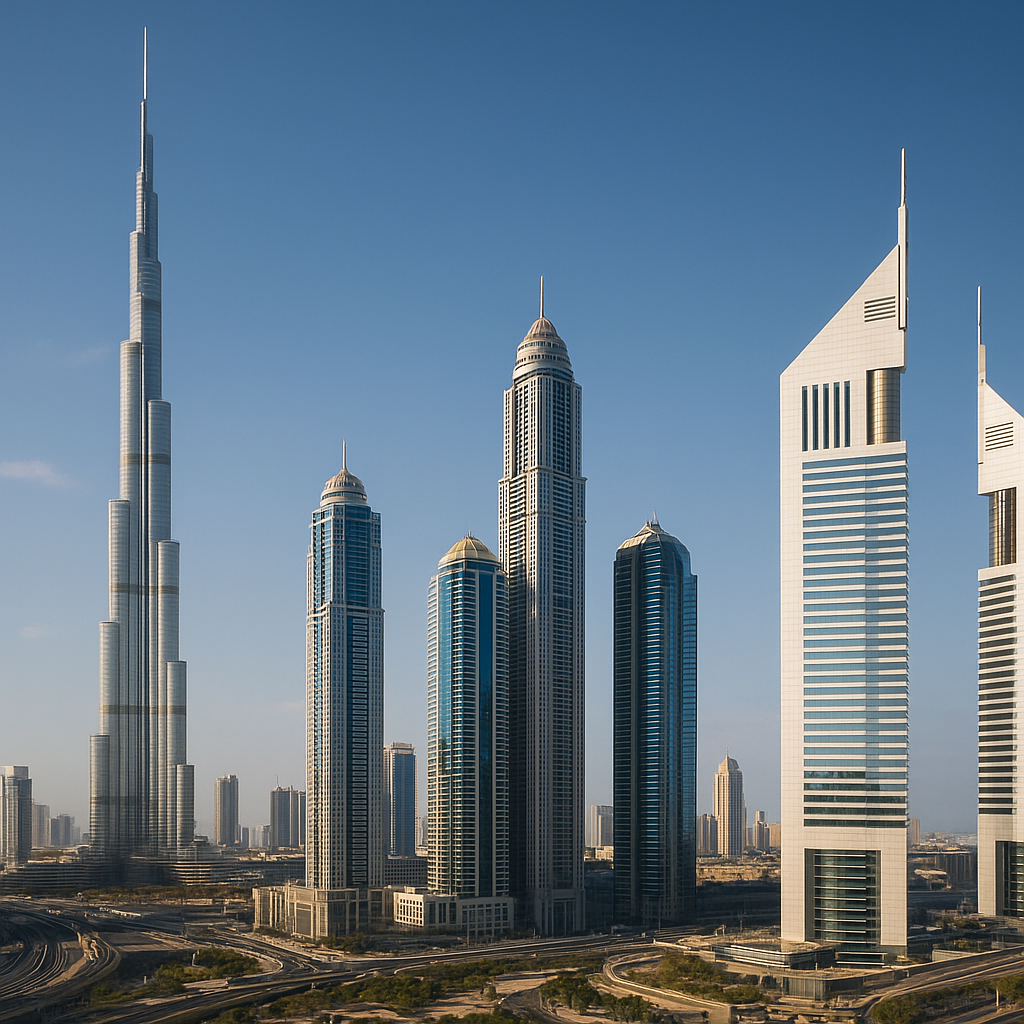
Dubai’s skyline stands as a testament to human ambition and engineering prowess, where the pursuit of the extraordinary meets the demand for luxury. From soaring towers that defy gravity to man-made islands shaped like the world’s continents, the city’s built environment showcases a fusion of innovation, opulence, and unbridled vision. This article explores some of the most expensive buildings ever constructed in Dubai, highlighting their unique features, staggering costs, and the cultural impact they wield on the global stage.
Dubai’s Transformation into a Real Estate Powerhouse
Once a modest fishing and pearl-diving village on the Arabian Gulf, modern Dubai has undergone a meteoric rise to become one of the world’s foremost centers of commerce, tourism, and luxury living. Its real estate market is driven by visionary leaders, bold architects, and investors who see in this desert city a blank canvas for the future. Among the city’s many landmarks, several stand out not only for their size and ambition but also for their staggering price tags.
Over the last three decades, a fleet of iconic structures has redefined both the city’s silhouette and its global reputation. These constructions serve multiple purposes: they attract high-net-worth individuals, reinforce Dubai’s position as a travel destination, and push the boundaries of what is technically and financially possible. Behind each project lies an intricate network of contractors, engineers, financiers, and design teams collaborating to deliver perfection at every level.
Ultra-Luxurious Landmark Constructions
When it comes to splurging on real estate, Dubai spares neither expense nor detail. Ultra-luxurious hotels, residential towers, and mixed-use complexes compete in an arms race of amenities, design excellence, and exclusivity. Below is a list of the top five most costly buildings that have become synonymous with the city’s grandeur:
- Burj Khalifa – The world’s tallest building
- Palm Jumeirah – The sprawling artificial archipelago
- Burj Al Arab – The sail-shaped seven-star hotel
- One Za’abeel – The twin towers connected by The Loop
- The World Islands – The cluster of man-made land masses
Burj Khalifa: Redefining the Limits of Height
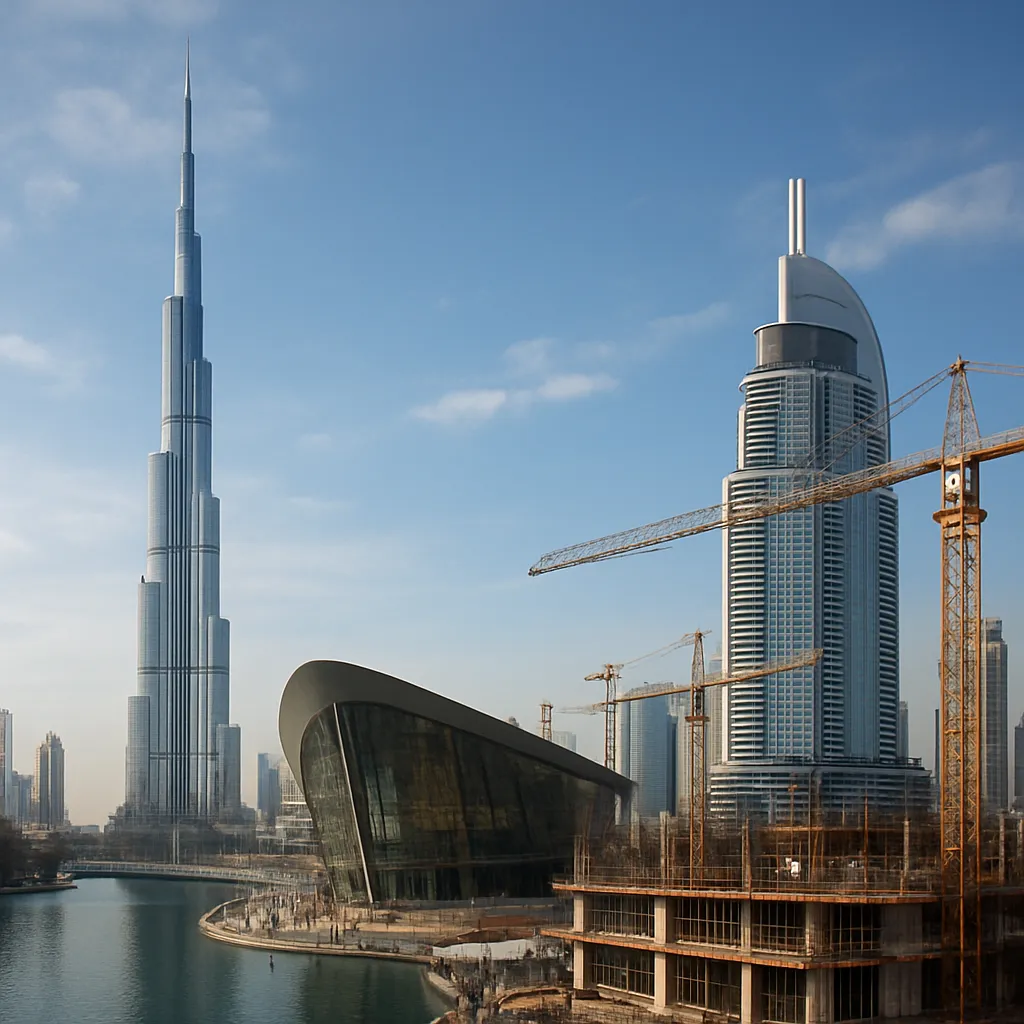
Standing at a staggering height of 828 meters, the Burj Khalifa cost approximately USD 1.5 billion to build. More than a mere office and residential tower, it is a symbol of Dubai’s ambition. Advanced structural systems, high-strength concrete, and a stunning façade of glass and aluminum made this tower possible. Its observation decks offer panoramic views of the city, the Arabian Gulf, and the desert beyond, cementing its status as a global icon.
Palm Jumeirah: Engineering a Vision
The Palm Jumeirah project required the largest land reclamation effort in history, reshaping 5.6 million cubic meters of sand and rock to create an island in the shape of a palm tree. Costs soared to over USD 12 billion, including infrastructure, utilities, and luxury villas. Each frond of the palm houses upscale residential properties, while the trunk features hotels, resorts, and shopping destinations. The Palm’s interior crescent barrier also hosts some of Dubai’s most opulent resorts, offering residents both privacy and proximity to the city’s vibrant core.
Architectural Marvels and Engineering Feats
Beyond pure luxury, some Dubai buildings captivate the world with groundbreaking design and technical ingenuity. Architects and engineers collaborate to overcome harsh climatic conditions—extreme temperatures, high winds, and corrosive seawater—to create structures that are as resilient as they are beautiful.
Burj Al Arab: A Symbol of Opulence
Often described as the world’s only seven-star hotel, the Burj Al Arab boasts a distinctive sail-shaped silhouette extending 321 meters above the sea. Estimated construction costs exceeded USD 1 billion when it opened in 1999. Its helipad, sprawling atrium, and interior crafted from 24-carat gold leaf are just a few examples of the unmatched extravagance that define its character.
One Za’abeel: The Loop
One Za’abeel represents modern mixed-use development at its finest, combining office space, luxury residences, a hotel, and retail. The two towers—each soaring over 300 meters—are linked by an iconic skybridge known as The Loop, offering 360-degree views and unique event spaces. The project’s estimated cost of over USD 2 billion covers cutting-edge sustainability features, smart building systems, and lavish interiors.
Innovations in Sustainability and Smart Design
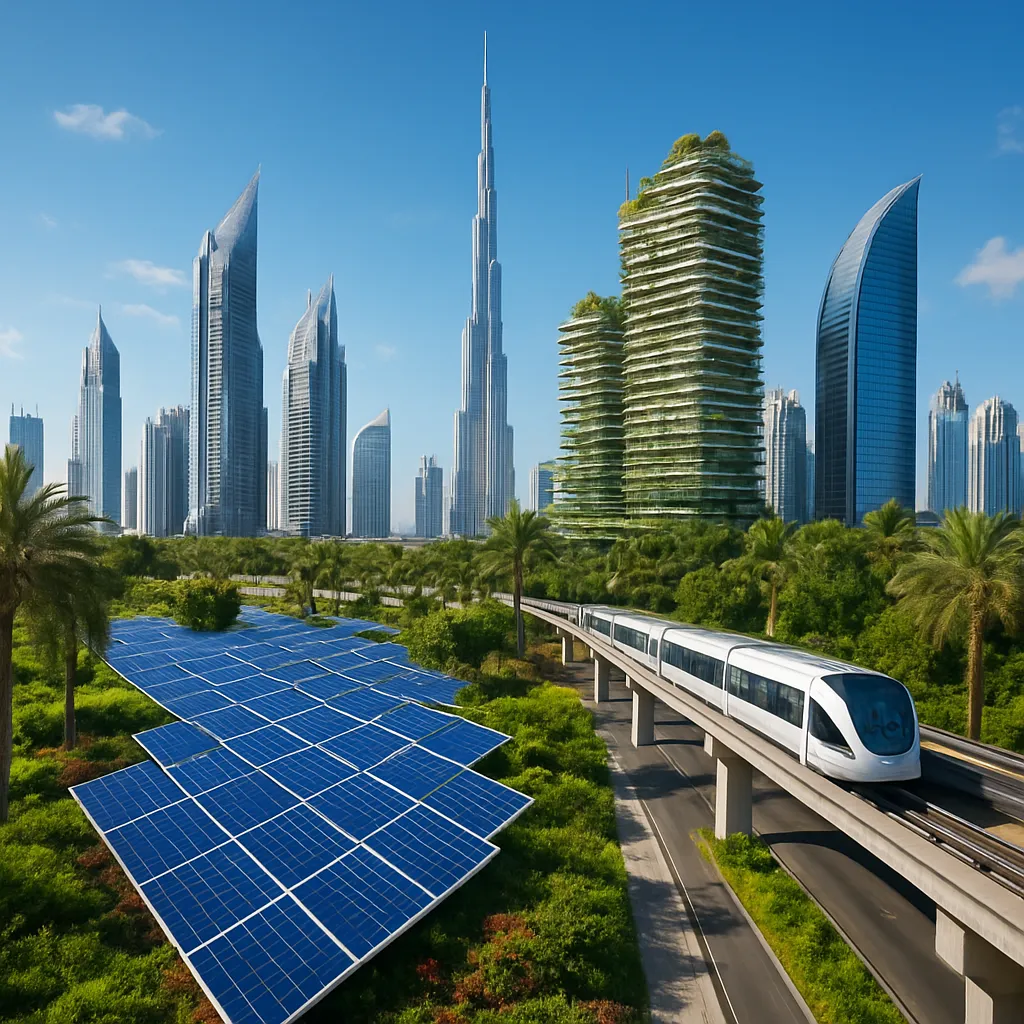
In its quest for grandeur, Dubai has also embraced sustainable innovations to reduce environmental impact and promote energy efficiency. Many of its newest developments incorporate solar panels, energy-efficient lighting, water recycling systems, and advanced building management technologies.
- Dubai Sustainable City – A mixed-use community powered largely by renewable energy
- Masdar City – Though technically in Abu Dhabi, it influences Dubai’s green strategies
- Index Tower – Incorporates solar shading and water efficiency measures
These projects represent a shift towards responsible development while preserving the ambition that makes Dubai unique. By integrating sustainability with luxury, the city continues to attract visitors and investors who seek both extravagance and conscience.
Future Undertakings and Record-Breaking Ambitions
Dubai never rests on its laurels. Upcoming projects promise even grander scales and bigger price tags. Ambitions include:
- Dubai Creek Tower – Set to surpass the Burj Khalifa in height
- The Royal Atlantis Resort & Residences – An ultraposh hotel and residence on the Palm
- Mohammed bin Rashid City – A sprawling mixed-use development bigger than Manhattan
Each new endeavor is accompanied by significant investment, often exceeding several billion dollars. These ventures continue to push the envelope, transforming Dubai’s skyline and reinforcing its reputation as the city where no dream is too vast, no cost too great. From sky-piercing towers to island kingdoms, Dubai’s most expensive buildings are living proof that the city’s future is as limitless as its ambition.