The Palm Tower on Palm Jumeirah is one of Dubai’s most recognisable modern landmarks, rising from the famed man-made island with a mixture of residential, hospitality and public functions. This article explores its location, design, statistics, visitor experience and wider significance. Along the way you will find a summary of notable facts and figures, insights into how the tower relates to the Palm Jumeirah masterplan, and a selection of lesser-known but interesting details. The text highlights key terms in bold to guide the reader through the most important concepts.
Location and Urban Context
Situated on the central trunk of Palm Jumeirah, the Palm Jumeirah archipelago created by Nakheel, The Palm Tower occupies a strategic position between the island’s crescent and the mainland of Dubai. Its location places it adjacent to one of the island’s primary retail and leisure hubs, the Nakheel Mall, and close to the Palm Jumeirah monorail, making it easily reachable for residents, hotel guests and tourists.
The tower forms part of the larger vision for Palm Jumeirah as an integrated luxury destination, combining high-end residences, hospitality, retail and public amenities. Because it sits on the trunk, rather than a frond or the crescent, the building benefits from central access to road links and services while offering sweeping views across the Dubai coastline, the Arabian Gulf and the Dubai Marina skyline on clear days.
Urbanistically, The Palm Tower is important for several reasons:
- It anchors the trunk visually and functionally, acting as a focal point for visitors arriving on the Palm.
- It connects retail offerings (notably Nakheel Mall) with hospitality and residential uses, creating mixed-use synergy.
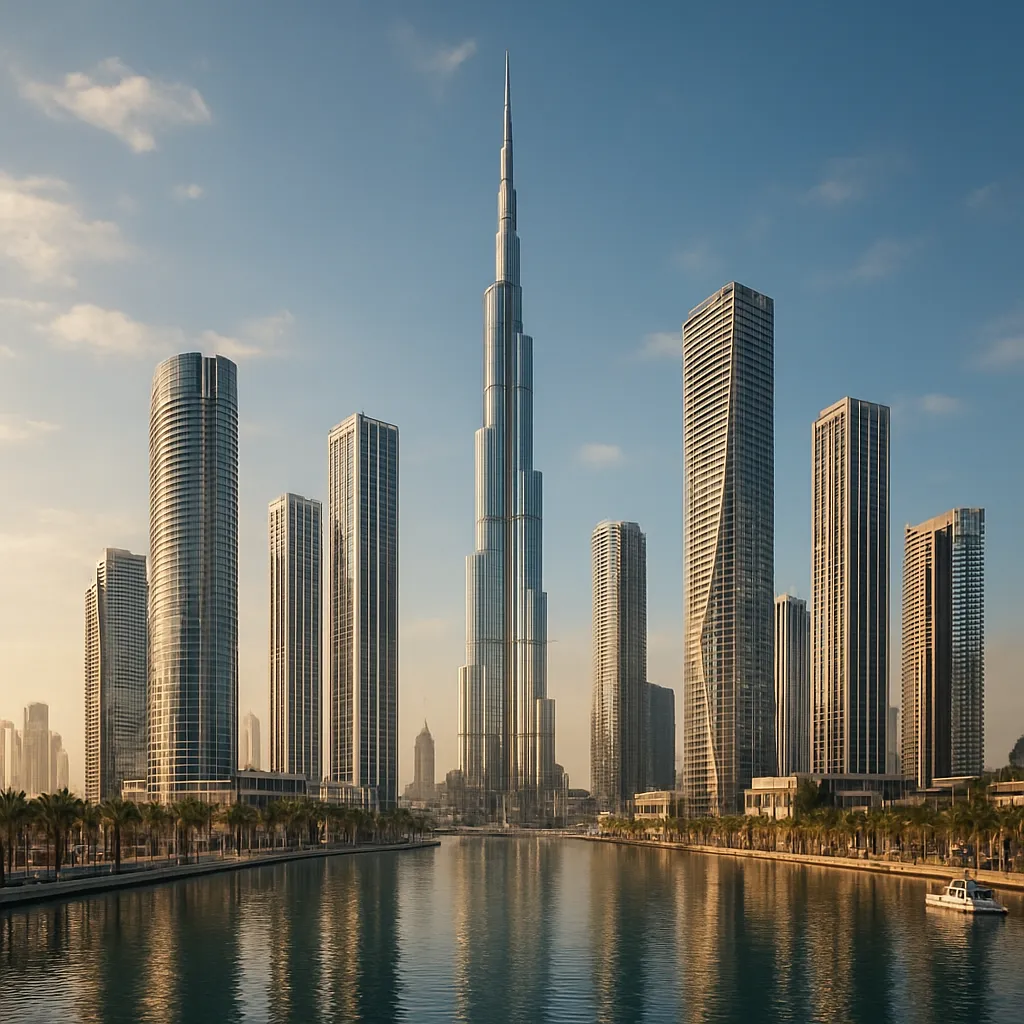
- It contributes to a recognizable skyline silhouette when the Palm is viewed from the sea or from high-rise districts on the mainland.
Design, Structure and Uses
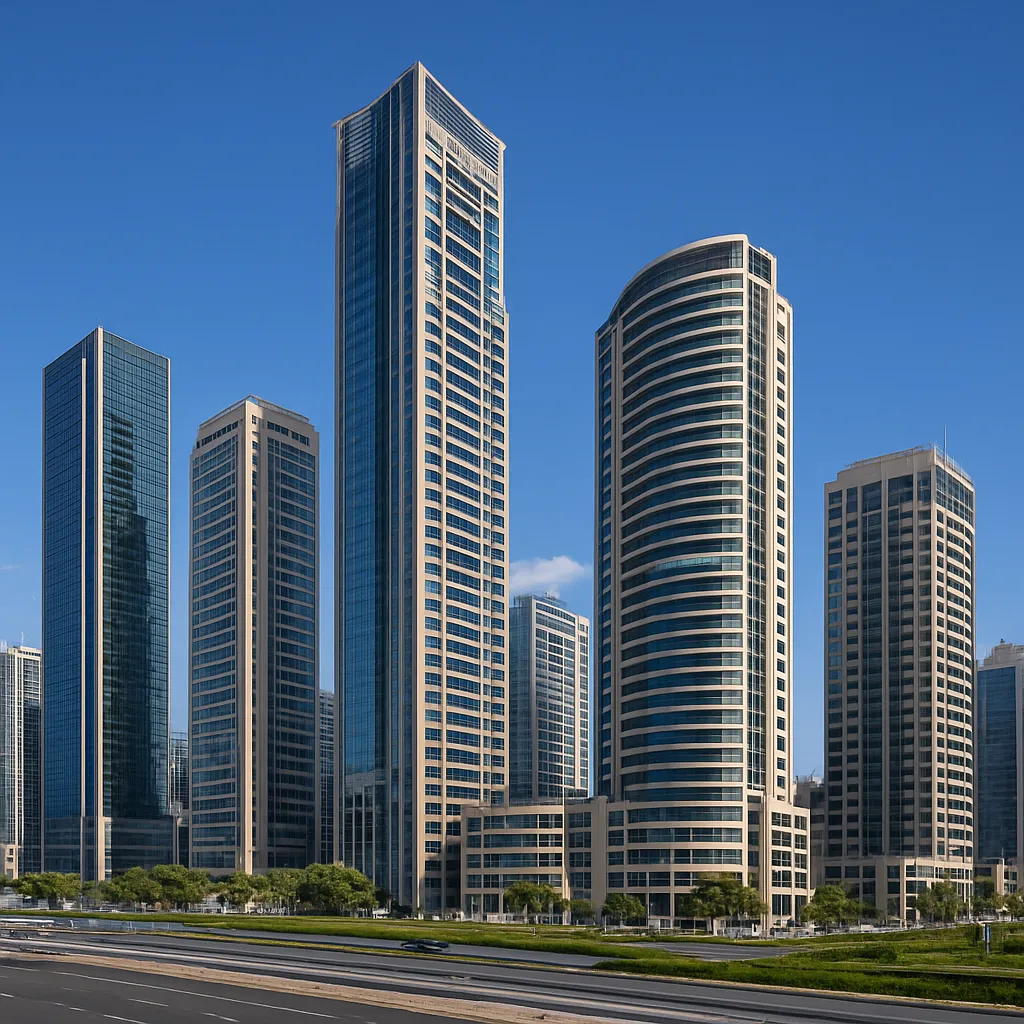
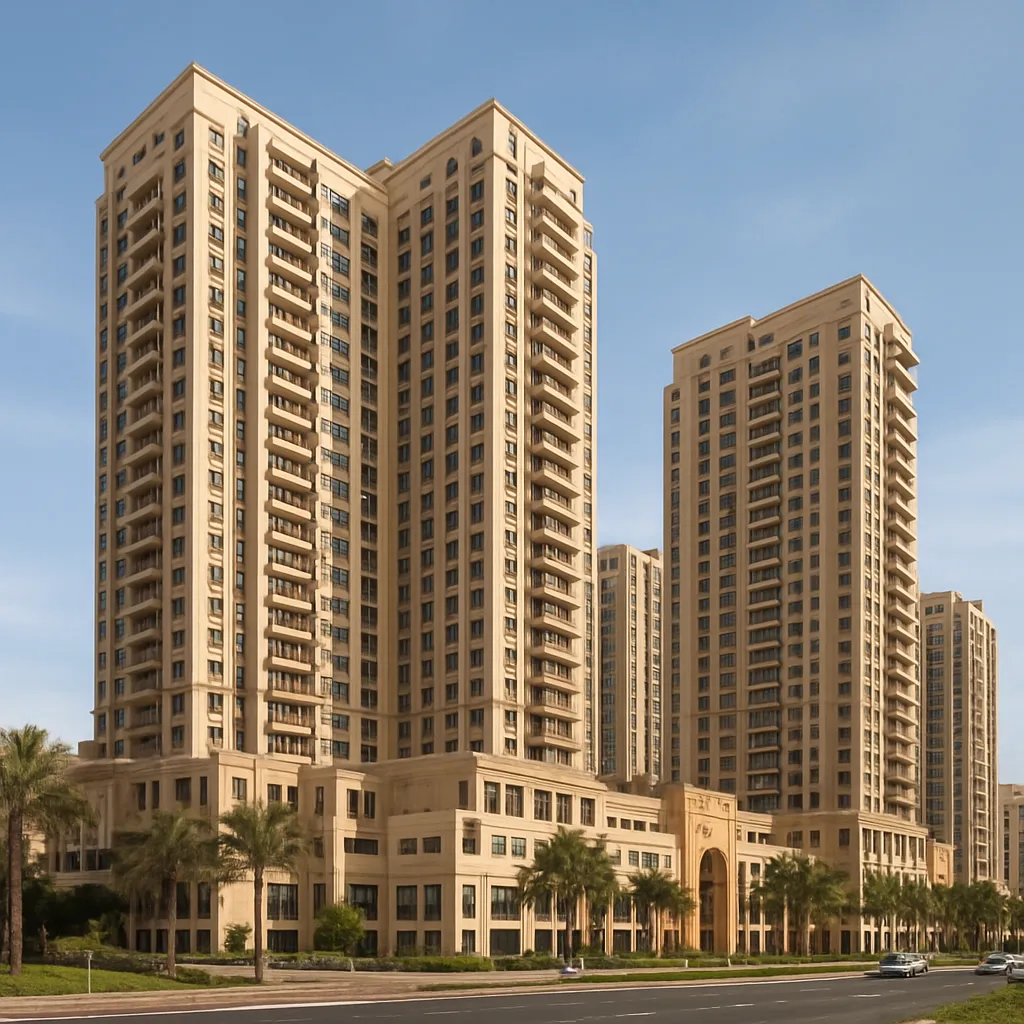
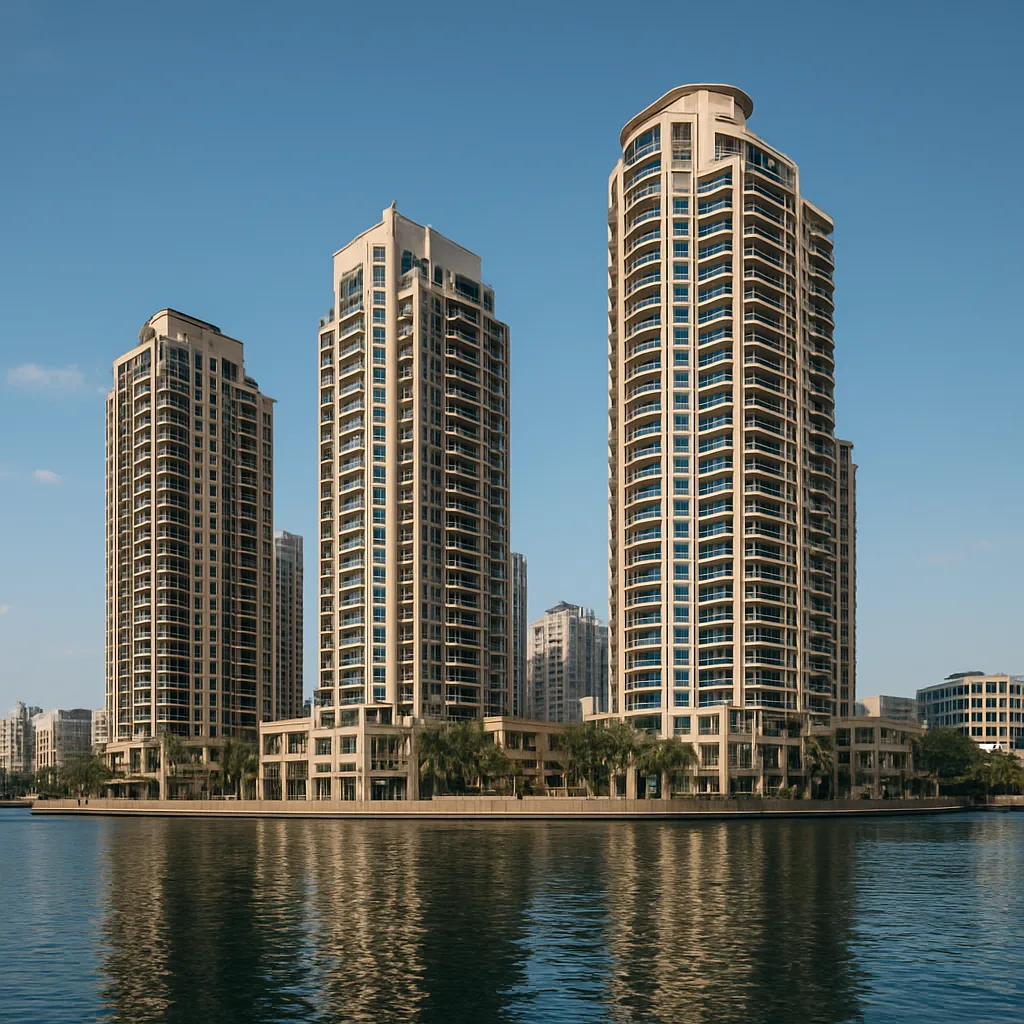
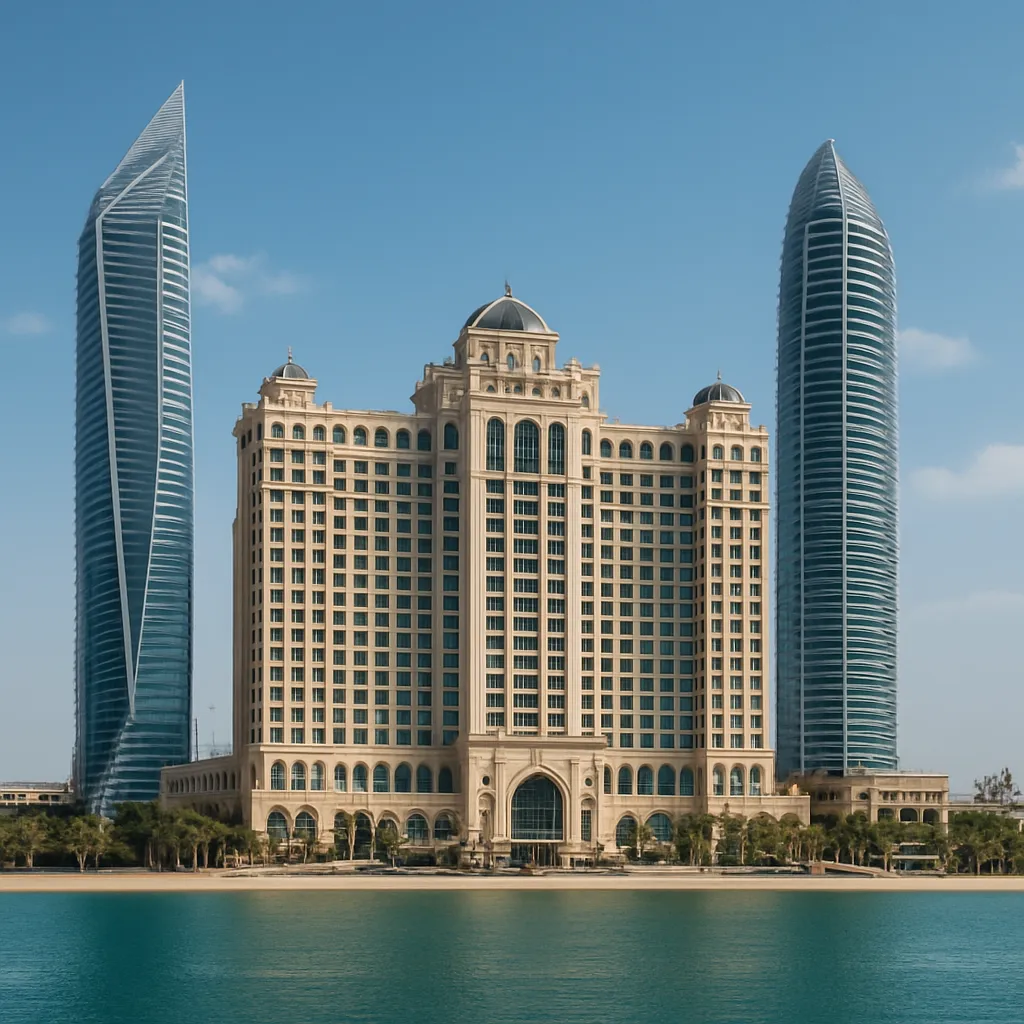
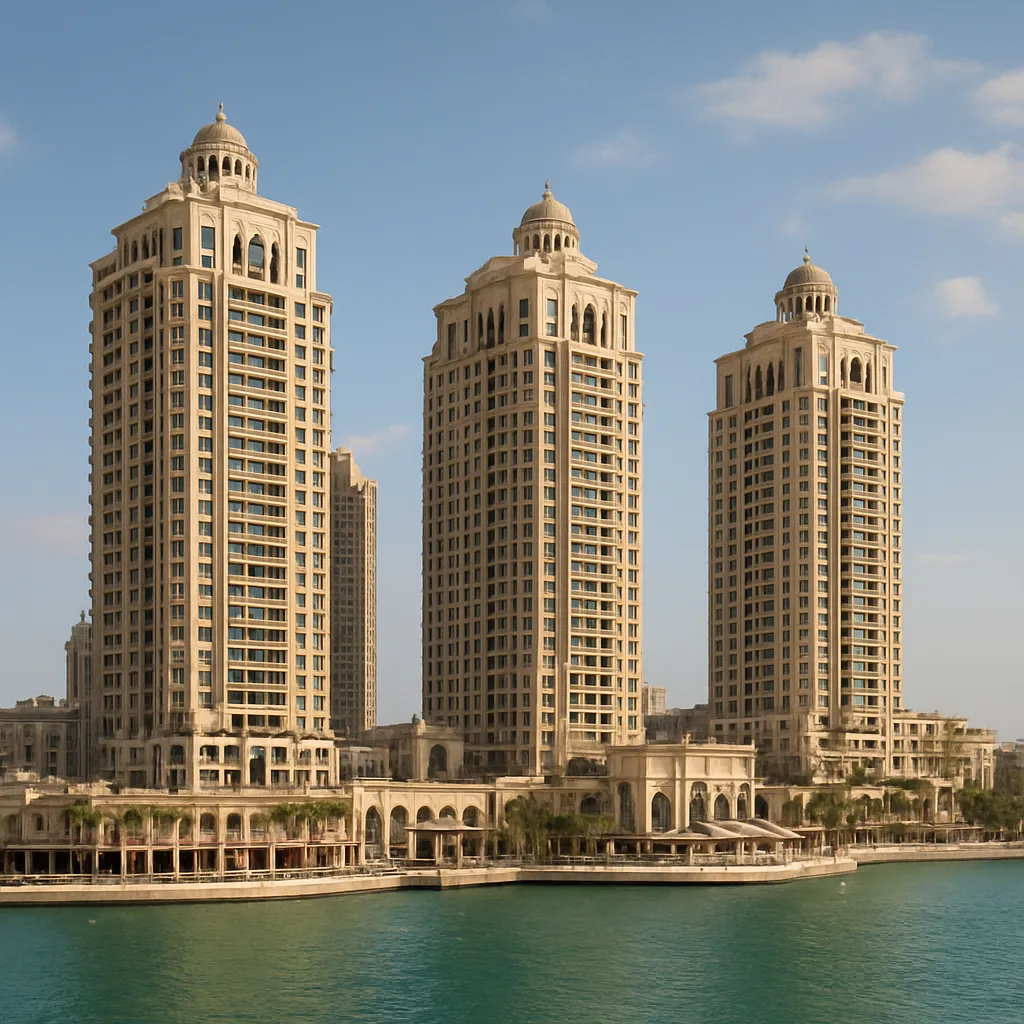
The Palm Tower is a mixed-use high-rise that blends different programs: hotel accommodation, residential units, retail and public amenities such as an observation platform. Its design language follows contemporary Dubai high-rise aesthetics—sleek façades, a combination of glass and metal cladding, and layered setbacks that help reduce perceived bulk while maximizing views for occupants.
Structurally, the building relies on modern reinforced concrete core systems and composite elements typical of tall buildings in the Gulf region. These systems are designed to resist wind loads, provide efficient vertical circulation through express and local elevators, and support the load-bearing requirements of large mixed uses. While specific technical drawings and structural calculations are proprietary, the tower conforms to local codes for seismic and wind resistance as well as international good practice for high-rise construction.
The programmatic layout typically includes:
- Lower floors dedicated to retail and public access, often linked to the adjacent mall.
- Mid-level floors housing hotel guest rooms or serviced apartments, with dedicated lobbies and back-of-house facilities.
- Upper floors reserved for residential apartments, penthouses or exclusive amenities that capitalize on panoramic views.
- An observation deck near the top, offering 360-degree vistas and tourist-focused facilities.
In terms of materials and finishes, the interior spaces of the hotel and residences emphasize luxury—marble and stone finishes, bespoke joinery, and high-quality glazing to ensure thermal comfort and sound insulation. The exterior treatment uses high-performance glass to reduce solar heat gain and give a glossy contemporary appearance at night when architectural lighting highlights the tower’s profile.
The Observation Experience
One of the defining public elements of The Palm Tower is its observation facility—commonly referred to in promotional material as an iconic vantage point for viewing the Palm Jumeirah island and the Dubai skyline. The observation deck offers panoramic viewpoints that are particularly popular at sunrise and sunset, when the light emphasizes the geometry of the artificial island and the shimmer of the Gulf.
Visitors to the observation level can expect:
- High vantage platforms with glass balustrades and binocular stations for extended viewing.
- Interpretive panels and multimedia displays explaining the history and construction of Palm Jumeirah.
- Food and beverage facilities or a café, enabling longer stays and comfortable viewing experiences.
- Ticketed entry with timed sessions to manage visitor numbers and enhance experience quality.
The observation deck both enhances tourism appeal and provides an educational bridge—visitors learn about coastal engineering, urban design and the scale of modern construction while enjoying spectacular views. It is a prominent example of how tall buildings can contribute to place-making by offering public value beyond private residential or hotel use.
Statistics, Measurements and Key Figures
Several numerical attributes are frequently cited in descriptions of The Palm Tower. While exact statistics can vary slightly between sources, the broadly reported figures provide a useful picture of scale and capacity:
- Number of floors: Approximately 50–52 storeys, a typical height range for the tower’s mixed functions.
- Approximate height: Around 200–240 metres to the top of the structure, making it a prominent element on the Palm trunk.
- Construction period: Built during the late 2010s, with public access and hotel components becoming operational around 2019–2020.
- Developer: Nakheel, the master developer responsible for Palm Jumeirah and numerous other iconic projects across Dubai.
- Primary uses: Retail, hotel accommodation, residential apartments and an observation deck serving tourists and residents.
Other measurable data of interest include elevator counts (multiple high-speed lifts separating hotel, residential and public floors), floor-to-ceiling heights that vary by use (taller ceilings in hospitality and public spaces), and parking provisions integrated with the adjacent retail podium and the island’s service infrastructure. The construction involved tens of thousands of cubic metres of concrete and considerable quantities of steel reinforcement, typical for buildings of this scale in the region.
Economic, Cultural and Environmental Impact
The Palm Tower contributes to several economic and cultural dynamics on Palm Jumeirah and in Dubai generally. Economically, it supports tourism revenue through its hotel rooms and observation deck ticketing, increases retail footfall at Nakheel Mall and provides high-value residential units that attract affluent buyers seeking island living close to the city.
The tower also plays a cultural and symbolic role. As a built object rising from one of the world’s most ambitious land reclamation projects, it represents the continuing phase of Dubai’s global branding: innovation, luxury and engineered spectacle. For residents and visitors alike it is part of the narrative of Dubai as a city that pursues bold architecture and unique leisure experiences.
On sustainability, like many recent Dubai developments The Palm Tower adopts measures to reduce environmental impact compared with older buildings. Such measures commonly include high-performance glazing, efficient HVAC systems, LED lighting and building management systems that optimize energy use. While the tower’s primary focus is luxury and experience, environmental considerations are increasingly part of the procurement and operation of high-rise assets in the UAE due to regulatory trends and market demand.
Interesting Facts and Lesser-Known Details
Beyond the headline statistics and visitor experiences, The Palm Tower has a number of lesser-known but interesting facets:
- Visibility: From the sea and certain mainland vantage points, the tower serves as a reference point for orientation—many boat charters and water taxis use it as a waypoint when approaching the Palm.
- Integration with transport: Its proximity to the Palm monorail and road network helps reduce travel friction for guests, linking the island to key points such as Atlantis and the Marina.
- Observation programming: The deck often hosts special programming—sunrise breakfasts, photography sessions and themed events—leveraging its unique outlook.
- Night-time identity: Architectural lighting transforms the tower after dark, contributing to Palm Jumeirah’s nocturnal skyline and complementing light shows that sometimes take place across the island.
- Engineering curiosity: The tower stands on a reclaimed island; foundations and geotechnical measures had to be carefully engineered to account for the reclaimed soils and the island’s coastal exposure.
Additionally, the building has become a frequent subject for architectural photography and social media content. Its combination of elevated public access and high-end hospitality makes it attractive for both professional content creators and casual visitors wishing to capture the unique geometry of Palm Jumeirah.
Visitor Tips and Practical Information
For those planning to visit the tower and its observation deck, a few practical tips enhance the experience:
- Book timed tickets in advance—popular sunset slots can sell out, especially on weekends and holidays.
- Arrive during off-peak hours (early morning or weekdays) for quieter views and better photo opportunities.
- Combine a visit with shopping or dining at Nakheel Mall to make a full day of the trip.
- Use public transport where possible; the Palm monorail and taxi services reduce parking demand on busy days.
- Check weather forecasts—visibility across the Gulf and of the Dubai skyline is best on clear days with low haze.
Conclusion
The Palm Tower on Palm Jumeirah is more than a tall building: it is a multifunctional landmark that contributes to the island’s identity, provides a public vantage point unmatched elsewhere on the Palm, and supports Dubai’s tourism and residential markets. With its strategic trunk location, mixed program of hotel and residential uses, and a popular observation deck, the tower exemplifies modern Dubai’s blend of engineering, luxury and spectacle. While numerical details such as height and floor count vary slightly in different reports, the tower’s role within the Palm Jumeirah ecosystem is clear—serving residents, attracting visitors and reinforcing the island’s status as a global destination.