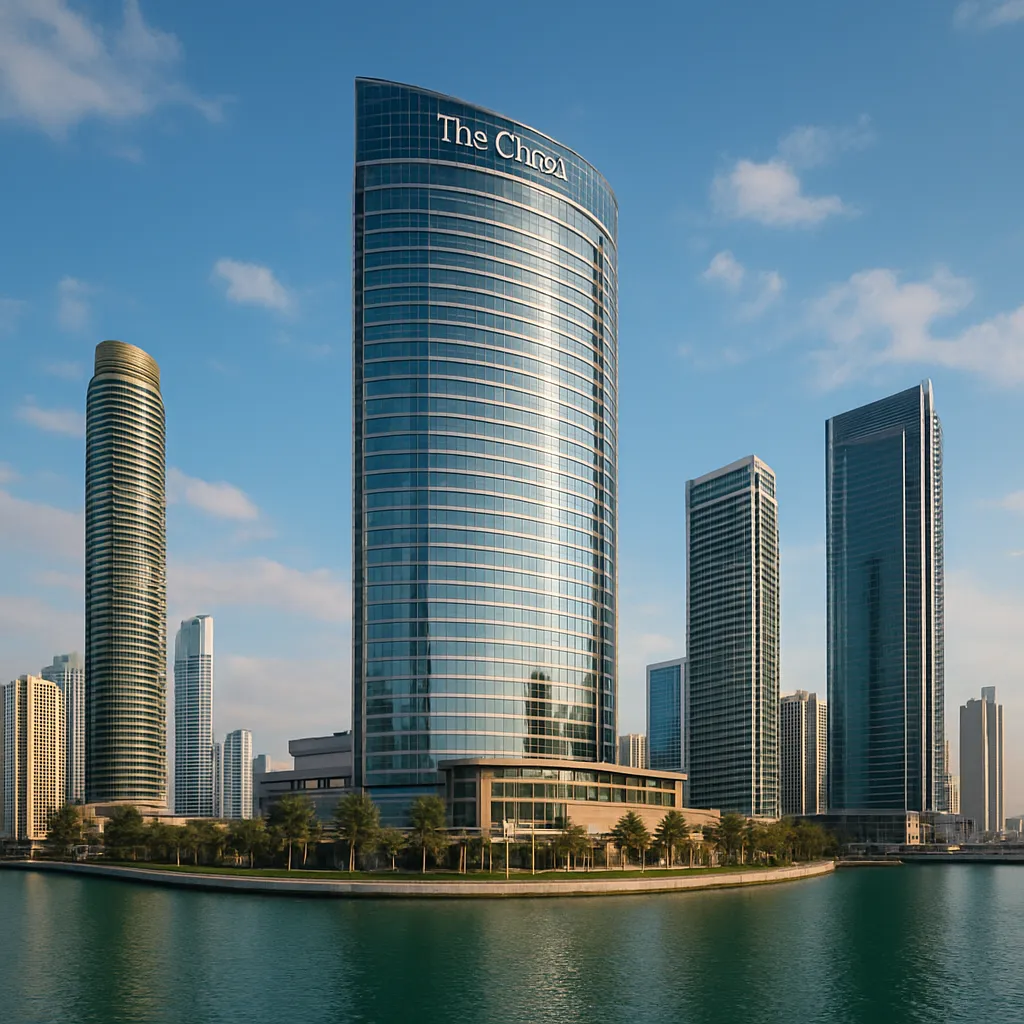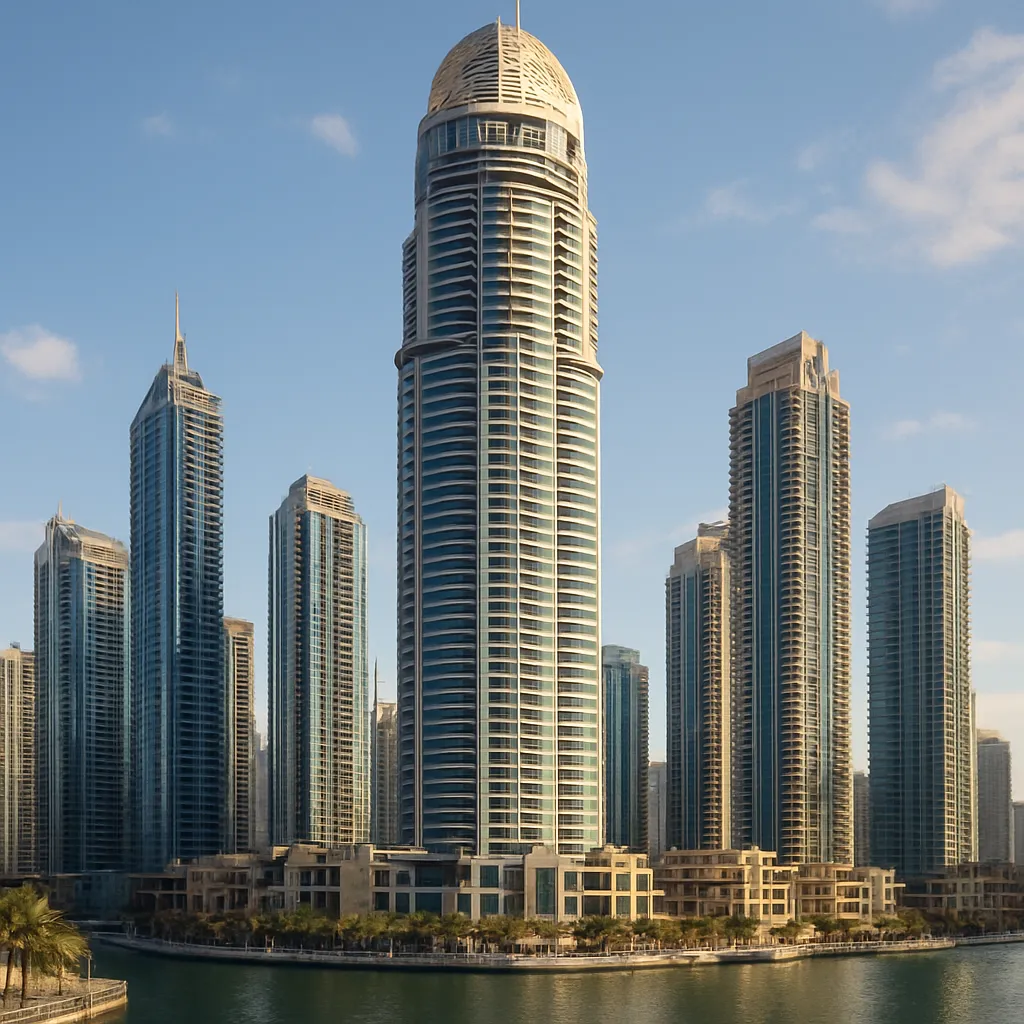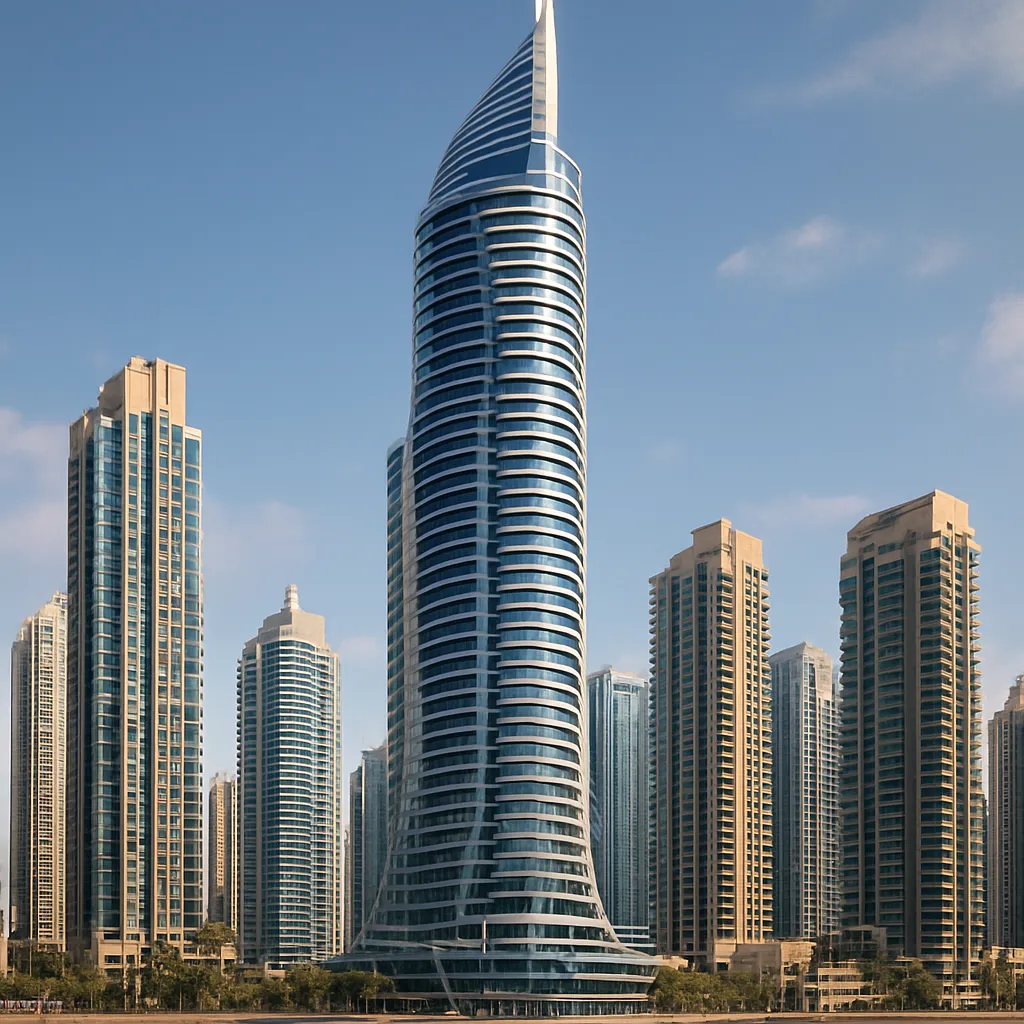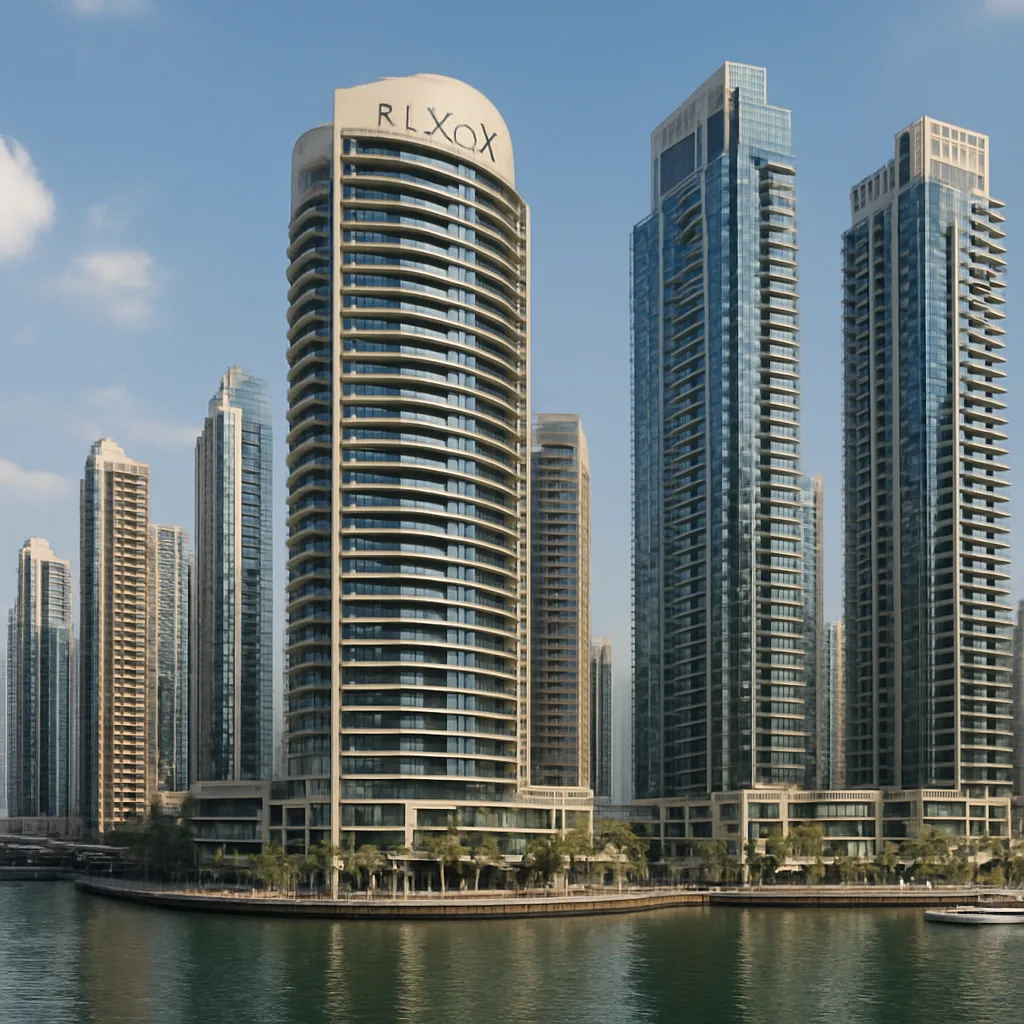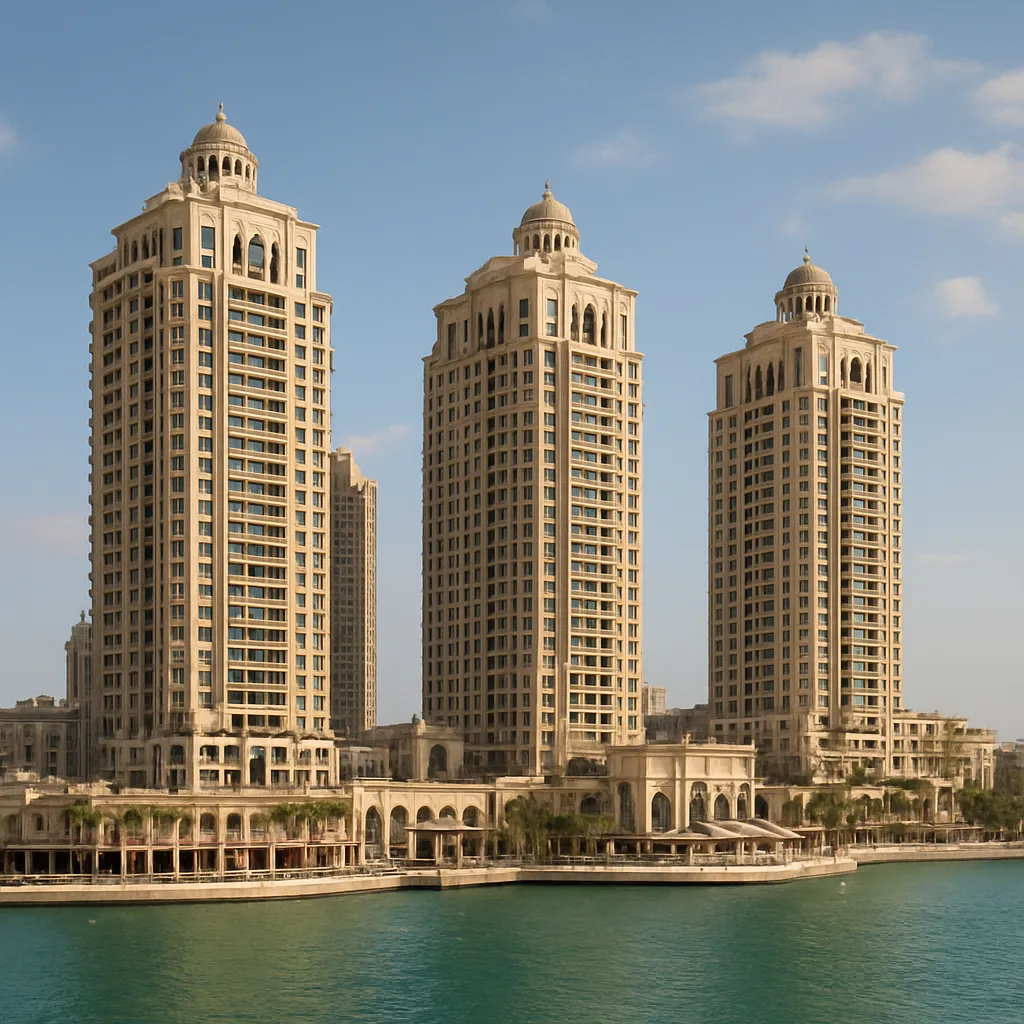
Located at the tip of one of the world’s most iconic man-made islands, The Pointe Buildings on Palm Jumeirah are a prominent example of Dubai’s drive to combine leisure, retail and spectacular public spaces. The development is best known for its waterfront promenade, panoramic views of the Arabian Gulf and Atlantis The Palm, and most famously for the Palm Fountain — a large choreographed water and light show that draws visitors daily. This article examines the location, design, attractions and statistics associated with The Pointe, and offers interesting insights and practical information for visitors and observers of contemporary urban tourism projects.
Location and context
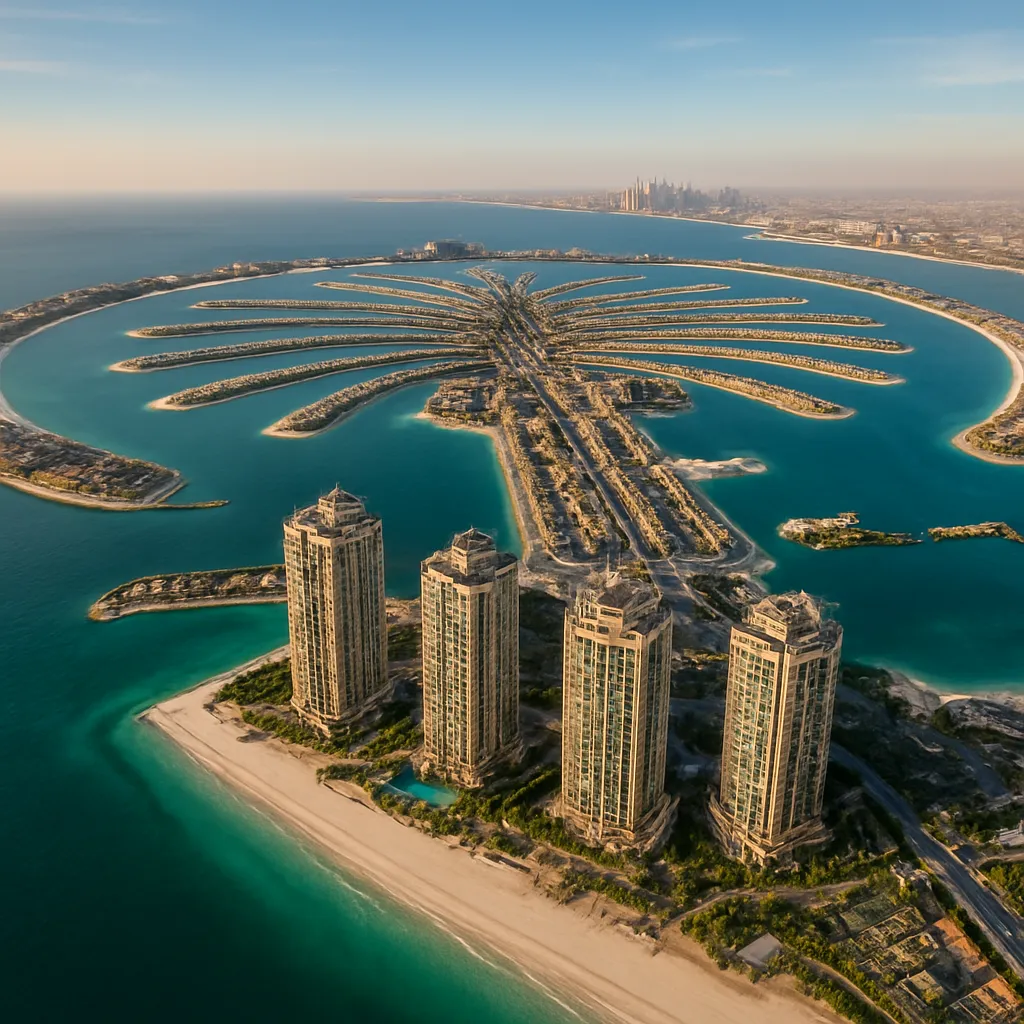
The Pointe is situated on the western tip of the trunk of Palm Jumeirah, the palm-tree-shaped artificial island in Dubai, United Arab Emirates. The island itself is one of Dubai’s most recognizable landmarks and hosts luxury hotels, private villas, apartment towers and global-branded resorts. From its waterfront terraces and promenades, The Pointe offers uninterrupted views across the bay to the towering silhouette of Atlantis The Palm, forming a dramatic and often photographed backdrop.
Developed by Nakheel, one of Dubai’s largest property developers, The Pointe was conceived as a destination that would complement the upscale residential and hospitality offerings of the Palm’s fronds and trunk. Its position at the island’s tip gives it a strategic role as both a local leisure hub for residents and a tourist magnet for international visitors looking to pair dining and shopping with a memorable coastal setting.
Masterplan and architecture
The layout of The Pointe is organized around a long, gently curving waterfront promenade that faces the sea and the island’s most famous resort. Retail units, cafés, and restaurants are arranged in low-rise buildings and terraces that step down toward the water, creating public terraces and viewing platforms. The architectural approach emphasizes horizontal lines, broad open spaces and materials that reflect the marine context: glass, natural stone, metal accents and wood-look finishes.
The development includes landscaped areas, shaded walkways and a number of elevated viewing points that allow visitors to enjoy both sunrise and the neon-lit vistas of Dubai at night. One design priority has been to create a pedestrian-friendly environment that encourages strolling, alfresco dining and family-oriented activities. This human-scale planning helps The Pointe function as a social gathering place rather than a high-rise retail center.
The Palm Fountain — a central attraction
The most prominent and headline-making feature of The Pointe is the Palm Fountain, located on the waterfront immediately in front of the main promenade and restaurant clusters. Introduced in late 2020, the fountain was widely publicized for its scale, choreography and combination of water jets, LED lighting and music. Shows are held regularly in the evenings and on special occasions, and the fountain’s performances have become a focal point for visitors to the area.
Design and technology
The Palm Fountain combines thousands of individually controlled water jets and a dynamic lighting system to create synchronized performances that range from elegant and atmospheric to fast-paced and celebratory. The program of shows frequently features musical accompaniment and audiovisual themes aligned with holidays, festivals or city-wide celebrations. The fountain is engineered to operate reliably in a marine environment and is integrated with the site’s landscape to provide clear sightlines for spectators along the promenade.
Records and recognition
The fountain received considerable international attention and was promoted as one of the world’s largest fountains by area. In promotional materials and media coverage it has been associated with a Guinness World Record certification for scale, which boosted the destination’s global profile and contributed significantly to its identity as a must-see attraction on Palm Jumeirah. The combination of technological ambition and high-visibility location helped the fountain become synonymous with The Pointe itself.
Retail, dining and leisure offerings
The Pointe is primarily a hospitality-led destination with a strong emphasis on food and beverage. The promenade hosts a broad mix of restaurants and cafés ranging from casual terraces to upscale dining establishments. Many venues orient seating toward the water to capitalize on views of the fountain and Atlantis; terraces are popular for sunset dining and family outings.
- Number of outlets: The Pointe features dozens of dining and retail outlets, with the total often described as being in the range of several dozen to over seventy depending on how pop-ups and kiosks are counted.
- Types of cuisine: International cuisine options dominate, including Middle Eastern, Mediterranean, Asian, and international grill concepts. Branded cafés and local specialty restaurants coexist alongside seasonal and concept-driven pop-ups.
- Family facilities: Play areas, open plazas and occasional live events make The Pointe attractive to families and groups.
Beyond restaurants, the development includes boutique retailers, service-oriented businesses and kiosks selling souvenirs or beach-appropriate goods. The leisure mix is designed to keep visitors on-site for extended periods, combining dining with spectacle (the fountain), shopping and recreational walking.
Events, programming and visitor experience
Programming at The Pointe centers on the fountain shows, but extends to seasonal events, holiday festivals, outdoor concerts and community activities. The fountain schedule is often choreographed around public holidays — for example, New Year’s celebrations, national day events and summer promotions — making the site a frequent venue for family outings and organized gatherings.
The visitor experience is deliberately multi-sensory: open-air seating and promenades engage sight, sound and the breeze off the sea, while curated landscaping and lighting create an inviting atmosphere after sunset. Accessibility features, signage and the flow of pedestrian routes are designed to handle peak visitor volumes, especially during weekend evenings and holiday periods.
Statistics and operational data
While commercial developments like The Pointe do not always publish exhaustive operational statistics, several data points are commonly reported and useful for understanding the complex:
- Opening timeline: The Pointe’s major public areas were progressively opened in the late 2010s, with the Palm Fountain unveiled in 2020. The development has continued to evolve with new outlets and seasonal programming since then.
- Scale and footprint: The Pointe occupies a prominent coastal strip at the tip of the Palm trunk; the promenade and plaza areas together form a sizable open public space though the exact commercial footprint (m2) varies depending on leased retail units and terraces.
- Palm Fountain metrics: Public sources describe the fountain as covering an expansive surface area and including thousands of water nozzles and LED elements. It was widely reported to have set a record for the largest fountain of its kind by surface area and show complexity.
- Visitor volumes: On peak days and during special events, The Pointe can host thousands of visitors in a single evening. Weekend evenings and holiday periods are typically the busiest times.
Because individual retailers and Nakheel may adjust leases, restaurant counts and precise area allocations over time, figures such as the exact number of outlets or square meters of retail space should be treated as indicative rather than fixed unless confirmed by an official developer update.
Urban and cultural significance
The Pointe exemplifies several broader trends in contemporary urban development, particularly in a globalized, tourism-oriented city such as Dubai. First, it demonstrates how public spectacle — in this case the fountain — can anchor a visitor economy and create sustained footfall for dining and retail. Second, it reflects the integration of built and natural elements: The Pointe’s design leverages views of the sea and adjacent landmarks to create a distinct sense of place.
The project also highlights the role of private developers in producing quasi-public spaces that serve both residents and tourists. As part of Nakheel’s broader Palm Jumeirah masterplan, The Pointe contributes to the island’s social life by providing a concentrated venue for entertainment and hospitality that complements residential neighborhoods and resort facilities.
Interesting facts and lesser-known details
- Nighttime transformation: The Pointe is often regarded as a different experience after sunset when the fountain’s lighting sequences and the cityscape across the bay are fully illuminated.
- Photography hotspot: The alignment with Atlantis The Palm and the long open vista make The Pointe a favorite spot for photographers, vloggers and influencers seeking dramatic oceanfront shots.
- Family orientation: Developers emphasized family-friendly amenities and programming, resulting in regular free or low-cost entertainment aimed at children and family groups.
- Seasonal changes: The tenant mix and event schedule shift seasonally, with winter months typically bringing higher visitor numbers and outdoor seating at maximum capacity.
- Environmental considerations: Operating a large waterfront fountain requires ongoing maintenance of pumps, filtration and desalination-aware systems; designers used corrosion-resistant materials and energy-efficient lighting to improve longevity in a saline environment.
Practical information for visitors
Visitors planning a trip to The Pointe should consider timing their visit around fountain shows, which are typically held in the evenings when the light displays are most effective. Weekdays are generally quieter than Friday and Saturday evenings (the region’s peak leisure days), and parking and seating can fill up rapidly during festivals and holiday periods.
For those traveling with family, several restaurants offer child-friendly menus and high chairs, while outdoor spaces provide room for strollers. Accessibility ramps and clear walkways make the promenade navigable for visitors with mobility needs. It is advisable to check the current restaurant lineup and show times on The Pointe’s official channels before visiting, as tenant mixes and schedules evolve.
Economic impact and role in Dubai’s tourism offer
The Pointe contributes to Dubai’s larger tourism ecosystem by increasing the island’s range of attractions beyond luxury hotels and private residences. By concentrating multiple dining options and a high-profile fountain show in one area, The Pointe helps lengthen visitor stays, encourage repeat visits and support employment in hospitality and retail sectors.
For Nakheel and retail operators, The Pointe offers an opportunity to capture both local residents and international tourists who might already be visiting Palm Jumeirah for its resorts. The development’s ability to generate foot traffic and brand visibility underscores its value in a market where experiential destinations are central to competitive differentiation.
Conclusion
The Pointe Buildings on Palm Jumeirah represent a modern coastal leisure destination that balances spectacular public features — most notably the Palm Fountain — with a practical mix of dining, retail and promenade space. Its strategic location facing Atlantis The Palm, combined with developer-backed programming and a focus on pedestrian comfort, has made The Pointe a popular stop for both residents and visitors. Whether experienced as a romantic evening out, a family outing, or a photography excursion, The Pointe is an example of how thoughtful urban design, technological showmanship and hospitality can combine to create a lively waterfront attraction in one of the world’s most dynamic cities.