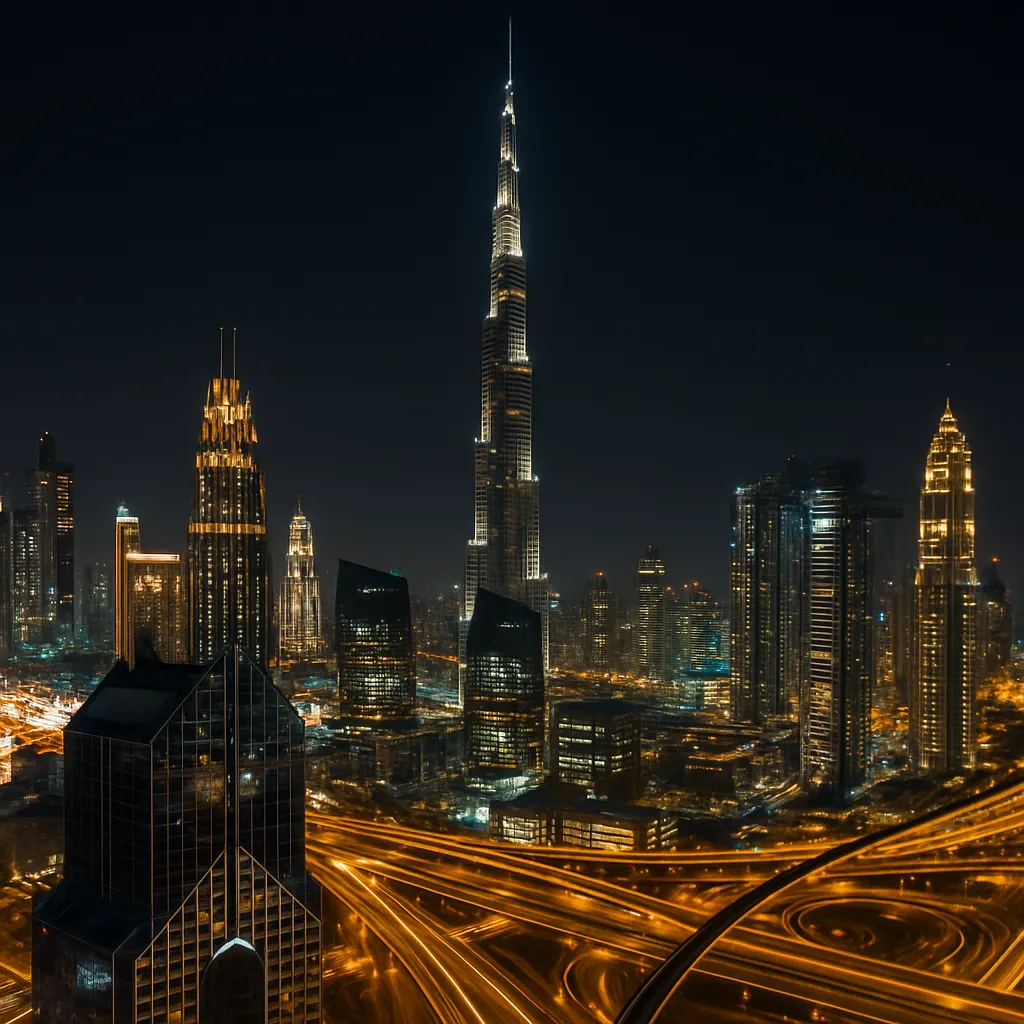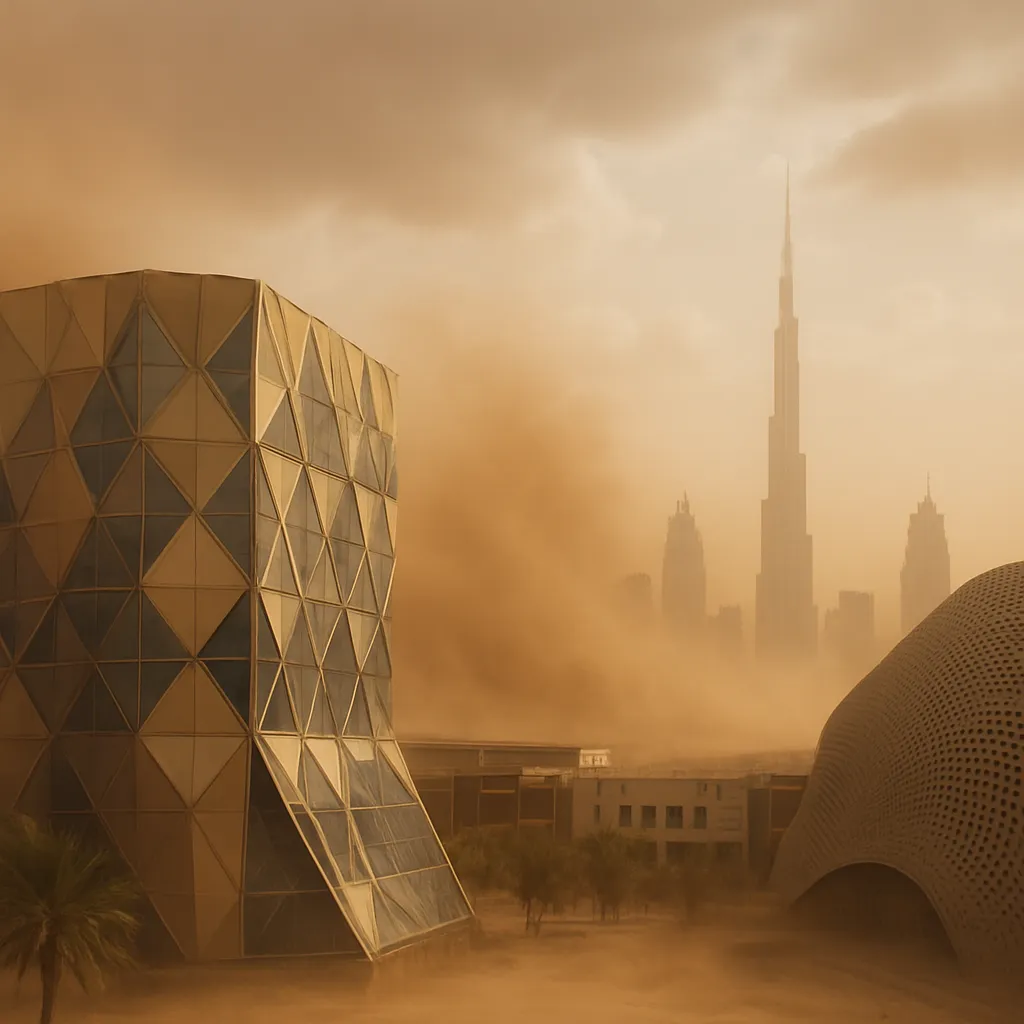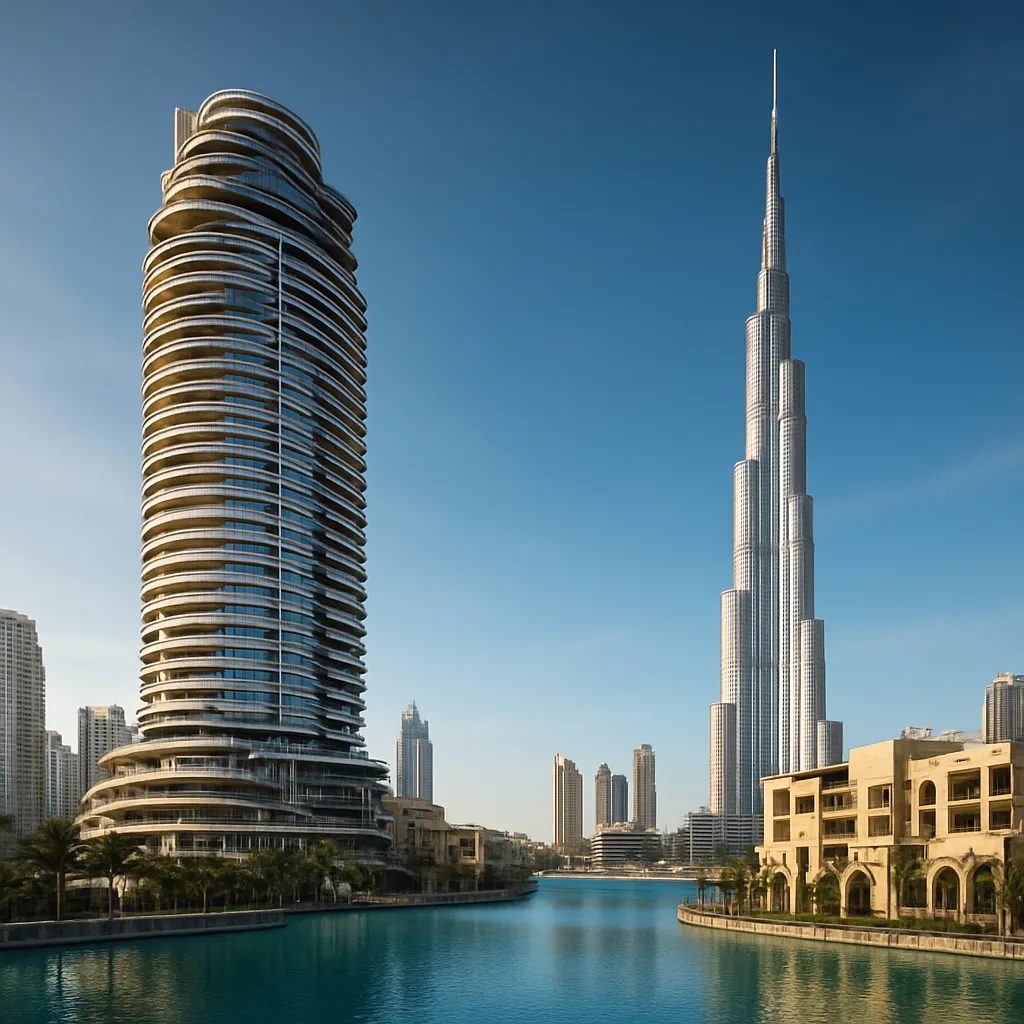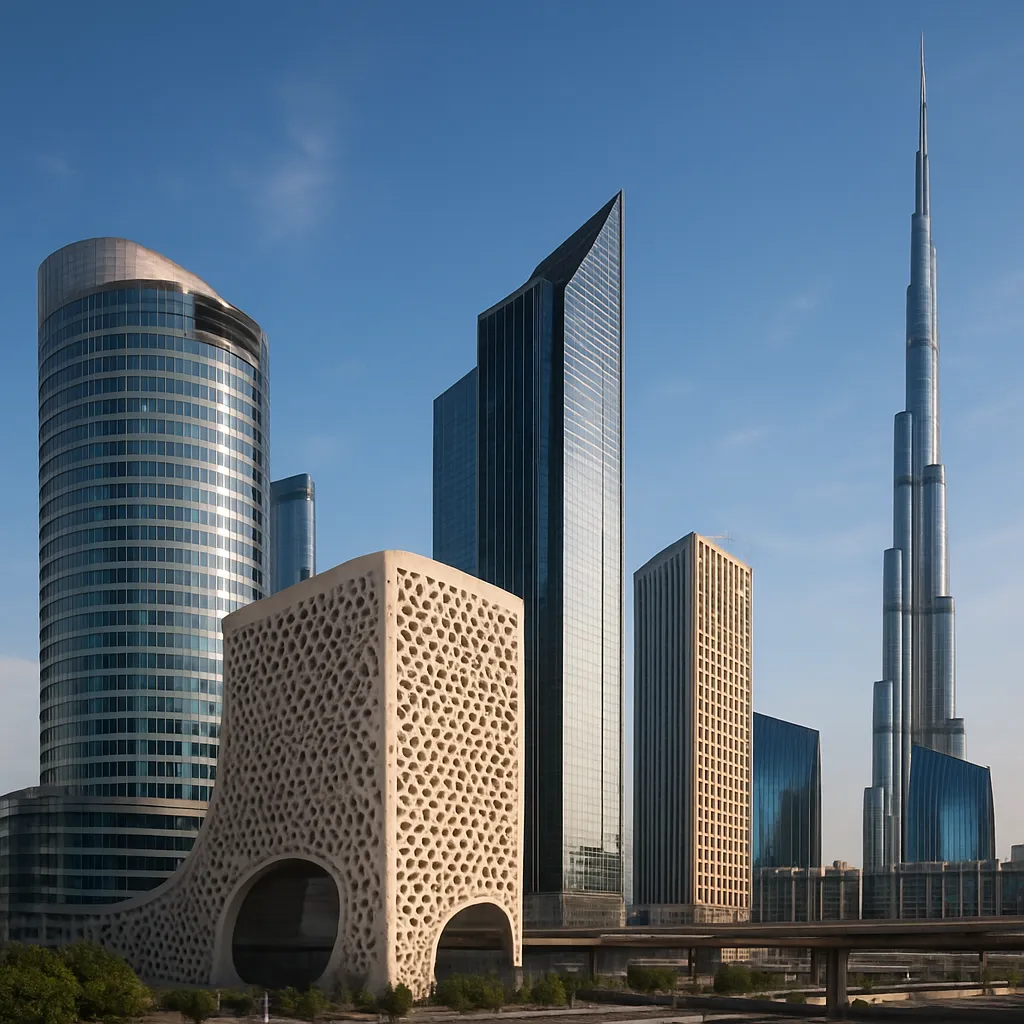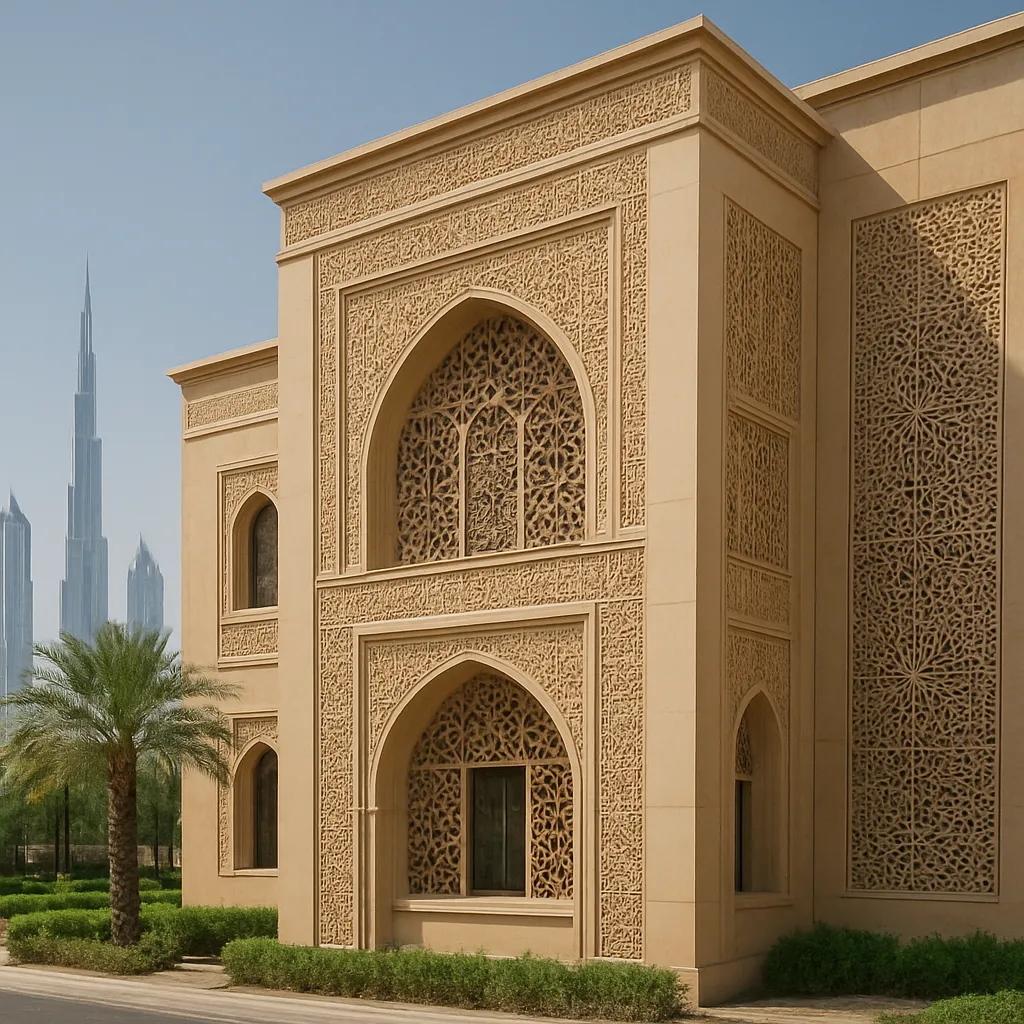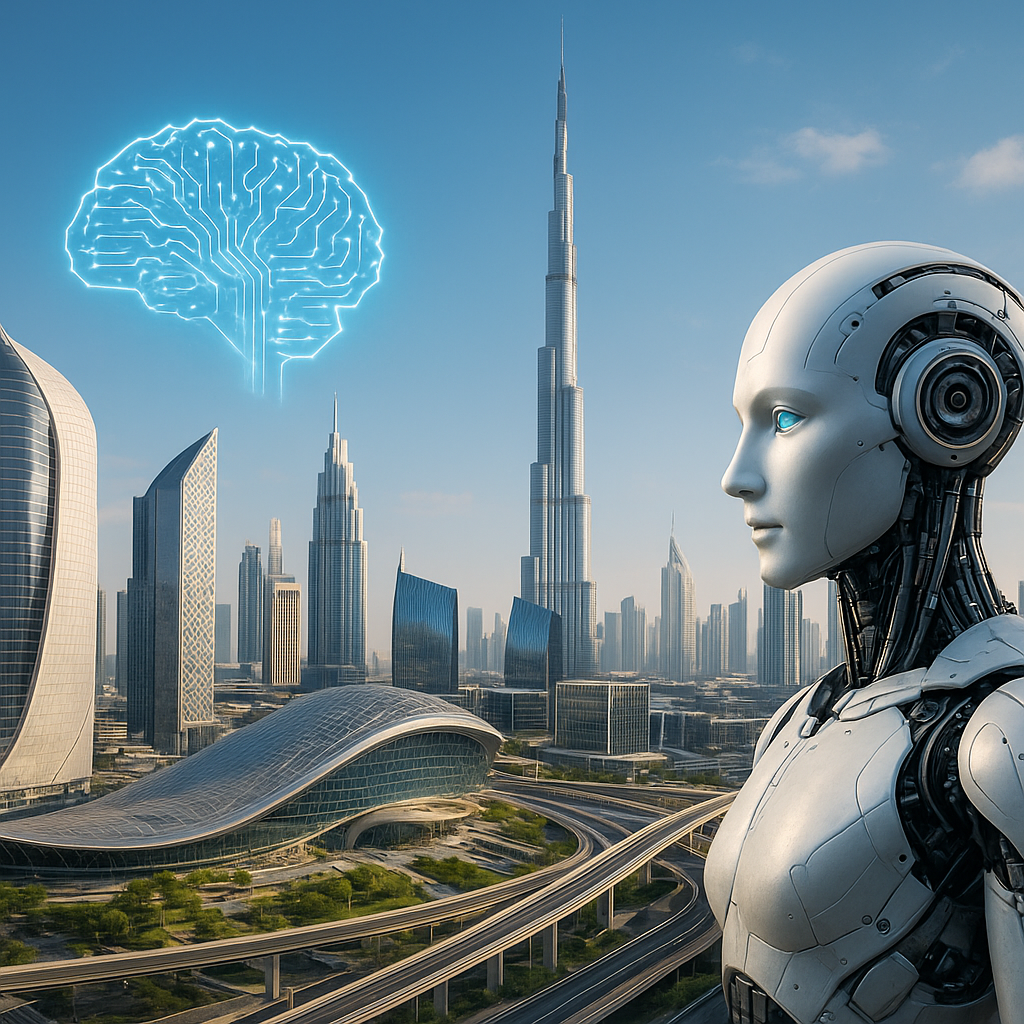
Dubai’s skyline has always been a beacon of ambition and futuristic vision. The city’s architectural evolution marries cutting-edge technology with cultural richness, creating a tapestry of soaring towers and sprawling complexes. As artificial intelligence accelerates, it becomes an indispensable partner in redefining building design, construction methods, and urban living. This article explores how AI is shaping the future of Dubai buildings, transforming dreams into reality through innovation, efficiency, and sustainability.
AI-Enhanced Design and Modeling
Dubai’s architects and developers are leveraging AI-driven tools to revolutionize the earliest phases of design. Advanced algorithms now assist in:
- Generating parametric design models that adapt to environmental factors such as sun path, wind patterns, and temperature.
- Optimizing building orientation for maximum natural light and minimal heat gain, reducing reliance on mechanical cooling.
- Analyzing historical data to forecast space usage trends, ensuring new structures align with population growth and tourism demands.
These AI platforms use machine learning to sift through terabytes of architectural precedents, urban data sets, and material properties. The result is an iterative design cycle where form and function converge with unprecedented speed. Dubai’s iconic projects—like the twisting Cayan Tower or the sail-shaped Burj Al Arab—demonstrate how data-driven creativity can yield both aesthetic marvels and practical performance.
Sustainable Skyscrapers and Smart Materials
The quest for sustainability in a desert metropolis demands imaginative solutions. AI plays a pivotal role in selecting and testing innovative materials before they ever leave the lab:
- Real-time analysis of carbon footprints associated with concrete mixes and steel alloys.
- Simulation of self-healing concrete, embedded with microcapsules that release sealants when cracks appear.
- Testing of adaptive façade systems that adjust reflectivity based on solar intensity, optimizing indoor comfort.
By integrating smart sensors and IoT devices into building envelopes, AI systems monitor structural health and energy consumption continuously. Dubai’s upcoming residential towers will boast dynamic glass panels that darken or clear in seconds, driven by real-time weather data. This capability ensures that each apartment benefits from daylight without excessive glare or overheating, greatly enhancing occupant well-being.
Autonomous Construction and Robotics
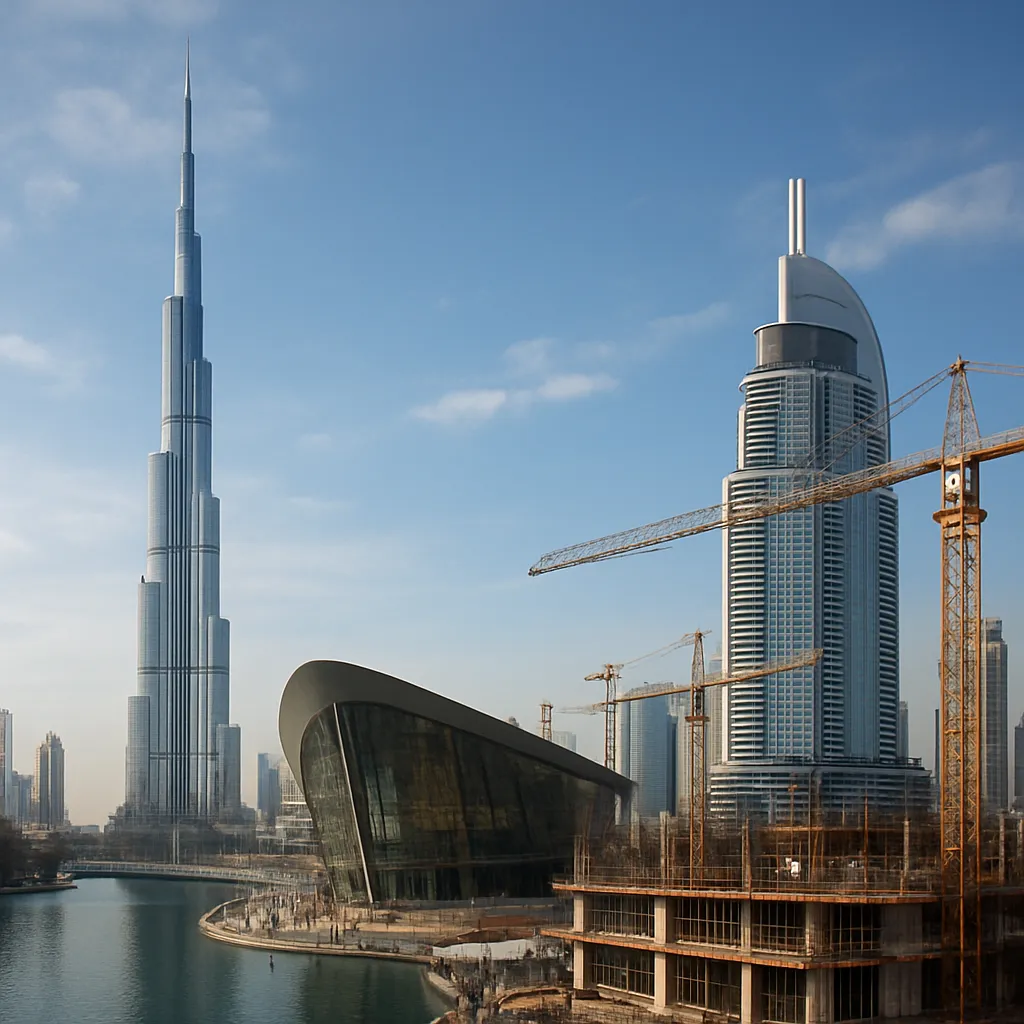
Dubai’s pace of development often outstrips global norms, and AI-powered robotics offers a solution to keep projects on track. Key advancements include:
- Automated bricklaying robots capable of laying thousands of bricks per day with millimeter precision.
- Drones equipped with AI vision systems for site inspection, monitoring progress, and performing safety audits in hazardous zones.
- 3D printing of building components, from façade panels to entire low-rise villas, using algorithms that optimize material distribution.
These autonomous systems work around the clock, unaffected by Dubai’s intense heat. They harness real-time feedback loops to correct errors instantly, minimizing waste and maximizing labor productivity. The Dubai Future Foundation has funded pilot projects where robotic units collaboratively erect complex geometries at a fraction of the usual time and cost.
Predictive Maintenance and Smart Infrastructure
Ensuring that Dubai’s megastructures remain safe and operational requires more than periodic inspections. AI-driven predictive maintenance transforms this process from reactive to proactive:
- Building management systems ingest sensor data on vibration, temperature, and pressure to forecast equipment failures.
- Machine learning models analyze usage patterns, identifying anomalies in HVAC systems before breakdowns occur.
- Automated scheduling of maintenance crews based on urgency and location, reducing downtime and operational costs.
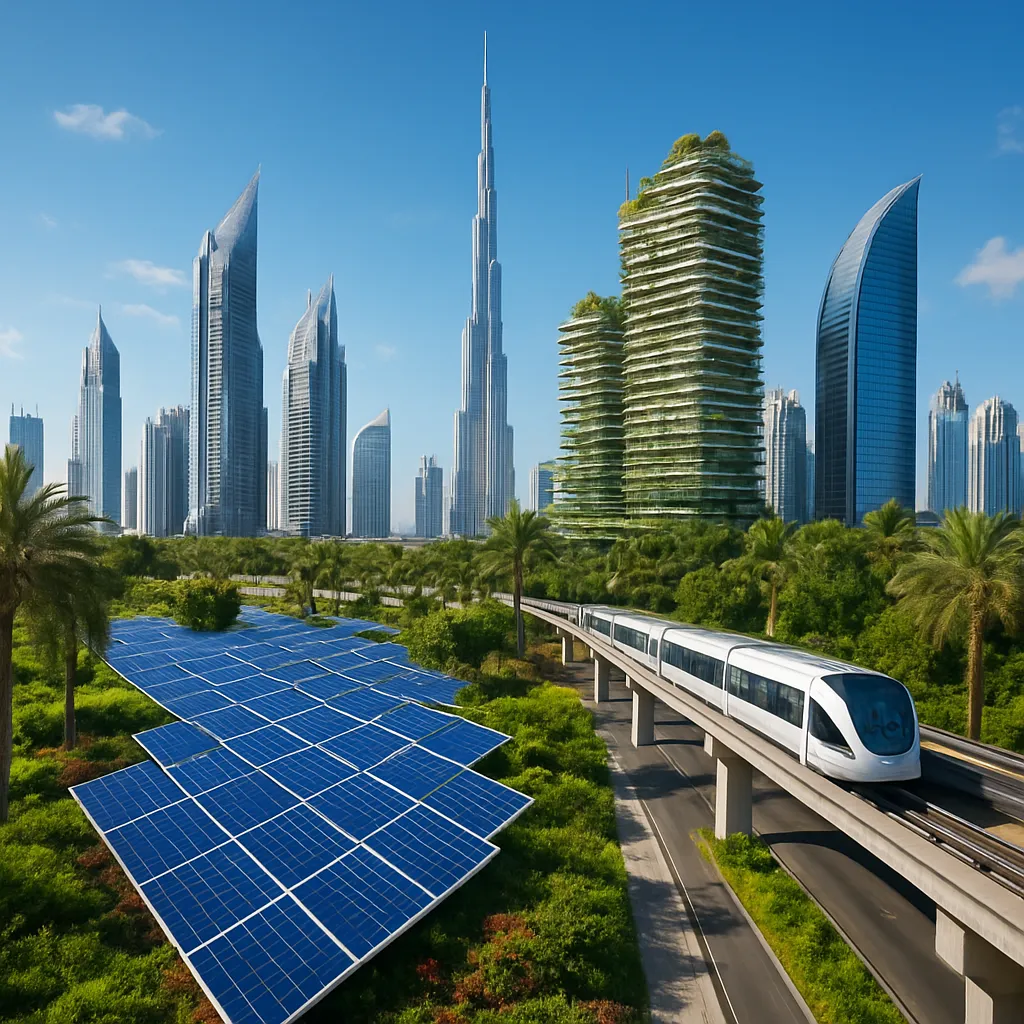
Beyond individual buildings, Dubai’s urban infrastructure benefits from digitization of utilities. Smart grids, powered by AI, balance energy loads between solar parks and traditional plants. Water distribution networks equipped with leak-detection sensors preserve precious resources. Public transport hubs utilize AI to optimize passenger flow, seamlessly linking metro lines with autonomous shuttle vehicles.
AI-Driven Urban Planning and Community Integration
Holistic City Modeling
Dubai’s master plans now rely on AI to simulate not only traffic and environmental impact but also social dynamics:
- Heatmap visualizations of pedestrian density inform placement of parks, rest areas, and cooling stations.
- Simulated emergency scenarios—such as high winds or flash floods—allow planners to design resilient evacuation routes and shelter zones.
- Community sentiment analysis, harnessed from social media and feedback portals, shapes public amenities and cultural centers.
Data-Driven Zoning
Machine learning algorithms classify urban areas based on evolving needs. Residential, commercial, and mixed-use zones are dynamically adjusted to accommodate changing population densities. This approach fosters resilience against market fluctuations and supports adaptive reuse of aging structures. The city’s Crown family offices have invested in AI startups dedicated to repurposing older districts into vibrant, tech-enabled neighborhoods, ensuring that growth remains inclusive and balanced.
Future Outlook: AI as a Strategic Partner
As Dubai pursues its ambition to host the world’s most advanced urban ecosystems, AI will continue to be a strategic enabler. Future directions include:
- Integration of augmented reality in construction planning, allowing stakeholders to visualize completed projects within existing cityscapes.
- Evolution of digital twins—virtual replicas of entire districts that run continuous simulations, predicting the impact of new developments on traffic, energy, and emissions.
- Deployment of autonomous maintenance drones that perform cleaning, minor repairs, and environmental monitoring without human intervention.
By fusing modularity with cutting-edge digital tools, Dubai’s architectural vision will remain at the forefront of global innovation. The city’s willingness to embrace AI—from conceptual design to daily operations—sets a precedent for future metropolises worldwide. As these intelligent systems mature, Dubai Buildings will stand as testaments to a harmonious partnership between technology and human creativity.