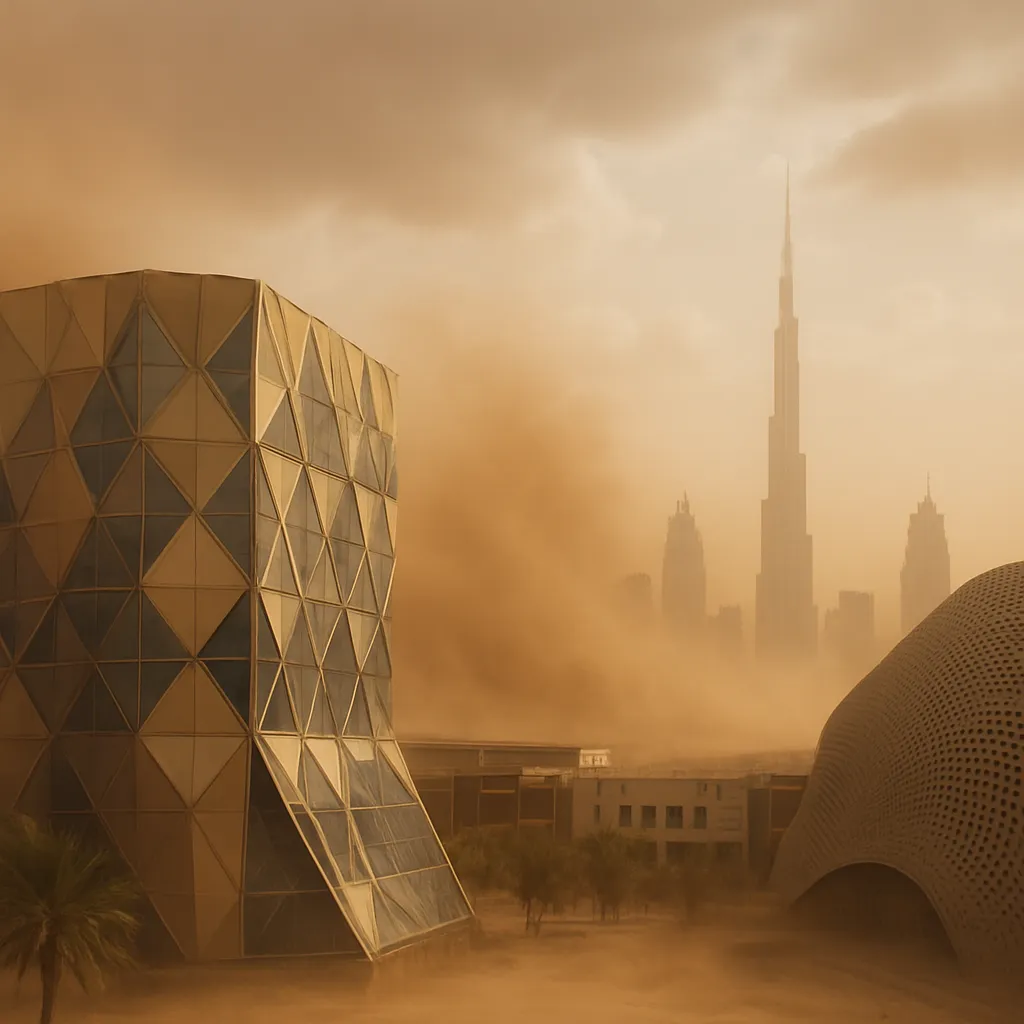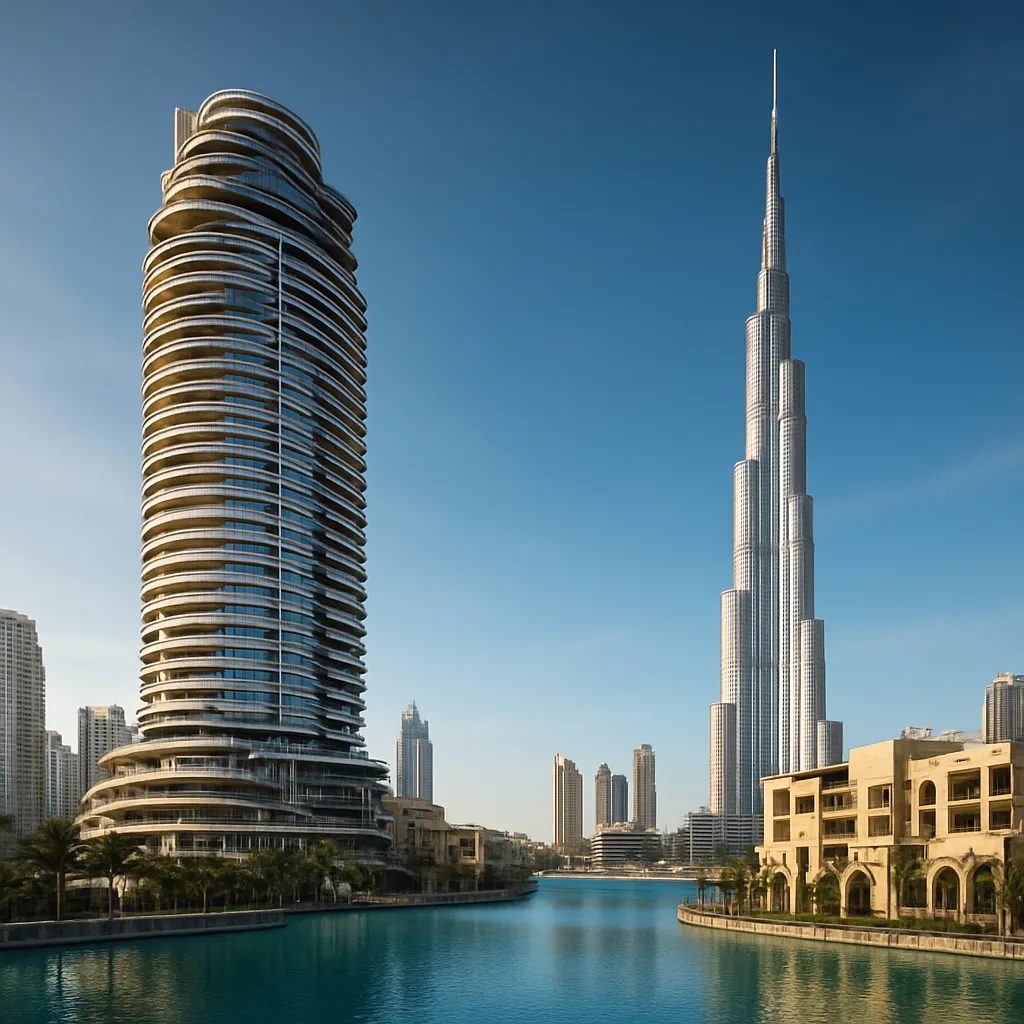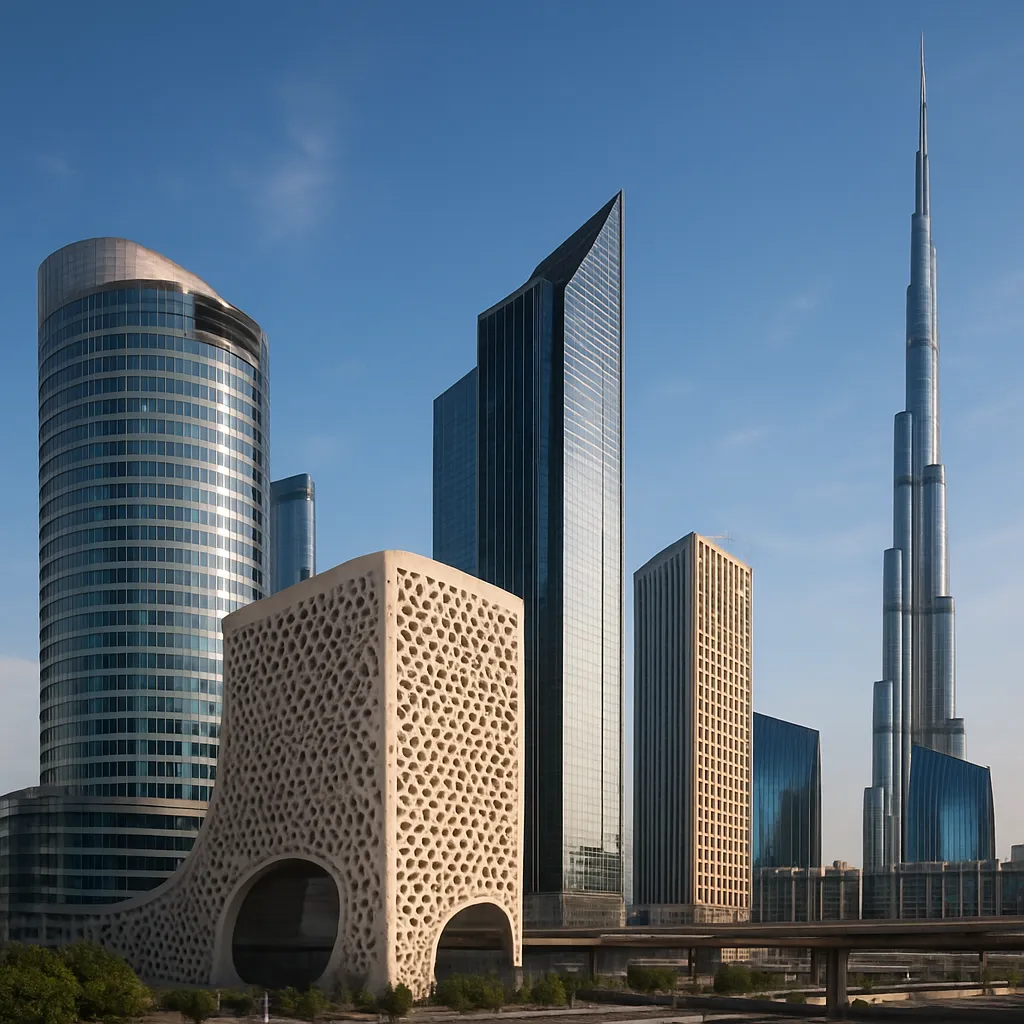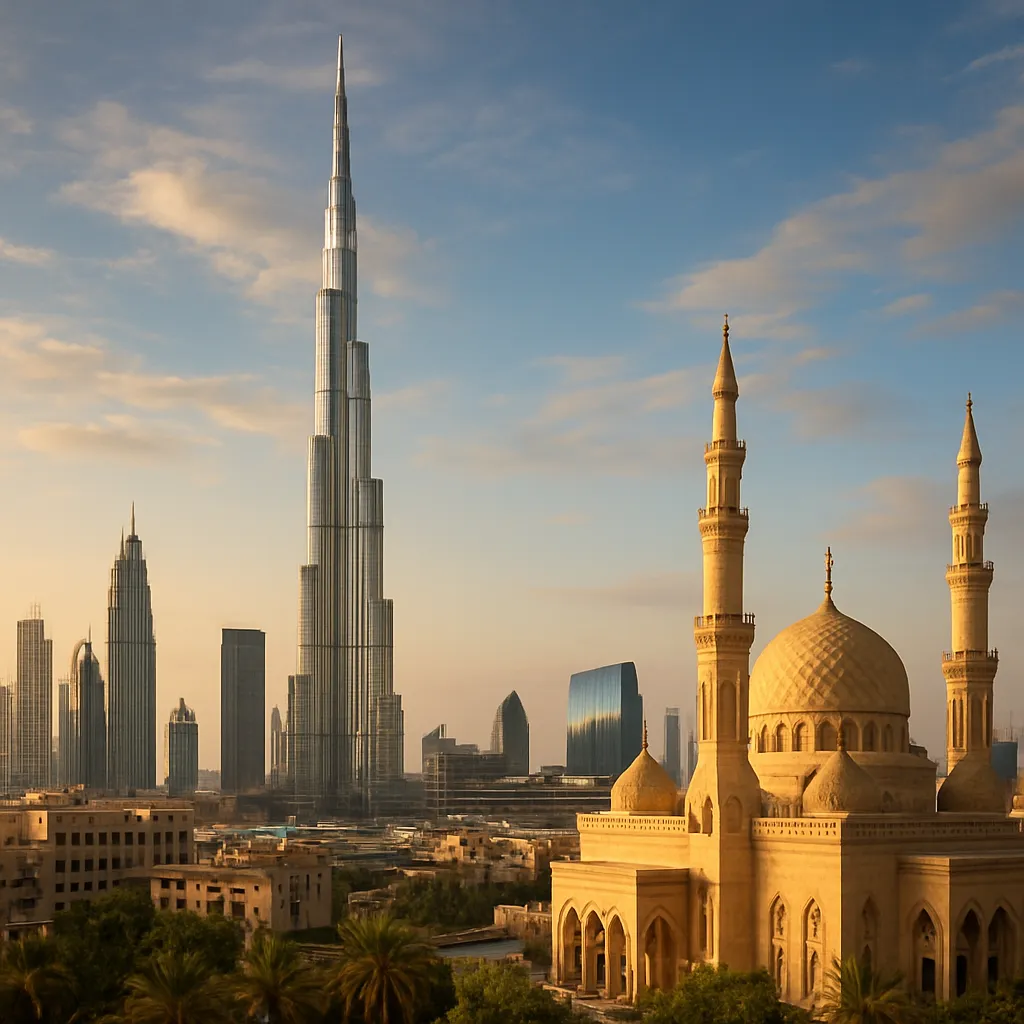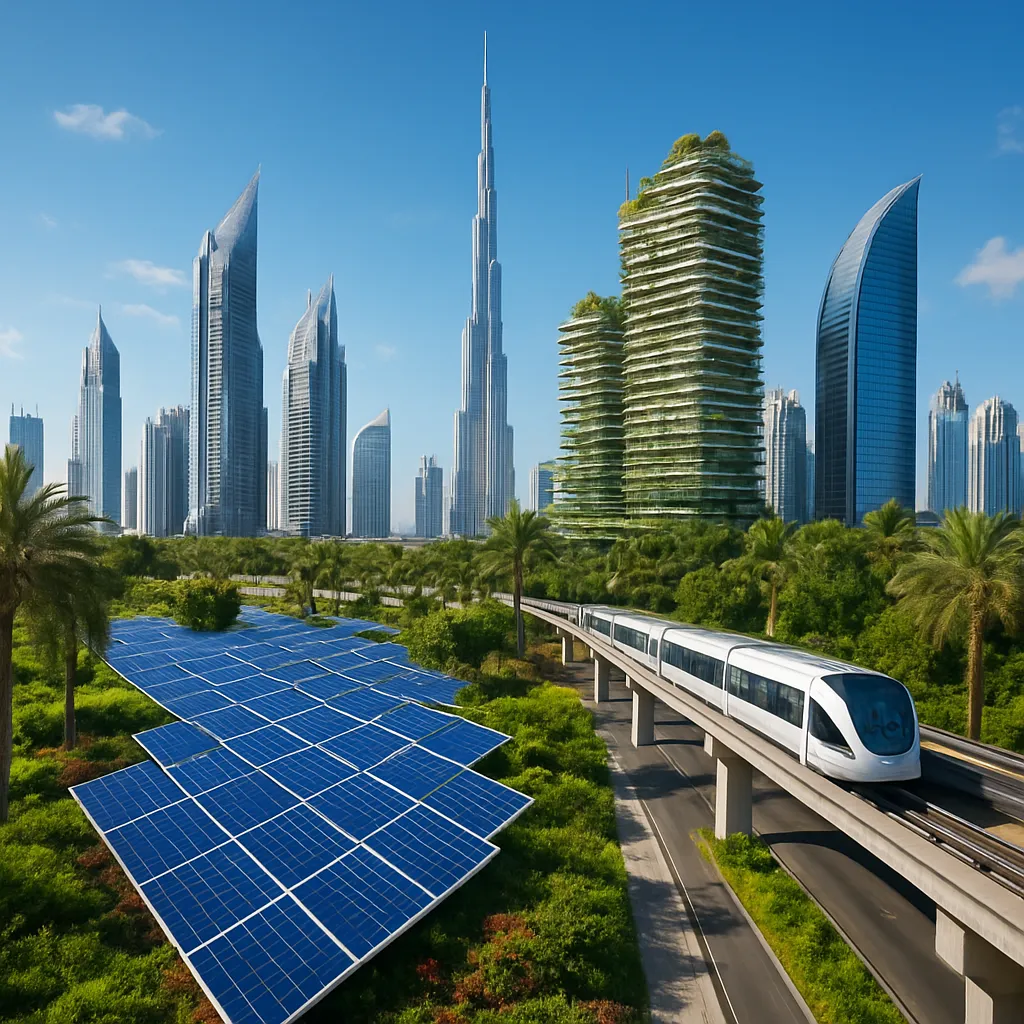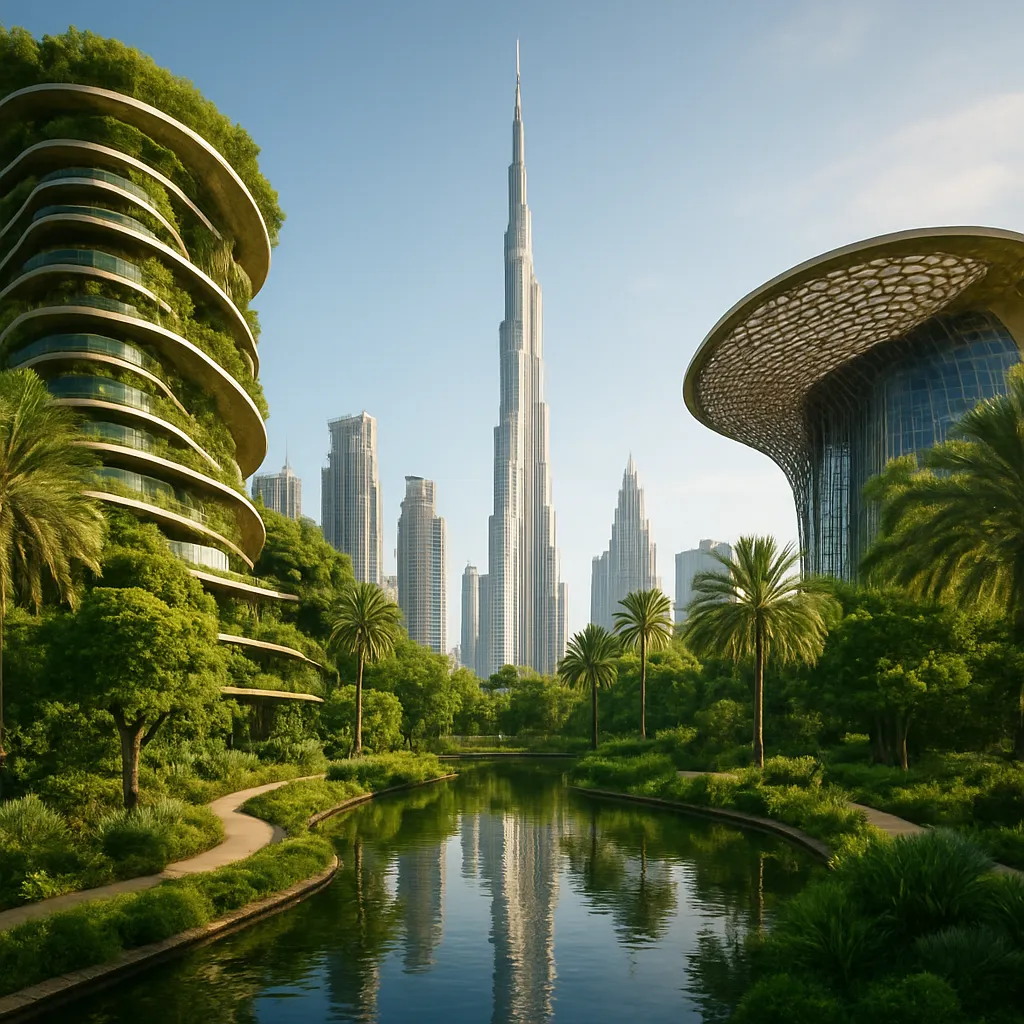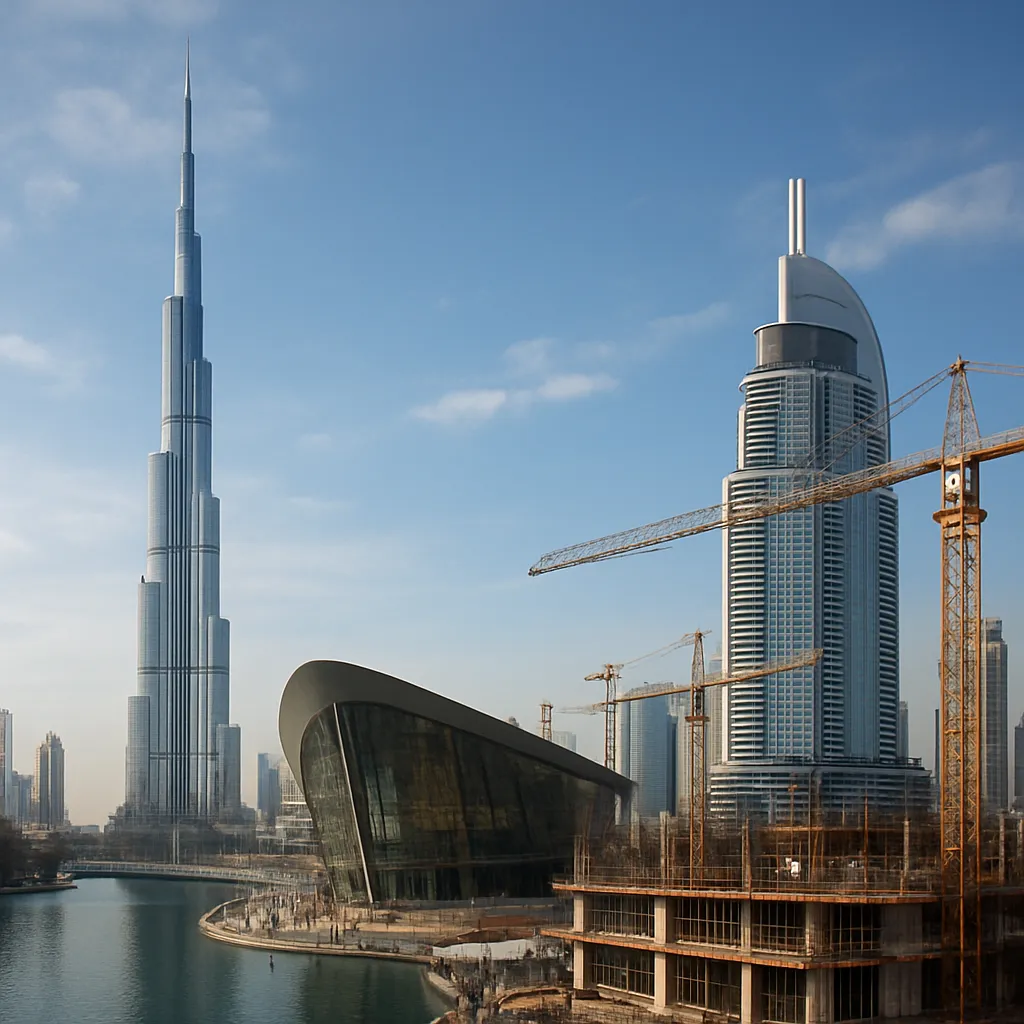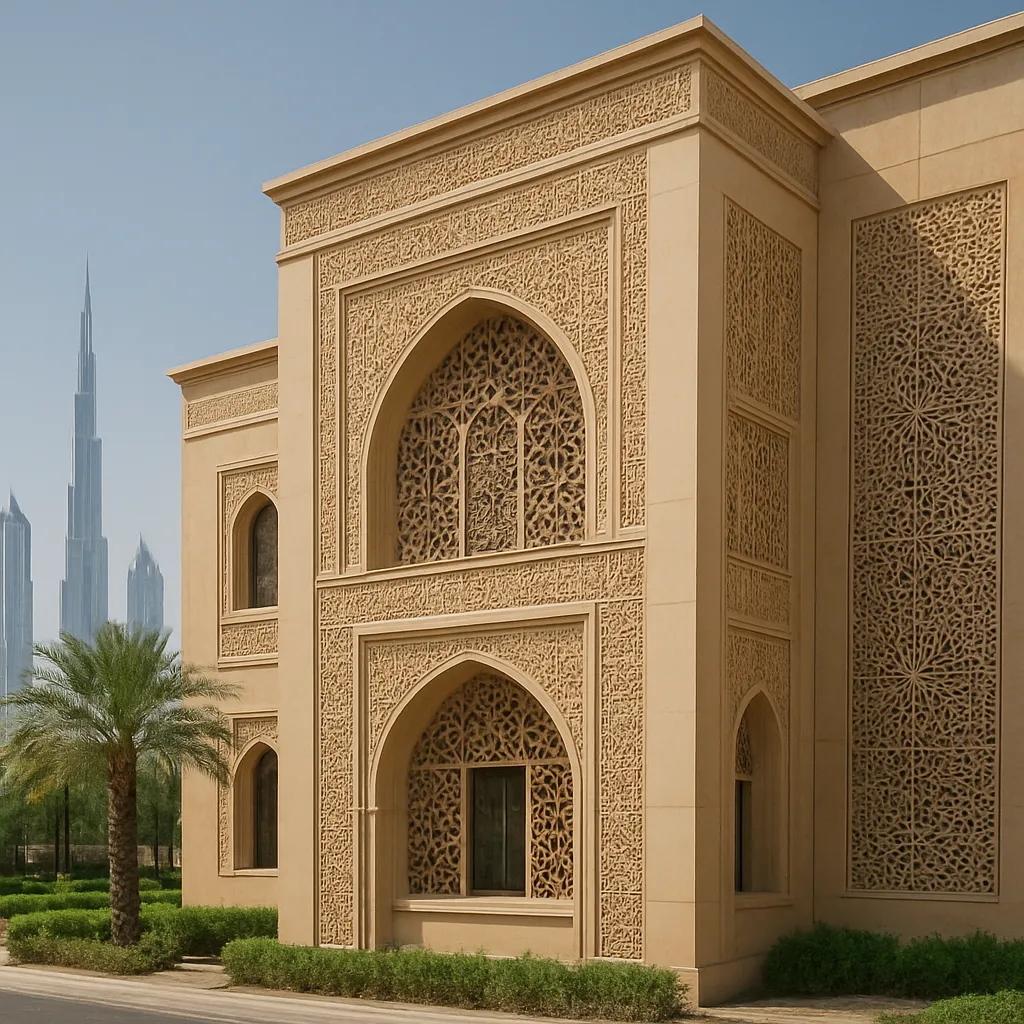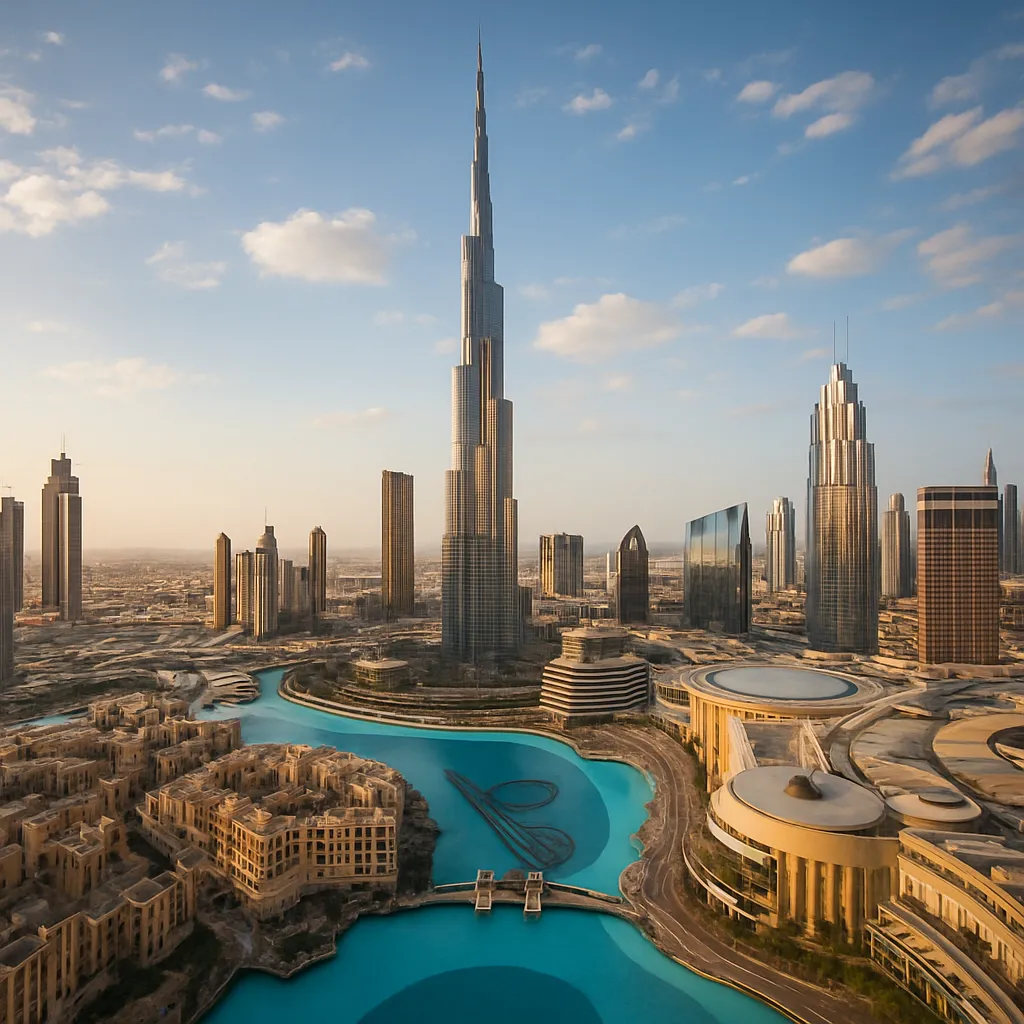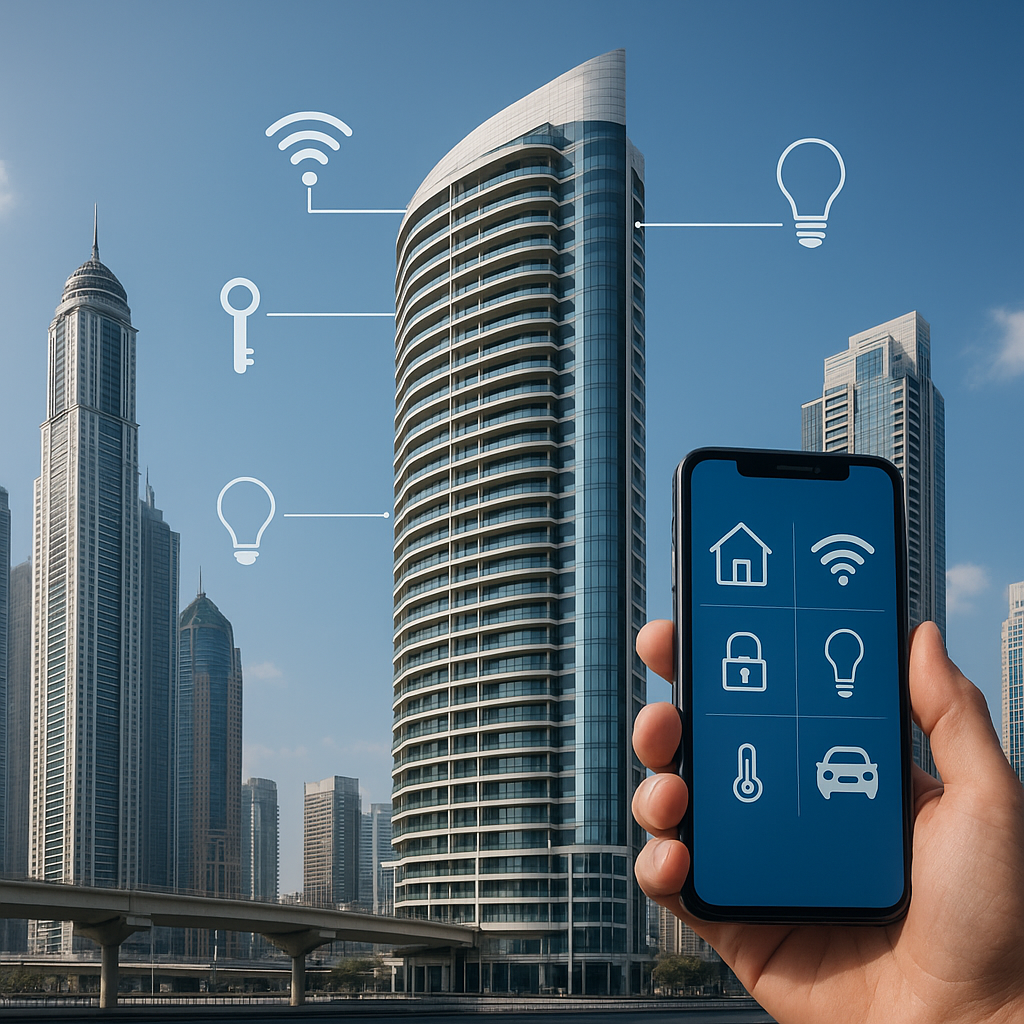
The skyline of Dubai stands as a testament to human ambition and technological prowess. With iconic towers piercing the sky and sprawling mixed-use developments transforming the urban fabric, the emirate has embraced innovation at every turn. Central to this transformation is the integration of smart technologies in modern buildings, elevating comfort, safety, and efficiency to unprecedented levels. From energy management systems to AI-driven automation, Dubai’s cutting-edge structures illustrate how advanced solutions can shape the future of urban living.
Evolution of Smart Buildings in Dubai
Over the past two decades, Dubai has transitioned from a desert metropolis into a global hub for sustainability and digital transformation. Early projects focused on basic automation—lighting controls and simple HVAC scheduling—yet recent developments have adopted holistic approaches. These include integrated Building Management Systems (BMS), Internet of Things (IoT) networks, and cloud-based analytics. As a result, structures like the Burj Khalifa and The Dubai Mall now feature responsive environments that adapt in real time to occupancy patterns, weather conditions, and energy demand.
From Automation to Intelligence
Initial automation efforts automated repetitive tasks: activating lights, adjusting thermostats, and monitoring security cameras. Today’s smart buildings harness real-time data streams and machine learning algorithms for data-driven decision making. Predictive analytics can anticipate equipment failures, optimize energy consumption, and even forecast maintenance needs. This shift toward intelligence transforms static structures into dynamic ecosystems capable of continuous self-optimization.
Regulatory Framework and Standards
Government initiatives such as the Dubai Clean Energy Strategy and the Dubai 2040 Urban Master Plan provide a robust regulatory framework. Mandatory green building codes now encourage the use of renewable energy, efficient water usage, and smart monitoring systems. Developers are increasingly required to secure LEED or Estidama certification, ensuring that new constructions meet strict criteria for environmental performance and occupant well-being.
Core Technologies Driving Modern Dubai Buildings
The architecture of Dubai’s modern skyline is underpinned by a suite of advanced technologies. Four pillars stand out: connectivity, automation, analytics, and sustainability.
- Connectivity: High-speed fiber networks and 5G connectivity enable seamless communication between devices. Smart sensors, cameras, and control units exchange information instantly, supporting real-time responses.
- Automation Platforms: Centralized BMS platforms coordinate lighting, HVAC, security, and fire safety. Integrations with voice assistants and smartphone apps enhance occupant interaction with building systems.
- Analytics: Big data platforms aggregate performance metrics, occupancy trends, and energy usage patterns. AI models process this information, recommending adjustments that minimize waste and maximize comfort.
- Sustainability Tools: Solar panels, energy storage solutions, and smart meters work in tandem to lower carbon footprints. Water recycling systems and green roofs contribute to resource conservation.
Internet of Things (IoT) Ecosystem
IoT devices serve as the nervous system of smart buildings. Occupancy sensors adjust lighting and temperature based on room usage. Air-quality monitors track pollutants, initiating ventilation protocols when thresholds are exceeded. Smart glazing modulates solar gain, reducing cooling demands. By creating a tightly coupled network of devices, IoT ecosystems foster granular control over every facet of building operations.
Artificial Intelligence and Machine Learning
AI algorithms detect anomalies in energy consumption, pinpoint equipment inefficiencies, and propose corrective actions. Machine learning models refine their predictions by analyzing historical data, leading to continuous improvements in performance. For instance, predictive maintenance schedules prevent costly downtime by flagging potential mechanical failures before they occur.
Benefits of Smart Technology Integration
When smart technologies converge within a building, stakeholders reap substantial advantages:
- Energy Optimization: Automated controls and adaptive algorithms can reduce energy consumption by up to 30%, translating into significant cost savings and environmental benefits.
- Enhanced Occupant Comfort: Personalized climate and lighting settings improve productivity and satisfaction for residents, office workers, and visitors alike.
- Improved Safety and Security: Advanced surveillance systems, biometric access controls, and real-time threat detection bolster overall safety and resilience.
- Operational Efficiency: Centralized dashboards and predictive analytics streamline facility management, minimizing labor costs and maximizing asset longevity.
- Regulatory Compliance: Integrated reporting tools facilitate adherence to green building codes and sustainability targets, reinforcing Dubai’s commitment to a low-carbon future.
Case Study: The Sustainable Skyscraper
One standout example is the recently completed “Eco-Spire Tower,” which combines photovoltaic façades, wind turbines, and smart shading systems. Its integrated AI hub coordinates energy generation and consumption, ensuring that excess power is stored or fed back into the grid. As a result, the tower achieves net-zero energy status, showcasing the potential of smart solutions in high-rise applications.
Implementation Strategies and Best Practices
Successfully integrating smart technology into Dubai’s modern buildings requires a strategic approach:
- Stakeholder Collaboration: Architects, engineers, developers, and IT specialists must collaborate from the earliest design phases to ensure seamless integration.
- Scalable Infrastructure: Deploy modular systems that can be expanded or upgraded as new technologies emerge.
- Data Governance: Establish clear policies for data collection, storage, and privacy to protect occupant information and comply with regulations.
- Vendor Ecosystems: Partner with reputable technology providers offering interoperable solutions and ongoing support.
- Continuous Training: Equip facility managers and staff with the skills to operate and maintain smart systems effectively.
Design for Flexibility
Given the rapid pace of technological advancement, buildings should be designed with flexible wiring pathways, accessible conduits, and reserved rack space for future hardware. Software platforms must support remote updates and patch management to stay current with evolving cybersecurity threats.
Community and User Engagement
Occupants play a crucial role in realizing the full benefits of smart buildings. Intuitive mobile interfaces, real-time feedback dashboards, and educational programs can encourage energy-conscious behaviors and foster a sense of shared responsibility.
Challenges and Future Directions
Despite remarkable progress, several challenges remain:
- Interoperability: Disparate devices and protocols can hinder seamless data exchange.
- Cybersecurity Risks: Increasing connectivity amplifies the potential attack surface, necessitating robust security measures.
- Initial Investment: The upfront cost of deploying comprehensive smart systems can be substantial, although long-term returns often justify the expense.
- Regulatory Evolution: Standards and codes must adapt quickly to keep pace with emerging technologies.
Looking Ahead
Dubai’s commitment to a smart, sustainable future remains unwavering. Upcoming projects will likely incorporate blockchain-based energy trading platforms, digital twins for real-time simulation, and advanced robotics for maintenance. By fostering a culture of continuous innovation and collaboration, the emirate will continue to redefine what it means to build in the 21st century.