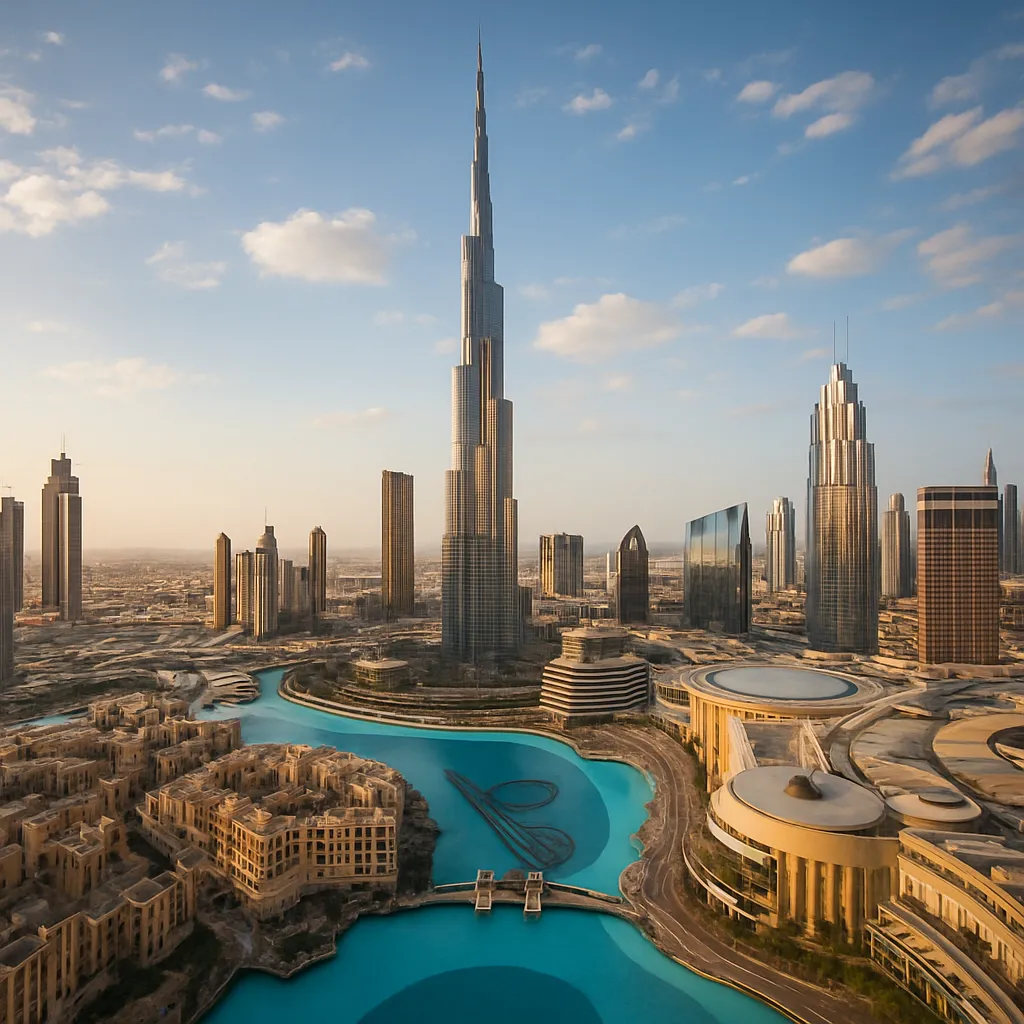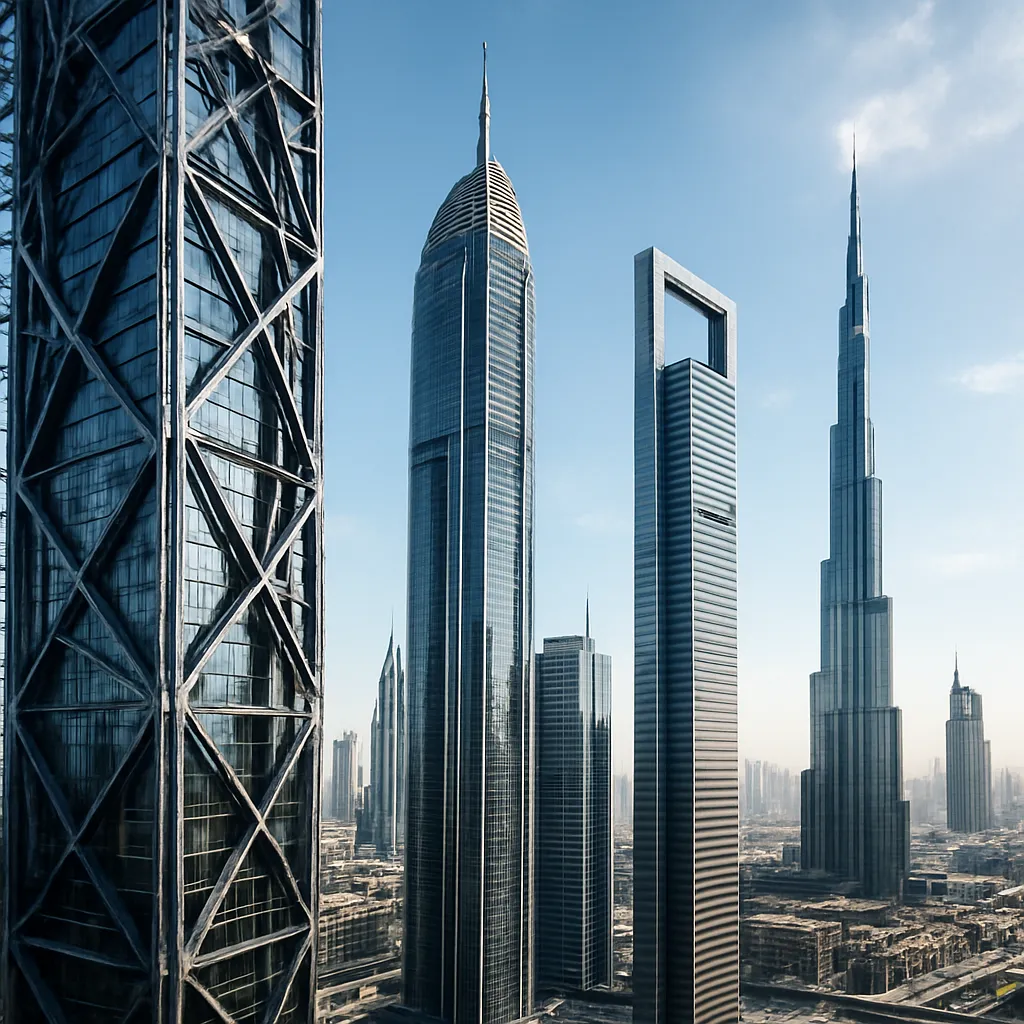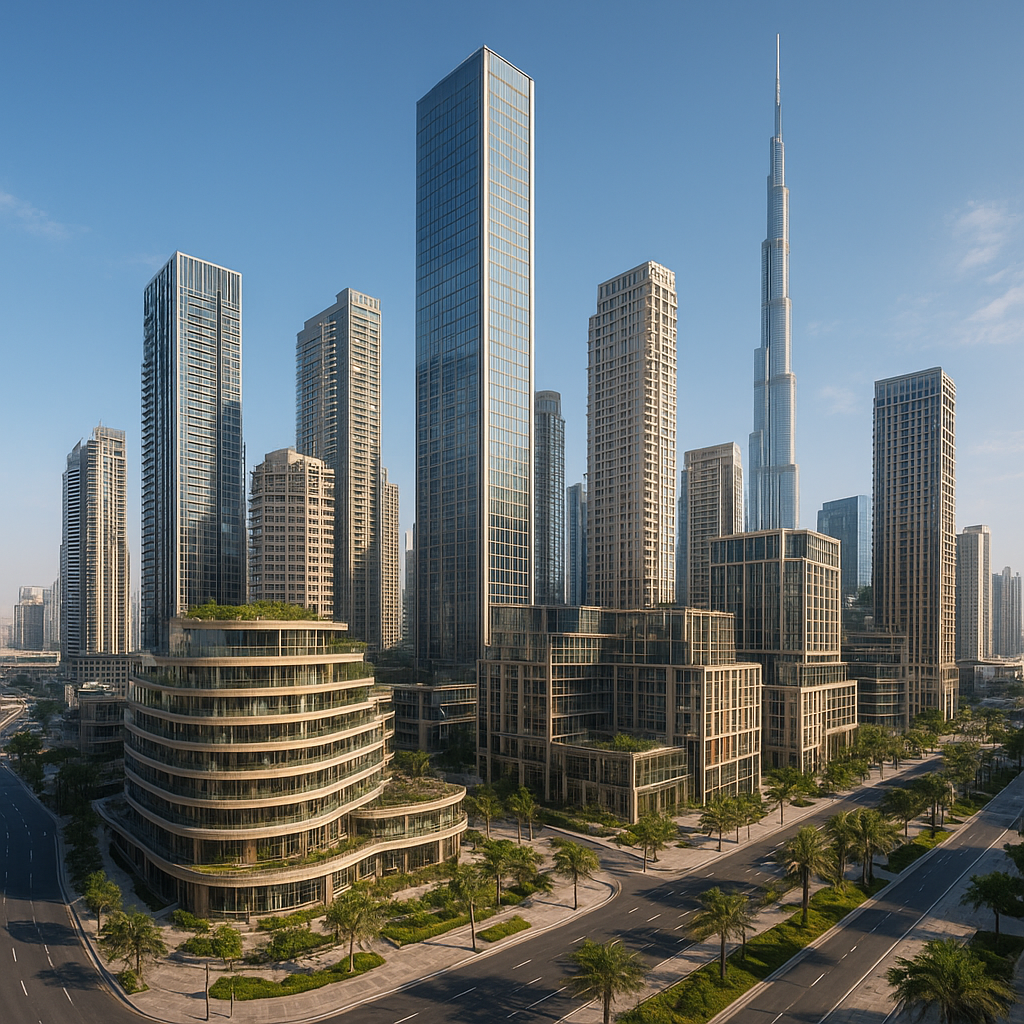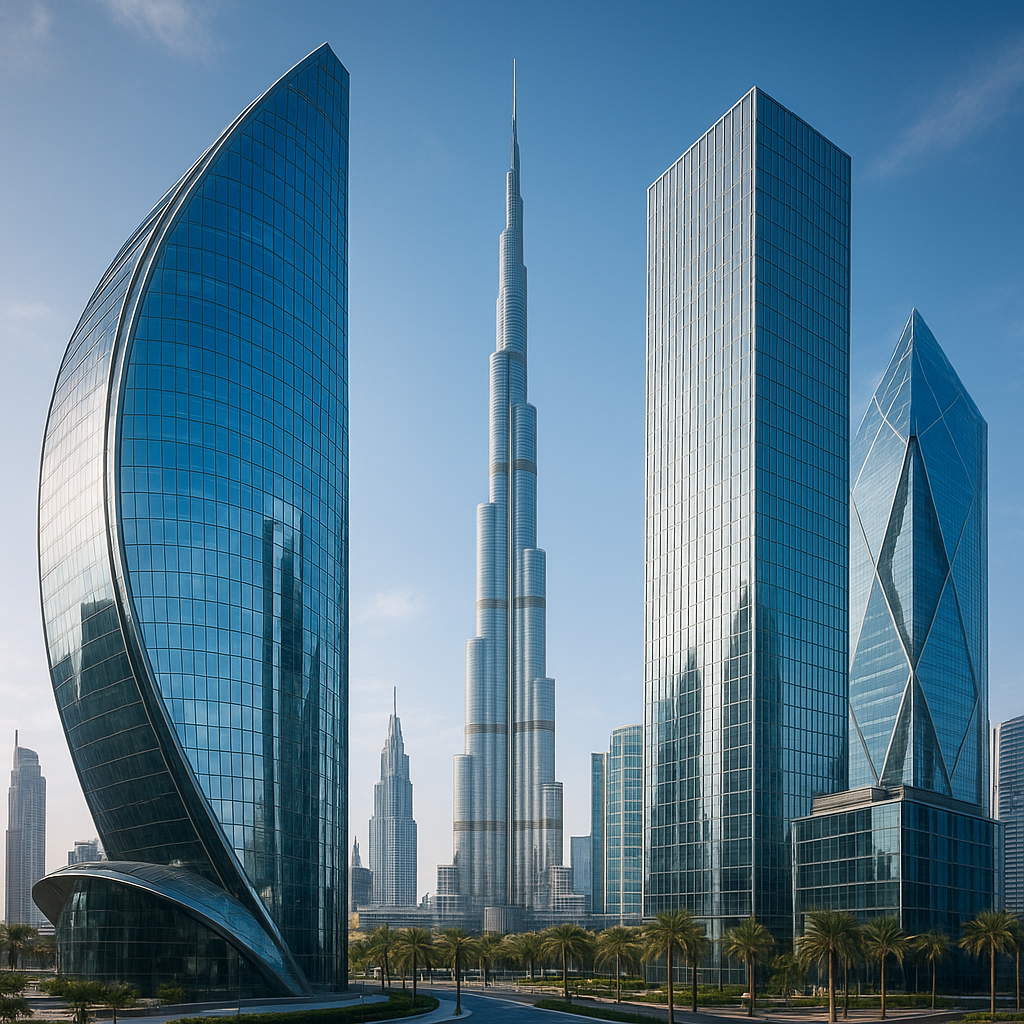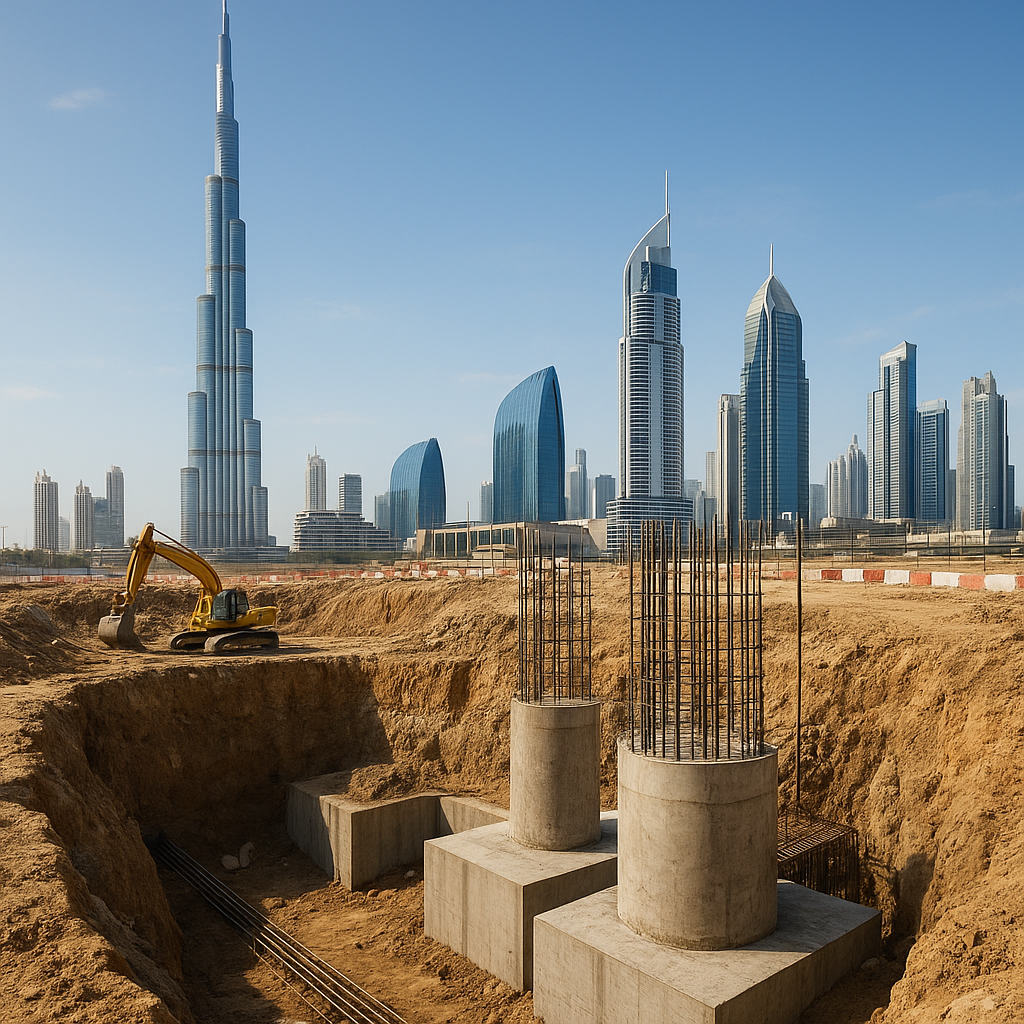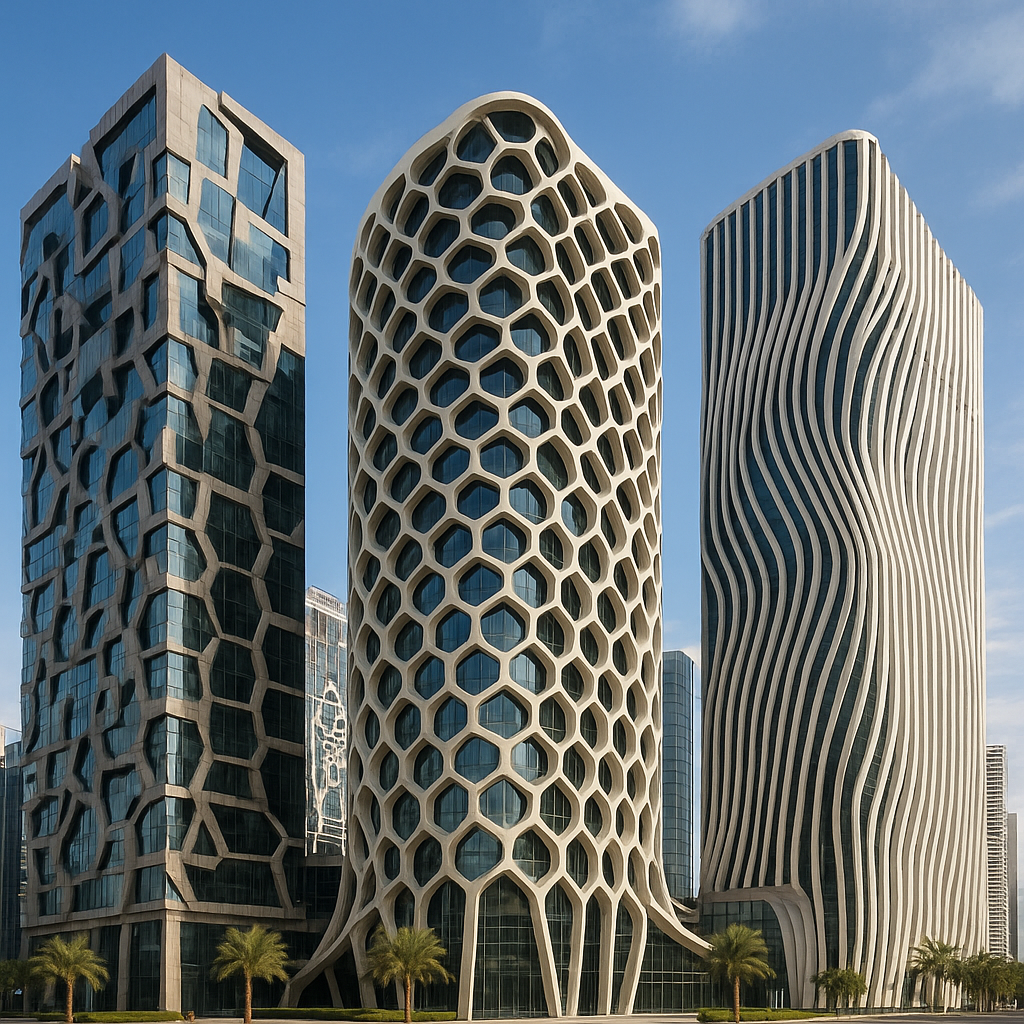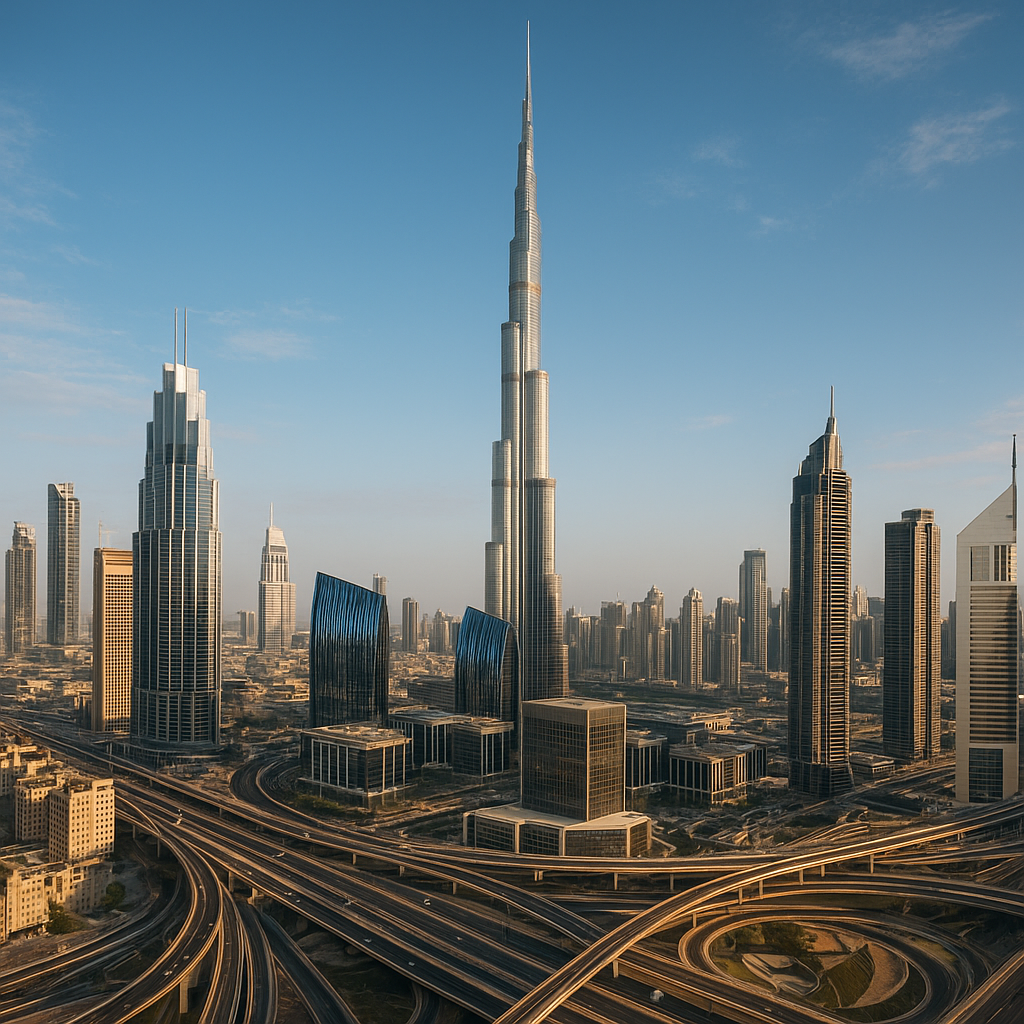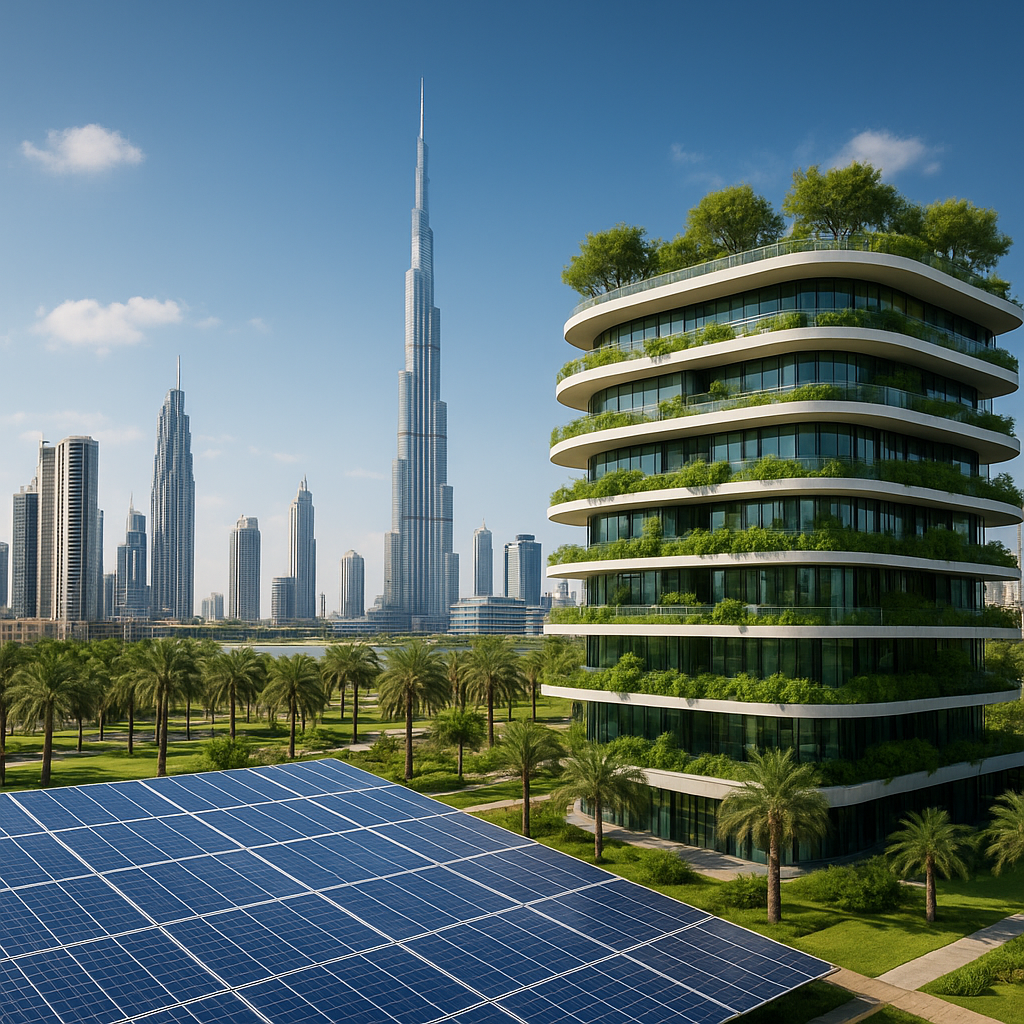
Dubai’s skyline has become synonymous with cutting-edge architecture and visionary urban planning. As the city evolves into a global hub, its authorities have placed a strong emphasis on integrating sustainability into every aspect of the built environment. Robust building codes now shape the way developers, engineers, and designers approach new projects, ensuring long-term resilience, resource conservation, and community well-being.
Regulatory Evolution of Building Codes
Dubai’s transformation from a desert outpost to a thriving metropolis has been guided by adaptive regulations. Early construction was driven by speed and scale, with little attention to environmental impact. However, the rapid urbanization and global focus on climate change prompted regulators to revise standards, embedding energy and water efficiency into the legal framework.
Historical Context
Before the mid‐2000s, building regulations prioritized basic structural and fire safety requirements. As global dialogues on sustainable development intensified, Dubai’s government recognized the need for a paradigm shift. In 2006, the Dubai Municipality introduced initial guidelines encouraging passive design techniques. These guidelines gradually evolved into mandatory codes, reflecting international best practices and local conditions.
Major Legal Frameworks
- Dubai Green Building Regulations (DGBR): Enacted in 2010, this set of rules became the cornerstone for all new construction, demanding compliance with thermal performance, water-saving fixtures, and waste management protocols.
- General Specifications for Construction: Updated in 2015 to include strict thresholds for material sourcing, indoor air quality, and site disturbance controls.
- Dubai Carbon Abatement Strategy: Launched in 2017 to align building sector emissions with the UAE’s broader climate goals, requiring large projects to offset a portion of their carbon footprint.
Key Principles of Sustainable Design
The modern building code in Dubai is driven by a few core principles that together form a holistic approach to sustainability. Each principle addresses a vital dimension of environmental stewardship, occupant health, and economic viability.
Energy Efficiency
Reducing energy demand is the first line of defense against resource depletion and emissions. Dubai’s climate poses unique challenges, with intense solar radiation and high cooling loads. Codes now mandate:
- High-performance insulation in walls and roofs to minimize heat gain.
- Efficient HVAC systems with variable speed drives and advanced controls.
- Smart metering and building automation for real-time monitoring and adaptive response.
Water Conservation
Water scarcity in arid regions like the UAE necessitates rigorous conservation measures. Regulations enforce:
- Low-flow plumbing fixtures and greywater recycling for landscape irrigation.
- Rainwater harvesting and underground storage in large developments.
- Smart irrigation schedules linked to meteorological data to prevent overwatering.
Material Selection and Waste Management
Responsible sourcing and waste reduction minimize environmental degradation. Key requirements include:
- Use of locally available or recycled construction materials with verified environmental product declarations.
- On-site segregation of demolition and construction waste, with mandatory recycling targets.
- Life-cycle assessments to ensure products deliver long-term benefits rather than short-term gains.
Implementation and Challenges
Translating policy into practice demands close coordination among stakeholders. Successful implementation hinges on training, enforcement, and continuous innovation, but obstacles remain.
Stakeholder Collaboration
Compliance with Dubai’s building codes involves developers, consultants, contractors, and government inspectors. Collaborative platforms have been established to:
- Share knowledge through workshops and certification courses.
- Facilitate early-stage design reviews to identify conflicts with sustainability targets.
- Offer incentives such as expedited approvals and density bonuses for projects exceeding baseline requirements.
Technological Innovations
Embracing emerging technologies accelerates compliance and elevates performance:
- Building Information Modeling (BIM) integrates code-checking modules to detect nonconformities before construction.
- IoT sensors embedded in facades and mechanical systems enable predictive maintenance and occupancy-based control.
- Advanced glazing solutions, such as electrochromic glass, dynamically regulate solar heat gain and natural light.
Compliance and Monitoring
Effective enforcement requires robust verification mechanisms. Dubai’s authorities have implemented:
- Mandatory submission of energy simulation reports and water balance calculations.
- On-site inspections at critical milestones, such as enclosure completion and final commissioning.
- Post-occupancy evaluations to verify that performance aligns with design intent and code thresholds.
Despite these measures, challenges persist. The rapid pace of development can outstrip regulatory capacity, creating backlogs and inconsistencies. Additionally, some stakeholders view sustainability requirements as cost drivers, underscoring the need for clear communication on long-term operational savings and social benefits.
Future Directions and Emerging Trends
Dubai’s vision for a sustainable urban future extends beyond code compliance. Innovation and ambition continue to raise the bar for what constitutes a truly green and resilient cityscape.
Smart City Integration
The integration of buildings into a citywide smart grid allows for:
- Real-time demand response, where buildings adjust consumption during peak periods in exchange for financial incentives.
- Distributed energy resources, such as rooftop photovoltaics and battery storage, which stabilize the grid and empower communities.
- Data-driven urban planning, leveraging aggregated performance metrics to optimize infrastructure investments.
Renewable Energy Adoption
Dubai’s target of achieving a significant share of clean energy by 2030 necessitates building-level contributions:
- Mandatory solar readiness provisions in new construction, ensuring roofs and facades can host PV systems.
- Net-zero energy building pilots that combine efficiency measures with on-site generation to achieve annual energy balance.
- Innovative financing models, such as green bonds and energy service agreements, to lower upfront costs and spread financial risk.
Resilience and Climate Adaptation
Beyond emissions reduction, resilience planning helps buildings withstand extreme events:
- Designing for thermal comfort during power outages, using passive ventilation and high thermal mass.
- Elevating critical systems above flood-prone levels and incorporating flood barriers at vulnerable sites.
- Using urban greening and reflective surfaces to mitigate urban heat island effects.
By continually updating codes to reflect the latest research and best practices, Dubai ensures that its built environment remains at the forefront of sustainable development. Through rigorous standards, stakeholder engagement, and forward-looking policies, the city charts a path toward a healthier, low-carbon future for residents and businesses alike.