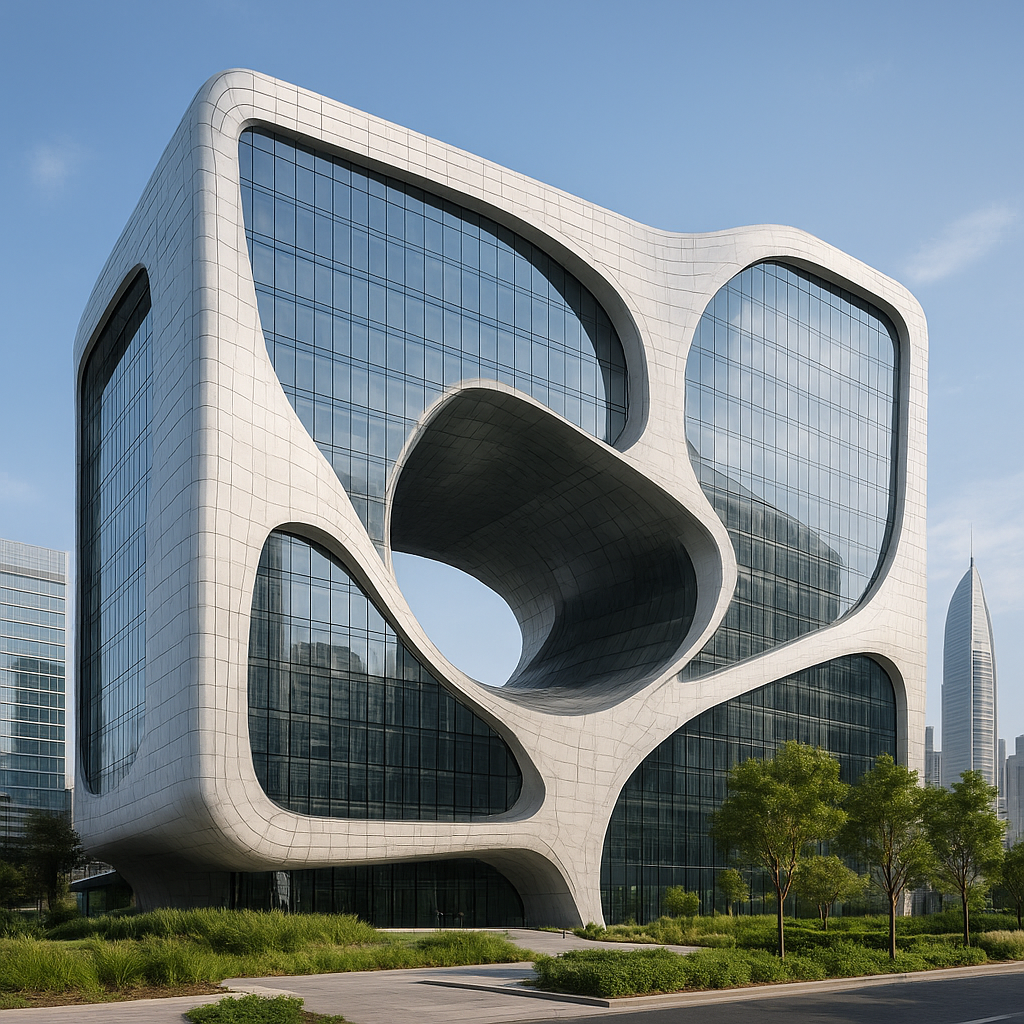
The Opus, conceived by the visionary architect Zaha Hadid, represents a striking fusion of form and function in the heart of Dubai’s Business Bay district. This mixed-use development challenges traditional notions of office and hospitality spaces, integrating a central void that unites two asymmetrical towers. Beyond its sculptural silhouette, The Opus exemplifies a commitment to sustainable design principles, responding to the unique climatic and cultural context of the United Arab Emirates. Through innovative strategies in façade engineering, energy management, and spatial planning, the project sets a new benchmark for architecture in a city defined by its relentless pursuit of the futuristic and the extraordinary.
Contextual Innovation in Dubai’s Skyline
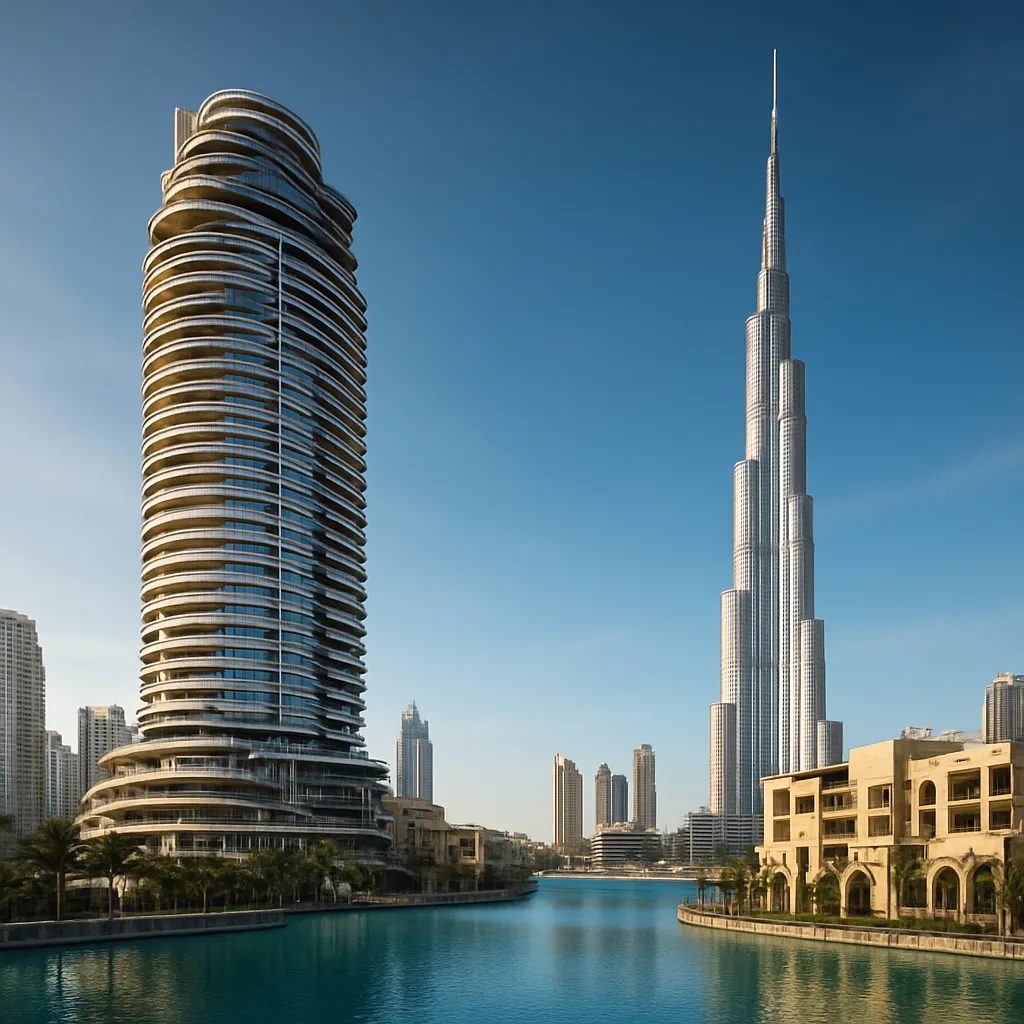
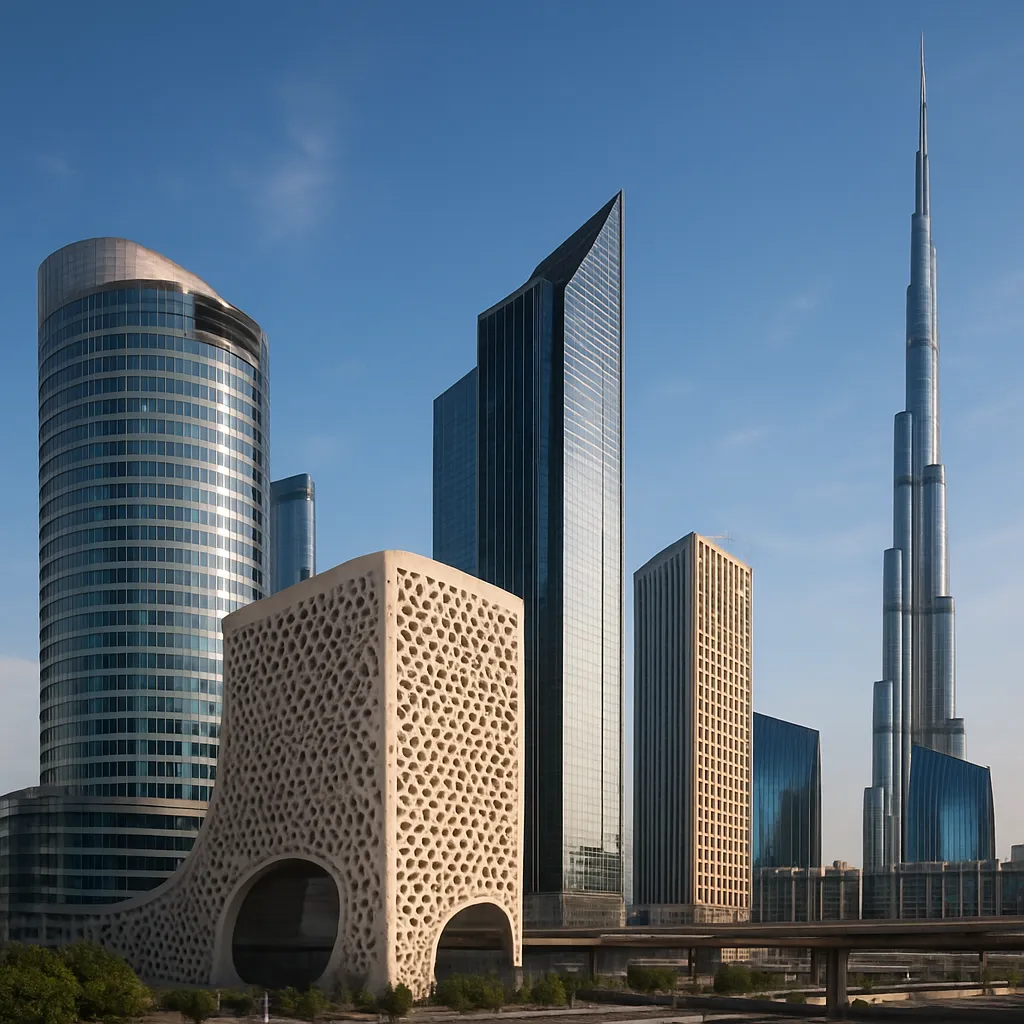
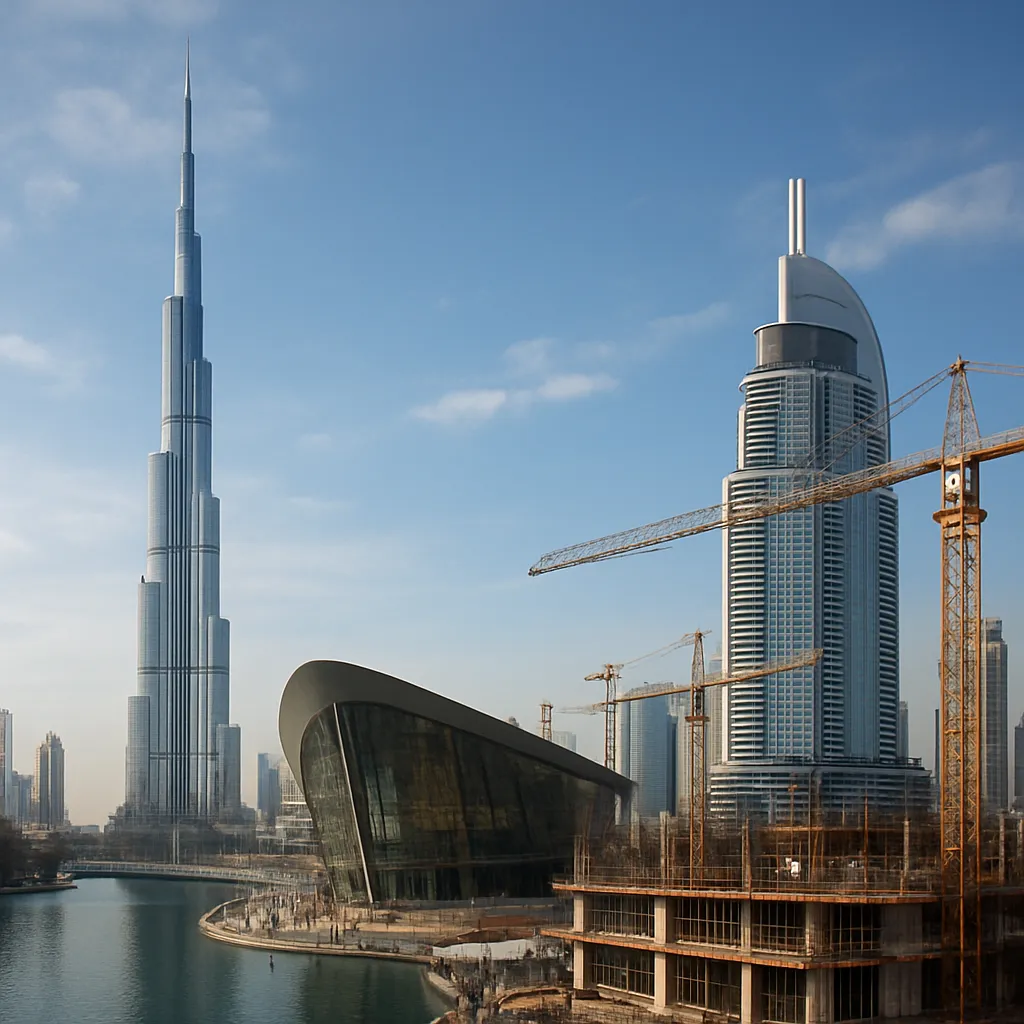
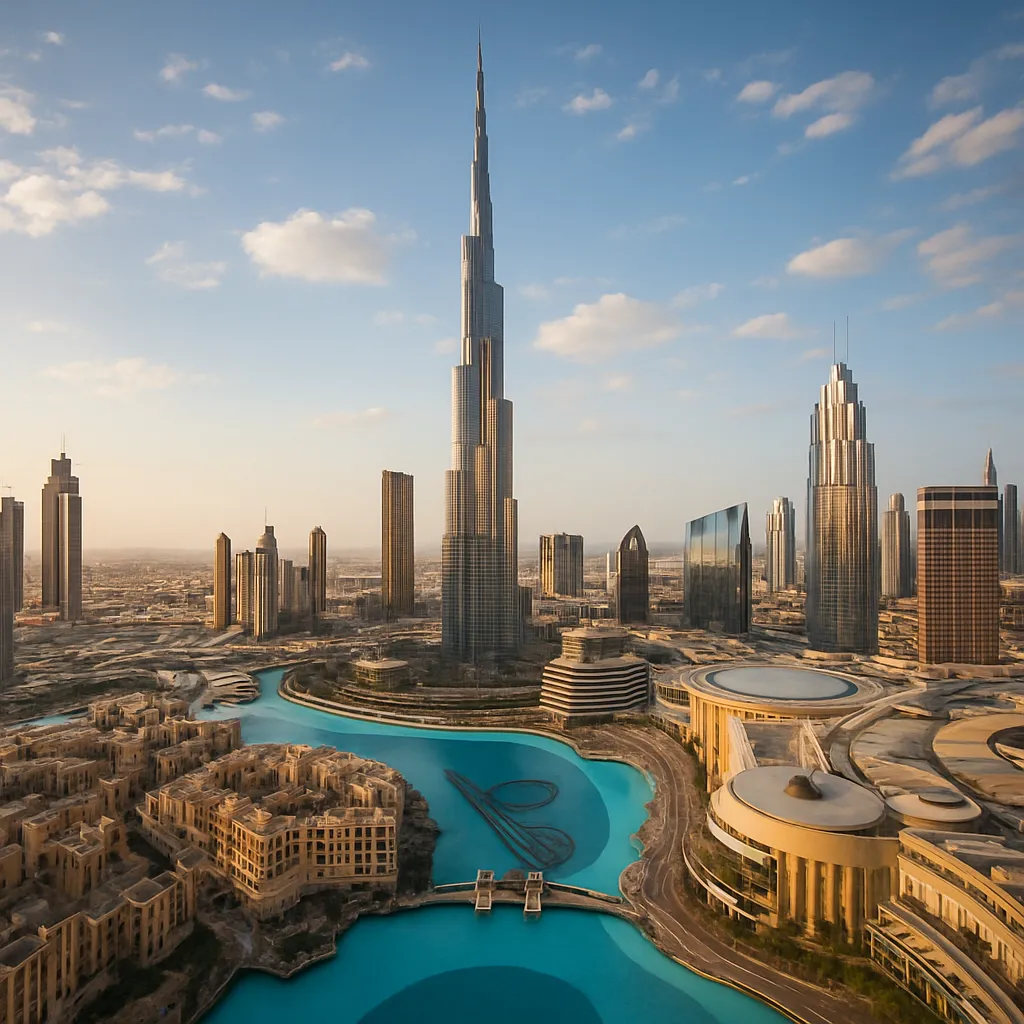
Dubai’s built environment is renowned for its audacious skyscrapers and record-breaking feats of engineering. Amidst this backdrop, Zaha Hadid Architects introduced The Opus as a counterpoint to more orthodox high-rise typologies. Its sinuous form and central void create a dynamic innovation in urban massing, marking a departure from rigid orthogonal blocks. The building’s location—adjacent to the Burj Khalifa district and linked to major transport arteries—demands a design that not only captivates visually but also responds intelligently to its setting.
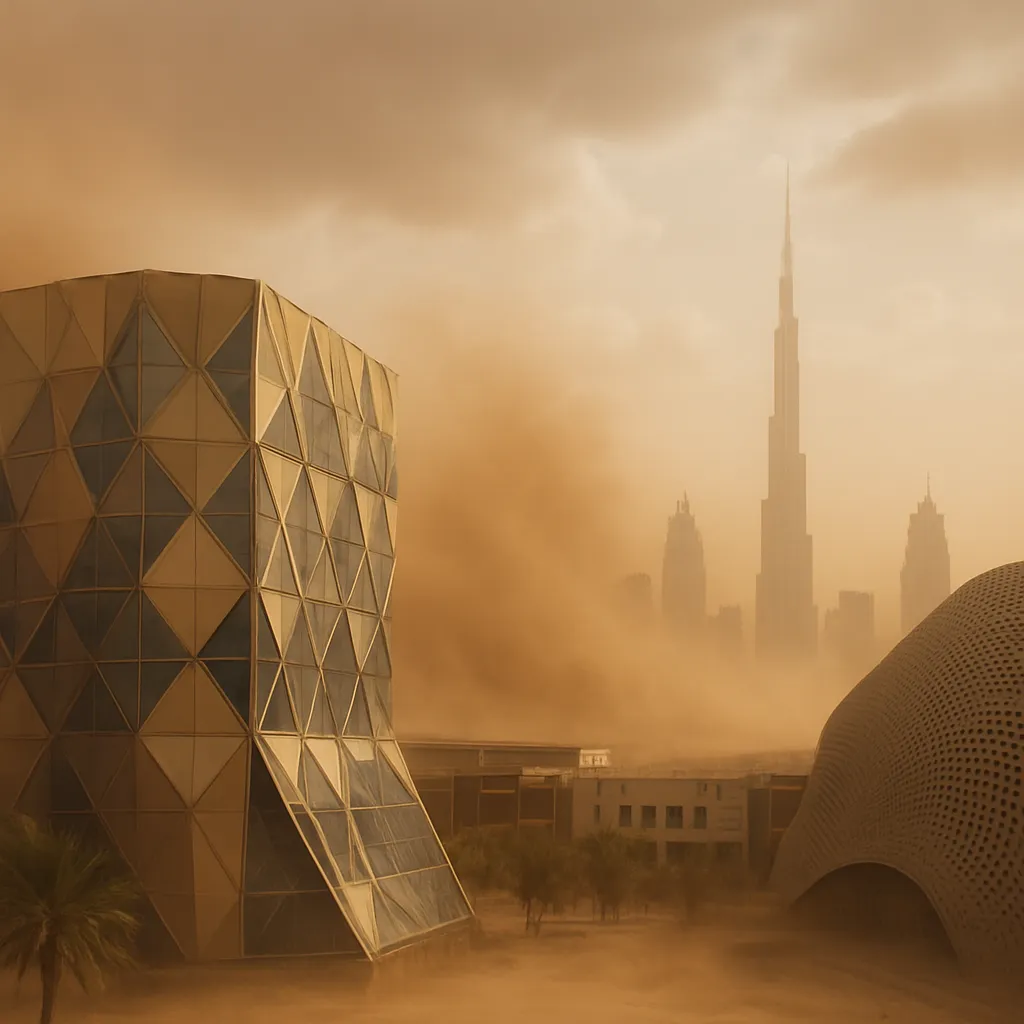
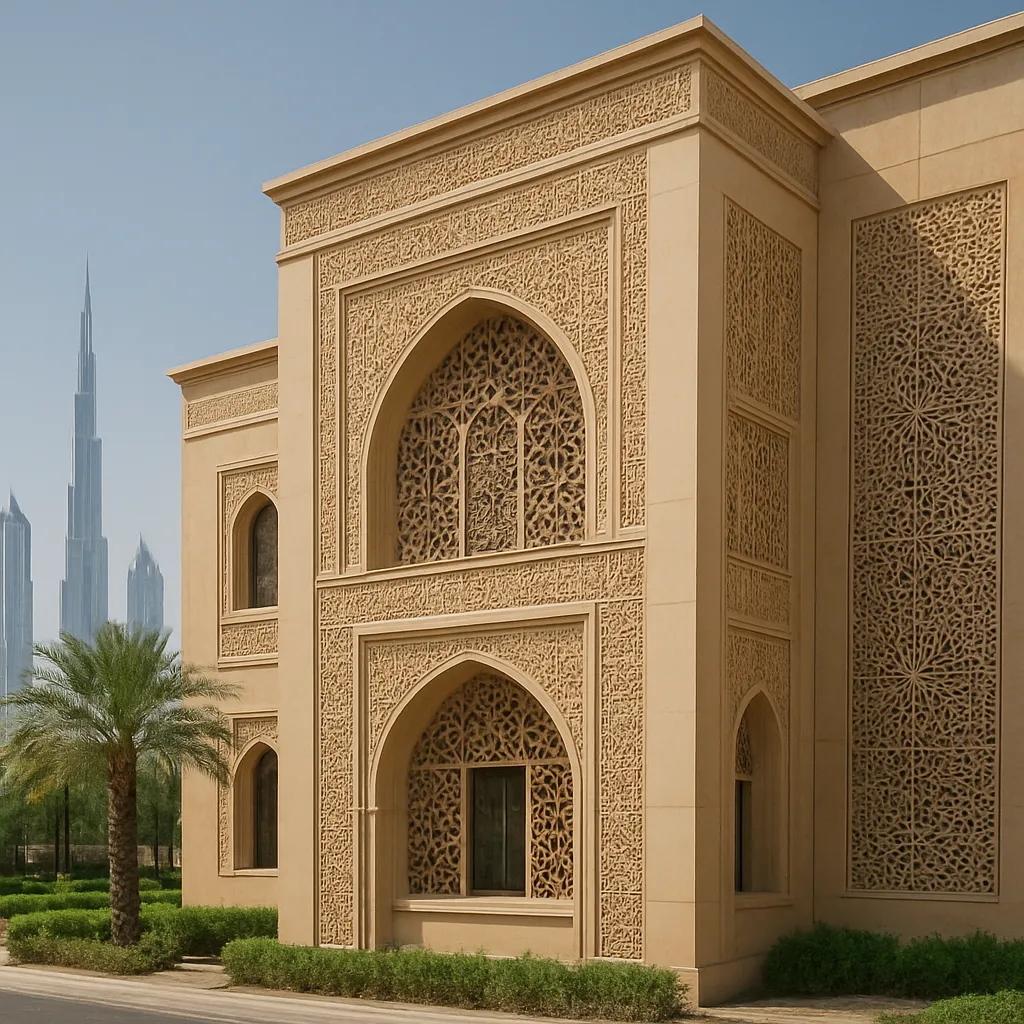
The Opus carries forward Dubai’s ethos of pushing architectural boundaries while embedding regional considerations. Its fluid geometry draws inspiration from natural desert formations and the flowing movement of sand dunes. By doing so, the building forges a symbolic link between the city’s rapid modernization and the timeless landscape that surrounds it.
Dynamic Sustainable Strategies
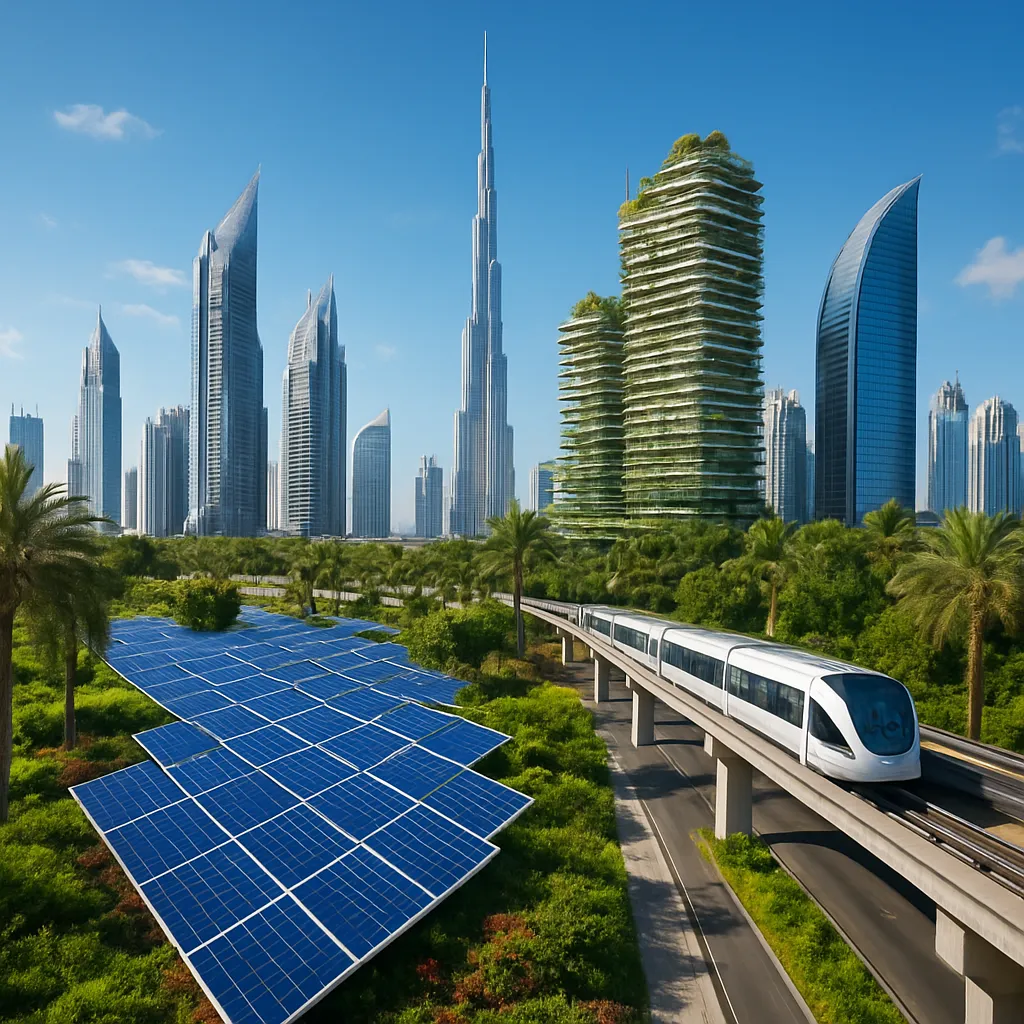
Central to The Opus’s performance is a suite of environmentally responsible measures tailored to the harsh desert climate. These strategies aim to minimize resource consumption and enhance occupant comfort throughout the year.
- Facade Optimization: The double-skin glass façade filters solar radiation, reducing heat gain by over 30%. High-performance glazing panels are angled to reflect direct sun during peak hours while allowing diffused daylight to penetrate the interiors.
- Shading Devices: Integrated louvers and external brise-soleils provide seasonal adaptability. Automated sensors adjust the shading elements to maintain optimal lighting conditions and prevent glare.
- Natural Ventilation: Inhabitants benefit from strategically placed operable windows within the central atrium, promoting cross-ventilation and reducing reliance on mechanical cooling.
- Energy Recovery Systems: A heat-exchange network captures waste heat from air-conditioning units to pre-heat water supply, boosting overall efficiency and lowering operational costs.
- Rainwater Harvesting: Although rainfall in Dubai is scarce, every drop is valuable. The Opus channels collected rainwater for landscape irrigation and cooling tower makeup, conserving potable water.
Together, these measures contribute to an anticipated 25% reduction in annual energy use compared to a conventional tower of similar scale. The building is pursuing LEED Gold certification, reflecting its rigorous environmental performance targets.
Integration with Urban Fabric and Community
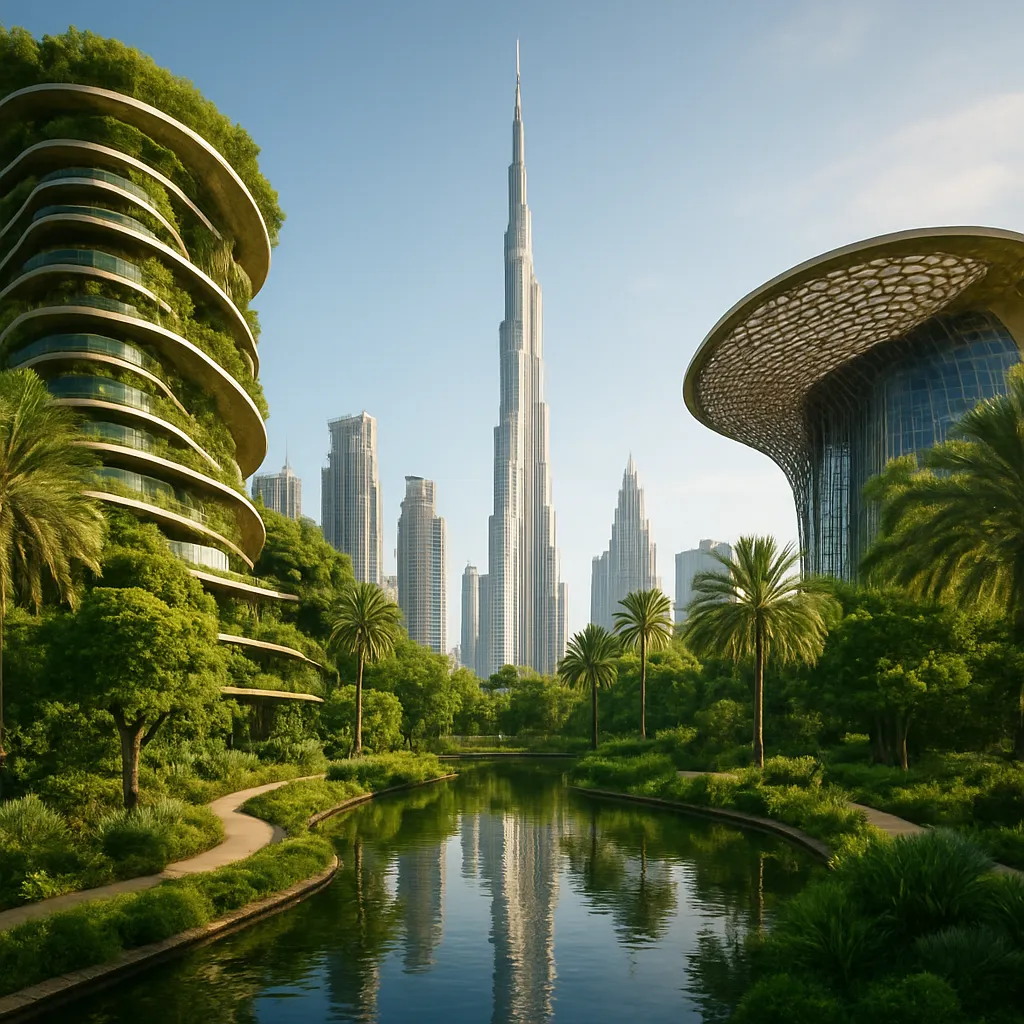
Beyond its technical feats, The Opus embeds itself within the social and cultural tapestry of Dubai. The ground level features a porous public realm, blurring the boundary between private offices, a boutique hotel, and communal spaces. A glazed atrium covers a central courtyard where landscaping and water features create a microclimate that cools the surrounding plaza.
The design encourages pedestrian flow, linking adjacent commercial zones, public transport nodes, and cultural venues. Retail outlets, cafés, and exhibition spaces animate the podium, fostering a sense of community and engagement. By activating the street frontage and providing visual transparency, the building invites passersby to experience its innovative spatial sequences.
Inside, shared work lounges and meeting rooms offer flexible settings for professionals, while the hotel component presents luxury suites overlooking the iconic void. This mixed-use approach reflects a holistic vision of urban life, where work, leisure, and social interaction coexist seamlessly.
Material Selection and Construction Methods
The material palette for The Opus emphasizes durability and environmental responsibility. High-performance concrete with supplementary cementitious materials reduces the project’s embodied carbon. The structural frame utilizes locally sourced steel, minimizing transportation impacts and ensuring robustness against seismic and wind loads.
- Composite Floor Slabs: Lightweight hollow core elements decrease structural weight and accelerate construction timelines.
- Recycled Content: Interior finishes such as carpets, panels, and insulation materials contain at least 30% recycled or reclaimed content, aligning with circular economy principles.
- Low-VOC Adhesives and Coatings: Indoor air quality is safeguarded through the use of adhesives and paints with minimal volatile organic compounds.
- Modular Façade Panels: Prefabricated units were assembled off-site, reducing waste and streamlining installation. Precision engineering allowed tight tolerances to maintain the building’s fluid profile.
Construction management employed Building Information Modeling (BIM) to coordinate multidisciplinary workflows, optimize material quantities, and mitigate clashes. Real-time monitoring of waste streams and site logistics contributed to a reduction of on-site landfill disposal by 40%.
Advancing Future Trends in High-Rise Design
The Opus serves as a prototype for next-generation towers in hot climates. Its integration of advanced façades, renewable resource management, and adaptive public spaces informs the broader evolution of skyscraper design. Lessons learned from its development are already influencing new projects in the Gulf region and beyond.
One significant outcome is the proven viability of central voids as both aesthetic gestures and performance enhancers. By creating a transitional zone between exteriors and interiors, designers can optimize daylighting, ventilation, and social interaction. This concept, once experimental, now appears in proposals for community hubs, mixed-use complexes, and cultural landmarks.
Moreover, The Opus underscores the importance of digital tools in achieving precision and sustainability. From parametric modeling of its sweeping curves to data-driven facility management systems, technology has become inseparable from the creative process. The building’s success encourages continued exploration of computational design in the quest for ever more efficient and inspiring forms.
Embodying Fluidity and Vision
Zaha Hadid’s legacy endures through The Opus, where every aspect of the project—its sweeping geometry, performance-driven strategies, and urban permeation—reflects a commitment to fluidity and forward thinking. The structure stands as a testament to Dubai’s ambition, showcasing how city and architect can collaborate to produce something both beautiful and responsible.
In redefining the possibilities of high-rise living and working environments, The Opus paves the way for a future where architecture not only amazes the eye but also nurtures the planet. Its story continues to inspire professionals, policymakers, and communities striving for a more cutting-edge approach to building design—one that honors the culture, climate, and aspirations of its locale.