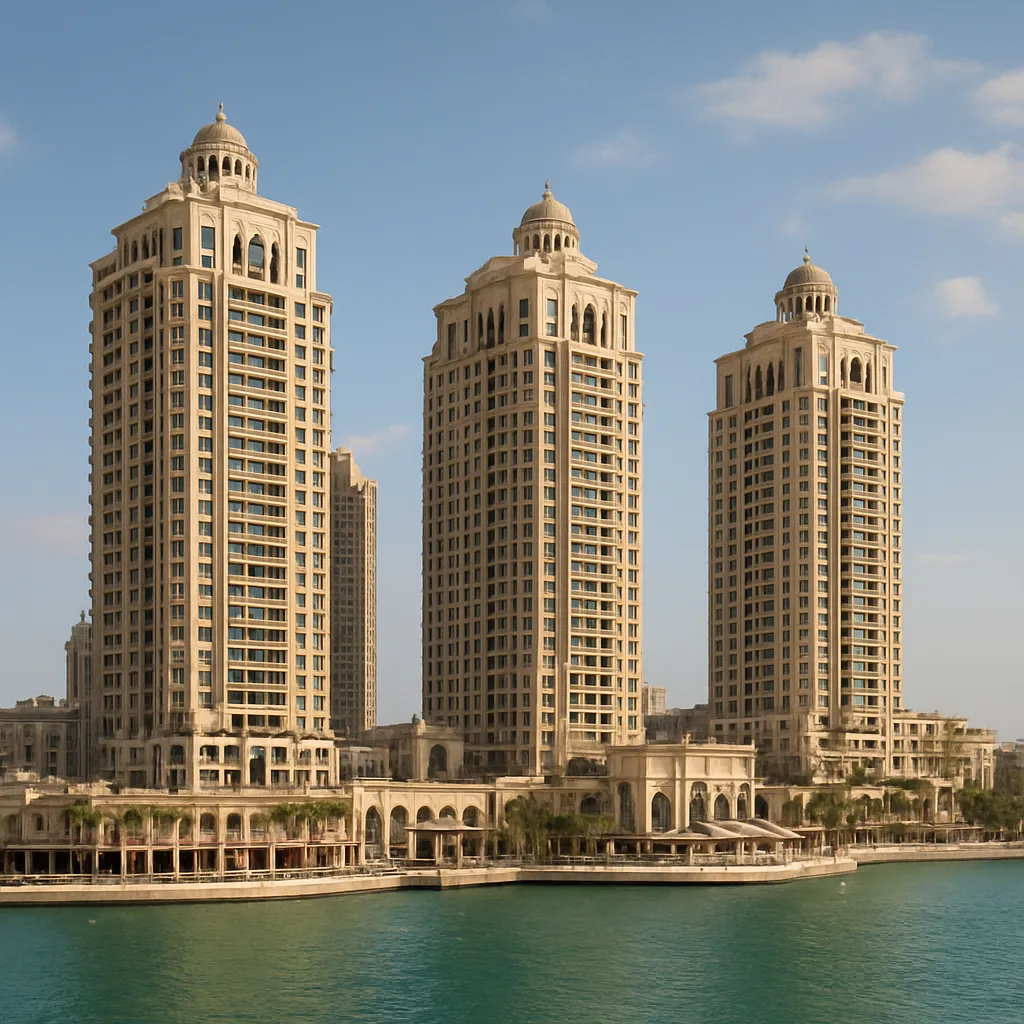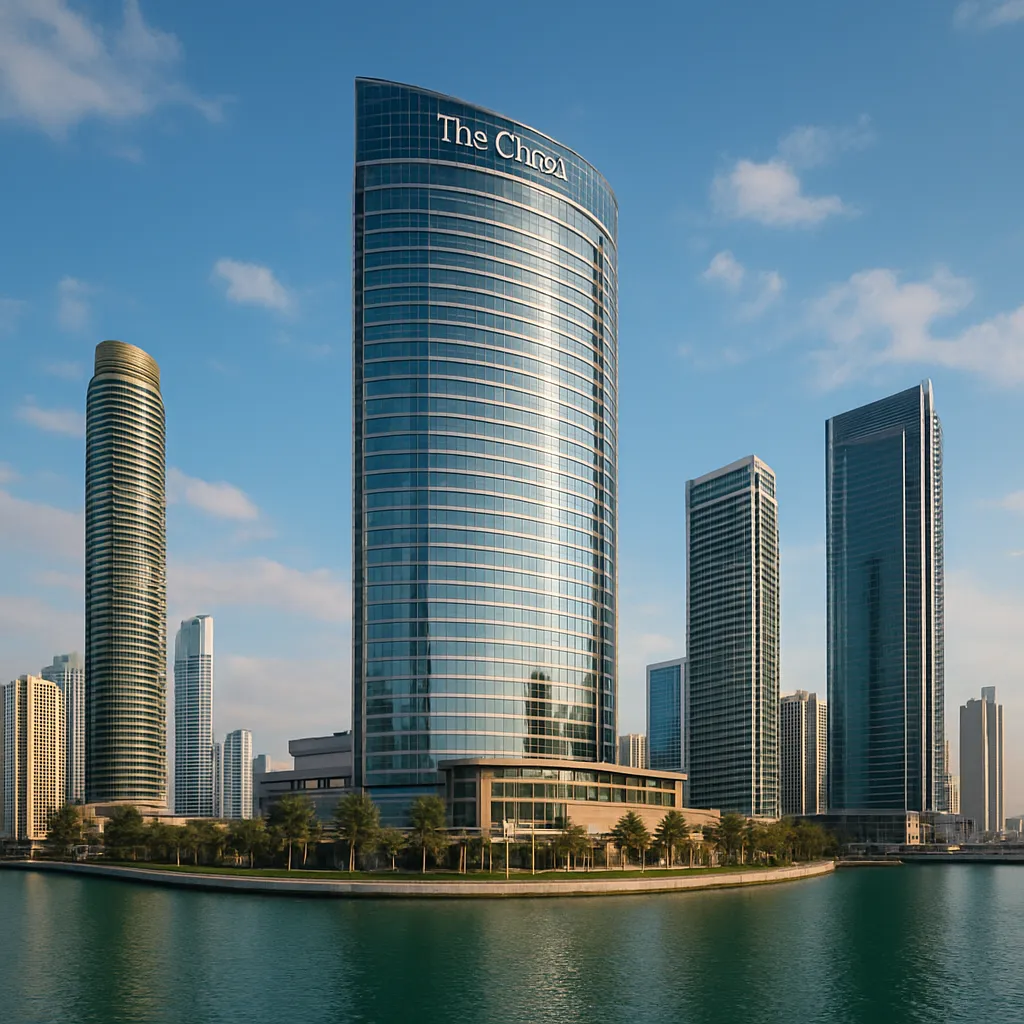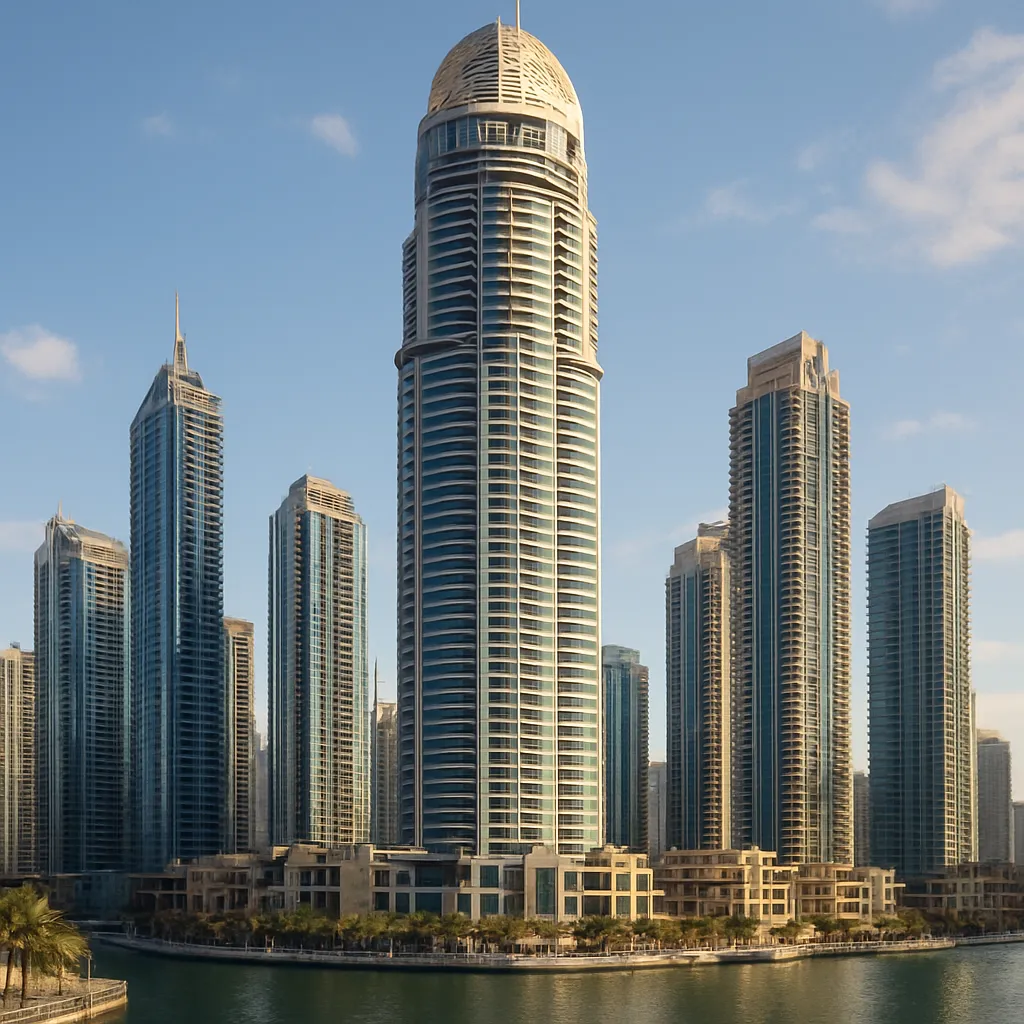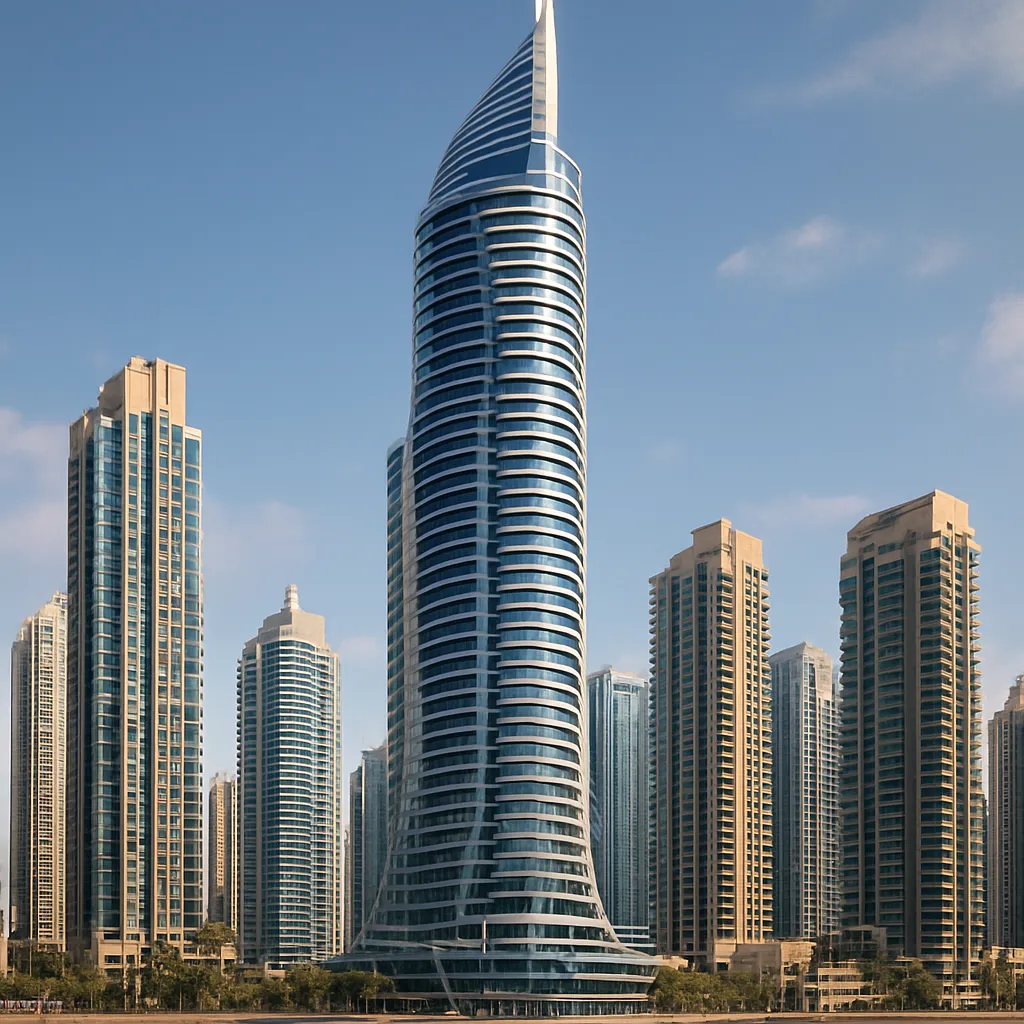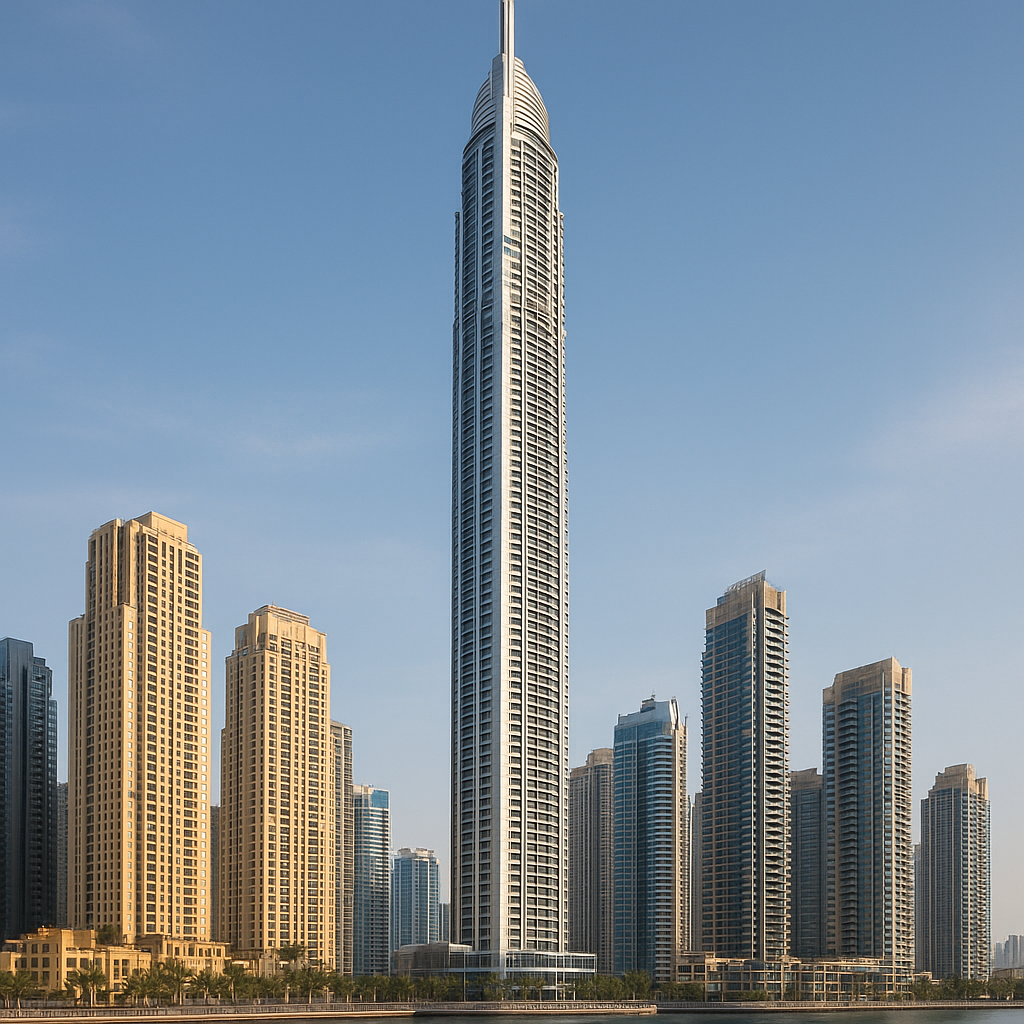
The Torch Tower, commonly known simply as The Torch or Marina Torch, is one of Dubai Marina’s most prominent and discussed high-rises. Rising above a district famous for its waterfront promenade, glittering yachts and dense cluster of skyscrapers, this tower has attracted global attention for its height, residential focus, and highly publicized safety incidents. In this article we explore where the building is located, what it is known for, key architectural and engineering features, statistical data, and lesser-known facts that help explain why The Torch remains a defining element of Dubai’s modern skyline.
Location and urban context
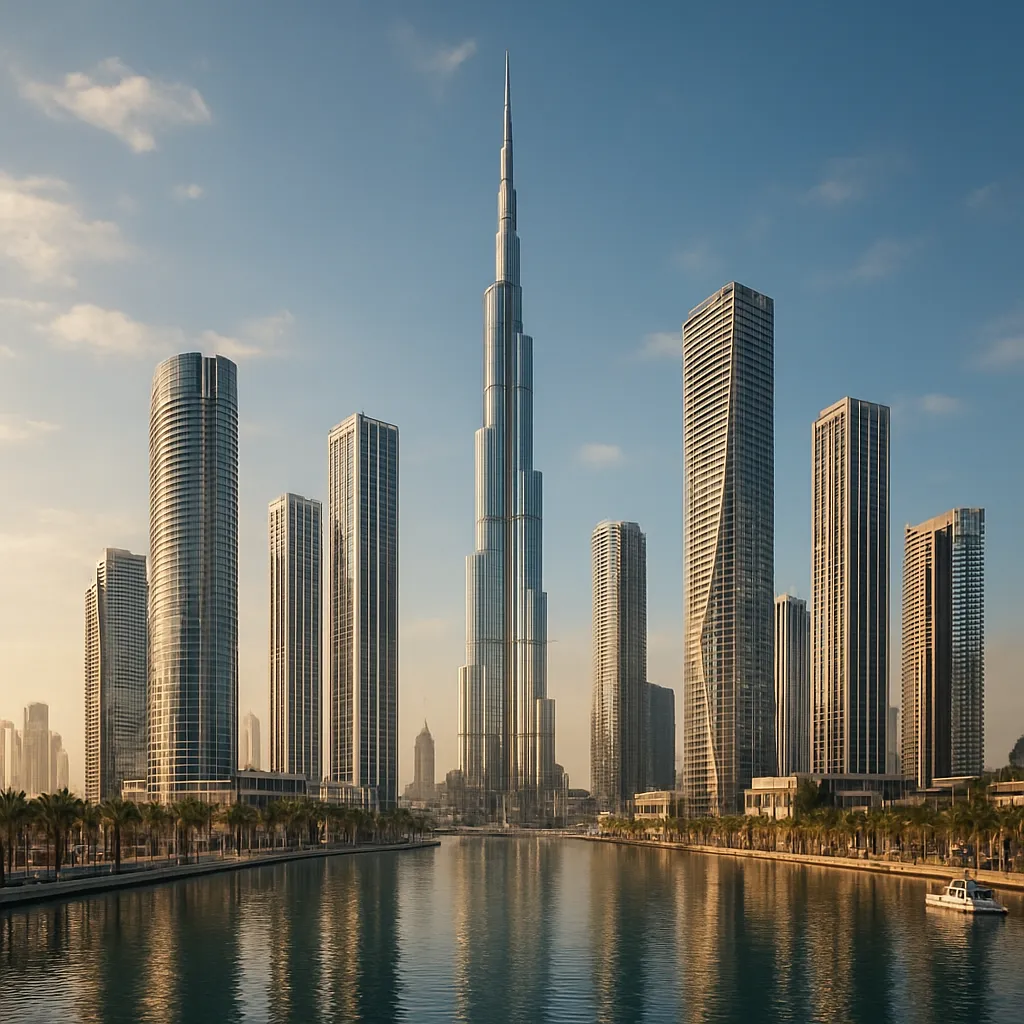
The Torch sits in the heart of Dubai Marina, a planned waterfront community along an artificial canal carved out of the Arabian Gulf coastline. Dubai Marina is one of the emirate’s most photographed neighborhoods, characterized by luxury apartment towers, leisure promenades, dining, and easy access to the Jumeirah Beach Residence (JBR) and Sheikh Zayed Road. The tower’s exact presence on the marina emphasizes both dramatic views of the water and proximity to Dubai’s major transport and commercial arteries.
Dubai Marina was developed during the 2000s building boom, and The Torch became one of the landmark completions that symbolized the district’s transformation into a high-density residential and tourist hub. Its location provides residents quick access to:
- Marina Walk and waterfront leisure facilities
- Retail and hospitality offerings in JBR
- Major highways (Sheikh Zayed Road) linking to Downtown Dubai and Dubai International Financial Centre
- Nearby metro and tram connections that serve the greater city
Architecture, materials and design features
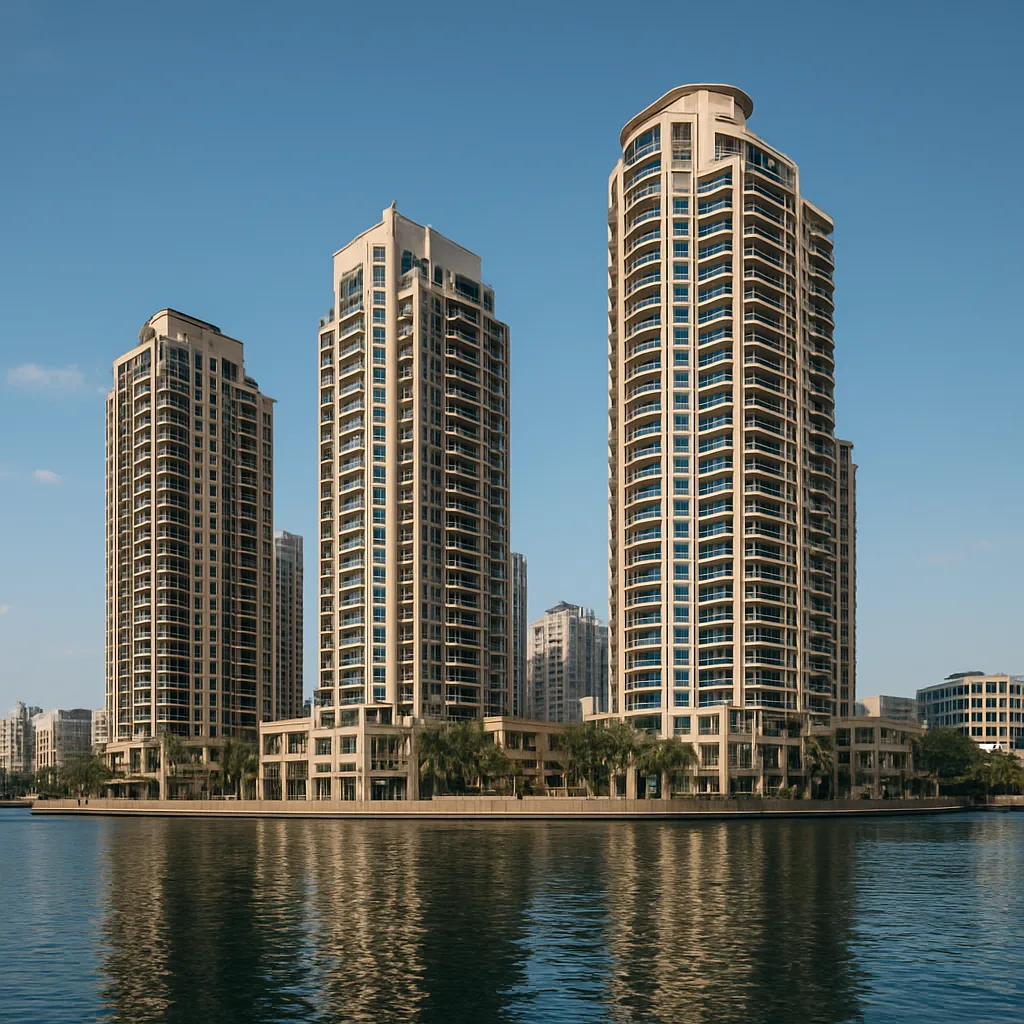
The Torch was designed with a primary focus on high-rise residential use. Visually, the tower presents a slim, tapering silhouette that helps reduce the perceived mass and provides panoramic marina views for many of the apartments. Its exterior originally featured a curtain-wall system and cladding typical of many high-rise towers of the era.
Notable architectural and engineering characteristics:
- Residential layout – The building comprises a large number of individual apartments of varying sizes, designed to appeal to both long-term residents and investors seeking rental income in a tourist and expatriate-centric neighborhood.
- Concrete structural core – Like many tall residential towers, The Torch relies on a reinforced concrete core for lateral stability and a reinforced concrete framed structure for floor plates; this system provides robustness under wind and seismic loads.
- Vertical circulation – Multiple high-speed elevators were installed to serve the tower’s many floors, with separate service lifts for logistics and maintenance.
- Amenities – The original fit-out and subsequent upgrades included swimming pools, fitness facilities, parking decks, and landscaped podium areas that are part of the tower’s residential appeal.
Records, statistics and key numbers
The Torch achieved international attention partly because of its scale and ranking among residential towers worldwide. Below are the most widely reported statistics and figures associated with the building. Where precise values vary by source, commonly cited figures are given; some numbers are approximate due to reporting differences across years.
- Height (approx.): about 335–340 metres (roughly 1,100–1,115 feet). This figure places the tower among the world’s taller residential towers at the time of its completion.
- Floors: commonly reported as 86 storeys above ground. This high floor count contributed to its early recognition as one of the tallest residential buildings globally.
- Completion and opening: construction completed and building delivered around 2010–2011; the tower became fully operational for residents shortly thereafter.
- Use: predominantly residential with numerous apartments, as well as typical podium amenities and support facilities.
- Apartment count (approx.): several hundred units — various sources suggest numbers in the mid-hundreds, reflecting a mix of studio, one-bedroom, two-bedroom and larger units.
- Rankings: upon completion it was widely reported as one of the tallest residential buildings in the world; it held or contested the title briefly before other Dubai towers (e.g., Princess Tower) and global projects surpassed it.
History and timeline
The Torch was developed amid Dubai’s rapid skyline expansion in the 2000s. Key moments in the tower’s timeline include planning and construction in the mid-to-late 2000s, completion around 2010–2011, and later public scrutiny due to high-profile fires that occurred on the building’s external façade in subsequent years. Over time the building has undergone maintenance, recladding efforts and safety upgrades designed to improve fire performance and external appearance.
Fires, safety issues and retrofitting
One of the most discussed episodes in The Torch’s recent history is the major cladding fire that occurred in early 2015. The blaze spread rapidly via combustible external cladding on the façade, producing dramatic imagery and raising urgent questions about high-rise fire safety, cladding materials and emergency procedures in Dubai and other cities with similar construction typologies.
Important points about the 2015 incident and aftermath:
- Rapid external spread: The fire moved quickly along the exterior surface, primarily affecting the cladding and outer envelope rather than interior compartments, which highlighted the risks of aluminum composite panels and other combustible façade materials used across many towers.
- Evacuation and emergency response: Evacuation of residents was carried out, and emergency services responded under complex conditions. The event prompted reviews of evacuation procedures and building management practices across Dubai Marina and beyond.
- Retrofitting and recladding initiatives: Following the incident, building owners and municipal authorities placed renewed emphasis on recladding and installing fire breaks, replacing susceptible materials with more fire-resistant alternatives, and improving inspection regimes.
- Public discourse and regulation: The blaze became a catalyst for regulatory change, driving revisions to façade regulations, testing protocols for cladding materials, and more rigorous enforcement in various jurisdictions.
Living experience and amenities
Despite the negative headlines that have occasionally surrounded the structure, The Torch remains a desirable address for many residents due to its location, views and lifestyle offerings. Living in a tower of this scale presents a particular set of benefits and trade-offs:
- Views and positioning: Units with marina or skyline views command premium rents and attract those seeking a central urban waterfront lifestyle.
- Amenities: Residents typically benefit from on-site pools, gyms, concierge services, and covered parking—amenities that support both daily living and short-term leasing.
- Community: Large towers like The Torch foster micro-communities within a single building, where services, management and shared spaces become central to social life.
- Property market dynamics: Dubai Marina remains a hotspot for investor activity; properties in iconic towers are often sought by overseas buyers seeking rental yields and urban living experiences.
Engineering lessons and broader implications
The incidents at The Torch contributed to a global reappraisal of tall building facades and fire safety engineering. Key engineering and policy lessons include:
- Material selection matters: The performance of façade materials under fire conditions became a core concern; many cities reviewed approvals for aluminum composite panels and similar systems.
- Compartmentation and vertical fire stops: Enhancing measures that prevent vertical fire spread along exteriors—such as cavity barriers, non-combustible insulation and robust façade anchoring—became priorities.
- Importance of maintenance: Regular inspection, certification and proactive recladding where necessary are essential to long-term safety performance.
- Emergency planning: High-rise evacuation strategies, firefighter access, and inter-agency coordination improved following studies prompted by incidents involving The Torch and other towers.
Cultural and symbolic significance
Beyond its technical and architectural attributes, The Torch functions as a symbol of Dubai’s development trajectory: rapid transformation, ambition in building scale, and the city’s embrace of waterfront, high-density living. The tower’s image has been widely reproduced in media coverage about Dubai’s skyline, at times as a positive emblem of modern urban achievement and at other times as a focal point for debates about building materials and safety standards.
Its inclusion in many photographic portfolios, residential marketing campaigns and urban studies underscores the dual role of such towers as both real estate products and civic icons.
Practical information for visitors and residents
For those considering staying or living in The Torch, practical considerations include accessibility, services and local neighborhood context:
- Access: Road links and public transport connections make the tower straightforward to reach from major points in Dubai. The Marina Tram and metro stations are in the wider area.
- Services: On-site management and maintenance teams handle day-to-day operations, while nearby retail and food-and-beverage options are abundant along Marina Walk and JBR.
- Parking: Dedicated resident parking is standard; however, public parking near the waterfront can be limited during peak leisure times.
Interesting facts and lesser-known details
Several aspects of The Torch’s story are less frequently highlighted but add texture to its place in Dubai’s urban narrative:
- Short-lived records: The building’s early claim to be among the tallest residential towers illustrates how quickly Dubai’s skyline evolved in the 2010s, with multiple record shifts in a few short years.
- High-rise community dynamics: Managing services and community relations in a tower with hundreds of households presents unique social and operational dynamics not seen in smaller residential developments.
- Post-incident engagement: The building’s management and owners engaged with regulatory authorities, contractors and residents to institute upgrades and improved safety measures—an example of reactive but meaningful change.
Concluding perspectives
The Torch Tower remains one of the signature buildings of Dubai Marina—an embodiment of the city’s penchant for vertical living and architectural spectacle. While it has faced challenging episodes that prompted critical scrutiny, the tower also illustrates how high-rise residential environments can evolve through technical upgrades, regulatory change and community adaptation. For residents and observers alike, The Torch stands as both a home address and a case study in contemporary urban verticality.
Quick statistical summary
- Location: Dubai Marina, Dubai, UAE
- Function: Residential high-rise
- Approx. height: ~335–340 m (≈1,100–1,115 ft)
- Approx. floors: 86 storeys
- Completion: around 2010–2011
- Notable: once among the tallest residential towers globally; site of a major cladding fire in 2015
The story of The Torch illustrates the balance between architectural ambition and operational responsibility. Its prominence in Dubai Marina ensures that both its successes and its challenges are visible lessons for planners, engineers, residents and authorities worldwide.