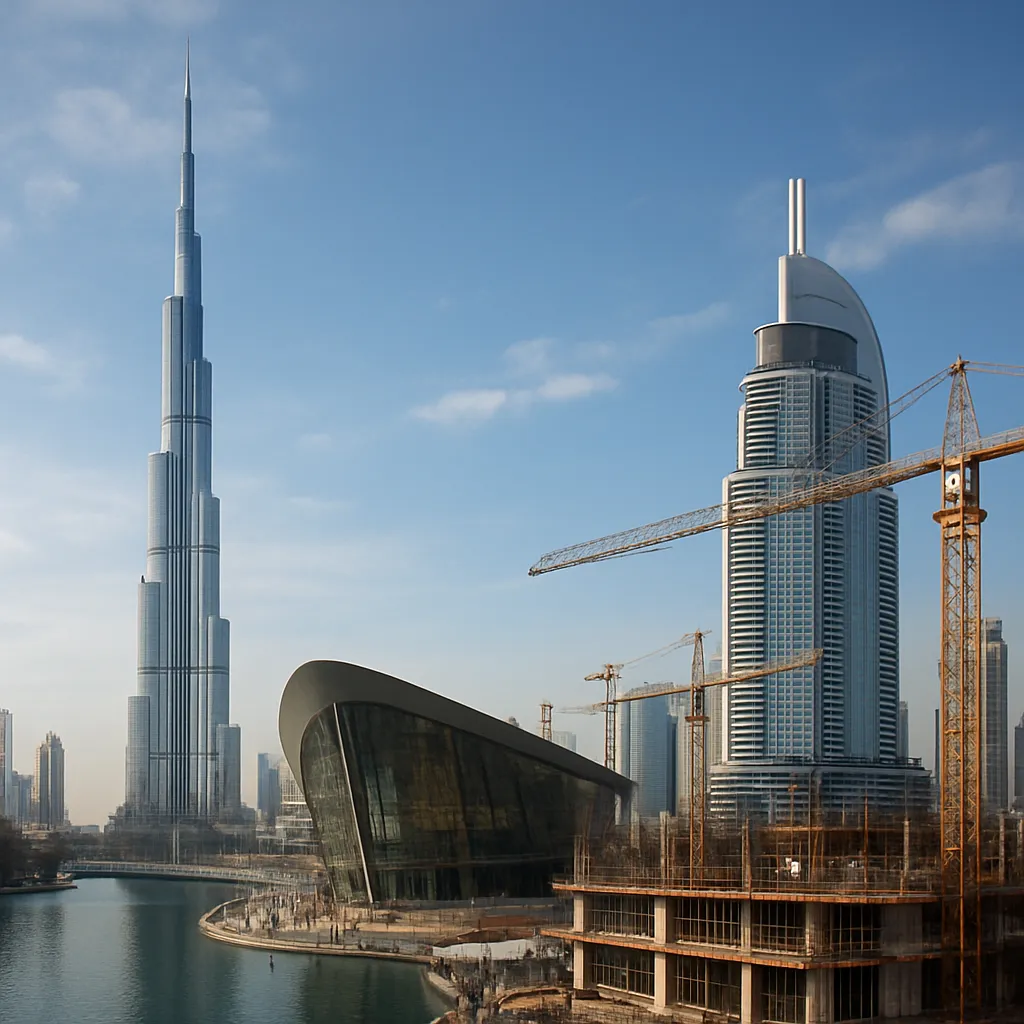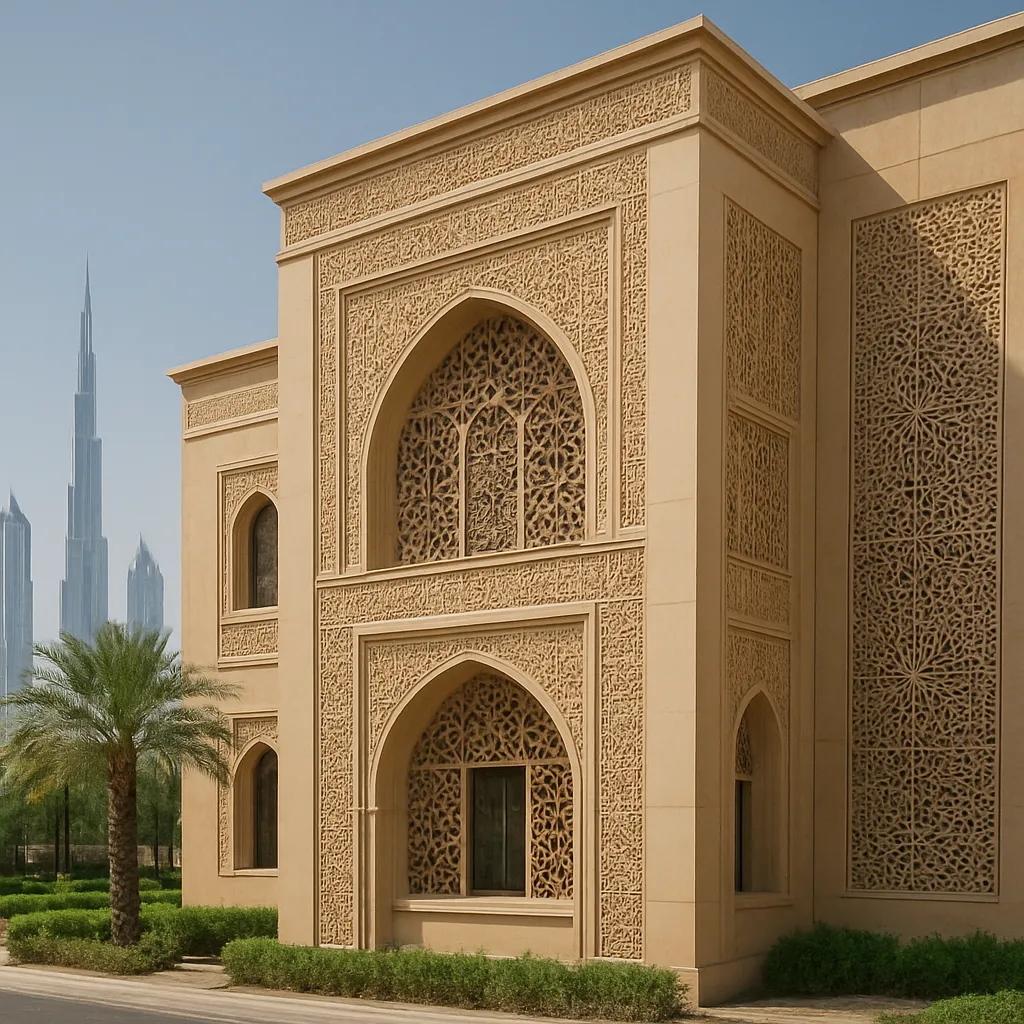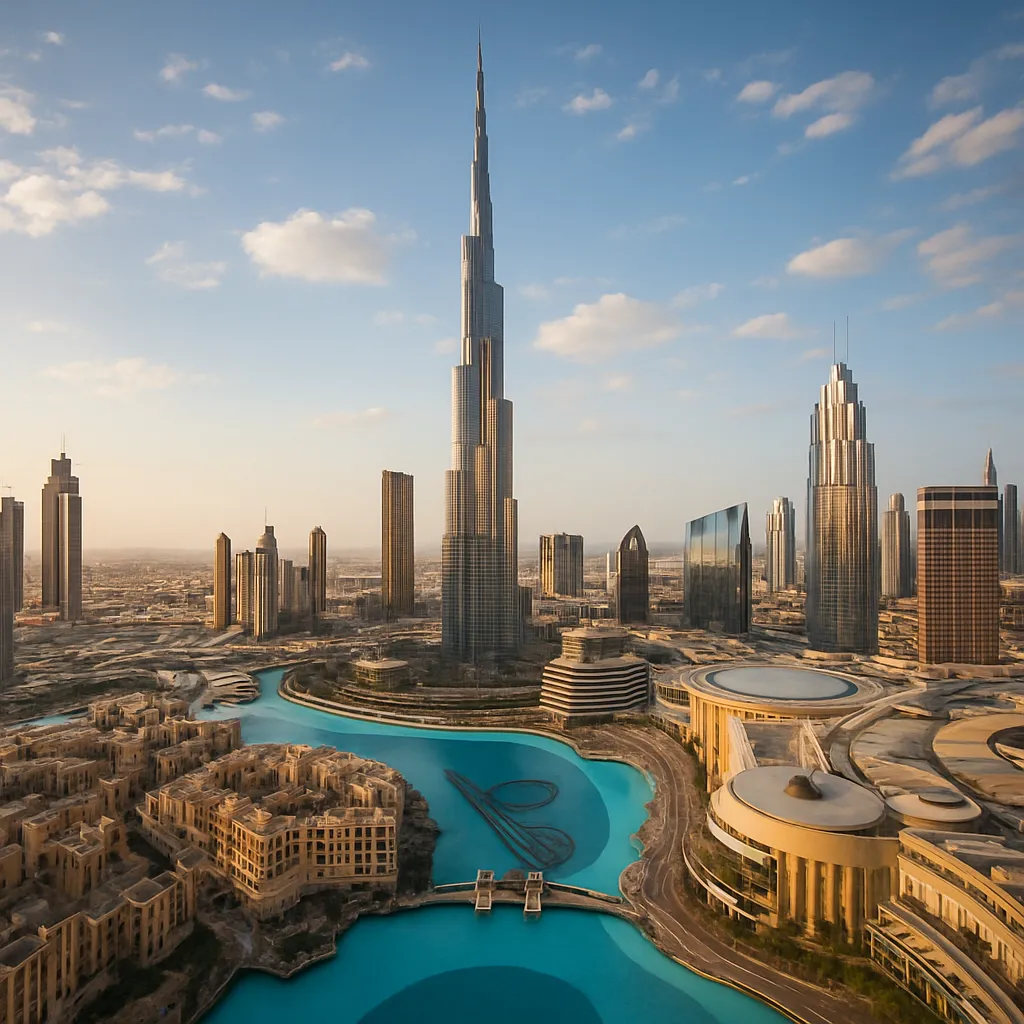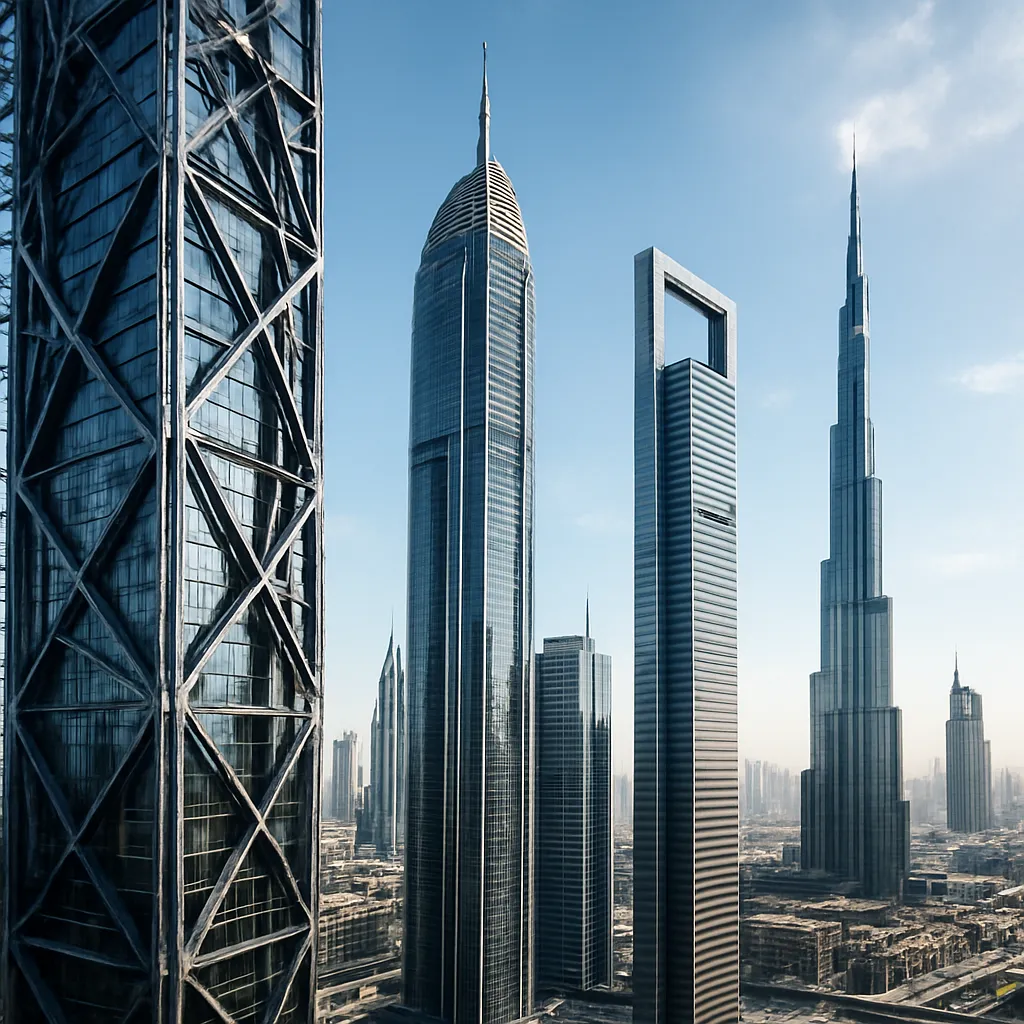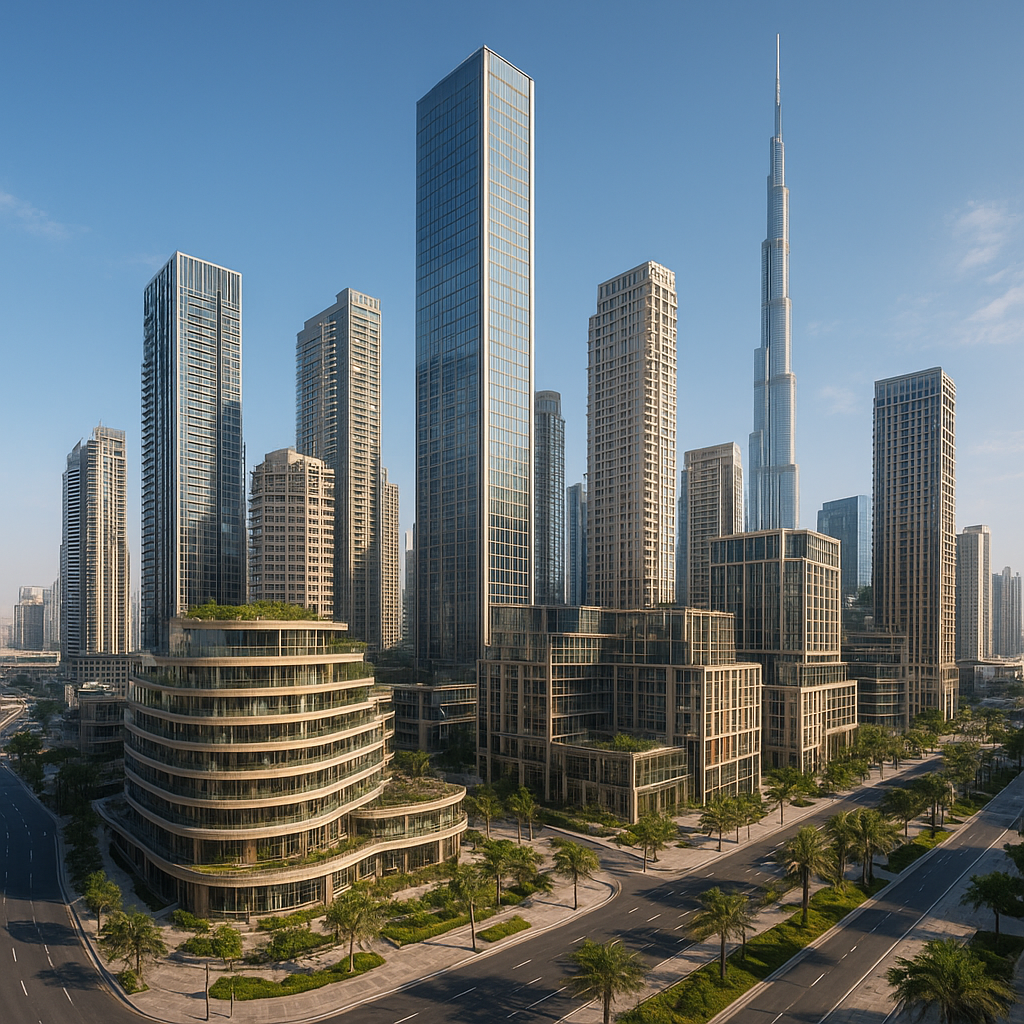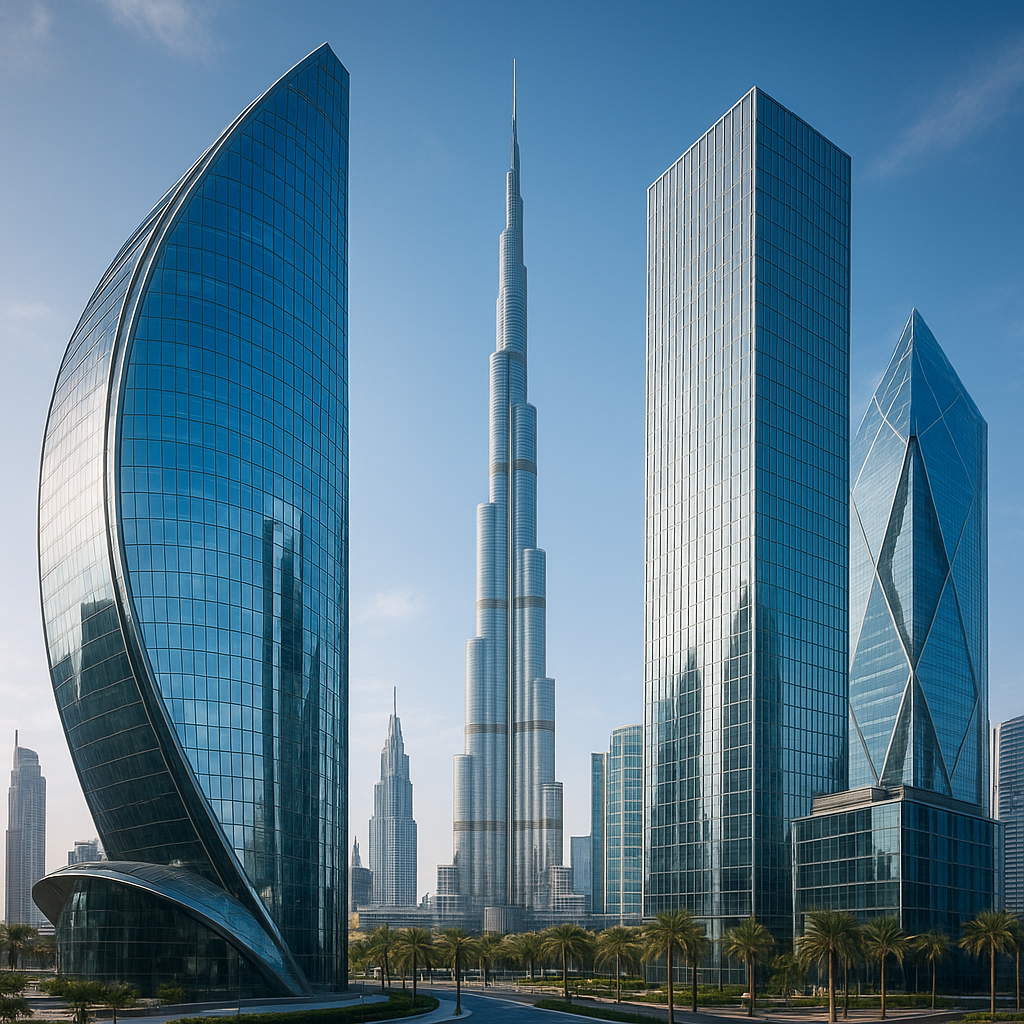
Constructing a 100-story tower in the heart of a sun-scorched desert presents an extraordinary synthesis of ambition, ingenuity, and bold architectural vision. Dubai’s skyline, already punctuated by towering masterpieces, pushes boundaries with each new project, demanding ever-greater feats of innovation and engineering prowess. This exploration journeys through the critical stages required to erect such a monumental structure, from mastering unstable sands to integrating cutting-edge systems that redefine modern living.
Foundations in Shifting Sands
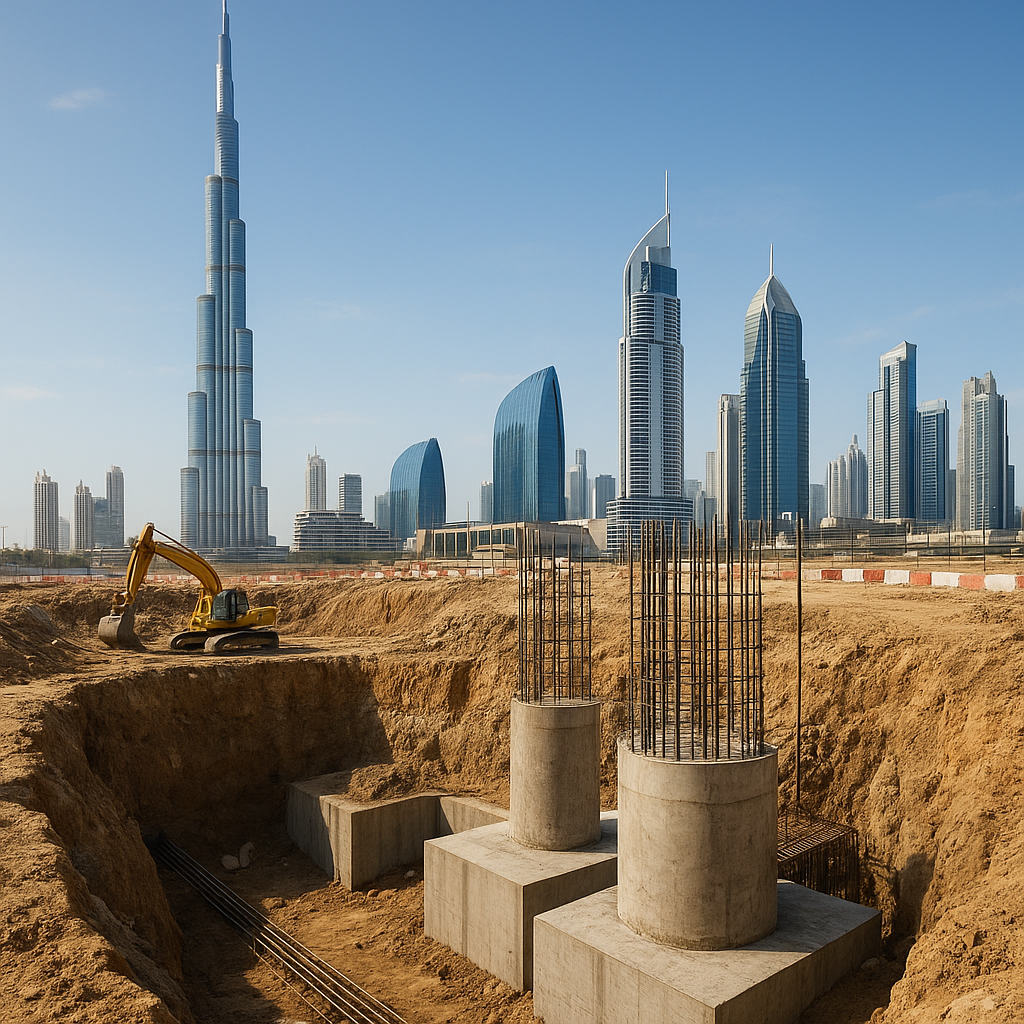
Before a solitary steel beam can rise skyward, builders must contend with the desert’s notoriously fickle substrate. Preparatory work begins with comprehensive geotechnical surveys to map subterranean layers of sand, silt, and rock. Engineers deploy state-of-the-art drilling rigs to retrieve core samples, meticulously analyzing soil density and moisture content. Armed with this data, they design a foundation capable of withstanding lateral forces and preventing settlement over decades.
Key techniques include:
- Deep piled foundations: Reinforced concrete piles extend tens of meters to anchor the structure into stable strata.
- Mat foundations: A vast, thick reinforced slab distributes the building’s colossal weight evenly across the site.
- Soil stabilization: Injection of cementitious grout solidifies granular soils, enhancing load-bearing capacity.
By combining these methods, developers achieve the stability essential for a tower exceeding 400 meters in height. Attention to detail at this stage can mean the difference between a safe, long-lasting skyscraper and a precarious monument at risk of tilting or uneven settlement.
Engineering Marvels and Innovative Materials
Dubai’s towers are renowned for pushing structural boundaries, and a 100-story desert edifice is no exception. The central core must resist powerful wind loads and potential seismic activity, while the outer shell bears both gravity and dynamic stresses. Modern high-strength concrete mixes, enriched with specially treated aggregates, provide unparalleled compressive capacity. Simultaneously, advanced steel alloys deliver exceptional tensile strength for frames, braces, and connections.
Precision in prefabrication plays a crucial role: columns, beams, and floor panels are manufactured off-site under strict quality control, then hoisted into position with mobile cranes and tower cranes scaled for extreme heights. This modular approach accelerates construction schedules and reduces on-site waste.
Key material innovations:
- Ultra-high-performance concrete with fibers to enhance resilience.
- Composite steel-carbon fiber reinforcements for lightweight yet robust frameworks.
- Self-healing concrete compounds to extend long-term durability.
Sustainability and Environmental Impact
In the desert’s relentless climate, incorporating sustainability into a mega-tower demands both strategic design and advanced technology. Energy-efficient façades equipped with dynamic shading systems shield interiors from solar heat gain, cutting down on cooling loads. Double-skin curtain walls with insulating cavities optimize thermal performance, while photovoltaic glass panels harvest sunlight to generate onsite renewable power.
Water scarcity requires ingenious solutions for consumption and reuse. Greywater treatment plants and condensate recovery units capture moisture from the air conditioning systems for irrigation of rooftop gardens and communal terraces. Landscaping employs native, drought-tolerant plant species to create oases of green without excessive irrigation.
Implementation of these measures results in:
- Up to 40% reduction in energy consumption compared to conventional high-rise buildings.
- Significant decrease in potable water usage through on-site recycling.
- Improved indoor environmental quality and occupant comfort.
Logistical Challenges and Workforce Management
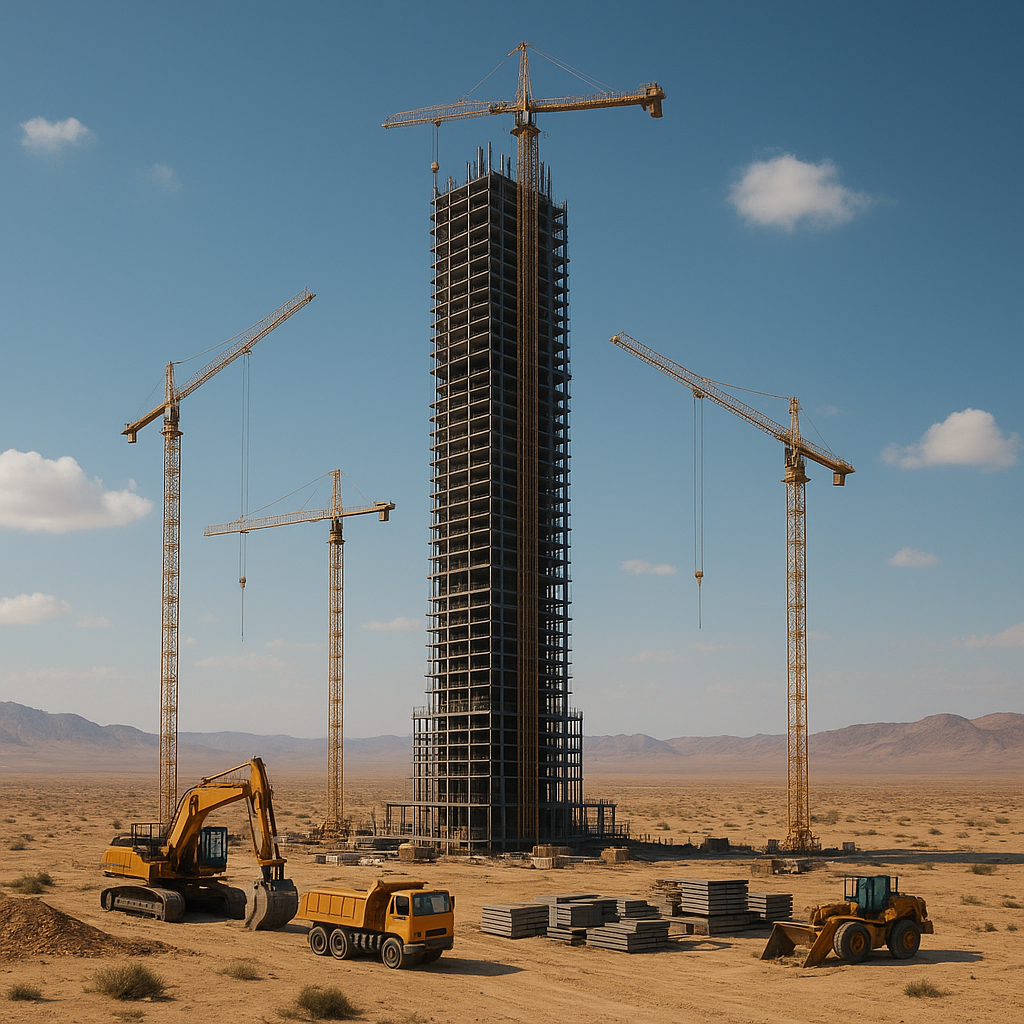
Building in a remote, harsh environment necessitates meticulous logistics and supply chain coordination. Materials arrive at dedicated desert staging areas via specially designed transport routes. Enormous cranes, some exceeding 250 meters in height, are erected in phased sequences to reach successive floors as construction soars upward.
Managing a workforce of thousands requires robust infrastructure: air-conditioned accommodation camps, onsite medical facilities, and high-speed communication networks ensure safety, productivity, and morale. Rigorous training programs instill best practices in safety and quality control, critical when working at dizzying heights.
Typical logistical components include:
- Dedicated power generation and water desalination units for uninterrupted resource supply.
- Modular on-site factories producing formwork panels and precast elements.
- Just-in-time delivery schedules to minimize storage footprints and reduce costs.
Cutting-Edge Technologies Shaping the Skyline
Digital transformation in construction heralds a new era for supertall towers. Building Information Modeling (BIM) platforms integrate architectural, structural, and MEP (mechanical, electrical, plumbing) systems into a unified 3D environment. This enables real-time clash detection, streamlined coordination, and virtual simulations of construction sequences.
Drones equipped with high-resolution cameras and LiDAR sensors conduct routine site surveys, feeding precise topographical data back to project teams. Robotic bricklayers and automated rebar tying machines accelerate repetitive tasks, improving efficiency and reducing human error. Sensors embedded throughout the structure monitor stress, temperature, and movement, providing early warnings of potential issues and facilitating proactive maintenance.
Collectively, these advancements form an infrastructure of digital intelligence, transforming complex processes into manageable workflows. It’s this marriage of vision and technology—a visionary blueprint turned reality—that cements Dubai’s status as a global leader in skyscraper innovation.