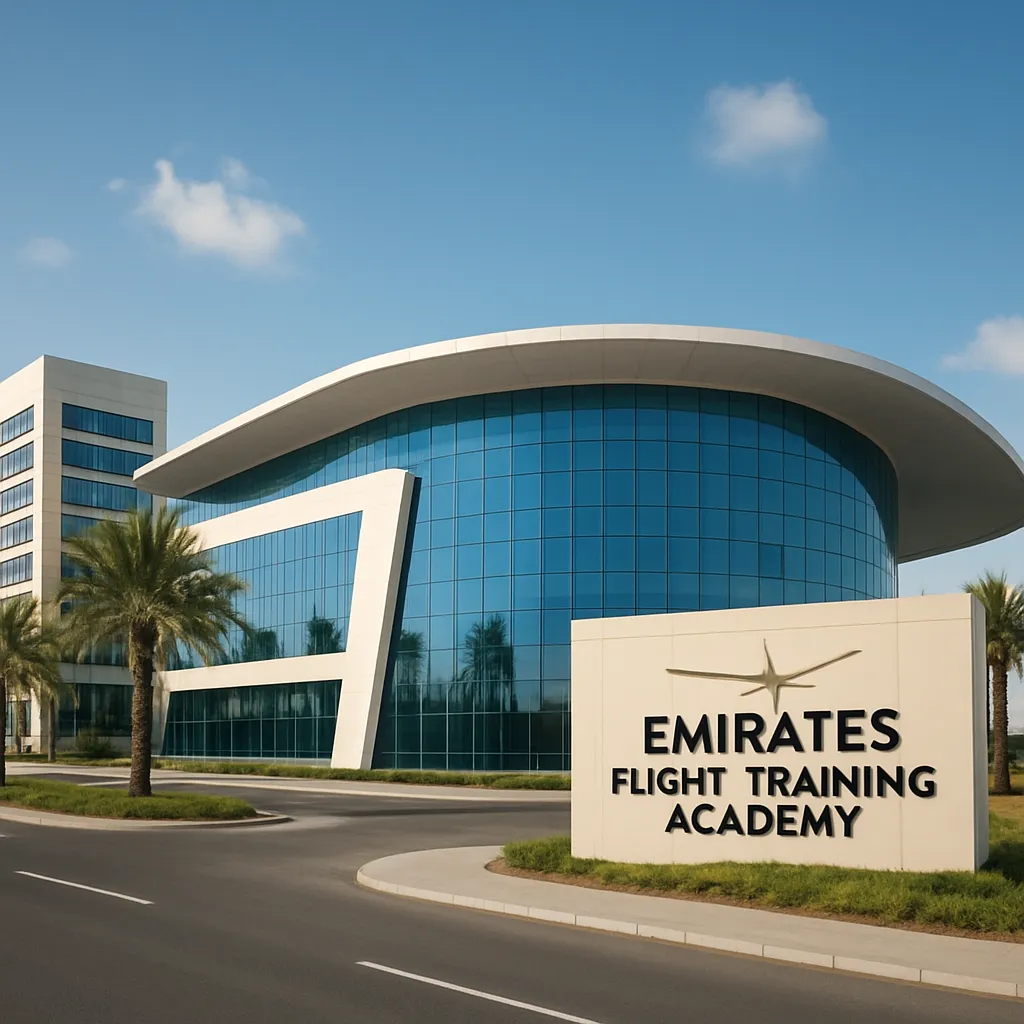
The Emirates Flight Training Academy located within Dubai South represents a focused investment in pilot education and aviation manpower development at the heart of one of the world’s most ambitious aviation and logistics precincts. Situated close to the growing aviation hub anchored by Al Maktoum International Airport and embedded in a purpose-built environment designed to support the future of air travel, the academy combines modern educational infrastructure, advanced flight simulation technology and industry-aligned programmes. This article examines the academy’s site and context, its buildings and facilities, the training it provides, and its broader role in Dubai’s aviation strategy, offering practical details and notable facts for readers seeking a comprehensive overview.
Location and strategic context
The Emirates Flight Training Academy is positioned within the master-planned community of Dubai South, a multi-purpose urban district developed to support aviation, logistics, commercial and residential growth adjacent to the Al Maktoum aviation hub. Dubai South itself covers roughly 145 square kilometres and was conceived as a new city around the emerging airport and the Expo 2020 precinct, creating a unique synergy between transport infrastructure and urban development.
Proximity to aviation infrastructure
One of the academy’s most important locational advantages is its close proximity to Al Maktoum International Airport (also known as Dubai World Central). The airport and its supporting infrastructure form a regional node intended to relieve pressure on Dubai’s primary airport and to host a range of aviation activities, from cargo and general aviation to major passenger operations. The academy benefits from direct access to these facilities, enabling trainees to gain exposure to a live aviation environment and to easily coordinate practical components of the curriculum with airline operations and airport stakeholders.
Connectivity and urban integration
Dubai South’s integrated planning emphasises logistics and connectivity. The academy is linked by road networks to the rest of Dubai, Jebel Ali Free Zone and the broader UAE transport system. Future metro and rapid transit extensions planned for Dubai South aim to enhance access for students and staff. The district’s mixed-use zoning also provides on-site options for student accommodation, retail and leisure, making the campus part of a compact aviation-oriented community rather than an isolated training facility.
Architecture, campus layout and building features
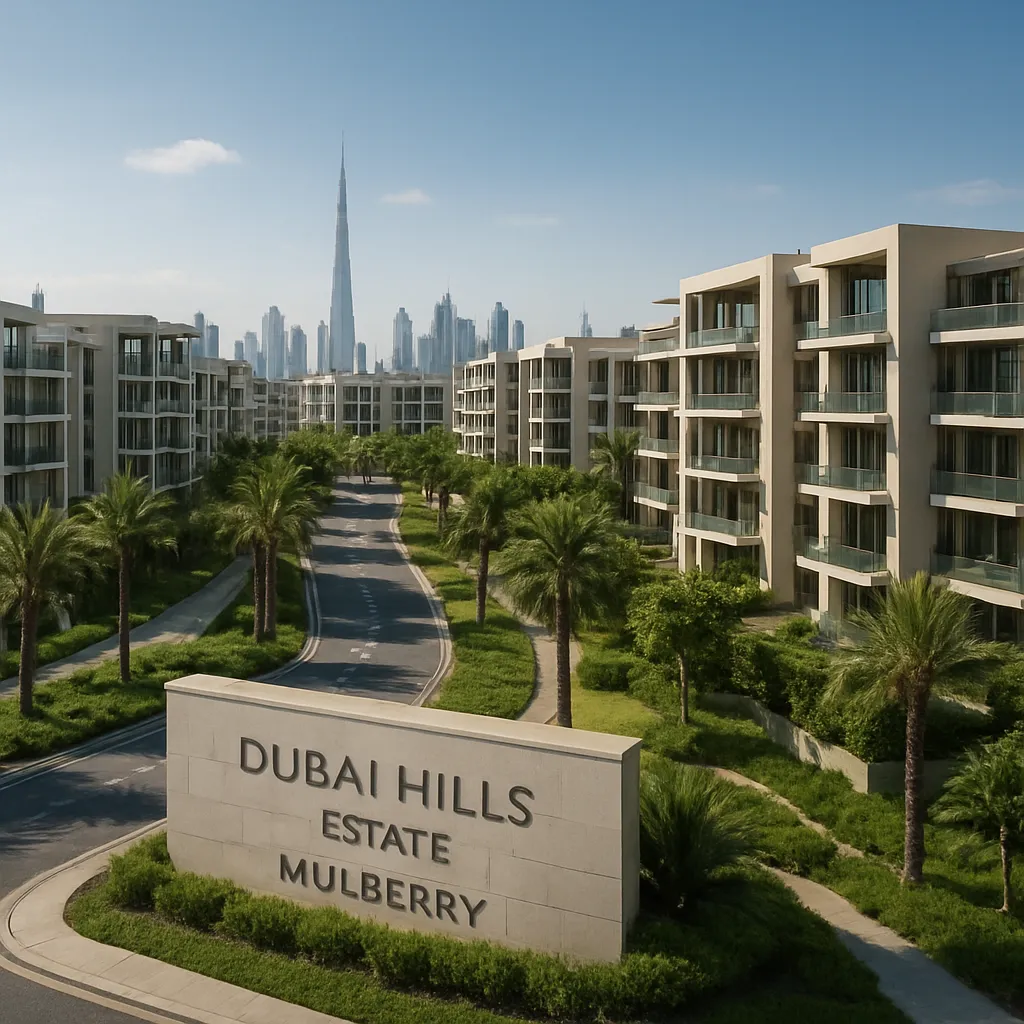
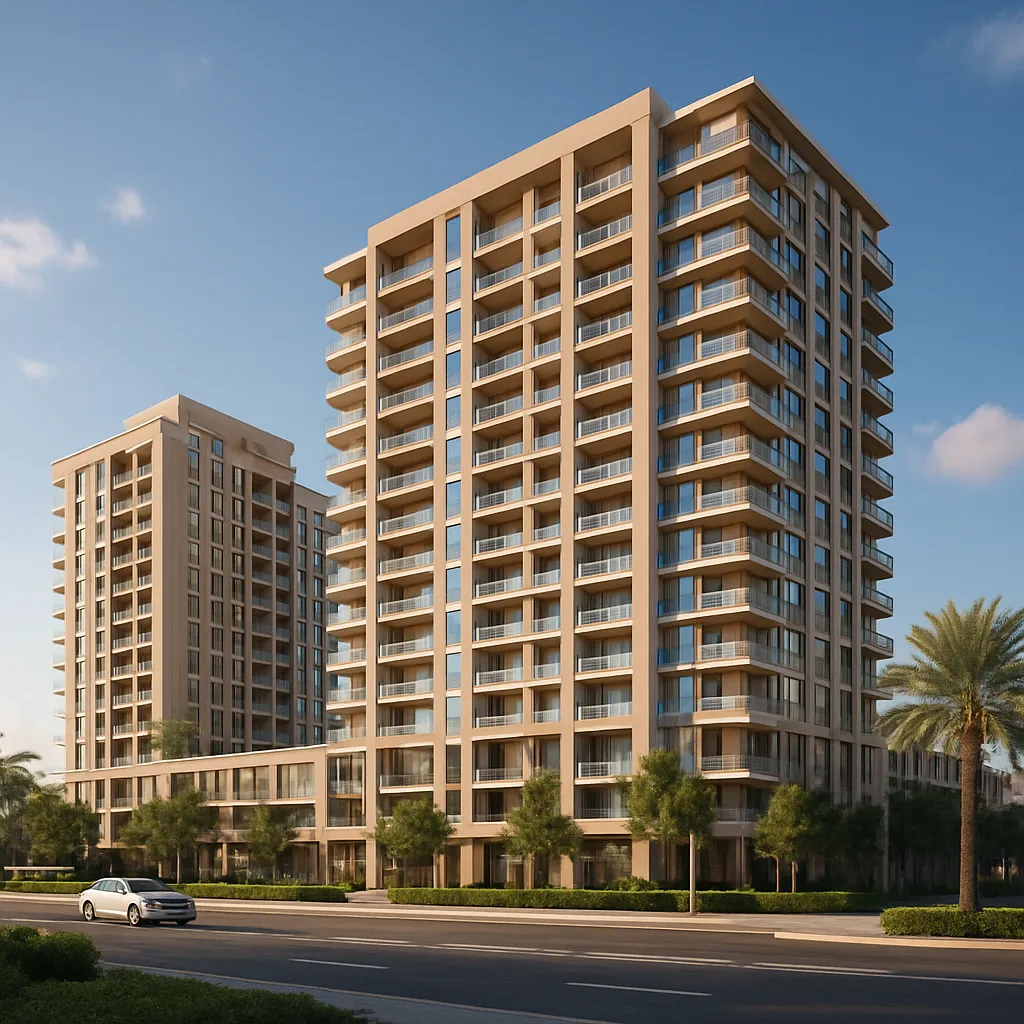
The academy’s buildings reflect an emphasis on functionality, comfort and climate-responsive design. The campus is laid out to accommodate classrooms, briefing areas, simulation halls, maintenance and technical workshops, administrative offices and student support facilities, all arranged to promote efficient movement between theory and practice.
Design principles and comfort
Key architectural considerations include thermal comfort in a desert climate, robust materials that withstand abrasive sand and sun exposure, and thoughtful shading and glazing to reduce heat gain. Public and learning spaces are typically organised around shaded courtyards and covered walkways to facilitate circulation while minimising direct sun exposure. Landscaped areas and water-efficient planting help moderate microclimates around the buildings.
Core building components
- Academic blocks with lecture theatres and modular classrooms designed for flexibility and small-group instruction.
- Dedicated briefing and debriefing rooms adjacent to simulator halls for immediate consolidation of training sessions.
- Multiple full-flight simulator (FFS) bays that house advanced, motion-capable simulators replicating commercial aircraft cockpits.
- Maintenance and technical workshops for basic aircraft systems training and hands-on exposure to avionics and flight controls.
- Student services including accommodation options, fitness and wellness spaces, and study lounges to support cadet life.
The campus layout emphasises short, controlled routes between classrooms and simulators so that scheduled training days can move seamlessly between ground school and simulator blocks without long transit times.
Training programmes, equipment and pedagogy
The core mission of the academy is to prepare future commercial airline pilots through structured, industry-focused training. The curriculum combines ab-initio pathways (from zero experience) through to advanced type-rated and recurrent training for airline operations.
Programme structure and pathways
- Ab-initio and cadet pilot training: integrated courses that take candidates from basic aeronautical knowledge through to commercial pilot licence standards and multi-crew operations readiness.
- Type rating and advanced training: conversion courses and type-specific simulator training for large transport-category aircraft tailored to airline fleet requirements.
- Recurrent and continuing training: regular simulator checks, emergency procedure drills and crew resource management (CRM) refreshers to maintain operational proficiency.
Simulators and training equipment
The academy houses a range of simulation assets. These include full-motion full-flight simulators for large commercial aircraft, fixed-base training devices, and desktop trainers for procedural and systems learning. Simulators provide a controlled environment for practising complex operational scenarios such as engine failures, adverse weather operations, and advanced instrument approaches without the risk and cost of real flight hours. The presence of realistic cockpit replicas and motion systems ensures that cadets develop the muscle memory and procedural discipline required for line operations.
Teaching methods and assessment
Teaching blends classroom theory with hands-on simulator sessions and supervised flying where applicable. Emphasis is placed on modern instructional methodologies: scenario-based training (SBT), competence-based assessments, and multi-crew coordination exercises. Instructors typically include experienced airline pilots and qualified simulator instructors who follow a regulated syllabus aligned to international aviation authority standards. Objective performance metrics from simulators and structured debriefs are used to track trainee progress and readiness for operational roles.
Facilities that support a full cadet experience
Beyond classrooms and simulators, the academy’s buildings accommodate a range of supporting services aimed at creating a professional training environment. These spaces are crucial for developing cadets’ practical, cognitive and interpersonal skills.
- Briefing/debriefing centres equipped with multimedia playback for performance analysis.
- Flight planning and aeronautical information labs with up-to-date navigation databases and tools.
- Avionics and systems labs where students can interact with real aircraft components and troubleshooting tools.
- Mental skills and wellbeing spaces focused on resilience training, stress management and crew resource management exercises.
- Accommodation, dining and recreational facilities providing a campus lifestyle for cadets who relocate for training.
Role in Dubai’s aviation ecosystem and economic impact
The academy is a strategic asset within Dubai’s broader goal of becoming a global aviation hub. It supports the pipeline of qualified pilots needed by both regional and international carriers operating in the Middle East and helps reduce reliance on training capacity located overseas.
Workforce development and industry alignment
By establishing local, high-capacity training capabilities, the facility helps ensure a steady supply of pilots who are trained to airline-specific operational standards. The academy also enables closer collaboration between airlines, airport operators and training providers, aligning training outputs with fleet types, operational procedures and safety expectations. This alignment reduces time-to-qualification for new pilots entering airline rosters and promotes consistency in operational culture.
Economic and strategic benefits
- Supports local employment across instructors, technical staff, and campus services.
- Stimulates related industries such as simulator maintenance, avionics suppliers and hospitality for visiting cadets and instructors.
- Enhances Dubai’s reputation as a one-stop aviation cluster where training, operations and logistics co-exist.
Interesting facts, statistics and future outlook
Certain contextual statistics help illustrate the academy’s strategic backdrop. Dubai South spans approximately 145 square kilometres, a master-planned area designed to integrate aviation, logistics and residential components. Nearby Al Maktoum International Airport has been planned in phases with long-term ambitions to handle very large passenger and freight volumes; some published plans for the airport envisage annual capacities that would place it among the world’s largest aviation hubs when development is complete.
Capacity and scale (contextual)
While specific throughput numbers for any single training academy can vary by intake cycles and programme mixes, modern airline academies in major aviation hubs typically accommodate hundreds of cadets yearly when combining ab-initio courses, type ratings and recurrent training. The presence of multiple full-flight simulators and modular classroom blocks indicates a capacity designed to support ongoing, multi-cohort training operations rather than sporadic short-term courses.
Technological and pedagogical innovation
The academy’s investment in advanced simulators and digital training aids reflects a broader trend in aviation education toward high-fidelity, data-driven instruction. Flight data and simulation logs are used to create tailored training plans for cadets, enabling objective assessment of performance and targeted remediation. These technologies also allow efficient use of simulator time, which is a high-value resource in modern pilot training.
Environmental and sustainability considerations
Given Dubai’s climate and sustainability goals, new buildings in Dubai South often incorporate measures to reduce energy demand and water consumption. The academy’s buildings typically use efficient HVAC systems, solar shading, and water-wise landscaping to reduce operating costs and environmental impact. These measures support long-term operational resilience and align with regional objectives to improve resource efficiency in large-scale developments.
Notable aspects and lesser-known details
Several features of the academy and its buildings make it noteworthy beyond straightforward training capability:
- Industry alignment: The campus is purpose-built to support airline-style operations, with training schedules and outcomes oriented to real-world airline recruitment and rostering needs.
- Integrated learning environment: The proximity of classrooms to simulators and support services reduces downtime and improves information retention through immediate debriefing and practice.
- Student experience: Facilities that support residential cadets enable longer training blocks without the disruption of daily commutes, fostering community and peer learning among cohorts.
- Scalable infrastructure: Building designs allow for the addition of simulator bays or classrooms as demand grows, reflecting the phased development approach common across Dubai South.
Future development and strategic opportunities
As regional air traffic recovers and grows, training demand is expected to expand. The academy’s strategic location in Dubai South positions it well to scale with the broader aviation cluster. Potential future developments include additional simulator types to mirror evolving airline fleets, expanded ab-initio intake cycles, and closer applied-research partnerships with avionics and automation developers exploring the role of artificial intelligence and advanced flight-deck systems in commercial aviation.
Conclusion
The Emirates Flight Training Academy within Dubai South stands as more than a collection of buildings; it is a purpose-built educational ecosystem aligned with Dubai’s ambitions to be a global aviation centre. Through a blend of modern architecture, advanced simulators, staged training programmes and integration with the surrounding aviation infrastructure, the academy supports the cultivation of skilled pilots and technical personnel. Its buildings are designed to withstand local climatic challenges while facilitating intensive, airline-focused instruction that connects directly to the operational realities of a global carrier. As aviation evolves, the academy’s campus and facilities are positioned to adapt, providing both immediate training capacity and a platform for future innovation in flight education and workforce development.