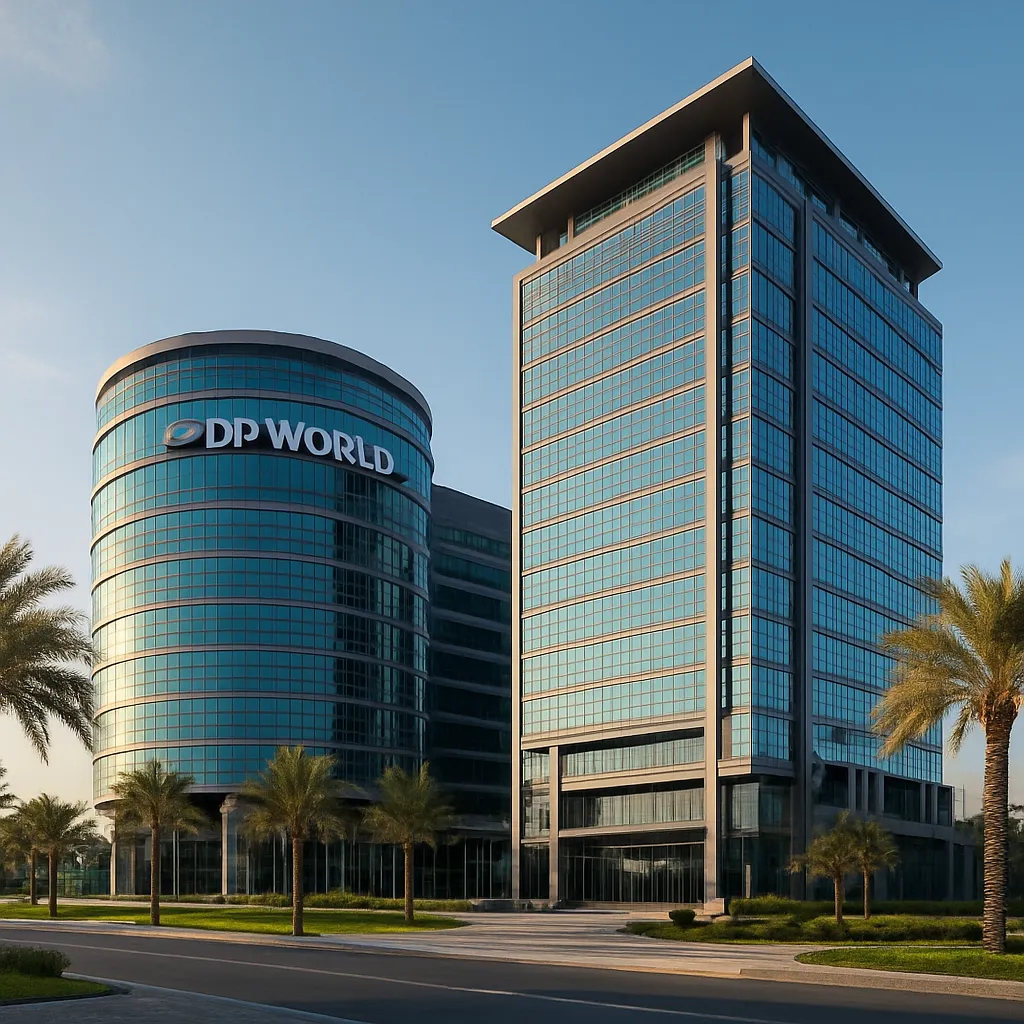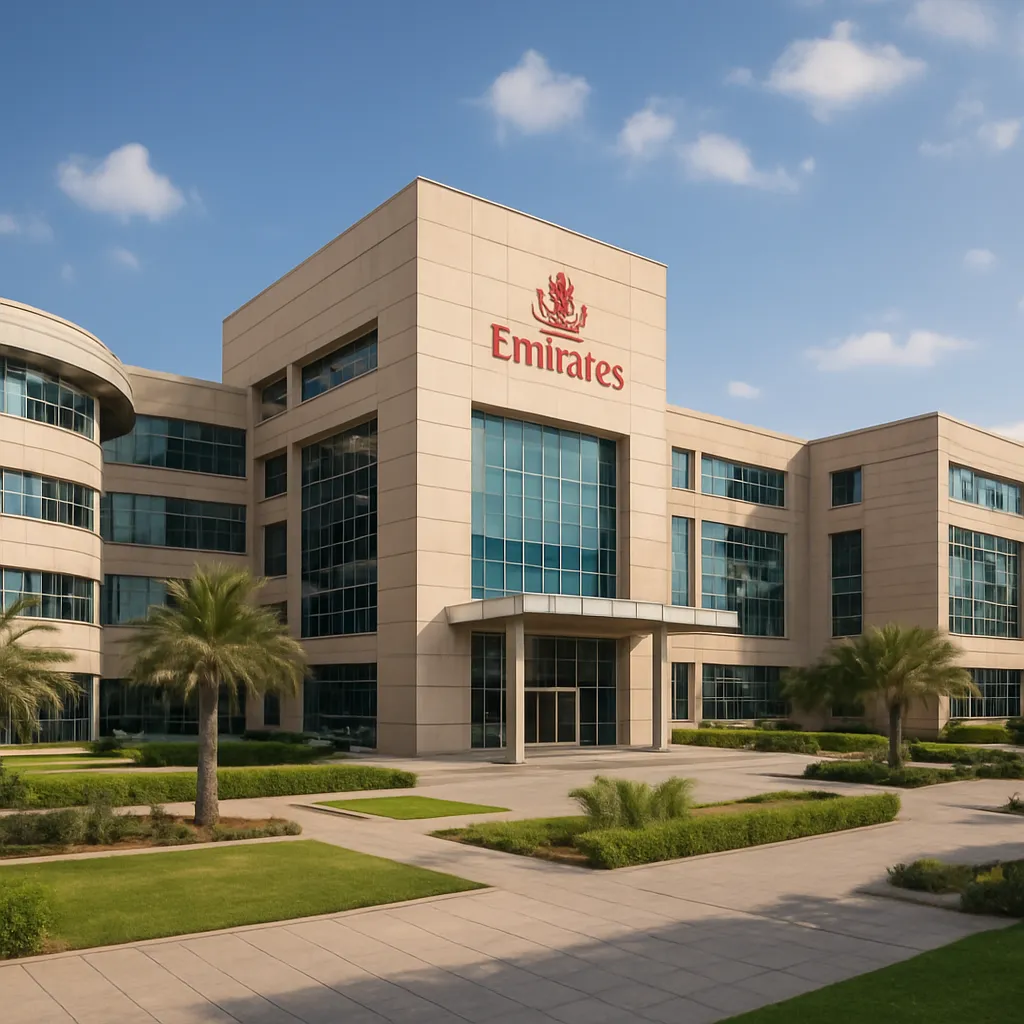
The Emirates Aviation College campus in Al Qusais is one of the region’s most recognizable centres for professional learning in the field of flight operations and aerospace services. Located near Dubai International Airport, the complex combines practical training infrastructure with modern classroom spaces to serve aspiring aviators, engineers, and aviation professionals. This article explores the location, architectural and functional features of the buildings, the educational role the campus plays in the UAE and the region, and several interesting facts and statistics that underline its significance in the global aviation ecosystem.
Location and Architectural Overview
The Emirates Aviation College is situated in the Al Qusais district of Dubai, an area with a long history as one of the emirate’s industrial and transport hubs. The proximity to Dubai International Airport provides a strategic advantage: students and instructors benefit from immediate access to live airport operations, airline facilities, and a dynamic urban aviation environment. Al Qusais itself is well connected by road networks and public transport, making the college accessible to local and international students.
Architecturally, the buildings on the campus are designed to serve dual objectives: deliver robust, hands‑on technical training while providing comfortable academic learning spaces. The campus presents a mix of low-rise academic blocks, specialized hangars, workshops, and simulation halls. Many of the training buildings are constructed with functional materials that provide durability and low maintenance costs; large bay doors and high ceiling spaces are common in the maintenance and practical training areas to accommodate full-size aircraft mock-ups and components.
Landscaping, internal circulation, and signage are oriented to reflect the campus’ vocational purpose. The design emphasizes straightforward circulation between lecture rooms, labs, and the practical training zones, minimizing transit times and maximizing hands-on learning hours. Where visible, external facades often carry the corporate identity and colour scheme linked to the parent organization, signaling the close relationship between the college and the broader aviation industry.
Educational Role and Programmes
The Emirates Aviation College serves as a multi-disciplinary training institution specializing in a wide range of aviation disciplines. It is known for offering courses that span the full lifecycle of airline and airport operations — from cabin crew and flight crew fundamentals to technical programmes like aircraft systems, electrical and avionic maintenance, and airport management. The curriculum is typically a blend of theoretical instruction and extensive practical exercises, reflecting the industry standard that aviation education must be competency-based and hands-on.
Core areas of instruction
- Flight crew and pilot ground school training, including basic aerodynamics, meteorology, navigation and human factors.
- Aircraft maintenance and engineering programmes that cover airframe, powerplant, avionics and structural repair.
- Cabin crew and safety training focusing on passenger service, emergency procedures, and safety equipment use.
- Airport operations and ground handling programmes that prepare students for roles in ramp services, ground operations management and airport safety.
- Management and technical short courses for corporate clients and aviation professionals seeking continuous professional development.
Training pathways often lead to recognized certifications and licences (where applicable) governed by local civil aviation authorities or international standards. The structure of the programmes is designed to meet rigorous regulatory requirements while aligning with employer expectations in terms of practical abilities and safety culture.
Buildings and Facilities: A Closer Look
The campus buildings are purpose-built to reflect the needs of the various training disciplines. Facilities are tailored to ensure that students experience a realistic working environment, including dedicated maintenance workshops, mock cabins, and specialized labs. Below is a walkthrough of the typical functional buildings you will find at the Emirates Aviation College complex in Al Qusais:
Classroom and Lecture Blocks
These blocks contain standard lecture halls, seminar rooms and small-group study areas equipped with modern audio-visual teaching aids. Classrooms are configured to facilitate interactive instruction, briefings, and debriefings that are essential to aviation training. Many rooms are set up to allow quick reconfiguration for different training styles — lectures, group projects, or simulator briefings.
Simulator Centre
One of the most important components of the campus is the simulator centre. The facility houses flight simulators and procedure trainers that allow students to practise flight operations in high-fidelity conditions without the risks and operational costs of using actual aircraft. These simulators are used extensively in pilot training, procedural checks and crew resource management exercises.
The simulators replicate cockpit environments, control ergonomics and instrument layouts, allowing instructors to create scenarios that test technical skill, decision-making and emergency responses. A dedicated control room and observation areas are integrated so instructors can monitor performance and provide structured feedback.
Hangars and Practical Workshops
Hangars on the campus serve as industrial-style workshops where students engage in mechanical and systems training on actual aircraft components or full-scale mock-ups. These spaces contain tooling, jigs, and support equipment that mirror the resources found in commercial maintenance organizations. Practical sessions cover tasks such as structural inspections, engine maintenance routines, system fault isolation and component replacement procedures.
Cabin Training Mock-ups
Crew training suites include realistic cabin mock-ups, complete with seating arrangements, emergency exits and safety equipment. These spaces are essential for developing service protocols, safety briefings, evacuation drills and passenger management techniques. Smoke generators, floor path lighting and evacuation slides are sometimes used to create controlled emergency scenarios for training purposes.
Workshops for Avionics and Composite Materials
Given modern aircraft reliance on electronic systems and lightweight materials, specialised labs for avionics testing and composite repairs are key. These workshops are outfitted with diagnostic tools, soldering stations, software test benches and composite curing systems. Students learn to troubleshoot avionics circuits, update software, and perform non-destructive inspections (NDI) and composite repairs using industry-standard techniques.
Administrative and Student Support Buildings
These buildings handle admissions, career services, faculty offices, and student welfare amenities. Student support includes counselling, academic advising, and placement services that help graduates transition into industry roles. Cafeterias, study lounges and small retail spaces provide daily convenience for on-campus life.
Notable Features and Unique Attributes
Several unique characteristics and operational decisions set the Emirates Aviation College campus apart from many other vocational training centres in the region:
- Strategic location adjacent to major aviation infrastructure enables frequent collaboration and live training opportunities with airlines and airport stakeholders.
- Integrated simulation and practical training spaces allow a smooth progression from theoretical knowledge to applied competence.
- Emphasis on industry-aligned curricula ensures that students learn skills directly transferable to modern aviation workplaces.
- Partnerships with airlines and maintenance organizations often provide pathways for internships, apprenticeships and recruitment pipelines.
Beyond student training, the campus is also used for company-sponsored short courses, regulatory workshops, and bespoke technical training for corporate clients from the aviation sector. This dual role increases the building usage rates and provides steady engagement with the professional community.
Statistics and Performance Indicators
While specific internal statistics for the college (such as exact annual enrollment or graduate placement rates) are not always publicly disclosed, there are several broader indicators that highlight the campus’ importance:
- Regional demand for trained aviation professionals continues to grow as Emirates and other Gulf carriers expand networks and fleets. This drives consistent intake for aviation training institutions in Dubai and surrounding emirates.
- The Dubai aviation cluster is among the busiest globally; pre-pandemic passenger volumes at Dubai International Airport reached record levels, demonstrating the scale of the industry that the college serves.
- Training centres like the Emirates Aviation College contribute to workforce readiness for thousands of technical and operational roles — from cabin crew to aircraft maintenance technicians and operations managers.
For prospective students and analysts, useful metrics to track when evaluating the college include course accreditation status, instructor-to-student ratios in practical sessions, simulator hours per trainee, and graduate employment outcomes. These performance indicators reflect both the quality of instruction and the ability to translate learning into workplace competence.
Partnerships, Industry Links and Community Impact
The value of the Al Qusais campus extends beyond bricks and mortar: it is a hub for industry engagement and community development. Close links with airlines, maintenance organizations and regulatory bodies allow the college to offer training that meets real-world standards and facilitates recruitment. Collaborative programmes can include internships, on-the-job training schemes and tailored courses to upskill existing workforces.
Community impact is also significant. The college attracts students from multiple countries, contributing to Dubai’s multicultural educational ecosystem. Scholarships, outreach programmes and local recruitment initiatives help broaden access to aviation careers for residents of the UAE and neighbouring countries, creating career pathways in a high-value global industry.
Maintenance, Safety and Environmental Considerations
Specialised buildings on the campus are designed with strict safety controls and environmental considerations. Workshops and hangars adhere to best practice for hazardous materials handling, noise control and waste management. Practical training on aircraft maintenance incorporates environmental stewardship, teaching students about efficient fuel systems, emissions considerations, and modern sustainable maintenance practices.
Health and safety protocols are central to training operations. Emergency evacuation plans, first aid facilities, and supervised practical sessions reduce risk during hands-on learning. The campus’ operational policies are designed to emulate the safety culture that aviation employers expect.
Future Developments and Upgrades
As aviation technology evolves — with increased automation, more composite materials, and the gradual introduction of alternative propulsion concepts — training facilities must adapt. The buildings in Al Qusais are often upgraded to incorporate new types of simulators, advanced avionics test benches, and updated composite repair shops. Investments in digital infrastructure, such as virtual reality (VR) training suites and online blended learning platforms, are likely to complement the physical buildings.
Expansions may focus on sustainable building upgrades, improved energy efficiency, and resilient design to ensure long-term operation in the region’s climate. These investments ensure that the campus remains relevant and capable of delivering training for next-generation aircraft and airport systems.
Interesting Facts and Anecdotes
- Because of its location close to Dubai’s main aviation cluster, students at the college often have opportunities for on-site observational visits to airline operations and airports, offering learning moments not possible in isolated training centres.
- Training scenarios in simulators frequently include real-world airline procedures and company-specific standard operating procedures, giving candidates a practical understanding of workplace expectations.
- The blend of academic instruction and workshop training models the modern approach to vocational education, where academic accreditation and practical competency are equally emphasised.
Final Observations
The Emirates Aviation College complex in Al Qusais stands as a purpose-built educational campus supporting the growth of the aviation industry in Dubai and the wider region. Its array of buildings — from classroom blocks to hangars and simulator centres — is designed to deliver high-quality, practical training that meets industry needs. Students learn in spaces that mirror real operational environments, using simulators and workshops to gain essential hands-on experience with aircraft systems and maintenance practices. The college’s integration with industry partners and its supportive campus environment make it a cornerstone institution for anyone pursuing a career as a pilot, technician, or aviation professional in the Middle East.