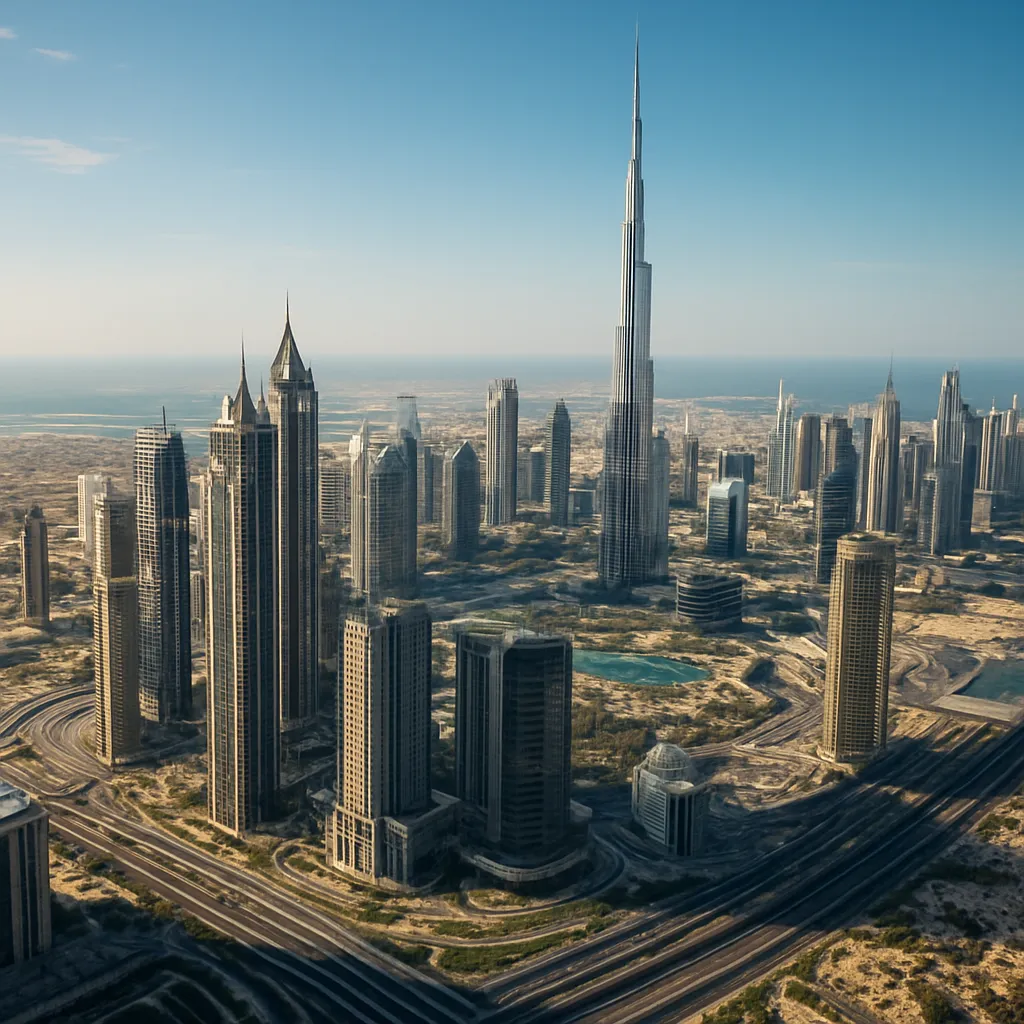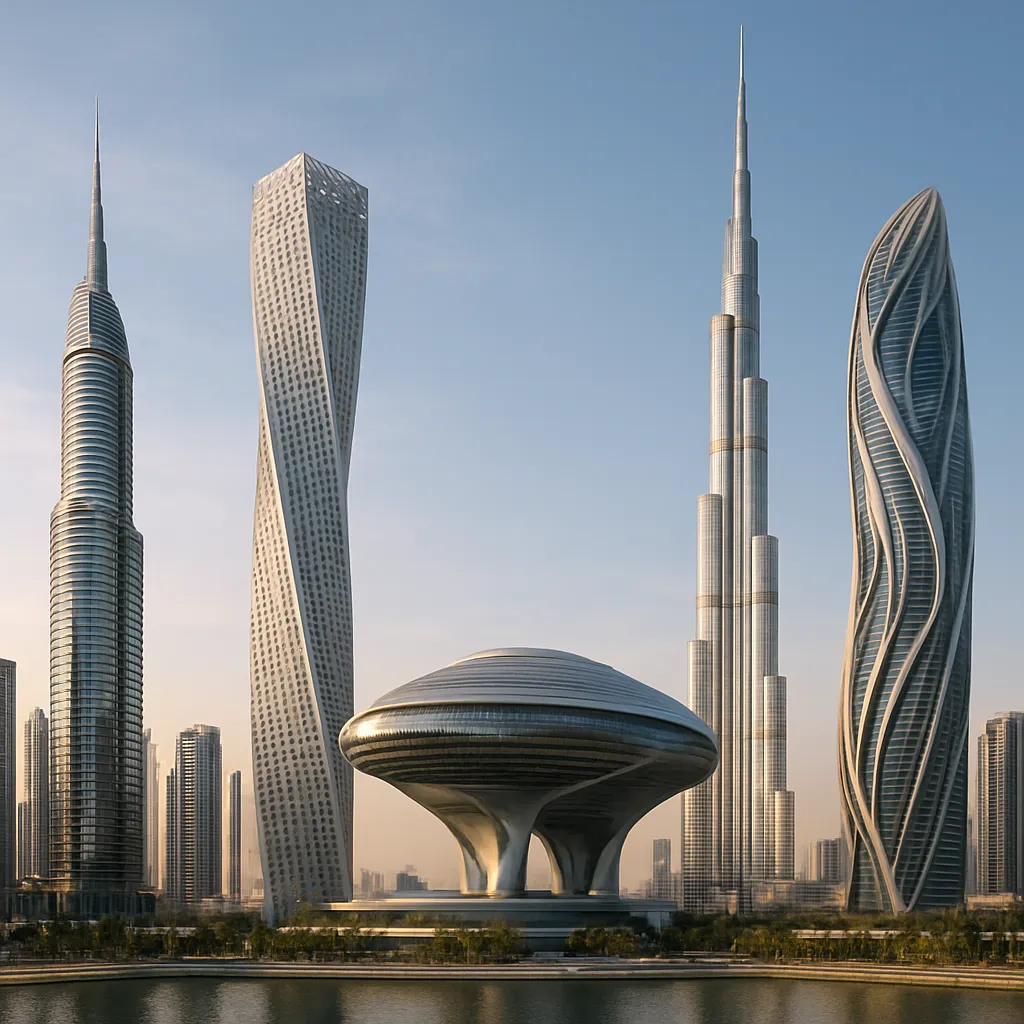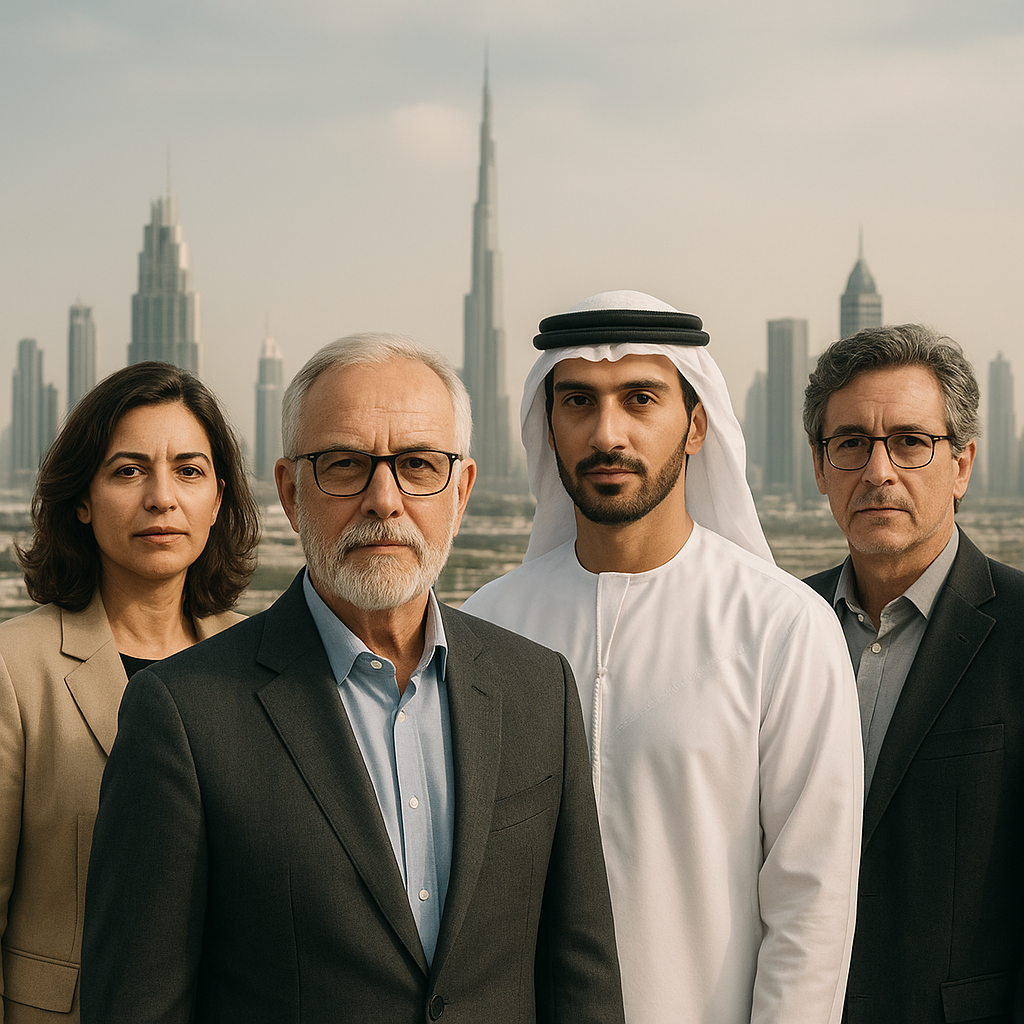
The gleaming skyline of Dubai stands as a testament to human ambition and architectural prowess. Over the past few decades, this desert city has transformed into a global metropolis defined by soaring towers, cutting-edge structures, and groundbreaking design philosophies. From the record-breaking Burj Khalifa to avant-garde cultural centers, every edifice in Dubai tells a story of ambition, creativity, and unrelenting pursuit of innovation. This article explores the architects and their revolutionary contributions to Dubai’s built environment, highlighting how their visions have shaped not only a skyline but also a symbol of modern urbanization and cultural diversity.
Visionaries Behind Dubai’s Skyline
Architects from around the world have flocked to Dubai to leave their mark on the desert canvas. Renowned figures like Adrian Smith, the mastermind behind the Burj Khalifa, and Santiago Calatrava, the visionary of the Dubai Opera House, have introduced new paradigms in high-rise design and sculptural architecture. These professionals embraced both the challenges of the harsh desert climate and the city’s appetite for superlatives, merging technological advancements with aesthetic sensitivity.
Adrian Smith, working with Skidmore, Owings & Merrill, broke world records in height and structural engineering, creating a slim, tapering form that responds to wind loads and optimizes material usage. His work exemplifies how structural innovation can serve both form and function. Meanwhile, Calatrava’s fluid, sail-like curves for the Dubai Opera House echo local maritime heritage, marrying tradition with avant-garde style.
Other influential names include:
- Norman Foster: championing sustainability and sleek minimalism in projects like the Index Tower.
- Jean Nouvel: weaving cultural narratives into the Louvre Abu Dhabi, indirectly influencing Dubai’s museum scene.
- PLP Architecture: designing The Opus, a mixed-use jewel that defies conventional geometries.
Together, these architects have crafted a skyline that serves as a canvas for global creative talent, an embodiment of city leadership’s desire for iconic statements, and proof that design excellence can thrive amid shifting sands.
Innovative Designs and Landmark Projects
Dubai’s appetite for landmark projects is insatiable, and the city’s architectural portfolio reflects that ambition. The skyscraper boom redefined what is structurally possible, while bespoke complexes introduced immersive experiences that blur the lines between architecture, hospitality, and entertainment.
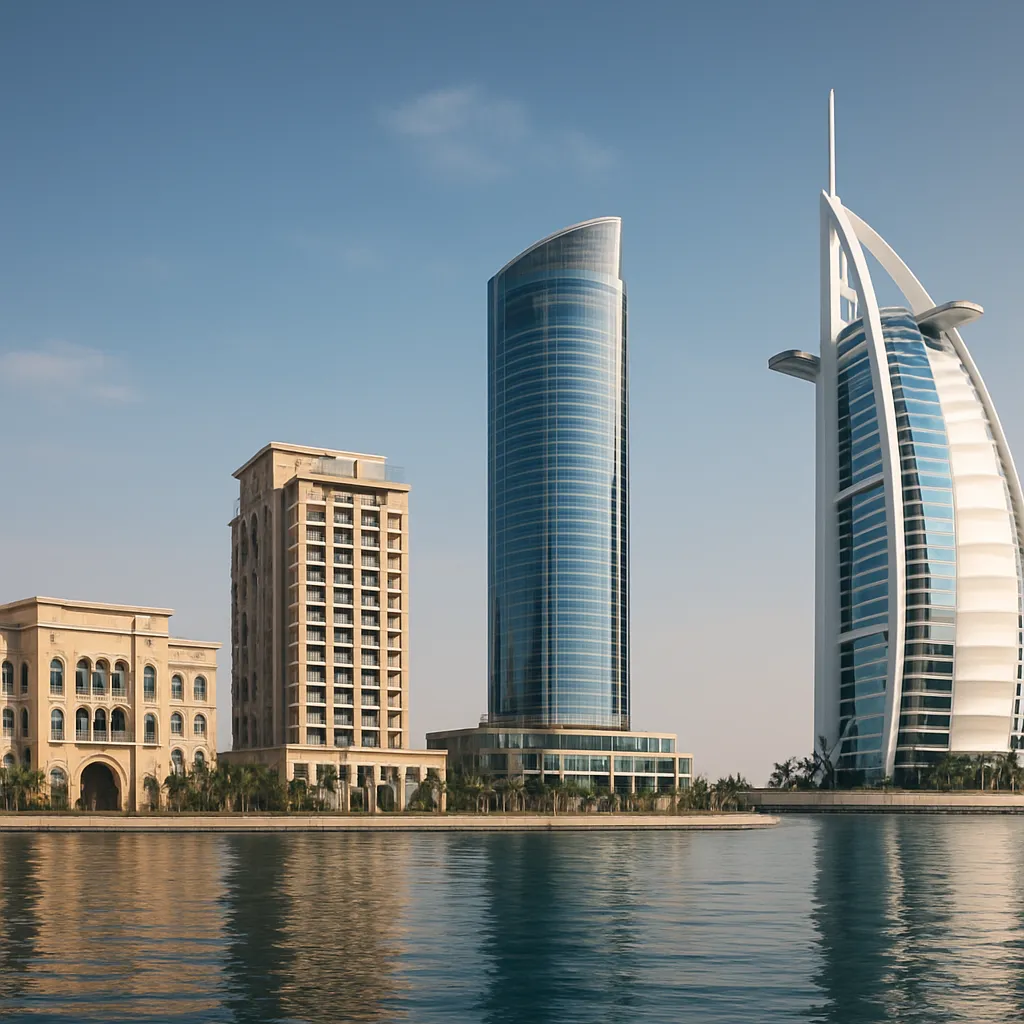
Burj Al Arab, completed in 1999 by Atkins, symbolized Dubai’s arrival on the world stage. Its sail-like silhouette rising from a man-made island set new standards for luxury resorts and exterior lighting dramas. Close behind came the Palm Jumeirah, a monumental land reclamation feat designed by Helman Hurley Charvat Peacock. This palm-shaped archipelago houses villas, hotels, and retail centers, showcasing engineering prowess on a grand scale.
More recent marvels include:
- Museum of the Future: an elliptical torus designed by Killa Design, its seamless façade speaks to parametric design and advanced fabrication methods.
- The Frame: by Architect Fernando Donis, a giant picture frame offering contrasting views of old and new Dubai, linking heritage with modern growth.
- Dubai Creek Tower: poised to challenge the Burj Khalifa’s record, its hyperboloid lattice form by Santiago Calatrava draws inspiration from minarets.
These projects combine daring structural systems, high-performance materials, and immersive public spaces. They demonstrate how each new building can elevate the city’s profile while prioritizing user experience and environmental responsiveness.
Sustainable Architecture and Future Trends
In a region defined by scorching temperatures and scarce water resources, sustainability is no longer a peripheral concern. Leading firms now integrate passive cooling, solar shading, and water-efficient landscaping to reduce energy consumption. The Mohammed bin Rashid Library by the Office for Metropolitan Architecture (OMA) achieves natural ventilation through its stacked volumes, while Dubai’s Expo 2020 pavilions employed modular designs for rapid assembly and disassembly.
Key sustainable initiatives include:
- Alserkal Avenue’s adaptive reuse projects, transforming industrial warehouses into creative hubs with minimal carbon footprint.
- Dubai Sustainable City, a mixed-use development using photovoltaic panels, biogas systems, and urban farming to achieve net-zero energy targets.
- Retrofitting older buildings with smart sensors and shading devices to optimize daily energy performance.
Looking ahead, architects are exploring vertical greening systems, 3D-printed components, and AI-driven design optimization. The convergence of robotics and parametric modeling promises more efficient construction processes, while circular economy principles will guide material selection and reuse. These trends hint at a future where Dubai’s skyline evolves in harmony with environmental imperatives rather than in opposition to them.
Cultural Influences and Urban Fabric
Despite its futuristic image, Dubai’s architecture is deeply rooted in local traditions. Design elements like wind towers (barjeel), mashrabiya screens, and courtyard typologies offer climatic comfort and privacy. Contemporary architects reinterpret these features through modern materials and digital fabrication, resulting in buildings that are both contextually sensitive and visually striking.
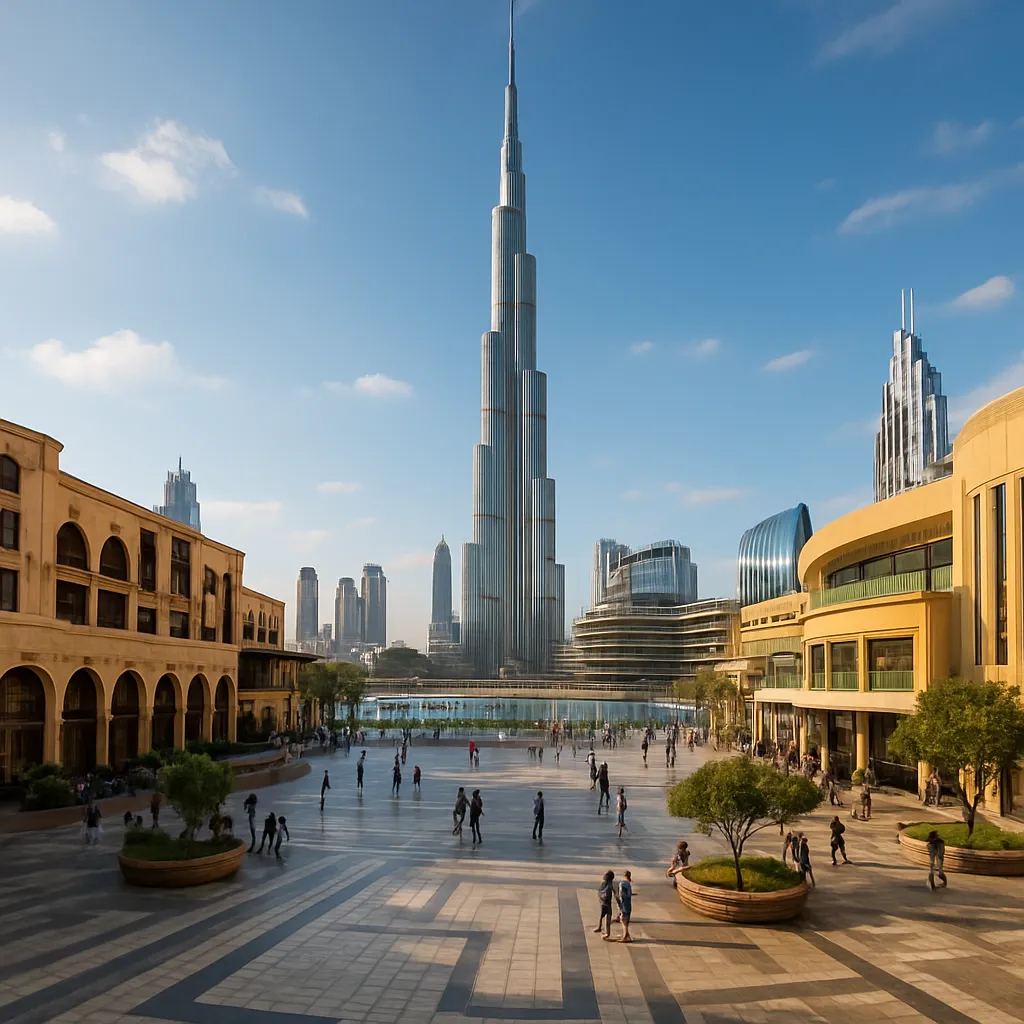
The Al Fahidi Historical Neighbourhood exemplifies this synergy. Restored traditional wind-tower houses now host cafés, galleries, and cultural centers, fostering an appreciation for Emirati heritage. Across the city, public spaces such as The Dubai Mall’s waterfront and Al Seef district blend open plazas with shaded arcades, encouraging pedestrian engagement and social interaction.
Urban planning also reflects a desire for diverse experiences. Zoning strategies encourage mixed uses—residential towers, boutique hotels, and art spaces coexist in districts like Downtown Dubai and Dubai Marina. This deliberate diversity cultivates vibrant communities, supports small businesses, and offers residents and visitors an ever-changing tapestry of cultural encounters.
Incorporating public art, lighting installations, and smart infrastructure, architects and planners are crafting a city where tradition and innovation coexist. This layered urban fabric ensures that Dubai’s identity remains dynamic, resilient, and open to reinterpretation by future generations.