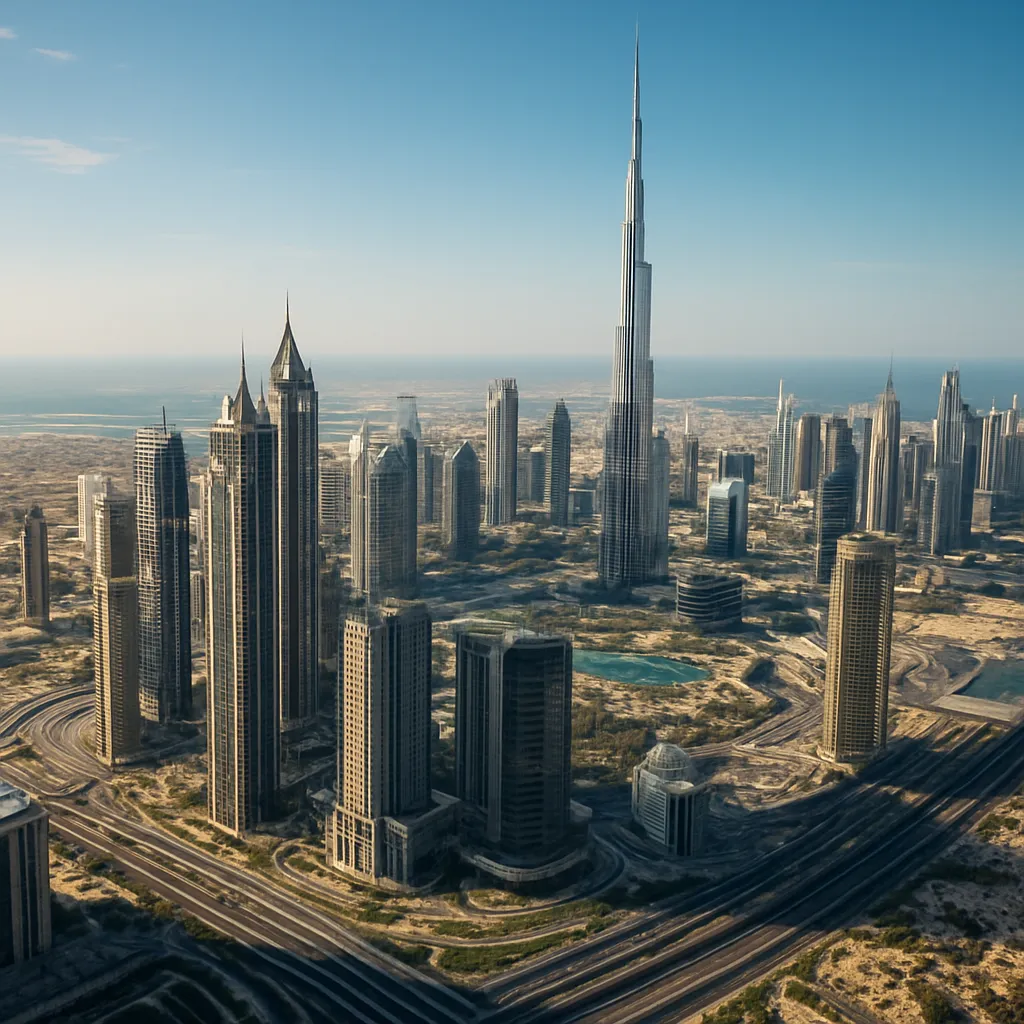
Dubai has emerged as a global icon of vertical ambition, transforming the desert horizon into a testament of human ingenuity and innovation. From the soaring heights of the Burj Khalifa to a constellation of residential towers lining the Marina, the city redefines what it means to live in harmony with the sky. This exploration delves into how Dubai’s skyline has become a living laboratory for architecture, technology, and sustainability, crafting new standards for luxury and community in the vertical realm.
Reimagining Urban Skyward Expansion
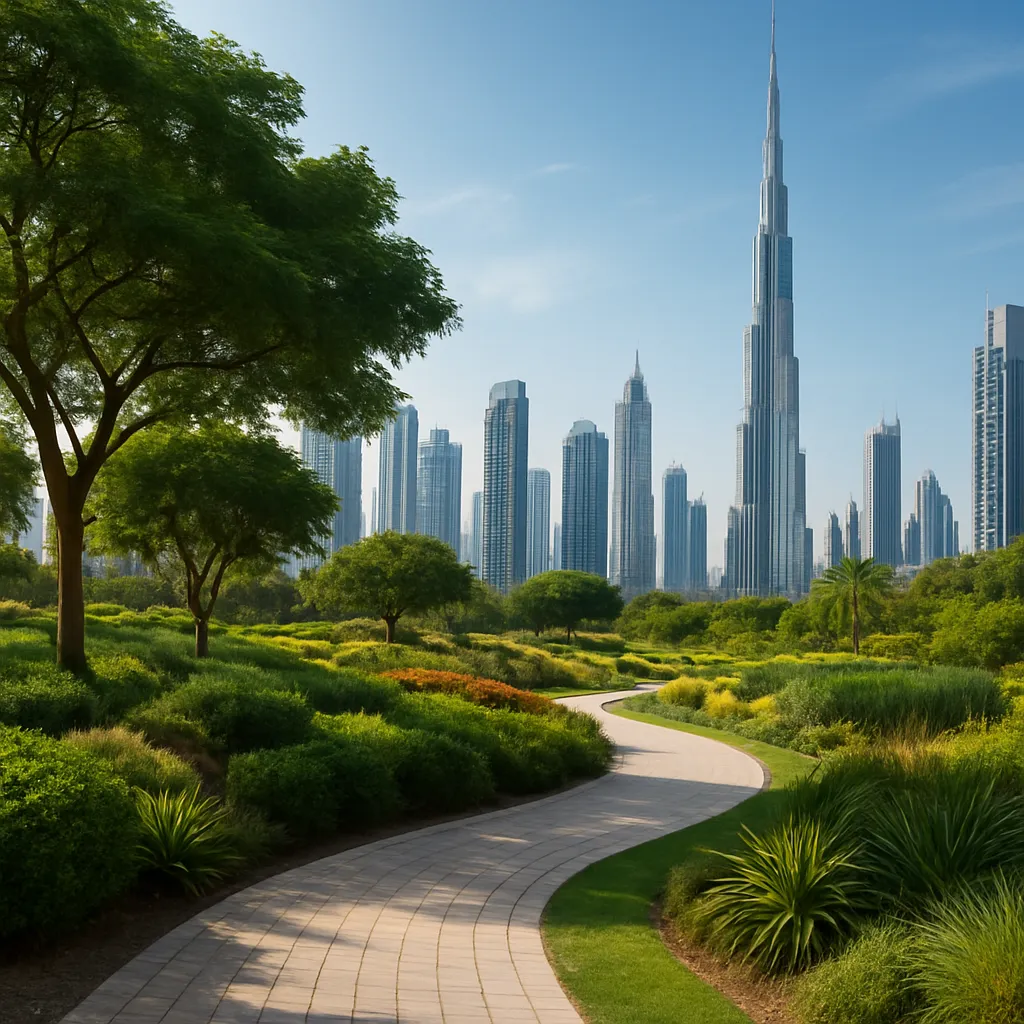
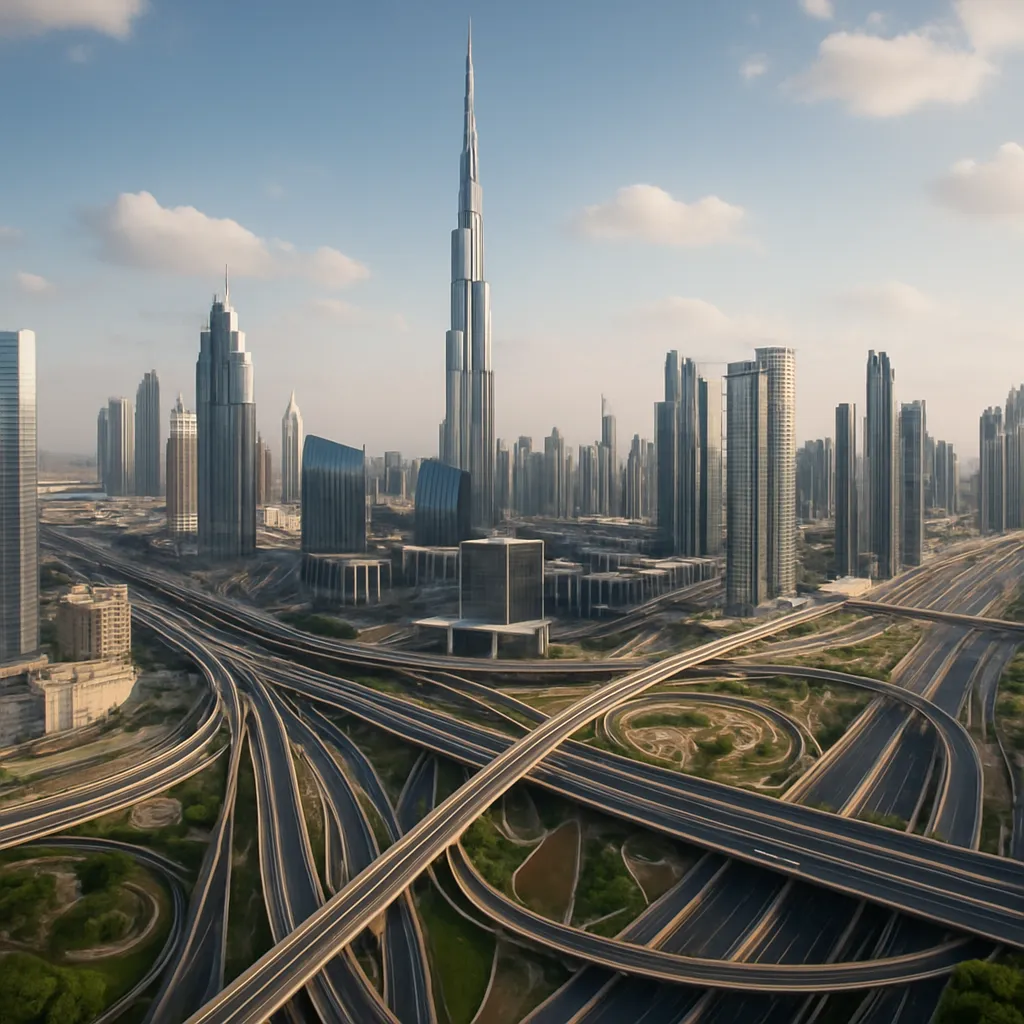
The rapid urbanization of Dubai demanded a radical answer to limited land and surging population. By embracing vertical growth, city planners turned every square meter upward, creating clusters of mixed-use towers that seamlessly integrate work, leisure, and residential life. This urban approach solves spatial constraints while preserving open spaces at ground level for parks, promenades, and waterfronts.
Key elements driving this skyward momentum include:
- High-rises designed with stepped massing to reduce wind loads and maximize daylight.
- Sky bridges and hanging gardens that foster connectivity between neighboring towers.
- Innovative mechanical systems that enhance energy efficiency and occupant comfort.
- Public observation decks and restaurants that turn panoramic views into attractions.
These strategies have reshaped urban life, encouraging residents to view vertical development not as a mere stacking of apartments, but as a dynamic ecosystem where every level offers unique experiences.
Pioneering Architectural Marvels
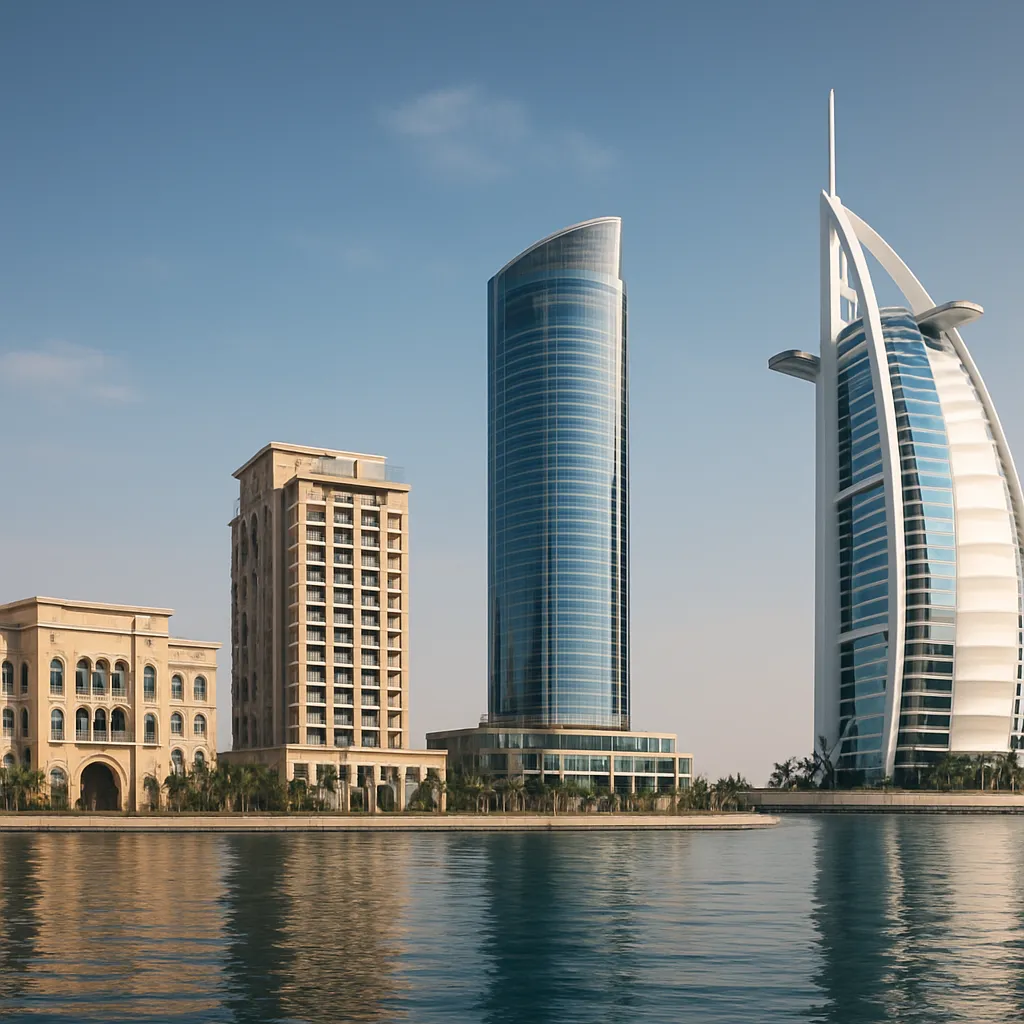
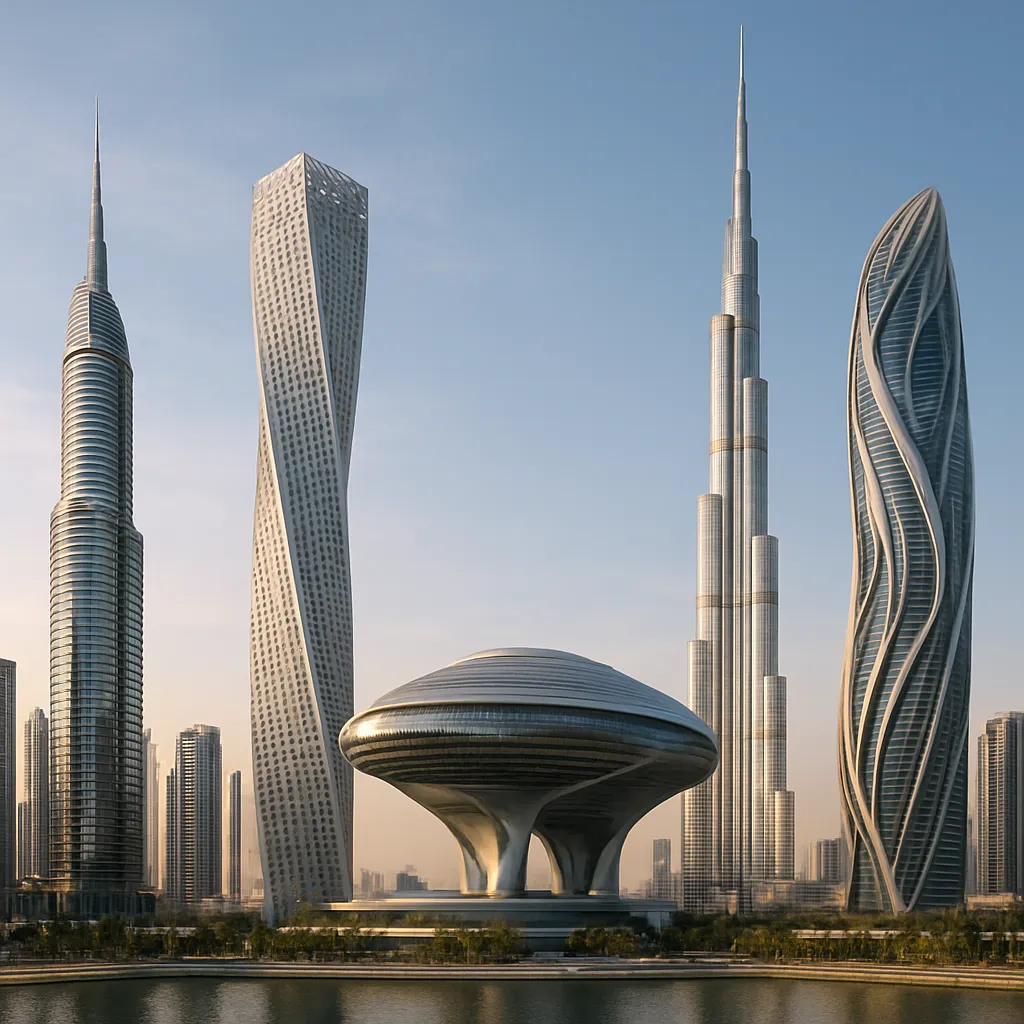
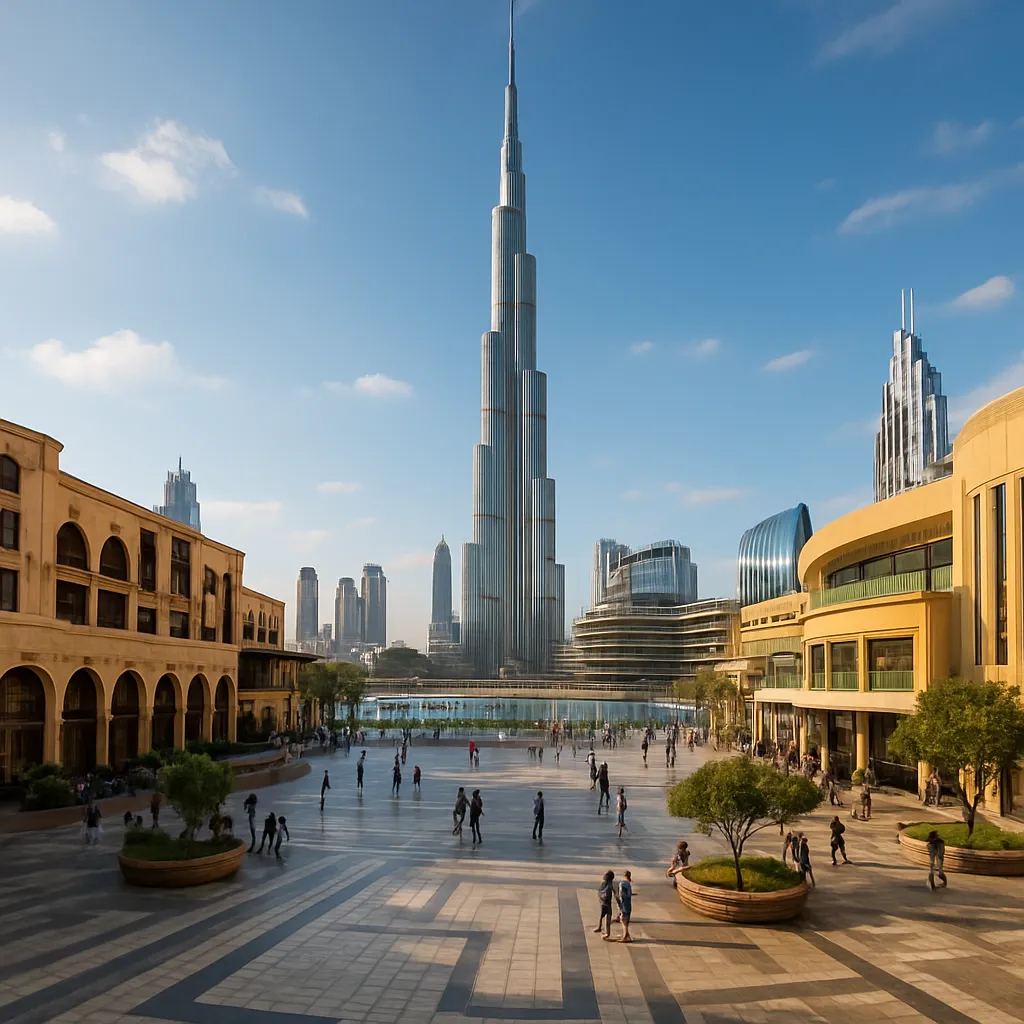
Dubai’s quest for architectural supremacy is epitomized by structures that push engineering limits. The Burj Khalifa, presently the world’s tallest building, stands at 828 meters. Its tapering form reduces vortex shedding and houses a mixed program of hotels, offices, and luxury residences. Meanwhile, the twisting silhouette of the Cayan Tower—a 75-story masterpiece—demonstrates how geometry can be harnessed to create both aesthetic drama and performance gains by dissipating wind forces.
Other notable achievements include:
- Princess Tower, once the world’s tallest residential building, featuring double-skin façades to mitigate solar heat.
- Marina 101, a 425-meter residential and hotel complex activating the coastline.
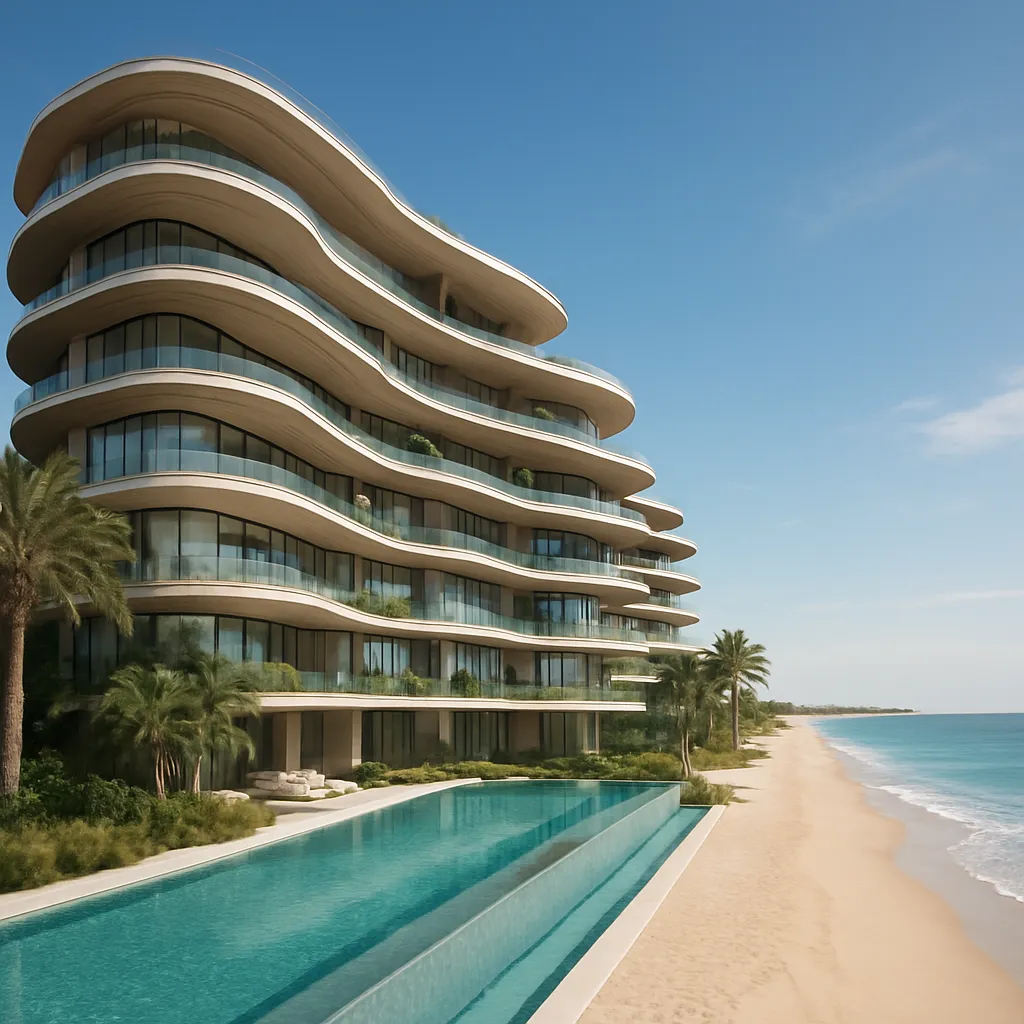
- The Address Beach Resort with its cascading terraces, blending indoor luxury with open-air living.
Behind each landmark is an intricate network of structural members, high-strength materials, and precise cladding techniques. Engineers apply parametric design tools to simulate wind, sun paths, and thermal loads, ensuring that these giants perform optimally despite the harsh desert infrastructure challenges.
Integrating Technology with Lifestyle
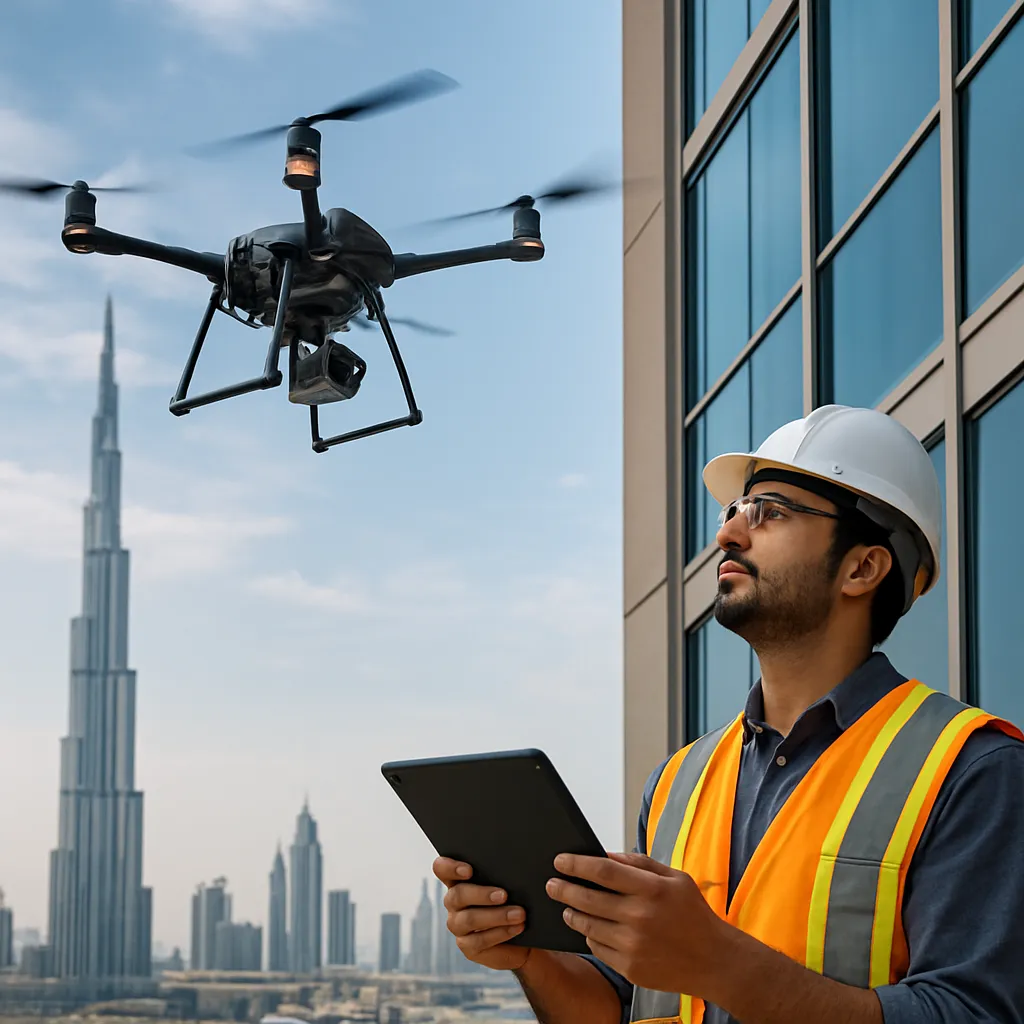
Smart building systems are at the core of Dubai’s vertical living ethos. From automated shading devices to real-time energy monitoring, technology transforms glass-and-steel towers into responsive habitats. Residents can adjust lighting, climate controls, and security through centralized apps or voice commands, while building operators optimize resource consumption and maintenance schedules using AI-driven analytics.
Connected Elevators and Sky Lobbies
High-speed lifts equipped with destination-control systems minimize wait times and reduce energy use. In mixed-use developments, elevators are programmed to serve specific zones—residential, commercial, hospitality—improving traffic flow and enhancing privacy. Sky lobbies, placed every 30 to 50 floors, act as hubs where occupants transfer between local and express elevators, creating a layered circulation network that is both efficient and sociable.
IoT and Sustainable Operations
Thousands of sensors embedded within walls, ceilings, and facades collect data on temperature, occupancy, and air quality. This IoT framework feeds into a Building Management System (BMS), which autonomously controls ventilation, lighting, and chilled water loops. As a result, energy consumption can be cut by up to 40%, earning many towers prestigious green certifications and solidifying Dubai’s commitment to sustainability.
Vertical Communities and Social Dynamics
Living hundreds of meters above ground could feel isolating, but Dubai’s designers have turned verticality into an opportunity for community building. Shared amenities—swimming pools, gyms, cinemas, rooftop parks—are strategically placed to encourage interaction across different floors. The concept of vertical villages has taken root, creating neighborhoods in the sky where residents form lasting social bonds.
- Podium levels configured as pedestrian precincts with cafés, shops, and art installations.
- Sky terraces and gardens providing outdoor green spaces amid the concrete.
- Multi-level retail centers that bring the street experience upward.
- Community events and fitness classes hosted in communal spaces overlooking the skyline.
These vertical precincts are not mere add-ons; they shape daily life by offering leisure and leisure, ensuring that residents never have to descend to the ground for social engagement.
Engineering Resilience in a Desert Climate
Dubai’s extreme heat and occasional sandstorms pose unique challenges for infrastructure resilience. Tower façades employ high-performance glazing with low-emissivity coatings to reduce solar gain. Advanced water-cooled HVAC systems manage interior comfort, while innovative cooling technologies—such as chilled beams and radiant panels—offer silent, efficient temperature control.
Wind tunnel testing plays a pivotal role in designing structures that can withstand gusts exceeding 200 km/h. Meanwhile, foundation solutions like piled raft systems ensure that even the tallest towers remain stable on soft coastal soils. Engineers collaborate closely with material scientists to develop concrete mixes that resist thermal cracking and corrosion, extending the lifespan of these ambitious projects.
Expanding Horizons: Future Prospects
The next generation of Dubai’s vertical developments promises to be even more transformative. Concepts such as rotating towers, sky farms, and integrated drone ports are moving from drawing boards to reality. Architectural firms are exploring connectivity strategies that link clusters of buildings via elevated walkways, creating continuous skyways that redefine mobility.
Proposals for mixed-use sky campuses envision a seamless blend of living, working, and learning spaces, all stacked within a single envelope. Modular construction techniques—fabricating prefabricated units offsite—are expected to accelerate project timelines and reduce waste, aligning with Dubai’s vision for a circular economy.
As Dubai continues to push the envelope, its approach to vertical living will undoubtedly influence megacities worldwide. By marrying groundbreaking architecture with smart design and a focus on community, the city proves that the future of urban life lies not on the ground, but high above it—where ambition reaches its fullest expression in steel, glass, and concrete.