Centrium Towers in Production City is a noteworthy example of Dubai’s rapid urban expansion and the city’s ongoing strategy to combine industry-focused free zones with high-quality residential and commercial developments. Located within the precinct commonly known as Dubai Production City, the complex responds to demand for proximity to media, logistics and creative industries while offering contemporary design, practical amenities and strong connectivity to the broader urban fabric. This article outlines the building’s location and context, architectural and functional characteristics, amenities and uses, economic and urban role, transport links, sustainability features and other interesting facts that make Centrium Towers a distinctive address in Dubai’s evolving landscape.
Location and urban context
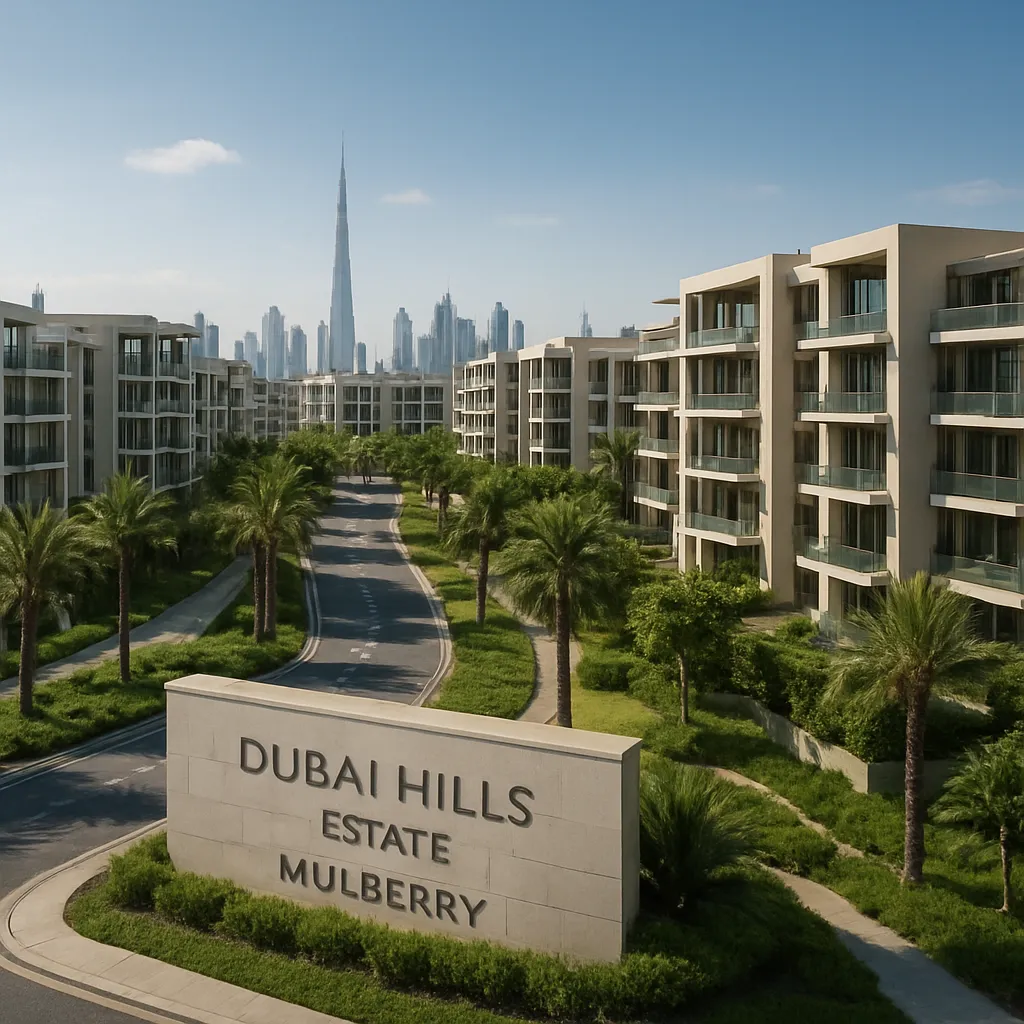
Centrium Towers sits within Dubai Production City (DPC), a planned district conceived to host media, production and related creative industries alongside residential areas and supporting commercial activity. Production City itself was developed as part of Dubai’s effort to cluster industry-specific activities in dedicated zones, creating synergies between companies and providing purpose-built infrastructure. The towers enjoy a location that balances proximity to specialized business communities with relatively direct access to the city’s major arterial roads.
From an urban standpoint, this location advantages Centrium Towers in several ways:
- Proximity to creative industries: The immediate neighborhood contains television, film, media and production facilities, generating steady demand for office and residential accommodation for professionals in those sectors.
- Strategic connectivity: Production City is linked to main roads that allow reasonably quick travel to commercial hubs, industrial areas and airports, making Centrium Towers attractive to both local and international residents and tenants.
- Balanced environment: Unlike the densest parts of central Dubai, the vicinity provides a more campus-like feel — lower-rise warehouses and studios, interspersed with residential blocks and landscaped spaces — appealing to families and professionals seeking quieter surroundings while remaining well-connected.
Architecture, layout and design
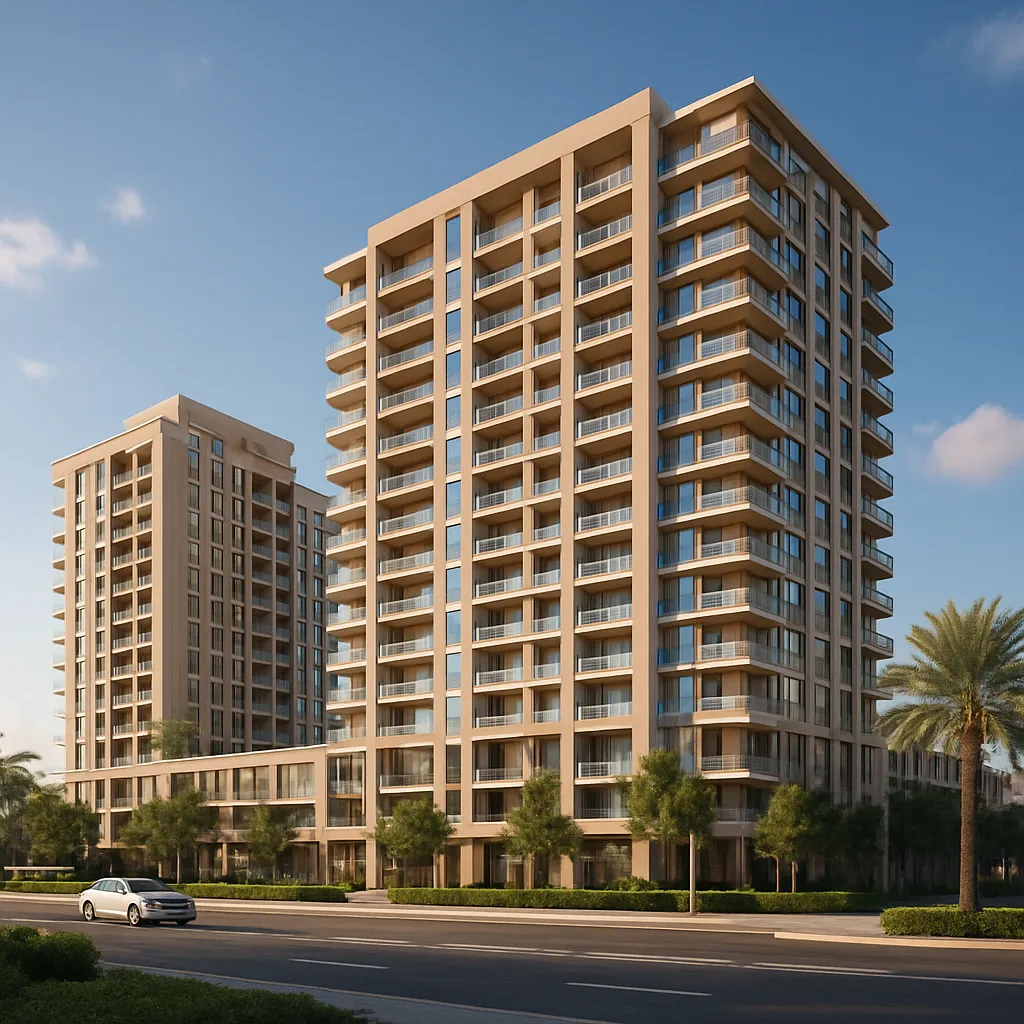
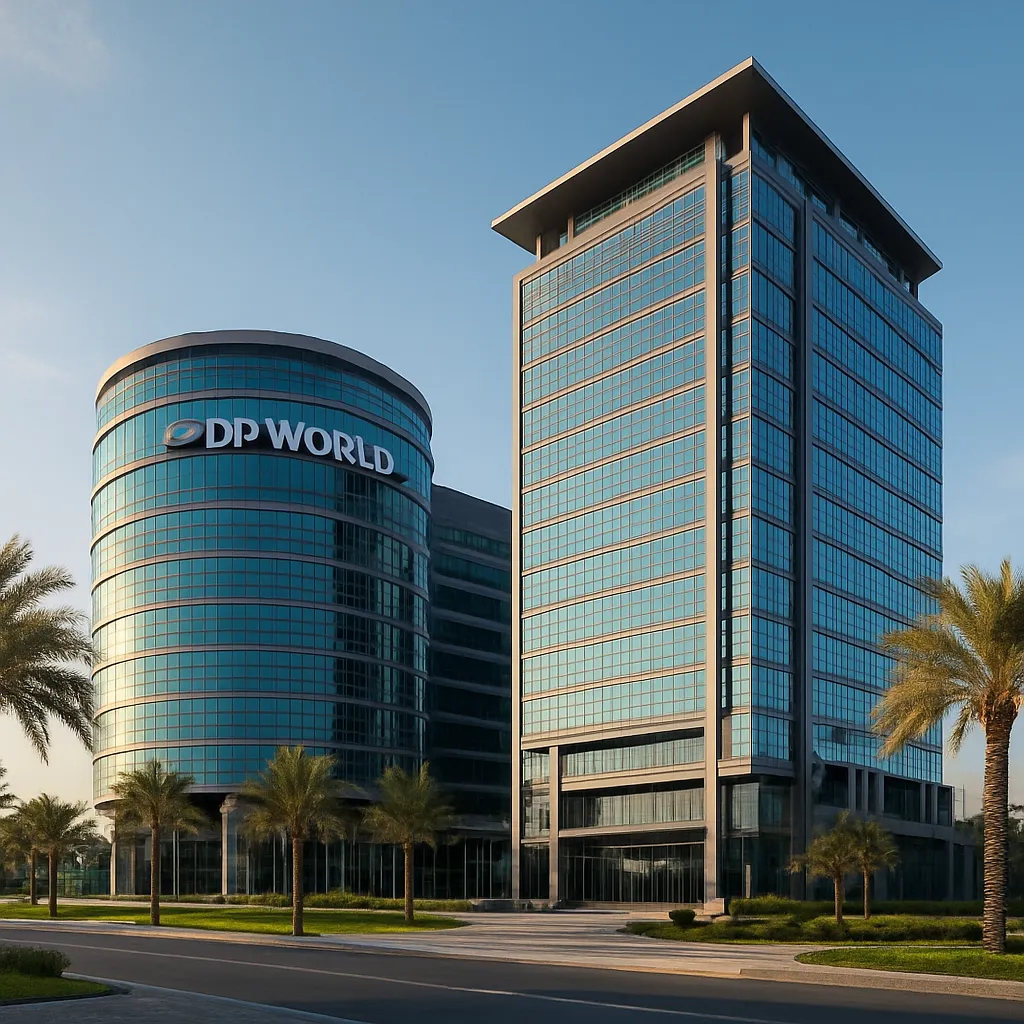
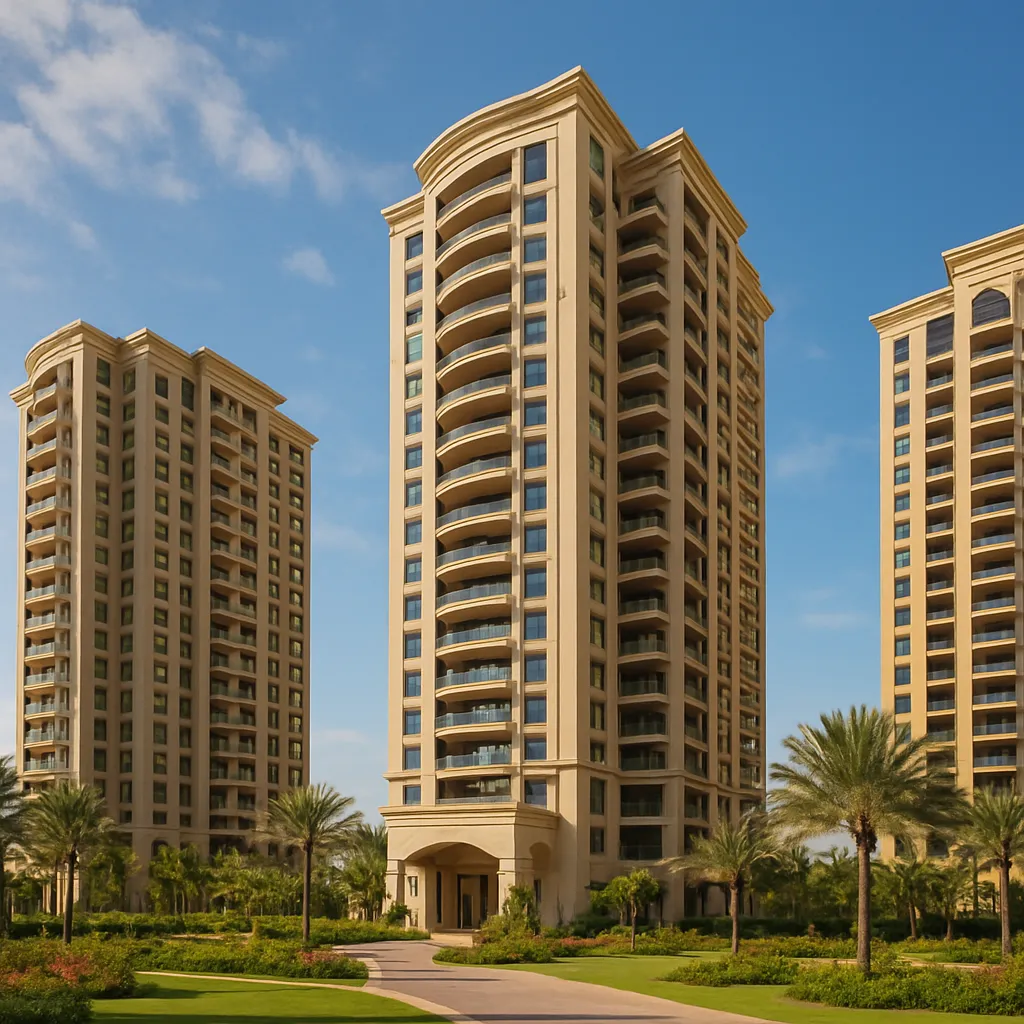
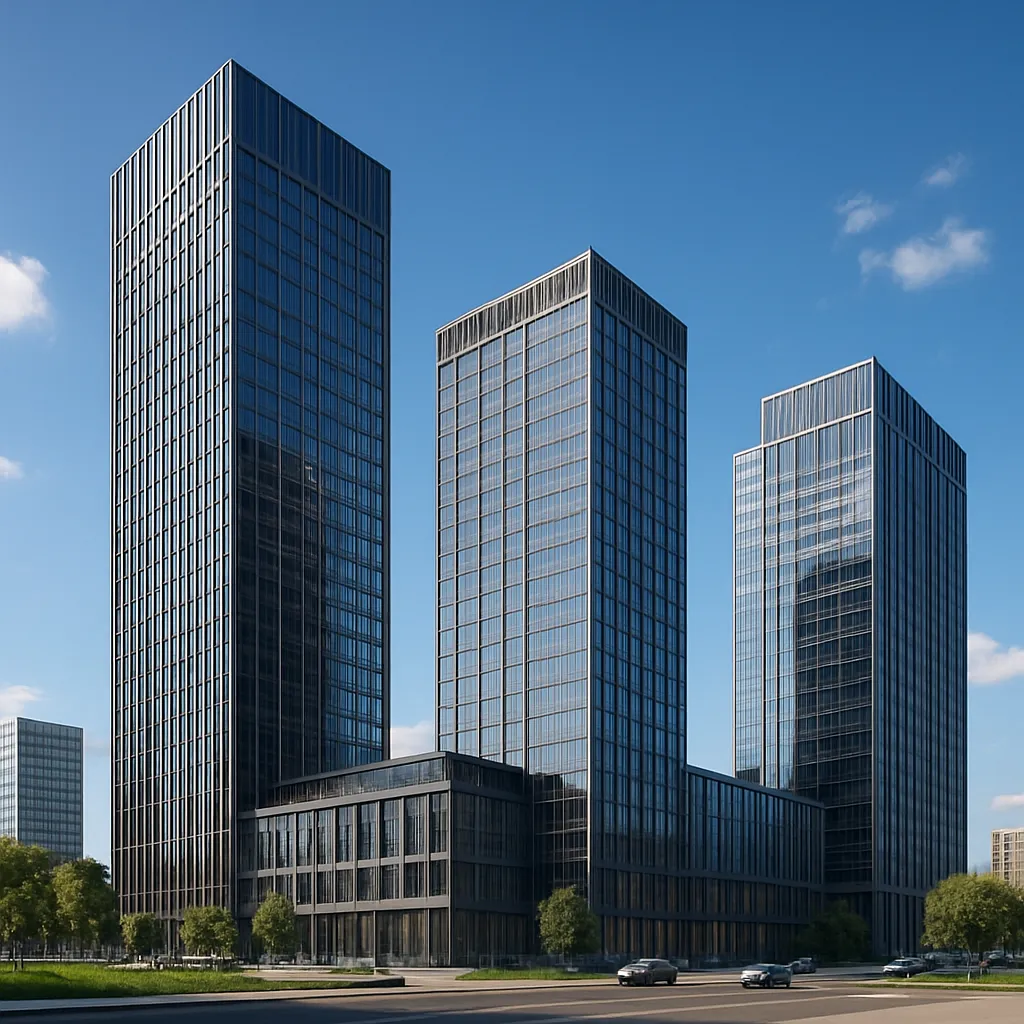
Centrium Towers exemplifies a contemporary mixed-use typology common in Dubai’s peripheral business districts. Although variations exist among individual blocks and towers, the general design language emphasizes clean façades, efficient floorplates and a combination of glass and light-colored cladding that integrates with Dubai’s desert light. The development often features a podium level that houses retail and amenity spaces, with residential or office floors above.
Key architectural characteristics
- Modern façade treatment: Use of glazing and textured panels to create a refined but economical exterior.
- Podium-based programming: Retail, lobby, fitness and parking at lower levels to enable uninterrupted floorplates above.
- Functional interiors: Apartments and offices laid out for efficiency, with balconies or terraces where climate and orientation allow.
- Shared facilities: Communal pools, gyms, landscaped courtyards and multipurpose rooms to support community life and tenant needs.
The towers’ massing is often planned to maximize views toward open spaces and to provide daylight penetration across units. Materials and finishes within common areas typically reflect a mid-market to premium positioning, with durable finishes chosen for high-traffic zones and energy-efficient mechanical systems to reduce operating costs.
Uses, amenities and typical apartment/office offerings
Centrium Towers is conceived as a mixed-use development, blending residential units with supporting commercial spaces and retail. This mixed programming supports a live-work ecosystem, particularly valuable in a district focused on media and production where flexible working hours and on-site convenience matter.
Residential amenities and unit mix
- Unit types: A typical development in this category offers studio, one-, two- and three-bedroom apartments, sometimes with duplex penthouse options on higher floors.
- Recreational facilities: Communal swimming pools, fitness centers, children’s play areas, landscaped gardens and BBQ/picnic areas.
- Convenience services: 24/7 security, concierge services, covered and visitor parking, and on-site retail such as supermarkets, cafes and convenience stores.
Office and commercial provisions
- Office floors: Flexible office space suitable for small production companies, creative agencies and satellite offices that prefer proximity to studio infrastructure.
- Retail frontage: Ground-floor retail supports day-to-day needs of residents and workers — from cafés to service-oriented businesses like dry cleaners and pharmacies.
- Co-working possibilities: Given the media-focused neighborhood, co-working and smaller serviced office packages are often available or easily accommodated.
Economic role and market positioning
Centrium Towers contributes to Production City’s broader economic ecosystem by providing affordable to mid-market residential and office space close to industry-specific services. The development helps retain talent within the district and reduces commute times for staff working in studios and media houses. For investors, properties in and around Production City have frequently been marketed on the basis of steady rental demand and the area’s focus on a defined industry cluster.
Key aspects of the building’s market positioning include:
- Target tenants: Media professionals, creative freelancers, small business owners and families seeking reasonable pricing near workplace clusters.
- Investment case: Rental yields in production-focused precincts can be attractive relative to some central locations because of lower entry prices and consistent tenant demand from industry employees and students.
- Occupancy dynamics: Occupancy tends to track the fortunes of the media and production sectors; as activity in those sectors grows, so does demand for proximate housing and office space.
Transport, accessibility and local connections
Centrium Towers benefits from strategic transport links that make it accessible to a broad segment of Dubai’s population without being at the core of downtown congestion. While it is not located in the busiest central business district, its accessibility is an important asset for residents and business users.
- Major roads: Easy access to the emirate’s major arterial roads provides direct links to other business districts, logistics hubs and the city’s airports.
- Public transport: Bus routes and feeder services connect Production City with nearby metro stations and neighboring communities, though private cars and taxis remain common modes of transport.
- Airport access: Reasonable driving times to Dubai International Airport and Al Maktoum International, varying by traffic conditions, which supports national and international business travel.
- Ride-hailing and last-mile solutions: The prevalence of ride-hailing services and organized shuttle options for staff of production companies enhances mobility for people working irregular hours.
Sustainability, engineering and building performance
Sustainability in contemporary Dubai projects is increasingly important, and Centrium Towers typically incorporates practical measures to improve environmental performance and long-term operating costs. While individual building certifications (such as LEED or Estidama) depend on developer priorities and project budgets, the following sustainable strategies are commonly applied in similar developments:
- Energy-efficient systems: High-efficiency HVAC systems, LED lighting and building management systems to reduce energy consumption.
- Water conservation: Low-flow fixtures, efficient irrigation for landscaping and water recycling in communal areas where feasible.
- Material selection: Use of durable, locally sourced or low-embodied-energy materials to reduce lifecycle environmental impact.
- Waste management: On-site provisions for recycling and organized waste segregation to improve diversion from landfill.
Technically, mid-rise and high-rise developments in the Production City area also pay attention to thermal comfort through façade design and shading, roof insulation and appropriate glazing to mitigate solar gain. These measures reduce cooling loads and enhance occupant comfort in Dubai’s hot climate.
Community, lifestyle and local services
Centrium Towers supports a community-oriented lifestyle tailored to those working in creative and production fields. The presence of retail, leisure and family-friendly services in the immediate area contributes to a balanced daily life where work and home are closely integrated.
- Educational facilities: Nearby schools and nurseries cater to families living in the district.
- Healthcare: Clinics and medical centers in adjacent districts ensure residents have reasonable access to primary healthcare services.
- Leisure and sports: Sports fields, golf courses and recreational facilities in the broader neighborhood provide varied options for outdoor activities.
- Cultural life: The proximity to studios and creative centers fosters occasional public events, workshops and festivals that contribute to a culturally active community.
Interesting facts and lesser-known details
Centrium Towers and the Production City area together generate a number of distinctive facts that reflect Dubai’s approach to specialized urban districts:
- Industry clustering: Production City is an intentional cluster for media and production businesses. This concentration simplifies logistics for companies that need studio space, distribution services and technical suppliers.
- Adaptive tenancy: Office space in and around Centrium Towers is frequently repurposed for different scales of production activity — from small post-production units to satellite offices for larger media firms.
- Flexible living: The residential offers are often tailored to short- and medium-term stays as well as long-term residency, accommodating transient media crews and more permanent residents alike.
- Developer interest: The area attracts investors and developers who seek projects that combine predictable cash flows with the possibility of appreciation as the media cluster grows.
- Evolution from IMPZ: Production City evolved from earlier concepts that sought to create international media production capacities in Dubai; Centrium Towers is part of that ongoing evolution of purpose-built urban zones.
Potential for investors and future prospects
For prospective buyers and investors, Centrium Towers presents opportunities tied to both local demand and the broader strategic positioning of Production City. The investment case typically rests on a few pillars:
- Steady rental demand: A base of industry professionals and service-sector employees provides consistent leasing potential.
- Relative affordability: Compared to prime central districts, developments here often offer lower entry prices with comparable yields.
- Long-term growth linked to industry: Continued expansion of media, digital production, e-sports and related sectors in Dubai can enhance asset appreciation.
- Flexible usage: Mixed-use developments can adapt to changing market conditions — residential units can serve as short-stay accommodations or longer leases; office floors can be subdivided for SMEs.
Investors should, however, evaluate market cycles, developer reputation, service charges and the local pipeline of competing projects to make informed decisions. As with all property investments, due diligence on title, delivery timelines and contractual protections is essential.
Practical tips for residents and tenants
- Understand service charges: Review detailed breakdowns of annual service fees to anticipate ongoing costs.
- Check transport options: If you commute frequently, verify the best road links and available public transport or shuttle services.
- Confirm amenity standards: Inspect shared facilities in person to ensure they match promotional materials and meet your lifestyle needs.
- Consider noise and schedule: Production neighborhoods can have irregular activity patterns — confirm sound insulation and building policies if you require quiet daytime environments.
- Explore local services: Identify the closest supermarkets, pharmacies, schools and clinics to understand everyday convenience.
Summary and concluding observations
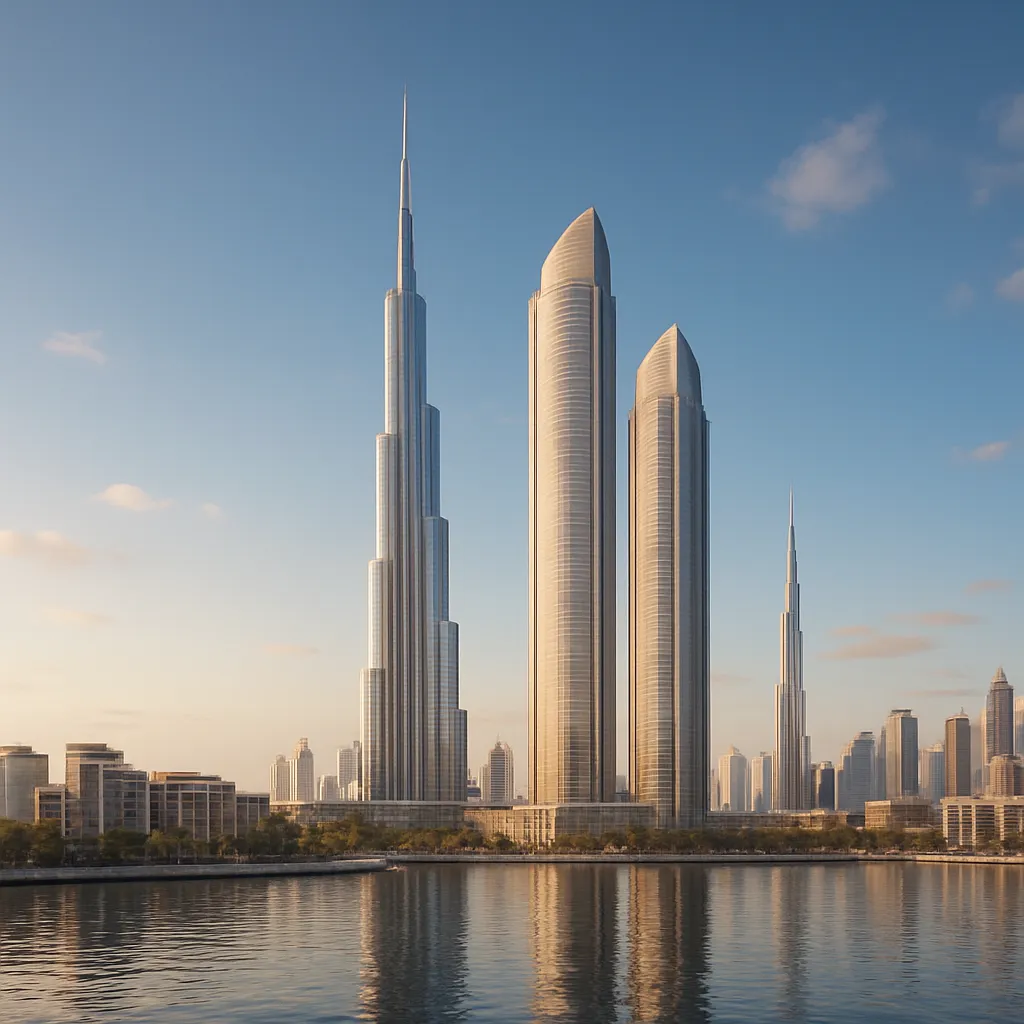
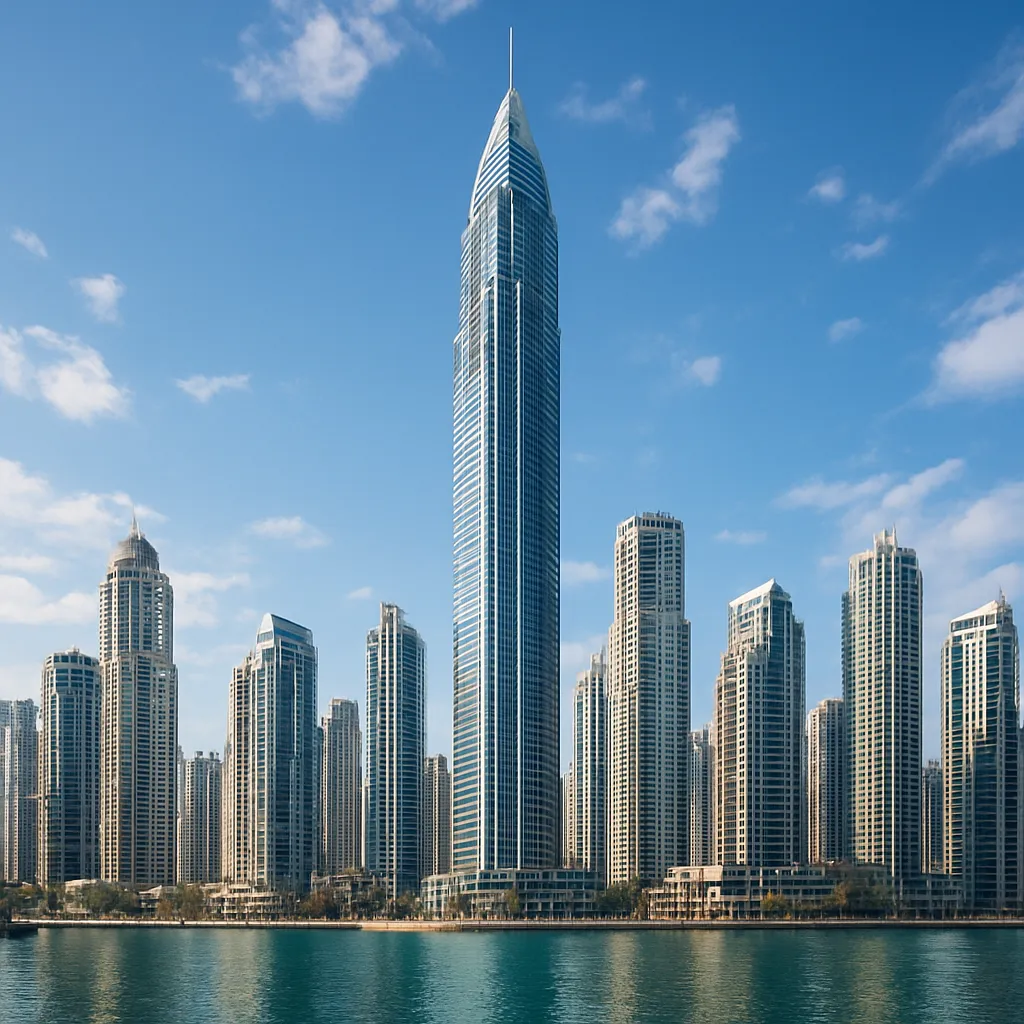
Centrium Towers in Production City stands as a practical expression of Dubai’s targeted urban strategy — to create neighborhoods that serve specific industries while offering liveable, amenity-rich environments. Its value lies in the combination of functional design, proximity to media and production businesses, and accessibility to the wider city. While not positioned as a central landmark in Dubai’s skyline, the development serves a clear niche, providing housing and office solutions tailored to the district’s workforce and contributing to the larger mosaic of specialized urban districts that define contemporary Dubai.
Across architecture, amenities and economic function, Centrium Towers reflects the priorities of mid-21st-century urban development in Dubai: efficient land use, mixed programming, and an orientation toward enabling industry clusters. For residents, tenants and investors seeking a balance between workplace proximity and a quieter urban setting, it represents a compelling option within the dynamic framework of Dubai Production City.