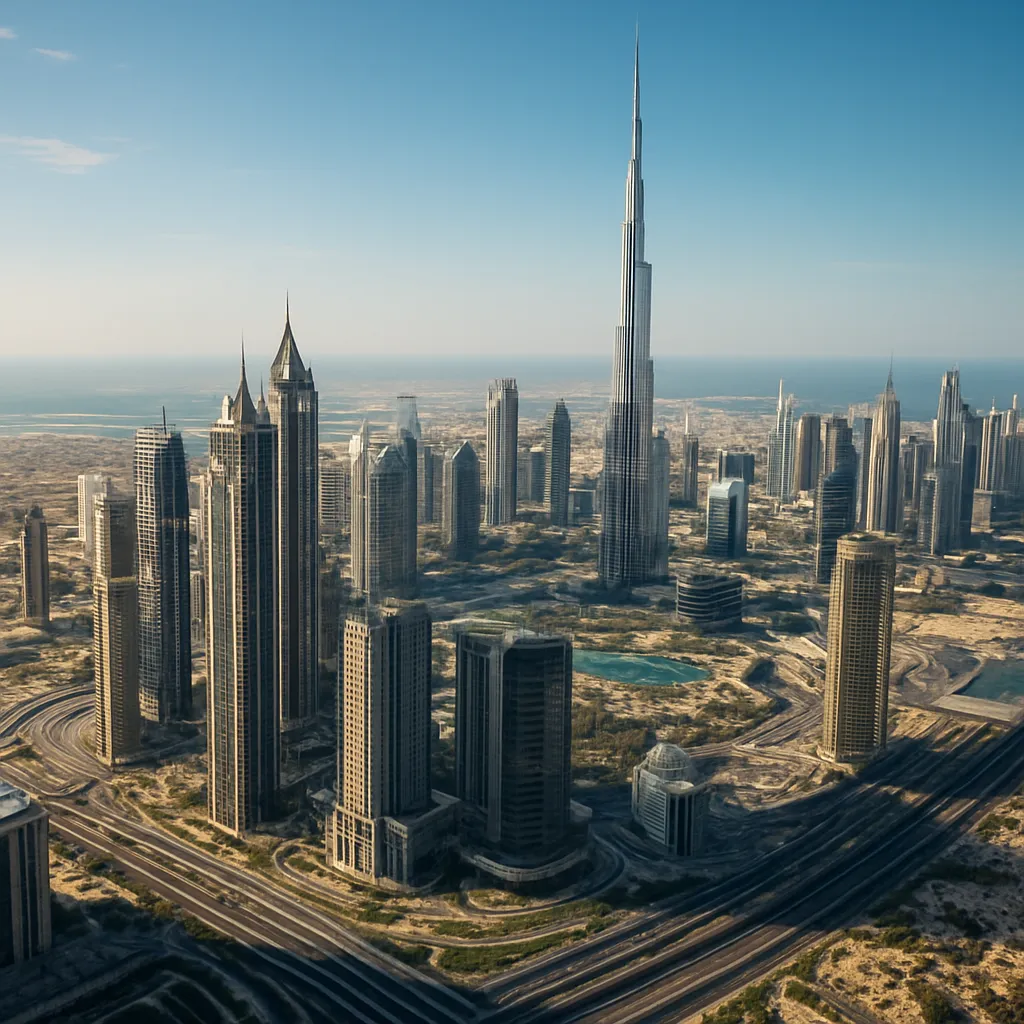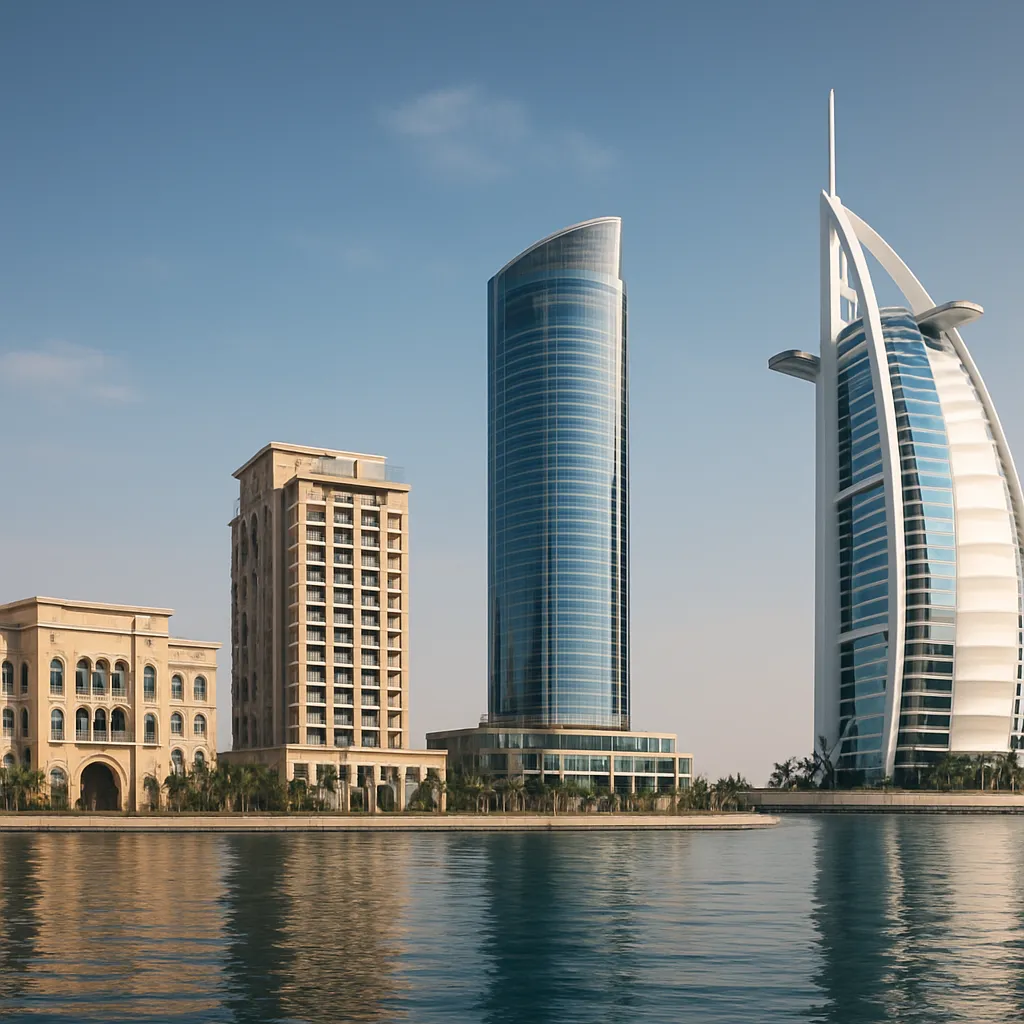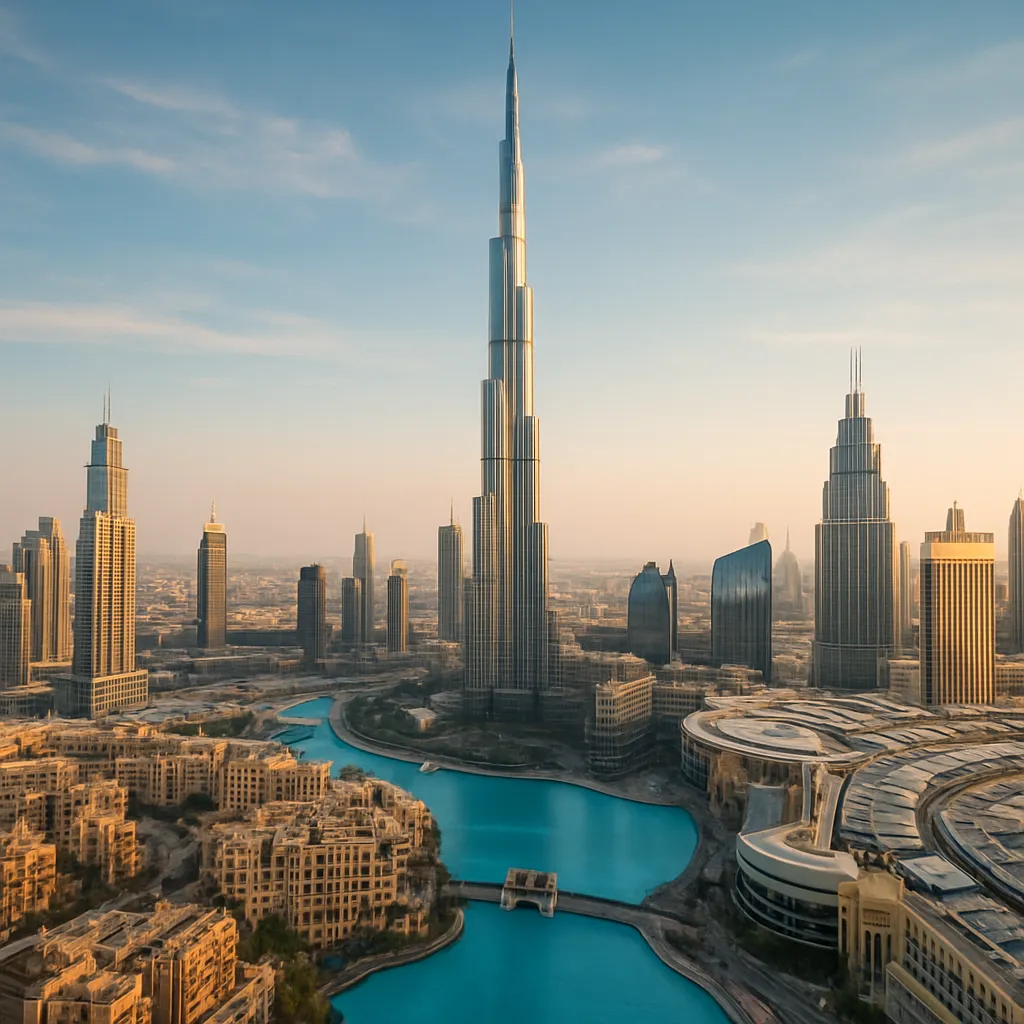
Dubai’s construction landscape has undergone a profound metamorphosis over the past two decades, redefining the very notion of urban development. From towering spires that pierce the clouds to man-made islands shimmering under the Arabian sun, this city’s relentless pursuit of architectural excellence has sent ripples across the world. By blending cutting-edge technology and audacious vision, Dubai has not only crafted one of the most striking skylines on the planet but has also shaped contemporary design trends in cities far beyond its borders.
The Ascent of an Astonishing Skyline
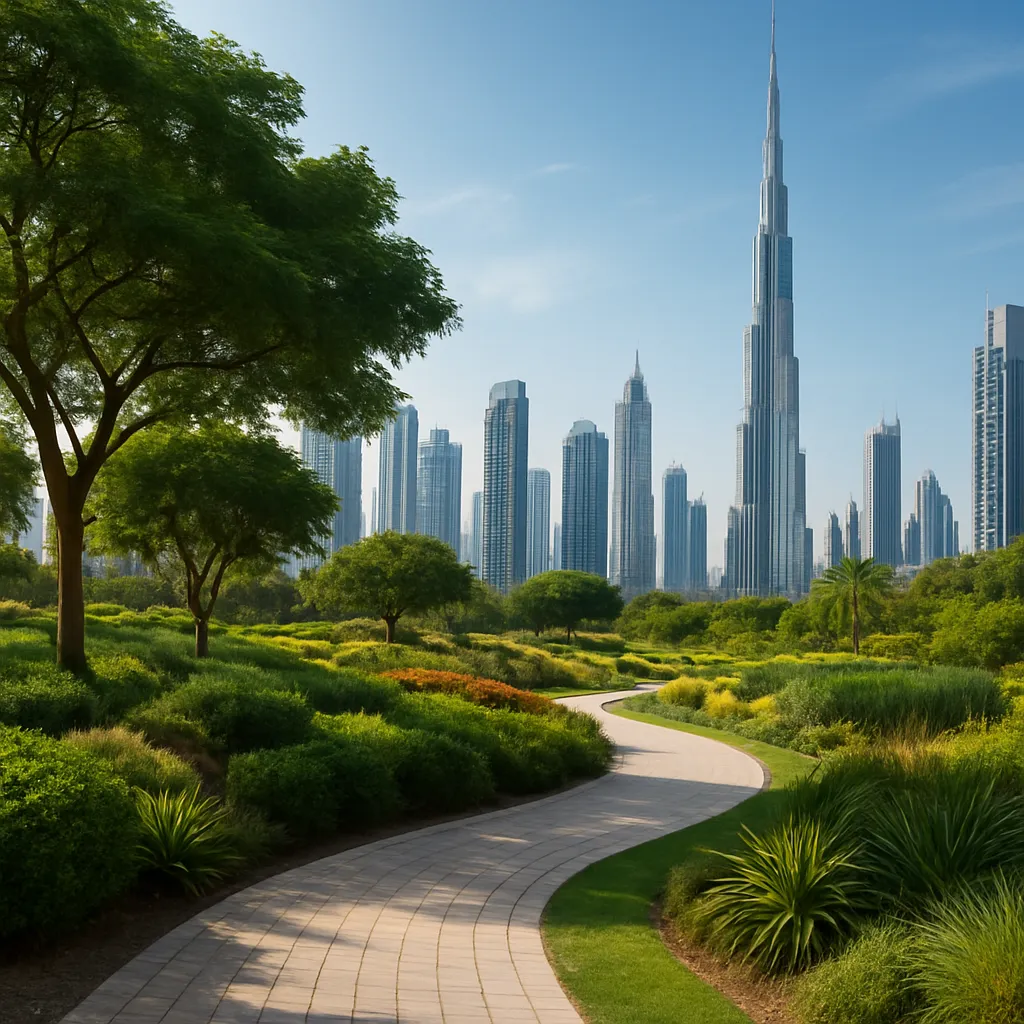
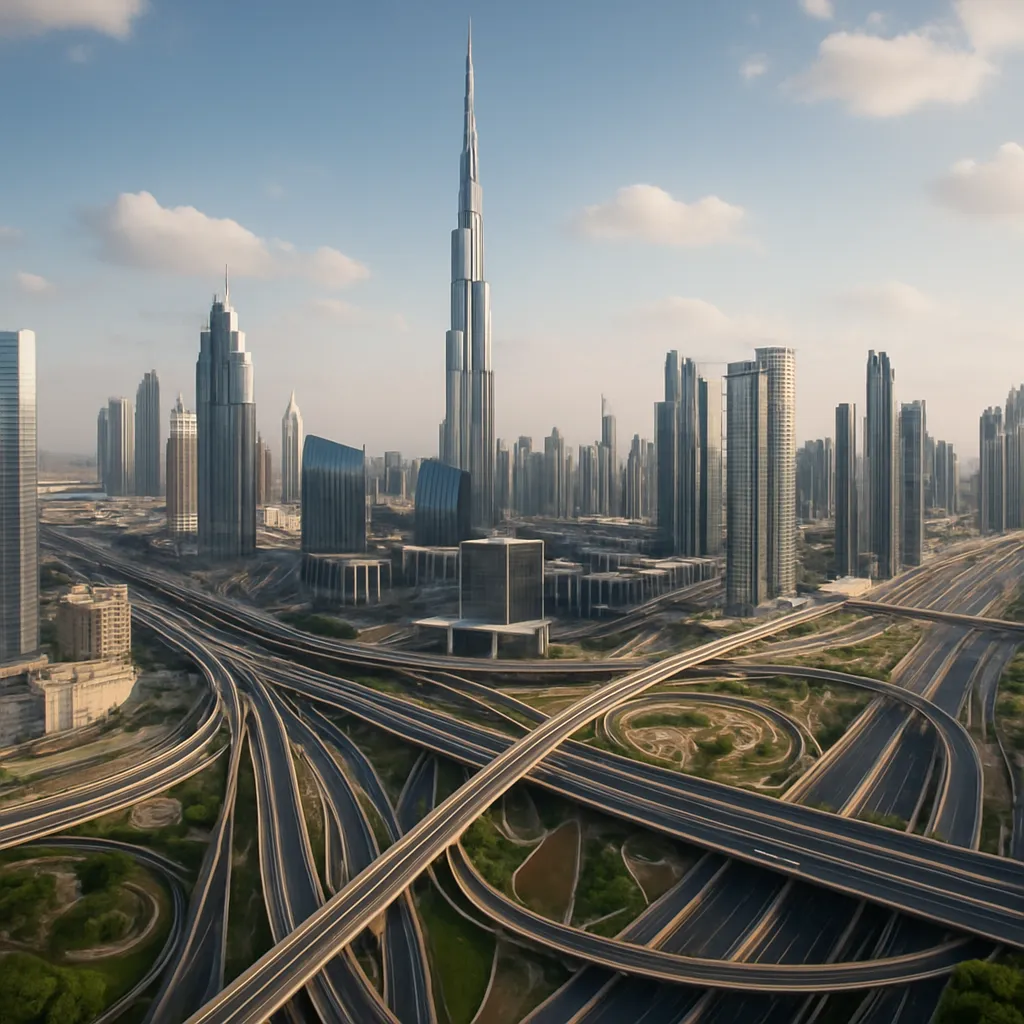
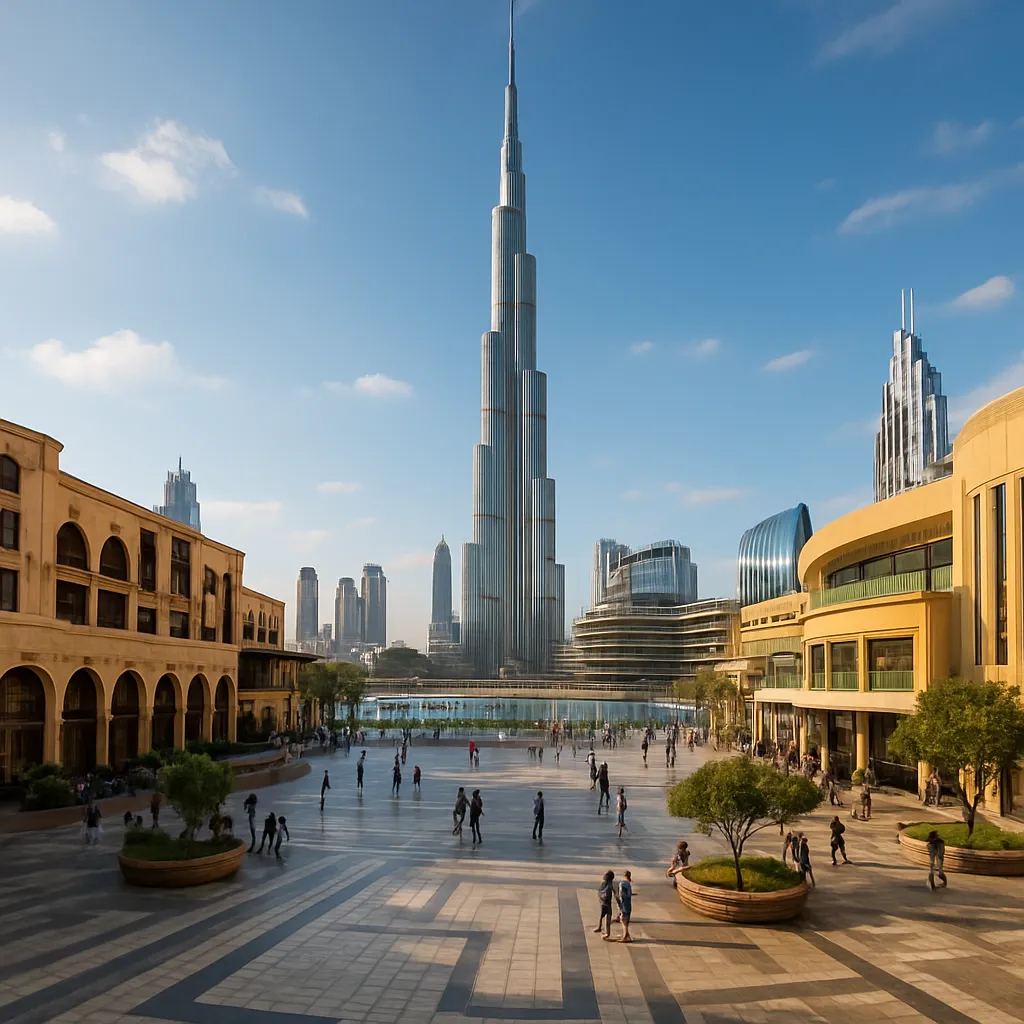
As soon as the Burj Khalifa emerged in 2010 as the tallest building in the world, it instantly became an iconic symbol of Dubai’s ambitions. But this was just the beginning. Surrounding the soaring spire of the Burj Khalifa, dozens of skyscrapers quickly followed, each vying to outshine the previous in height, form, or facade treatment.
From Vision to Reality
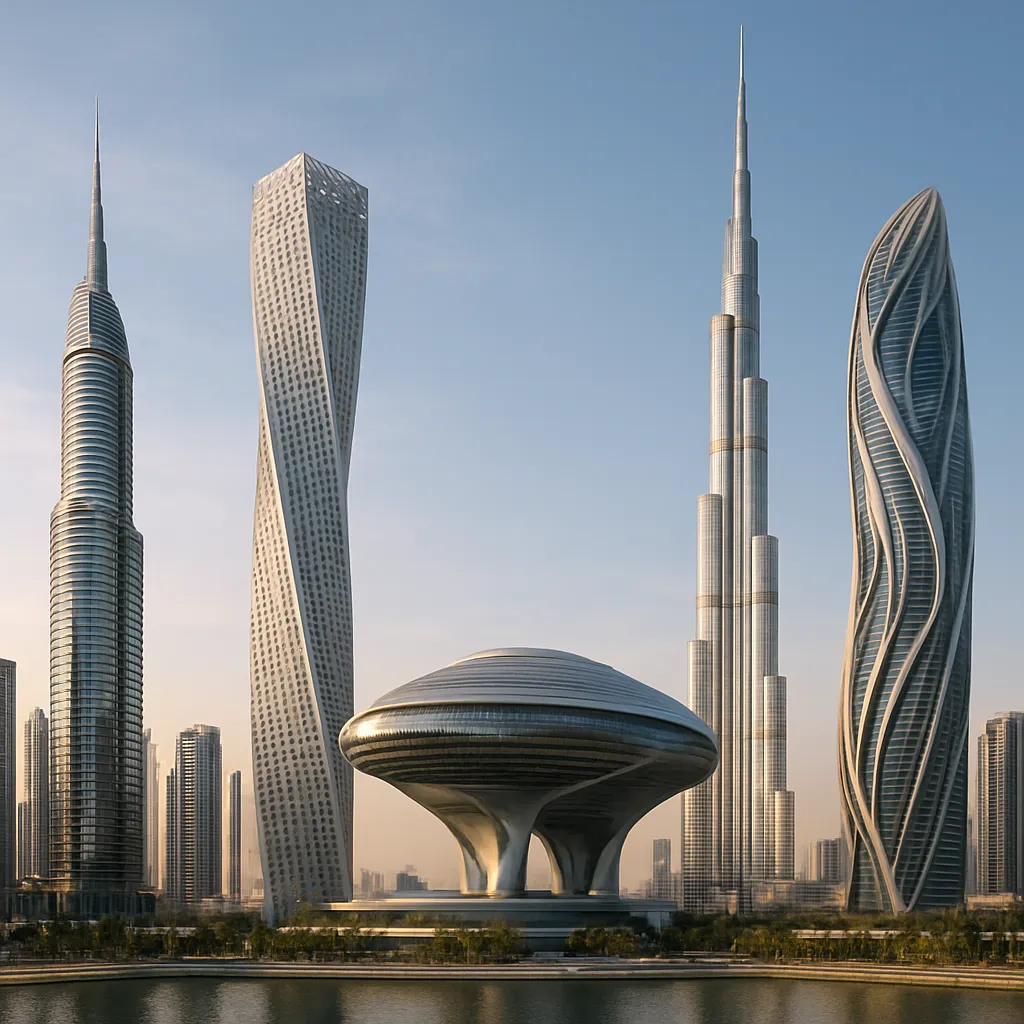
Many of these structures were conceived by internationally acclaimed firms, drawing on the latest advancements in structural engineering and material science. Parametric design tools, underpinned by parametric modeling, allowed architects to generate fluid forms that maximize natural lighting and wind performance. The result: sinuous towers, twisting silhouettes, and facades that resemble digital sculptures.
Cultural Reflections in Concrete and Glass
Despite its futuristic bent, Dubai’s skyline often pays homage to Islamic design principles. Geometric patterns inspired by traditional motifs are now etched into curtain walls, while wind tower elements echo ancient vernacular strategies for passive cooling. This fusion of old and new provides a powerful statement on how heritage can inform daring modernity.
Innovative Design Strategies and Engineering Feats
Creating buildings that defy gravity requires more than aesthetic daring—it demands pioneering solutions in construction methodology. Dubai’s rapid expansion has been underwritten by enormous investment in infrastructure and research, enabling high-profile collaborations between state bodies and private enterprises.
- Modular Construction: Prefabricated units assembled off-site reduced on-site labor and expedited project timelines.
- Advanced Materials: Ultra-high-performance concrete and specialized glass coatings improved structural resilience and energy efficiency.
- 3D Printing: At the forefront, 3D-printed villas illustrate how automated processes can revolutionize both cost and design freedom.
The Role of Robotics and AI
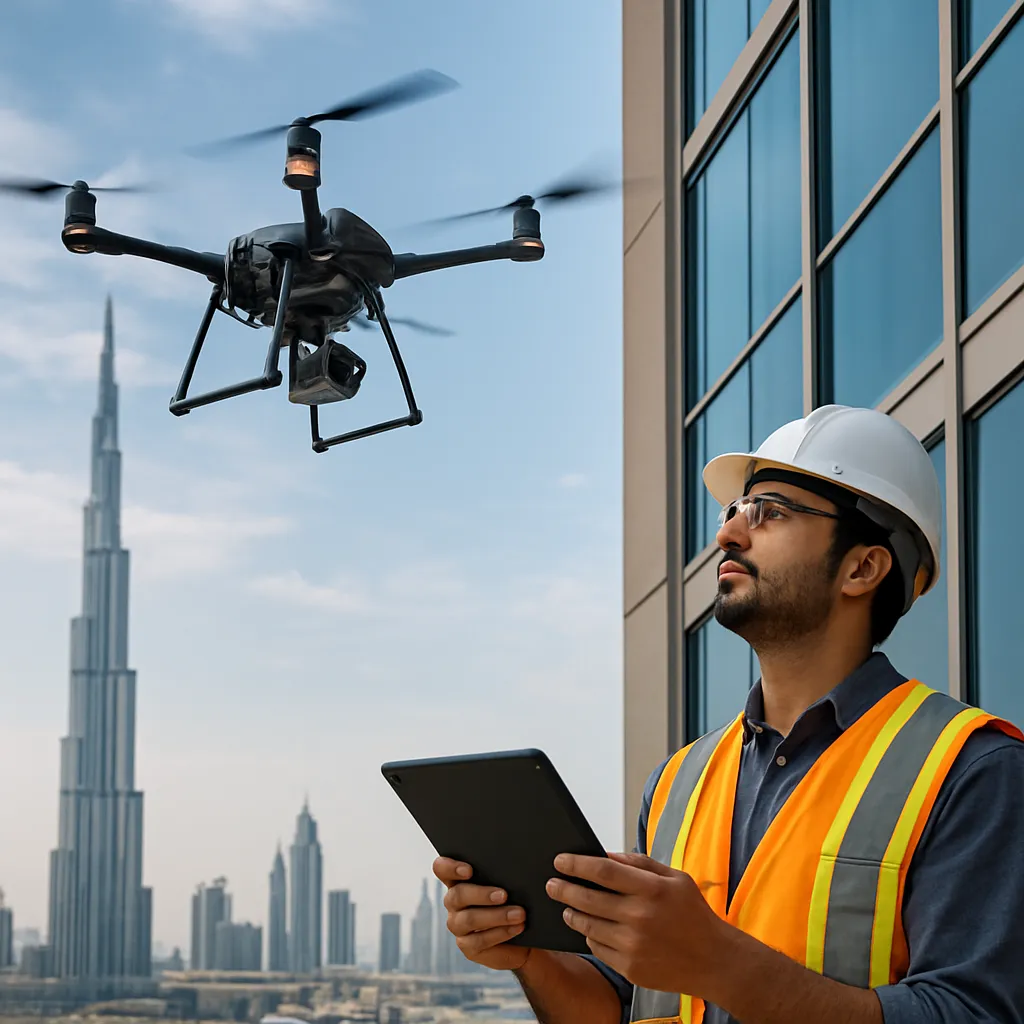
Robotic arms now position steel beams with millimeter precision, while AI-driven management systems optimize resource allocation daily. This integration of digital tools has not only minimized delays but also set a new standard for productivity worldwide, inspiring other metropolises to adopt similar high-tech construction practices.
Fostering Sustainability and Smart Technologies
In recent years, Dubai has pivoted from sheer scale toward responsible growth, embedding sustainability at the core of its development ethos. Net-zero energy buildings, solar panel façades, and district cooling networks have transformed previously resource-intensive projects into more environmentally conscious ventures.
Green Building Certifications
Several landmark projects now sport LEED Platinum or Estidama ratings, reflecting commitments to water conservation, waste reduction, and indoor air quality. The UAE’s ambition to host COP conferences has only accelerated this green wave, ensuring that future towers incorporate passive shading, rainwater harvesting, and photovoltaic glazing.
Smart City Integration
Dubai’s Digital Authority has championed IoT-enabled streetlights, sensor-driven traffic flow systems, and AI-managed public spaces. Such innovation not only enhances urban livability but also generates valuable data sets for architects and planners in other global hubs seeking to become smarter and more adaptive.
The Ripple Effect on Global Architecture
Dubai’s high-profile mega-projects have served as a global showcase, attracting design talent and spurring cross-border partnerships. International cities from Shanghai to London have witnessed a palpable shift in design briefs that emphasize iconic skylines, mixed-use precincts, and destination amenities—ingredients that Dubai mastered first.
- Emphasis on Verticality: Rising land prices elsewhere mirror Dubai’s push for taller, multifunctional towers.
- Integration of Leisure and Retail: The concept of sky-high lounges and indoor ski slopes has found imitators on every continent.
- Iconic Silhouettes: City governments now commission signature structures to bolster tourism and foreign investment.
Knowledge Exchange and Cultural Cross-Pollination
Educational programs and biennial design festivals in Dubai have facilitated dialogues between Eastern and Western schools of thought, creating a truly global design language. Exporting this expertise, Emirati consultancies now advise projects in Africa and Central Asia, ensuring that the city’s influence extends well beyond its desert shores.
Palm Islands and Urban Experiments
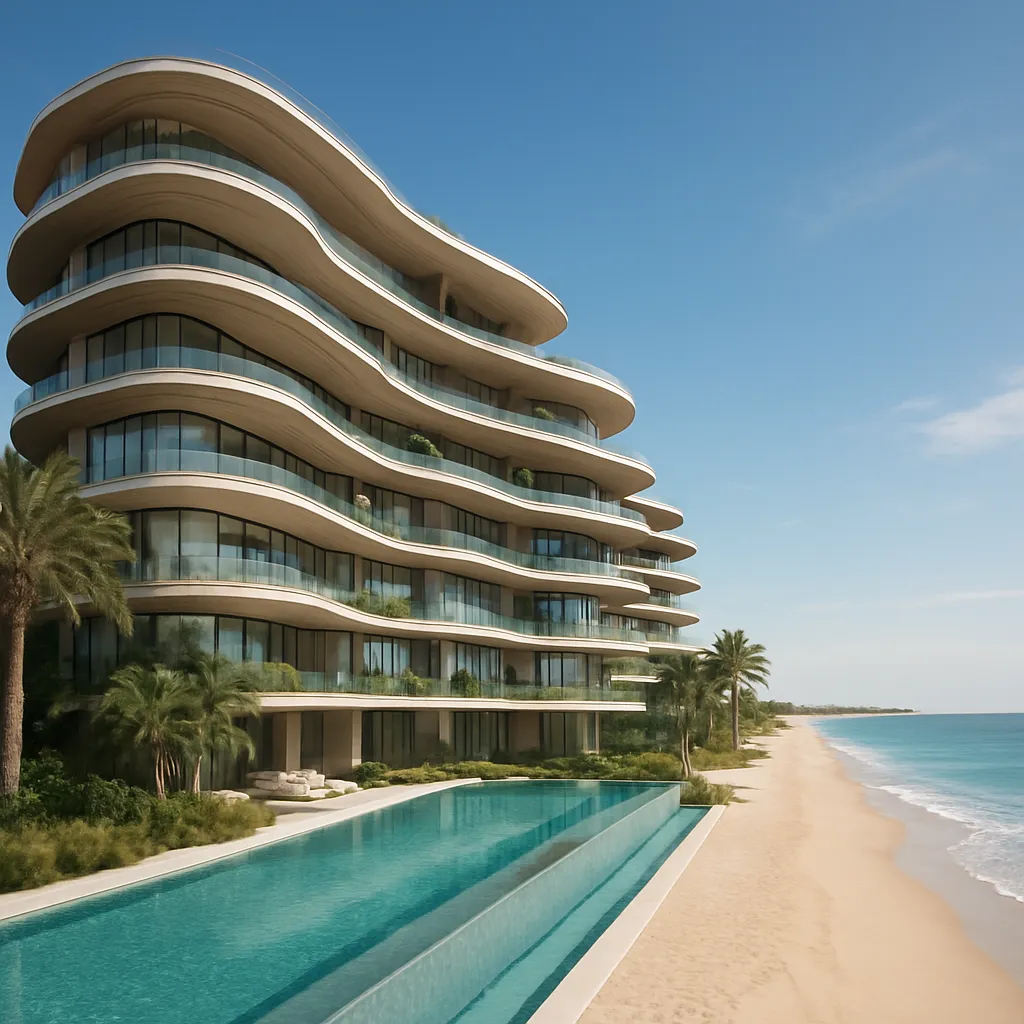
Perhaps no undertaking in Dubai is more audacious than the creation of the Palm Jumeirah archipelago. Stretching into the Gulf, these palm-shaped islands introduced a new paradigm of artificial land reclamation and luxury waterfront living. Though costly, they have become a template for coastal developments elsewhere.
Engineering the Shoreline
Millions of cubic meters of sand were hydraulically deposited to form the fronds and trunk of the palm, stabilized by rock breakwaters. The project showcased how mega-engineering can craft entirely new urban geographies, emboldening projects like The World islands and Bluewaters Island.
Resort and Residential Fusion
The mix of villas, hotels, and retail on the palms has inspired mixed-use waterfront resorts from the Maldives to Southeast Asia. Such integrated resorts demonstrate the value of creating immersive environments where hospitality, entertainment, and high-end residences coexist seamlessly.
Charting Future Horizons
As Dubai pivots from growth to renewal, its new ambition is to retrofit and revitalize existing districts, embedding circular economy principles and expanding public transit. The lessons learned here—balancing ambition with sustainability, leveraging technology for efficiency, and creating multi-sensory urban experiences—continue to resonate with planners and architects worldwide.