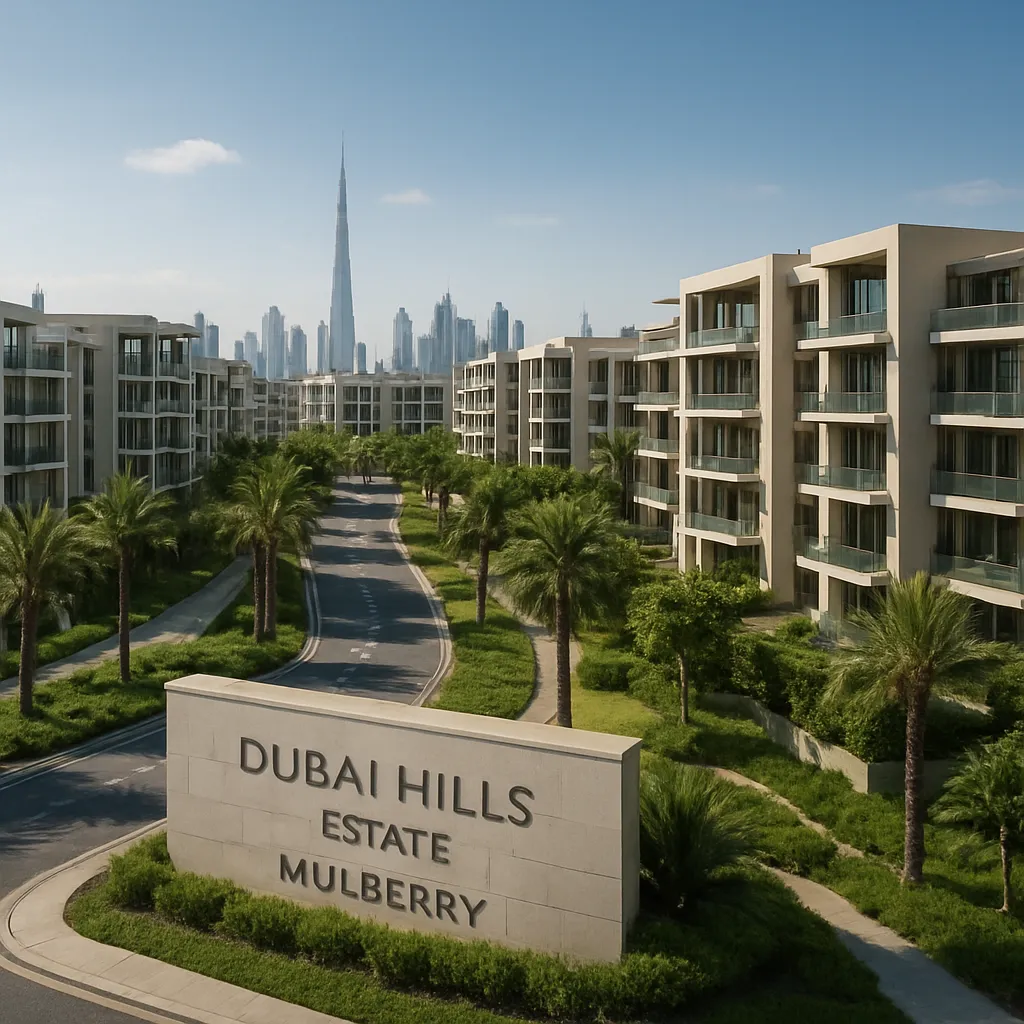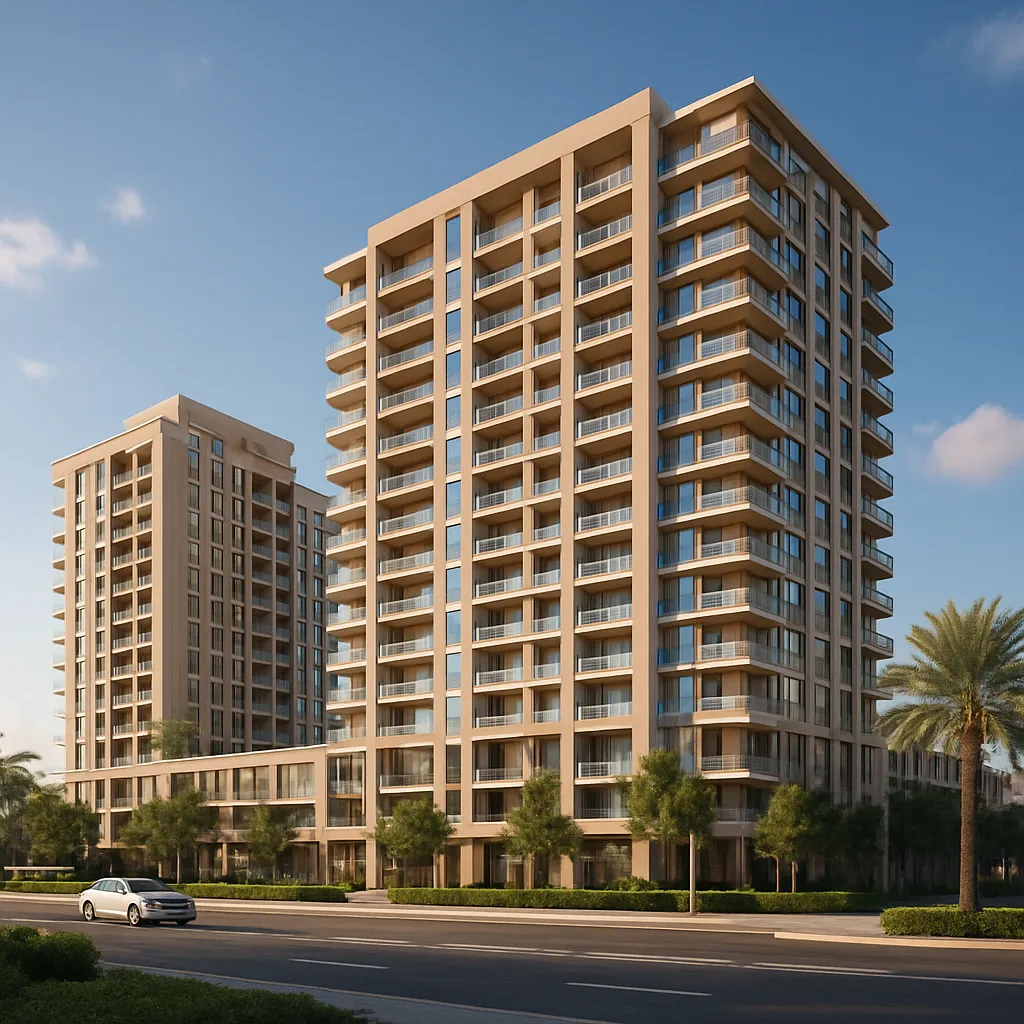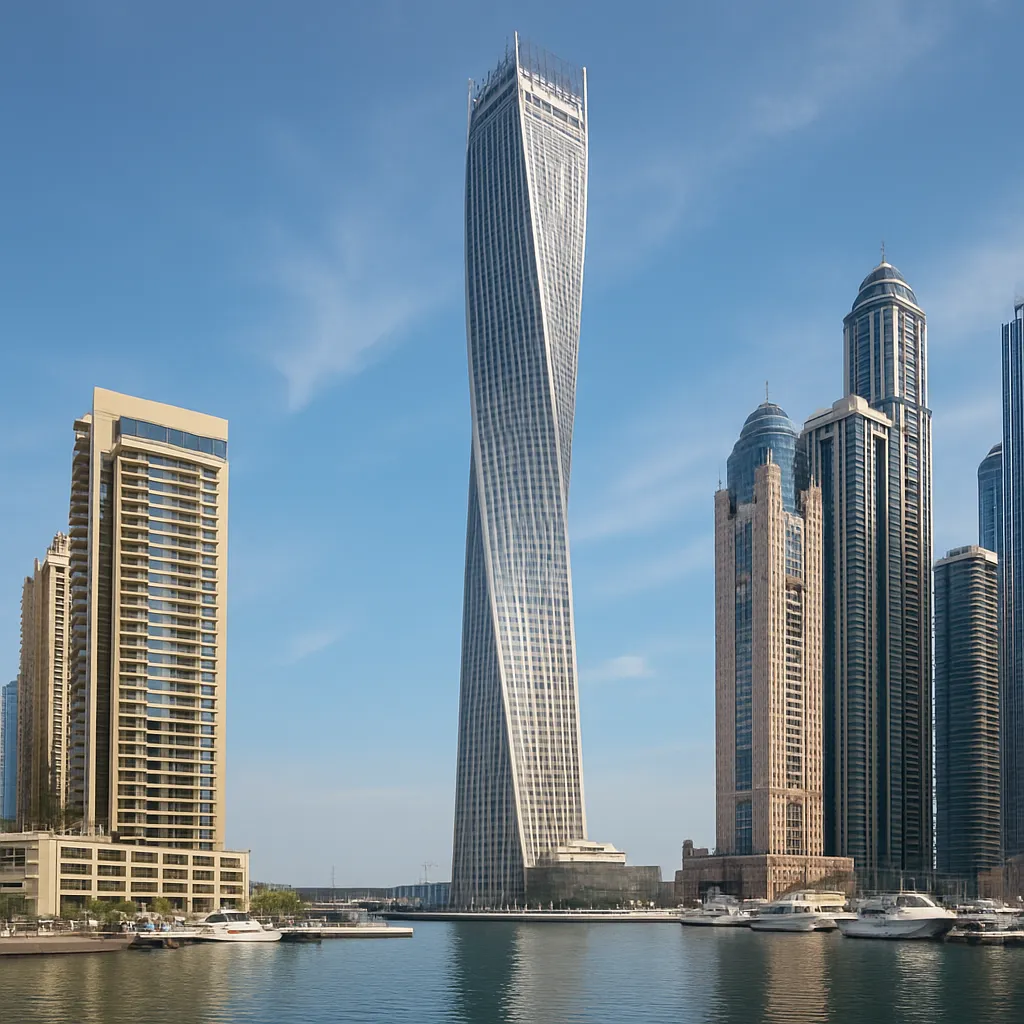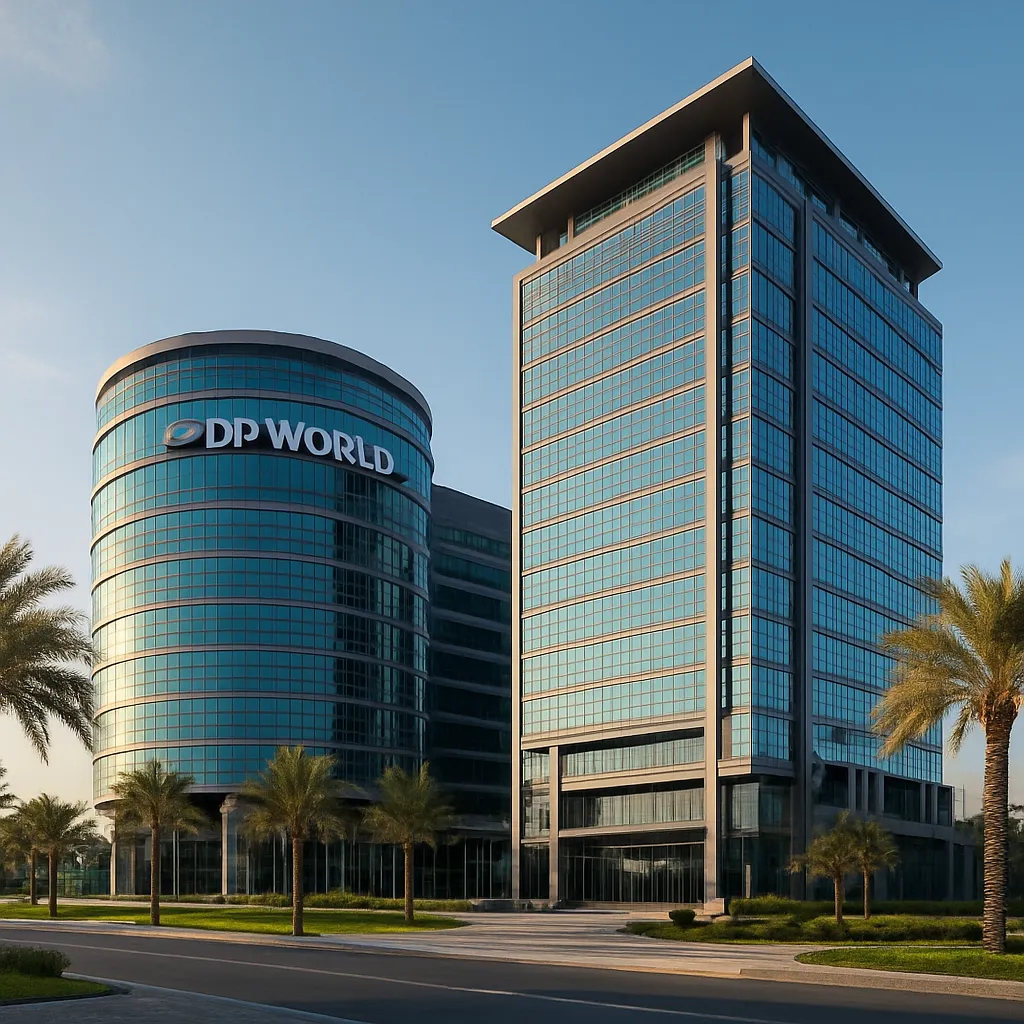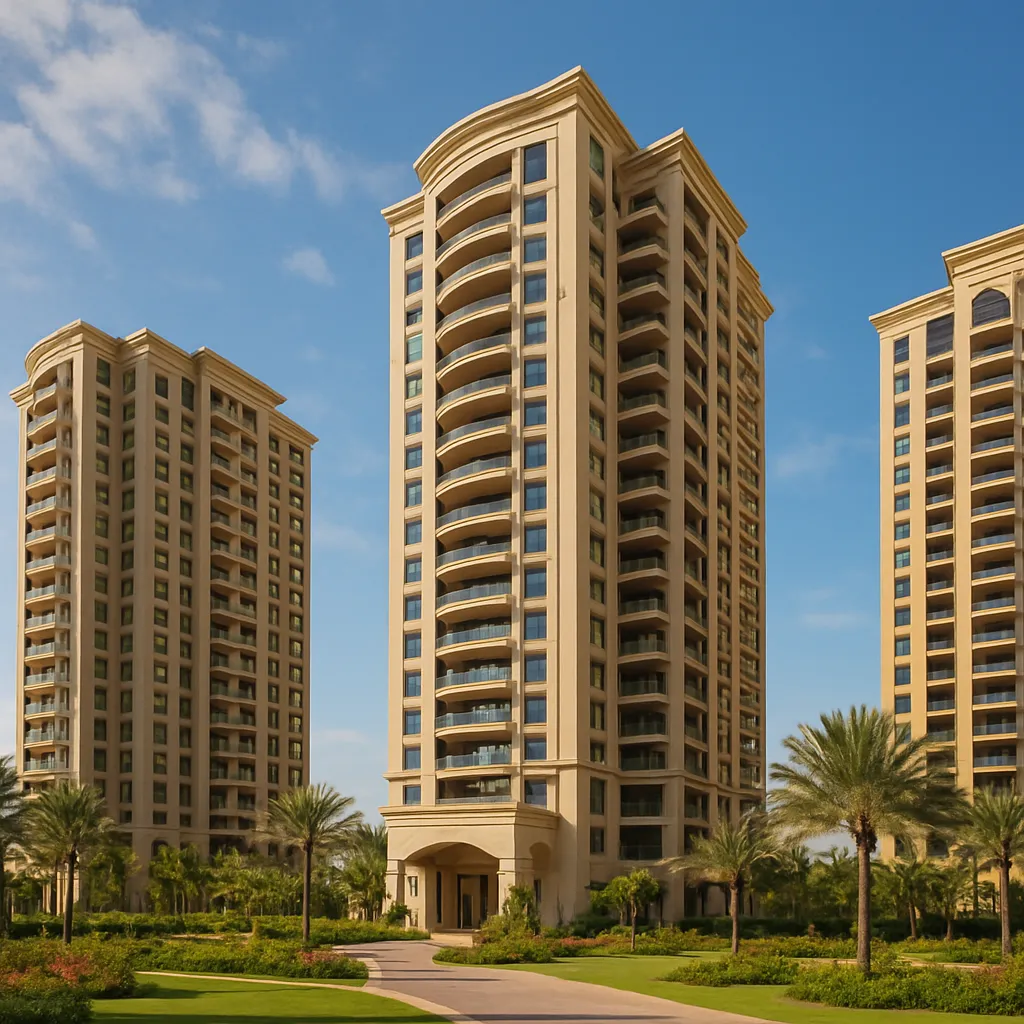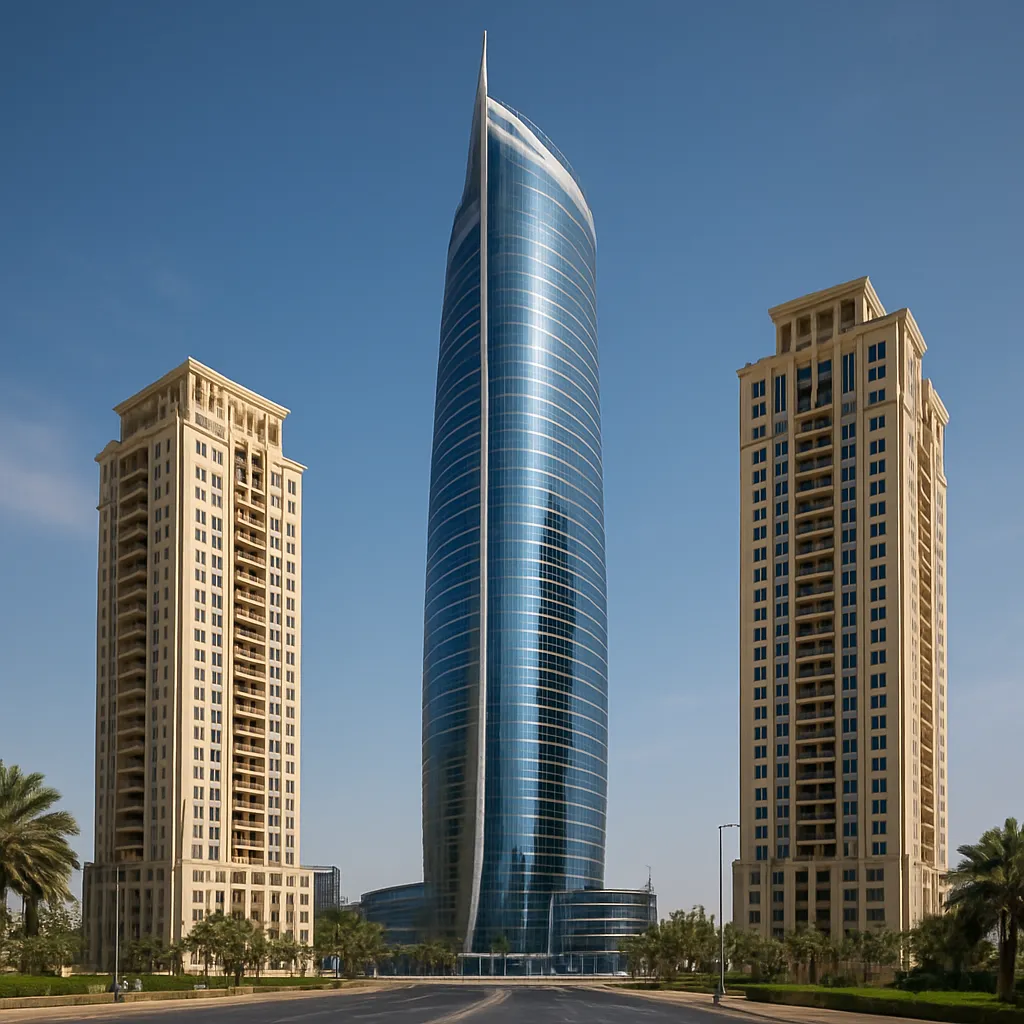
Al Dar Tower in the Al Barsha district represents one of the many contemporary additions to Dubai’s diverse urban fabric. Situated in a lively and strategically located neighbourhood, the building attracts attention for its convenient location, modern amenities and the role it plays in the local residential and mixed‑use market. This article explores the tower’s location, characteristics, urban context, lifestyle offering, and its significance for residents and visitors alike.
Location and Urban Context
The tower stands in Al Barsha, a dynamic district in Dubai known for its accessibility, family-friendly communities and proximity to some of the emirate’s most important commercial and leisure nodes. Al Barsha is often split into Al Barsha 1, Al Barsha 2 and Al Barsha South — neighborhoods that grew substantially from the early 2000s onward as Dubai expanded westward from the older city core.
Al Barsha’s strategic value comes from its proximity to several key points:
- Mall of the Emirates — one of the region’s flagship shopping and entertainment destinations, offering retail, dining and the indoor Ski Dubai complex; the mall opened in 2005 and helped anchor Al Barsha as a desirable district for shoppers and families.
- Major road arteries — Sheikh Zayed Road and Al Khail Road are readily reachable from Al Barsha, providing direct connections to Dubai’s business districts and the wider UAE road network.
- Public transport — the area is served by the Dubai Metro (Red Line), bus routes and an increasing availability of ride services that make commuting straightforward.
- Educational and healthcare facilities — the neighbourhood has many schools, clinics and small hospitals that cater to residents, adding to its reputation as a practical residential choice.
Because of these factors, buildings such as Al Dar Tower benefit from both local footfall and long‑term residential demand. The neighborhood’s maturity — a mix of villas, low‑rise apartments and newer towers — creates a balance between community feel and urban convenience.
Architecture, Design and Amenities
Al Dar Tower exemplifies the contemporary residential or mixed‑use tower typology commonly found across Dubai’s secondary neighborhoods. Though each tower has its own identity, several common design themes apply to buildings in Al Barsha and similar districts:
- Contemporary façade treatment that blends glass, concrete and textured cladding to reflect sunlight while maximizing usable interior floorplan.
- Emphasis on efficient apartment layouts — studios to multi‑bedroom units — to serve a broad spectrum of tenants from professionals to families.
- Ground‑floor retail or lobby space that connects the tower to street life and provides convenience retail and services for residents.
- Shared amenities such as swimming pools, fitness centers, children’s play areas and landscaped podiums that encourage social interaction and recreation.
Inside, developers and property managers typically focus on offering a package of conveniences that make the building appealing both for long‑term residents and short‑term tenants. Expect secure parking, concierge or 24/7 reception, central air‑conditioning (standard in Dubai), and integrated building management systems for safety and energy use.
Al Dar Tower’s design likely balances privacy and community — private balconies or terraces for individual units, with shared amenity floors and gardens to foster social spaces. The choice of materials and finishes usually reflects a mid‑to‑upper market positioning in Al Barsha, where buyers and renters expect quality without necessarily paying premium central‑Dubai tower rates.
Functionality and Lifestyle Offerings
Living or working in a building like Al Dar Tower offers a specific lifestyle rooted in convenience. A few notable lifestyle features commonly associated with such towers include:
- Walkable access to retail and F&B options: dozens of cafes, restaurants, grocery stores and services are usually within a short drive or a walk depending on the tower’s exact placement in Al Barsha.
- Family and leisure facilities: parks, community centres and fitness clubs are frequent in the district, making the area attractive for families with children.
- Leisure destinations: besides Mall of the Emirates, Al Barsha is only a short drive from Dubai Marina, Jumeirah Beach Residence (JBR), and the Palm Jumeirah for weekend outings.
- Work‑life balance: easy commuting routes to Dubai’s business centres (such as DIFC and Dubai Marina) make the area suitable for professionals who prefer a quieter home environment than the central business districts.
Many residents of towers in Al Barsha enjoy a hybrid lifestyle: city access for work or leisure, while retaining a suburban comfort level at home. Such towers often appeal to expatriate families, young professionals and investors seeking rental yield supported by stable tenancy demand.
Market Position, Investment and Occupancy Considerations
Al Dar Tower occupies a place within Dubai’s complex property market. Several considerations typically influence the building’s market performance:
- Location premium — proximity to malls, schools and transport enhances rental appeal and resale value.
- Amenity offering — buildings with a wider suite of services and superior finishes tend to command higher rents and lower vacancy rates.
- Target tenant mix — whether the building targets short‑term serviced apartments, long‑term family rentals or a mix will shape its financial performance and operational needs.
- Macro market trends — Dubai’s property market responds to international investment flows, regulatory changes and local economic cycles, which affect rental yields and capitalization rates.
Investment in Al Barsha‑based towers has typically been attractive to buyers seeking balanced rental returns and longer‑term capital appreciation. Rental yields in Dubai can vary widely depending on unit type and quality — mid‑range apartments in established neighborhoods often secure stable occupancy. Prospective investors usually review occupancy histories, service charge levels, and management quality before committing capital.
Transport and Accessibility
Connectivity is a major asset for properties in Al Barsha. Al Dar Tower benefits from multiple transport options:
- Drive connections to major arterial roads enable quick access to Downtown Dubai, Dubai Marina and the airport.
- Public transport options include Dubai Metro stations on the Red Line and a network of buses that serve Al Barsha and surrounding suburbs. The Dubai Metro Red Line, for example, started operations in 2009 and has since become a backbone for daily commuting in the city.
- Ride‑hailing and taxi services are pervasive and commonly used for short hops to shopping centres or business districts.
For residents without private cars, the combination of metro access, bus routes and local amenities within walking distance creates a practical urban lifestyle. For drivers, the road network reduces commute times to many parts of Dubai, although peak‑hour congestion on main arteries can still be a factor.
Nearby Landmarks and Community Infrastructure
Al Dar Tower’s immediate surroundings typically include a mix of shopping, education and healthcare options that enhance quality of life. Key nearby landmarks and facilities often cited by residents of Al Barsha are:
- Mall of the Emirates — a major retail and entertainment hub with international brands, hypermarkets and leisure attractions.
- Schools and nurseries — several international curricula schools operate in and around Al Barsha, aiding families who relocate internationally.
- Healthcare services — clinics and multi‑specialty medical centres provide routine and specialist care without long travels.
- Leisure and sports clubs — gyms, yoga studios and community sports centres are commonly available to residents seeking active lifestyles.
These facilities make the area attractive to a broad demographic of residents — from single professionals to multi‑generation families — and provide resilience to local property demand.
Sustainability and Building Management
Buildings erected or refurbished in the last decade increasingly incorporate sustainability measures. Even if Al Dar Tower predates some of the newest environmental standards, common practices in recent Dubai developments include:
- Energy‑efficient lighting and HVAC systems that reduce operational costs and carbon footprints.
- Water‑saving fixtures and landscape irrigation systems designed to conserve an arid climate resource.
- Waste segregation and recycling programs that support municipal sustainability goals.
- Smart building controls and meter sub‑metering for better management of energy and water consumption.
Active building management and a responsive facilities team are valuable for maintaining long‑term asset quality. For investors and residents alike, understanding service charges, maintenance regimes and planned capital expenditure is crucial to evaluating a tower’s sustainability over time.
Practical Tips for Residents and Visitors
Whether you are considering living in Al Dar Tower or visiting the area, the following practical tips can help:
- Check proximity to the nearest metro station if you rely on public transport; a short walk of up to 15 minutes to a Metro station is common in Al Barsha.
- During Ramadan and national holidays, local business hours change — plan shopping and services accordingly.
- Use dedicated building management contacts for queries about parking, deliveries and visitor access; reliable reception services improve daily living convenience.
- For families, confirm the availability of nearby schools and the quality of local playgrounds and parks.
Known Statistics and Data Notes
Specific numerical data for Al Dar Tower — such as total height, exact floor count, total apartment units and year of completion — may not be universally standardized in public datasets for every medium‑rise tower in Dubai’s neighborhoods. When precise figures are critical (for legal, investment or architectural purposes), it is best to obtain official documentation from the developer, master community records, or Dubai Land Department registrations.
That said, some contextual statistics for the area are commonly referenced and can be helpful:
- The Mall of the Emirates opened in 2005 and remains one of the key retail anchors for Al Barsha.
- Dubai Metro’s Red Line, which services nearby areas and improves commuting options, began operations in 2009.
- Al Barsha’s population growth and real estate development accelerated in the 2000s, producing a mix of villa communities and multi‑storey residential towers.
Where building‑level figures are publicly available, they typically include the number of residential units, parking bays, and net lettable area — all of which are important for valuation and planning. If you need precise statistics for Al Dar Tower specifically, consider requesting the building’s specification sheet from the property management office or searching land registry entries for authoritative details.
Conclusion and Outlook
Al Dar Tower in Al Barsha is a representation of Dubai’s continuous urban evolution: a building that leverages strategic location, practical amenities and a community‑oriented urban context. Its appeal rests on accessibility to shopping, transport and services, combined with the lifestyle features modern residents expect. As Dubai continues to refine its planning policies and as Al Barsha remains an established part of the city’s residential landscape, buildings like Al Dar Tower are likely to sustain steady demand from tenants and investors seeking the balance between convenience and value.
For those considering Al Dar Tower as a home, place of work or an investment, it is advisable to review the most recent property documentation, confirm operational details with building management and, if necessary, consult local real estate professionals to assess current market conditions and rental expectations. The tower’s position within Al Barsha makes it a practical choice for many — combining the comforts of a mature neighbourhood with access to Dubai’s broader urban attractions.