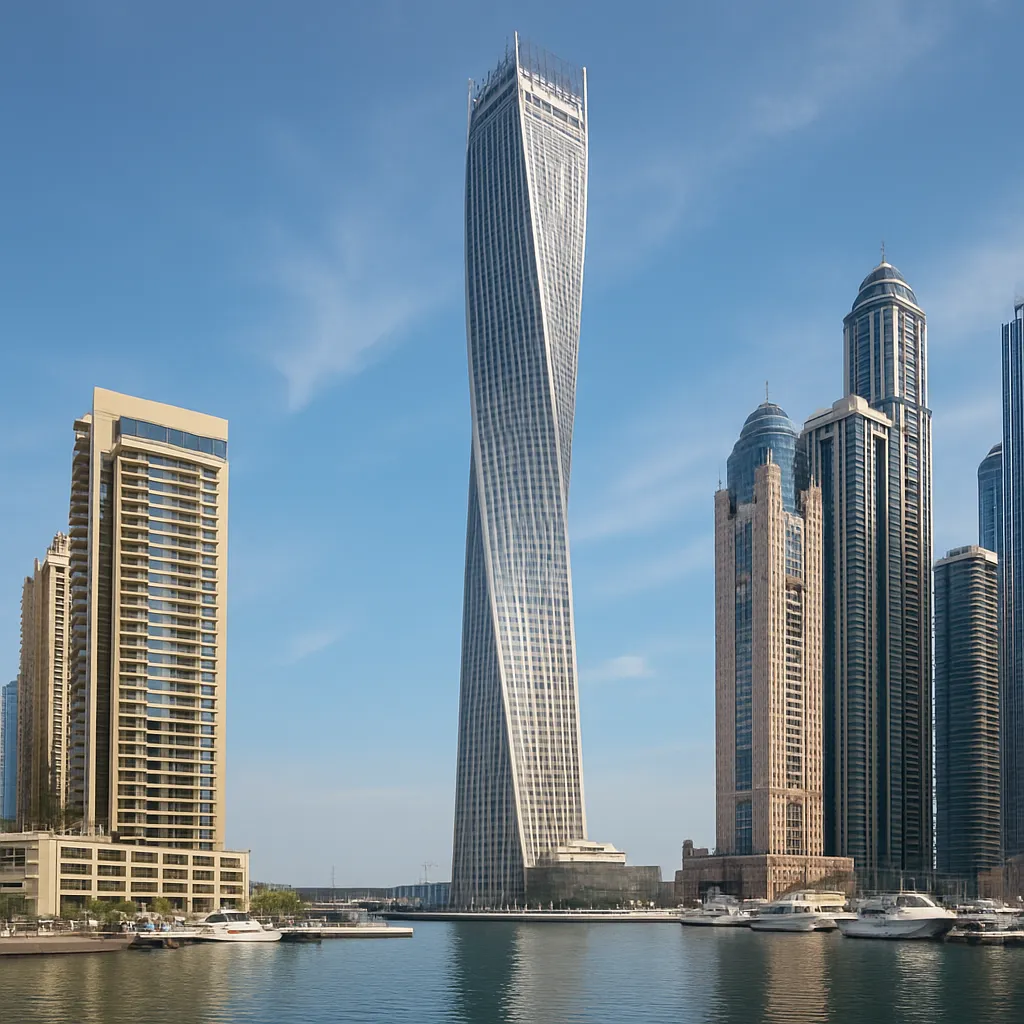
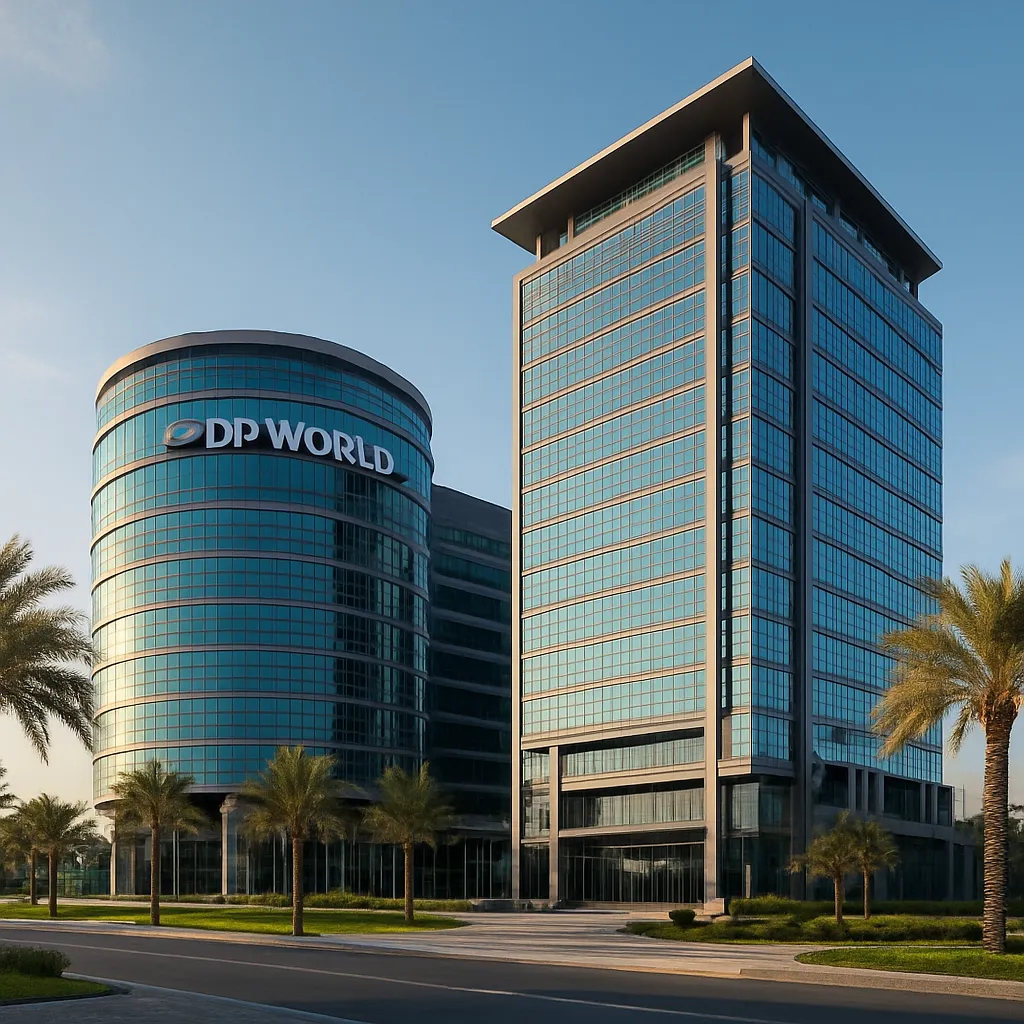
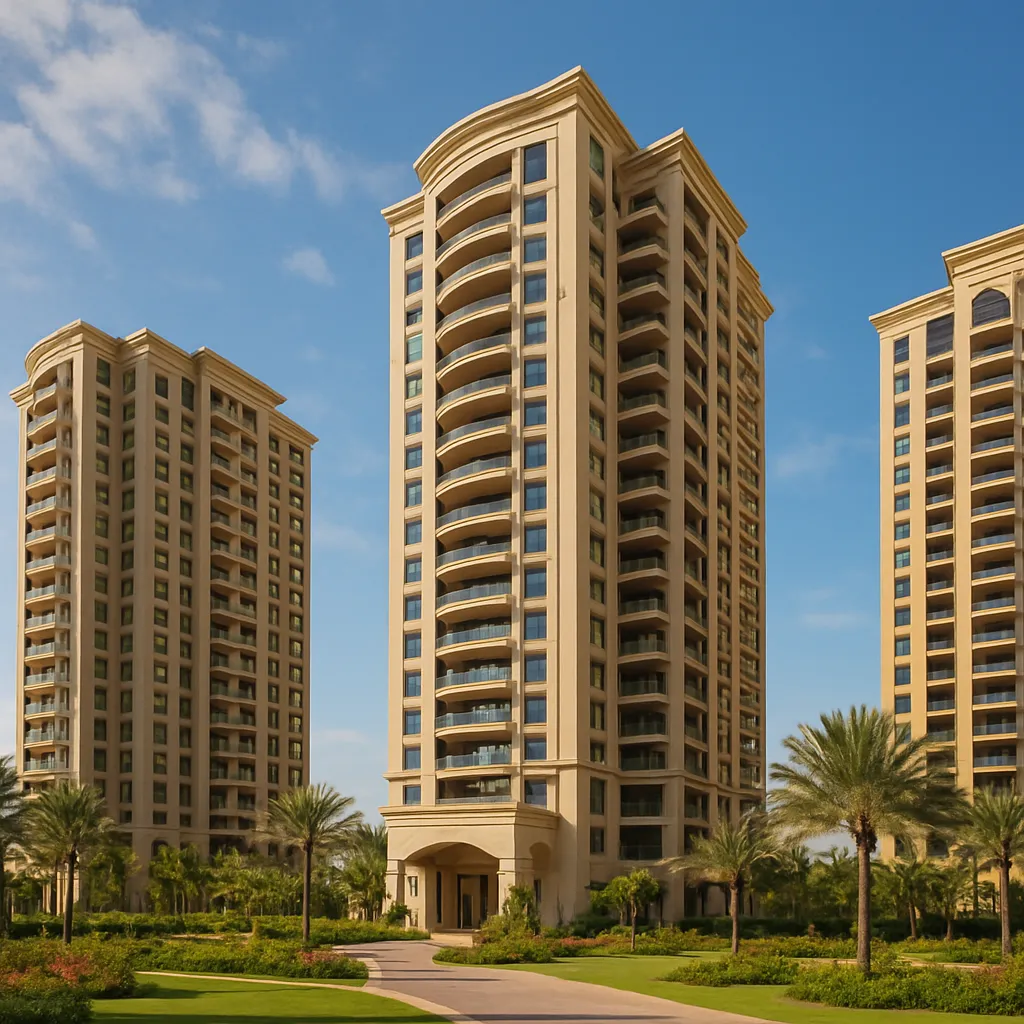
The Al Warsan Village Residences, located in the Al Warsan area of Dubai, represent an example of the evolving residential fabric at the city’s eastern edge. This multi-faceted development blends practical living solutions with community-oriented design, placing emphasis on access to employment hubs, basic amenities and a calmer residential environment compared with Dubai’s high-density urban cores. The following article explores the location, character, architecture, amenities, social and economic context, and future prospects of the Al Warsan Village Residences, drawing together verifiable observations and cautious commentary where public data are limited.
Location and Urban Context
The Al Warsan Village Residences are situated in the Al Warsan district, a sector of Dubai that sits to the east of the city center. Al Warsan is a transitional zone, connecting inner-city neighborhoods with more industrial and logistics areas further east. The district is strategically placed near major transport corridors that serve Dubai and the broader United Arab Emirates, which contributes to its appeal for residents who commute to a variety of employment centers.
Geographic position and connectivity
- Al Warsan lies east of Dubai Creek and forms part of the greater Dubai metropolitan area. Its location offers a balance between relative proximity to central Dubai and accessibility to employment zones on the outskirts.
- Road connectivity typically includes access to main arterial roads that link to the city’s freeway network. This makes Al Warsan a practical choice for people working in nearby industrial districts, logistics hubs and construction sites.
- Public transport options in the immediate area are more limited compared with central Dubai; however, bus routes and shuttle services often serve residential pockets, and planned expansions of Dubai’s public transport network aim to improve accessibility in the longer term.
The area has historically accommodated a mix of low- and medium-density housing, worker accommodation, and community facilities. Recently, a shift toward more organized village-style residential projects – such as the Al Warsan Village Residences – shows an effort to provide structured living environments with improved services, landscaping and public spaces.
Design, Architecture and Built Form
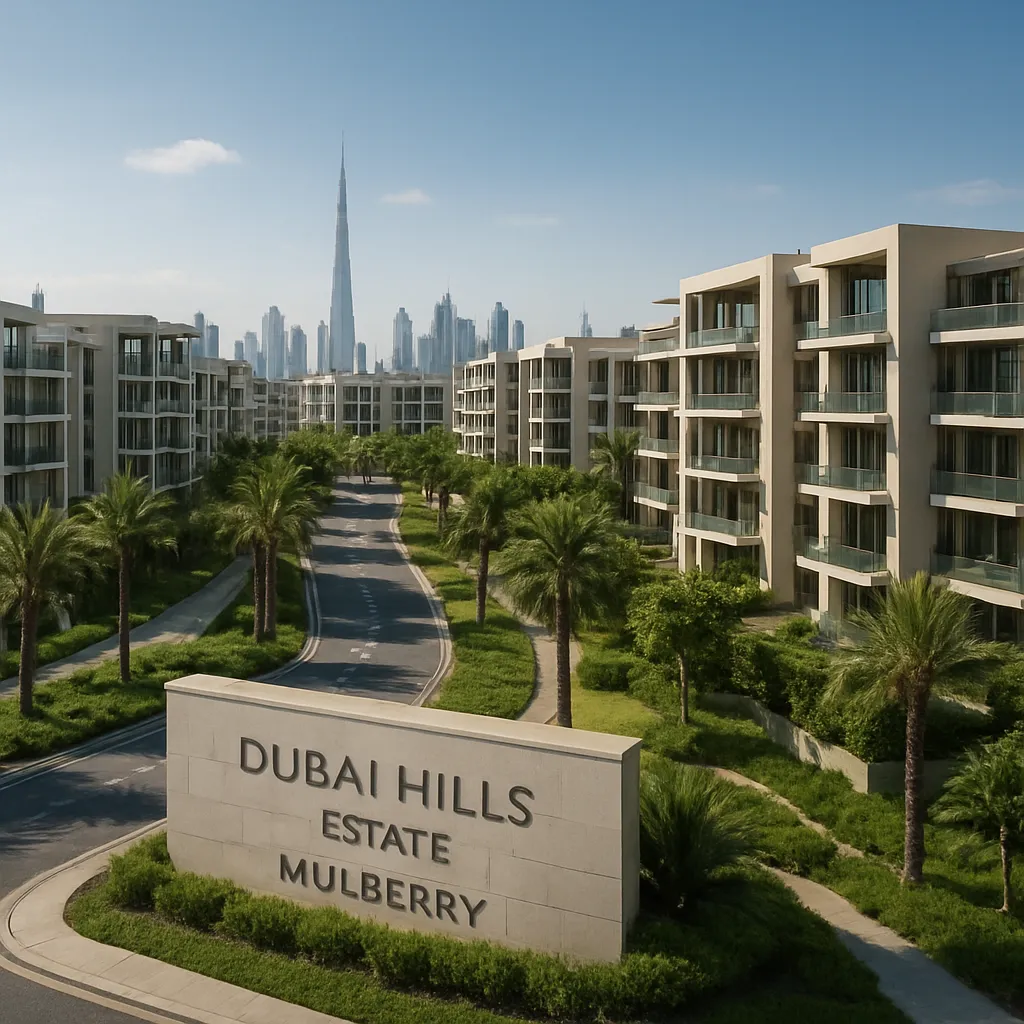
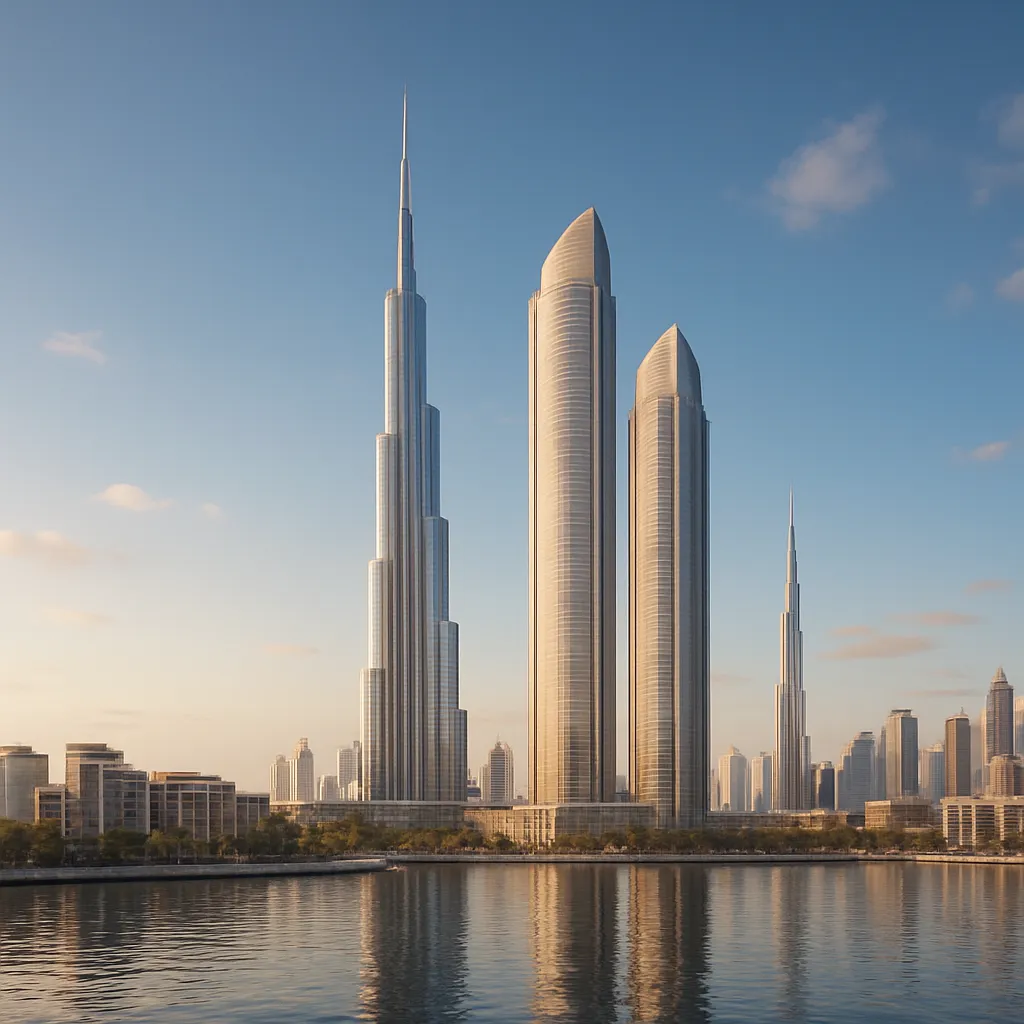
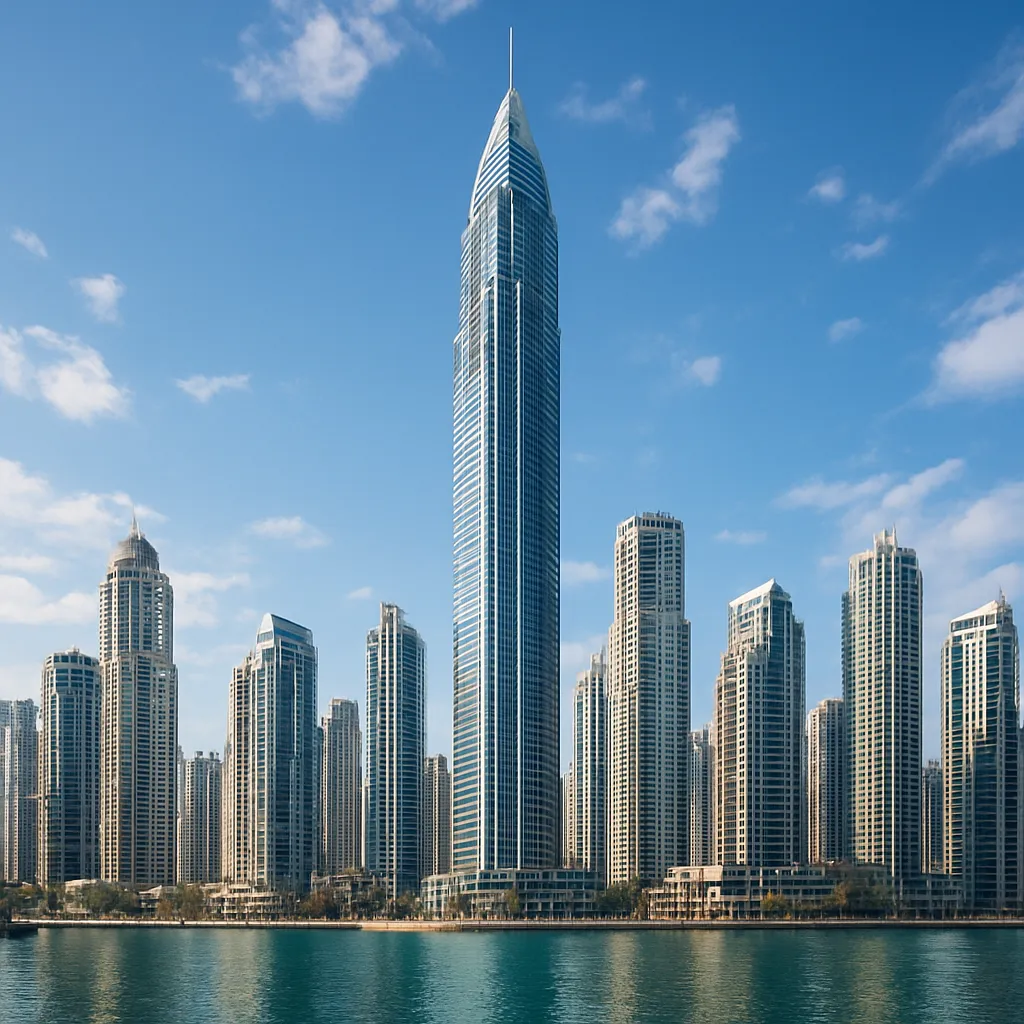
Al Warsan Village Residences reflect a pragmatic architectural approach: designs are shaped by functional requirements, climatic conditions, and the need to deliver cost-effective housing at scale. While not characterized by the skyline-defining towers of Dubai Marina or Downtown Dubai, these residences are significant for how they address everyday needs of inland and suburban populations.
Architectural character and materials
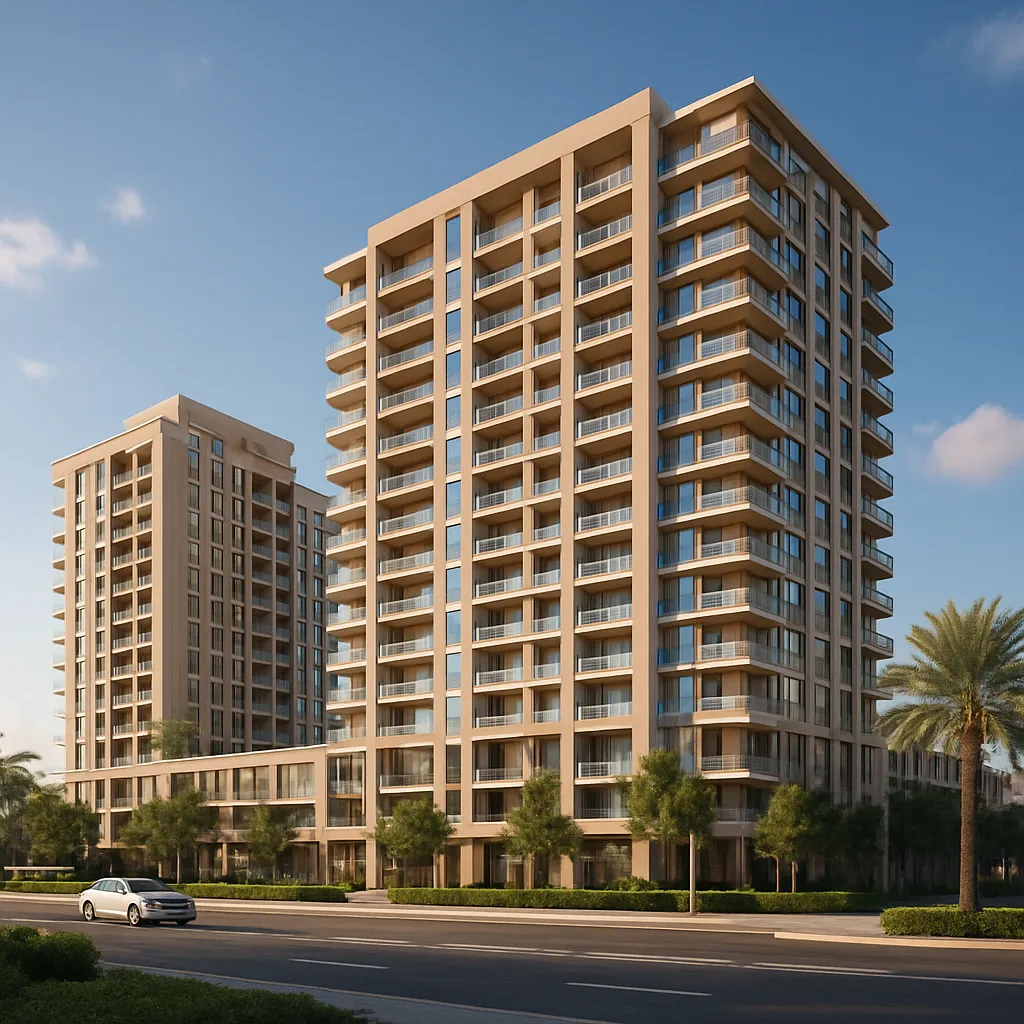
The built form in Al Warsan Village typically favors low- to mid-rise blocks and townhouses. Architectural finishes often use durable, low-maintenance materials appropriate for the desert climate. External walls are generally rendered and painted in neutral, earthy tones to reduce glare and heat absorption; shading features, recessed windows and covered walkways are commonly integrated to manage solar exposure and increase outdoor comfort.
Layout and public realm
- Communal open spaces and landscaped courtyards are frequently incorporated to create a sense of neighborhood and to provide shaded areas for social interaction.
- Pedestrian circulation is usually separated from vehicle access where feasible, emphasizing walkability across the development.
- Playgrounds, pocket parks and local retail nodes are placed strategically to support everyday life, reducing the need for long trips for basic services.
These planning choices respond to the climatic realities of Dubai and to residents’ desires for functional, comfortable living environments. The development prioritizes practical comfort over iconic aesthetics, which aligns with the needs of families and workers seeking stability and affordability.
Amenities, Services and Community Life
One of the strongest appeals of Al Warsan Village Residences is their community-oriented amenity provision. While the range and scale of amenities vary by development, several consistent elements contribute to the appeal of village-style residential complexes in Al Warsan.
Typical amenities and services
- Community centers or multipurpose halls for events and meetings.
- Retail facilities including convenience stores, cafes and small markets for daily shopping.
- Educational and childcare services, such as nurseries and proximity to public schools.
- Health clinics or medical centers within a short drive, often supplemented by mobile health services.
- Sports and leisure facilities: modest gyms, football pitches, walking tracks and children’s play areas.
These amenities aim to create an ecosystem where families and working residents can meet most of their daily needs locally, fostering a stronger sense of community. The Al Warsan Village model emphasizes accessible open space, shaded communal areas and basic retail, which together create a liveable environment in the context of an expanding city.
Demographics and lifestyle
The resident profile around Al Warsan is diverse. The area typically accommodates a mix of long-term residents, migrant workers, and newer families seeking affordable housing. The lifestyle is often oriented toward family life and practical routines rather than tourism or high-end leisure. Social networks within the community are an important feature, with religious centers, community associations and local markets serving as hubs for social interaction.
Economic Role and Real Estate Dynamics
Al Warsan Village Residences play a specific economic role in Dubai’s housing market: they provide affordable and functional housing near employment zones and logistics hubs. This makes them a vital component of the city’s broader housing strategy, ensuring a range of price points and living options across the metropolis.
Market positioning
- These residences are generally positioned as value-oriented housing with a focus on long-term occupancy rather than short-stay tourism or luxury living.
- Rental demand tends to be stable, supported by workers and families who prioritize proximity to jobs, schools and basic services.
- Resale values and rental yields are influenced by broader market cycles in Dubai, but the practical utility of such housing often supports steady occupancy even when higher-end segments fluctuate.
Investors and developers interested in Al Warsan typically consider lower development costs, higher land availability and the potential for phased expansion. For many Dubai residents, these communities provide an accessible pathway to homeownership or decent rental options within the city’s boundaries.
Employment and local economy
Al Warsan’s proximity to industrial parks, warehouses and construction sites creates a direct link between housing and employment. Commercial activity in the area often revolves around logistics, light industry and service sectors that support nearby operations. Local retail entrepreneurs benefit from a consistent neighborhood customer base, while informal economies—such as small eateries, repair workshops and home-based enterprises—also play a significant role in day-to-day life.
Sustainability, Resilience and Urban Challenges
As with many parts of Dubai, environmental and social sustainability are growing priorities. Al Warsan Village Residences are part of an urban context that must balance population growth, infrastructure needs and climate adaptation.
Sustainable design measures
- Passive cooling strategies: building orientation, shading devices and natural ventilation are commonly used to reduce energy consumption for cooling.
- Landscaping with native or drought-tolerant species conserves water and reduces maintenance.
- Waste management and recycling initiatives are being promoted across Dubai’s residential districts, and village communities are increasingly participating in those programs.
While advanced green technologies (e.g., large-scale solar installations, greywater recycling systems) are more commonly found in flagship projects, smaller developments in Al Warsan can still benefit from incremental sustainability measures that improve liveability and lower operating costs.
Urban challenges and infrastructure needs
Al Warsan faces the typical infrastructure challenges of a rapidly growing city edge: ensuring reliable public transport, expanding healthcare capacity, upgrading utilities and providing quality public spaces. Traffic congestion during peak commuting hours, limited public transit coverage and the need for additional schools and clinics are commonly cited issues by residents across similar neighborhoods.
Addressing these challenges requires coordinated municipal planning, private-sector investment and community engagement. Improvements in bus service frequency, targeted road upgrades, and investment in local health and education facilities can markedly improve residents’ quality of life.
Interesting Facts and Cultural Elements
Although Al Warsan Village Residences are not a headline-grabbing landmark, the area has several notable cultural and community traits that give it a distinct identity within Dubai.
- Community cohesion: Village-style neighborhoods often foster strong social bonds through local events, religious gatherings and community centers.
- Practical urbanism: The emphasis is on functional design, cost-efficiency and adaptability rather than spectacle, reflecting a pragmatic side of Dubai’s growth.
- Informal economies: Street-level entrepreneurship—small shops, workshops and home businesses—adds character and resilience to the local economy.
- Proximity to logistics hubs: This creates a workforce-focused residential zone with a daily rhythm tied to nearby employment patterns.
These features illustrate how Al Warsan contributes to Dubai’s diversity of urban forms, from luxury high-rises to more modest, purpose-driven neighborhoods that keep the metropolitan machine operating smoothly.
Statistical Notes and Data Availability
Publicly available, project-specific statistics for Al Warsan Village Residences—such as exact numbers of units, precise occupancy rates, floor counts or year of completion—are limited in the public domain. Many smaller residential developments in Dubai are promoted by local developers and may not have centralized, easily accessible datasets. For readers seeking detailed metrics, municipal planning records, developer brochures and real estate market reports are the most reliable primary sources.
What kinds of statistics are typically available elsewhere
- Aggregate data: Dubai’s broader housing market reports provide insights into rental trends, average prices and vacancy rates across different segments.
- Land-use statistics: Municipal plans and district-level studies can show population density, land allocation and infrastructure plans for Al Warsan.
- Developer disclosures: For specific residential projects, developers sometimes publish unit mixes, floor plans and amenities lists in sales brochures or on official websites.
Because of the limited project-specific public data, analysis often relies on proxy indicators—such as nearby comparable developments, transport accessibility, and municipal service maps—to understand the scale and role of a particular residential complex like Al Warsan Village Residences.
Future Prospects and Development Trajectory
Al Warsan and similar districts on Dubai’s periphery are likely to remain important housing and employment interface zones. Factors shaping their future include municipal infrastructure investments, transport improvements, and shifts in the local economy. The Al Warsan Village Residences are well positioned to benefit from several trends:
- Infrastructure upgrades: Road improvements and potential public transport expansions can improve access and raise the area’s attractiveness.
- Incremental densification: Redevelopment or infill projects may increase housing supply while maintaining village-scale character.
- Community-focused upgrades: Investment in schools, clinics and parks can strengthen social infrastructure and improve liveability.
Over time, targeted policy interventions—such as affordable housing programs, incentives for sustainable retrofits, or local economic development initiatives—could further enhance the role of Al Warsan Village Residences within Dubai’s urban system.
Conclusion
Al Warsan Village Residences exemplify a practical, community-oriented approach to urban housing in Dubai. While they do not seek to compete with the city’s iconic towers, they are essential in providing accessible, functional accommodation for families and workers. With a focus on comfortable public spaces, basic amenities and strategic location close to employment zones, these residences contribute to the city’s socio-economic diversity and resilience. For detailed numerical data about a specific Al Warsan Village project, prospective residents and researchers should consult municipal records and developer publications, which can provide authoritative figures and floor-level details.
Al Warsan Dubai community sustainability transport real estate amenities residences architecture development