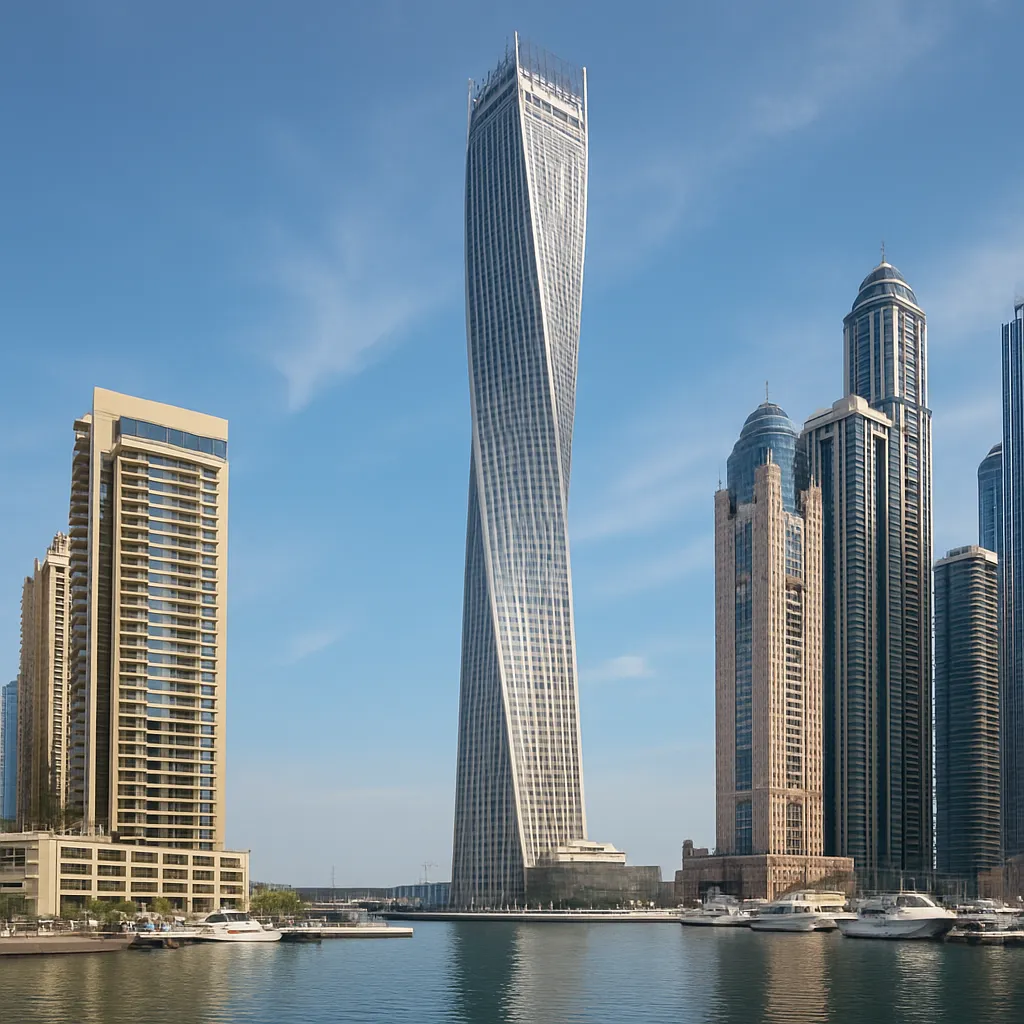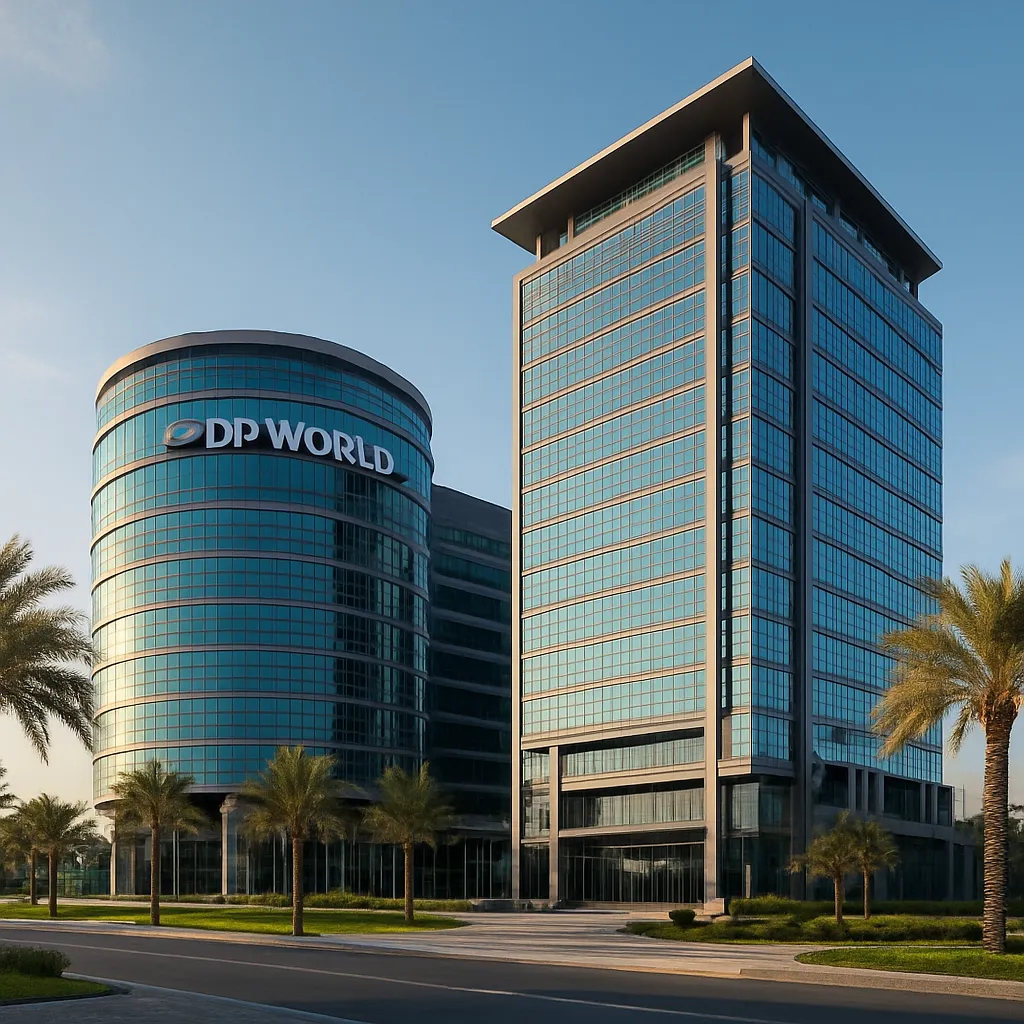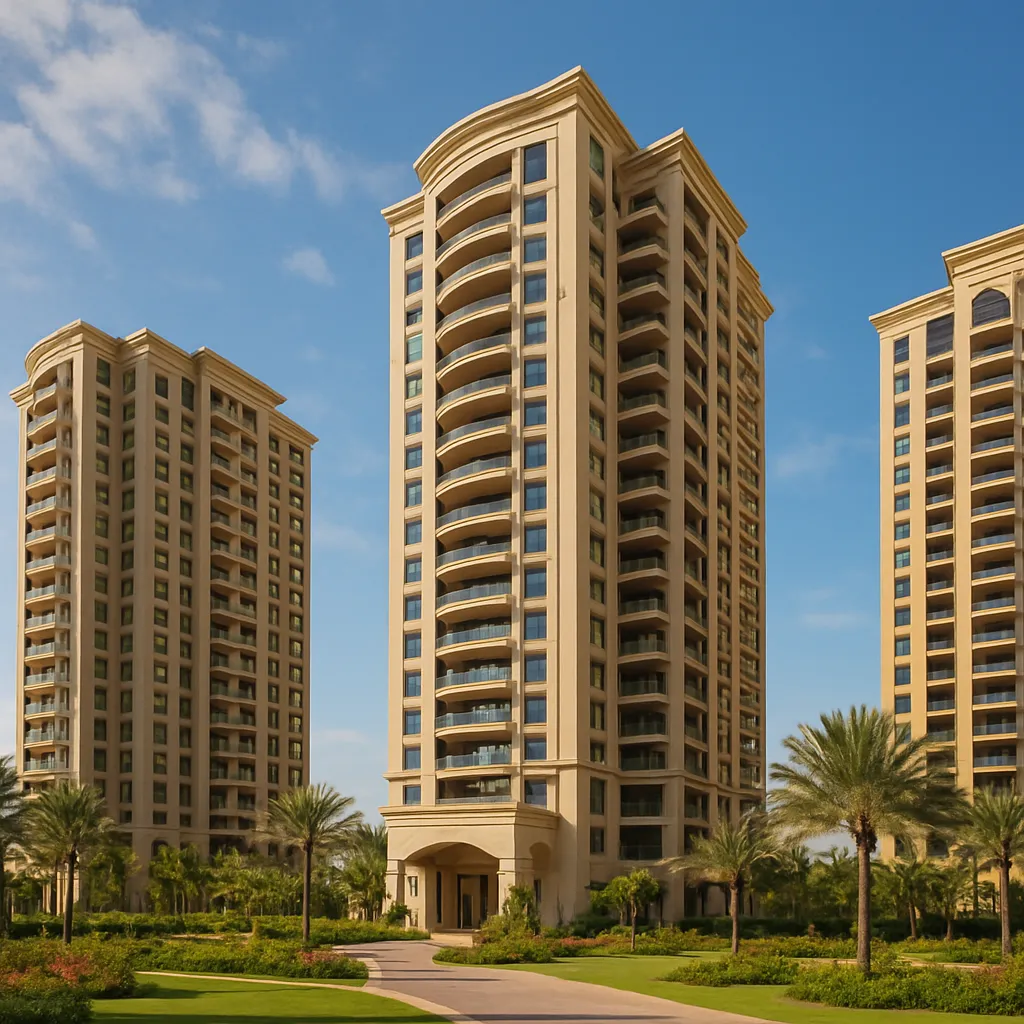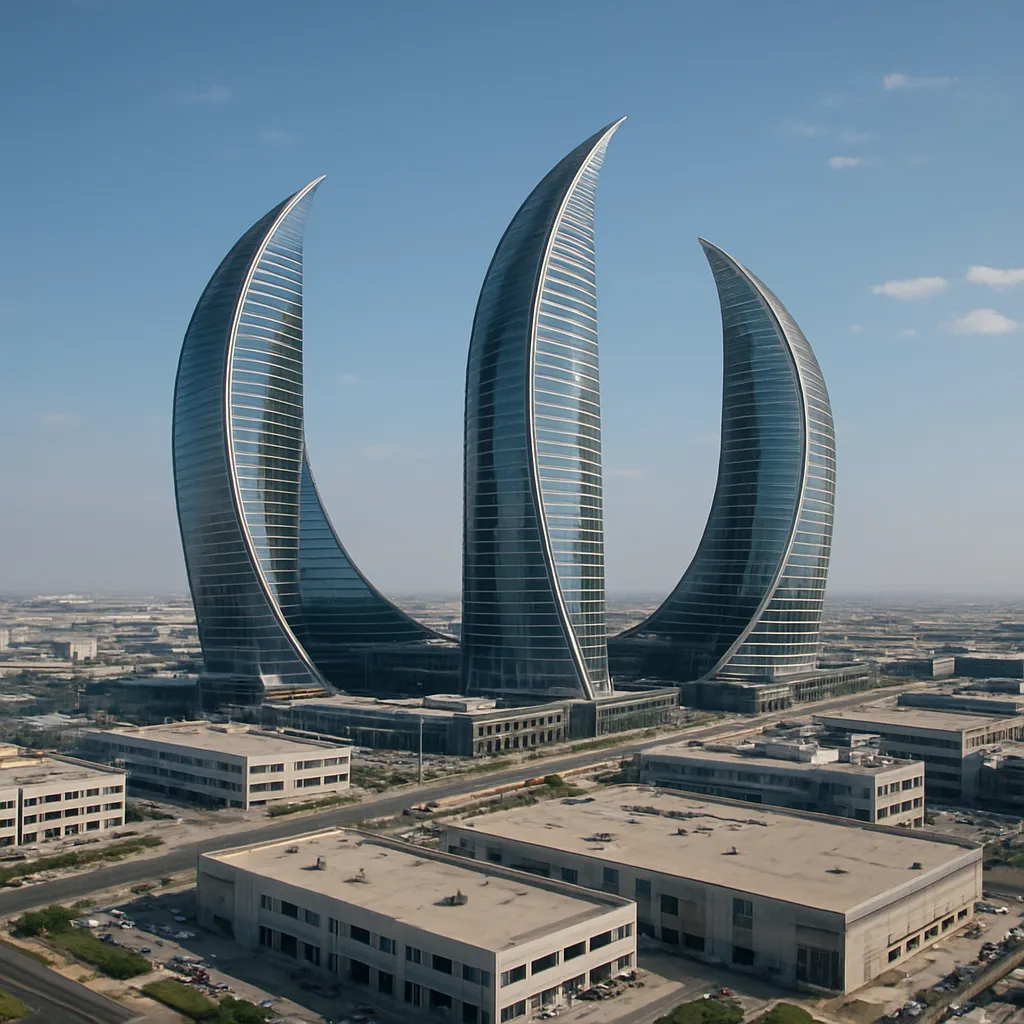
The Crescent Towers complex in Production City is an intriguing example of contemporary urban development in Dubai, combining functional design with a clear orientation toward the city’s vibrant media and creative sectors. This article explores the Crescent Towers’ location, design intentions, role within the wider masterplan of Production City, and the practical and cultural features that have made it a point of interest for residents, businesses, and visitors. The text highlights architectural character, community amenities, sustainability aspirations, and the complex’s place in the evolving landscape of one of the world’s most dynamic urban environments.
Location and Urban Context
Situated within the district commonly known as Production City — a purpose-built business and residential community tailored to media, entertainment and creative industries — Crescent Towers benefits from strategic placement in Dubai’s urban hierarchy. Production City itself is a planned zone that attracts companies engaged in film, television, publishing, marketing and digital media, and the towers are intended to serve both corporate tenants and residents connected to those sectors.
The site is accessible by the major road arteries that run through Dubai, offering relatively short driving times to central business districts and to the network of free zones and creative hubs distributed across the city. While not directly adjacent to Dubai’s metro lines, its proximity to arterial roads, interchanges and bus routes provides practical connectivity for employees, logistics, and visitors. The location also benefits from proximity to other mixed-use developments, retail clusters and leisure amenities that have proliferated in Dubai’s newer neighborhoods over the last two decades.
Design and Architectural Character
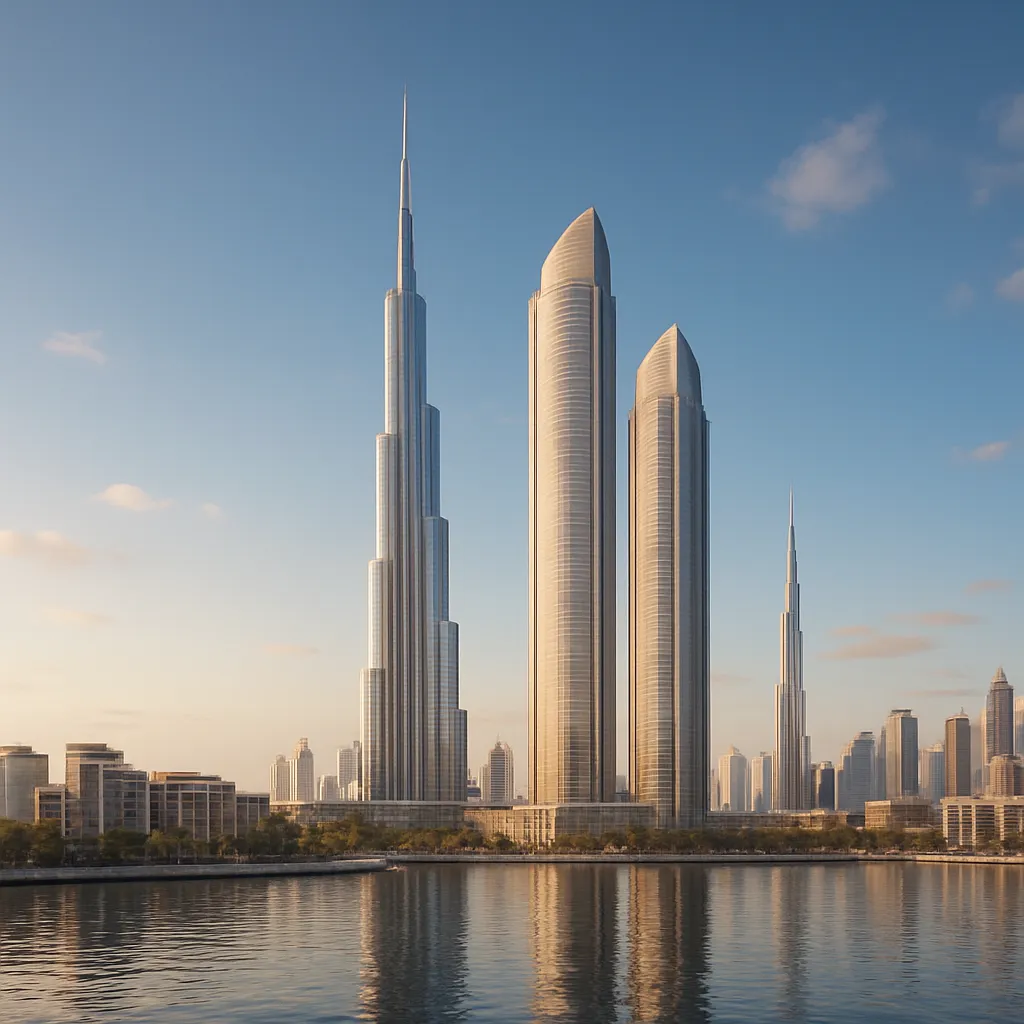
The Crescent Towers complex derives its name from a distinctive geometric motif — a crescent — which informs both the external silhouette and the internal spatial arrangements. Architects working on schemes of this type typically emphasize a combination of striking visual identity and efficient floor plans that can accommodate offices, studios and residential units.
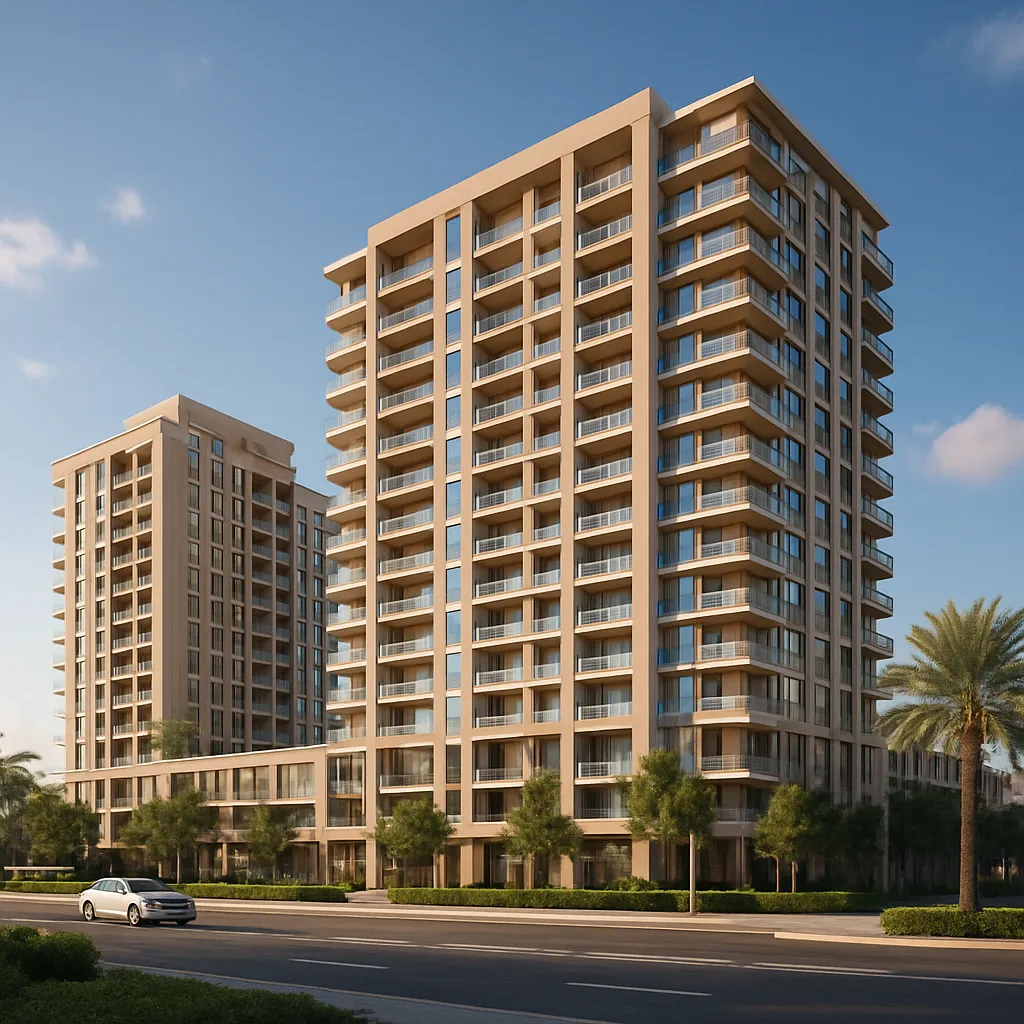
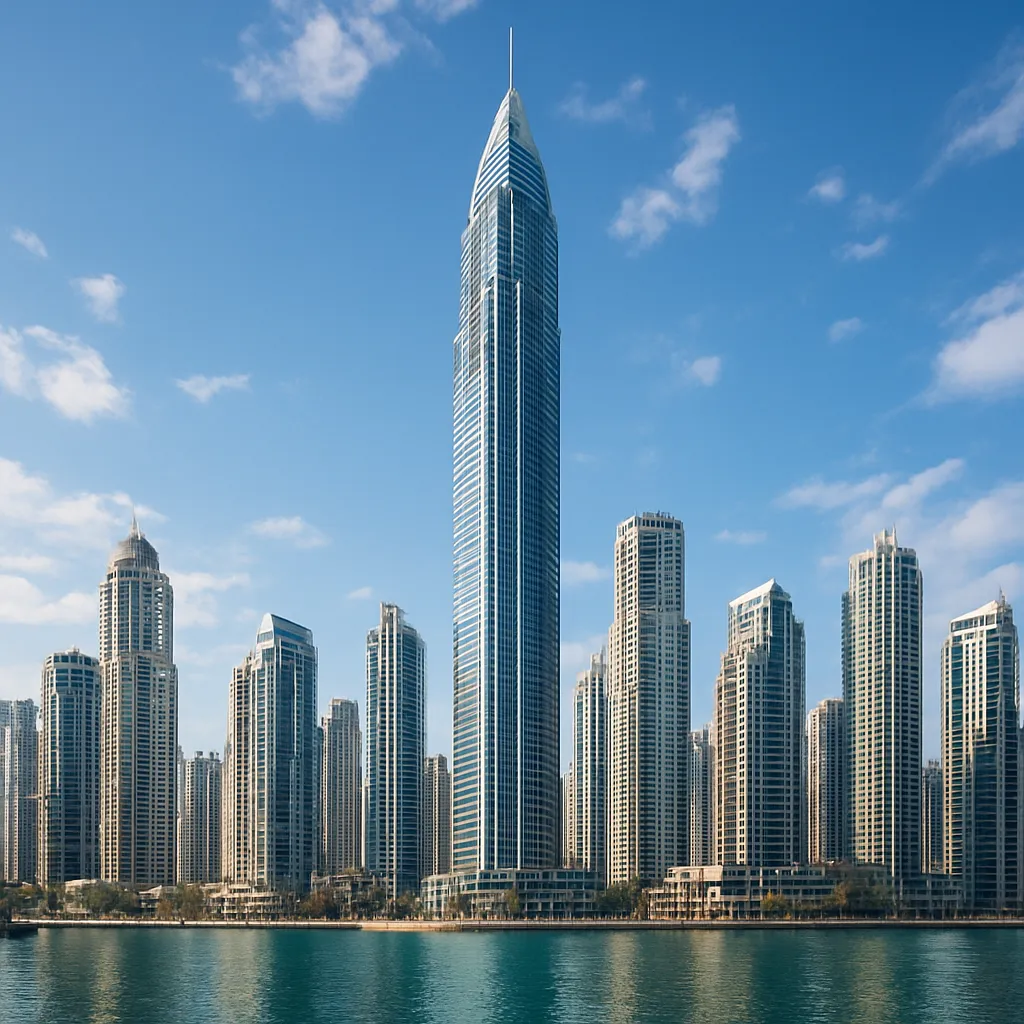
Key architectural features include a strong vertical rhythm, extensive glazing that visually connects interior spaces to the urban surroundings, and articulated façades that create dynamic shadow patterns throughout the day. The overall design language is contemporary, prioritizing clean lines, functional circulation and flexible interior configurations that support a range of occupancies from single-tenant corporate floors to multi-unit residential stacks.
Materials and Finishes
- Externally, curtain-wall glazing combined with metal and composite panels is commonly used to achieve a modern aesthetic, reduce maintenance, and maximize daylighting.
- Internally, fit-outs for media tenants often emphasize acoustic treatment, raised floors for cabling and modular partition systems that allow spaces to be reconfigured quickly.
- Public areas and lobbies frequently deploy higher quality finishes — stone, wood-effect panels and decorative lighting — to create a refined arrival experience for visitors and clients.
Functionality and Program
Crescent Towers is best understood as a mixed-use complex designed to integrate commercial, residential and service functions. The programmatic diversity serves multiple purposes: supporting the working life of production companies and creative agencies, providing housing options for professionals, and offering retail and leisure facilities that activate the streetscape.
Office and Studio Spaces
Office floors are typically planned to support media production with flexible open-plan spaces, meeting rooms, and technical infrastructure. Studios and small production suites may be fitted out with specialized acoustic and lighting systems. Tenants in such buildings are often startups, boutique production houses, post-production facilities, advertising firms and other creative businesses that benefit from proximity to similar enterprises.
Residential Components
The residential element provides a range of unit types, from compact one-bedroom apartments targeted at young professionals to larger family-sized units. These apartments are often marketed to employees who want to live near their workplace and to expatriates seeking affordable alternatives to the premium prices in Dubai’s prime locations. Building amenities targeted at residents may include swimming pools, gyms, children’s play areas and communal lounges.
Retail and Leisure
Ground floors and podium levels commonly host retail outlets, cafes, small restaurants and service providers such as banks and convenience stores. This street-level activation is essential to creating a hospitable environment for both daytime workers and evening residents, fostering a sense of place and sustained activity beyond office hours.
Notable Features and Amenities
The Crescent Towers complex is designed to deliver a comprehensive set of amenities that enhance both daily convenience and long-term attractiveness:
- Amenities such as fitness centers, rooftop terraces, landscaped podiums and swimming pools provide lifestyle value and outdoor space in a dense urban context.
- Multi-level parking and secure access control meet practical needs for employees and residents in an environment where private vehicles remain common.
- High-performance connectivity and IT infrastructure are typically incorporated to support media production workflows, cloud-based collaboration and digital distribution activities.
- On-site retail and F&B outlets reduce the need to travel for basic services and create a convivial atmosphere for networking and informal meetings.
Beyond these tangible offerings, Crescent Towers benefits from intangible advantages that often determine the success of such developments: proximity to sector peers, a brand identity tied to creative industries, and management teams experienced in serving mixed-use properties.
Sustainability and Environmental Considerations
While luxury towers often emphasize spectacle, contemporary projects in Dubai — particularly those serving corporate and creative users — increasingly incorporate environmental standards and operational efficiency measures. Crescent Towers, like many modern developments, is likely to prioritize:
- Energy-efficient glazing and insulation to reduce cooling loads in Dubai’s hot climate.
- LED lighting, energy management systems and smart controls to minimize operational energy use.
- Water-saving fixtures and landscaping designed for low irrigation demand.
- Waste management protocols and recycling facilities to support sustainable building operation.
These measures not only reduce running costs but also align with corporate responsibility goals and tenant expectations for greener workspaces.
Market Position and Economic Role
Crescent Towers occupies a niche that blends functional affordability with strategic placement within an industry-focused free zone. This positioning makes the complex attractive to companies that need professional-grade facilities without the rental premiums of Dubai’s principal financial districts. Because Production City caters to media and content-creation industries, buildings like Crescent Towers play an important role in:
- Providing scalable office space for growing production houses and creative start-ups.
- Supporting the talent pipeline by offering nearby residential choices for professionals and freelancers.
- Enabling synergies among companies through co-location, which helps to foster networks, collaboration and knowledge transfer.
From a broader economic perspective, the complex complements Dubai’s strategy to diversify its economy by bolstering creative industries and service-oriented sectors.
Connectivity and Access
Access to transport infrastructure is a crucial factor for any urban development. Crescent Towers benefits from well-established road links and shuttle or bus services that connect it to neighboring business districts, educational institutions and leisure destinations. Key points that contribute to the development’s accessibility include:
- Close proximity to main roads and interchanges, enabling efficient car travel across the city.
- Proximity to regional free zones and business clusters increases appeal for companies needing supply-chain and service linkages.
- Public transport options and shared mobility services (ride-hailing, cycling, micro-mobility) support commuting choices beyond private cars.
These features make Crescent Towers a practical base for employees, clients and service providers who must move quickly between sites.
Community and Cultural Impact
The presence of Crescent Towers within a creative district helps shape the character of the community. Buildings oriented toward content production and creative enterprise contribute to a recognizable local culture in several ways:
- They create daily opportunities for networking and collaboration through mixed-use public spaces, cafes and event venues.
- They support cultural programming such as small exhibitions, screenings and workshops that animate the neighborhood and draw diverse audiences.
- They foster local entrepreneurship by providing office and studio space at scales suitable for small teams and independent practitioners.
This ecosystem effect strengthens the district’s reputation and attracts additional investment in complementary services and facilities.
Practical Considerations for Tenants and Residents
People considering offices or apartments in Crescent Towers typically value the following:
- Flexible leasing options that accommodate company growth and project-based tenancy common in media sectors.
- Technical readiness of office spaces — power capacity, cooling resilience, soundproofing and reliable internet.
- Resident-focused conveniences — secure parking, on-site management, maintenance services and recreational facilities.
- Access to dining and retail options that support both daytime business and evening leisure.
For investors, the building’s attraction to niche-sector tenants and its role within a recognized media hub can present stable occupancy prospects, particularly when managed to meet the needs of creative practitioners.
Interesting Facts and Observations
- The crescent form — both symbolic and functional — frequently appears in contemporary Middle Eastern architecture, where it references cultural motifs while enabling efficient façades that modulate sunlight.
- Production-oriented neighborhoods like the one that hosts Crescent Towers often act as incubators for innovation, where small companies can co-locate and exchange expertise in an industry-focused environment.
- Because media production requires both quiet, controlled interior conditions and good physical connectivity, developments such as Crescent Towers have evolved to balance privacy and accessibility.
- Adaptive reuse and flexible floorplates are common in this type of development, allowing spaces to transition from office use to creative studios or light industrial production as tenant needs evolve.
Future Prospects and Urban Role
As Dubai continues to refine its urban strategy, districts that combine industry focus with live-work-play qualities will remain central to the city’s economic diversification ambitions. Crescent Towers and similar projects play an important part in that strategy by:
- Offering purpose-built environments for creative industries to grow and scale.
- Anchoring a neighborhood identity that attracts talent and complementary services.
- Providing practical, cost-effective real estate alternatives to premium central business districts.
Over the coming years, such complexes may increasingly incorporate more advanced sustainability measures, smart-building technologies and enhanced public realm interventions to remain competitive and aligned with tenant expectations.
Summary
Crescent Towers in Production City exemplifies a pragmatic, identity-driven approach to contemporary urban development in Dubai. It blends architecture that communicates visual identity with functional layouts tailored to the needs of media and creative sectors. The complex’s mixture of office, studio, residential and retail uses supports a live-work community while offering practical connectivity and essential amenities. Its contribution to the local economic ecosystem is significant, providing a scalable platform for businesses and a quality of life proposition for employees and residents. With growing emphasis on sustainability and technological integration, Crescent Towers is well positioned to remain a relevant urban landmark within Dubai’s evolving built environment.