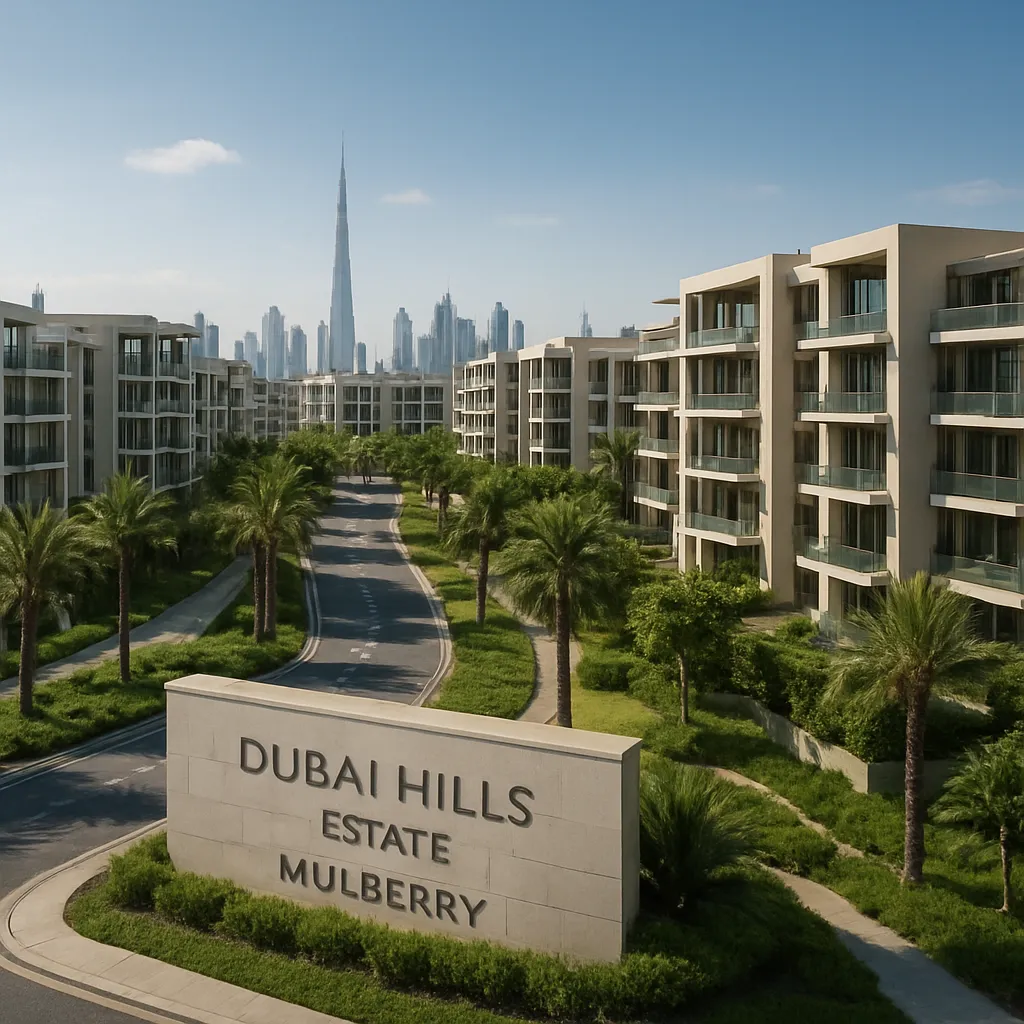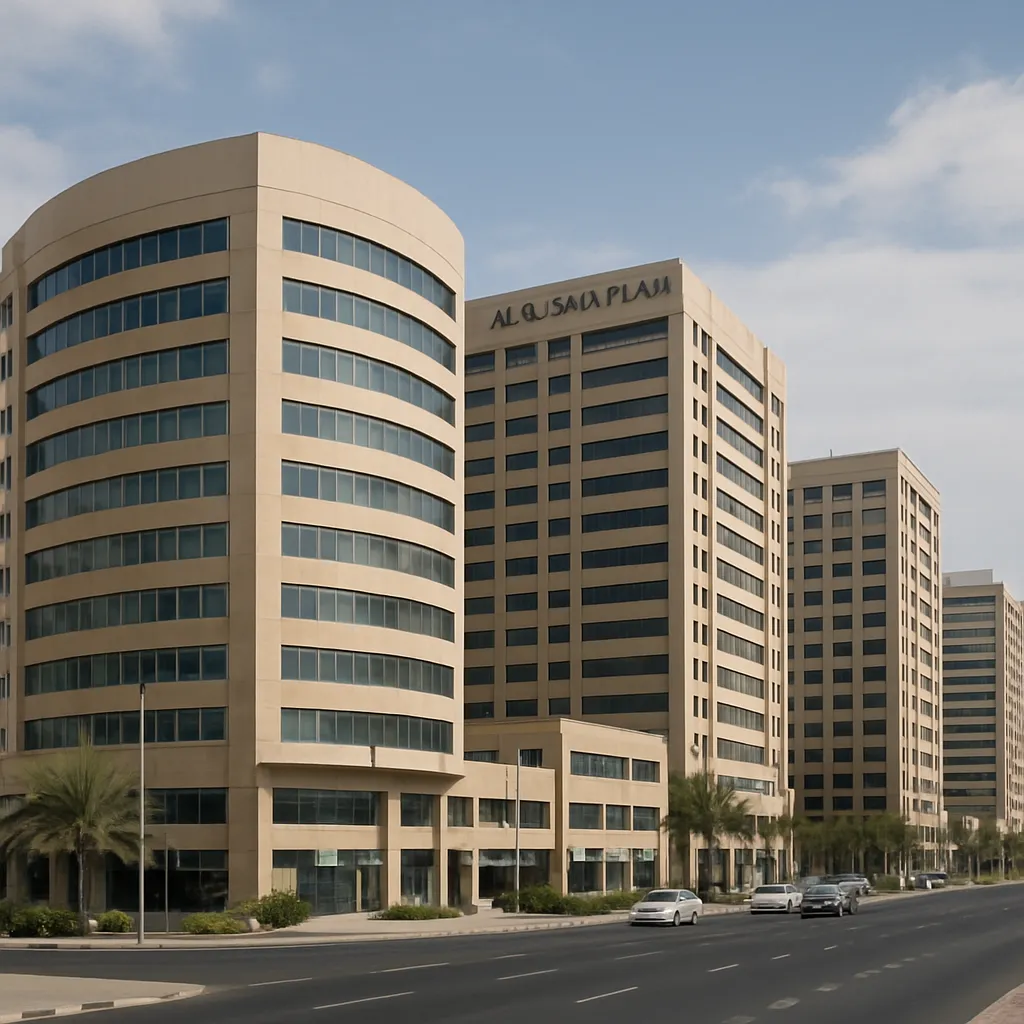
The Al Qusais Plaza Buildings form a distinct part of the Al Qusais district in Dubai, United Arab Emirates. This cluster of residential and commercial structures represents a blend of mid- to high-rise urban living and essential retail services that serve local residents, workers from nearby industrial zones, and travelers passing through one of the world’s busiest aviation hubs. In this article we explore the location, character, architecture, transport links, community life, and notable facts and statistics connected with Al Qusais Plaza and its surrounding urban fabric.
Location and Urban Context
Situated in the northeastern sector of Dubai, the Al Qusais Plaza Buildings occupy a strategic position within the larger Al Qusais neighborhood. Al Qusais itself is a longstanding district that combines residential precincts, commercial strips, and extensive industrial areas. The Plaza Buildings are conveniently placed relative to several important landmarks: the development is typically within easy reach of Dubai International Airport (DXB), the Dubai Airport Free Zone (DAFZA), and principal road arteries that cross the emirate. This location has helped make the Plaza Buildings a practical choice for commuters, families, and businesses that prioritize connectivity and accessibility.
Al Qusais is divided into numbered sub-communities (e.g., Al Qusais 1–4) and adjacent industrial zones; the Plaza Buildings usually sit at the interface between residential blocks and commercial thoroughfares. Their placement reflects a classic urban logic: providing local retail and services at street level for residents while offering apartment living above and nearby office or service-oriented spaces for those working in the area’s commercial and industrial sectors.
Architectural Character and Design
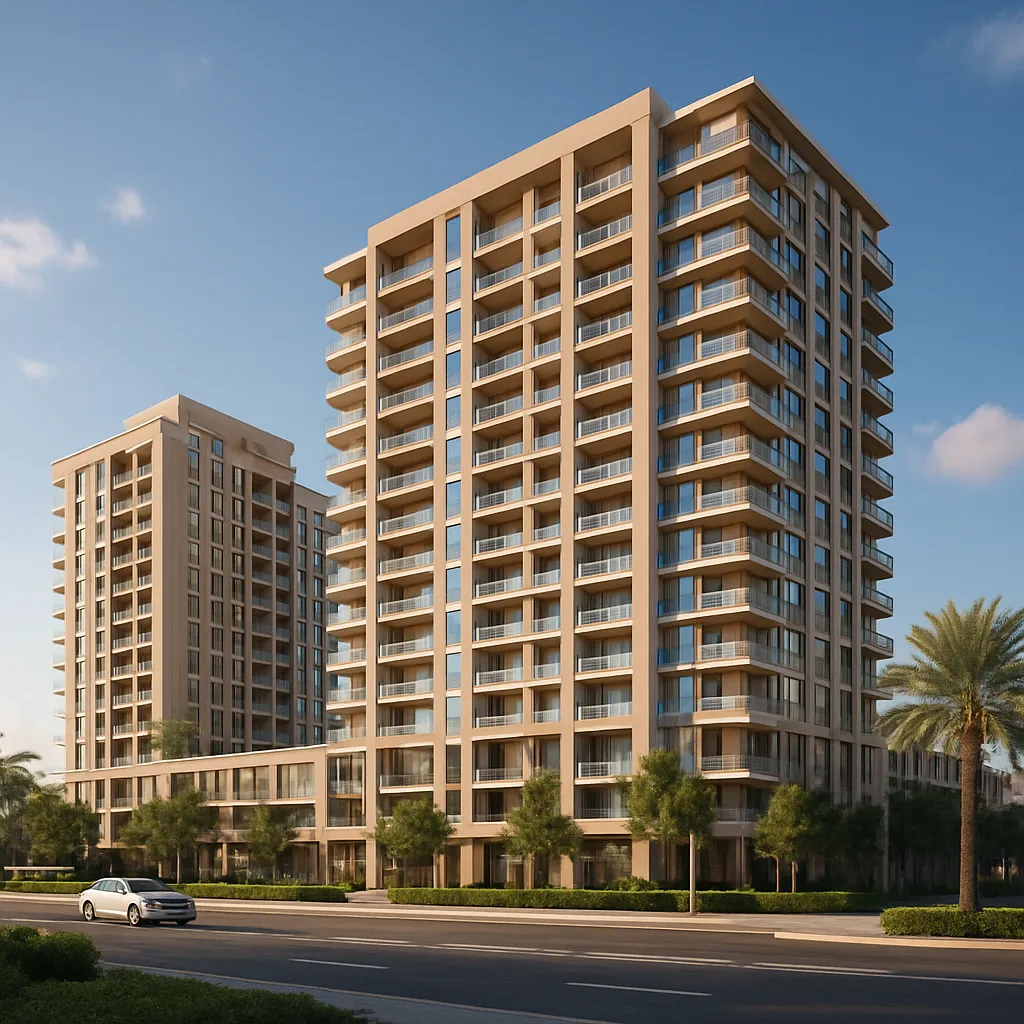
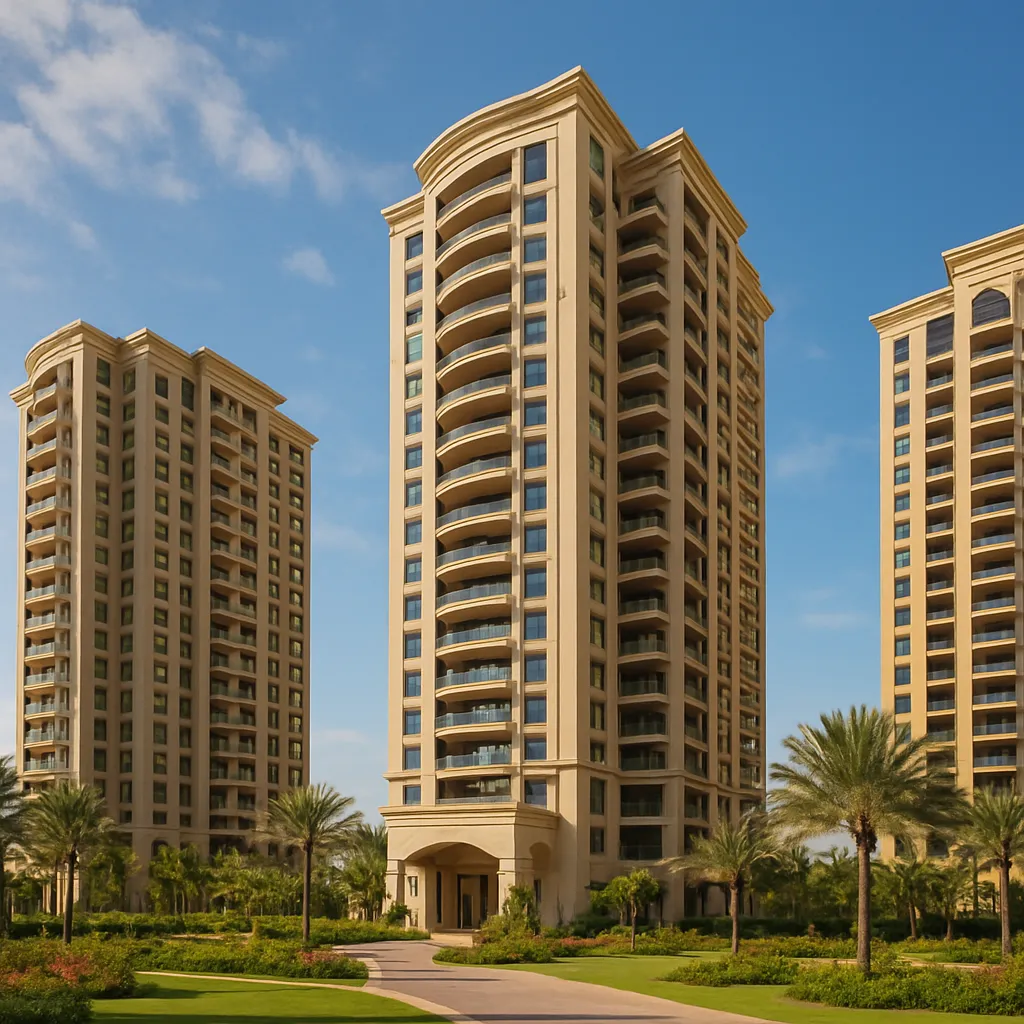
The Al Qusais Plaza Buildings are not a single iconic tower but rather a collection of mixed-use structures and apartment blocks characterized by pragmatic contemporary design. These buildings tend to emphasize functionality — efficient floor plates, balconies for individual apartments, and retail podiums that open onto the sidewalk. Architecturally, the complex draws on practical materials and finishes suited to Dubai’s climatic conditions, combining concrete, glass, and ceramic cladding in subdued, durable palettes.
Form and Function
- Residential units in the Plaza Buildings cover a range of apartment sizes—studio, one-bedroom, two-bedroom and family apartments—designed to cater to both single professionals and families.
- Ground-level retail typically includes convenience stores, cafés, restaurants, pharmacies, and service outlets, contributing to a street-level vibrancy.
- Parking is commonly provided via basements or podium-level car parks to preserve sidewalk activity and pedestrian access.
The overall built environment emphasizes moderate heights and human-scaled streetscapes, which is consistent with Al Qusais’ long-established urban character compared with newer, high-density districts in Dubai. Landscaping around the buildings is practical—shade-providing trees, pedestrian walkways, and small plazas or forecourts that invite social interaction and reinforce the neighborhood role of the development.
Amenities, Services and Daily Life
Al Qusais Plaza Buildings host a variety of everyday amenities that support the local community. These amenities help create a self-reliant micro-economy within walking distance for residents and employees in the area. A typical mix includes supermarkets, bakeries, laundries, fitness centers, pharmacies, and a selection of eateries serving diverse cuisines.
Community Facilities
- Religious and cultural facilities: mosques and small community centers that serve local and expatriate residents.
- Education and childcare: a number of nurseries, daycare centers, and private schools are within a short drive, supporting young families.
- Healthcare: clinics, dental offices, and diagnostic centers are commonly sited nearby, providing essential medical services without long journeys.
The buildings are often inhabited by a multinational community, reflecting Dubai’s cosmopolitan population. Residents typically include long-term families, expatriate professionals working in nearby offices or the airport, and service workers from the industrial districts. This mix produces a steady demand for both economical and mid-range retail options, which the Plaza Buildings accommodate through their diverse tenant mix.
Transport and Accessibility
One of the defining strengths of the Al Qusais Plaza Buildings is their accessibility. Al Qusais benefits from an established road network connecting to major highways such as Sheikh Mohammed bin Zayed Road (E311) and Al Ittihad Road, which facilitates commuting across Dubai and into neighboring emirates. The area is also well-served by bus routes and taxi services, making daily travel straightforward for residents without private cars.
In addition to road access, proximity to aviation infrastructure is a practical advantage for frequent flyers and those working in logistics or aviation-related industries. The Plaza Buildings are generally located within approximately 6–8 kilometers of Dubai International Airport, depending on the exact point within Al Qusais—an asset that supports airport-related employment and short intercity travel.
Public Transport Links
- Bus routes: Local and inter-district buses link Al Qusais with Deira, Al Nahda, and other parts of Dubai, offering economical transport options.
- Metro and light rail: While specific station distances vary, the area is integrated into Dubai’s wider public transportation plan—residents often rely on a combination of buses, taxis, and nearby metro stations for longer commutes.
- Road connectivity: Direct access to arterial roads enables efficient travel to major employment hubs and leisure destinations across the city.
Economic Role and Real Estate Dynamics
The Al Qusais Plaza Buildings play a modest but important economic role in their neighborhood. They provide local commercial space for small and medium enterprises—retailers, service providers, and professional offices—that collectively sustain neighborhood-level employment and services. Rent levels in Al Qusais generally trend more affordable than Dubai’s high-end districts, which makes the Plaza Buildings attractive to tenants seeking cost-effective locations close to the airport and industrial zones.
Real estate dynamics in Al Qusais reflect Dubai’s broader housing market: older stock, steady rental demand, and periodic renovation and upgrade projects. Owners and managers of the Plaza Buildings often invest in periodic maintenance and amenity improvements to remain competitive. Given Dubai’s ongoing urban renewal ambitions, there is also potential for future redevelopment or enhancement projects aimed at improving energy efficiency, public realm quality, and mixed-use integration.
Social and Cultural Dimensions
As a microcosm of Dubai’s multi-ethnic society, the Al Qusais Plaza Buildings host residents and visitors from many nationalities. This diversity is reflected in local dining options, retail goods, and community events. Religious and cultural institutions nearby support celebrations and observances throughout the year, reinforcing a sense of neighborhood identity despite the area’s commercial and industrial backdrop.
Community life in and around the Plaza Buildings is shaped by everyday interactions: families shopping in local markets, office workers grabbing meals at lunch spots, and service professionals commuting to nearby industrial areas. The presence of small parks, mosques, and community centers helps anchor a neighborhood-oriented lifestyle that balances Dubai’s fast-paced development with a more settled residential rhythm.
Interesting Facts and Notable Points
- Strategic proximity to Dubai International Airport supports a large number of professionals employed in aviation, logistics, and related sectors.
- The Al Qusais area historically developed as one of Dubai’s earlier residential and industrial hubs, making it an established neighborhood with mature infrastructure.
- Local commercial units in the Plaza Buildings tend to host long-standing family businesses as well as newer specialty shops catering to diverse expatriate communities.
- Al Qusais features a practical mix of uses—residential, retail, and industrial—providing daily convenience for residents and fostering a resilient local economy.
- Urban improvements and municipal upgrades (road resurfacing, drainage improvements, and street lighting) are periodically implemented to maintain service levels and support growth.
Statistics, Data and Market Indicators
While there is no single consolidated public dataset that lists precise physical parameters for every Al Qusais Plaza Building, several general indicators can help frame their role:
- Distance to airport: roughly 6–8 km from central points in Al Qusais to Dubai International Airport (DXB), an advantage for airport-related workers and travelers.
- Building types: a mix of mid-rise apartment blocks and low- to mid-rise commercial podiums typically characterize the Plaza cluster.
- Occupancy: occupancy rates in established neighborhoods like Al Qusais are often stable due to steady rental demand from expatriate workers and families; fluctuations reflect broader market cycles.
- Rental market: rents in Al Qusais are generally lower than in Dubai’s new premium districts; this relative affordability is a key attractor for certain tenant segments.
- Population profile: Al Qusais hosts a multicultural population composed of Emiratis and expatriates from South Asia, the Philippines, other Arab countries, and Western nations—typical of Dubai’s residential neighborhoods.
For developers, property managers, and prospective residents, these indicators stress the Plaza Buildings’ practical value rather than iconic skyline status—providing functional housing and retail solutions in a strategically located district.
Future Prospects and Urban Evolution
Looking ahead, Al Qusais and its Plaza Buildings are likely to evolve alongside Dubai’s broader urban trajectory. Key themes that may shape their future include:
- Incremental redevelopment: Older buildings may undergo refurbishment or phased redevelopment to improve energy efficiency, internal layouts, and amenity standards.
- Transport upgrades: Enhancements to bus networks and improved last-mile connections to metro stations could further increase the neighborhood’s accessibility.
- Mixed-use intensification: Opportunities exist to enhance street-level retail and public realm spaces to boost local economic activity and community life.
- Smart-city integration: The rollout of municipal smart infrastructure—such as improved lighting, waste management systems, and digital services—could raise the quality of life for residents and reduce operational costs for property owners.
These trends point to steady modernization while retaining the core character of Al Qusais as a practical, resident-oriented neighborhood.
Conclusion
The Al Qusais Plaza Buildings occupy an important niche within Dubai’s urban mosaic. They are characterized by practical architecture, convenient location, and everyday amenities that serve a diverse and working population. Rather than commanding the skyline as landmark towers do, these buildings are valuable for their service to local life: housing families, supporting small businesses, and linking residential areas with major employment centers like the airport and industrial zones. For anyone seeking an accessible, well-established neighborhood with a pragmatic mix of residential and commercial offerings, the Al Qusais Plaza Buildings provide a compelling option within the dynamic setting of Dubai.