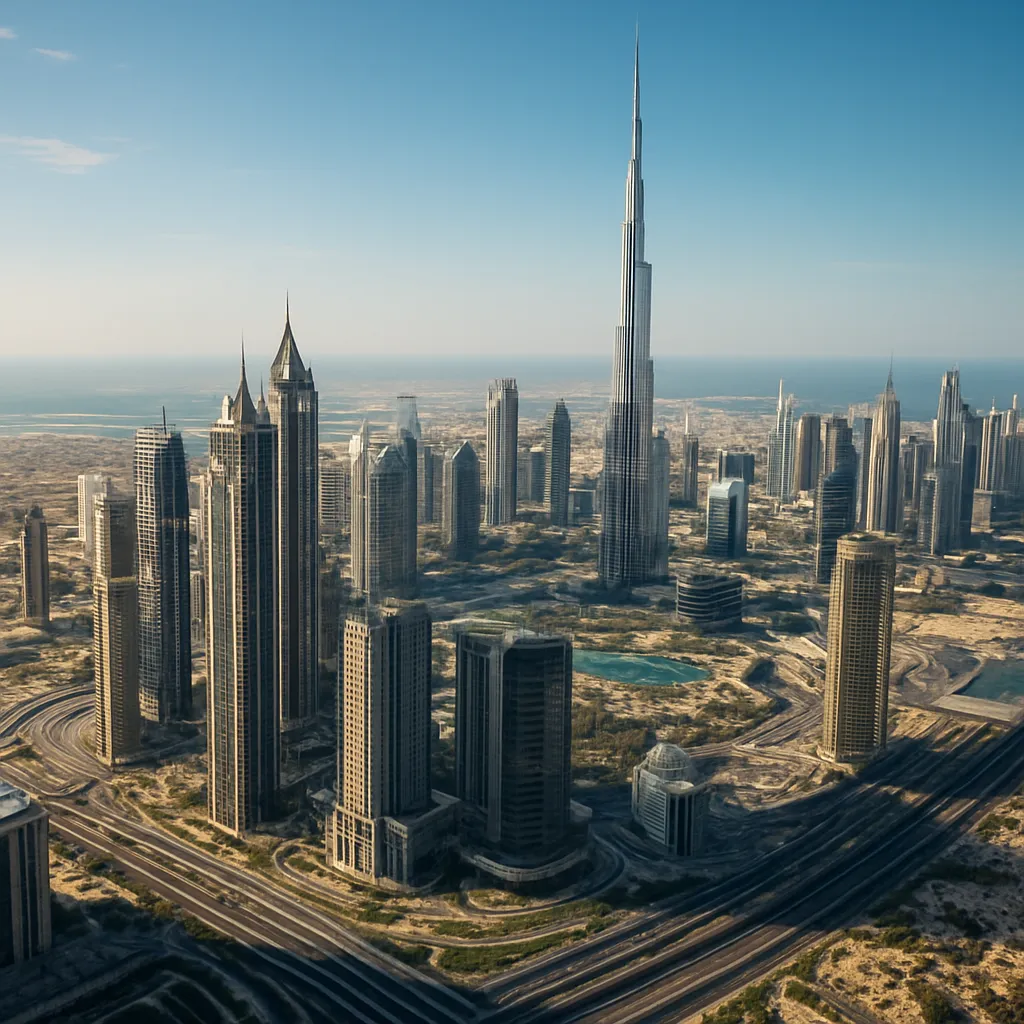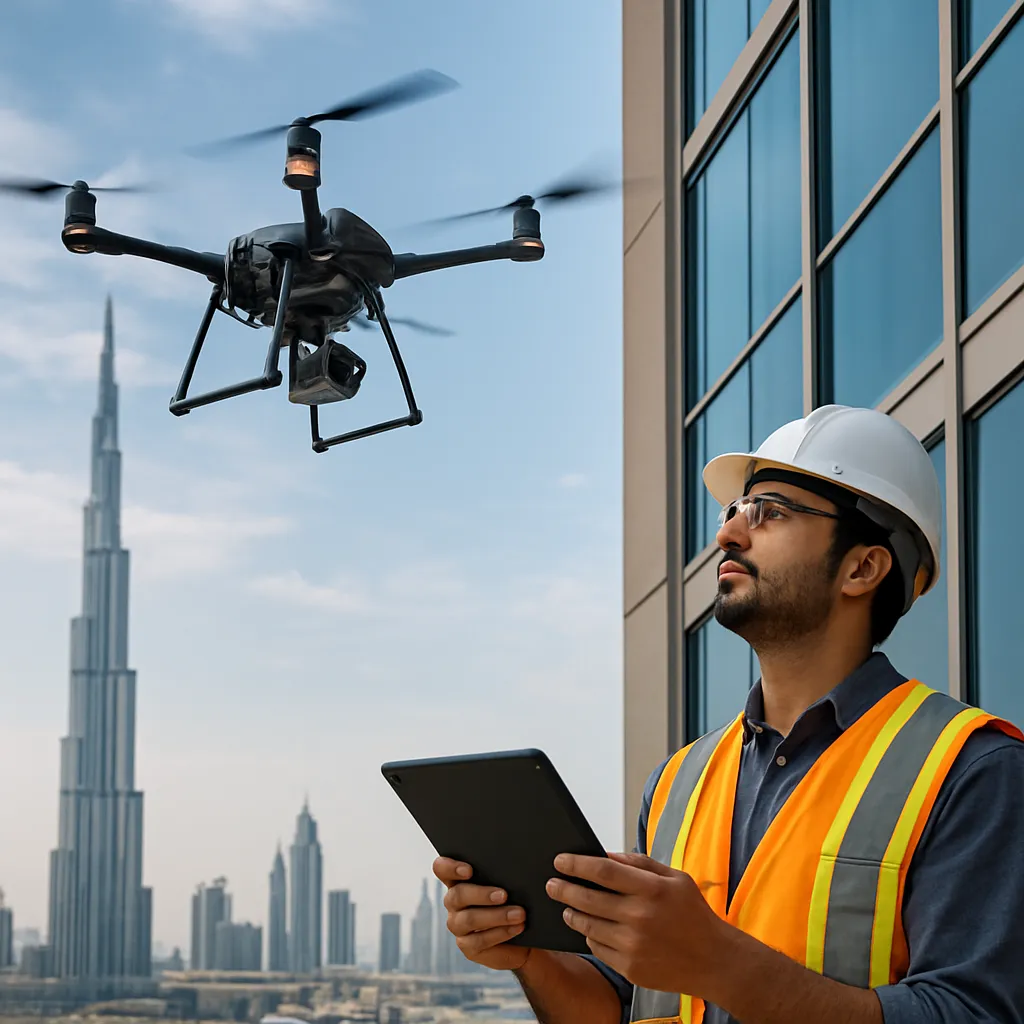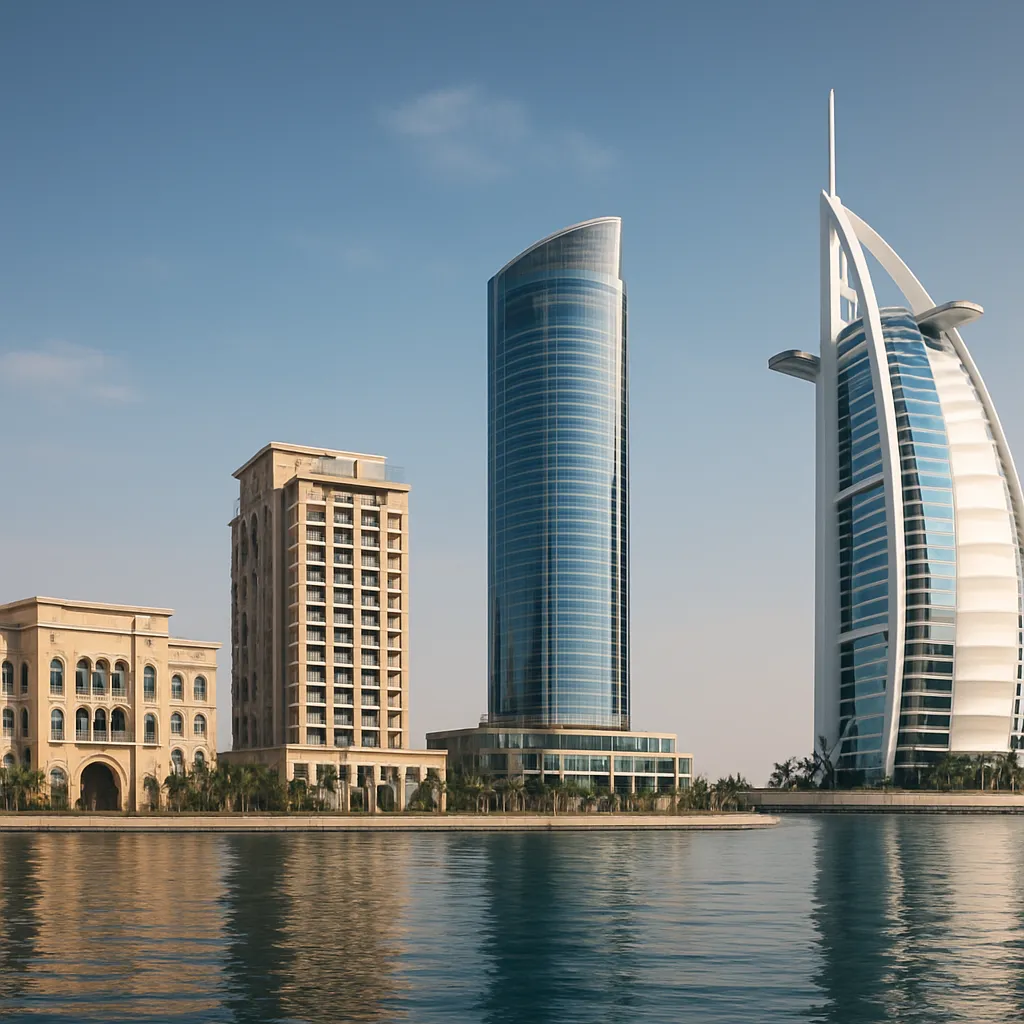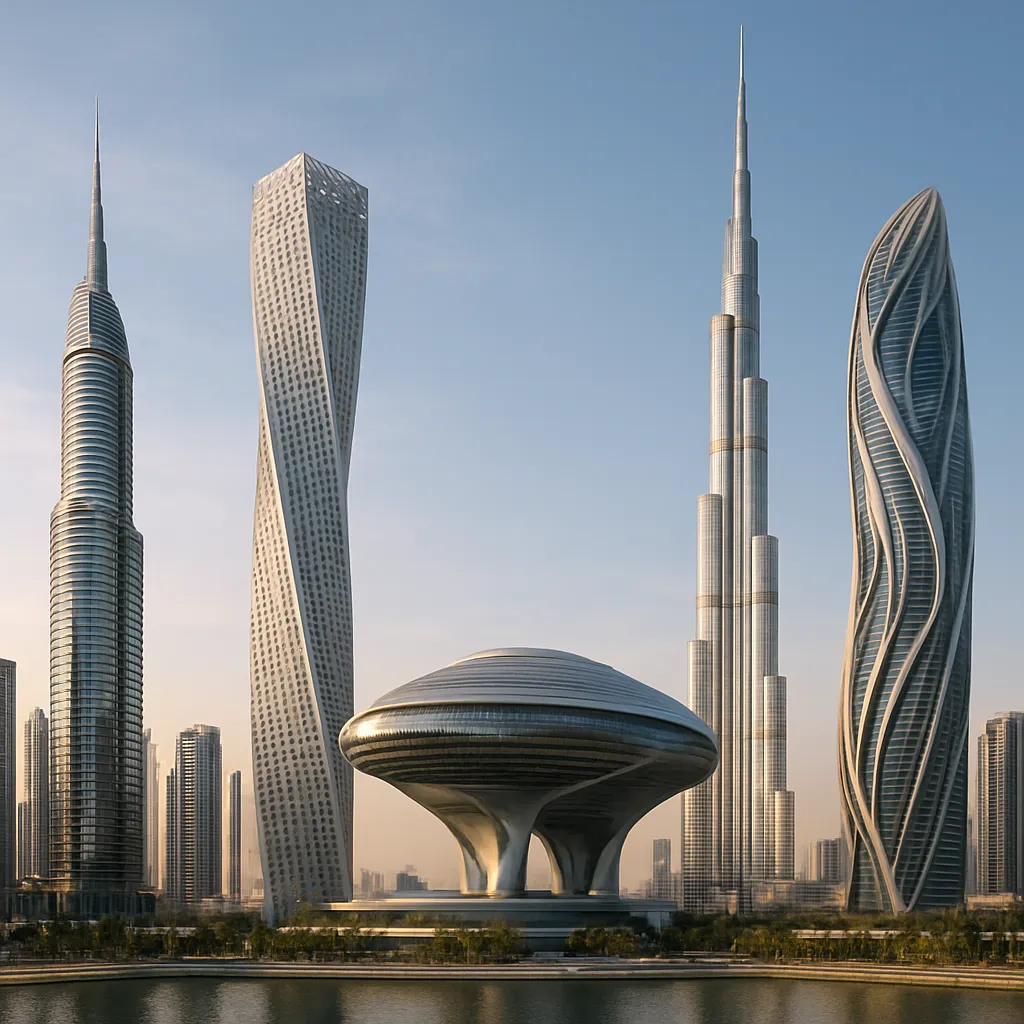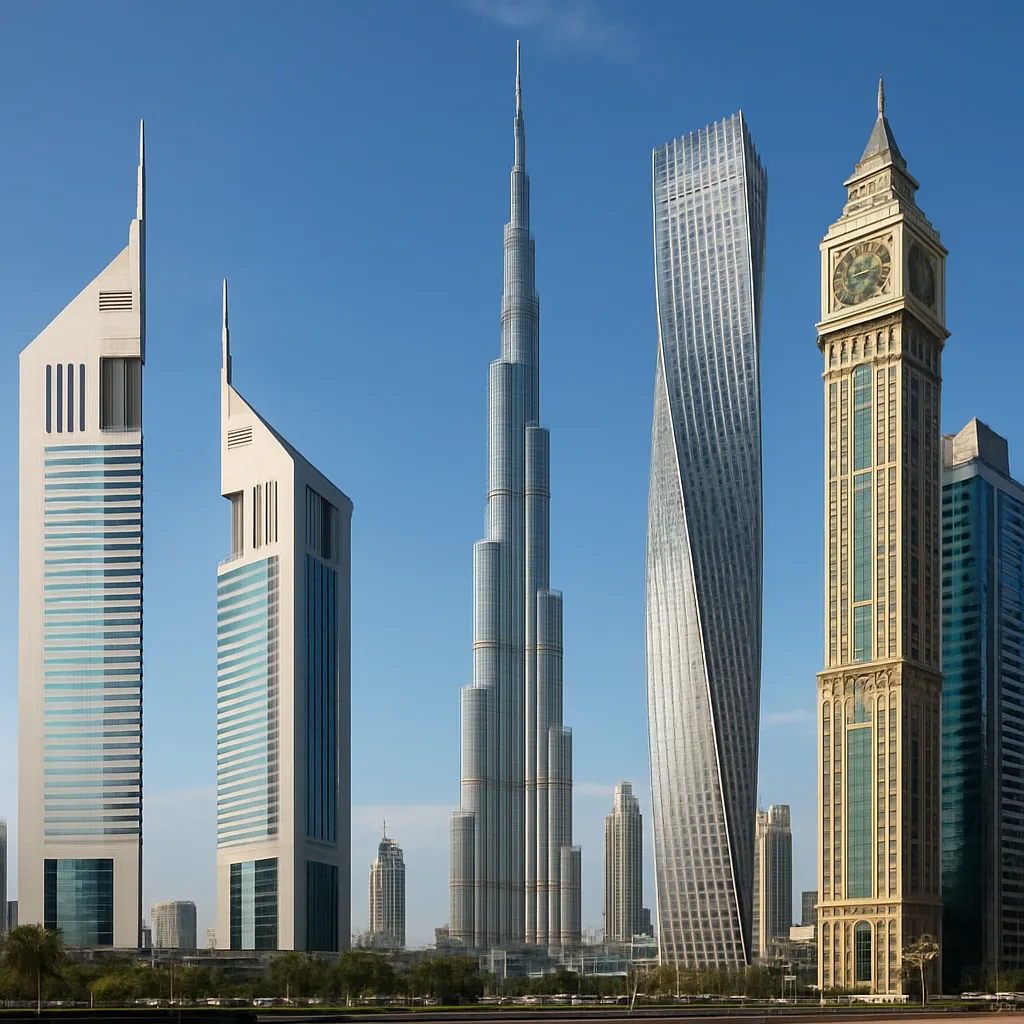
Downtown Dubai stands as a testament to human creativity, where the built environment transforms concrete and steel into inspiring works of art. Each façade reveals a story of ambition, combining cutting-edge technology with timeless cultural motifs. From towering spires to sweeping glass surfaces, the district’s buildings form a dynamic tapestry that captivates visitors and residents alike, redefining the notion of urban beauty on a global scale.
Downtown Dubai: A Canvas of Architectural Marvels
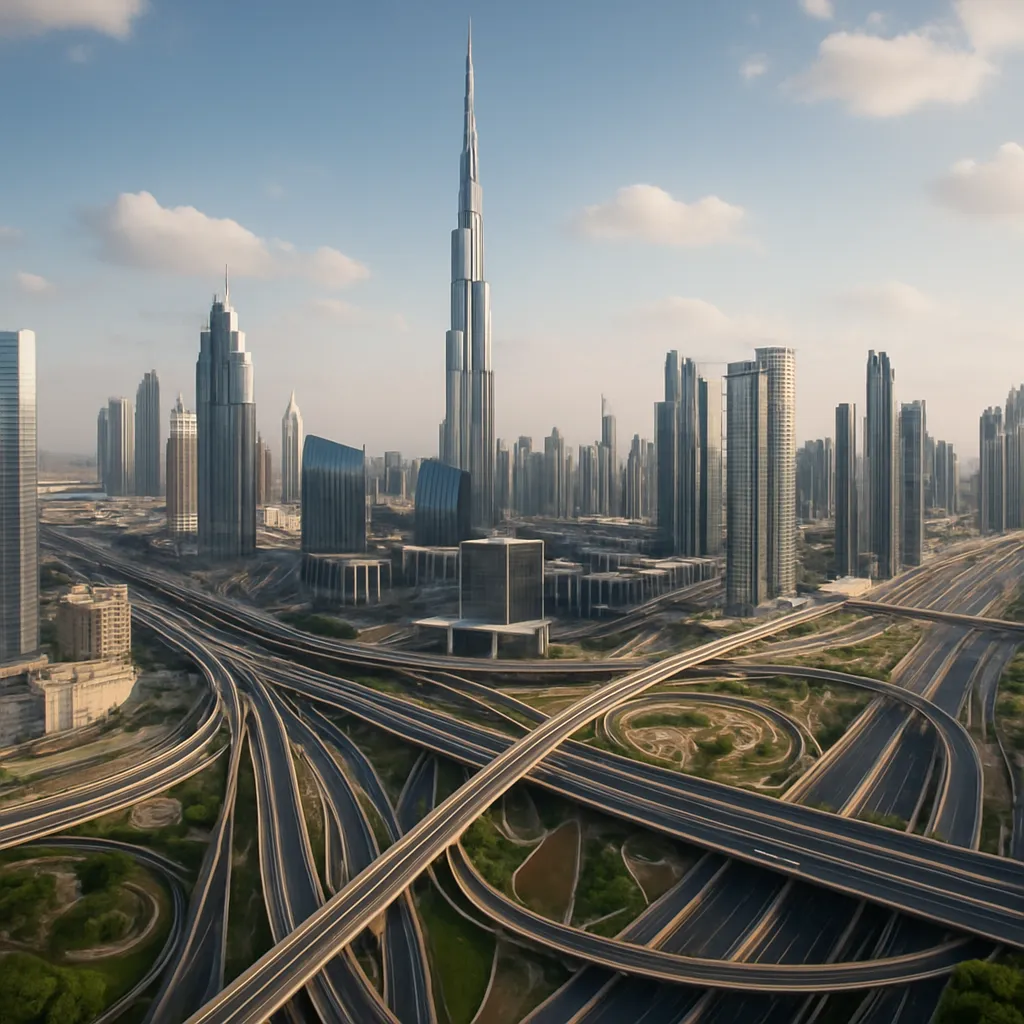
At the center of the cityscape, the world-renowned Dubai skyline emerges like an open-air gallery. Clusters of soaring towers, low-rise promenades and public spaces designed for leisure and entertainment create a harmonious urban symphony. This part of the city has become synonymous with bold experimentation in architecture and urban planning, establishing a benchmark for metropolitan districts worldwide.
Master Planning and Spatial Dynamics
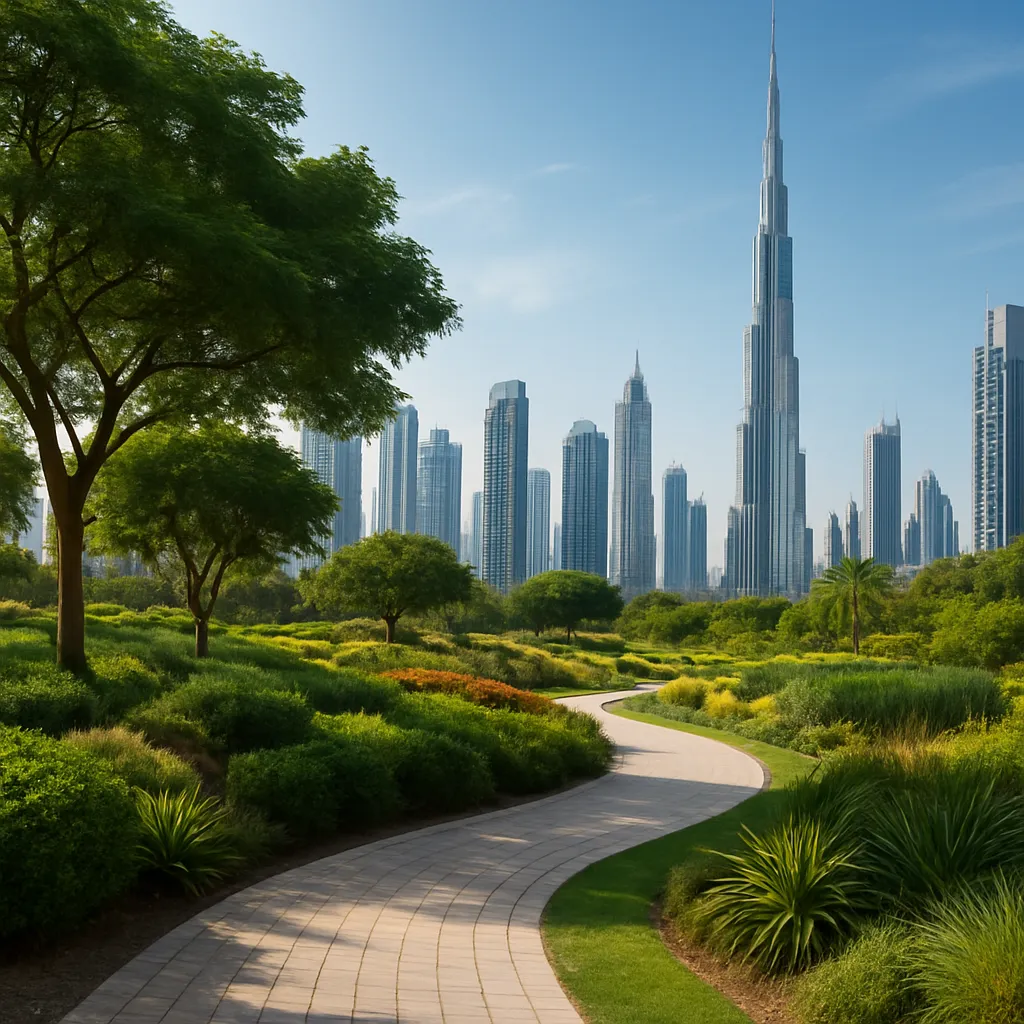
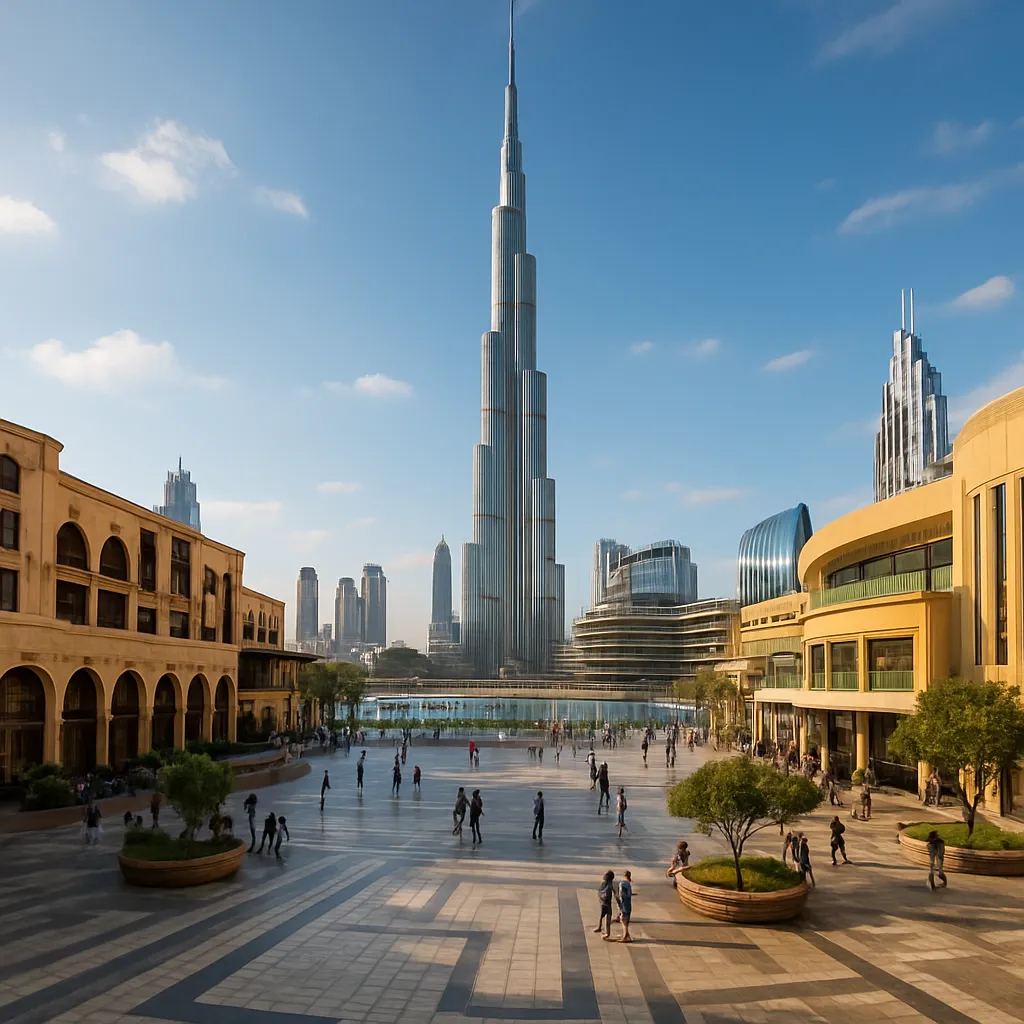
The master plan for Downtown Dubai orchestrates a meticulous arrangement of structures around focal points such as the Dubai Mall, the Opera District and the Burj Khalifa. Pedestrian-friendly boulevards, landscaped gardens and water features weave between high-rise blocks, ensuring a seamless transition from retail venues to luxury hotels. The alignment of streets and open spaces also amplifies sightlines, allowing each building to assert its presence without overwhelming its neighbors.
Harmonizing Tradition and Modernity
Despite the avant-garde ethos, Downtown Dubai exudes a respectful nod to regional heritage. Geometric patterns, mashrabiyas and Islamic art influences can be spotted in façade treatments and decorative screens, imparting cultural resonance to even the most futuristic high-rises. This blending of ancient motifs with contemporary forms demonstrates the district’s commitment to preserving identity while pushing the boundaries of innovation.
Iconic Exteriors Defining the Skyline
Several flagship developments in Downtown Dubai capture global attention with their distinctive silhouettes and façades. These structures are not only visual landmarks but also technical feats, integrating advanced engineering and artistic expression.
Burj Khalifa: The Ultimate Vertical Masterpiece
Rising to 828 meters, the Burj Khalifa stands as the tallest building on Earth and a crowning achievement of glass and steel. Its tapering form, inspired by the desert flower Hymenocallis, is clad in reflective glazing that shimmers under the desert sun. The triple-lobed footprint evolves into setbacks that reduce wind loads, while the spire accentuates the structure’s vertical sweep. At night, a choreographed LED lightshow transforms the tower into a luminous beacon, celebrating festivals and global events.
The Address Boulevard: Elegance in Verticality
Situated along the Boulevard, this luxury hotel and residential tower features a luminous exoskeleton of glass fins and metal bands. The dynamic façade alternates between opaque panels and transparent windows, creating a rhythm of light and shadow. A sky lobby framed by floor-to-ceiling glazing offers panoramic views over the city, reinforcing the building’s role as both a social hub and a visual attraction.
Dubai Opera House: Curves of Cultural Expression
Resembling the sail of a traditional dhow, the Dubai Opera House employs sweeping curves and a shimmering cladding system. Its façade is crafted from composite panels in warm tones, evoking wood grains while ensuring durability in harsh climates. At night, strategically placed uplights accentuate the curvature, highlighting the structure’s maritime inspiration and making it a luminous presence by the waterfront.
Emerging Trends in Façade Design
As Downtown Dubai continues to expand, developers and architects explore new materials and techniques to ensure buildings remain at the forefront of aesthetic appeal and environmental performance.
Integration of Sustainable Materials
Recent projects emphasize the use of eco-friendly products such as photovoltaic glass, low-emissivity coatings and recycled metals. These sustainable façades not only reduce energy consumption but also minimize heat gain, improving indoor comfort in a region known for intense sun exposure. Green walls and terraces further soften rigid surfaces, introducing biodiversity and shading to outdoor areas.
Dynamic and Responsive Exteriors
Adaptive façades equipped with motorized louvers, sensors and smart controls modulate light and airflow throughout the day. By adjusting opacity or opening panels in response to solar intensity, these façade systems optimize daylighting while reducing reliance on mechanical cooling. This interplay of movement and light imbues the urban fabric with a kinetic quality, enlivening the streetscape.
Textural Diversity and Material Contrasts
Architects are experimenting with the juxtaposition of smooth, mirrored surfaces and rough-textured elements. The juxtaposition of polished metals against raw stone anchors modern towers in a tactile context, reinforcing the dialogue between futuristic vision and timeless craftsmanship. This approach offers both visual depth and a multisensory experience as visitors move from shaded colonnades to open plazas.
Illumination and Nighttime Presence
In Downtown Dubai, façades come alive after dark, transforming the district into a luminous wonderland. Designers harness LED technology and projection mapping to choreograph lighting schemes that narrate stories, mark anniversaries or celebrate cultural festivities.
- Burj Khalifa’s façade animations combine text, patterns and graphics to create immersive spectacles.
- The Dubai Mall’s exterior uses linear LED arrays to define architectural lines and highlight public entry points.
- Bridge connections and skywalks between towers are accentuated with gentle uplighting, ensuring safe passage and visual continuity.
Public Spaces as Extensions of Building Design
The exteriors of Downtown Dubai’s structures do not end at the building line but extend into plazas, promenades and gathering spots. Water features, landscaped seating areas and art installations complement the surrounding façades, fostering a holistic urban environment. The integration of interactive fountains and media facades encourages public engagement, turning every corner into a stage for social interaction.
From soaring vertical orientations to horizontally emphasized podiums, the exterior designs in Downtown Dubai celebrate technological prowess and artistic vision. Each building contributes a unique chapter to the district’s evolving narrative, ensuring that this urban jewel remains a global reference for skyline innovation and enduring allure.