Al Twar Centre, located at the meeting point of the Al Twar and Al Qusais districts in Dubai, is a notable example of the city’s mid-rise, mixed-use developments that cater to both long-term residents and daily visitors. Although not among the city’s iconic skyscrapers, this building and the surrounding complex play a meaningful role in neighborhood life — providing retail services, residential options, and essential amenities that help sustain a dense, urban community. This article explores the centre’s setting, design, functions, and local significance, highlighting facts, likely figures where available, and practical information for visitors and residents.
Location and urban context
Al Twar Centre occupies a strategic position between two established districts in Dubai: Al Twar, traditionally a residential area popular with families and expatriate communities, and Al Qusais, a mixed residential and light-industrial zone with strong transport links to the rest of the emirate. The complex is typically described as being part of the broader Deira/ eastern Dubai urban fabric, within convenient reach of major arterial roads and public transport. Its proximity to major thoroughfares makes it easily accessible from central Dubai, Dubai International Airport, and the northern suburbs along Dubai’s extensive road network.
In terms of immediate surroundings, the centre is commonly embedded within a neighborhood of low- to mid-rise apartment buildings and small commercial outlets. Nearby amenities often include local supermarkets, cafés, schools, clinics, and mosques — a pattern typical for community-focused developments in the city. The presence of light industrial and logistics businesses in parts of Al Qusais provides daytime employment and activity, while Al Twar’s residential streets add quieter, family-oriented life to the area.
Connectivity and transport
Al Twar Centre benefits from a strong multimodal connectivity profile. Road access for private vehicles, taxis and ride-hailing services is straightforward, with a network of feeder roads connecting to larger highways. Public transport options, including buses and metro services in nearby corridors, offer commuters alternatives to driving. The combination of arterial road access and public transit links contributes to the building’s appeal for residents who work across different parts of Dubai.
Design, architecture and built form
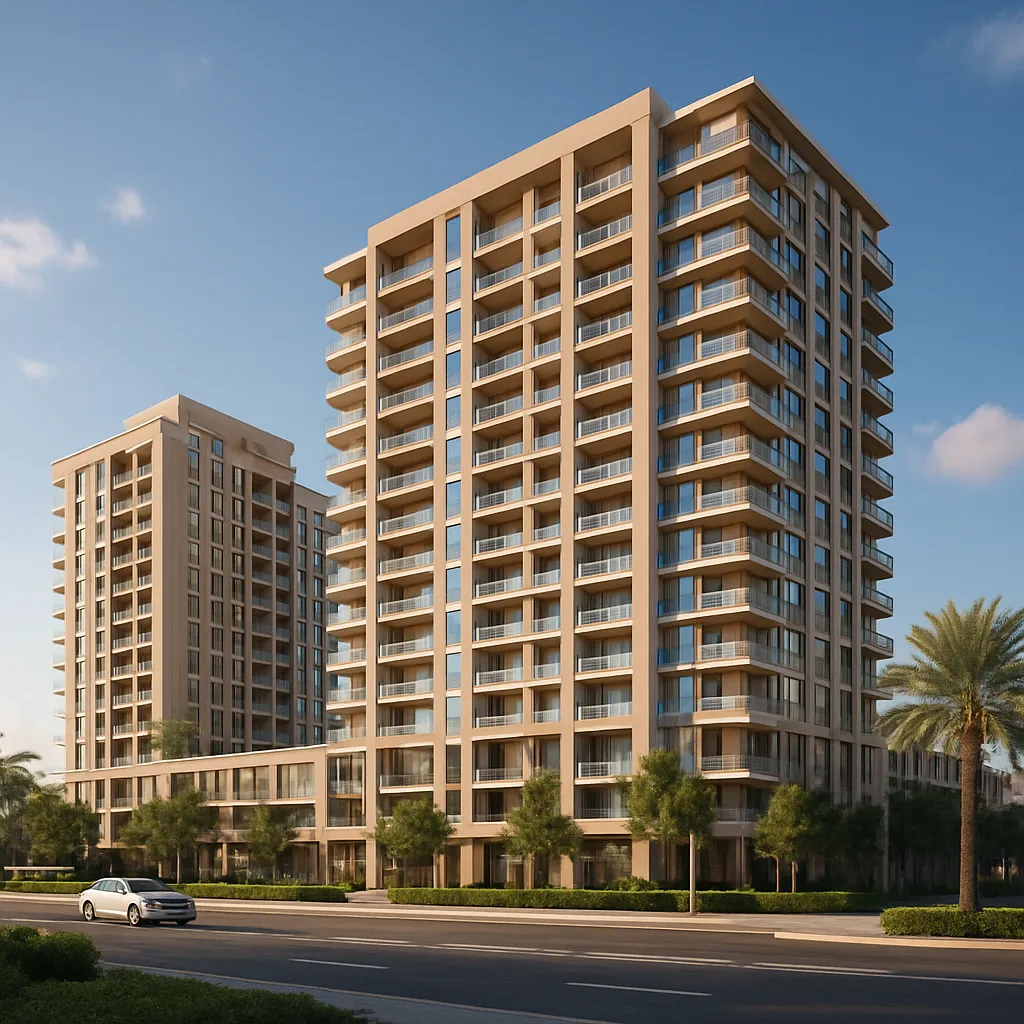
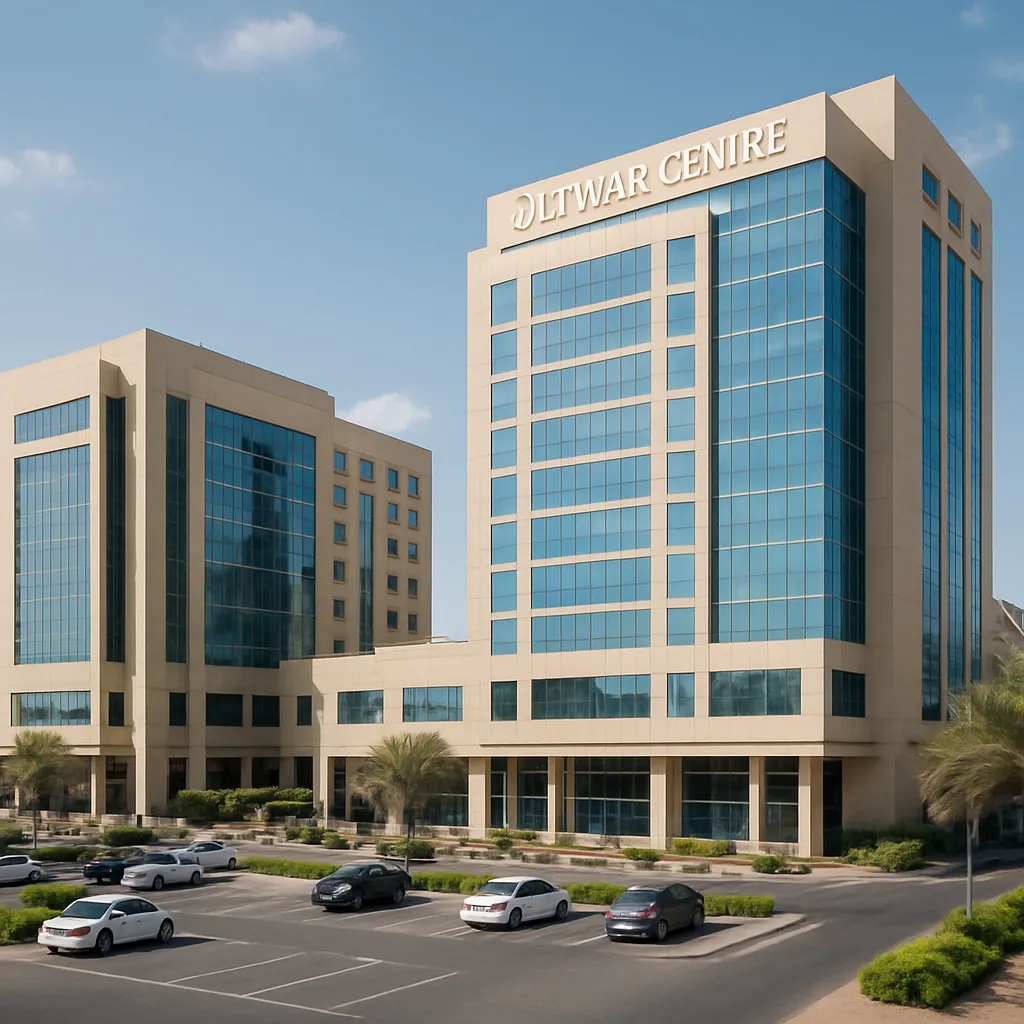
While the Al Twar Centre is not a landmark skyscraper, its design reflects practical, context-driven architecture that answers the needs of everyday urban life. The built form is typically mid-rise, with a podium or lower-level commercial zone topped by residential floors. This mixed-use approach supports local retail activities while maximizing the number of housing units above — a common and efficient model in Dubai’s neighborhood centres.
Architecturally, such buildings in this part of Dubai often use a combination of reinforced concrete frames, precast elements and curtain-wall glazing on selected façades. The exterior treatments aim for a clean, modern aesthetic while addressing climatic concerns: shaded balconies, recessed windows, and overhangs help reduce solar gain; light-coloured finishes reflect heat; and strategic ventilation helps with natural cooling. Although the Al Twar Centre’s detailed architectural plans are not publicly standardized, these features are typical of contemporary mid-rise developments in the region.
Interior layout and amenities
- Ground-floor and podium retail: small supermarkets, pharmacies, cafés and service outlets that serve daily household needs.
- Parking provisions: basement or ground-level car parks for tenants and customers, often with secure entry and designated visitor bays.
- Residential units: a mix of studio, one-, two- and three-bedroom apartments to accommodate singles, families and shared-living arrangements.
- Shared facilities: elevators, security desks, refuse collection zones, and sometimes small fitness rooms or rooftop terraces depending on the developer’s brief.
The building’s operational aspects — such as security systems, waste management and maintenance regimes — are usually managed by a facilities management provider or a community owners’ association. These operational arrangements are key to keeping a mixed-use centre functional and comfortable in the long term.
Economic and social role
Al Twar Centre serves as a micro-economy within the local urban environment. Its retail spaces provide convenient shopping and personal services for residents, reducing the need for longer trips to larger malls. Small businesses operating from the centre — such as grocery stores, laundries, optical shops and telecommunication outlets — contribute to local employment and keep economic activity circulating within the neighborhood.
Socially, the building functions as a community hub where neighbors meet informally, parents pick up groceries between school runs, and residents take part in seasonal or cultural events commonly organized in local public spaces or retail courtyards. In Dubai’s diverse population mix, these everyday interactions foster social cohesion and offer newcomers a practical gateway into the local social fabric.
Community services and outreach
Many neighborhood centres in Dubai host small-scale community services: medical clinics, pharmacy chains, post and parcel collection points, and educational tutors. During periods such as Ramadan or Eid, local centres sometimes coordinate charity drives, community Iftar events or themed retail promotions that reflect the city’s multicultural environment. While specific event calendars for Al Twar Centre vary year to year, this pattern of community engagement is common in similar developments across the emirate.
Statistics, occupancy and usage patterns
Publicly available, authoritative statistics for a specific building like Al Twar Centre are often limited. Official building reports, developer datasheets or municipal filings (if provided) give the most accurate figures. In the absence of a centralized public dossier, the following points summarize typical statistical patterns for neighbourhood mixed-use centre developments in Dubai that are relevant to Al Twar Centre:
- Scale and height: These centres are commonly mid-rise, often ranging between four and twelve storeys depending on plot size and planning permissions.
- Residential units: A medium-sized centre might house anywhere from a few dozen to several hundred apartments; the final number depends on unit mix and floorplate efficiency.
- Retail footprint: Ground-floor retail areas usually occupy between several hundred to a few thousand square metres, accommodating a handful of independent outlets or branded convenience stores.
- Parking allocation: Planning guidelines aim for sufficient parking to serve both residents and shoppers, with provisions often ranging from 0.75 to 1.5 parking spaces per residential unit, plus dedicated visitor and retail bays.
- Footfall and catchment: The daily customer base typically includes building residents, people from surrounding blocks within a 1–3 km radius, and passing commuters; peak footfall tends to occur during early evening hours and weekends.
These figures should be interpreted as indicative ranges. For exact data — such as the number of registered units, precise retail square meters, or up-to-date occupancy rates — local municipality records, the building’s management office, or the developer’s latest publications should be consulted.
Maintenance, safety and regulatory framework
Buildings in Dubai are subject to municipal regulations covering fire safety, structural standards, parking, and building maintenance. Typical safety features include stairwell and fire exits, sprinkler systems and compartmentalization to control fire spread. Regular inspections by relevant authorities ensure compliance with up-to-date standards.
Facility management is crucial for a centre’s longevity and tenant satisfaction. Routine maintenance tasks include elevator servicing, façade cleaning, air-conditioning maintenance, pest control, and cleaning of common areas. For residents, an effective owners’ association or property management team makes the difference between a building that operates smoothly and one that develops persistent issues.
Interesting facts and local anecdotes
– Al Twar and Al Qusais each carry layers of Dubai’s urban history: Al Qusais historically served as a practical location for light industry and logistics, while Al Twar evolved more as a residential neighborhood. This proximity of uses makes the junction between the two districts particularly dynamic and useful for daily life.
– Neighborhood centres like Al Twar Centre exemplify Dubai’s approach to urban layering. Rather than relying solely on mega-malls, the city supports a network of smaller, localized hubs that distribute services and reduce the necessity for long-distance travel for everyday needs.
– The building’s role during seasonal peaks (such as Ramadan) often extends beyond retail: local merchants and residents might organize food distribution, charity events, and neighborhood gatherings, which reinforce community bonds.
Practical information for visitors and potential tenants
If you plan to visit or rent in a building like Al Twar Centre, consider the following practical tips:
- Transport: Verify the nearest bus stops or metro stations and check parking rules if arriving by car. Peak traffic periods can increase commute times to and from the centre.
- Services: Identify essential on-site services (supermarket, pharmacy, clinic) so you can plan errands efficiently.
- Lease terms: Residential leases in Dubai typically run for one year; check what utilities and service charges are included in the rent and clarify maintenance responsibilities.
- Community rules: Many buildings have a set of by-laws administered by the owners’ association; understand rules on pets, renovations and common-area usage before signing a lease or purchase agreement.
- Safety: Confirm that the building has valid fire safety certificates and regularly tested life-safety systems.
Future prospects and potential developments
As Dubai continues to evolve, neighbourhood centres like Al Twar Centre stand to be influenced by broader trends in urban planning and real estate: increasing emphasis on walkability, pressure to improve sustainability credentials, and the demand for smarter building management systems. Potential upgrades for such centres might include energy-efficient lighting and HVAC systems, solar installations on suitable roof areas, improved waste recycling facilities, electric vehicle charging points, and digital platforms for tenant management and local commerce.
Regeneration or refurbishment projects can boost a centre’s competitiveness, especially if they enhance retail offerings, improve public realm quality, and implement more resilient infrastructure. Any future changes would typically involve collaboration between property owners, municipal planners and the local community to ensure compatibility with neighborhood needs.
Conclusion
Al Twar Centre in the Al Twar–Al Qusais area exemplifies the kind of mid-rise, mixed-use development that supports daily life across Dubai’s neighborhoods. While it may not command headlines like the city’s iconic towers, its contribution to local community life, convenience, and urban connectivity is significant. Its architecture and services reflect practical priorities: a balance of architecture responsive to climate, retail and service provision for residents, and operational systems that keep the building safe and functional. As Dubai moves forward, neighbourhood centres such as this will continue to play a quiet but essential role in shaping livable, accessible urban districts.