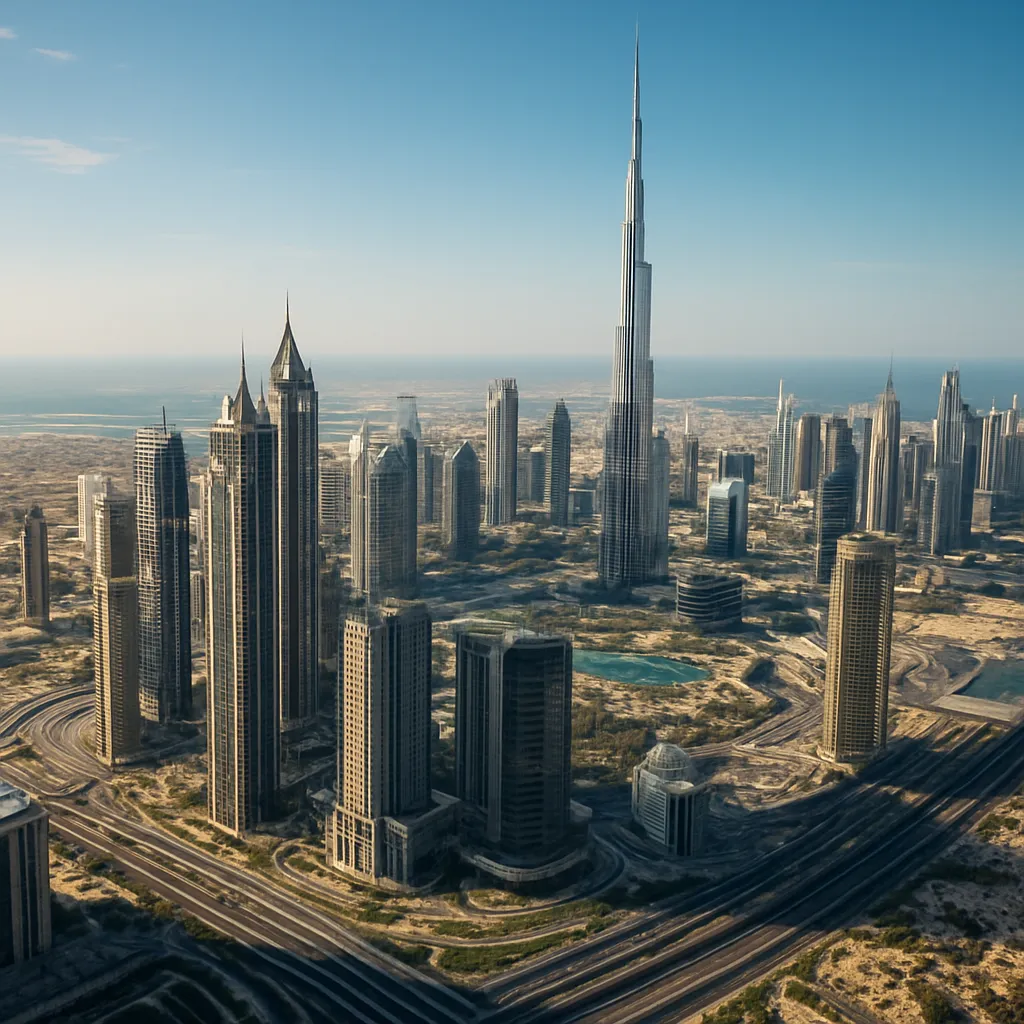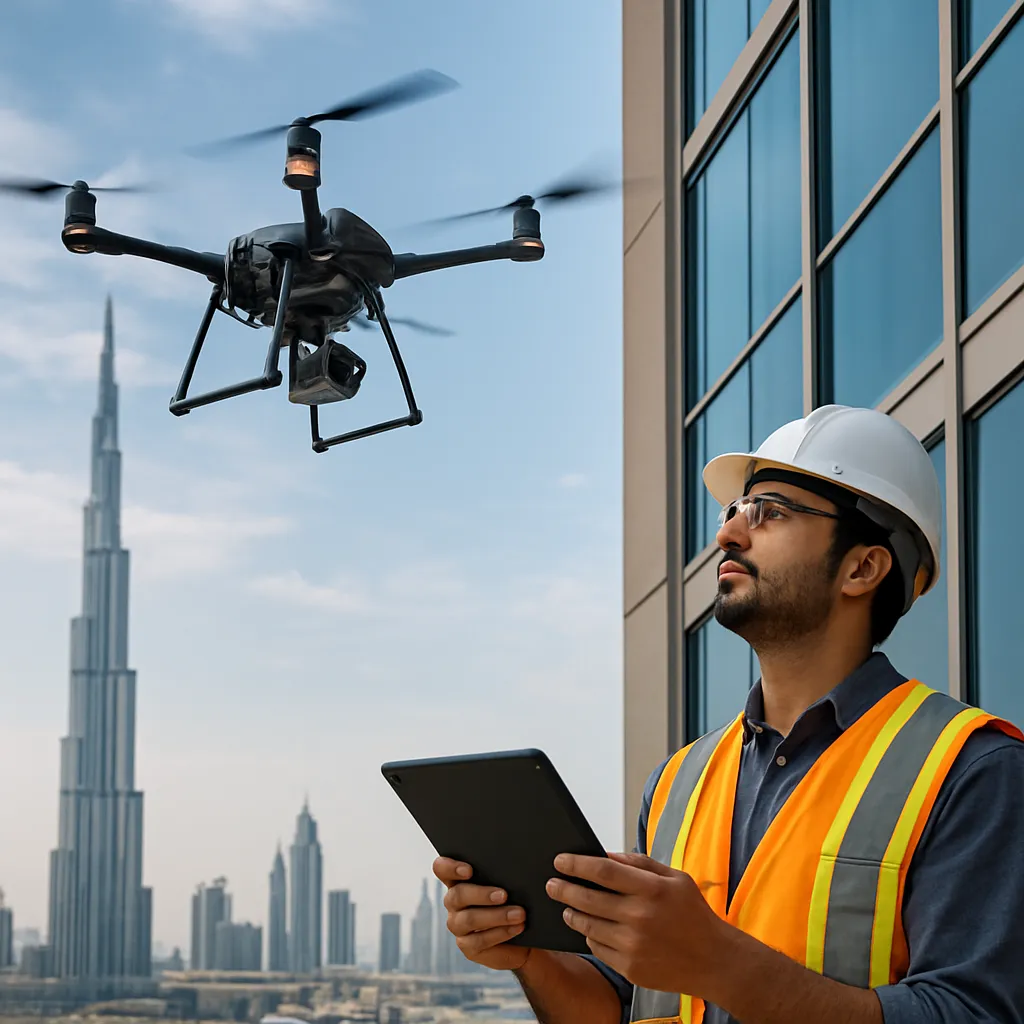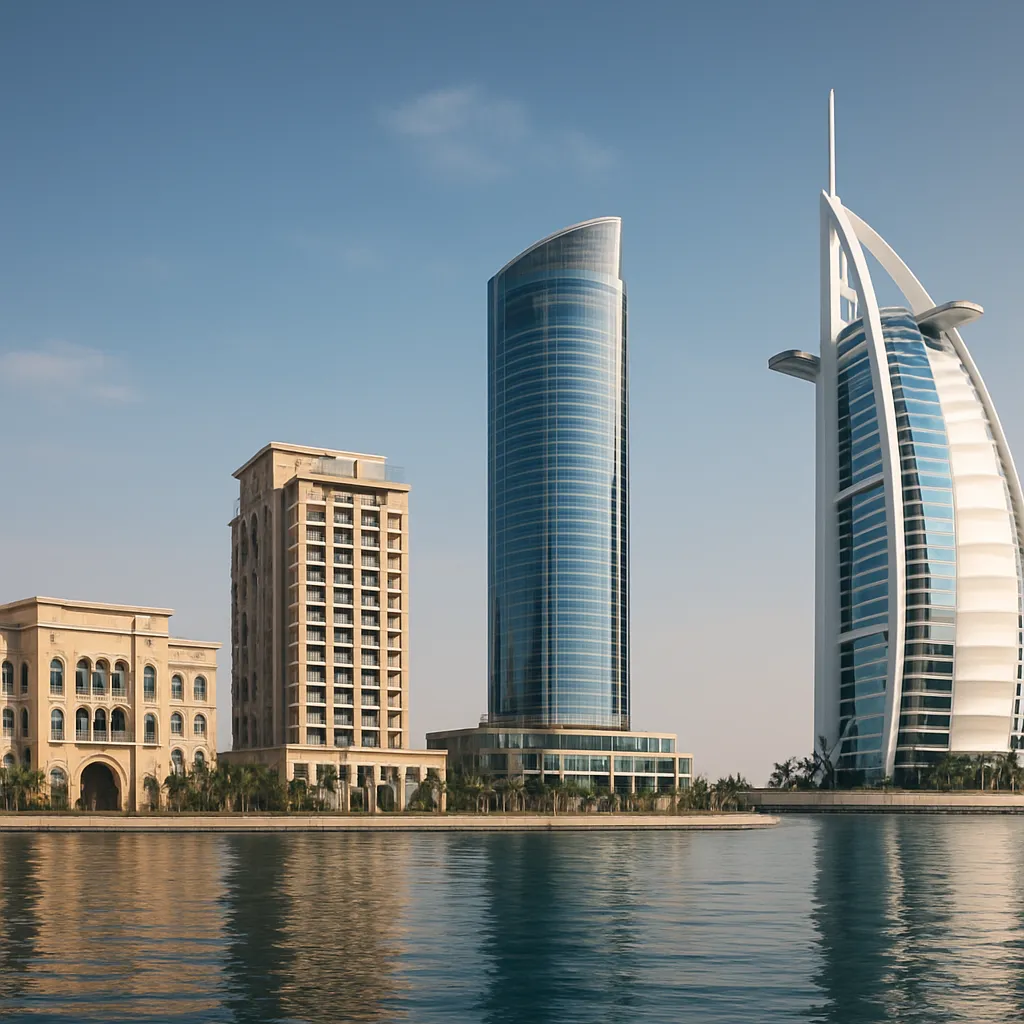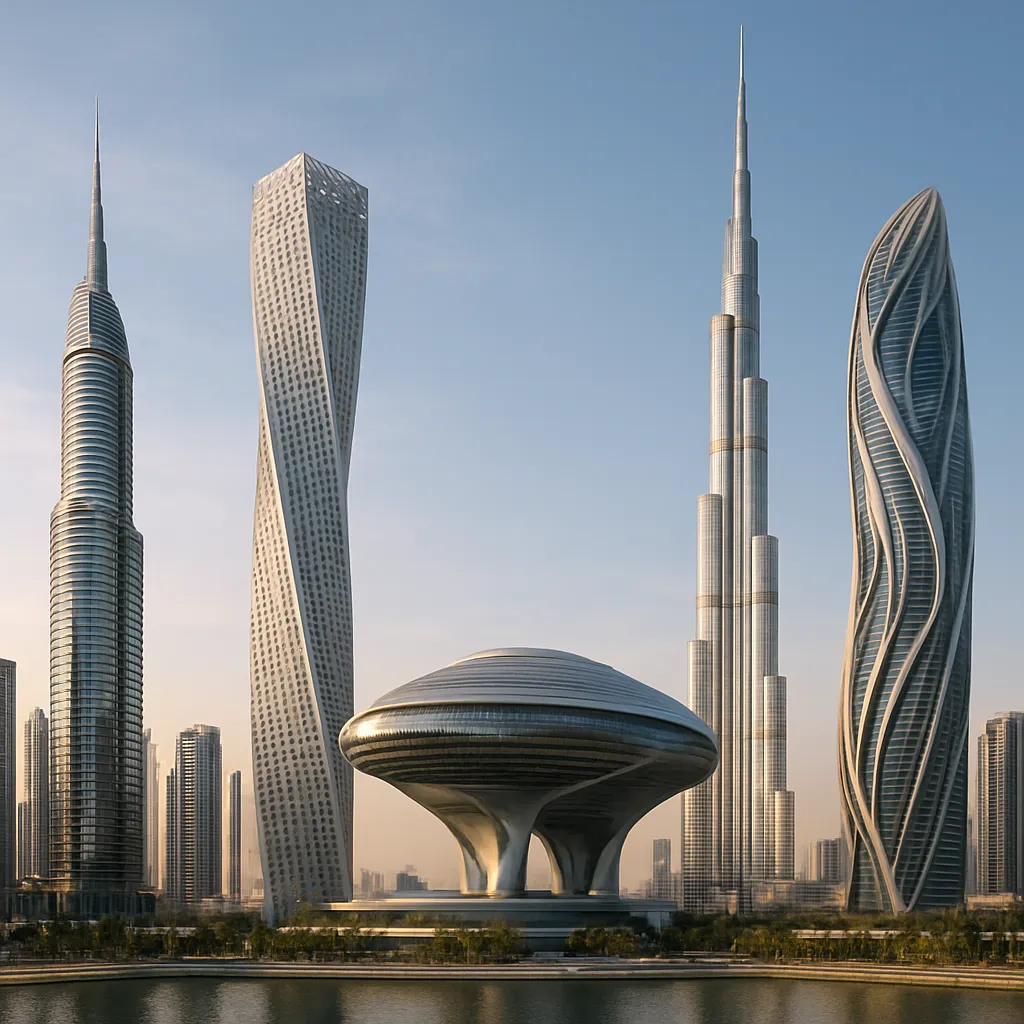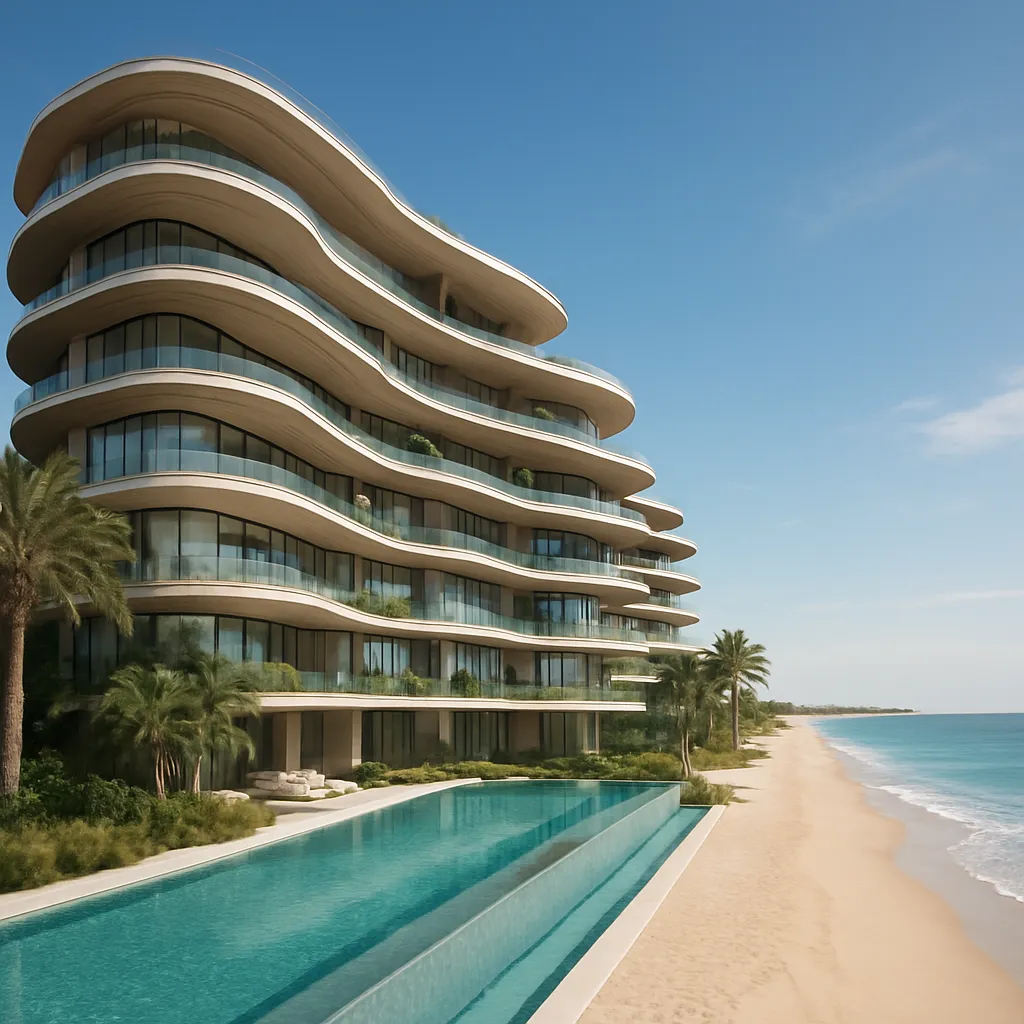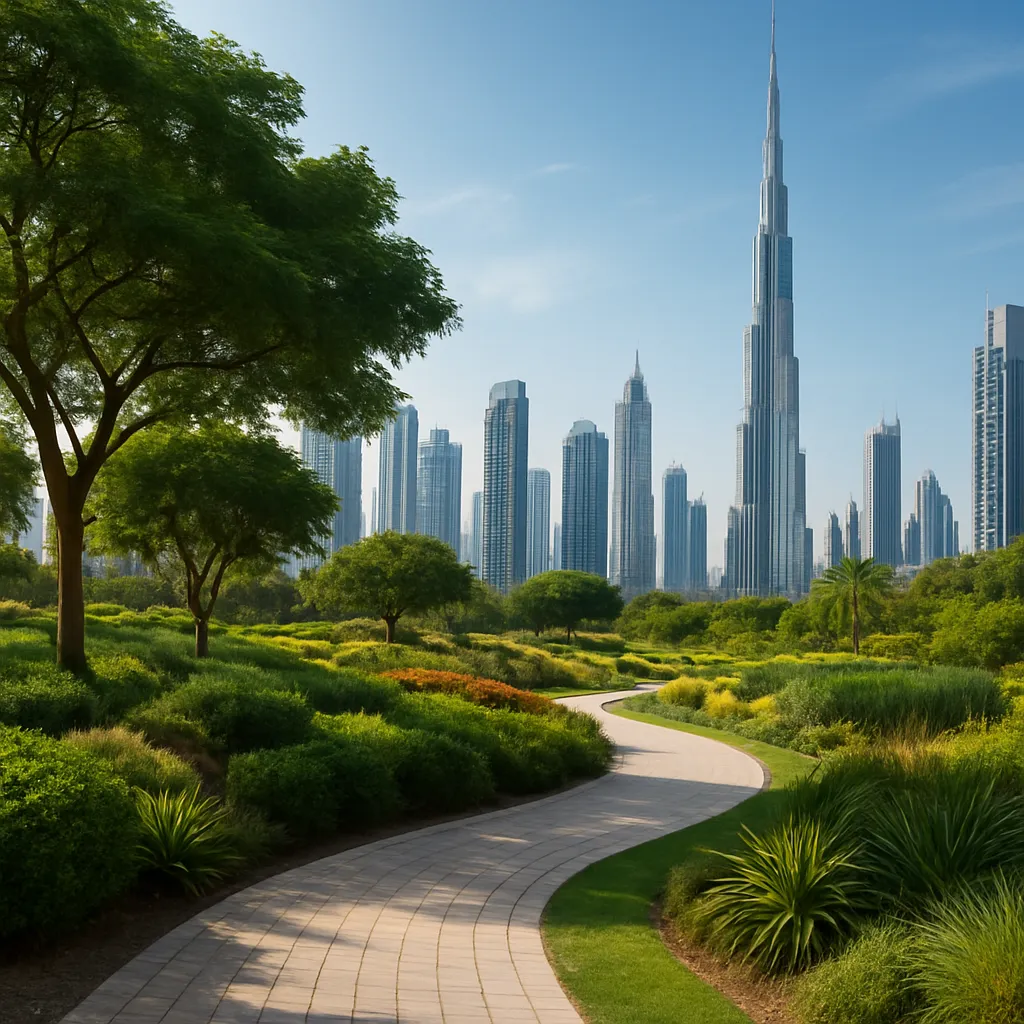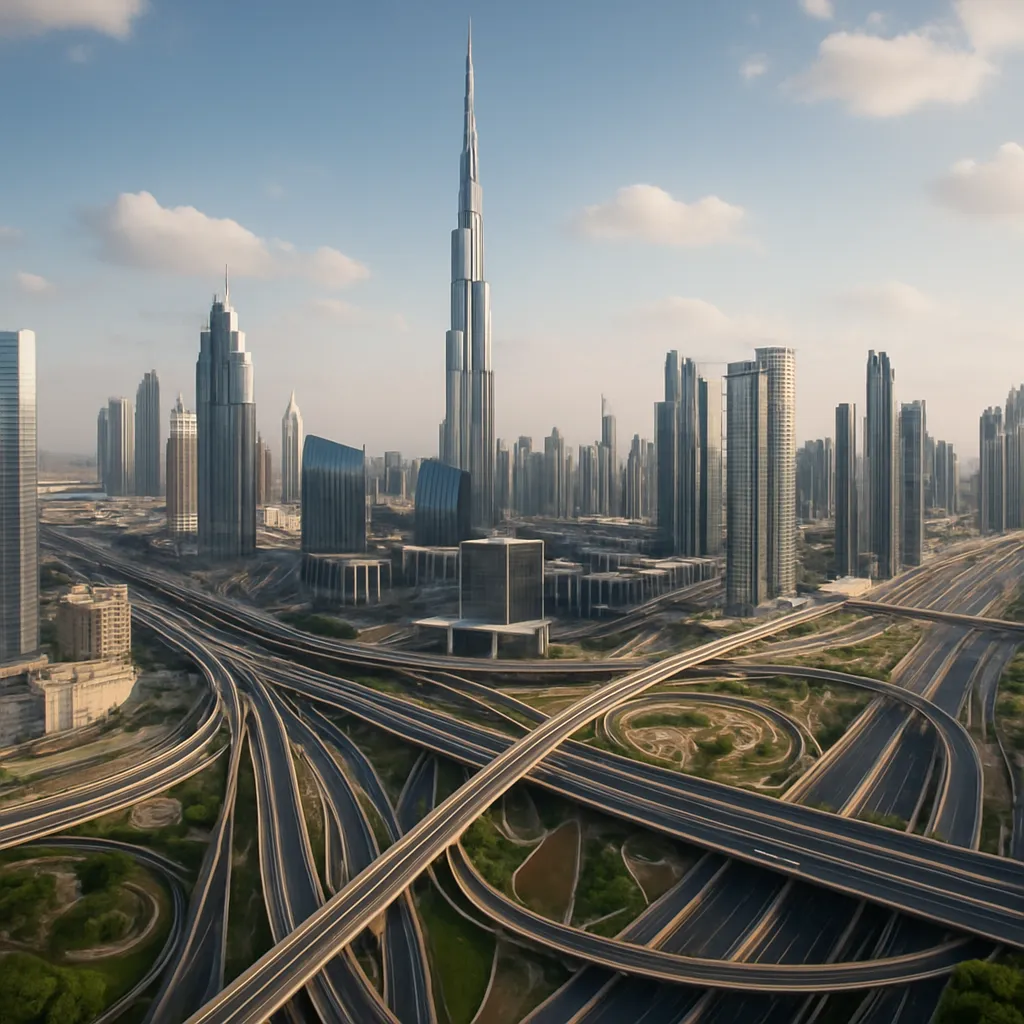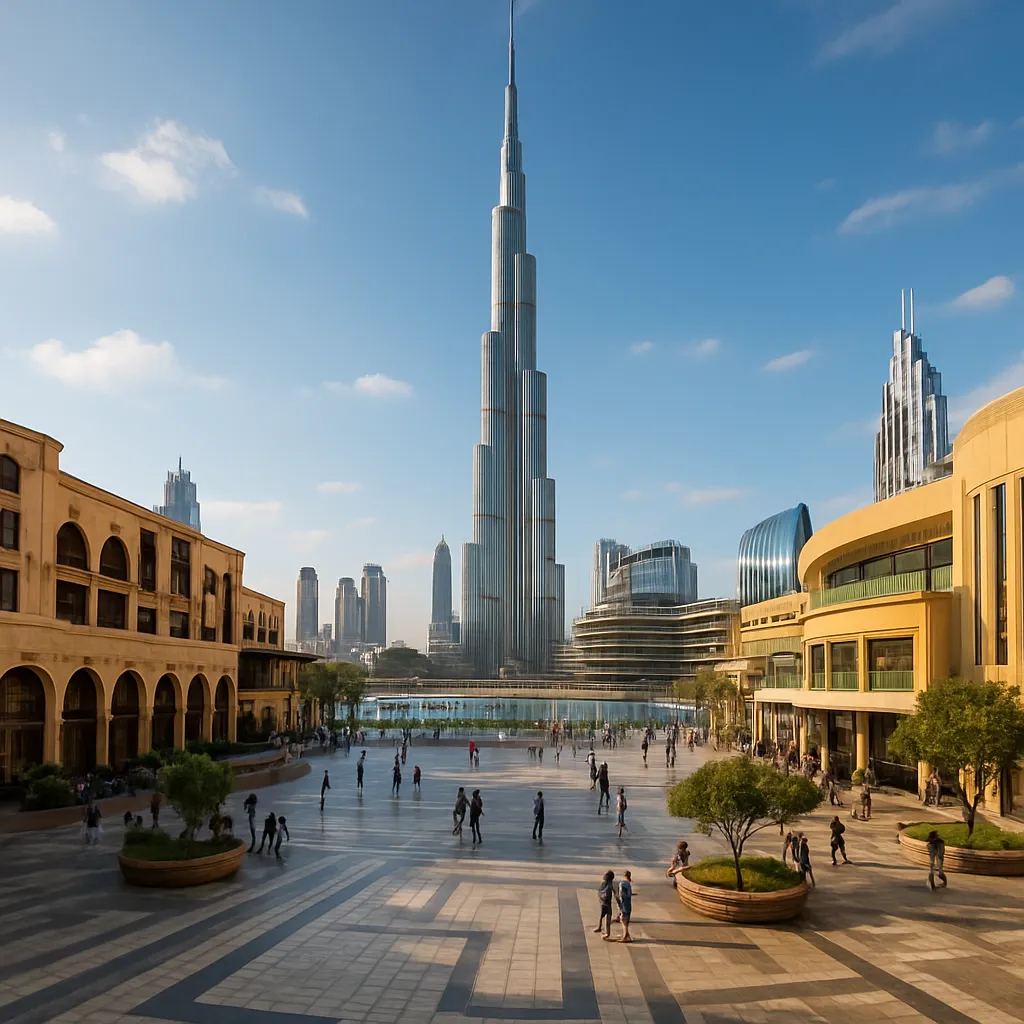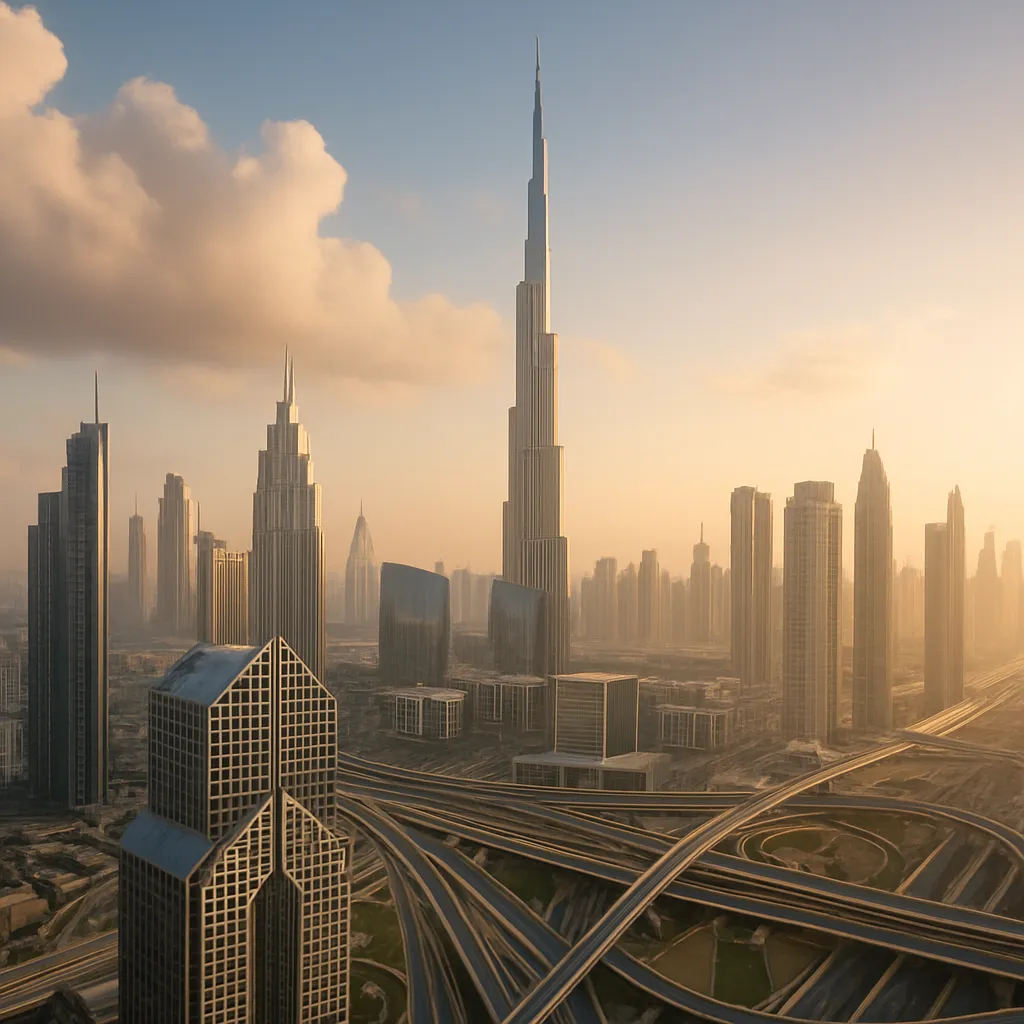
The soaring skyline of Dubai, characterized by its gleaming towers and innovative architectural feats, has reshaped not only the city’s visual identity but also its local environmental conditions. The concentration of skyscrapers in densely built districts alters wind patterns, temperature distribution, and even humidity levels, creating a distinct microclimate that affects both residents and visitors. This article examines the multifaceted impacts of Dubai’s tall buildings on the surrounding environment and explores strategies to mitigate adverse effects through design and planning.
Thermal Influence of Skyscrapers
Solar Radiation and Heat Absorption
Dubai’s reflective glass facades and metal exteriors capture significant amounts of solar radiation, converting it into heat that accumulates within the urban canyon. Materials with low albedo absorb more sunlight, causing surface temperatures to soar. This effect is especially pronounced in narrow streets flanked by towering walls of concrete and glass, where direct sunlight becomes trapped and re-emitted as long-wave infrared radiation.
Common building envelopes in Dubai often include curtain walls, tinted glazing, and polished metals that intensify heat retention. When these elements face south and west, they become hotspots during the afternoon, radiating warmth into neighboring spaces. The result is a cumulative rise in ambient air temperature, sometimes by several degrees Celsius, compared to open desert areas merely a few kilometers away.
Urban Heat Island Effect
The clustering of skyscrapers amplifies the Urban Heat Island (UHI) phenomenon, where urban centers record markedly higher temperatures than surrounding rural landscapes. At night, the stored thermal energy in building materials is released, slowing down cooling rates and prolonging discomfort for pedestrians and commuters.
- Reduced nocturnal cooling: Heightened nighttime temperatures hinder natural respite after hot days.
- Increased energy demand: Air conditioning loads rise, leading to greater electricity consumption.
- Health implications: Prolonged heat exposure raises the risk of heat stress and respiratory issues.
These factors converge to create a persistent elevation in local temperatures, especially in business districts like Downtown Dubai and Sheikh Zayed Road, where buildings reach towering heights with minimal setbacks.
Impact on Wind Flow and Ventilation
Wind Tunnels and Vortex Formation
High-rise arrangements channel wind through narrow corridors, accelerating airflow much like a wind tunnel. This can produce gusty conditions at street level, challenging the comfort and safety of pedestrians. Conversely, in some locations, the wind is blocked altogether, leading to zones of stagnation with poor air exchange.
The interaction of wind with irregular building shapes forms complex vortices that can intensify wind loads on structures and facades. Architects must account for these forces in structural designs to ensure stability and occupant safety. Computational fluid dynamics (CFD) simulations often reveal unexpected recirculation zones that trap hot, dusty air around entrances and outdoor seating areas.
Micro-scale Ventilation Challenges
While tall towers can harness breezes to provide natural cooling at higher elevations, the benefit rarely extends to ground level without careful ventilation planning. Poorly planned podium levels and blank walls can block airflow, creating pockets of stale air that exacerbate heat buildup.
- Designing wind corridors: Aligning open-air passages with prevailing wind directions helps channel cooler breezes through city blocks.
- Elevated podiums: Raising podium floors on pilotis allows airflow underneath buildings, reducing stagnation.
- Vegetated facades: Incorporating vertical greenery can break up wind currents and filter dust particles.
Effective micro-scale ventilation not only improves thermal comfort but also reduces reliance on mechanical cooling systems, cutting down energy usage and greenhouse gas emissions.
Mitigation Strategies and Sustainable Design
Green Technologies and Cooling Systems
Adopting sustainability-focused technologies can offset the environmental footprint of dense high-rise developments. Innovations include:
- High-performance glazing: Low-emissivity glass reduces heat gain while preserving views and daylight.
- Shading devices: Shading fins, louvers, and screens minimize direct sun exposure on facades.
- Green roofs and terraces: Vegetated surfaces improve insulation and lower rooftop temperatures.
- District cooling: Centralized chilled water systems distribute cooled fluids to multiple buildings, boosting efficiency over individual units.
These technologies must be integrated early in the design stage to maximize benefits and avoid retrofit costs. When combined with smart building management systems, they form a robust approach to climate-responsive architecture.
Urban Planning and Zoning Regulations
Strategic urban planning is crucial to balancing development intensity with climatic comfort. Authorities in Dubai have begun to impose guidelines on building orientation, setback distances, and maximum plot coverage to prevent excessive shading and wind tunneling. Key measures include:
- Plot ratio limits: Controlling gross floor area relative to land area to avoid overcrowding.
- Height differentials: Staggering building heights to maintain sky view factors and natural light penetration.
- Green corridor networks: Preserving linear green spaces aligned with prevailing winds to facilitate airflow.
- Material standards: Mandating high albedo finishes and reflective paving in public realms.
By combining regulatory frameworks with incentives for green certification—such as LEED or Estidama—Dubai aims to foster a resilient urban environment that prioritizes both growth and ecological stewardship.
Future Directions in Adaptive Architecture
Dynamic Facade Systems
Emerging solutions include kinetic façades that adjust their configuration in response to solar angle, wind speed, and indoor thermal conditions. These adaptive skins can open louvers to enhance ventilation, deploy shading panels during peak sun hours, and even harvest solar energy via integrated photovoltaic cells.
Bioclimatic Urbanism
The concept of urban planning that aligns with local climate patterns—known as bioclimatic urbanism—advocates for designs that emulate natural ecosystems. This approach fosters biodiversity, supports water-sensitive landscaping, and creates thermal comfort through evaporative cooling ponds and shaded promenades.
- Water features: Strategically placed fountains and pools cool adjacent air through evaporation.
- Native vegetation: Indigenous plant species require less irrigation and provide effective ground shading.
- Permeable surfaces: Reducing surface runoff while allowing soil moisture retention and evaporative cooling.
As Dubai continues to evolve, the integration of scientific research, technological innovation, and visionary sustainable practices will be pivotal in shaping a livable cityscape that thrives amidst the challenges of a harsh desert climate.