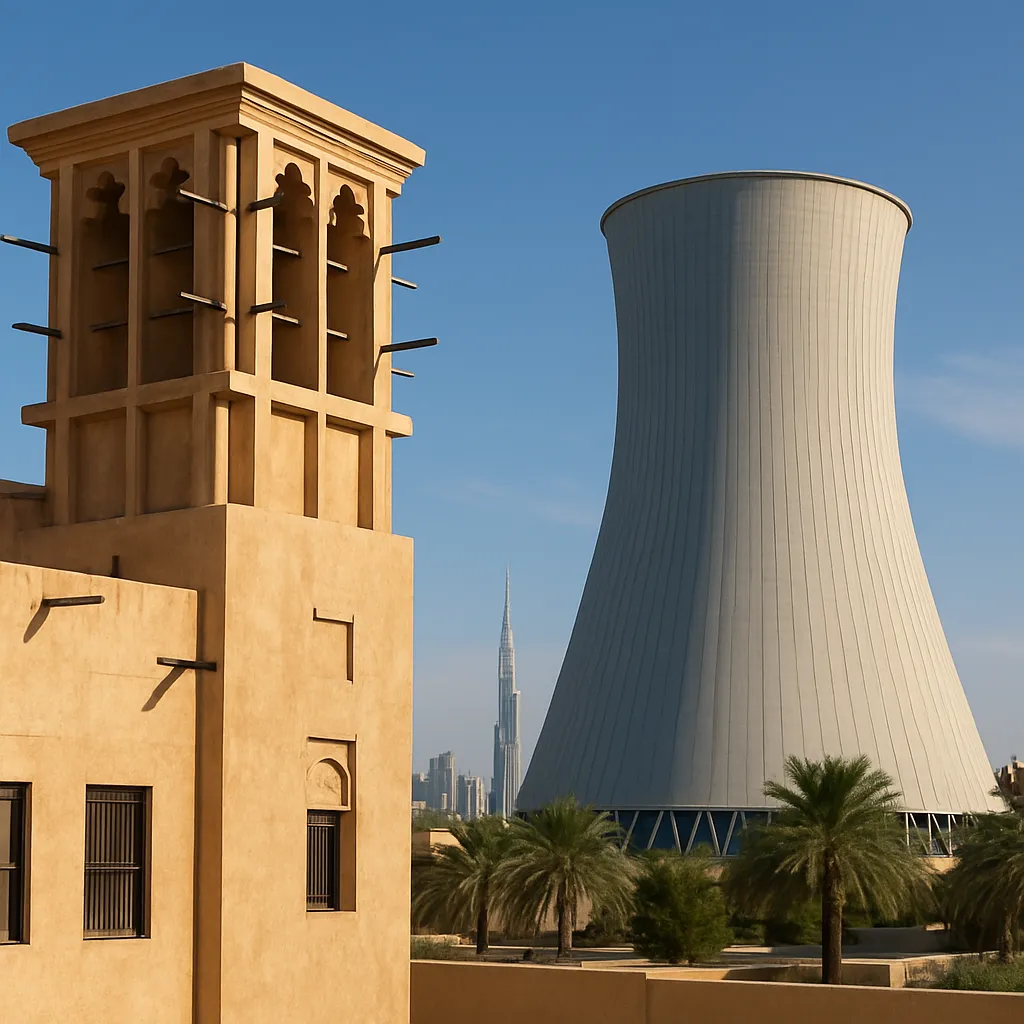
The evolution of wind towers, or barjeels, from ancient vernacular structures to their modern interpretations in contemporary skyscrapers has reshaped Dubai’s approach to climate control. By merging traditional architecture with cutting-edge technology, Dubai has crafted innovative solutions that emphasize energy efficiency, sustainability, and cultural heritage.
Traditional Wind Towers: History and Architecture
Originating over a thousand years ago in the Persian Gulf region, wind towers served as passive ventilation systems in arid climates. These towers captured prevailing breezes and funneled cool air into buildings, while expelling hot, stagnant air. The simplicity of this concept laid the foundation for modern approaches to temperature control.
Design Principles
- Orientation: Towers were aligned to face dominant wind directions.
- Stack Effect: Warm indoor air rose through internal shafts, drawing in cooler air.
- Multiple Shafts: Cross-ventilation was optimized using multi-sided openings.
Such principles required no mechanical energy, relying solely on the interplay between airflow, pressure differentials, and the geometry of the structure.
Materials and Construction
Traditional barjeels were built from locally available materials like coral stone, gypsum plaster, and teak wood. These components provided thermal mass to moderate temperature swings. Thick walls absorbed daytime heat, releasing it during cooler nights, further enhancing indoor comfort.
Modern Cooling Systems: Technological Innovations
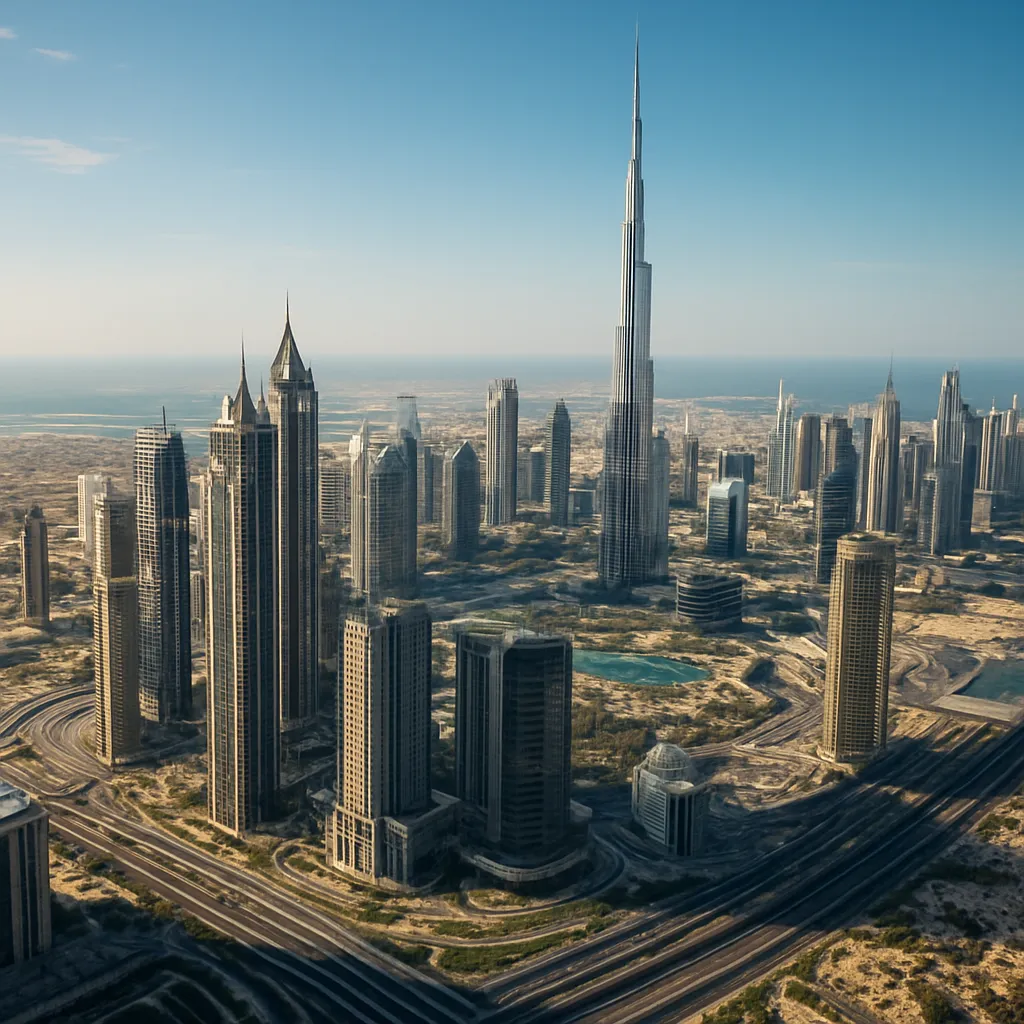
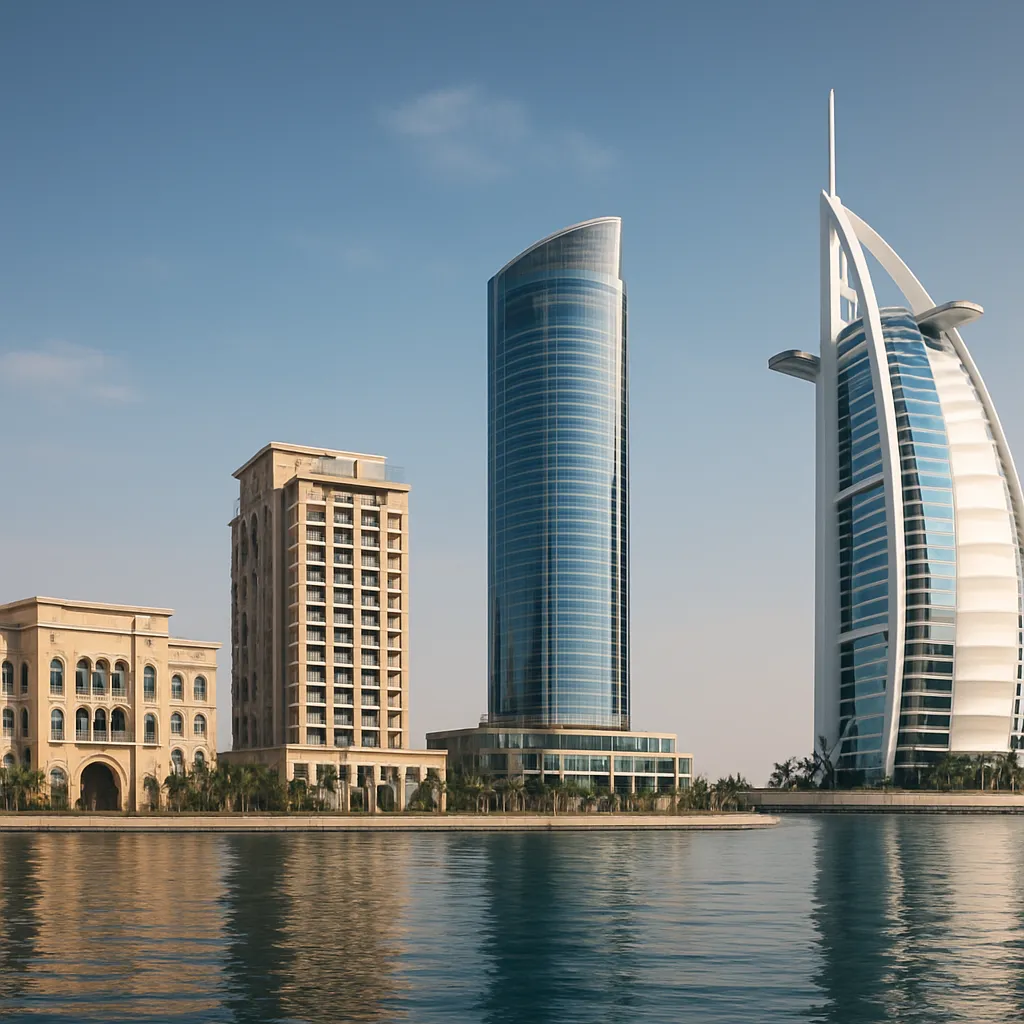
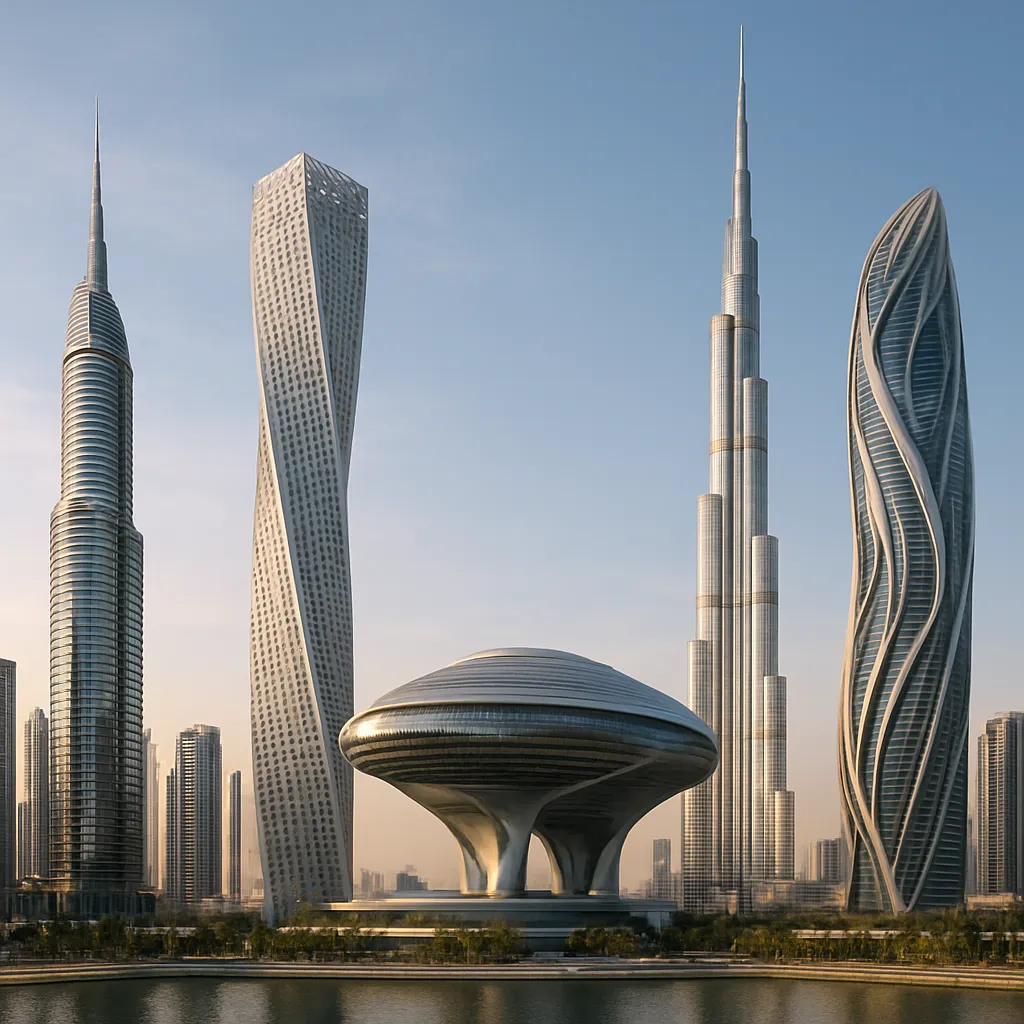
Dubai’s skyline now features towering glass facades and innovative forms designed to combat extreme heat. Yet the spirit of the barjeel lives on in passive cooling strategies integrated into cutting-edge building systems.
Integration of Wind Tower Principles
- Hybrid Ventilation: Combining mechanical HVAC with passive air channels inspired by wind towers.
- Chimney Effect Wells: Vertical shafts within high-rises that mimic the traditional stack effect.
- Advanced Materials: Phase-change materials and insulated panels reduce thermal gain.
Architects now embed narrow atria and air wells that channel breezes downward, lowering energy consumption by up to 20% in certain pilot projects.
Case Studies in Dubai
The Museum of the Future features a central atrium designed to harness wind patterns. Similarly, the Sustainable City district employs wind scoop structures atop residential clusters, optimizing natural draft and reducing reliance on air conditioning. These examples illustrate how innovation and respectful nods to heritage can coexist.
Future Developments: Sustainability and Urban Planning
As Dubai expands beyond its original urban core, planners emphasize environmental impact and smart integration of passive cooling within high-density developments. The next generation of buildings aims to be net-zero or net-positive in energy.
Smart Building Technologies
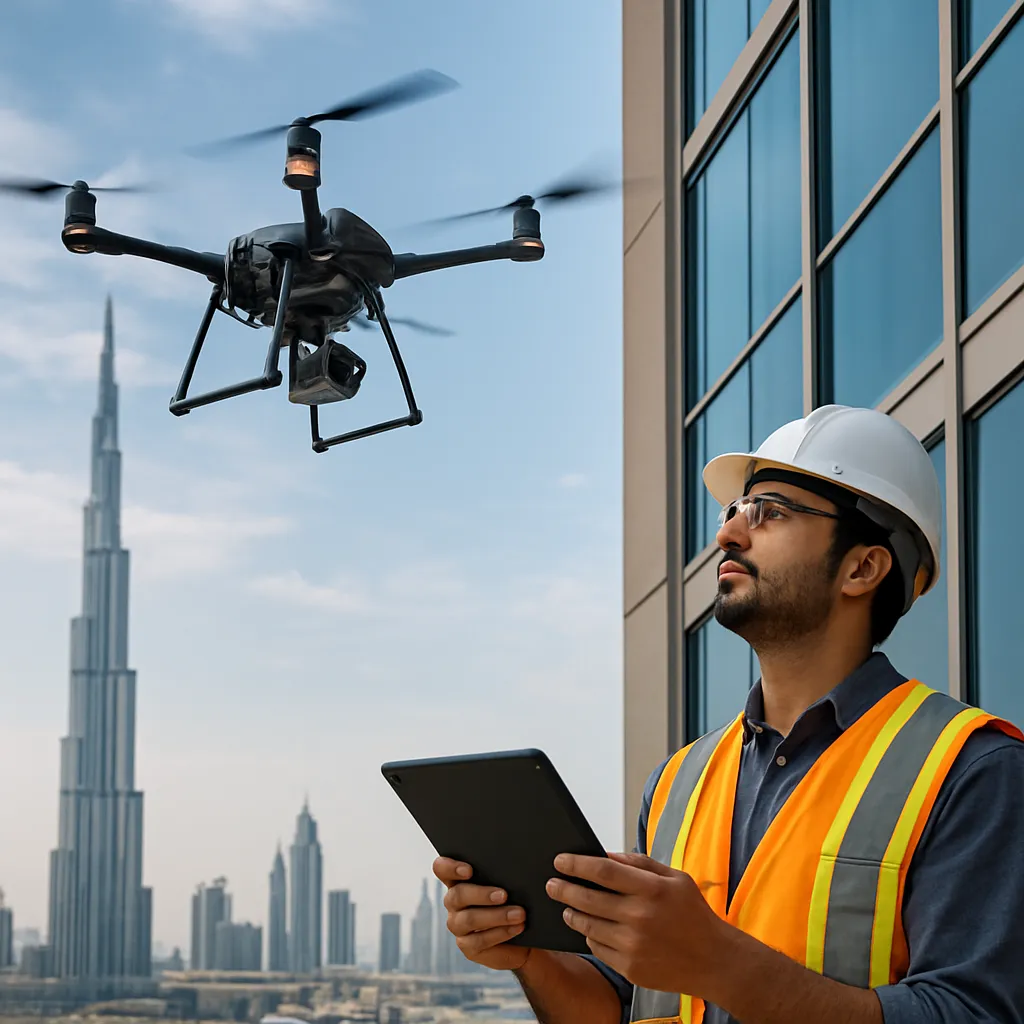
- Sensor-Controlled Louvres: Automated vents that adjust based on wind speed and direction.
- AI-Driven Climate Management: Predictive algorithms balance mechanical and passive systems.
- Green Facades: Vegetation layers that cool incoming air before it enters wind scoops.
These systems rely on real-time data to optimize indoor conditions, further reducing energy use while maintaining occupant comfort.
Environmental Impact
By reimagining ancient cooling techniques, Dubai sets a precedent for arid-region urban design. The synergy between traditional architecture and modern engineering fosters resilient, sustainable communities that address both cultural identity and global climate challenges.