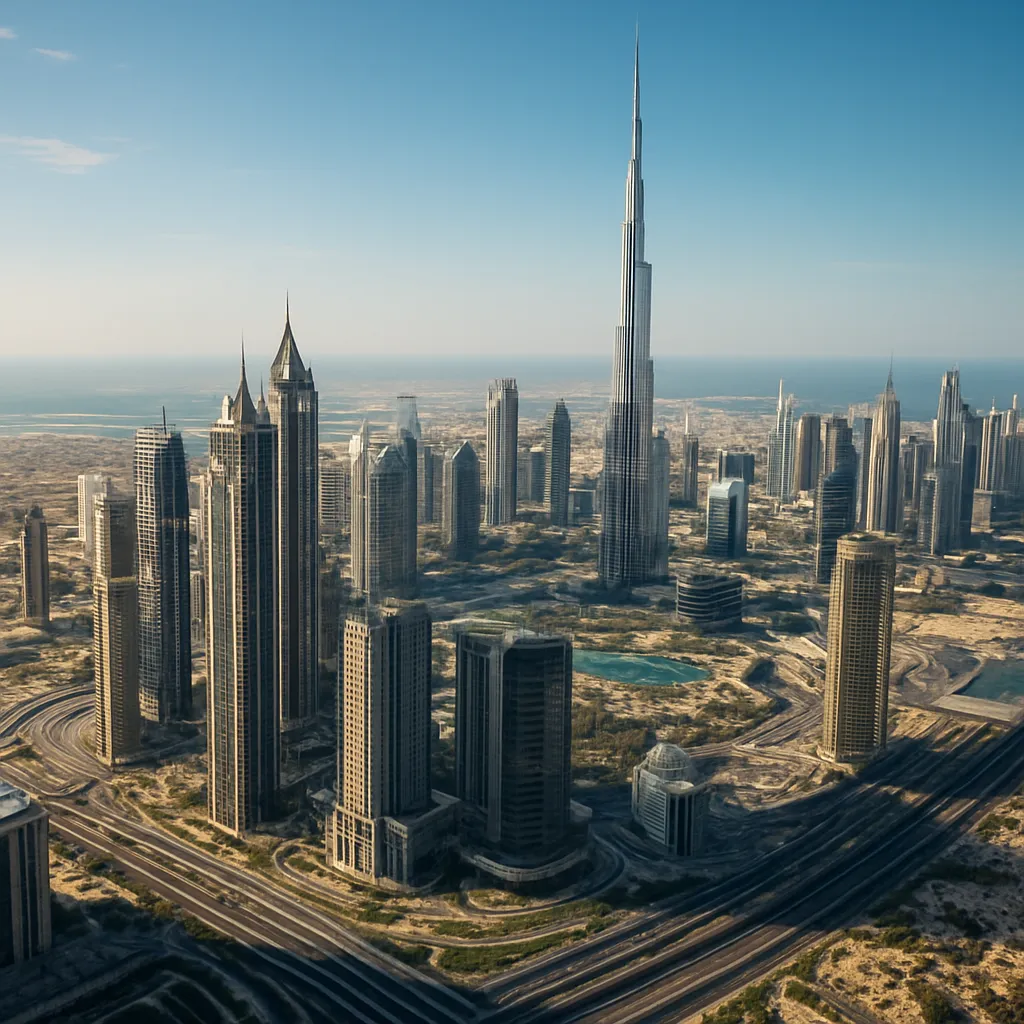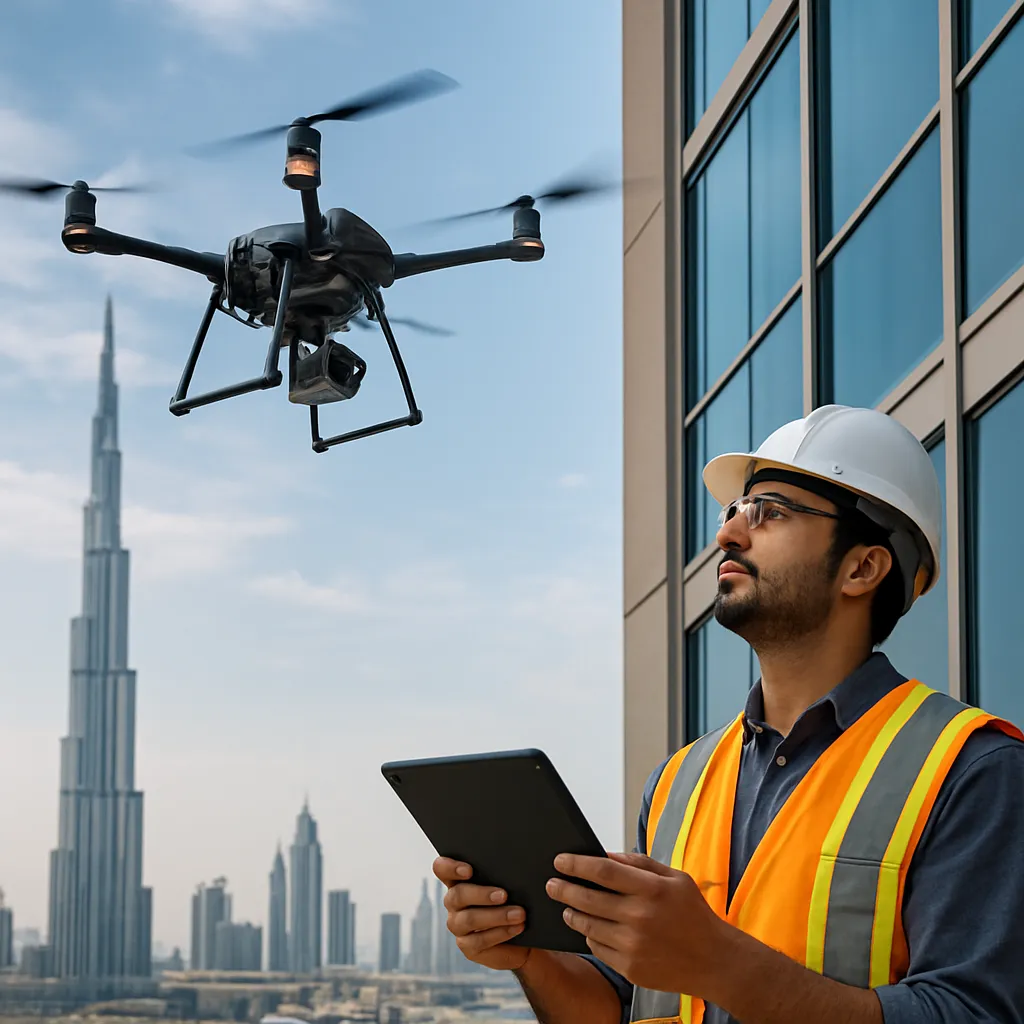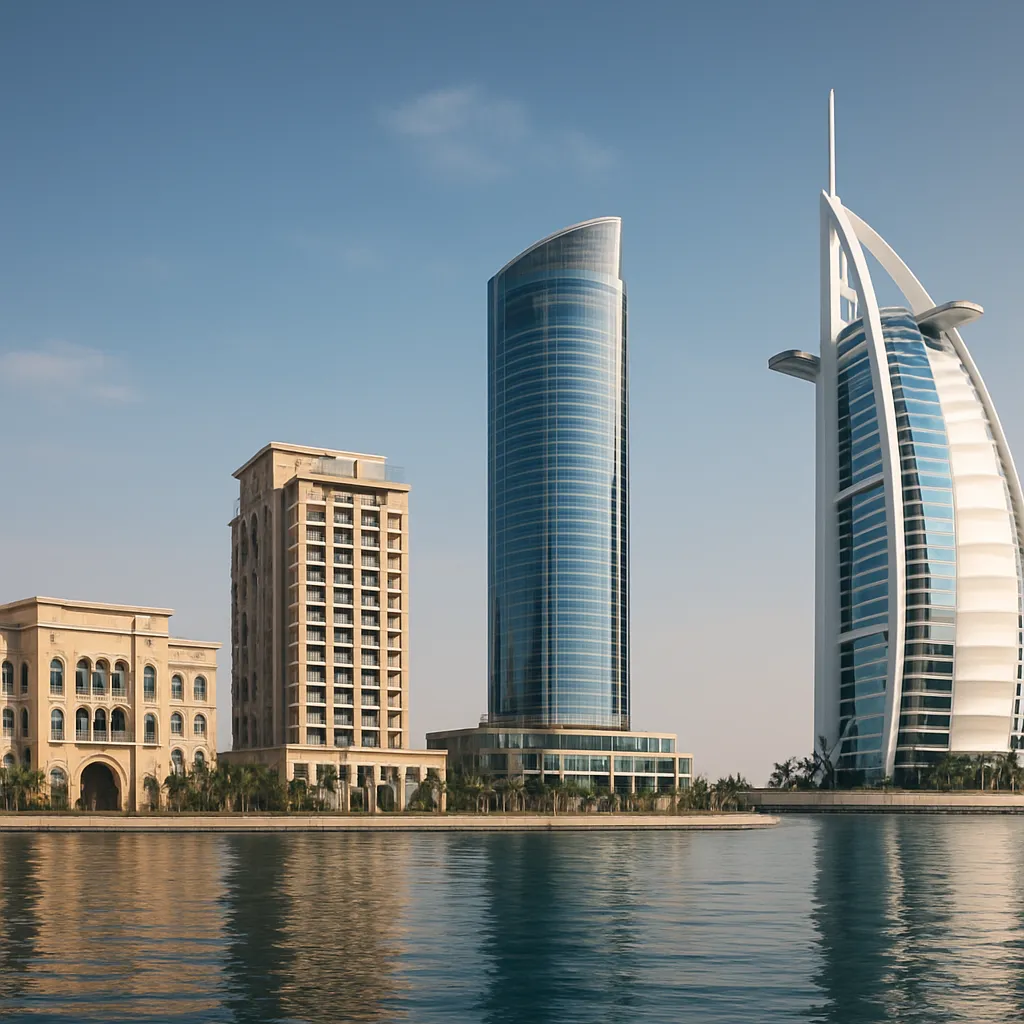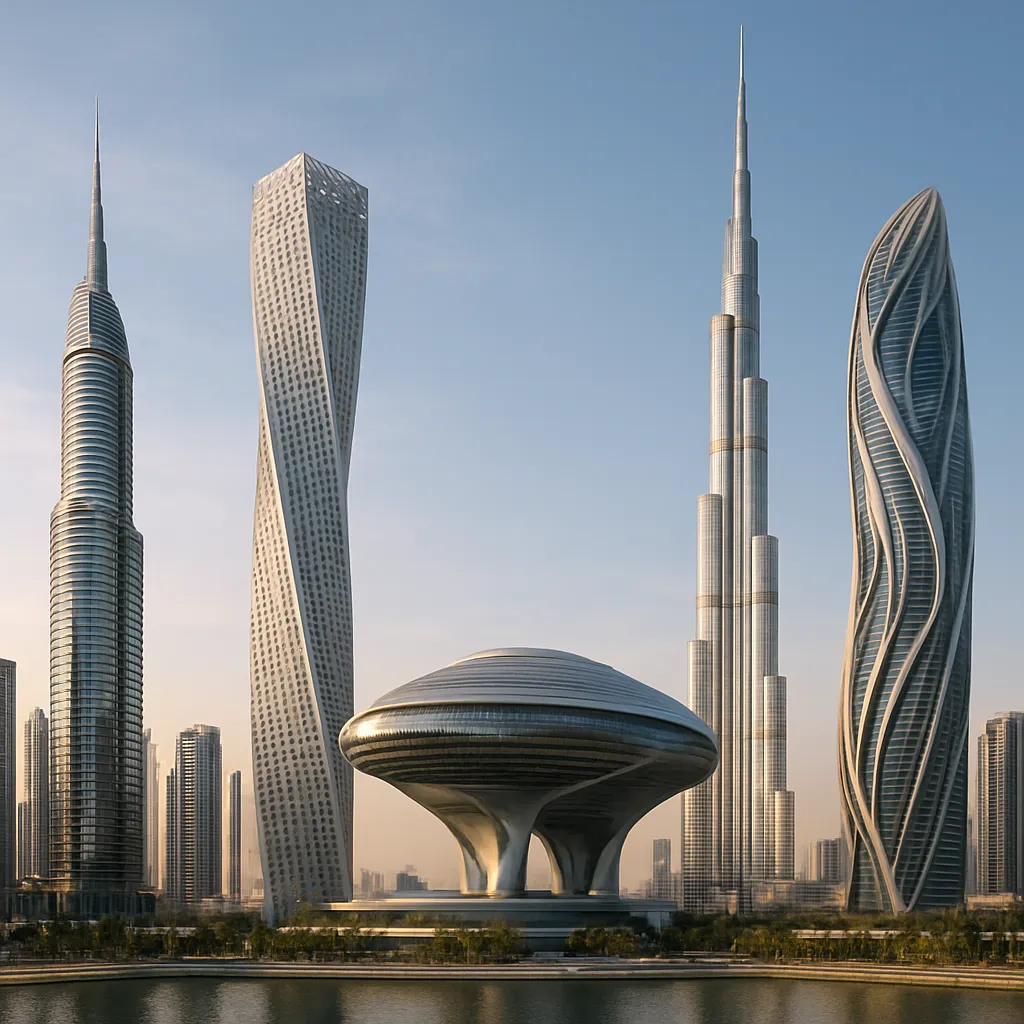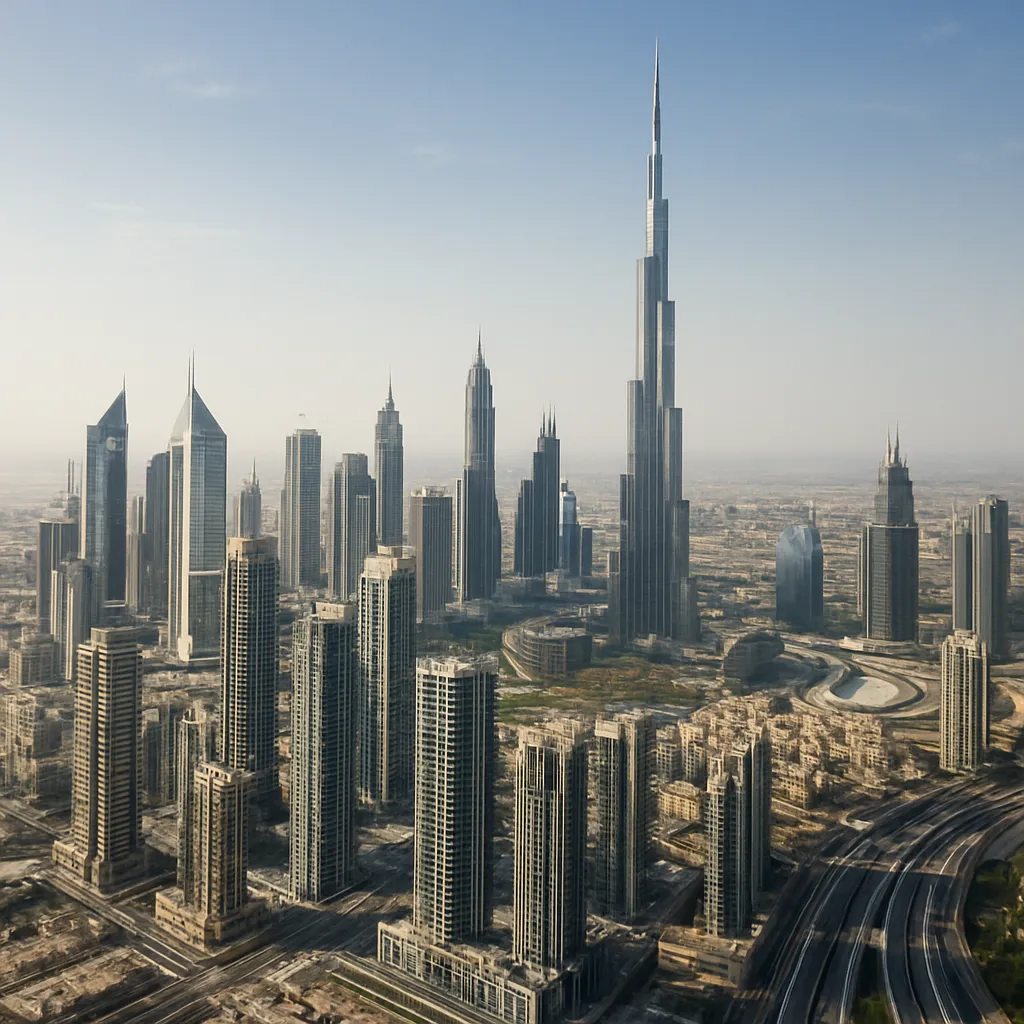
As Dubai continues to redefine its urban landscape, the city’s approach to building upward rather than outward presents a compelling case study in forward-thinking urbanization. With limited land but boundless ambition, local planners have devised strategies that promote vertical growth, integrating sustainability, infrastructure efficiency, and architectural innovation into every layer of development.
Urban Zoning and Vertical Density
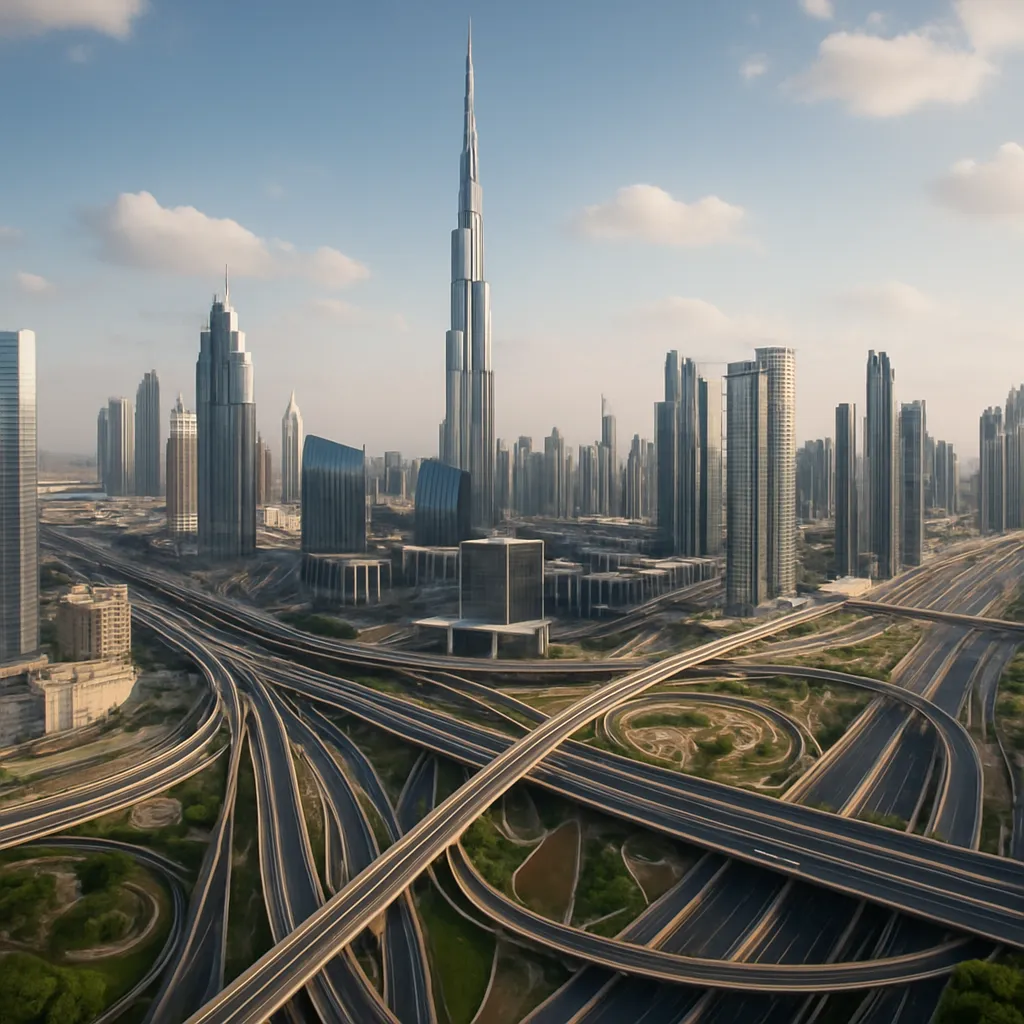
Dubai’s zoning regulations lie at the heart of its skyward surge. By designating specific corridors for high-rise clusters, municipal authorities ensure that the city’s expanding skyline remains coherent and accessible. These corridors often align with major transport routes, creating a network of density nodes that optimize land use and reduce horizontal sprawl.
Zoning Mechanisms
- Mixed-Use Districts: Zones that combine residential, commercial, and hospitality functions encourage developers to build vertically to maximize land value.
- Height Incentives: Developers receive perks—such as reduced fees or additional floor-area ratio—when they include public amenities like green terraces or pedestrian plazas.
- Cluster Planning: By grouping tall buildings in close proximity, planners can implement shared utility systems, cutting down on duplication of services and maximizing infrastructure efficiency.
Balancing Density and Livability
While higher towers can house more people, there’s a balancing act required to avoid creating vertical canyons that lack daylight or airflow. Dubai’s building codes mandate:
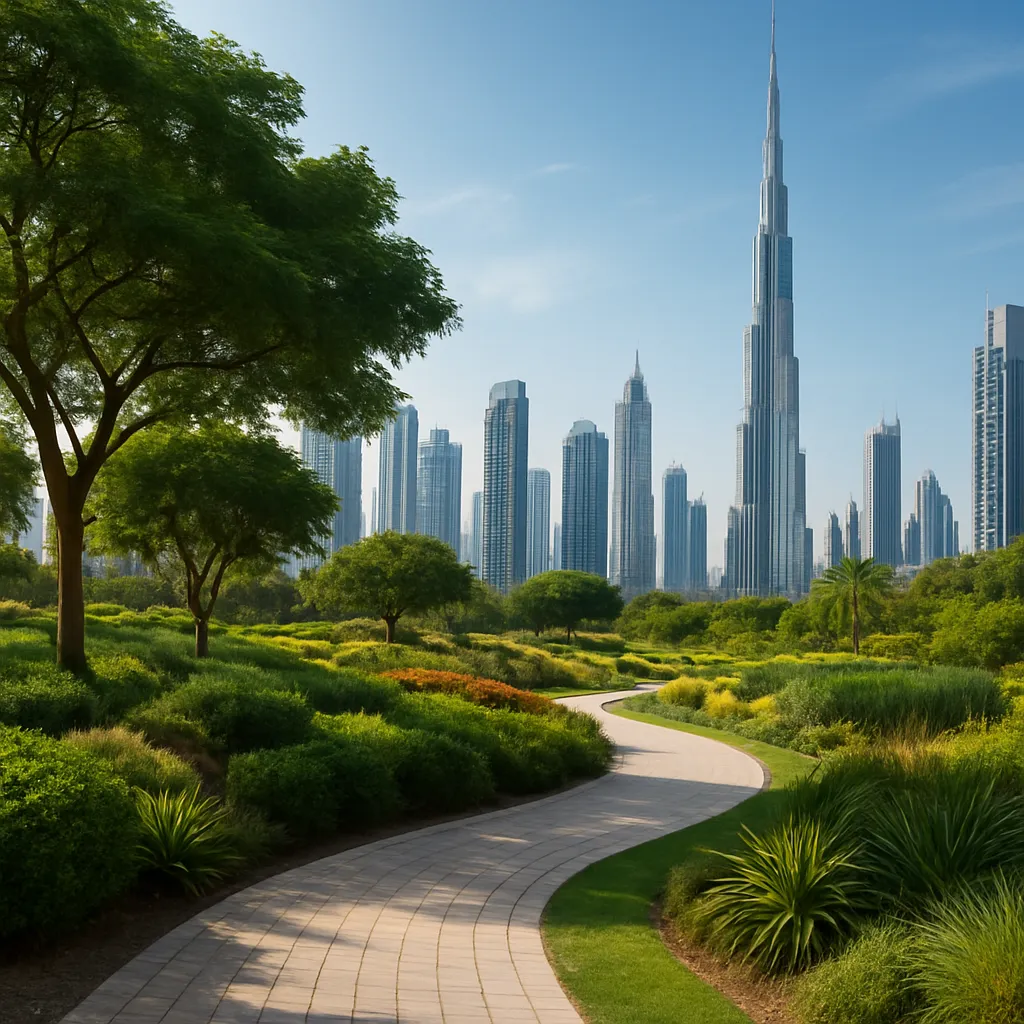
- Setbacks and podiums that foster open spaces at street level.
- Wind and solar studies to ensure adequate natural ventilation and daylight penetration.
- Public thoroughfares and skybridges to maintain pedestrian connectivity through shaded, easily navigable pathways.
Infrastructure Foundations for Vertical Growth
Supporting an ever-rising constellation of skyscrapers demands robust infrastructure. Dubai has made significant investments in utilities, transport, and urban services that can scale upward as demand soars.
Transportation Networks
- Rail and Metro Extensions: The metro network threads through dense districts, linking high-rise clusters to airports and suburban communities.
- Automated People Movers: At key hubs, these systems ferry passengers between towers, parking facilities, and retail centers without adding vehicular congestion.
- Integrated Bus Solutions: Emphasizing last-mile connectivity, eco-friendly bus fleets navigate narrower lanes within towers’ podium levels.
Utility Systems
High-rise living strains water, electricity, and waste networks. To meet this challenge, Dubai employs:
- District Cooling Plants: Centralized cooling reduces energy consumption, replacing inefficient individual chillers with a network of insulated pipes.
- Smart Grid Technologies: Real-time monitoring balances load across interconnected towers, preventing blackouts and optimizing peak usage.
- Vertical Waste Chutes: Automated waste collection streams trash downward into sealed containers at ground level, preserving hygiene and reducing odors.
Innovative Architecture and Policy Synergy
Dubai’s bold vertical ambitions are matched by daring architectural designs. Visionary architects work hand in hand with policymakers to sculpt buildings that serve as both functional spaces and iconic landmarks.
Design Innovations
- Adaptive Facades: Responsive cladding systems adjust opacity and reflectivity to manage solar heat gain, lowering energy requirements.
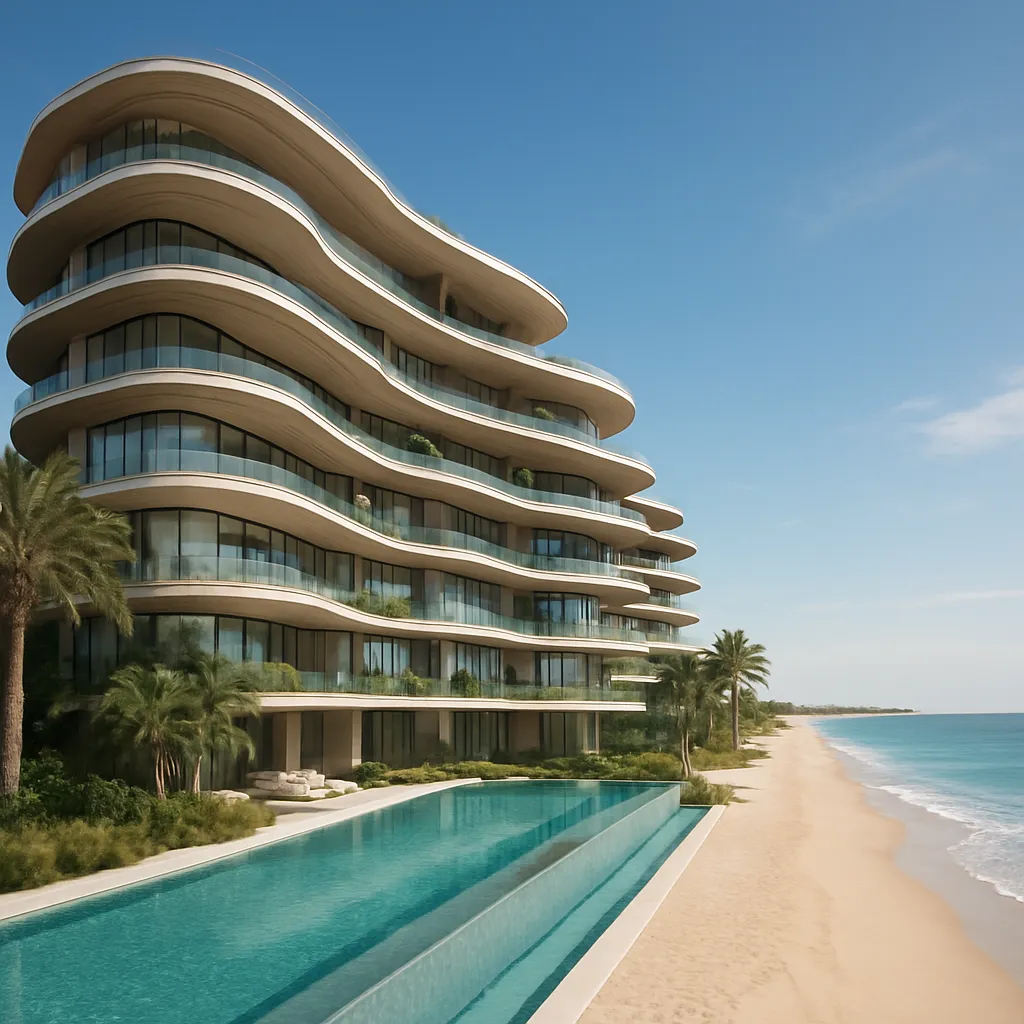
- Sky Gardens: Integrated vegetation terraces not only beautify exteriors but also improve air quality and offer communal green spaces at elevated heights.
- Structural Efficiency: Engineers employ high-strength materials and optimized core layouts, allowing slender proportions without sacrificing stability during high winds or seismic events.
Policy Drivers
Strategic policies encourage developers to prioritize long-term value over quick returns. These include:
- Green Building Certifications: Projects meeting stringent sustainability criteria receive expedited permitting and premium land leases.
- Public-Private Partnerships: Collaborative frameworks enable the sharing of risk, ensuring that pioneering designs secure the necessary financial backing.
- Continuous Code Updates: Building regulations evolve to incorporate international best practices, fostering an environment where innovation thrives.
Case Studies of Vertical Mastery
Several landmark developments spotlight Dubai’s vertical ethos:
- Burdjan Tower: Soaring beyond 900 meters, this mixed-use icon integrates observation decks, luxury residences, and commercial pods connected by high-speed lifts.
- Marina District Cluster: A constellation of residential and hotel towers arranged around a reclaimed waterfront; its network of skybridges and promenades redefines the concept of public realm at height.
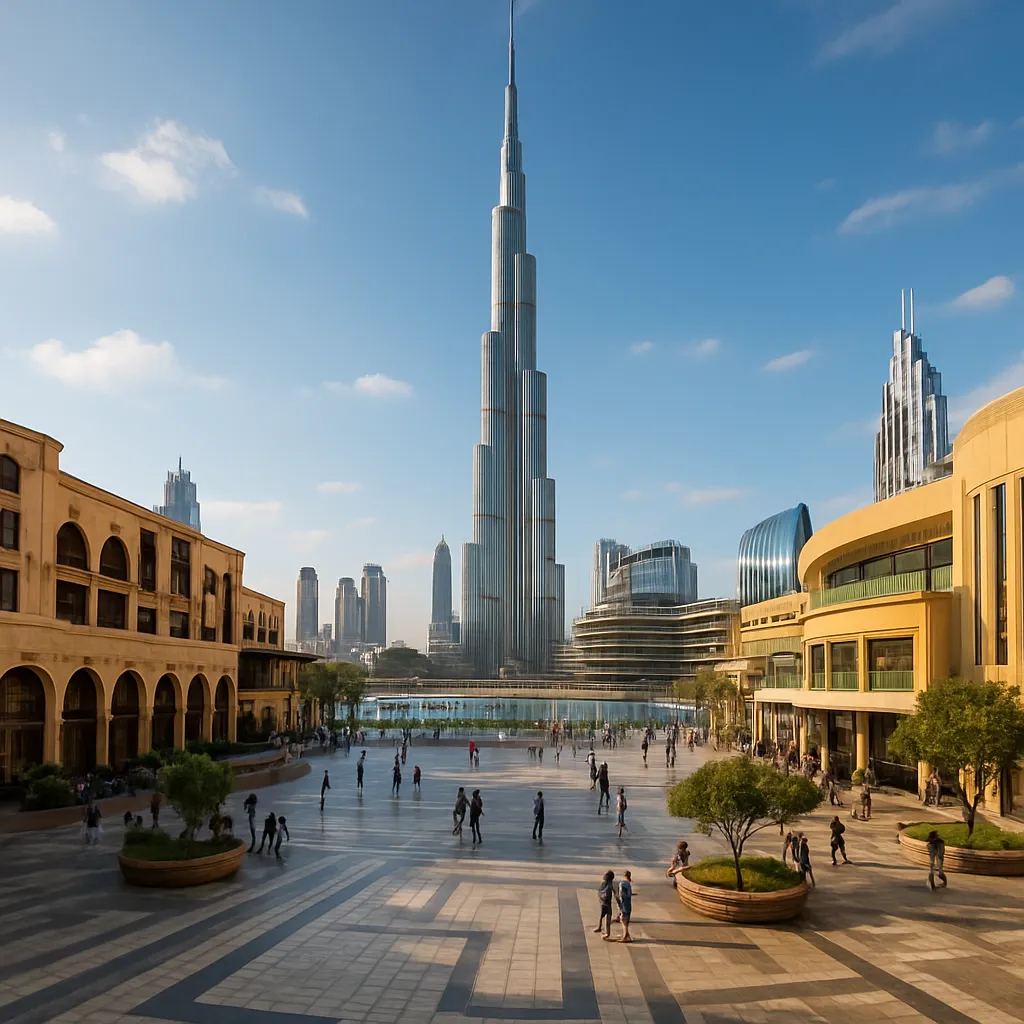
- Downtown Central Hub: Anchored by the world’s tallest observation deck, this district channels pedestrian flows through an underground concourse, preserving surface-level plazas and gardens.
Challenges and Future Trajectories
Despite impressive achievements, sustaining vertical expansion involves ongoing hurdles:
- Resource Demand: Even with efficiency measures, water and power consumption rise with each additional floor, calling for more renewable solutions.
- Social Cohesion: Ensuring community bonds within high-rise environments requires thoughtful amenity planning and active public spaces.
- Climate Resilience: Towers must be designed to withstand extreme heat, occasional flash floods, and shifting soil conditions in reclaimed areas.
Looking ahead, Dubai’s urban planners continue to refine models for even greater regeneration and vertical integration. By leveraging data-driven zoning, modular construction, and cross-sector collaboration, the emirate is set to remain a global exemplar of smart, sustainable vertical living.