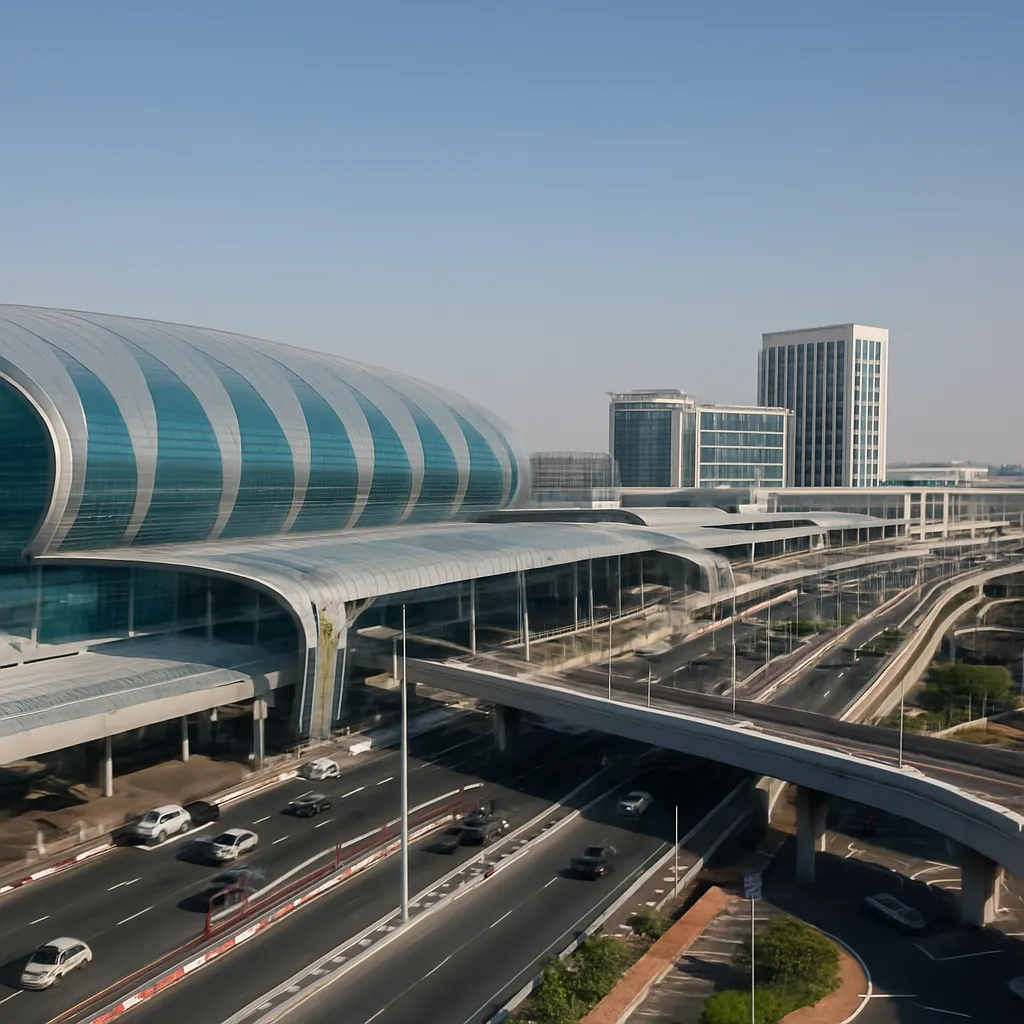
Dubai Airport Terminal 3 Concourse B is a major component of one of the world’s busiest international aviation hubs. Located within the larger complex of Dubai International Airport (DXB), Concourse B serves as a satellite concourse that supports long-haul and widebody operations, especially those of the region’s flagship airline. This article examines where Concourse B sits within the airport fabric, why it is notable, and what makes it functionally and architecturally interesting. It also discusses operational features, passenger experience, and notable statistics and facts relevant to travelers, aviation professionals, and architecture enthusiasts.
Location and strategic context
Concourse B is part of Terminal 3, located in the Airport District of Dubai, in the Al Garhoud area just east of the Dubai Creek. Dubai International Airport has been developed in phases since the 1960s, and Terminal 3 was built to respond to the dramatic growth of Emirates and Dubai as a global transit hub.
Position within DXB and the urban area
- Concourse B is a satellite structure situated adjacent to the main Terminal 3 building; it is connected to the terminal’s landside and airside infrastructure via an internal transit system and aero-bridges.
- Geographically, DXB is approximately 4 kilometers east of Dubai’s central business districts and is highly accessible from Sheikh Zayed Road and major arterial routes that serve the wider emirate.
- The Airport District itself is an integrated zone containing terminals, cargo facilities, maintenance areas, and airport-related commercial development; Concourse B is an airside node within that ecosystem, designed to increase gate capacity and streamline boarding for widebody aircraft.
Role in Dubai’s air transport strategy
Concourse B helps sustain Dubai’s role as a global hub for connecting traffic, offering rapid transfers between long-haul routes linking Europe, Asia, Africa, and the Americas. It plays a central role in Emirates’ network strategy by accommodating the airline’s large fleet of widebody jets and providing infrastructure optimized for quick turnarounds and high passenger throughput.
Architecture, design and engineering
The architectural and engineering choices behind Concourse B reflect a need to combine large-span structures, passenger comfort, and efficient aircraft handling. While Terminal 3 as a whole is recognized for its scale, Concourse B is a purpose-built satellite concourse designed to host a high proportion of widebody flights and facilitate efficient boarding and servicing.
Design principles and passenger flow
- The concourse uses long linear circulation spaces that lead to clusters of gates; this organization reduces walking distances for transit passengers and simplifies wayfinding for arriving and departing travelers.
- Open, high-ceilinged interiors maximize natural light penetration where possible and create a sense of spaciousness that helps reduce perceived waiting times.
- Passenger flow is separated into distinct arrival, transfer, and departure streams, supported by multiple security checkpoints, fast-track lanes for premium customers, and dedicated transfer corridors.
Structural and technical features
Engineering for Concourse B focuses on long-span roofing systems and integrated airside utilities that allow rapid servicing of multiple widebody aircraft simultaneously. The concourse supports multi-level boarding bridges for double-deck aircraft and includes specialized stands for very large aircraft such as the A380. Design considerations also include:
- Robust apron layouts for simultaneous pushback and catering operations.
- Segregated service roads and access points for ground-handling equipment.
- Advanced baggage handling and sorting areas that interface with the main terminal’s central belt and sortation systems.
Materials and finishes
Finishes within Concourse B emphasize durability and easy maintenance, while retail and lounge areas incorporate higher-grade materials to enhance passenger experience. Typical material choices include high-performance glazing, metal cladding, and engineered stone floors in high-traffic zones. Lighting design uses a combination of daylight and energy-efficient artificial lighting to create consistent visual comfort.
Operations and passenger experience
Concourse B functions as an operational powerhouse within Terminal 3, enabling high-capacity boarding, efficient transfer handling, and an extensive passenger amenities program. It is optimized for the demands of an airline hub where tight connection times are the norm.
Gates, aircraft compatibility and ground operations
- Concourse B provides a mix of gates compatible with narrowbody and widebody aircraft, but is particularly tailored to widebody operations. Many gates support dual or triple jet-bridge setups for large aircraft boarding.
- Ground operations are organized to enable rapid turnarounds: simultaneous fueling, catering, cleaning, and baggage loading are choreographed to meet tight schedule windows.
- The concourse is integrated into the wider apron control and ground movement systems of DXB, ensuring safe and efficient aircraft sequencing and stand allocation.
Lounges, retail and passenger services
Passengers using Concourse B can access a range of premium lounges, retail outlets, and food-and-beverage options. Many of these are operated by airlines and global retail groups. Key features include:
- Dedicated airline lounges for premium and frequent-flyer customers offering dining, shower facilities, and business centers.
- Extensive duty-free retail space reflecting DXB’s status for high-volume luxury and travel retail. The airport often features global brands and a rotating mix of local products.
- Transit services such as transfer desks, multilingual information points, and medical and family facilities that enhance comfort for diverse traveler profiles.
Transfer efficiency and connectivity
One of the defining characteristics of Concourse B is its role in facilitating fast connections. Automated people movers and shuttle systems link the concourse to Terminal 3’s central circulation hubs and to Concourses A and C. The result is reduced transfer times and simpler movement for through passengers. Key operational advantages include:
- Automated or semi-automated transfer shuttles that minimize walking and waiting time between concourses.
- Clear signage and digital displays synchronized with the airport’s central flight information systems.
- Dedicated transfer immigration and security processes to speed transit for international connections.
Notable features, records and statistics
Concourse B is part of a Terminal complex that has attracted global attention for scale, throughput, and the range of services offered. Below are several notable aspects and statistics that help frame its importance within global aviation.
Dubai International Airport – broader statistics
- DXB is consistently ranked among the world’s busiest airports for international passenger traffic. In the peak pre-pandemic years, DXB handled tens of millions of international travelers annually, reflecting Dubai’s role as a transit hub between continents.
- Terminal 3 was constructed to accommodate the rapid growth of Emirates and provided a significant increase in gate capacity and passenger handling capability when it opened in the late 2000s.
- As part of Terminal 3, Concourse B contributes to the airport’s ability to process large volumes of transfer passengers each day, particularly those traveling on long-haul, widebody services.
Operational statistics and capacities (approximate)
While figures vary year to year, some representative and conservative operational estimates are:
- Terminal 3’s combined concourses (A, B and C) offer dozens of gatesto accommodate hundreds of daily long-haul departures; Concourse B accounts for a significant share of those gates.
- The concourse is designed to support a high proportion of A380 and other widebody operations, with multiple dual-level boarding positions.
- Baggage and check-in systems within Terminal 3 are capable of handling very large daily volumes, supported by high-speed sortation and tracking technologies.
Records, awards and recognition
Terminal 3, including its satellite concourses, has been recognized for:
- Being among the world’s largest airport terminals in terms of continuous passenger operations and integrated services.
- Supporting a hub-and-spoke model that enabled Emirates to build one of the most extensive global networks from a single home base.
- High-profile architectural and engineering achievements in building large-span, high-capacity airside structures within a condensed timeline.
Customer amenities and retail landscape
Concourse B emphasizes amenities that reflect Dubai’s reputation for luxury and service. Travelers can expect a well-curated mix of services catering to both transit passengers and originating travelers.
Duty-free and retail
Dubai’s duty-free operations are known for their scale and product mix. Concourse B offers:
- Large duty-free outlets with a variety of luxury brands, local specialties, electronics, and travel essentials.
- Pop-up retail concepts and seasonal promotions that capitalize on Dubai’s tourism calendar.
- Well-signposted retail corridors with easy access from gate hold areas, enabling last-minute shopping without jeopardizing connection times.
Food & beverage and wellbeing
Dining options range from fast-service outlets to full-service restaurants and upscale lounges. The concourse also includes quiet zones, family rooms, prayer rooms, and medical assistance points. The emphasis on wellbeing is evident in:
- Dedicated family and play areas that help travelers with children manage layovers comfortably.
- Rest zones and premium sleep pods in some public areas or lounges for passengers with long connection times.
- Health and safety measures integrated into passenger flow, cleaning regimes, and ventilation systems.
Sustainability, technology and future outlook
Modern airport design is as much about operational capability as it is about sustainability and technological resilience. Concourse B, as part of Terminal 3, participates in initiatives that reduce environmental impact and enhance operational efficiency.
Energy and environmental measures
- Lighting systems emphasize LEDs and smart controls to reduce energy use while maintaining visual comfort in large interior volumes.
- Building management systems optimize HVAC and power distribution to respond dynamically to occupancy and climatic conditions.
- Water-saving fixtures and waste-management systems are integrated into back-of-house operations to reduce resource consumption in high-use environments.
Technology and passenger services
Technology plays a central role in the Concourse B experience:
- Self-service check-in kiosks and bag-drop stations shorten queues and redistribute processing loads.
- Advanced security screening equipment and automated boarding systems improve throughput while maintaining safety standards.
- Digital signage and mobile apps provide real-time updates on gate changes, transfer pathways and retail promotions to enhance passenger convenience.
Future development and adaptability
Airports are living systems that evolve as airlines, aircraft types and passenger expectations change. Concourse B’s modular apron design and flexible gate arrangements allow it to adapt to future aircraft mixes and airline operational needs. Potential areas of evolution include:
- Retrofitting for new boarding processes and biometric identification systems.
- Increased automation in baggage and ground handling to further reduce turnaround times.
- Expanded retail and service formats to adjust to shifting passenger demographics and behaviors.
Practical information for travelers
For the traveling public, several practical points about Concourse B are useful to know, especially for those transiting through Terminal 3.
Transfer tips
- Follow the airport’s designated transfer signs; Concourse B is well signed but can be extensive for first-time visitors.
- Allow sufficient connection time — while transfer systems are efficient, security and immigration can vary by destination and time of day.
- Make use of transfer desks and airline staff for assistance with gate changes or tight connections; gate reassignment is not uncommon especially during operational disruptions.
Access and ground transport
Terminal 3 and its concourses are served by taxis, ride-hailing services, and airport shuttle options. Road access is typically via major arterial roads connecting to Dubai’s motorway network. The airport’s car parks and short-term drop-off areas are organized to support rapid access to the terminal’s departure level.
Interesting facts and cultural context
Concourse B is not only an operational asset but also part of Dubai’s global image as a gateway city. A few interesting aspects:
- Concourse B contributes to a passenger experience that blends function with high levels of service and luxury, reflecting Dubai’s hospitality-driven tourism model.
- The concourse supports one of the densest networks of long-haul air services from a single hub, enabling unique non-stop connectivity between regions.
- Because of its scale and integration within Terminal 3, Concourse B plays a role in emergency response planning, logistics and airport resilience strategies for DXB.
Summary
Dubai Airport Terminal 3 Concourse B is a purpose-built satellite concourse that amplifies DXB’s role as a global aviation hub. Strategically located within the Airport District and optimized for widebody operations, Concourse B combines large-scale engineering, passenger-focused amenities, and operational technologies to support rapid transfers and high-volume long-haul traffic. It forms a vital part of the airport’s ability to serve Emirates and other carriers, and it continues to evolve as new technologies and sustainability practices shape the future of air travel. With extensive retail, lounges, and passenger services, Concourse B reflects both the practical demands of aviation and the service-oriented culture of Dubai’s airport ecosystem.