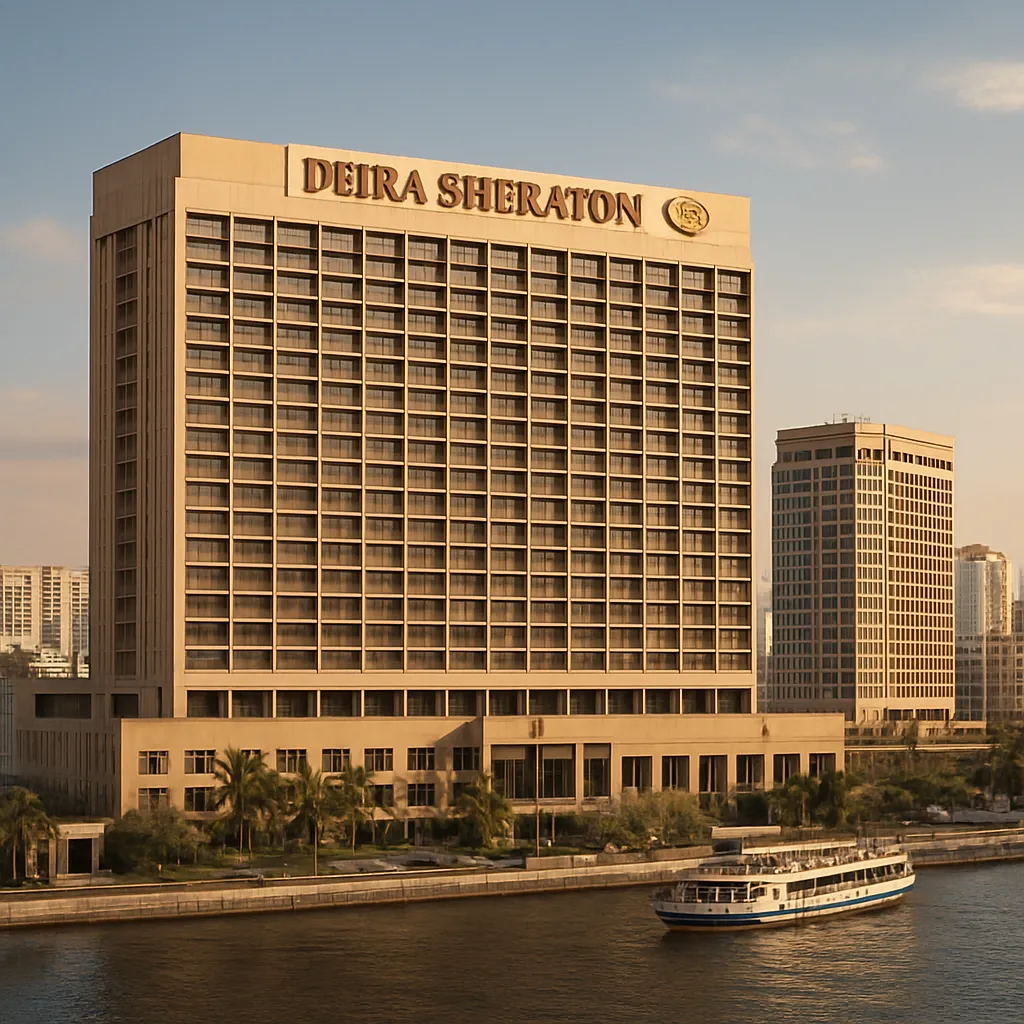
The Deira Sheraton Dubai Creek Hotel, commonly referred to as Sheraton Dubai Creek Hotel & Towers, stands as a notable presence along the historic Dubai Creek in the Deira district. This complex combines hospitality, commerce and urban history, offering travelers and residents alike a window into the city’s rapid transformation. In this article, we explore the hotel’s location, architectural and operational characteristics, historical context, and its role within the social and economic fabric of Dubai.
Location and urban context
Situated on the northern shore of Dubai Creek, the hotel occupies a strategic parcel of land in one of the emirate’s oldest commercial districts. Deira historically functioned as the island’s mercantile heart, with traditional souks, dhow trades and early trading houses shaping Dubai’s early development. The Sheraton complex benefits from proximity to several important nodes:
- Close to the Creekside promenade and traditional abra (water taxi) crossings that connect Deira to Bur Dubai.
- Within walking distance or a short drive to commercial centers like Al Rigga and Al Ghurair Centre, as well as municipal and banking offices concentrated in Deira.
- Relatively near cultural and historic points of interest such as the Gold Souk, Spice Souk and the Dubai Museum area across the creek.
Because of its waterfront position, many public areas and guest rooms offer panoramic views of the waterway and the evolving skyline beyond. The location blends a sense of historic heritage with accessibility to modern transport links and commercial corridors.
Architecture, layout and design
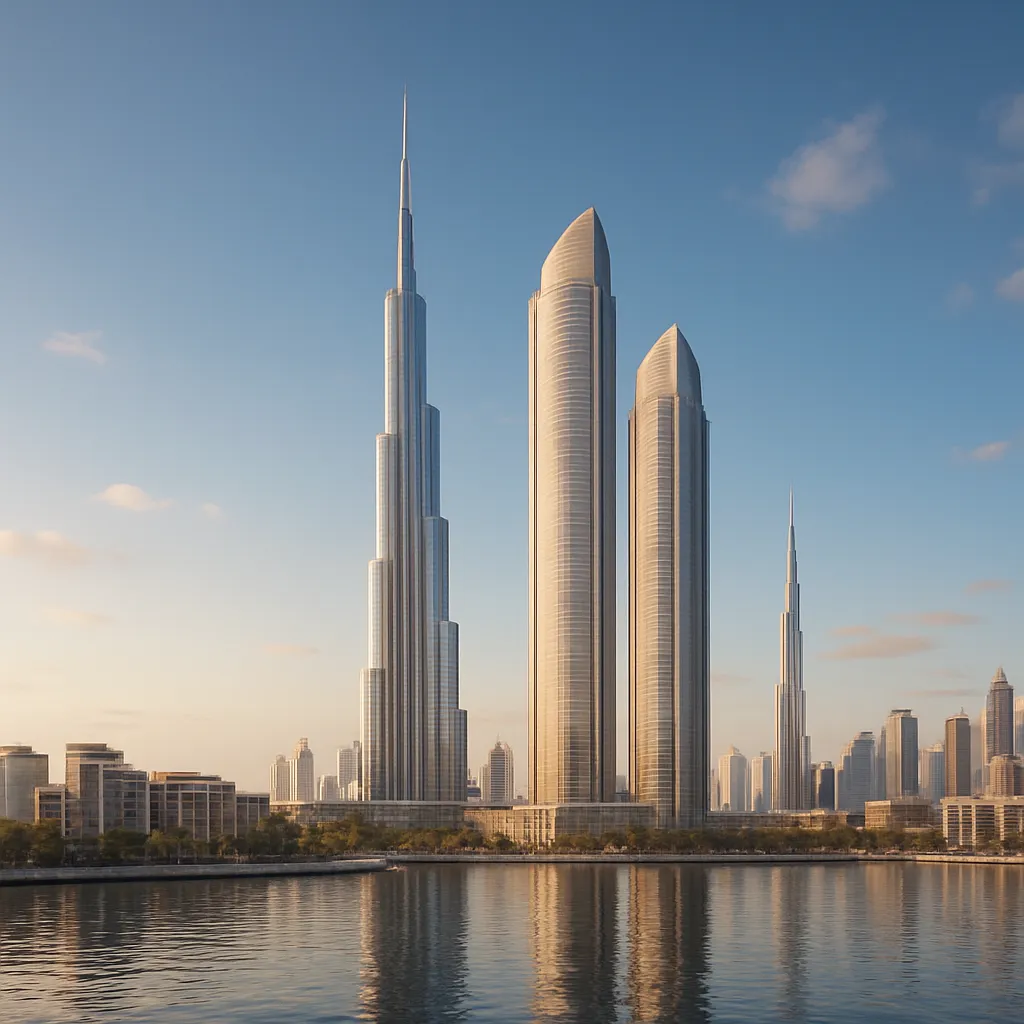
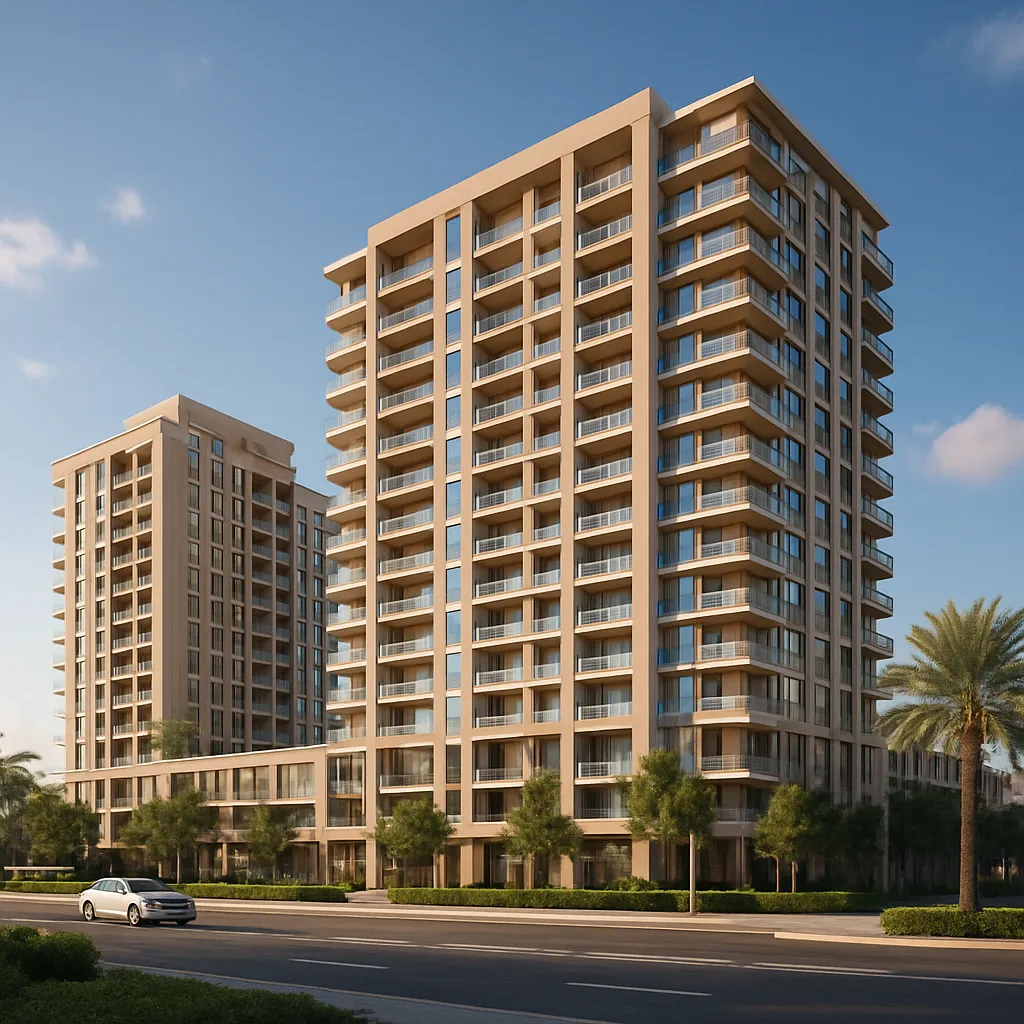
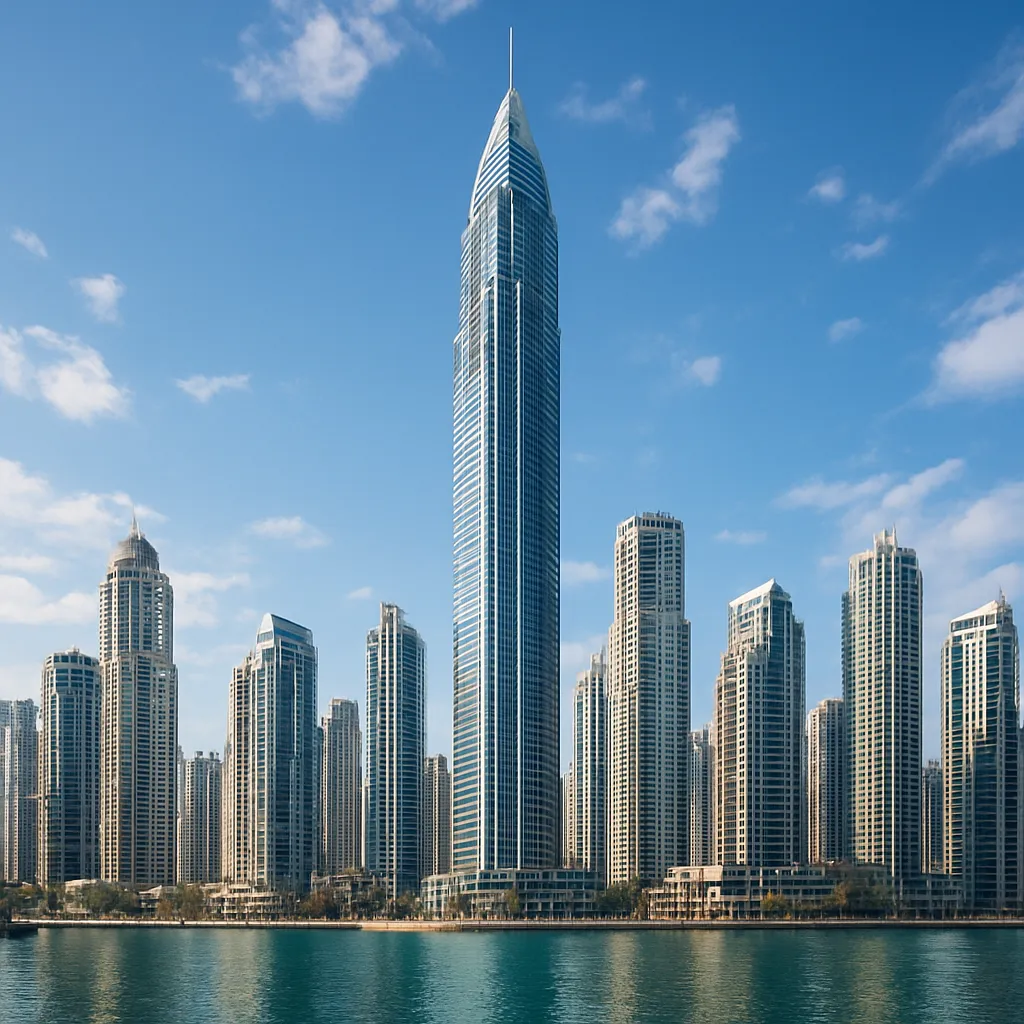
The hotel’s design reflects a late 20th-century international hotel aesthetic adapted to the Gulf climate. The complex typically comprises a series of towers and podium elements that create an articulated profile along the Creek’s edge. Key architectural and design features include:
- A multi-tower arrangement allowing for a mix of room types, function spaces and service zones.
- Large glazed façades and terraces oriented to capture views of the Creek while mitigating solar gain through shading devices, verandas and recessed balconies.
- Extensive public lobbies and circulation spaces designed to accommodate both tourists and business travelers, with an emphasis on ease of movement to meeting rooms and dining venues.
Internally, the Sheraton complex balances international modern comforts with local touches — decor and public art installations occasionally reference maritime themes, traditional patterns and the trading history of Deira. Landscaping along the waterfront often uses palms and drought-tolerant plantings to create shaded outdoor seating and poolside leisure areas.
History and development
The Deira Sheraton has been part of Dubai’s hotel landscape for several decades, opening during a period when the emirate was expanding its hospitality offerings to support trade and an emerging tourism sector. Although the exact opening date and stages of expansion may vary (hotels often undergo phased upgrades), the Sheraton in Deira grew in parallel with the area’s continued commercial importance.
Historically, the Creekfront hotels served not only tourists but also business delegations, traders and families who needed proximity to the souks, banks and shipping offices. Over time, the property adapted through renovations, rebranding of food and beverage outlets, and the addition of conference and wellness facilities to meet modern expectations.
Facilities, services and guest experience
As a full-service international hotel, Sheraton Dubai Creek typically offers a wide range of facilities designed for diverse guest needs. These normally include:
- Guest rooms and suites in multiple categories, some offering Creek views and others oriented toward the city.
- Several restaurants and bars, ranging from all-day dining to specialty cuisine and casual cafés that reflect global and regional flavors.
- Banquet halls and conference rooms equipped for meetings, weddings and corporate events — a key revenue driver in the city’s hospitality market.
- Fitness and leisure amenities: an outdoor pool, fitness center, spa offerings and recreational services.
- Concierge, business center, shuttle and tie-in services for tours and airport transfers.
Guest feedback often highlights the hotel’s convenience for both business and leisure travelers, especially those for whom proximity to the historic districts and commercial offices in Deira is important. The mix of long-standing operational experience and ongoing facility upgrades aims to balance traditional service expectations with contemporary hospitality trends.
Economic and cultural significance
The Sheraton property contributes to the economic engine of Deira in several ways:
- It attracts business travelers and event delegations who generate demand for local services, retail and transportation.
- By offering conference and banquet facilities, the hotel supports meetings, exhibitions and social functions that feed the local service economy.
- Employment: hotels of this scale provide sustained jobs in hospitality, administration, kitchen and maintenance roles, many of which are filled by the expatriate community that forms a significant part of Dubai’s labor force.
Culturally, the hotel acts as a bridge between visitors and the traditional character of Deira. Its location encourages exploration of the creekside heritage — from the traditional trading souks to the neighborhoods that preserve older urban patterns — making it more than a place to sleep, but a starting point for cultural engagement.
Statistical overview and operational metrics
Specific figures for a particular hotel can change over time due to renovations, reclassifications, and operational adjustments. What follows is a general statistical overview that is often representative for a property of this size and market positioning:
- Room count: typically in the range of 200–350 rooms and suites, allowing for a mix of standard rooms, executive rooms and suites for different market segments.
- Ballroom and meeting space: many creekfront hotels offer several thousand square feet of flexible meeting and banquet capacity, suitable for mid-sized conferences and large social gatherings.
- Staffing: employment levels often number in the several hundreds, reflecting the variety of services (front office, F&B, housekeeping, engineering, events, sales and marketing).
- Occupancy and average daily rate (ADR): both metrics fluctuate seasonally and with macroeconomic conditions. Historically, Dubai hotels experience peak periods during international events, winter tourism seasons and trade exhibitions, while occupancy softens during summer months and global downturns.
For precise, up-to-date statistics (room inventory, current ADR, occupancy rates and recent renovation data), consulting the hotel’s own publications, industry databases or recent hospitality market reports is advised because these figures are periodically updated by property management and parent companies.
Renovations, sustainability and modern upgrades
With the rapid evolution of hospitality expectations, hotels that opened in earlier decades generally undergo rounds of renovation and modernization. Typical upgrade areas include:
- Guestroom refurbishments to incorporate contemporary technology such as high-speed internet, smart-room controls and refreshed interior finishes.
- Public area modernization to reimagine lobbies, restaurants and meeting rooms as more flexible, socially focused spaces.
- Sustainability measures such as energy-efficient lighting, water-saving fixtures, waste reduction programs and greener laundry operations — increasingly important to both corporate clients and eco-conscious travelers.
Given Dubai’s sustainability initiatives and its push to reduce the environmental footprint of tourism, many established hotels along the Creek have introduced incremental changes in operational practices and capital improvements to meet evolving environmental standards.
Visitor experience and practical tips
For travelers considering a stay at Sheraton Dubai Creek, the following practical considerations and tips can enhance the experience:
- Choose a Creek-facing room for scenic views of the waterway, traditional dhows and the changing skyline at sunrise and sunset.
- Use local abra crossings to experience a traditional water taxi ride — an inexpensive and authentic way to move between Deira and Bur Dubai.
- Explore nearby souks (Gold, Spice, Textile) on foot or via short taxi rides; bargaining is part of the local culture in many traditional markets.
- Plan city excursions during cooler months (typically November to March) when outdoor exploration is most comfortable.
- Confirm meeting and event specifications well in advance, as Dubai’s conference calendar can be busy around trade shows and international festivals.
Comparisons and positioning within Dubai’s hospitality market
Dubai’s hotel market is highly diverse, ranging from boutique heritage properties to ultra-luxury resorts and business-centered international chains. The Sheraton in Deira tends to occupy a niche characterized by:
- Strong appeal to business travelers and guests attending events in the central and older commercial districts.
- Good value proposition for travelers seeking a Creekside location that is close to traditional tourist attractions rather than the newer leisure hubs such as Dubai Marina or Palm Jumeirah.
- A predictable level of international brand standards, which can be reassuring for global travelers seeking recognizable loyalty program benefits and consistent service levels.
This positioning contrasts with ultra-luxury beachfront resorts and more experimental boutique hotels, offering a steady, versatile option for many guests.
Local partnerships and community engagement
Hotels in established neighborhoods often develop partnerships with local businesses and cultural institutions. Typical community engagement initiatives may include:
- Collaborations with local tour operators to promote heritage walks and Creek-oriented experiences.
- Supporting local suppliers and culinary partnerships that bring regional flavors into hotel dining outlets.
- Participation in community events, charity drives and hospitality industry associations that support workforce development.
These engagements help anchor a large hotel in the social life of the district and create mutually beneficial relationships with Deira’s small businesses and cultural operators.
Challenges and future outlook
Like many longstanding urban hotels, Sheraton properties in heritage districts face a range of challenges and opportunities:
- Competition from newer developments with cutting-edge design and amenities requires continuous reinvestment to remain competitive.
- Balancing modern upgrades with the preservation of the site’s identity and the surrounding historic character of Deira.
- Adapting operations to evolving guest expectations around sustainability, digital services and wellness offerings.
However, the advantages are clear: waterfront location, proximity to cultural attractions and a consistent brand reputation provide a strong basis for continuing relevance. Given Dubai’s ongoing growth and tourism diversification strategies, the future holds opportunities for further integration with cultural tourism, tech-enabled guest services and sustainable operations.
Summary
The Deira Sheraton Dubai Creek Hotel represents more than a hospitality landmark; it is a living part of Dubai’s urban evolution, bridging historic trading roots and modern tourism infrastructure. With its waterfront position on Dubai Creek, a comprehensive set of facilities and an enduring role in Deira’s economy and culture, the hotel offers visitors both convenience and a gateway to the emirate’s heritage. While specific operational statistics evolve over time, the hotel’s qualitative strengths — strategic location, brand recognition and multifunctional spaces — continue to make it a notable player in Dubai’s hospitality landscape.