The following article explores Dubai International Airport Terminal 3 Concourse A, a major node within the Dubai International Airport complex. It describes the concourse’s location, design, operational role, passenger amenities and notable features. The text draws on general public knowledge about the airport and the terminal’s position as a global aviation hub. Wherever precise numbers are given they are presented as approximate values based on widely reported figures, to give a clear sense of scale and performance.
Location and Role within Dubai International Airport
Concourse A is one of the satellite concourses attached to Terminal 3 at Dubai International Airport (DXB), which is located in the Al Garhoud area of Dubai, roughly 4–5 kilometers northeast of Dubai’s central business district. Terminal 3 and its concourses form the heart of DXB’s operations for long-haul and high-capacity services, and the terminal complex was developed specifically to support the rapid expansion of Emirates Airline and large widebody aircraft such as the Airbus A380.
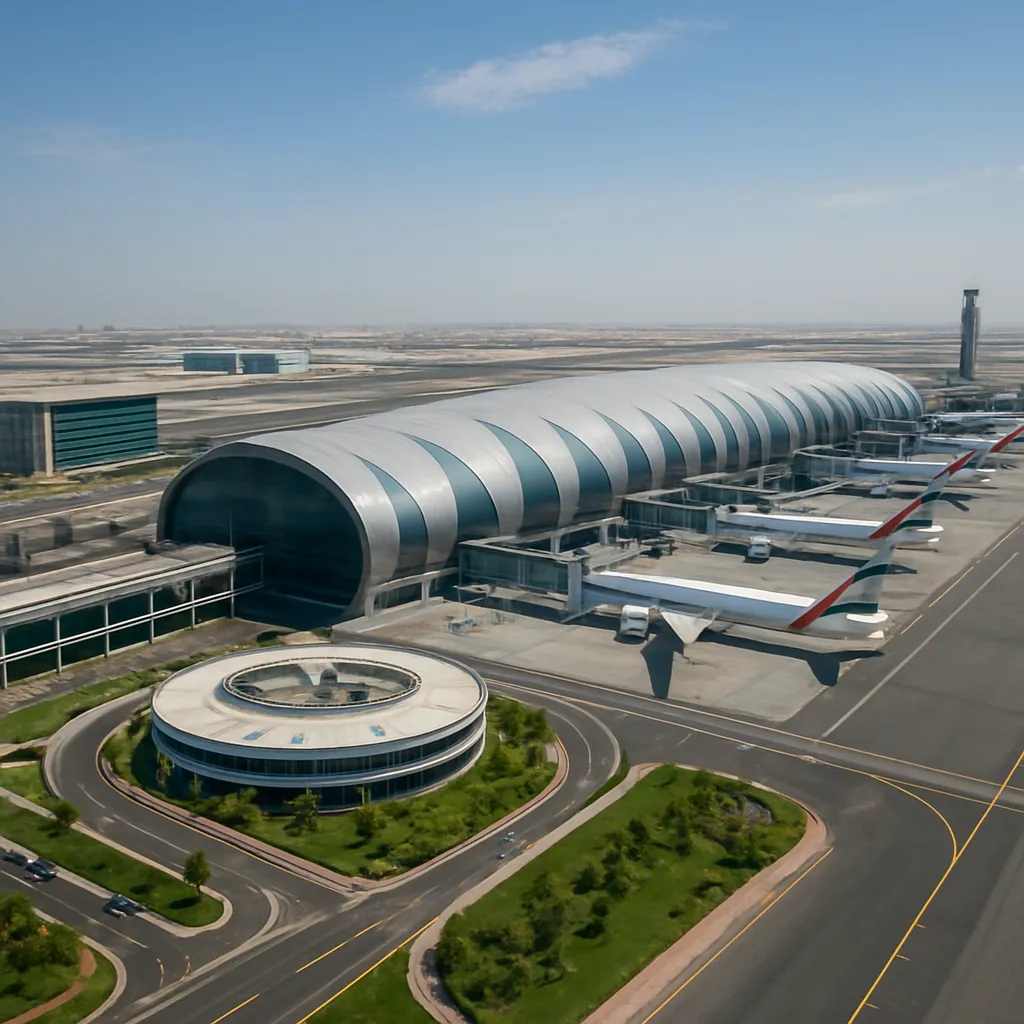
Concourse A functions predominantly as a satellite concourse that handles a high proportion of long-haul, widebody, and premium-class services. It is physically separated from the main Terminal 3 check-in halls but is connected by internal transport links and walkways that facilitate smooth transfers. Concourse A is grouped together with Concourses B and C under the Terminal 3 umbrella, each concourse designed to handle large volumes of international traffic while offering specialized facilities.
Why Concourse A Matters
- Hub operation: Concourse A supports Emirates’ global network, enabling high-frequency long-haul flights and the use of double-deck aircraft.
- Premium focus: It features extensive lounge and premium passenger facilities designed for first and business class travelers.
- Connectivity: It is integrated into DXB’s broader transport system, providing links to the Dubai Metro, road network, and ground transport services.
Design, Architecture and Technical Features
The architecture of Concourse A follows Terminal 3’s overall design philosophy: contemporary, spacious, and optimized for high throughput. The concourse incorporates large open volumes, extensive glazing for natural light, high ceilings, and clear wayfinding to handle high passenger flows. The design emphasizes rapid movement between gates, passenger comfort, and the ability to process large, widebody aircraft efficiently.
Key architectural and technical characteristics
- Airbridge and gate design: Many gates are equipped to service double-deck aircraft and offer dual-level boarding for the A380, reducing turnaround times for large long-haul flights.
- Handling capacity: Concourse A’s gate layout and apron design prioritize quick taxiing and parking for widebodies, enabling high-frequency operations.
- Passenger flow: Internal circulation areas are designed to separate arriving, departing and transfer passengers to minimize congestion and improve processing times.
- Retail and F&B integration: The concourse integrates retail and food & beverage zones directly into the gate areas, making services easily accessible without lengthy detours.
Terminal 3 and its concourses were developed with scalability in mind. While Terminal 3’s initial construction targeted specific capacity figures, the modular nature of concourse expansions and operational adjustments has allowed DXB to adapt to changing passenger loads and airline strategies.
Passenger Experience and Amenities
Concourse A is recognized for offering a premium passenger experience, especially for first and business class travelers on Emirates and partner airlines. Amenities are tailored to long-haul travelers and those in transit, reflecting Dubai International’s role as a major transfer hub between Europe, Asia, Africa, and the Americas.
Lounges and premium services
- Emirates First and Business Class Lounges: Concourse A hosts expansive lounges that offer dining, relaxation areas, shower facilities and private suites. These lounges are renowned for combining hospitality elements with efficiency, enabling passengers to rest, work or refresh before long journeys.
- Wellness and spa facilities: Premium lounges and adjacent service areas often include spa treatments, manicure/pedicure services and shower suites, designed to address jet-lag and pre-flight needs.
- Dedicated check-in and fast-track security: First and business class passengers benefit from priority check-in zones and expedited security and immigration processing where available.
Retail, dining and leisure
- Dubai Duty Free: The terminal’s retail offering includes extensive Dubai Duty Free outlets; Dubai Duty Free is one of the largest airport retailers in the world and contributes significantly to DXB’s retail footprint.
- F&B mix: Concourse A features an international mix of cafes, fast-casual dining and full-service restaurants catering to diverse tastes and dietary requirements.
- Retail brands: Global luxury and travel retail brands are present alongside local and regional stores that showcase the UAE’s cultural and commercial ties.
Operations, Airlines and Traffic Patterns
Concourse A supports a concentrated set of airline operations with a strong emphasis on Emirates. The concourse is optimized to manage large volumes of transfer passengers, which is a defining characteristic of DXB’s traffic patterns. Dubai International’s strategic geographic position makes it a natural hub for point-to-point and connecting traffic between multiple global regions.
Airline usage
- Emirates: The carrier is the primary operator using Terminal 3 concourses, including Concourse A, for many of its long-haul routes and high-capacity schedules.
- Partner carriers: Codeshare and alliance partners operating with Emirates may use Concourse A gates for compatibility with transfer processes and lounge access.
- Aircraft types: The infrastructure is tailored to widebody operations—particularly the Airbus A380 and Boeing 777—supporting high-capacity seating and premium cabins that define Emirates’ product.
Passenger flow characteristics
Dubai International is famous for its high proportion of transfer passengers, and Concourse A plays a critical role in facilitating smooth transfers. The terminal and concourse layout are engineered to reduce transfer times, with direct connections to security re-screening, fast-track lanes, and dedicated transfer desks. The presence of premium lounges near gates reduces walking distances and enhances convenience for business travelers and high-yield customers.
Notable Facts and Interesting Details
Concourse A and Terminal 3 together represent several aviation milestones and interesting operational realities that highlight DXB’s global importance.
- A380 readiness: Concourse A was among the early examples of airport infrastructure built around the operational needs of the A380, with gate systems and boarding solutions optimized for the aircraft’s two-deck configuration.
- Scale and exclusivity: Terminal 3 was designed primarily for a single airline (Emirates) and its partners, which is unusual for a terminal of its size and gives the concourse a distinct operational coherence.
- Retail impact: The retail environment in Terminal 3, including Concourse A, is a major revenue stream. Dubai Duty Free’s operations at DXB are a global benchmark for airport retail performance, both in terms of sales volume and diversity of offerings.
- Lounge innovation: Emirates’ lounge concepts positioned in and around Concourse A helped redefine premium ground service for hub carriers, blending luxury hospitality with aviation efficiency.
Statistics and Capacity (approximate)
Exact numbers can shift year to year, but several widely reported statistics give a sense of scale for Terminal 3 and its concourses, including Concourse A:
- Terminal 3 opening: Terminal 3 was inaugurated in 2008 as part of a major expansion to support Dubai’s aviation growth and the rapid fleet expansion of Emirates.
- Designed capacity: Upon opening, Terminal 3 was designed to handle tens of millions of passengers per year; the initial figure commonly cited for its capacity was in the range of approximately 40–45 million passengers annually, with operational expansions and adjoining concourses increasing overall throughput for DXB.
- Dubai International traffic: Dubai International has ranked among the world’s busiest international airports for passenger traffic. Annual passenger volumes at DXB in the years before and after 2019 were typically in the tens of millions, making it one of the busiest single-airport hubs globally (figures for the airport as a whole have exceeded 80 million passengers in peak years).
- Gate and apron capabilities: Concourse A is equipped with multiple gates suitable for widebodies and has facilities for dual-level boarding on aircraft such as the A380, enabling efficient turnarounds for high-capacity aircraft.
Note: precise annual passenger numbers and gate counts can change due to infrastructure upgrades, operational adjustments, and airline scheduling decisions. For up-to-date figures, official DXB and operator releases should be consulted.
Connectivity and Ground Transport
Concourse A benefits from Terminal 3’s direct connections to Dubai’s transport network, making transfers between the airport and the city straightforward for most travelers.
- Dubai Metro: The Red Line serves Dubai Airport Terminal 3 station, which provides a rapid rail link to central Dubai, Business Bay, and other key districts. This metro connection supports both arriving and departing passengers using Terminal 3.
- Road access: Multiple major highways connect DXB to Dubai’s urban fabric and neighboring emirates, with dedicated drop-off and pick-up zones for Terminal 3.
- Ride-hailing and chauffeur services: Premium services, including limousine and chauffeur options, are widely available and often integrated with premium ticket classes and airline loyalty programs.
- Inter-terminal movement: Internal transport systems, moving walkways and shuttle services facilitate transfers between Terminal 3 concourses and other DXB terminals or satellite services when required.
Security, Customs and Passenger Processing
Security and immigration processing at Concourse A adhere to the high throughput demands of a major international hub. The layout separates departing, arriving and transfer passengers to maintain efficient flows and comply with international security standards.
- Transfer processing: Designed to expedite transfer passengers with minimal redundancy in security or immigration processes where bilateral agreements allow.
- Priority lanes: First and business class passengers, as well as elite loyalty members, are typically offered priority lanes for security and immigration checks.
- Customs and immigration: Dubai operates sophisticated immigration processing systems to manage high volumes of international transfers while maintaining security protocols.
Future Developments and Challenges
As air travel patterns evolve, concourses like A must adapt to changing aircraft fleets, passenger expectations and sustainability requirements. Several broad trends are relevant to Concourse A’s future:
- Fleet changes: Airlines continue to evolve their fleets; while the A380 has been a central feature for Terminal 3 operations, airlines and airports must accommodate a mixture of very large aircraft and more fuel-efficient twin-aisle types.
- Passenger experience upgrades: Ongoing refurbishment, digitalization and retail repositioning are typical to maintain the concourse’s competitive edge and meet rising expectations for personalization and convenience.
- Sustainability: Airports worldwide are under pressure to reduce energy consumption and emissions. Concourse A, as part of the Terminal 3 complex, may see incremental upgrades in lighting, HVAC systems and energy management to meet sustainability targets.
- Operational resilience: Enhancing resilience against disruptions—whether due to global events, weather or sudden demand shifts—remains a priority for major hubs like DXB.
Practical Tips for Travelers Using Concourse A
Passengers who will pass through Concourse A can benefit from the following practical advice to make their journey smoother:
- Allow ample transfer time: Even though the concourse is optimized for transfers, international hubs can involve long walks and security checkpoints. Allow sufficient connection time, especially for international-to-international transfers.
- Use lounge access strategically: If you have lounge access, use it to rest and refresh instead of waiting in crowded gate areas—this is particularly valuable on long-haul itineraries.
- Familiarize with gate maps: Gate assignments can change; confirm your gate ahead of arrival at the airport via airline apps or airport displays.
- Plan for retail and dining: If you need to shop duty-free or dine, budget time ahead of boarding—retail areas can be busy during peak transfer windows.
Conclusion
Concourse A at Terminal 3 of Dubai International Airport is a high-capacity, premium-focused satellite concourse that plays a critical role in supporting Emirates and Dubai’s position as a global aviation hub. With infrastructure tailored to widebody aircraft, substantial premium amenities, and integrated retail and transport links, Concourse A exemplifies modern hub design: oriented toward efficient transfers, a superior passenger experience and the operational demands of long-haul carriers. As air travel continues to evolve, Concourse A and the broader Terminal 3 complex will remain central to DXB’s strategy—adapting through refurbishment, digitalization and operational innovation to meet the needs of global travelers.