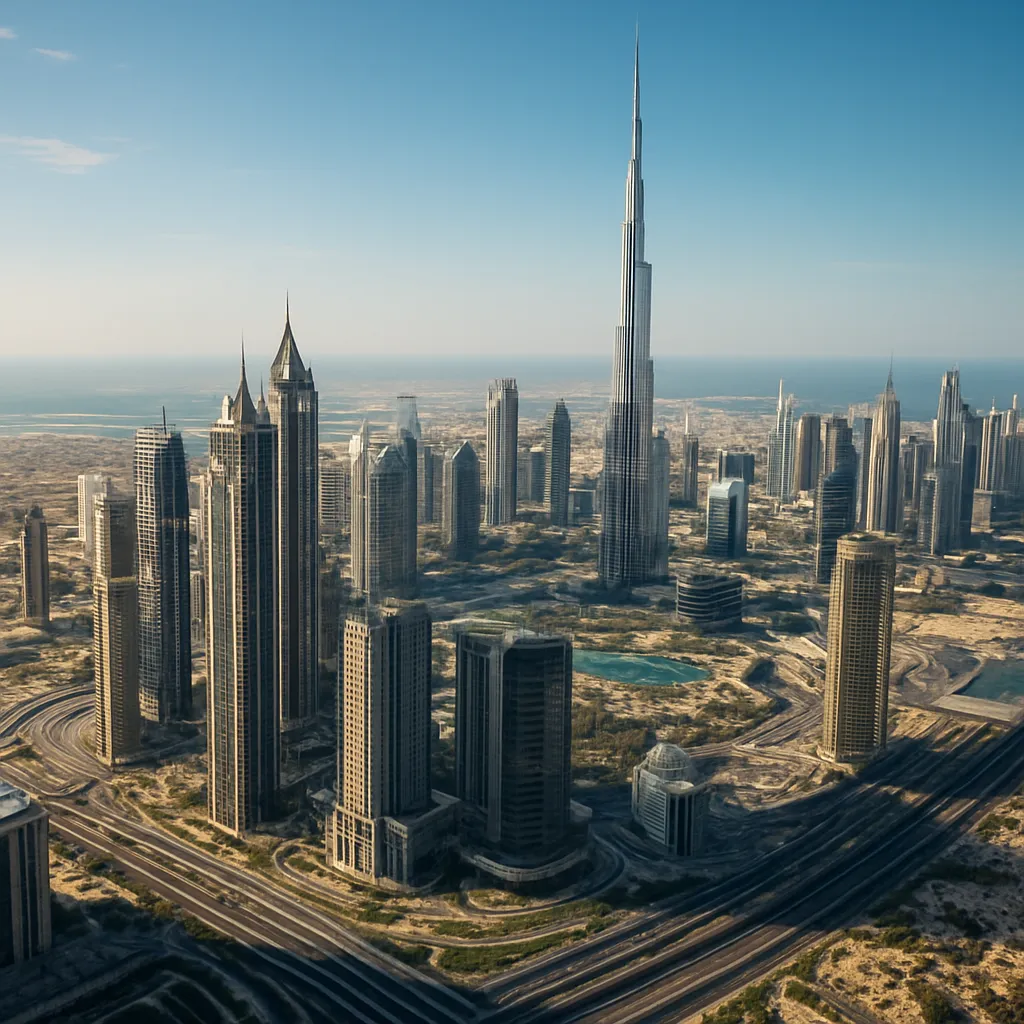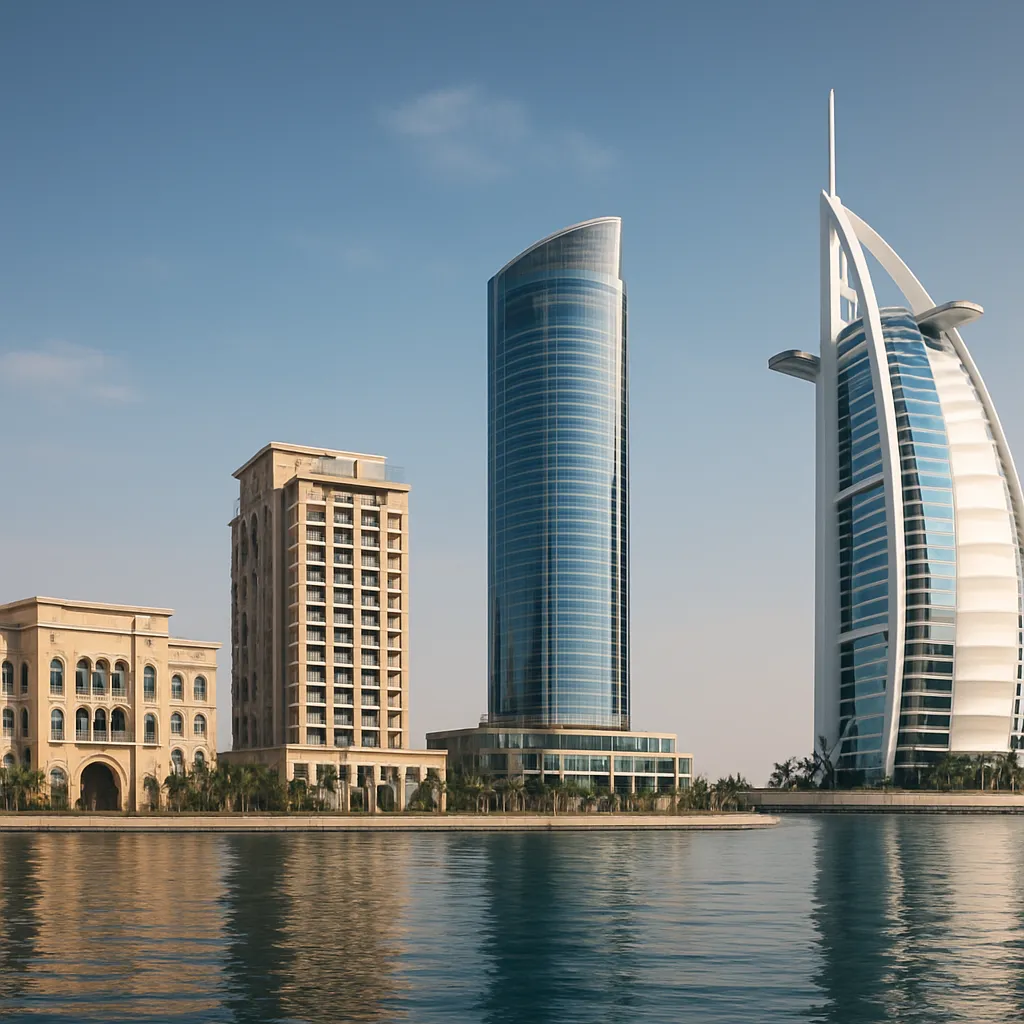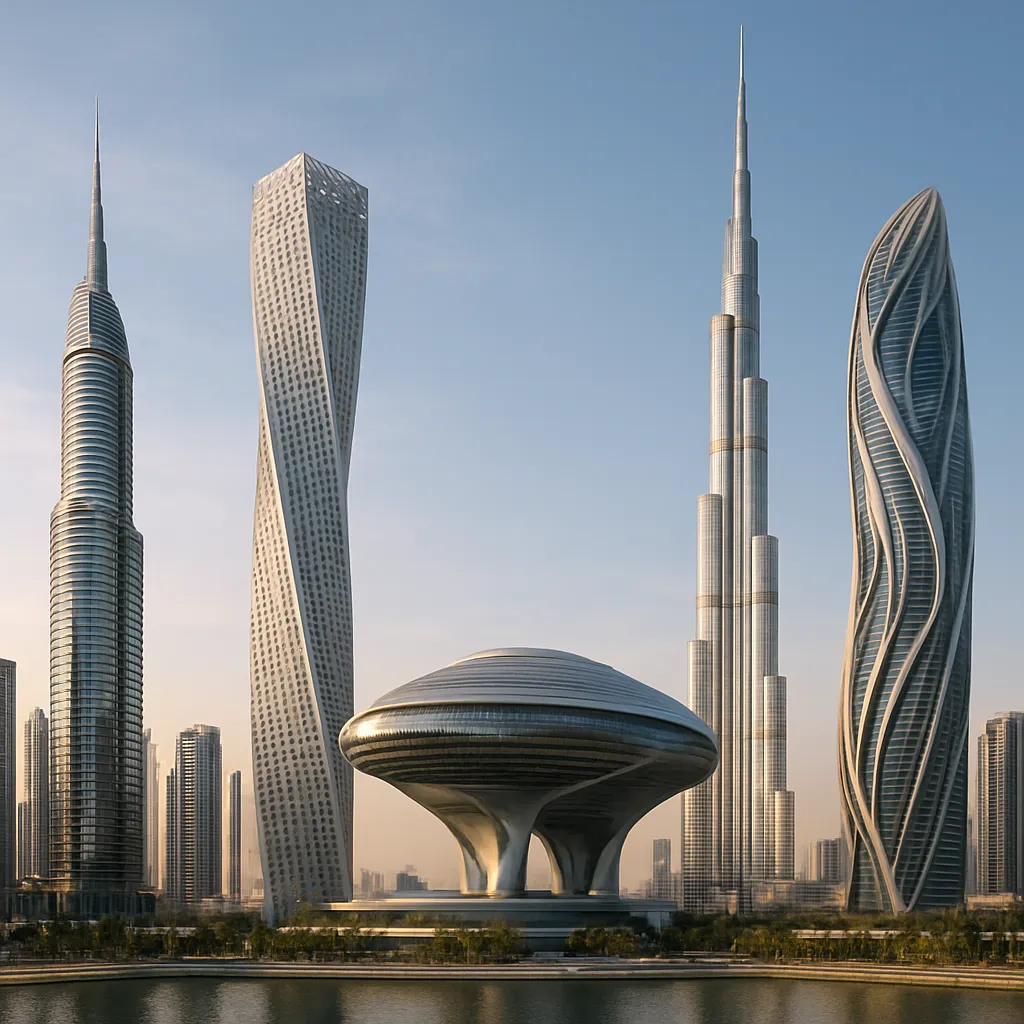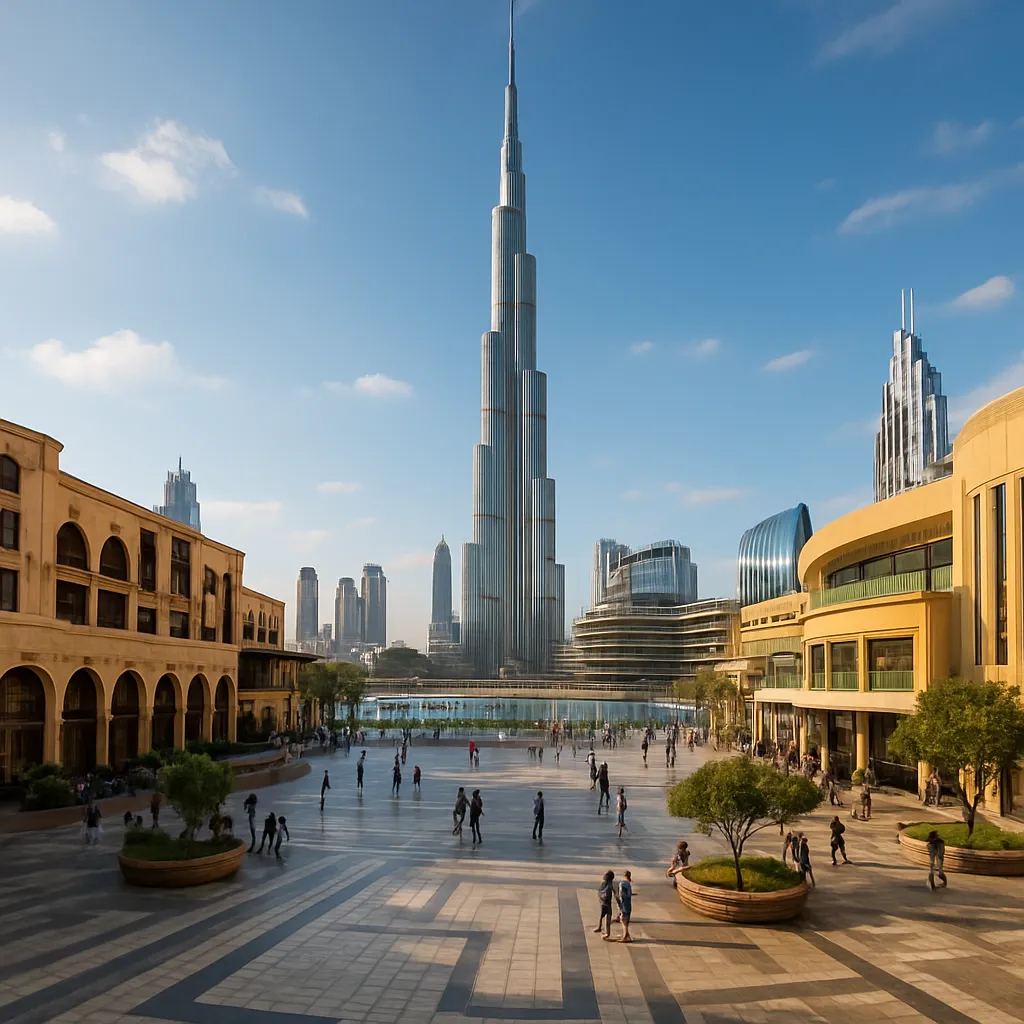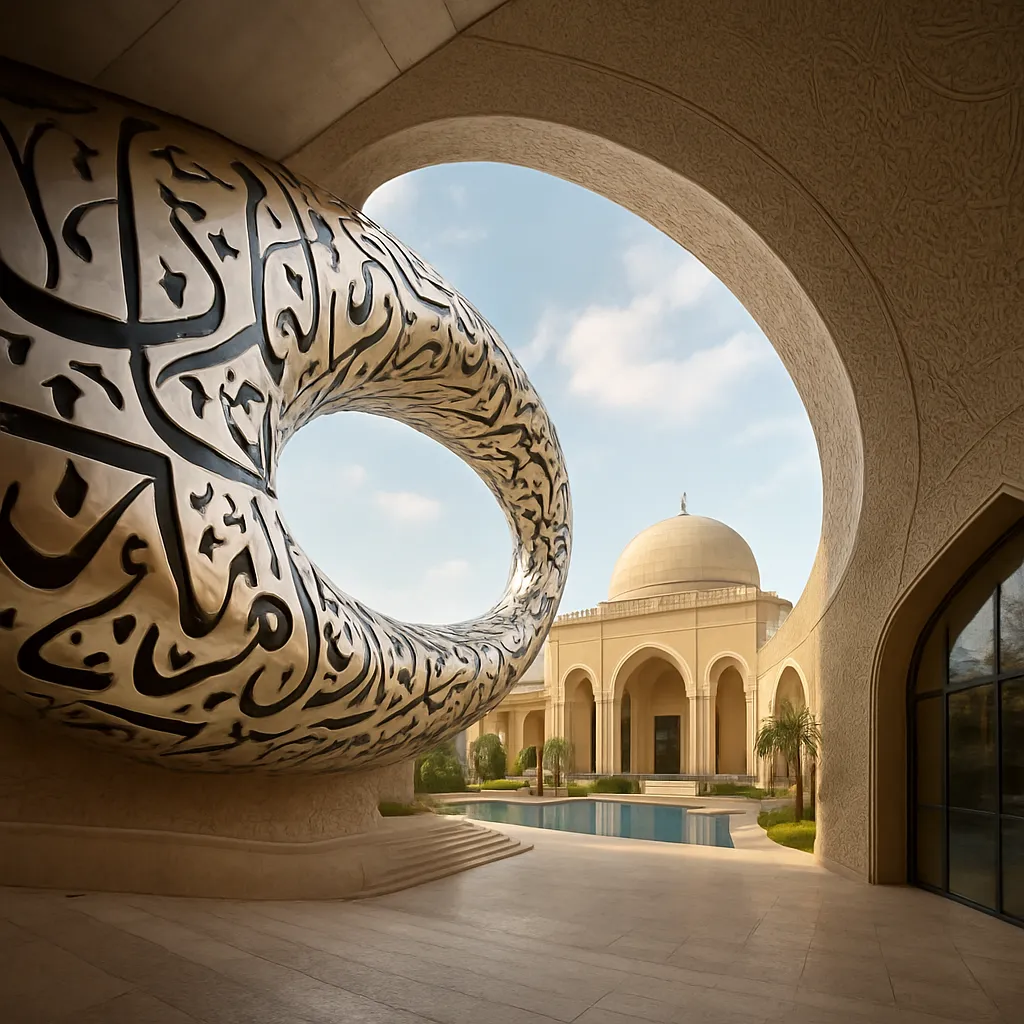
Dubai’s ever-evolving skyline stands as a testament to a city where visionary design intersects with cultural storytelling. Beyond the towering skyscrapers that define its silhouette, Dubai’s cultural landmarks present an enthralling interplay of innovation and tradition. In exploring these sites, we dive into a world where art and architecture seamlessly merge, inviting visitors to experience the pulse of Emirati heritage and the avant-garde spirit that propels the city forward.
Architectural Marvels Shaping Dubai’s Cultural Landscape
The Museum of the Future: A Futuristic Canvas
Nestled near the Emirates Towers, the Museum of the Future is more than a building—it’s an architectural masterpiece that embodies technological foresight. Designed by Killa Design, its torus shape is clad in stainless steel panels adorned with Arabic calligraphy, representing quotes from Sheikh Mohammed bin Rashid Al Maktoum. Inside, interactive exhibits explore themes of sustainability, health, and education. The building’s intricate façade serves both aesthetic and functional purposes, providing shade while symbolizing a bridge between past wisdom and future aspirations.
Dubai Opera: A Theatrical Icon of Form and Function
Positioned in the heart of Downtown Dubai, the Dubai Opera resembles a dhow—a traditional Arabian vessel—paying homage to maritime heritage. Its 2,000-seat auditorium is configurable for theatre, opera, concerts, and conferences, showcasing a dynamic fusion of cultural programming. The acoustics and retractable seating are engineering feats, while the glass façade offers panoramic views of Burj Khalifa and the Dubai Fountain. This synergy of art and architecture transforms every performance into an immersive experience.
Museums and Galleries as Architectural Masterpieces
Etihad Museum: Chronicles of a Nation’s Birth
Located on Jumeirah Road, the Etihad Museum’s architecture evokes the shape of paper bending, symbolizing the formation of the United Arab Emirates. Designed by Moriyama & Teshima Architects, its stainless steel panels and glass walls create an environment of openness, reflecting the nation’s unity. Exhibits within narrate the union’s founding through multimedia displays, documents, and personal objects. The museum underscores how heritage can be showcased through dynamics of space and light.
Jameel Arts Centre: Contemporary Architecture Meets Creativity
On Jaddaf Waterfront, the Jameel Arts Centre is a beacon for contemporary art in the region. Designed by Serie Architects, its minimalistic concrete façade conceals a vast, adaptable interior. Natural light pours through strategically placed skylights, illuminating galleries that host rotating exhibitions, public workshops, and educational programs. The centre’s design emphasizes modularity, creating a flexible canvas for artists and reinforcing Dubai’s status as a global art destination.
Alserkal Avenue: Industrial Heritage Reimagined
What was once a cluster of warehouses in Al Quoz has transformed into a vibrant art hub. Alserkal Avenue’s repurposed industrial architecture retains raw concrete walls and iron beams, offering an authentic backdrop for galleries, design studios, and performance spaces. This creative district cultivates collaboration among international and regional artists, reflecting a spirit of fusion between old and new, tradition and experimentation. The Avenue’s weekly art walks and public events cement its role as a cultural incubator.
Public Spaces Where Art and Structure Converge
Dubai Frame: A Framed Panorama of Past and Future
Soaring 150 meters high, the Dubai Frame is conceived as a literal frame capturing both old and new Dubai. Its gold-clad, geometric design by Fernando Donis stands out in Zabeel Park. Visitors ascend via high-speed elevators to the sky deck, where the transparent glass floor allows for an adrenaline-fueled view. The south-facing gallery showcases historical footage of Dubai’s heritage, while the north-facing side reveals futuristic skyline vistas—an architectural metaphor for the city’s continuous transformation.
Al Fahidi Historical Neighbourhood: A Living Heritage
Amidst modern skyscrapers, the Al Fahidi Historical Neighbourhood preserves Dubai’s traditional wind-tower architecture. Narrow alleys lead to restored summer houses, art galleries, and cafés. Buildings are crafted from coral, gypsum, and palm wood, offering insight into pre-oil life. This district hosts cultural events and art installations, emphasizing the city’s commitment to safeguarding and reinterpreting its heritage. The harmonious arrangement of courtyards and wind towers creates a microclimate that is both functional and poetic.
Public Art Installations: Sculptures in the Urban Fabric
- 7 by Richard Serra: A series of towering weathering steel plates near DIFC, evoking geological formations and inviting tactile engagement.
- Elia Sculpture by Richard Long: Located at the entrance of Madinat Jumeirah, this spiral land art contrasts natural materials with the luxury resort backdrop.
- Concrete Lattice Pavilion by FARRELLS: A pop-up installation in Al Quoz that played with light and shadow, deconstructing traditional forms.
Sustainable and Interactive Cultural Hubs
The Green Planet: Biodome and Architectural Innovation
The Green Planet at City Walk is an indoor tropical rainforest encapsulated within a glass sphere. It combines biodiversity conservation with architectural ingenuity: an advanced envelope controls humidity, temperature, and light to sustain over 3,000 plants and animals. Visitors traverse rope bridges and observation decks, encountering wildlife at various canopy levels. This project underscores sustainability as an intrinsic component of cultural destinations, fostering ecological awareness through engaging design.
Sustainability Pavilion at Expo 2020
The Sustainability Pavilion, also known as Terra, was conceived as a net-positive energy building. Its façade of diamond-shaped panels generates solar energy while providing shade. Inside, immersive exhibits on resource management blend multimedia, interactive walls, and sensory experiences. Although Expo 2020 has concluded, the pavilion’s principles guide future developments in Dubai, showcasing how innovation and environmental responsibility can coalesce in cultural architecture.
Dubai Design District (d3): A Nexus of Creativity
Dedicated to design industries, d3 integrates fashion, retail, and art within a master-planned district. Cutting-edge architecture by Gensler and Foster + Partners utilizes prefabricated panels and sustainable materials. Public plazas function as stages for installations, fashion shows, and pop-up galleries. With over 350 creative enterprises, d3 exemplifies the fusion of commercial vitality and cultural expression, positioning Dubai as a global design capital.
Conclusion of Architectural Narratives
From iconic museums that challenge perceptions to heritage districts preserving ancestral wisdom, Dubai’s cultural landmarks embody the city’s unwavering commitment to artistic and architectural dynamics. Each site offers a unique dialogue between form and function, tradition and modernity. As the city continues to expand, these landmarks stand as enduring symbols of a metropolis where art truly meets architecture.