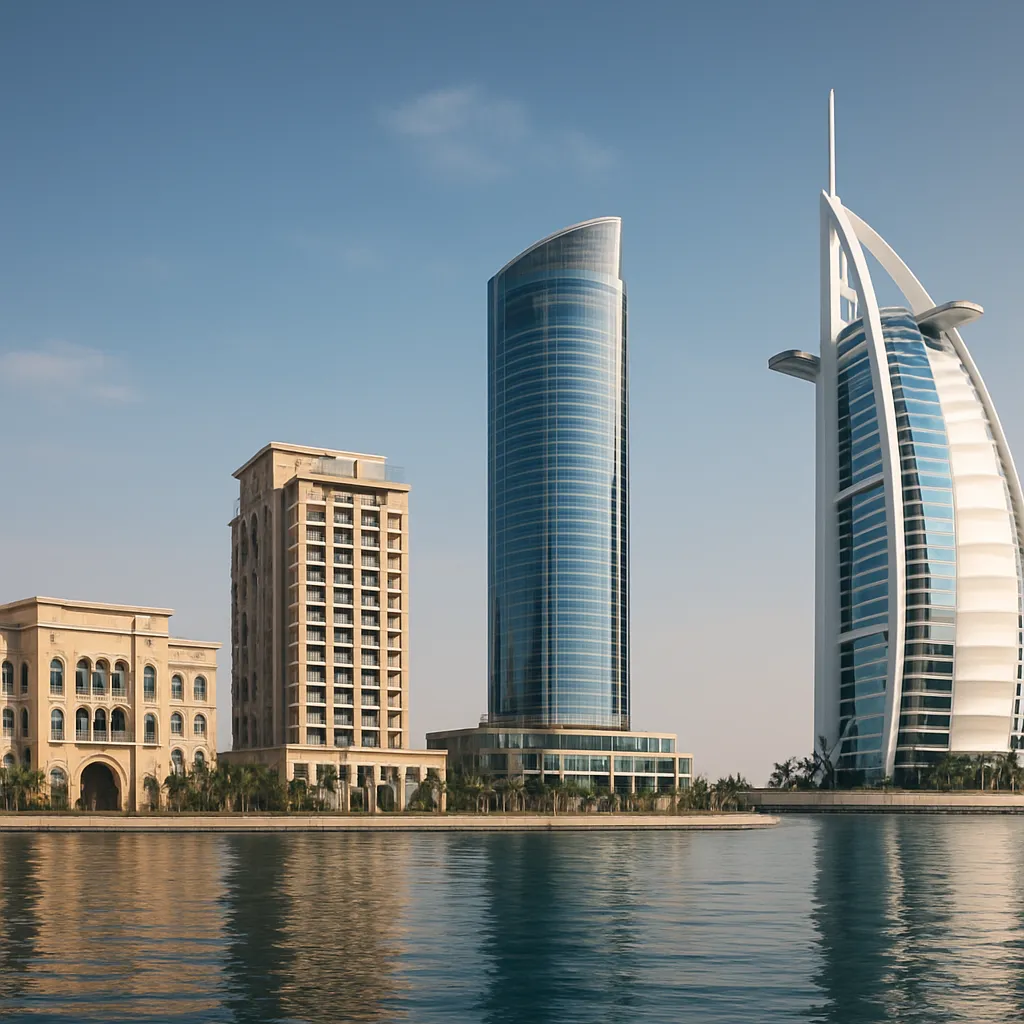
Dubai’s rapid metamorphosis from a modest trading port to a global architectural stage has captured the world’s imagination. This city, nestled on the edge of the Arabian Gulf, embarked on an ambitious journey of urban reinvention few could have predicted. Through a combination of strategic planning, bold investments, and an unyielding desire to surpass all expectations, Dubai has emerged as a magnet for the planet’s most celebrated architects. The results are structures of unmatched scale and creativity, each contributing to the emirate’s reputation for pushing the boundaries of the possible.
Origins of Dubai’s Architectural Ambitions
Long before the first stiletto hotels and megatowers graced its coastline, Dubai maintained a humble appearance of wind-tower houses and low-rise coral structures. However, the discovery of oil in the 1960s fueled an economic boom that catalyzed an appetite for innovation and transformation. The ruling Al Maktoum family envisioned a future where Dubai would rival global capitals in commerce, tourism, and culture. Their vision laid the groundwork for an urban renaissance that valued daring design and world-class infrastructure.
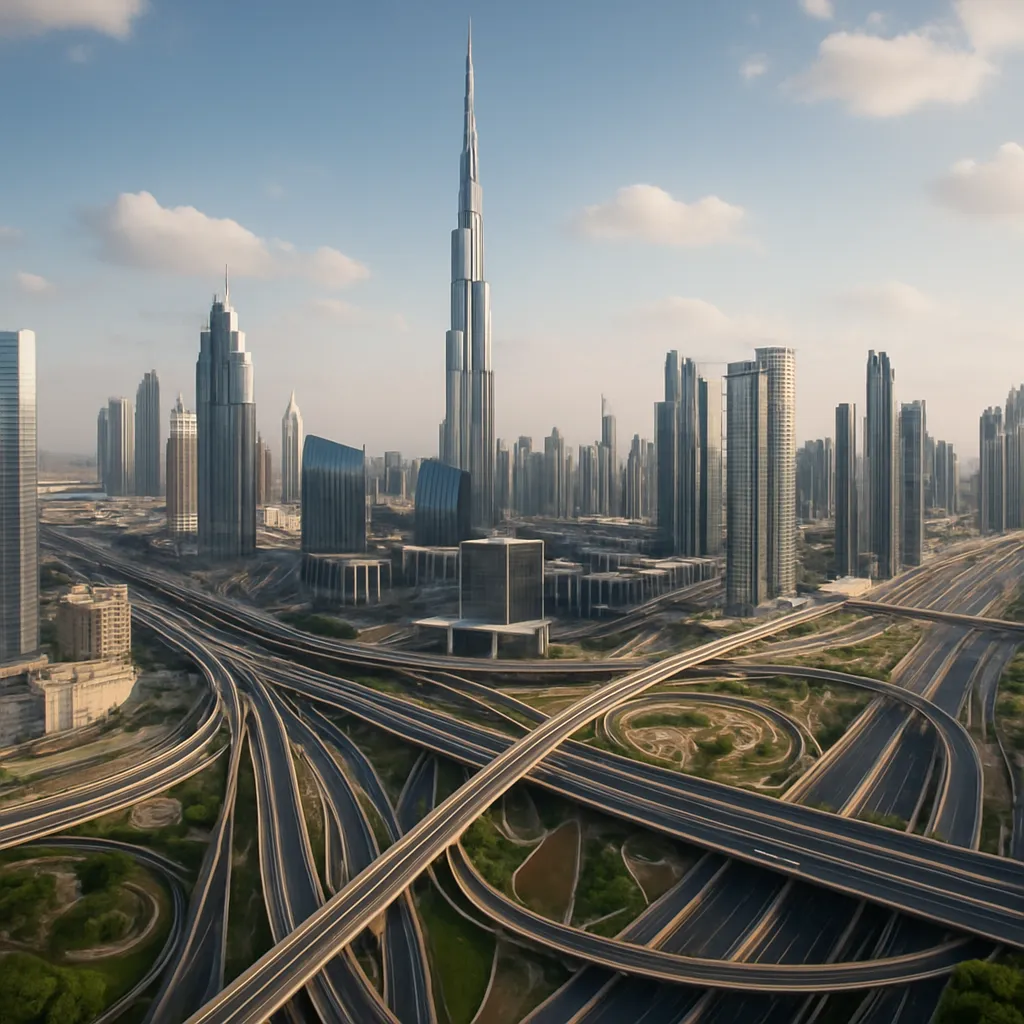
Urban planners and government bodies launched large-scale masterplans with a singular aim: to create an international metropolis. The creation of free trade zones, such as Jebel Ali, and state-of-the-art airports lured global investors. In tandem, the government courted star architects by offering lucrative commissions and extraordinary creative freedom. This approach turned Dubai into a proving ground for experimental forms and groundbreaking engineering solutions.
Another driving force behind the emirate’s appeal was the willingness to embrace emerging materials and construction techniques. From glass-facade skyscrapers to lightweight composite domes, each project was a testament to technological progress. As a result, Dubai’s skyline began to feature silhouettes that challenged gravity and redefined luxury living.
Iconic Projects and Star Architects
Burj Khalifa and Adrian Smith
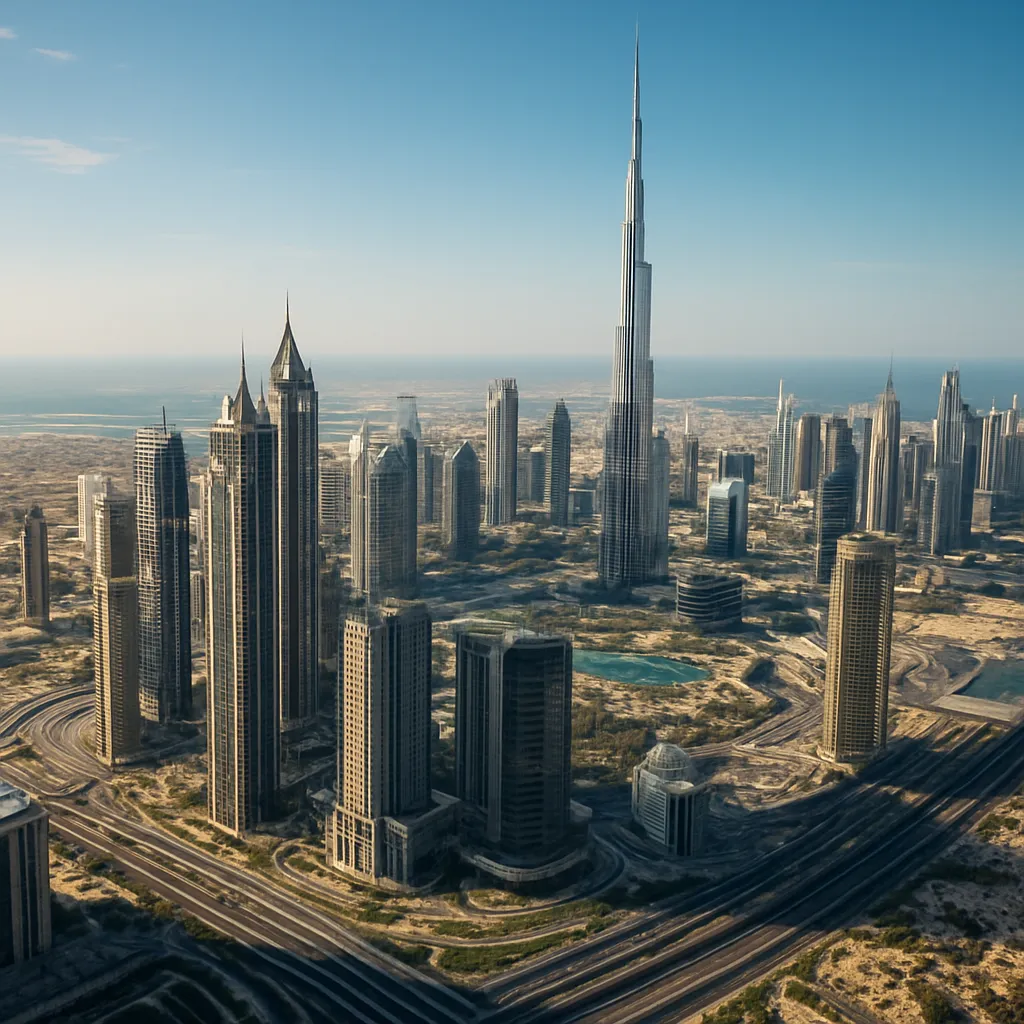
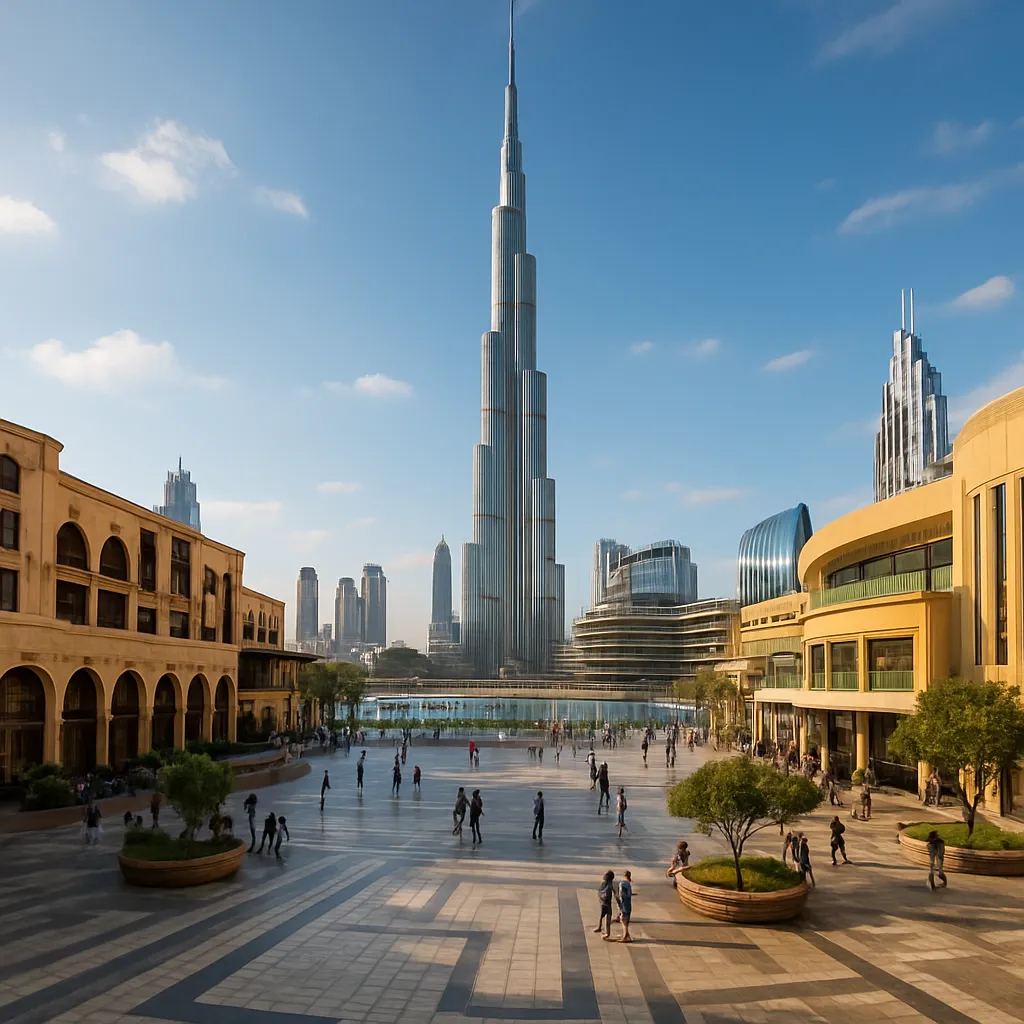
The name Burj Khalifa has become synonymous with architectural audacity. Designed by Adrian Smith during his tenure at Skidmore, Owings & Merrill, the tower soars to 828 meters, claiming the title of the world’s tallest building. Its stepped, spiraling form draws inspiration from the desert flower Hymenocallis and traditional Islamic architecture. Incorporating a high-performance glass façade and a buttressed core structure, the tower balances innovation with functional stability.
Beyond its record-breaking height, Burj Khalifa symbolizes Dubai’s hunger for global attention. It implemented a mixed-use program combining residential units, offices, and hotel accommodations. The comprehensive design fostered 24/7 vibrancy and transformed downtown Dubai into a bustling urban center, complete with fountains, gardens, and pedestrian promenades.
The Museum of the Future by Shaun Killa
Dubai’s cultural ambitions found a dramatic expression in the Museum of the Future. Conceived by the visionary architect Shaun Killa, this toroidal structure appears to float above the ground. Its stainless-steel façade is perforated with Arabic calligraphy that doubles as windows, creating a poetic interplay of light and shadow. The building’s zero-gravity design demanded advanced parametric modeling and precision engineering, reinforcing Dubai’s status as a hub for technological experimentation.
Inside, the museum unfolds as an immersive journey through speculative environments, each exploring the future of health, climate, and society. By aligning architectural prowess with interactive exhibits, the project underscores Dubai’s commitment to thought leadership and progressive collaboration across sectors.
The Dubai Opera District by Zaha Hadid Architects
Dubai Opera, located at the heart of the Opera District, represents the emirate’s dedication to the performing arts. Though the basic shell was developed by Janus Rostock, several public spaces and outlying amenities were designed by Zaha Hadid Architects, adding distinctive fluid lines and organic forms. The result is a cultural precinct where music, dance, and theater converge beneath gracefully contoured roofs and sweeping plazas.
The Opera District also features a cluster of mixed-use towers and pedestrian-friendly boulevards. This ensemble approach to urban design reflects a holistic ambition: to integrate culture, commerce, and residential life within a single, coherent environment. It serves as a testament to Dubai’s ambition to foster world-class luxury experiences within a human-scale setting.
Emerging Neighbourhoods and Cutting-Edge Masterplans
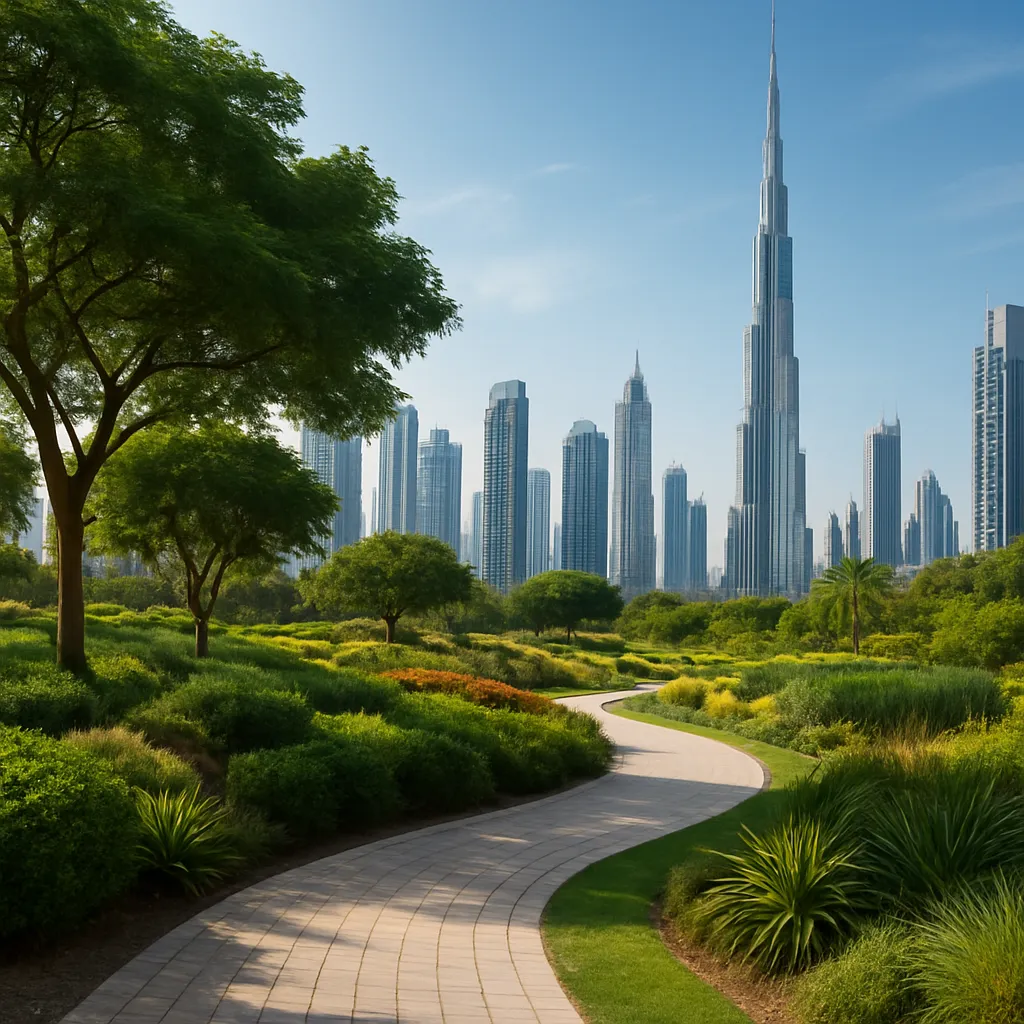
While flagship landmarks dominate international headlines, Dubai’s urban tapestry encompasses a variety of new neighbourhoods shaped by star-caliber talent. Districts such as Dubai Hills, City Walk, and The Sustainable City showcase high-density residential clusters interlaced with green corridors, cycling tracks, and local retail hubs. Leading architects and planners, from Foster + Partners to Aedas, have contributed visionary masterplans that emphasize walkability, community engagement, and ecological stewardship.
- Sustainable City: A pioneering project integrating solar power, recycled water, and zero-emission transport within a residential enclave.
- City Walk: A dynamic urban precinct combining retail, entertainment, and contemporary art installations along tree-lined avenues.
- Dubai Creek Harbour: A mega-development by Emaar and Foster + Partners that envisions new waterfront districts, a central park, and a future-ready transit network.
Each of these neighbourhoods highlights Dubai’s dual pursuit of modernity and environmental responsibility. They also underscore the emirate’s willingness to invest in large-scale urban ecosystems rather than isolated skyscrapers, reinforcing the notion that genuine global cities nurture both heritage and forward-thinking civic fabric.
Future Outlook, Sustainability, and Challenges
As Dubai’s ambition continues to grow, so do questions about sustainability and the city’s long-term environmental footprint. The region’s desert climate demands extensive air conditioning, water desalination, and energy consumption. In response, the government has launched initiatives such as the Dubai Clean Energy Strategy 2050, aiming to source 75% of its energy from renewables by mid-century.
Architects and developers are now integrating passive cooling strategies, green roofs, and solar shading into project designs. Powered by advances in material science—like phase-change walls and responsive facades—future buildings promise to consume less energy while enhancing occupant comfort. Dubai’s aspiration to host the World Expo and nurture a knowledge-based economy further incentivizes experimentation in circular economy principles and carbon-neutral construction methods.
However, the rapid pace of expansion also poses social and logistical challenges. Affordable housing, public transportation capacity, and heritage preservation require careful planning. Authorities are exploring collaboration with international agencies and local communities to ensure balanced growth that benefits all residents, from long-time Emiratis to the vast expatriate workforce.
Conclusion: An Ongoing Architectural Odyssey
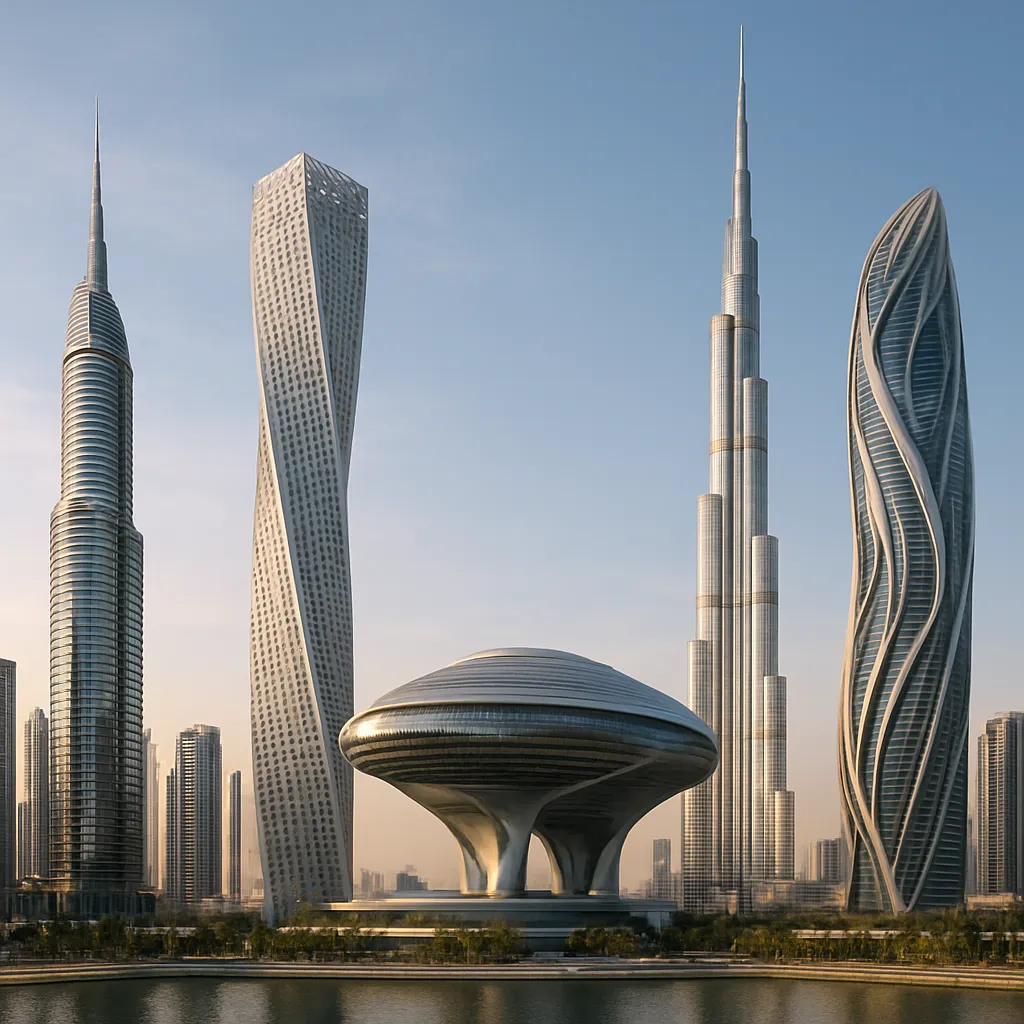
Dubai’s skyline stands as a living chronicle of architectural ambition. From the record-shattering heights of the Burj Khalifa to the poetic forms of the Museum of the Future, each project reflects a city determined to reimagine what is possible. While the coming decades will test the emirate’s resilience in the face of climate and demographic pressures, Dubai’s track record suggests it will continue to enlist world-class talent in pursuit of ever more daring horizons. In doing so, the city remains a global megastructure of architectural exploration, an ever-evolving canvas where creativity meets engineering mastery.