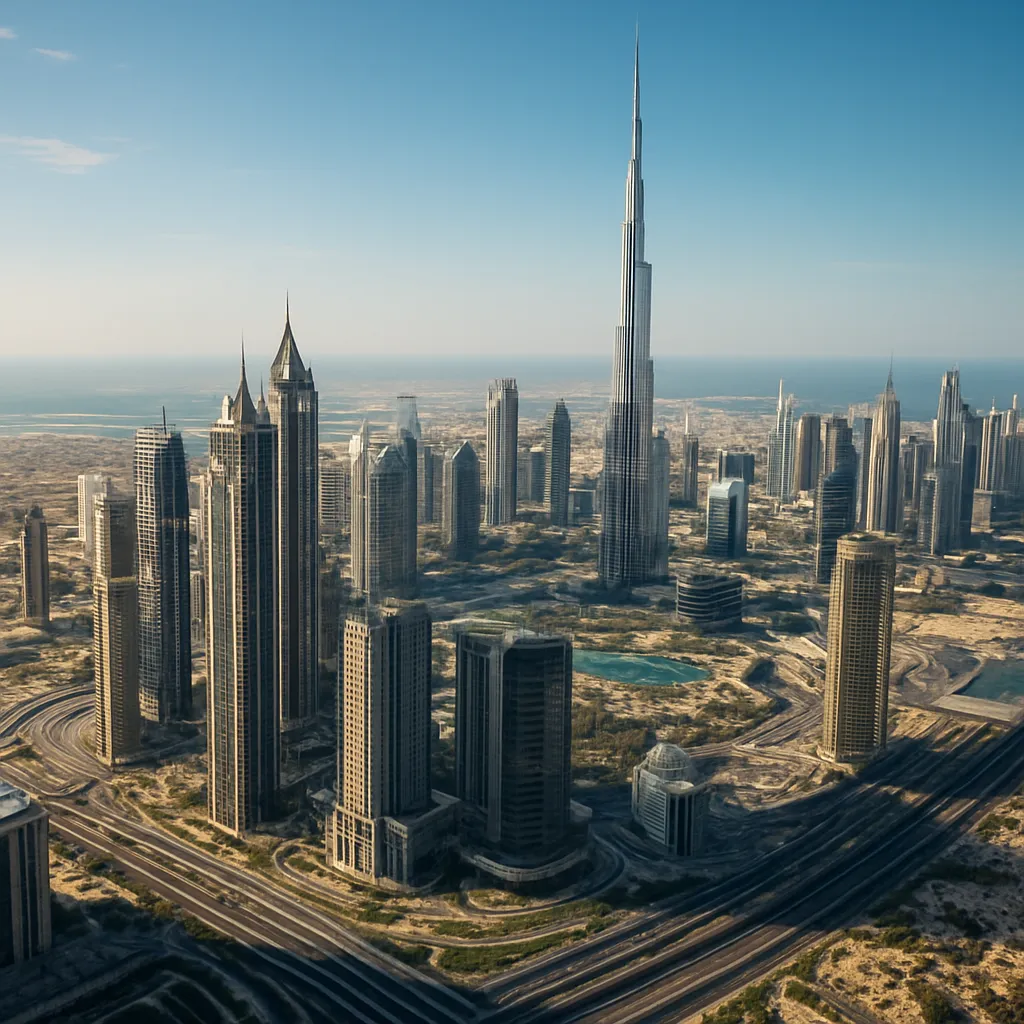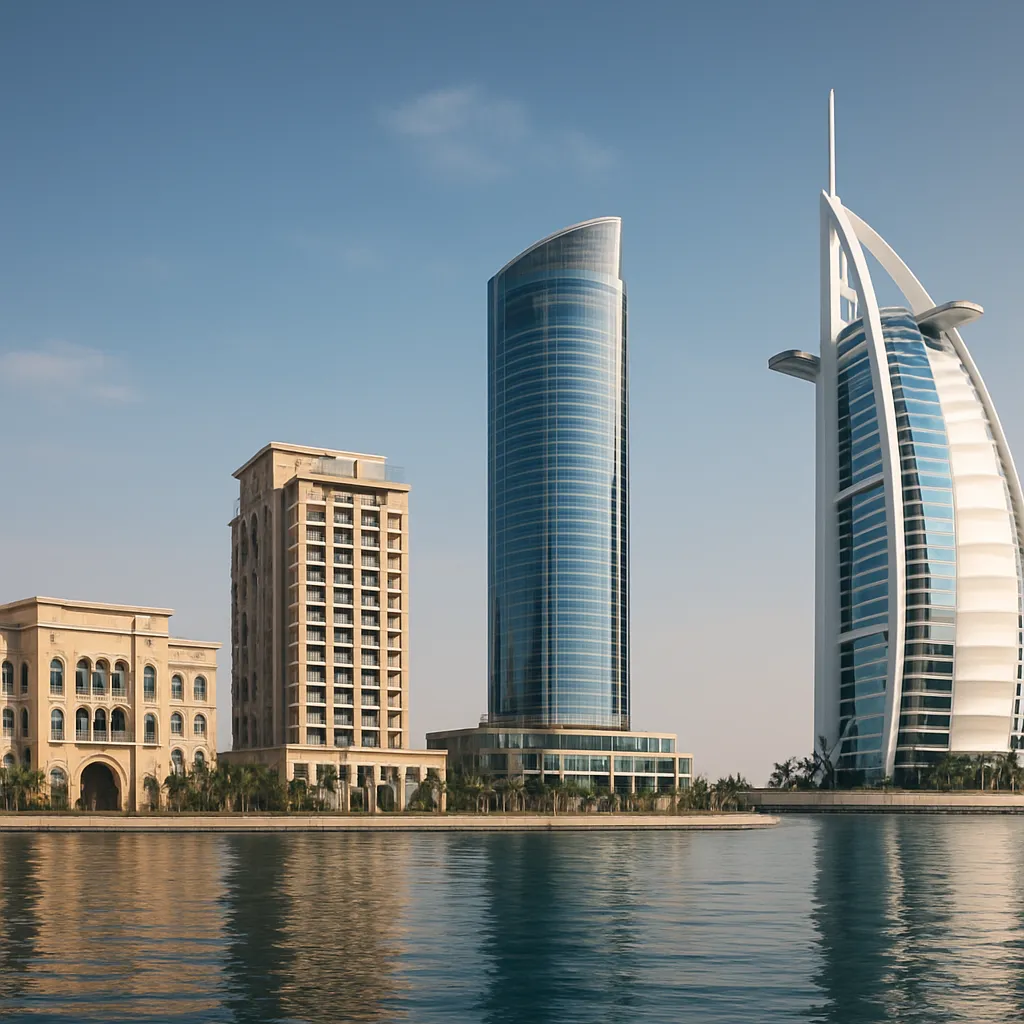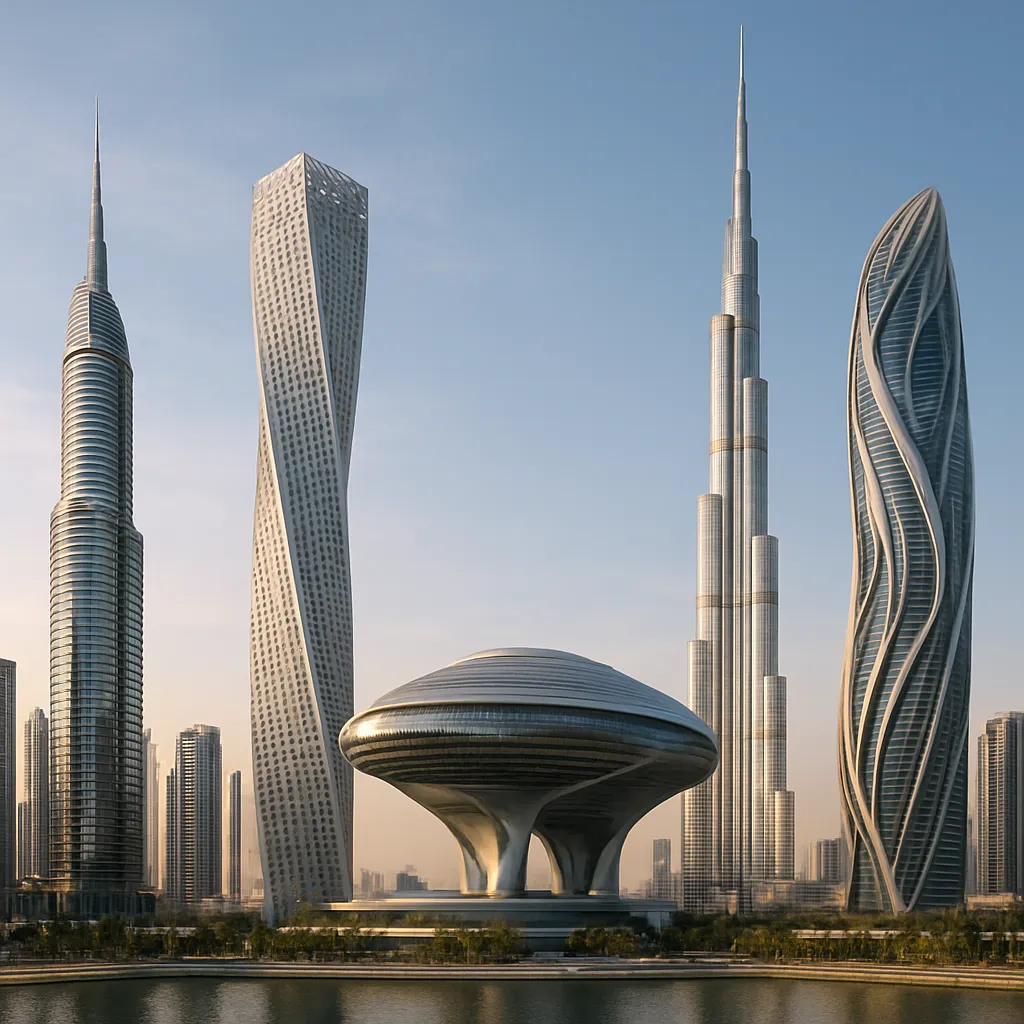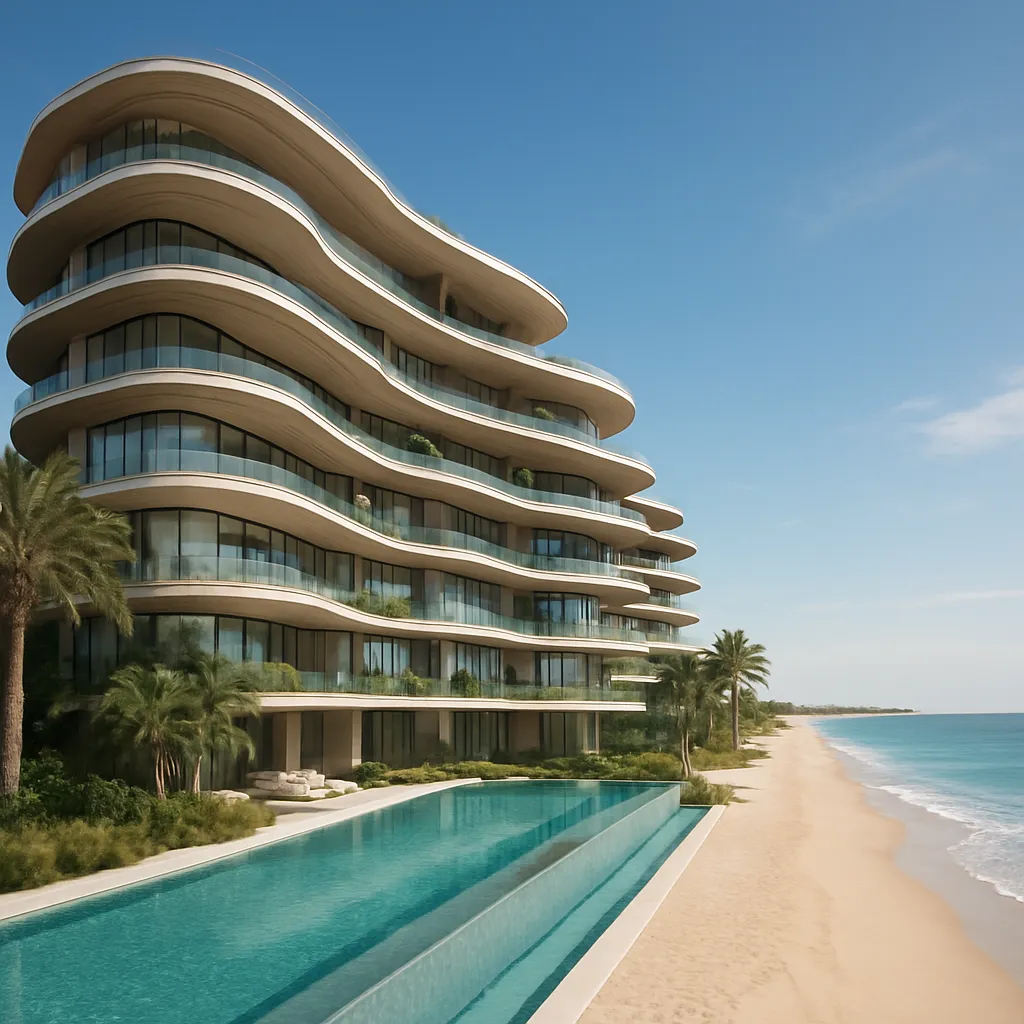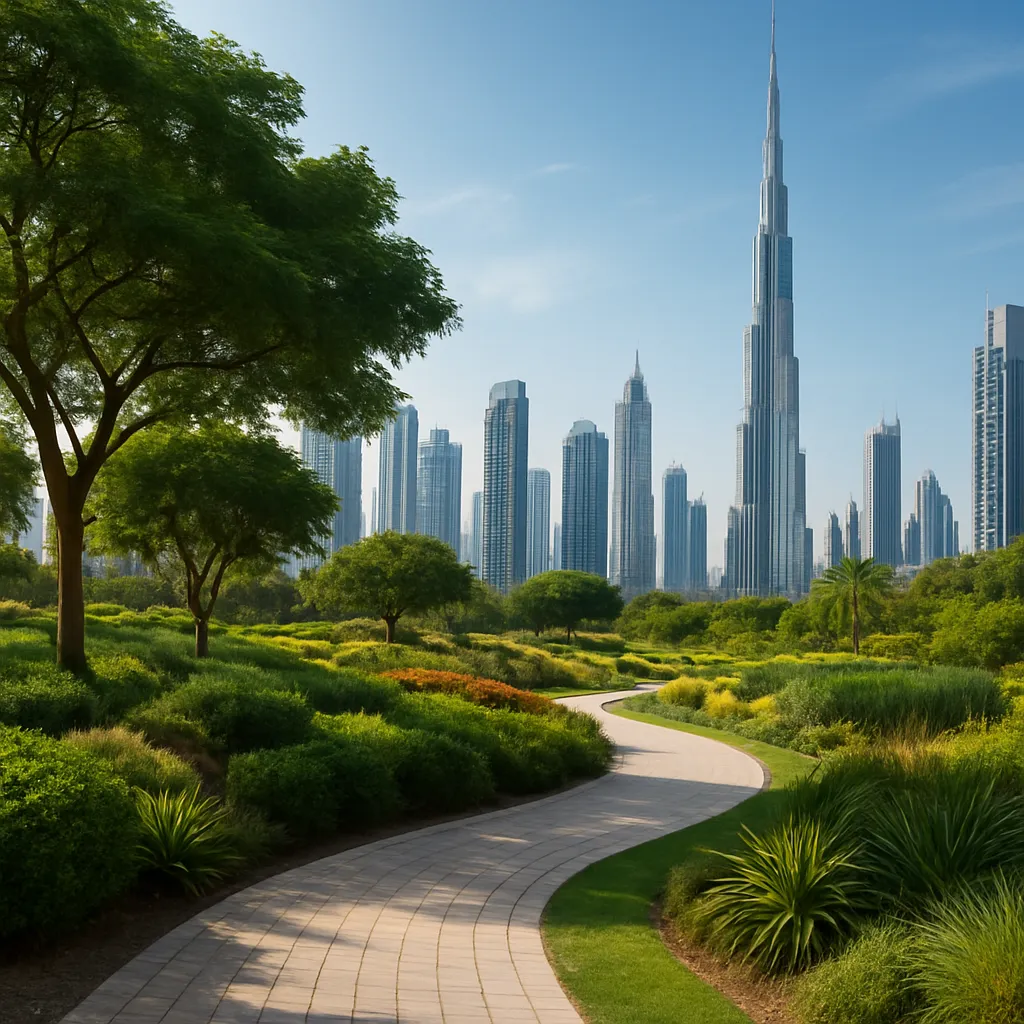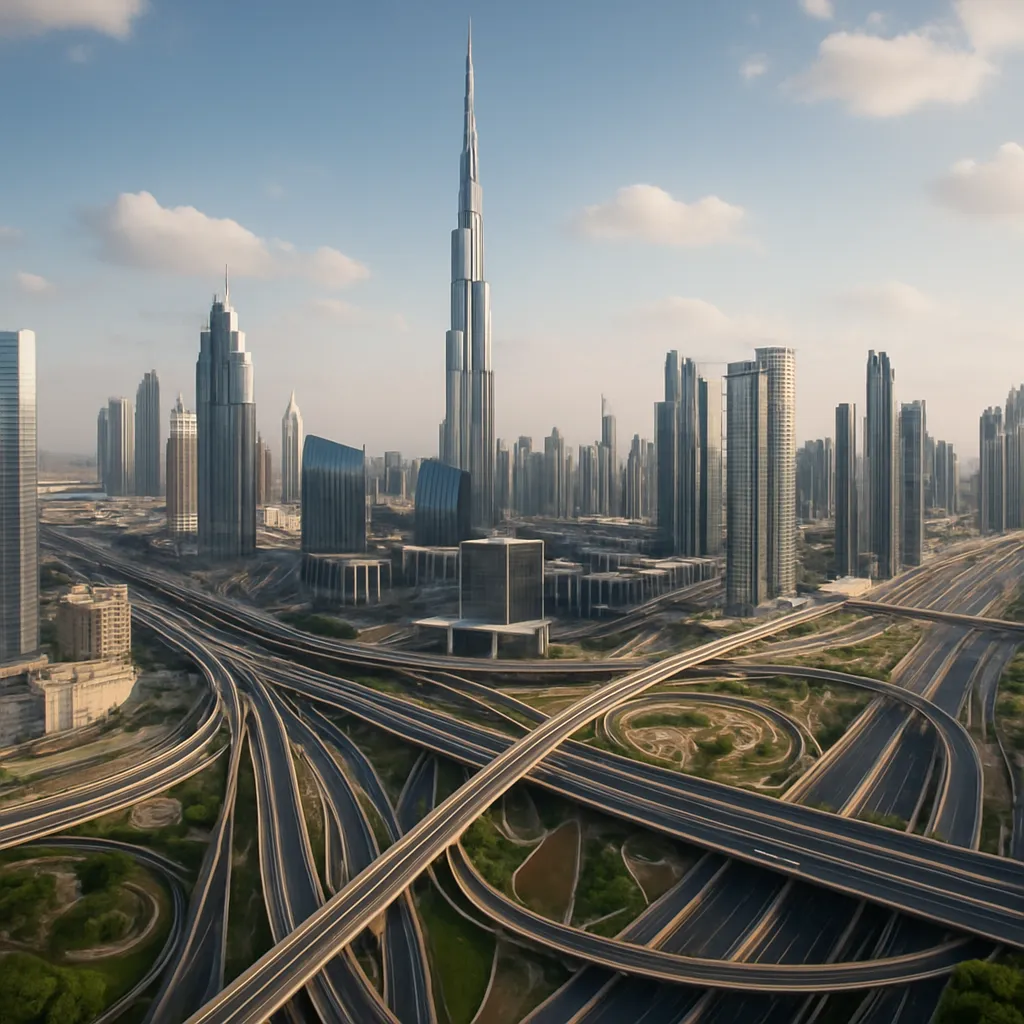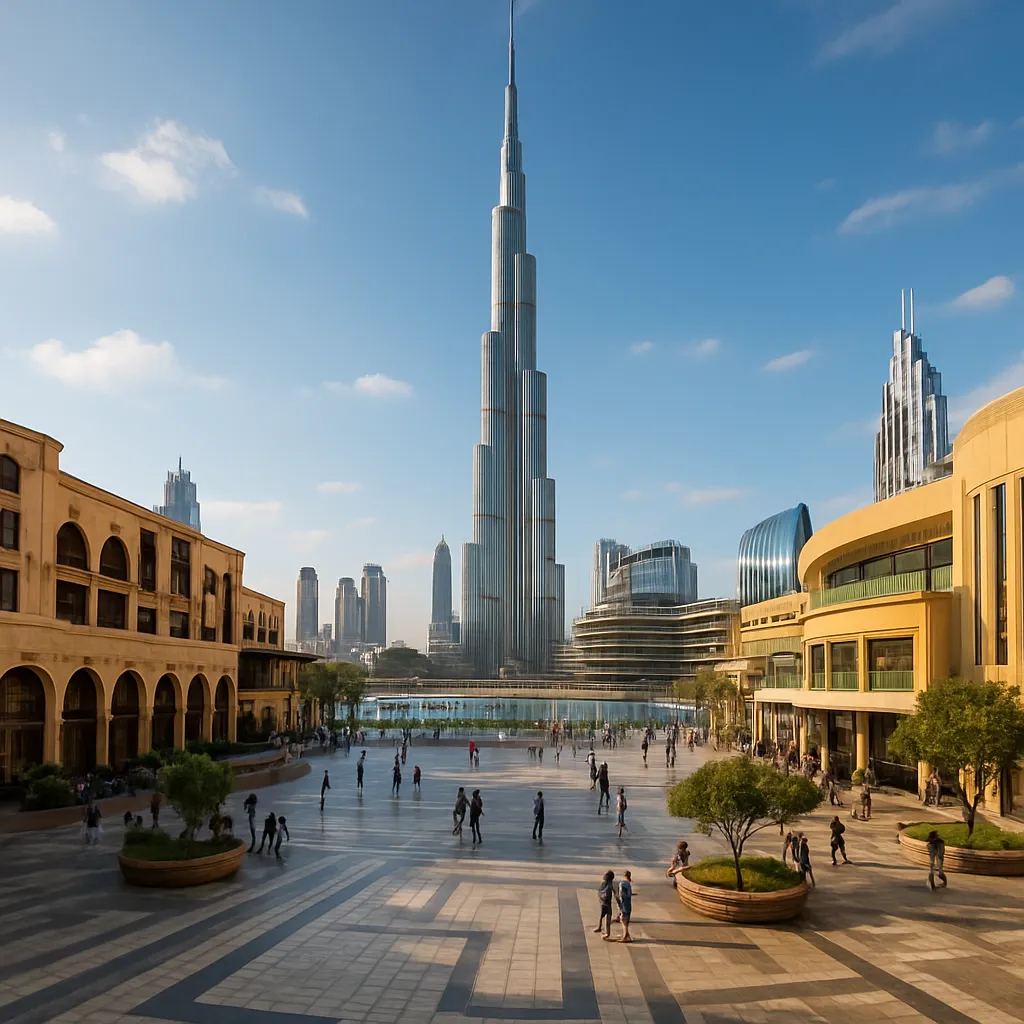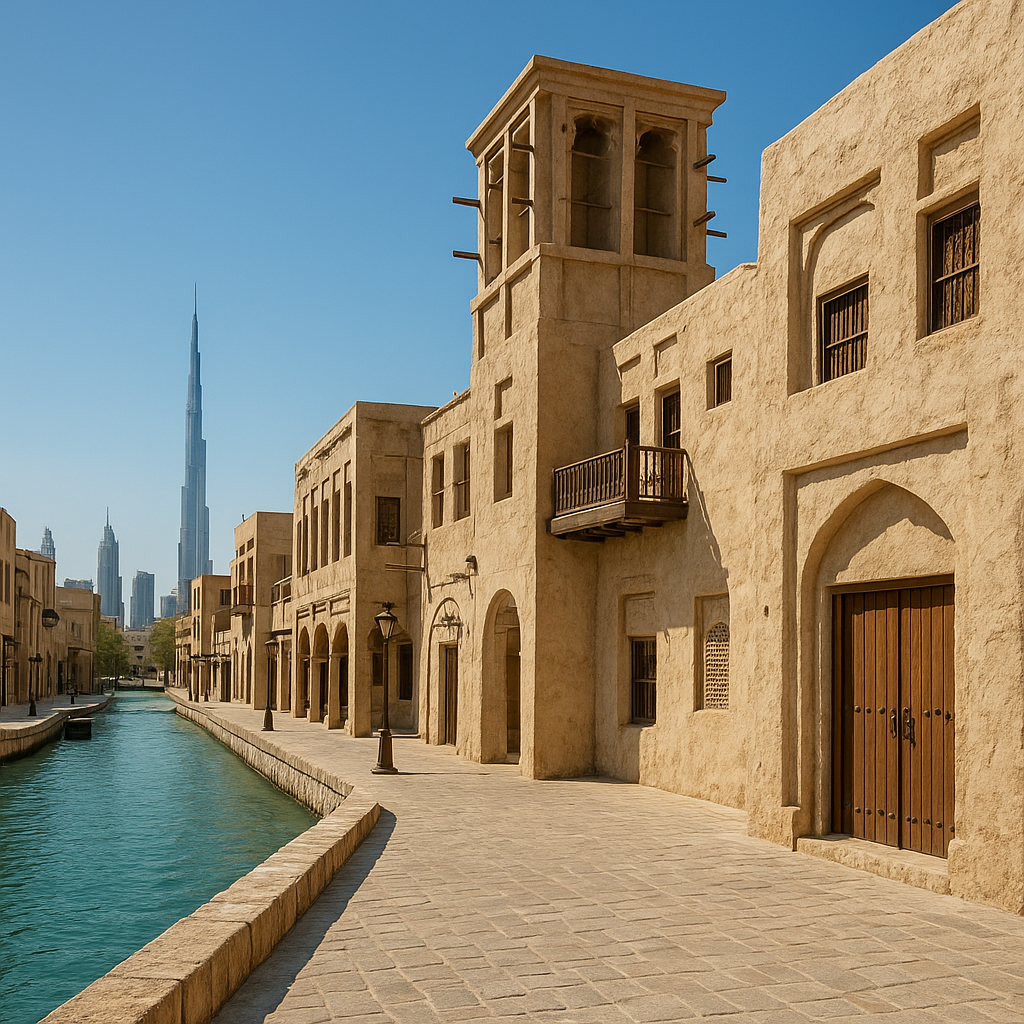
Nestled along the banks of the historic Dubai Creek, the Al Seef District offers a captivating fusion of past and present. This vibrant quarter showcases a harmonious blend of **heritage** architecture and modern design, inviting visitors to wander through winding alleys, admire traditional wind towers, and marvel at sleek contemporary facades. By seamlessly integrating **historical** structures with innovative developments, Al Seef has become a living canvas that tells the story of Dubai’s rapid transformation while preserving its cultural **identity**.
Historical Context and Restoration Efforts
The roots of Al Seef trace back to old Dubai, when the creek was the lifeblood of trade and community activity. Fishermen, pearling merchants, and dhow captains populated the area, constructing simple wind-tower houses crafted from **coral** stone, gypsum, and teak. These iconic wind towers, or barjeel, functioned as natural air conditioners, drawing cool air down into living spaces.
- Authenticity in design: Craftsmen employed traditional techniques to shape coral blocks and set wooden beams.
- Preservation practices: Restoration teams carefully dismantled and reconstructed original structures to maintain integrity.
- Revitalization projects: Grants and partnerships supported local artisans, ensuring heritage skills thrived.
Over the past decade, the Dubai Municipality has spearheaded an ambitious restoration initiative, cataloging each historic element and replicating original building methods. These efforts have resulted in a district that stands as a **tribute** to the past, offering an immersive experience where visitors can explore narrow lanes, restored merchant houses, and hidden courtyards. Through the lens of Al Seef, one can witness Dubai’s commitment to safeguarding its architectural **legacy**.
Contemporary Architectural Marvels
While the lower promenades and traditional souks of Al Seef exude nostalgia, the skyline above bristles with **innovation**. Glass-clad towers and sleek boutiques complement the traditional low-rise buildings, creating a dynamic interplay between old and new. Architects have drawn inspiration from regional motifs—such as geometric Mashrabiya screens—infusing them into modern podiums and high-rise structures.
- Design philosophy: Emphasis on blending vernacular aesthetics with cutting-edge materials.
- Engineering feats: Cantilevered overhangs and double-skin facades reduce solar gain while maximizing views of the creek.
- Sustainability measures: Rooftop photovoltaic arrays and water recycling systems reflect Dubai’s green building commitments.
Notable developments include the Al Seef Marina Residences, where each apartment features sweeping terraces overlooking the water. Inside the district’s cultural center, interactive installations utilize augmented reality to showcase the evolution of Dubai’s **skyline**. Lighting designers have also played a crucial role, illuminating key facades with subtle LED accents that accentuate both traditional arches and modern lines after dusk.
The Waterfront Promenade and Public Spaces
Strolling along the Al Seef promenade, one encounters an enchanting series of public **attractions**: waterfront cafes tucked beneath date palms, art galleries showcasing Emirati painters, and lively souks offering spices, textiles, and handcrafted souvenirs. The careful placement of seating alcoves and shaded pavilions encourages leisurely exploration.
- Waterfront ambiance: Wooden boardwalks trace the creek’s edge, creating a tranquil setting for sunset views.
- Promenade features: Decorative water fountains and sculptural installations lend visual interest.
- Tourism boost: River taxis and traditional abras ferry guests between Al Seef and neighboring districts like Al Fahidi.
In several pocket gardens, indigenous plants like ghaf trees and desert shrubs thrive in raised planters, softening the hardscape and reinforcing a connection to the natural environment. Weekend markets transform sections of the promenade into vibrant hubs of commerce, while street performers and cultural events animate the district year-round. This dynamic public realm underscores how thoughtful planning can foster both **community** engagement and economic vitality.
Cultural Significance and Community Impact
Beyond aesthetics, Al Seef District serves as a focal point for cultural exchange and heritage education. Interactive museums housed in restored merchant dwellings allow visitors to handle traditional tools, don period attire, and witness live demonstrations of pottery, weaving, and pearl diving. Educational programs organized by local schools leverage the district’s resources to teach students about **Dubai’s** maritime past and architectural traditions.
- Cultural workshops: Calligraphy sessions, folk dance performances, and culinary classes spotlight Emirati customs.
- Social initiatives: Community-driven clean-up campaigns ensure the creek remains pristine for ducks, herons, and other wildlife.
- Vibrancy enhancement: Seasonal festivals, such as the Creekside Lantern Festival, draw families and art enthusiasts alike.
Residents and local business owners alike cherish Al Seef as more than a tourist destination—it is a living neighborhood where heritage and **modernity** coalesce. Through ongoing collaborations between government bodies, private developers, and civic groups, the district continues to evolve, setting a global benchmark for integrating cultural preservation with forward-looking urban design.