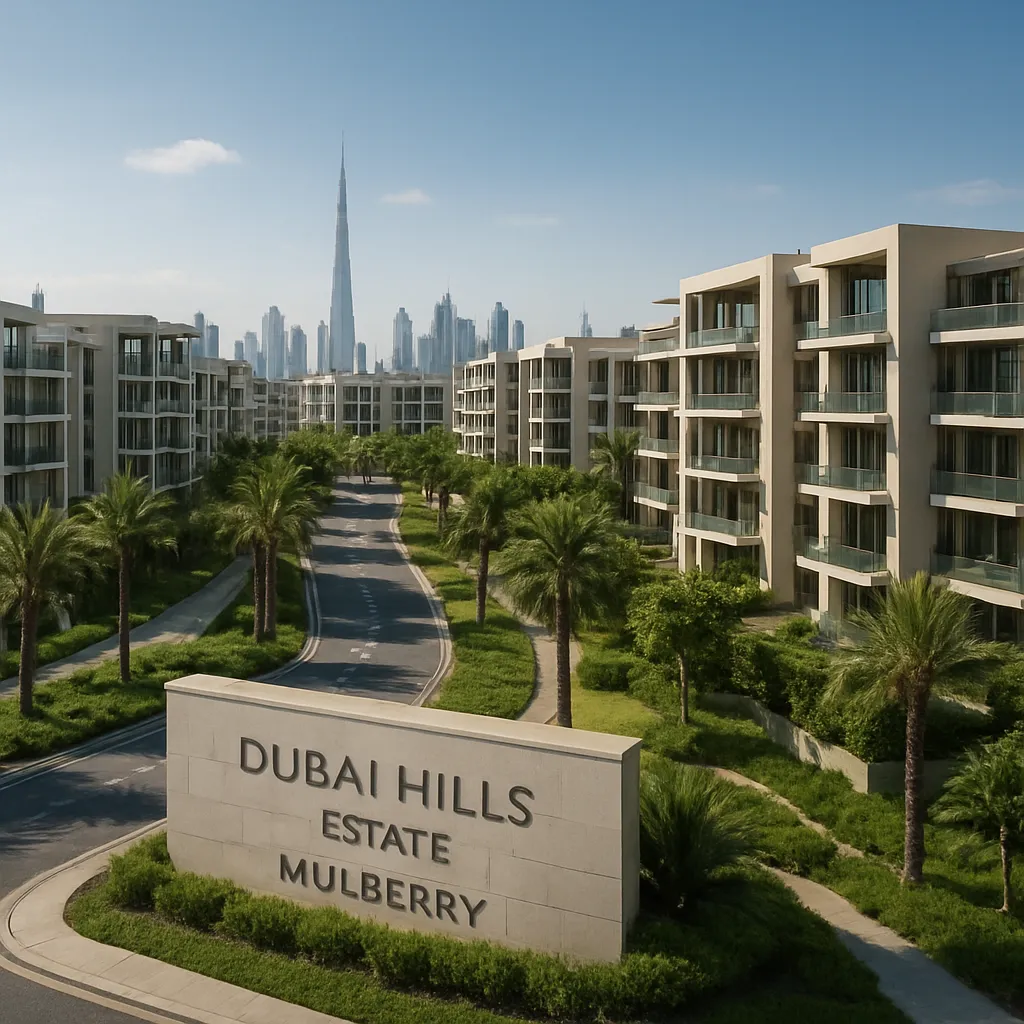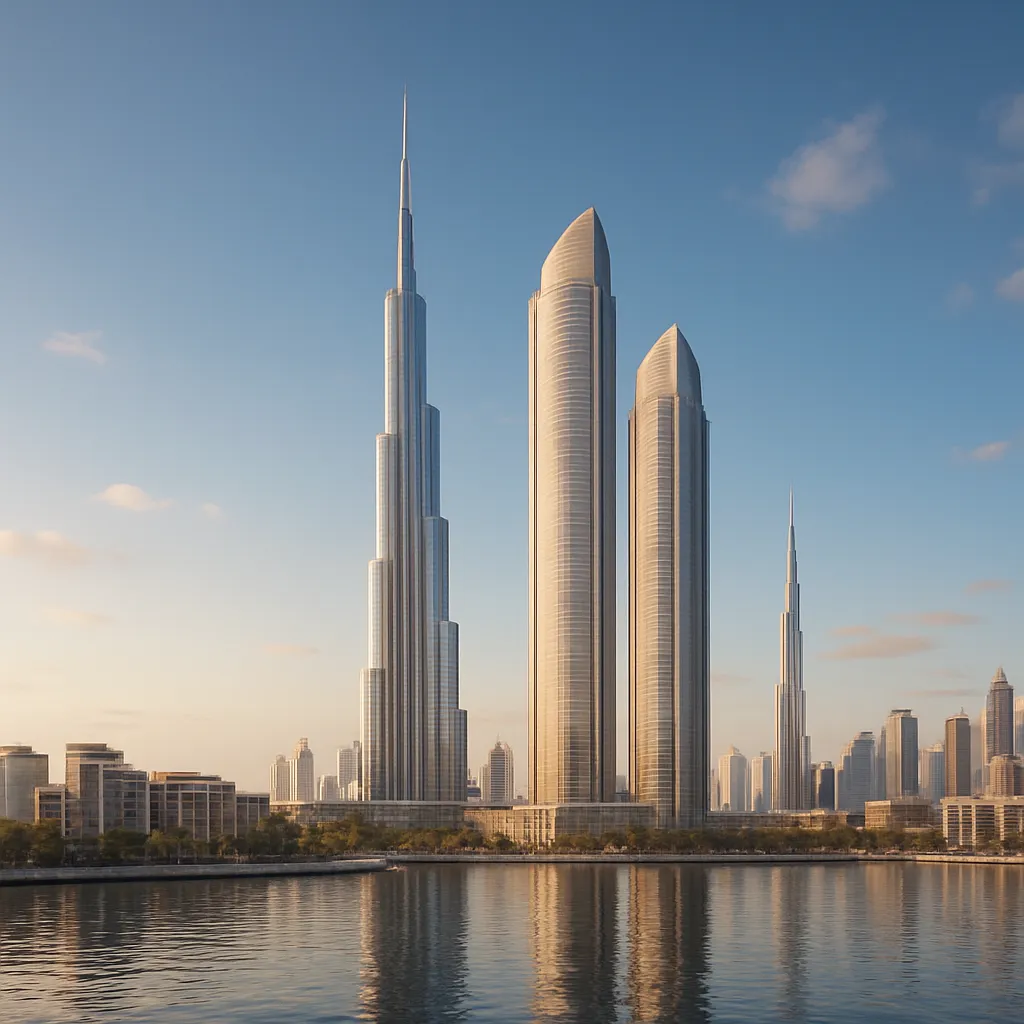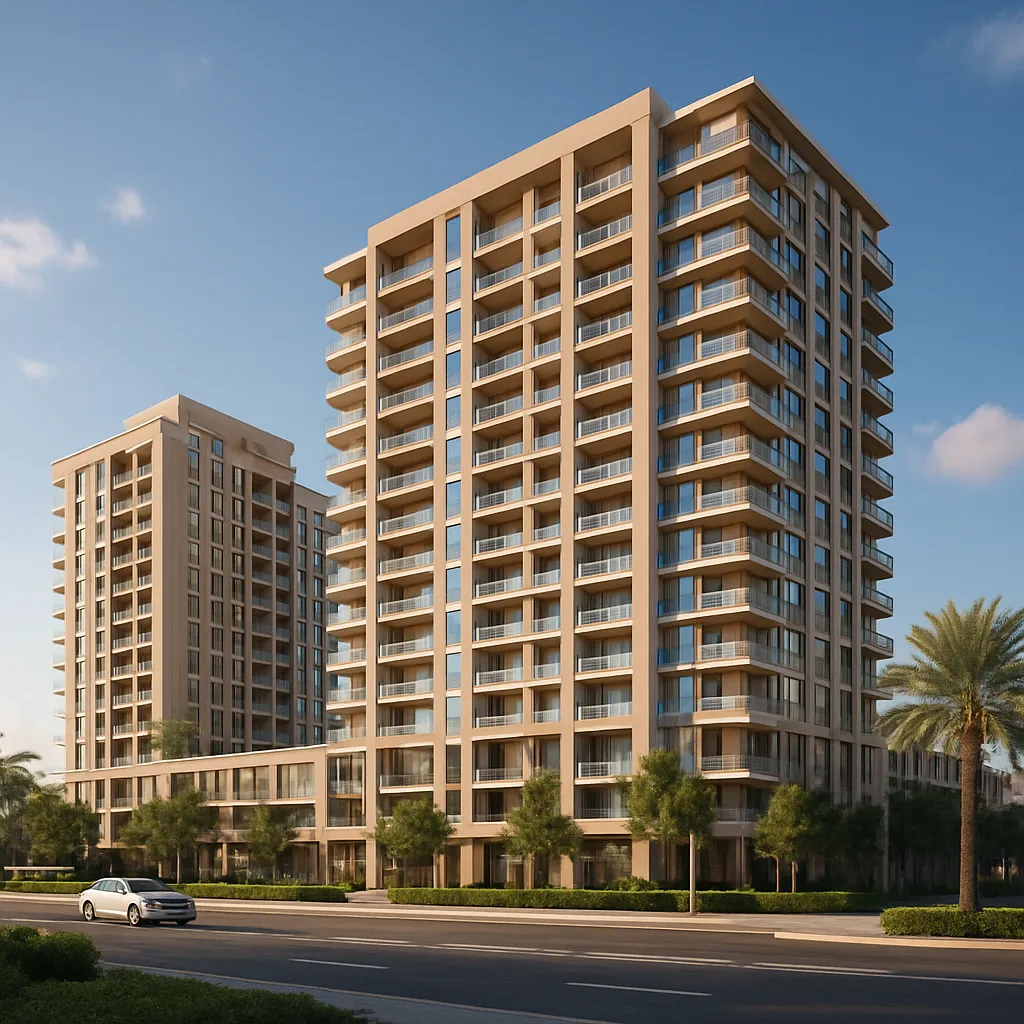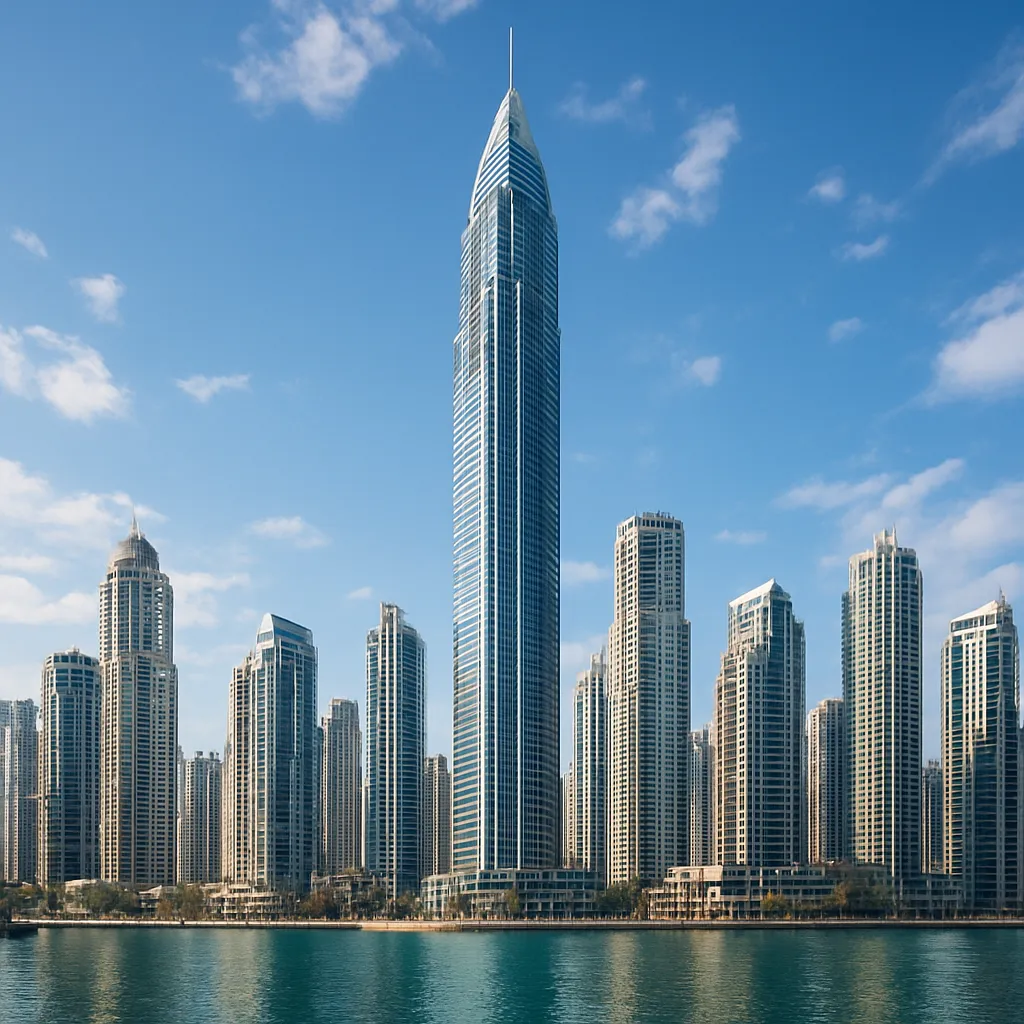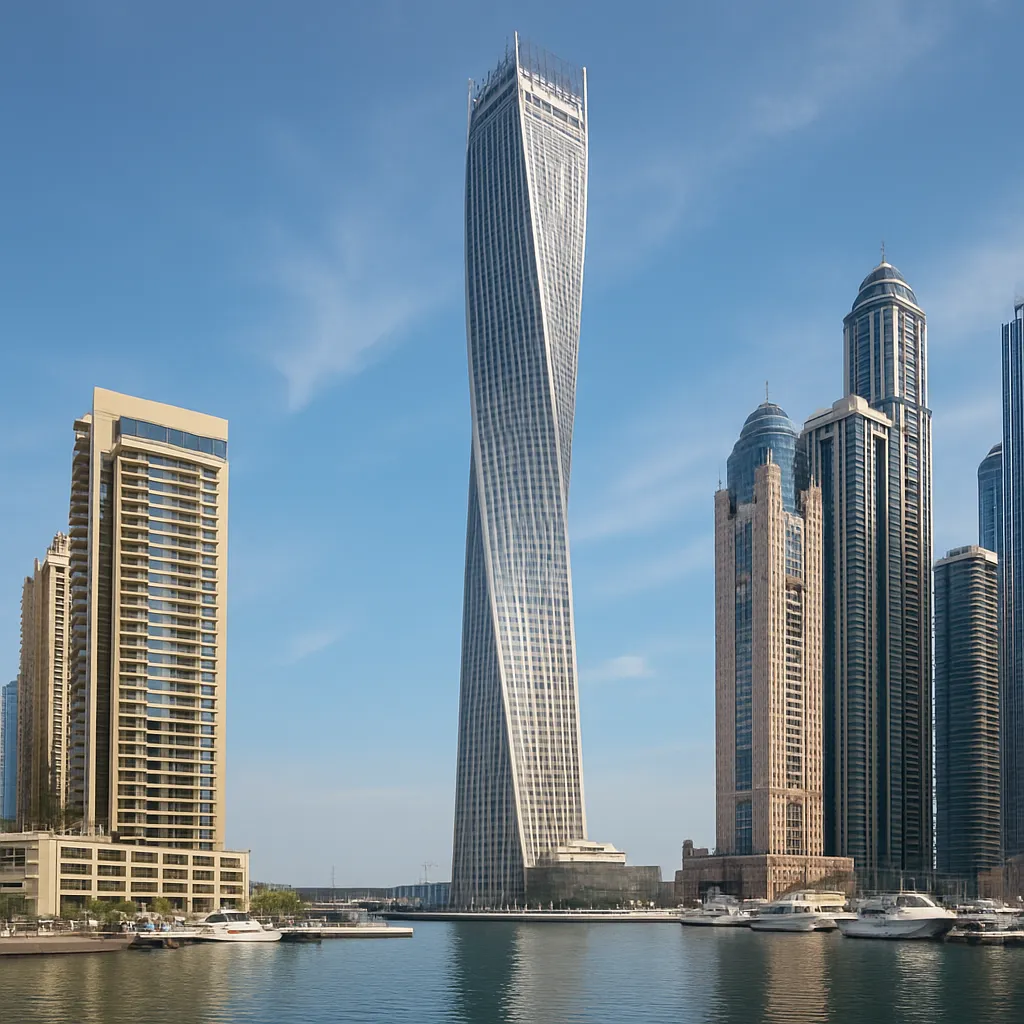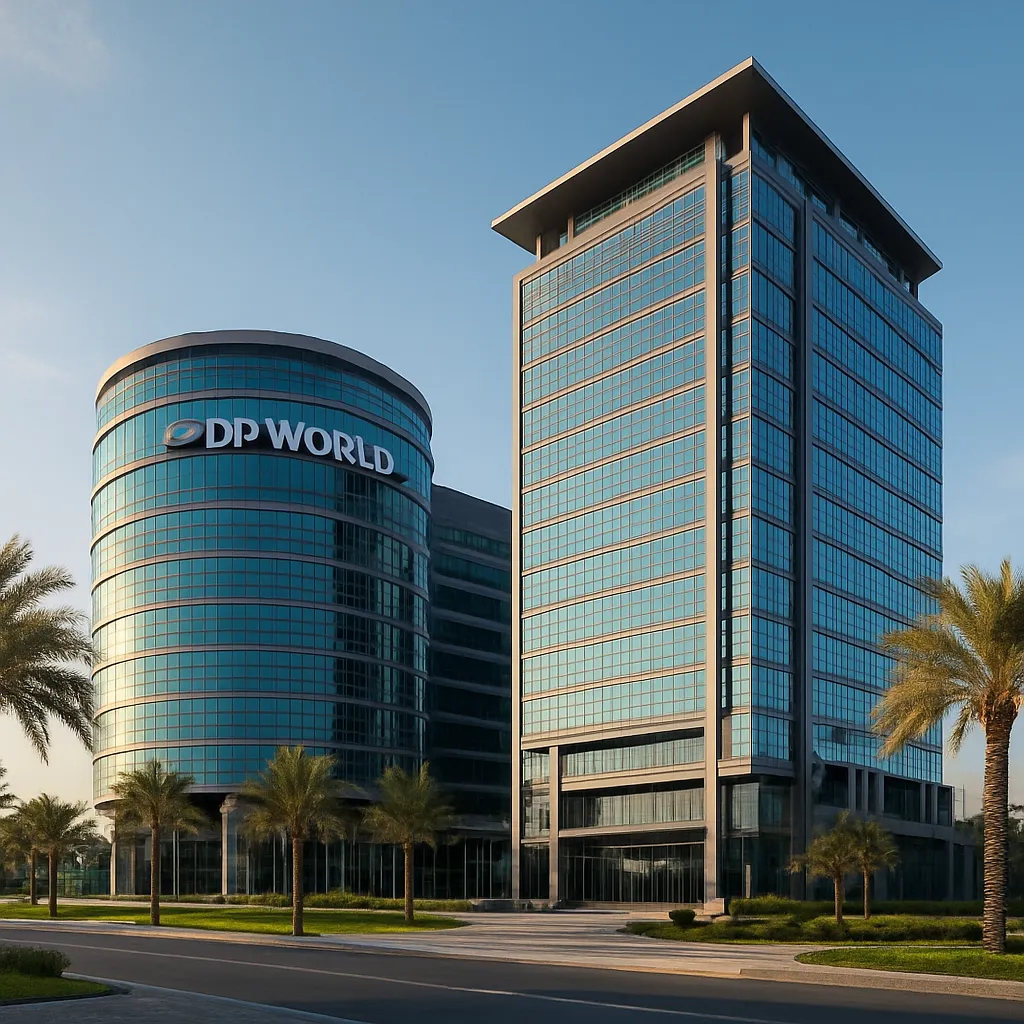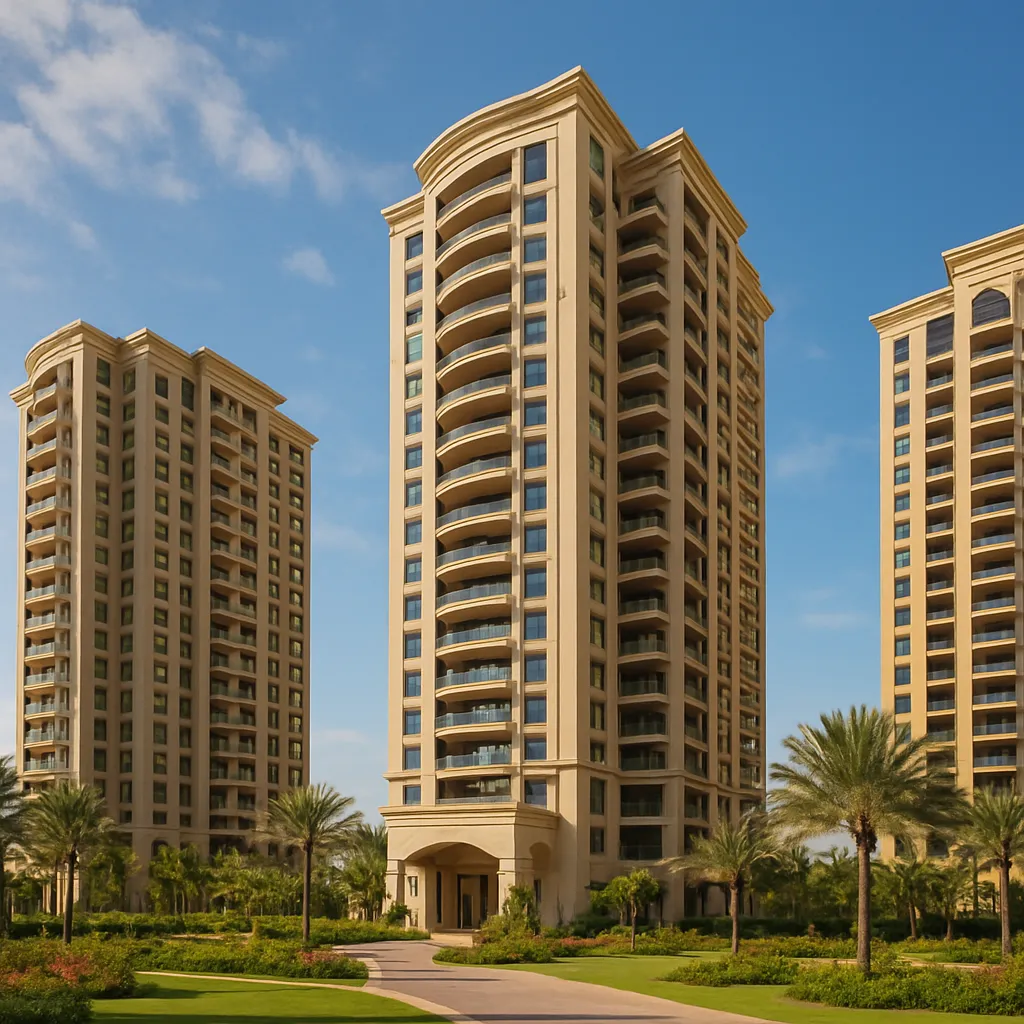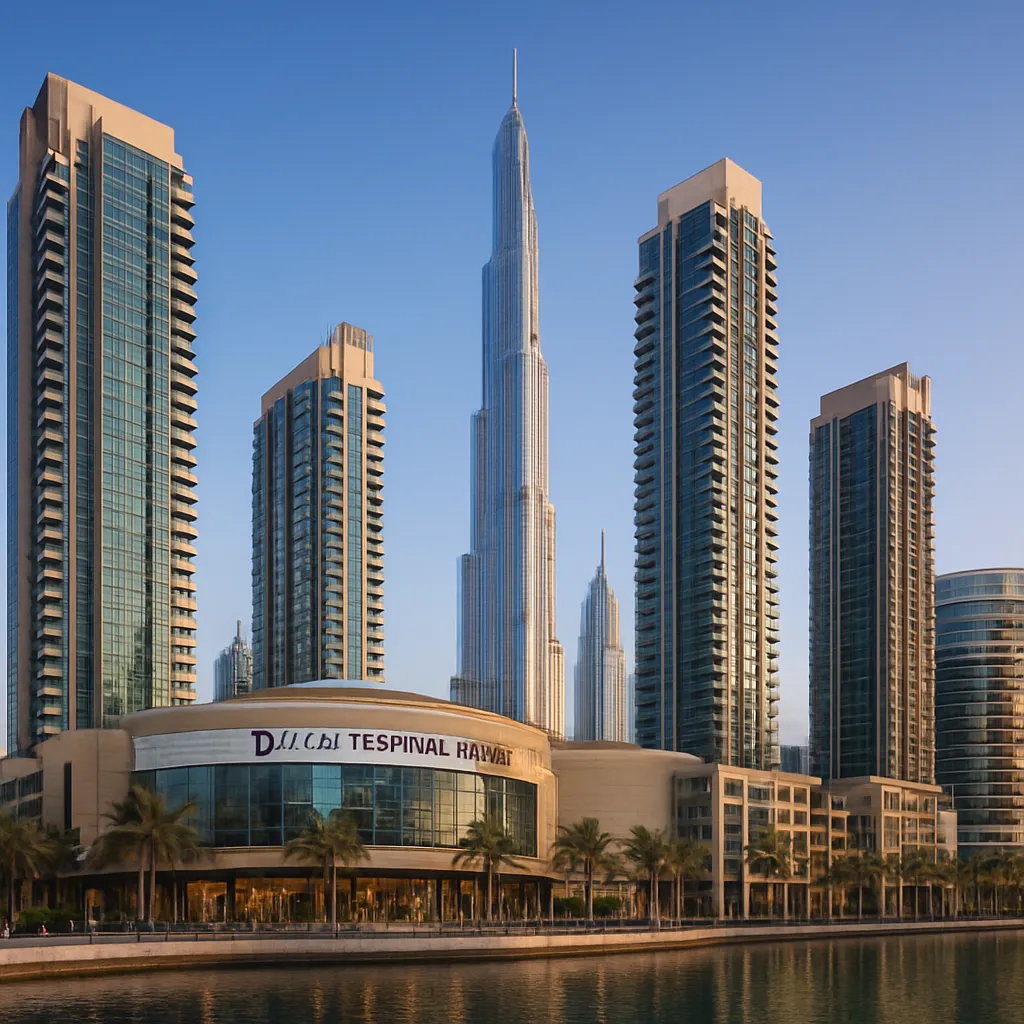
Dubai Festival City is a prominent mixed-use development on the banks of Dubai Creek that combines retail, hospitality, residential and entertainment elements into a single, vibrant urban cluster. At the heart of this precinct is the Dubai Festival City Mall and its surrounding complex often referred to as Festival Plaza or Festival City buildings, a destination that attracts residents and visitors alike for shopping, dining, hotels and spectacular waterfront experiences. This article explores the location, architecture, major attractions, and interesting facts about the buildings in Dubai Festival City, offering context, statistics where available, and practical insights for anyone wanting to learn more about this distinctive urban project.
Location and Masterplan
Dubai Festival City sits along the eastern banks of the historic Dubai Creek, offering sweeping views across the water to the older districts of Deira and the business districts beyond. The development is the flagship mixed-use project of the Al-Futtaim Group and is strategically placed close to Dubai International Airport and major arterial roads such as Sheikh Rashid Road (E11). Its location provides excellent accessibility for international visitors arriving at the airport, as well as for residents commuting within the emirate.
The masterplan for Dubai Festival City was conceived as an integrated community combining residential neighborhoods, commercial towers, hospitality, a large retail mall, and a memorable waterfront leisure zone known as Festival Bay. The design intent has been to create a destination that marries modern urban conveniences with a scenic creekside setting, offering both day‑to‑day amenities and large-scale experiential attractions. The complex is often described as a true mixed-use development: retail, offices, hotels and homes are woven together around public spaces, promenades and leisure facilities.
History and Development
The Dubai Festival City project was launched by the Al-Futtaim Group and developed progressively over the 2000s and 2010s. Its development reflected Dubai’s ambition to diversify urban offerings and create high-quality, integrated districts that appeal to global visitors and local residents. Over the years the Festival City precinct has grown to include flagship commercial spaces, international hotels, and waterfront promenades that host cultural and entertainment events.
Timeline and milestones
- Initial masterplan and early construction began in the first decade of the 2000s as part of Dubai’s expansion initiatives.
- Major retail and hospitality components opened in stages throughout the mid-to-late 2000s and early 2010s, gradually establishing the district as a leisure and lifestyle destination.
- The waterfront entertainment program, anchored by Festival Bay and the IMAGINE show, became a signature attraction that elevated the profile of the development.
Although the complex evolved incrementally, each phase was designed to build on the waterfront experience. The result is a cohesive urban quarter where architecture, retail and public realm combine to create a recognizable identity on the creek.
Architecture and Urban Design
The architecture of the Dubai Festival City buildings favors a contemporary, functional aesthetic tailored to the region’s climate and lifestyle. Buildings are oriented to take advantage of creek views and breezes, while courtyards, shaded promenades and covered walkways improve pedestrian comfort. The overall urban design emphasizes a clear distinction between public and private spaces: lively retail and entertainment zones face the waterfront, while residential enclaves are tucked behind with secure access and landscaped buffers.
Key design features
- Waterfront promenade: A primary organizing element that gives the complex its identity, supporting restaurants, cafés and outdoor seating.
- Public piazzas and plazas: Designed to host events, markets and cultural programming that activate the urban fabric.
- Integrated parking and transport: Multi-level parking and transport links are integrated to ensure easy access without compromising pedestrian spaces.
Material choices for the buildings typically feature glazed facades, stone cladding and metal accents to present a modern yet durable finish suitable for the desert climate. Landscaping employs drought-tolerant species and shaded planting to create microclimates around pedestrian routes.
Major Components and Uses
Dubai Festival City buildings include a broad range of uses. Below are the primary components that define the precinct.
Retail and Dubai Festival City Mall
The retail heart of the precinct is the Dubai Festival City Mall, a large shopping centre offering a mixture of international brands, lifestyle stores, supermarkets and family-oriented leisure options. The mall serves as the main attraction for local shoppers as well as tourists staying in adjacent hotels. Retail offerings are complemented by seating areas, children’s play zones and seasonal events which make the complex lively beyond ordinary shopping hours.
Hotels and Hospitality
Festival City is home to several major hotels that cater to different audiences. The presence of internationally branded hotels provides visitors with a full-service hospitality experience close to the waterfront and the mall. These hotels are often chosen by business travelers and tourists seeking proximity to Dubai’s airport and central business districts.
Residential Towers and Apartments
Residential buildings in Festival City include tower apartments and gated communities providing residents with waterfront or city views. These accommodations are integrated with onsite amenities such as fitness centres, swimming pools and nearby retail to support a self-sufficient neighborhood lifestyle.
Offices and Commercial Spaces
Commercial and office buildings within the precinct accommodate corporate tenants and local businesses, benefiting from the development’s comprehensive infrastructure, transport links and proximity to retail and hospitality services.
Festival Bay and the IMAGINE Show
One of the defining public attractions in Festival City is Festival Bay, the promenade and waterfront arena that hosts the IMAGINE multimedia show. The IMAGINE production is a choreographed display that combines water, light, lasers, projection mapping and pyrotechnics to create large-scale visual narratives on the water and surrounding façades. The show has become a nightly draw and a signature spectacle that differentiates Festival City from other shopping and leisure destinations in Dubai.
Festival Bay’s design allows large crowds to gather comfortably along the waterfront, and the adjacent restaurants and cafés provide scenic viewing points. The integration of the show into the retail and hospitality program demonstrates a modern approach to placemaking where entertainment animates public realm and encourages longer visitor stays.
Transport, Accessibility and Connectivity
Dubai Festival City benefits from strong transport connections. It is located near major road corridors, making it easily reachable by car and taxi. Public transport options include bus services and water taxis on Dubai Creek, helping to link the precinct with downtown areas and other waterfront destinations. For wider connectivity, Dubai International Airport is only a short drive away, a factor that makes Festival City convenient for transit visitors and business travelers.
- Road access: Close to Sheikh Rashid Road (E11) and other arterial routes.
- Public transit: Bus routes serve the precinct and creekside water taxis provide scenic connections.
- Pedestrian links: Promenades and walkways improve local walkability between retail and leisure areas.
Sustainability and Urban Resilience
As Dubai places greater emphasis on sustainability, developments like Festival City have incorporated strategies to improve environmental performance. These measures include efficient glazing to reduce heat gain, energy-efficient lighting, water-wise landscaping and measures to reduce waste within retail and hospitality operations. The precinct’s mixed-use nature also supports reduced travel distances between home, work and leisure, contributing to lower transport-related emissions compared with dispersed suburban patterns.
Ongoing improvements and retrofits are common in such large complexes as operators seek to meet evolving sustainability standards and tenant expectations. The presence of green building practices and resource-efficient amenities is likely to increase in future phases or refurbishments of the precinct.
Statistics and Practical Data
Some useful contextual data helps to frame the scale and importance of Dubai Festival City:
- Developer: Al-Futtaim Group, a major regional conglomerate responsible for the masterplan and phased development.
- Location: Eastern bank of Dubai Creek, close to Dubai International Airport and major city routes.
- Functions: Retail, hospitality, residential, offices and waterfront leisure.
Precise figures such as total gross floor area, exact number of retail units, or annual visitor counts are sometimes updated periodically by the developer and mall management. For the most accurate and up-to-date statistics (for example, leasable area, number of stores, or annual footfall), consulting official Festival City or Dubai Festival City Mall publications and press releases is recommended.
Commercial and Cultural Significance
Dubai Festival City plays an important commercial role for the surrounding neighborhoods and for the city’s tourism offering. It complements the larger Dubai retail landscape by focusing on a combined experience of shopping and curated entertainment, anchored by its waterfront programming. The integration of hotels and residences also establishes a steady local customer base in addition to transient tourist demand.
Culturally, the waterfront and public spaces provide a platform for seasonal markets, cultural festivals and family-friendly events. The IMAGINE show and other programmed activities support Dubai’s city-branding by offering a memorable evening experience for visitors and residents, contributing to the emirate’s broader appeal as a global leisure and business center.
Interesting Facts and Lesser-Known Details
- Waterfront identity: Festival City’s positioning along the creek creates a distinctive urban character that contrasts with the inland, high‑rise clusters elsewhere in Dubai.
- Nighttime economy: The combination of dining, retail and the IMAGINE show extends the precinct’s active hours into the evening, supporting a vibrant nighttime economy.
- Events platform: The plazas and Festival Bay are regularly used for concerts, seasonal markets and community events that attract both residents and visitors.
- Family focus: Many retail and leisure offerings are tailored to families, making the complex popular for weekend outings and celebrations.
- Adaptive reuse potential: As retail trends evolve, the precinct’s flexible public spaces and modular retail zones allow for adaptive reuse, pop-up events and temporary exhibitions.
Visitor Tips and Practical Information
If you plan to visit Dubai Festival City buildings or the mall, keep these practical pointers in mind:
- Plan to arrive in the evening if you want to enjoy the IMAGINE show—this is a highlight that transforms the waterfront.
- Allow time to explore not only the mall but also the promenade and dining terraces that offer views across the creek.
- Check hotel packages if you are staying locally—many hotels in the precinct offer combined dining and show-viewing options.
- For families, identify children’s facilities and play areas in advance to make the most of a visit.
Future Prospects and Development Trends
Dubai Festival City is positioned to evolve in response to shifting retail patterns, hospitality demand and urban leisure trends. Future prospects for the precinct may include:
- Further integration of technology and digital experiences within retail and public programming to enhance visitor engagement.
- Upgrades to sustainability systems across buildings, including energy efficiency and water conservation measures.
- Flexible use of public spaces for cultural and creative industries, supporting a calendar of events that keeps the precinct dynamic year-round.
Developments of this kind tend to remain relevant when investment continues in programming, maintenance and adaptation to new market preferences. Festival City’s strong waterfront identity and mixed-use composition give it resilience and options for refreshed uses in the coming years.
Conclusion
Dubai Festival City’s buildings form a cohesive and well-located example of contemporary mixed-use development in Dubai. Anchored by the Dubai Festival City Mall, the precinct’s waterfront promenade, hotels, residential towers and commercial spaces work together to create a lively urban quarter. Highlights such as the Festival Bay and the IMAGINE show give the complex a unique public face, while its combination of retail, hospitality and housing ensures it plays a sustained social and economic role in the city. For visitors, the experience is both practical—easy to reach from the airport and major roads—and memorable, particularly when the waterfront entertainment program is in motion.
Note: For precise and up-to-date numerical data such as floor areas, store counts, or annual visitor figures, refer to official Dubai Festival City Mall and Al-Futtaim publications or their press office communications.