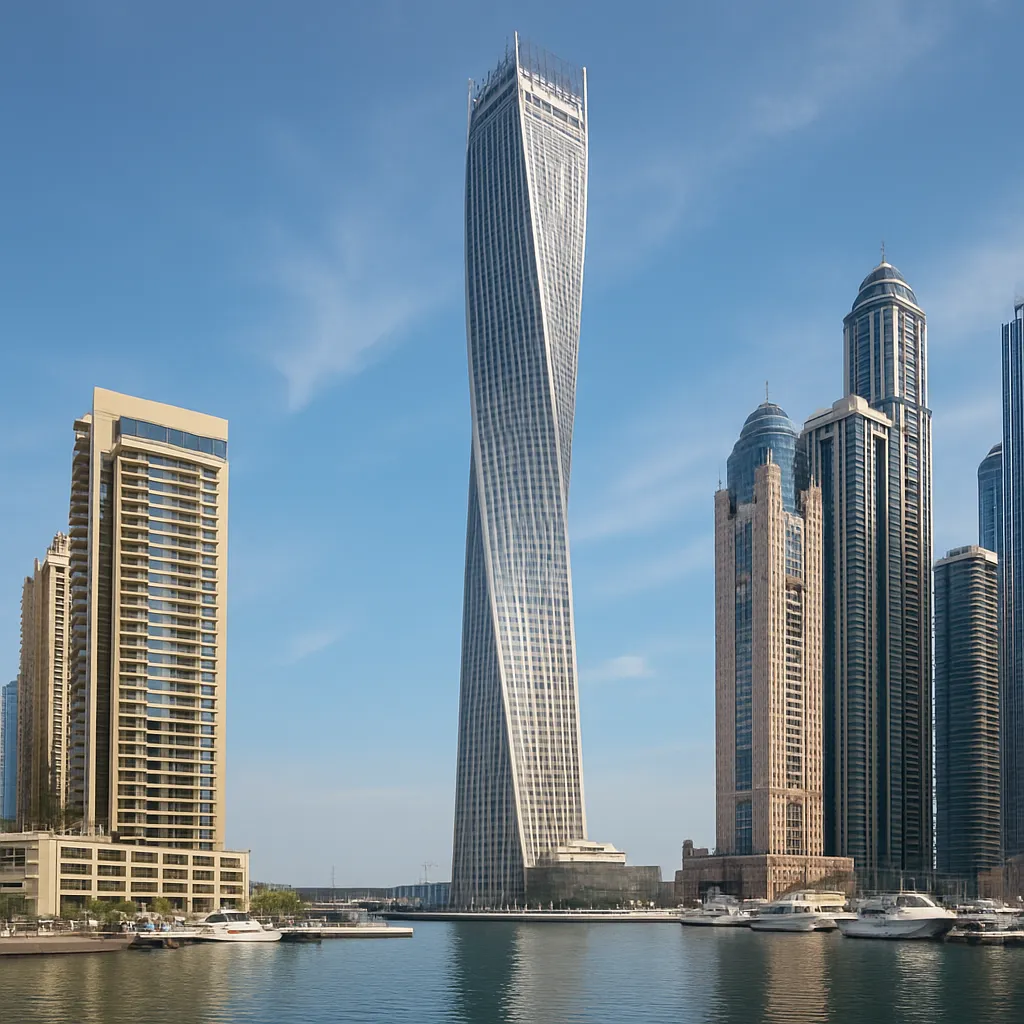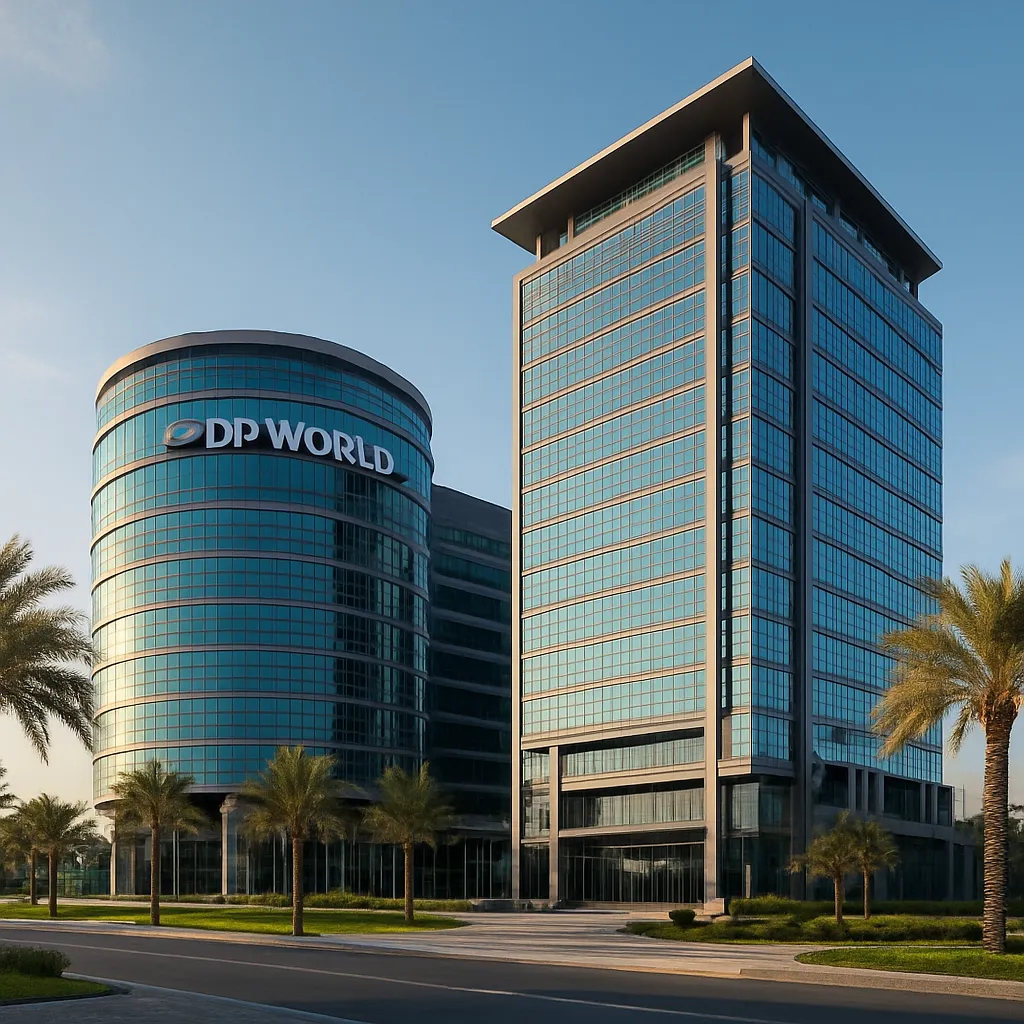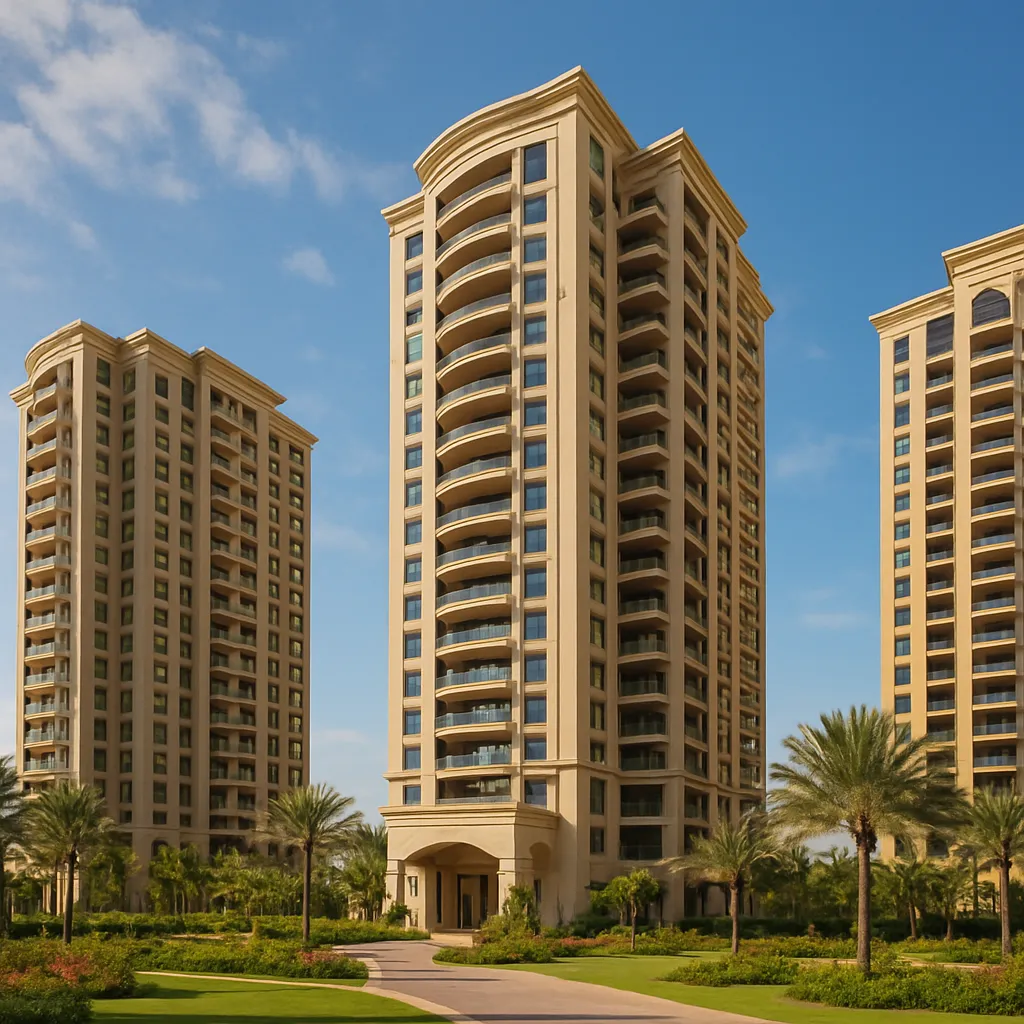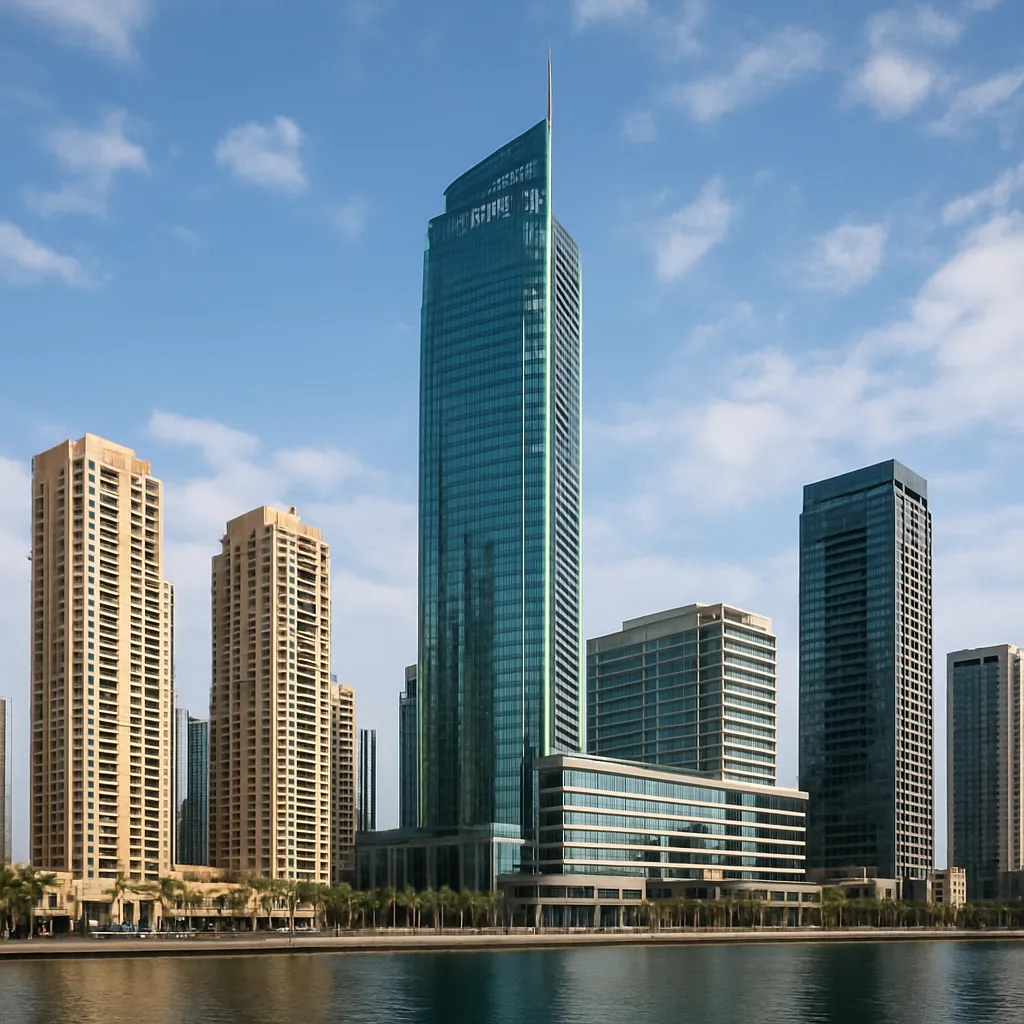
The Festival Tower in Festival City is a distinctive presence within one of Dubai’s most ambitious mixed-use developments. Located on the historic waterway of the city, this building and the surrounding masterplan combine residential, commercial, hospitality and leisure functions to create a lively urban quarter. In this article I describe the tower’s setting, design and uses, its role in the wider Festival City project, and share interesting facts and practical information for visitors and observers. The text highlights notable architectural and urban features as well as some contextual statistics where available.
Location and urban context
Festival Tower is situated in Festival City, an extensive waterfront development on the banks of Dubai Creek. The site benefits from immediate adjacency to one of the oldest and most historically significant waterways in the city, which has become an axis for contemporary urban regeneration. Festival City sits close to Dubai’s major transport hubs and is easily accessible by car and water taxi, with convenient links to the city’s road network and public transit corridors.
The surrounding masterplan is the result of a long-term development vision by a major private developer, designed to combine living, working and leisure in a single, resilient urban environment. Festival City’s riverside promenades, marinas and parks were planned to create a strong relationship between built form and the water, making the waterfront an everyday public resource rather than an exclusive amenity.
Positioning within the city
- The project occupies a strategic location along Dubai Creek, giving buildings such as the Festival Tower prominent views toward the creek and the historic districts across the water.
- Its proximity to the airport and to commercial centres makes Festival City attractive to both residents and business travellers.
- Festival Tower and its neighbours form a transition zone between higher-density commercial districts and the lower-rise traditional areas that line the creek.
The site type—a reclaimed and intensively developed waterfront plot—allowed designers to coordinate utilities, public realm and transport in a holistic manner, which is often harder to achieve in more fragmented urban contexts.
Architecture, design and uses
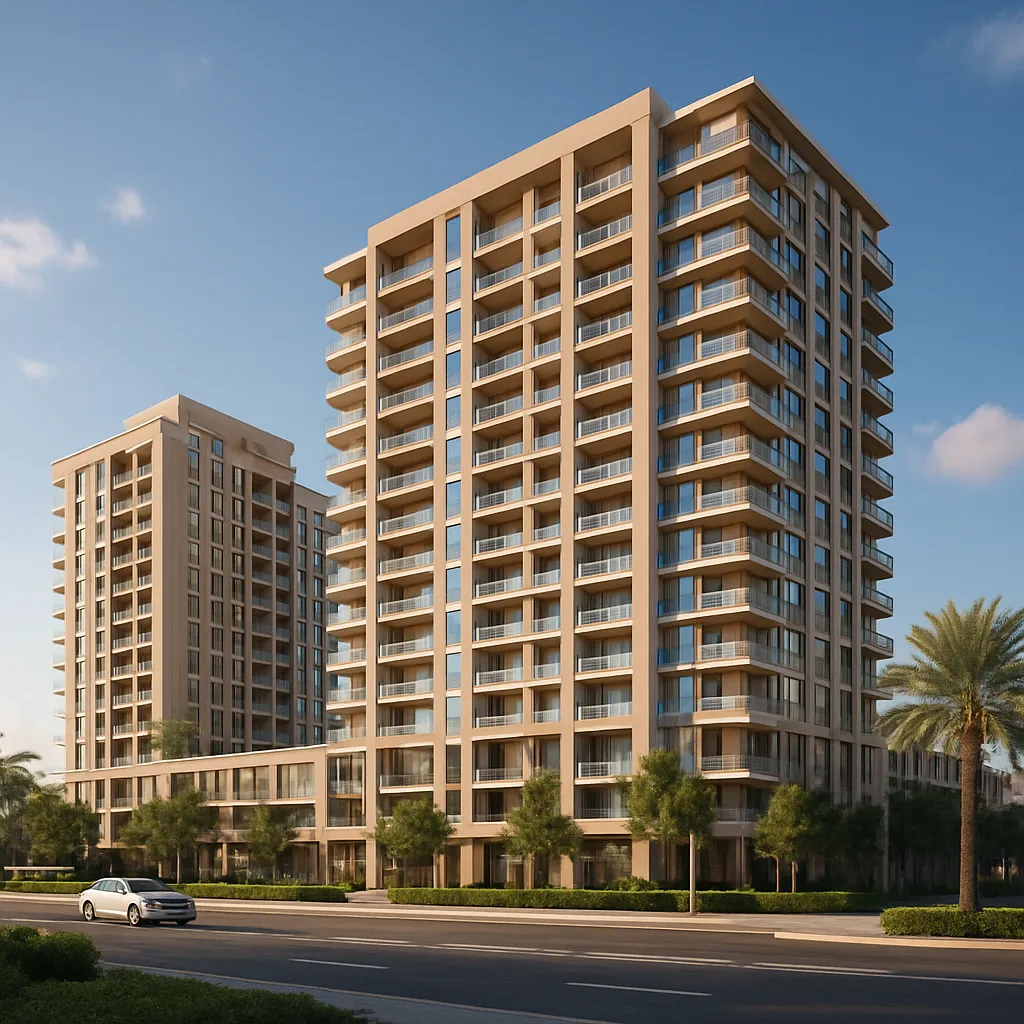
Festival Tower is best understood as part of a family of buildings that prioritize a mixed-use urban model: retail and leisure podiums at lower levels, residential and office floors above, and integrated hospitality components nearby. The building typically combines contemporary glazing and cladding with podiums and terraces that respond to sun orientation and views.
Design principles
- Human-scale podiums and active ground floors that engage the promenade and marina.
- High-performance facades to manage heat gain and improve occupant comfort in a hot climate.
- Setbacks and terraces to provide outdoor amenity spaces for residents and office tenants.
- Integrated servicing and parking arranged to minimize visual clutter and maintain a pedestrian-friendly streetscape.
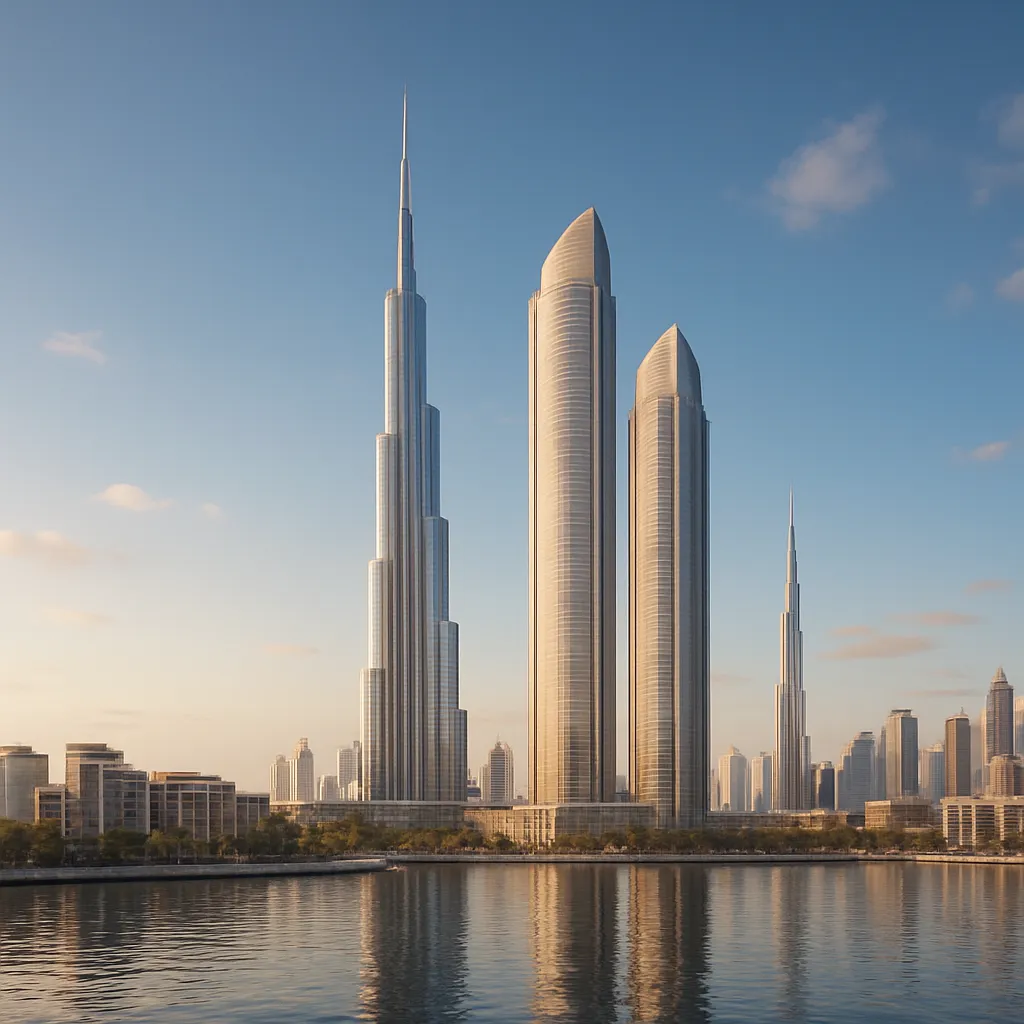
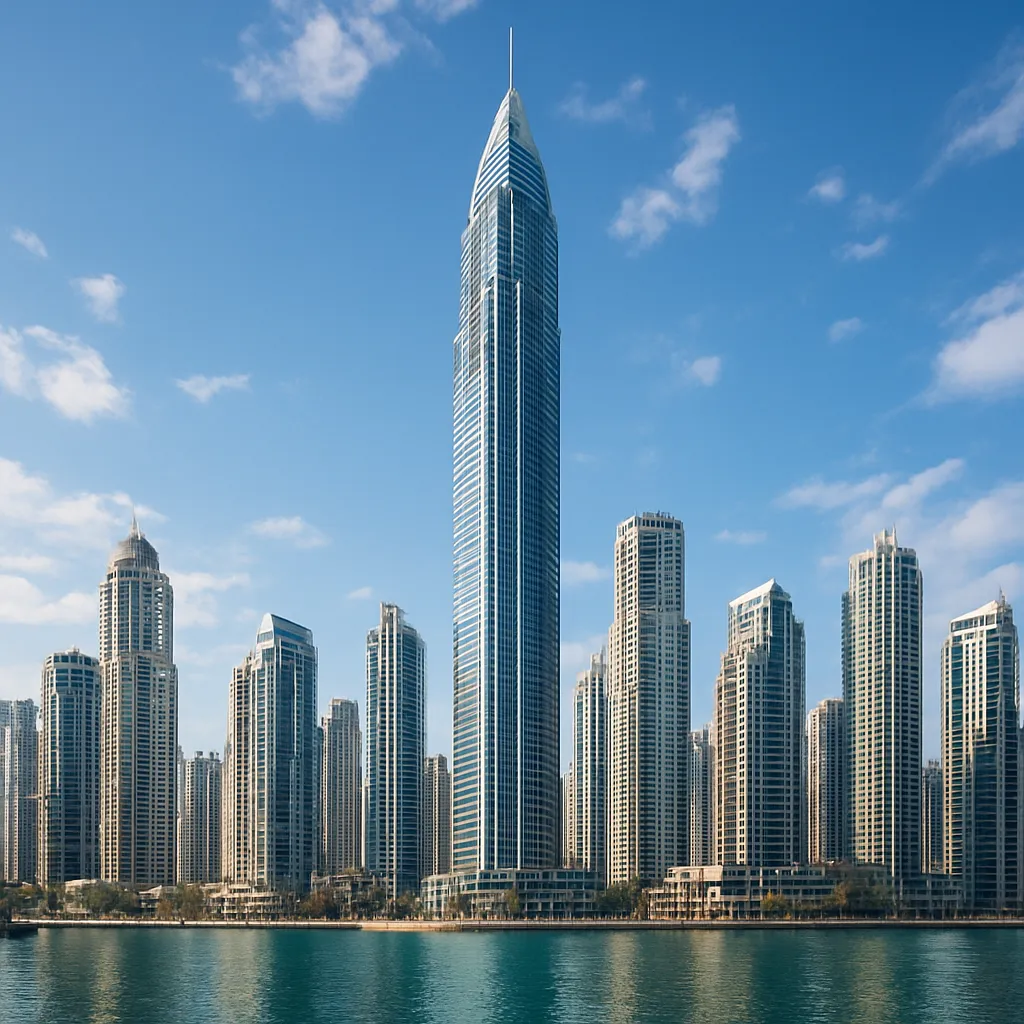
Although towers in Festival City vary in height and function, many of them are designed to create a layered skyline when viewed from the creek and across the city. The use of reflective glazing and articulated facades helps to animate the buildings under changing light conditions, and landscaped podium roofs and terraces reinforce the development’s ambition to combine built form with green space.
Primary uses
Festival Tower is used for a range of purposes depending on the specific tower: typical programs include residential apartments, serviced apartments, corporate offices and hotel functions. The flexible mixed-use approach allows the building to adapt to market demand—residential units can be targeted at long-term renters, short-stay travellers, or even premium serviced-living markets. The presence of nearby hospitality brands enhances the overall appeal for both leisure and business visitors.
InterContinental Dubai Festival City and other hotels within the masterplan contribute to a strong hospitality cluster, while the festival-style programming of events and entertainment in the public realm reinforces the area’s appeal as a destination rather than just a neighbourhood.
Public realm, attractions and lifestyle
Festival City is known for an activated waterfront and a compact set of attractions that make it a popular leisure destination. One of the most visible and celebrated elements of the development is the waterfront performance area, where light, water and projection shows create nightly spectacles that attract both residents and tourists.
Festivities and shows
The Festival Bay waterfront regularly hosts large-scale multimedia shows that combine fountains, light, lasers and projection mapping. These events are designed to be family-friendly and operate as a core anchor attraction for the mall, hotels and the promenade. The shows have become a signature element of the area and a reason for many visitors to return multiple times.
Retail and hospitality
- Festival City includes a major shopping destination that combines international brands with leisure and dining options.
- A diverse culinary scene along the promenade and within the mall complements the recreational programming—ranging from casual cafés to fine dining with creek-side views.
- Marina and waterfront facilities support boating and water-based activities, adding to the liveability and tourism appeal.
This combination of retail, hospitality and programmed events makes Festival Tower part of a broader lifestyle ecosystem where residents can enjoy both everyday conveniences and destination-level amenities.
Notable facts, sustainability and technical aspects
Festival City was conceived to be more than a cluster of isolated buildings; it is a planned environment where architecture, infrastructure and landscape work together. A few noteworthy points about the development and the towers within it include:
- The development embraces sustainability measures common to large projects in the region: energy-efficient glazing, shading strategies, high-performance HVAC systems and the use of district services where feasible to reduce environmental impact.
- Public transport and water taxis were incorporated into the mobility strategy to reduce reliance on private cars and to celebrate the creek as a transport corridor.
- Festival City’s public spaces and promenades were designed to encourage outdoor social life in a climate-managed manner, with shading, planting and activity nodes that reduce heat stress and increase usability.
- Architectural design celebrates maritime heritage through material choices and spatial arrangements that reference the creek’s historical role.
Technically speaking, tall buildings in waterfront environments must respond to settlement, wind and salt-laden air. Developers and engineers working on Festival Tower-type buildings therefore prioritize corrosion-resistant materials, careful sealing details and maintenance regimes to ensure long-term durability.
Statistics and measurable indicators
Precise figures for a specific “Festival Tower” can vary because Festival City comprises multiple towers and phases of construction. However, general statistics and measurable indicators that characterize the district include the following themes:
- Scale and density: Festival City combines medium- to high-density towers with extensive podiums and public realm, producing a compact, walkable environment at the waterfront.
- Hospitality presence: Several four- and five-star hotels are clustered in the area, supporting a high average daily room supply that benefits tourism and business events.
- Retail offer: The shopping centre and promenade contain hundreds of retail and dining units when residential, pop-ups and leisure outlets are included, making it a major retail hub in its district.
- Event attendance: The waterfront shows and festivals frequently draw thousands of visitors on peak nights, reinforcing the area’s role as a destination for both residents and tourists.
If a reader requires precise numbers—such as exact building heights, floor counts or detailed resident/visitor statistics for a specific tower—these are often reported by the developer, municipal authorities or real estate databases and can be provided on request from the authoritative sources.
Cultural impact and urban significance
Festival Tower and the wider Festival City project demonstrate how modern developments can reinterpret waterfront urbanism in a Gulf context. Rather than creating gated enclaves, the project emphasises public access to the water, regular programming and a mixed-use fabric that supports a 24-hour neighbourhood feel.
Social and economic contributions
- Job creation across hospitality, retail, property management and maintenance sectors.
- Provision of new housing stock in a popular waterfront location, addressing demand for both rental and serviced living.
- Enhanced leisure and cultural offerings for citizens and visitors, contributing to the city’s overall attractiveness.
The mixed-use model also helps to reduce commute times for many residents, who can find workspaces, shops and leisure within walking distance. The festival and performance programming help sustain footfall outside peak retail hours and create a lively public culture around the waterfront.
Visitor information and practical tips
For those who plan to visit the Festival Tower area or Festival City more broadly, here are practical considerations:
- Transport: The district is easily reached by road, and water transport options (abras and water taxis) provide a scenic alternative. Rideshare services and taxis are common and convenient in this part of the city.
- Timing: Waterfront shows typically occur in the evenings—checking the schedule in advance is recommended for visitors who wish to time their visit with a performance.
- Amenities: The district offers a broad range of dining options, family activities and shopping; many outlets remain open into the evening to serve both residents and tourists.
- Climate: Given the region’s hot summers, plan outdoor activities for early morning or late evening in the warmer months, and take advantage of shaded promenades and climate-controlled interiors during the middle of the day.
Accessibility and comfort are strong considerations for Festival City: the development aims to be welcoming to families, tourists and business visitors alike.
Future outlook and development potential
Festival City continues to evolve as new phases are completed and as owners update commercial and residential offerings to meet market demand. Future directions for similar waterfront developments typically include:
- Further enhancement of sustainable infrastructure—such as increased energy efficiency, water reuse and smarter mobility solutions.
- Upgrading of public realm with art, landscaping and interactive programming to strengthen community engagement.
- Integration of technology for smart-building management, wayfinding and visitor services to improve user experience.
- Adaptive reuse strategies for underutilized spaces, turning them into pop-up venues, co-working hubs or cultural spaces.
Festival Tower and the wider district are well-positioned to adapt to these trends because the masterplan already values mixed uses and public activation. The success of high-profile public programming—such as waterfront shows—demonstrates the potential for cultural and civic uses to anchor commercial vitality.
Concluding remarks
Festival Tower, as part of Festival City, illustrates the synthesis of modern architecture, waterfront urbanism and programmed public space. It sits within a broader strategy to create a dynamic, walkable and visually engaging waterfront neighbourhood that serves residents, businesses and visitors. The development’s strengths are its emphasis on mixed use, its active public realm and its integration with the creek-side environment. For those interested in contemporary urban waterfront projects, Festival City and its towers offer a compelling case study in combining leisure, commerce and living in a cohesive place.