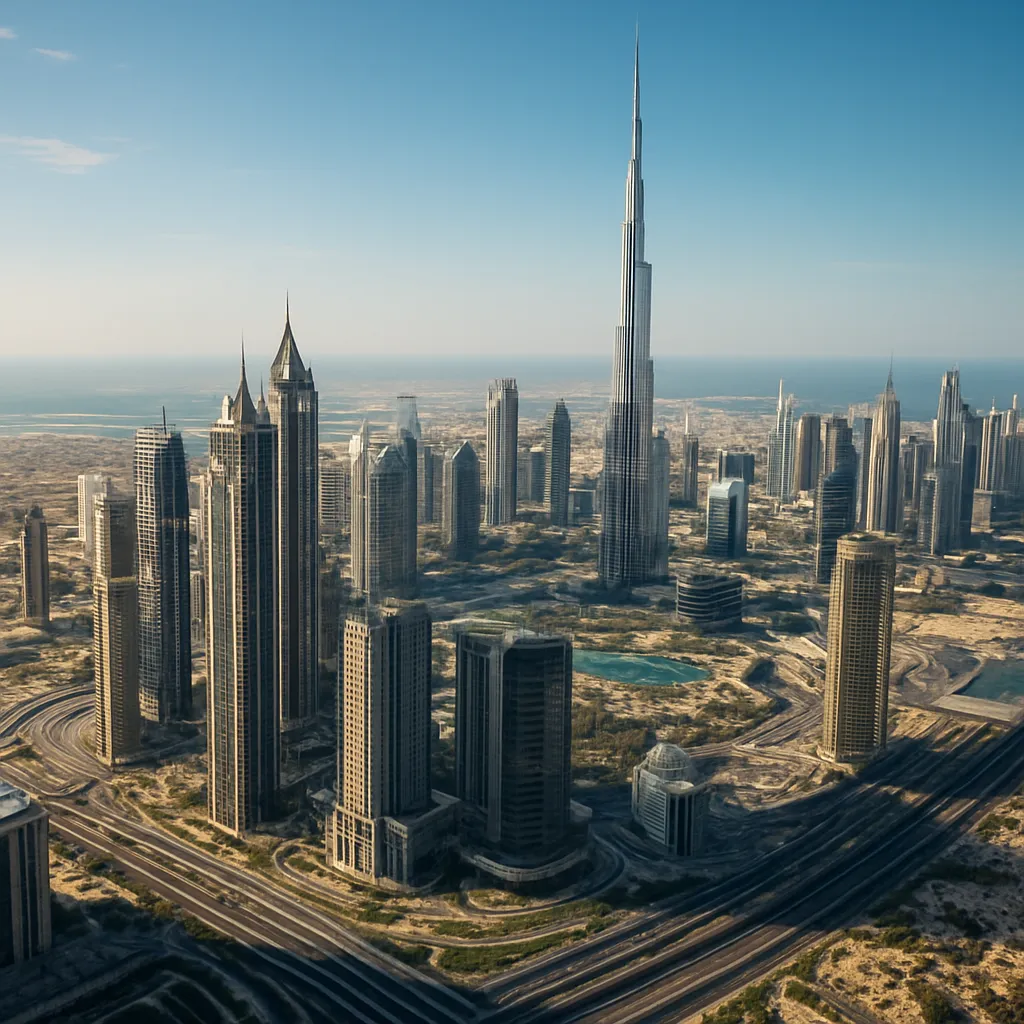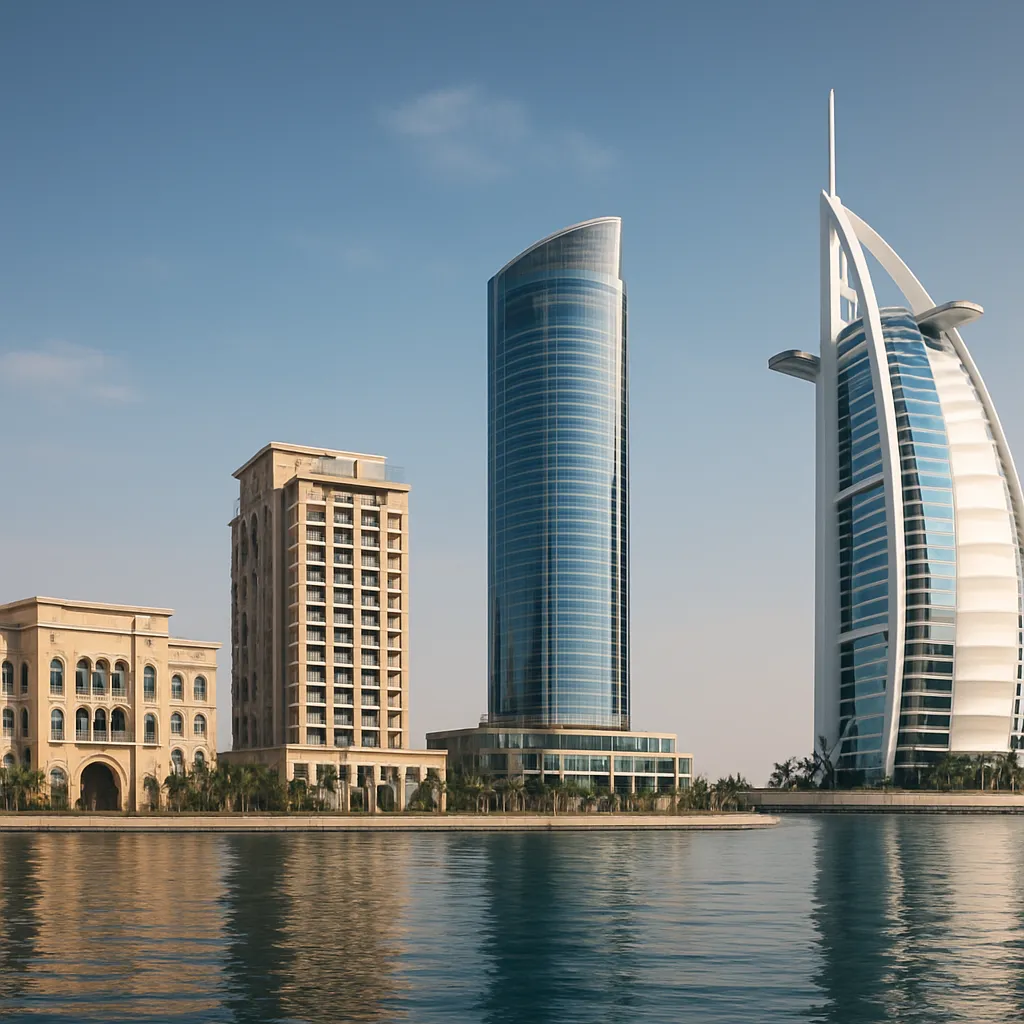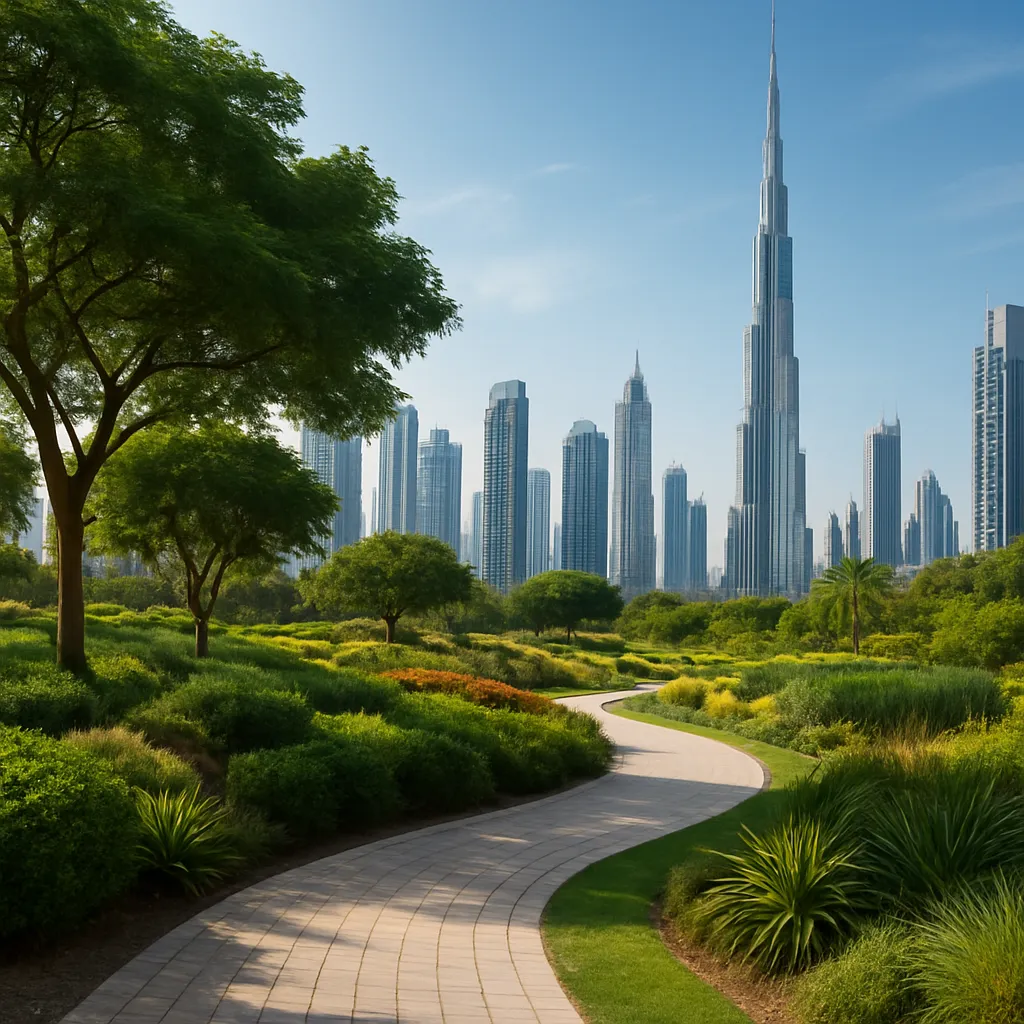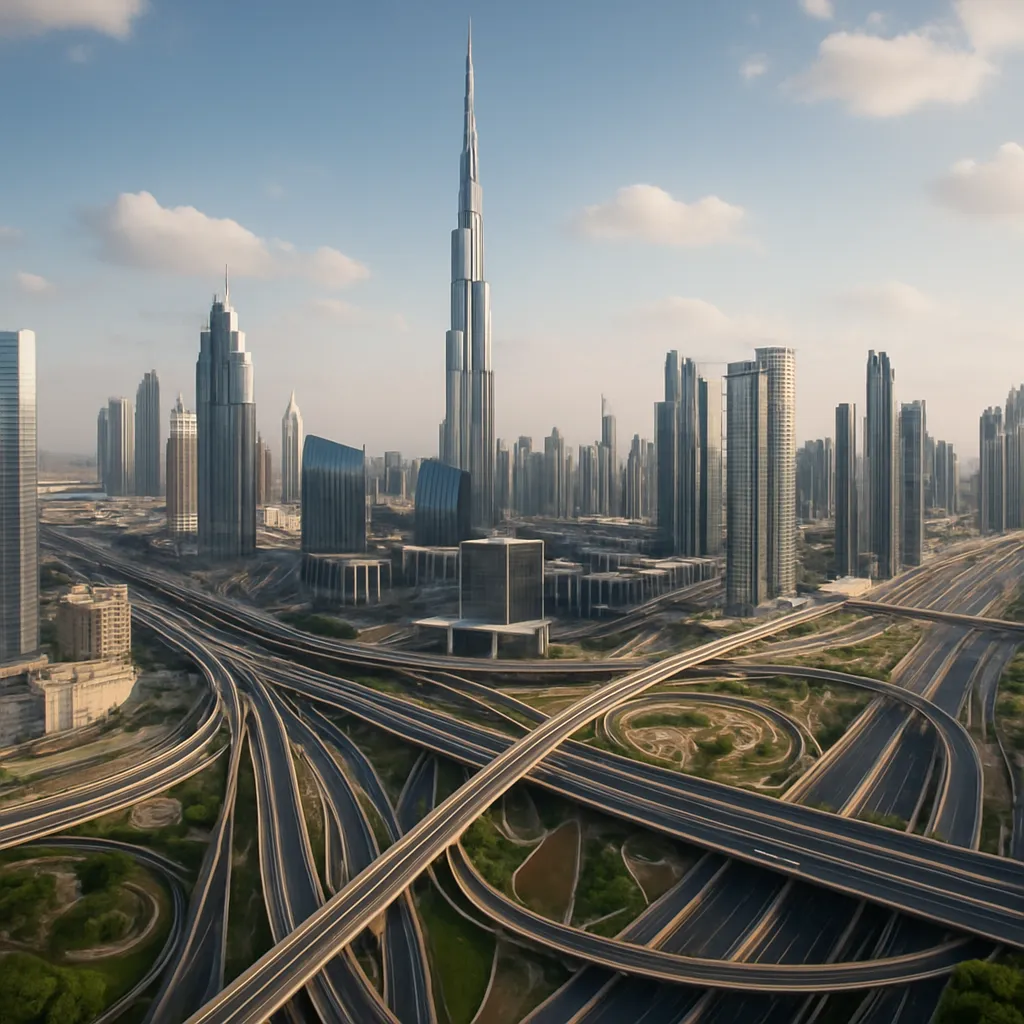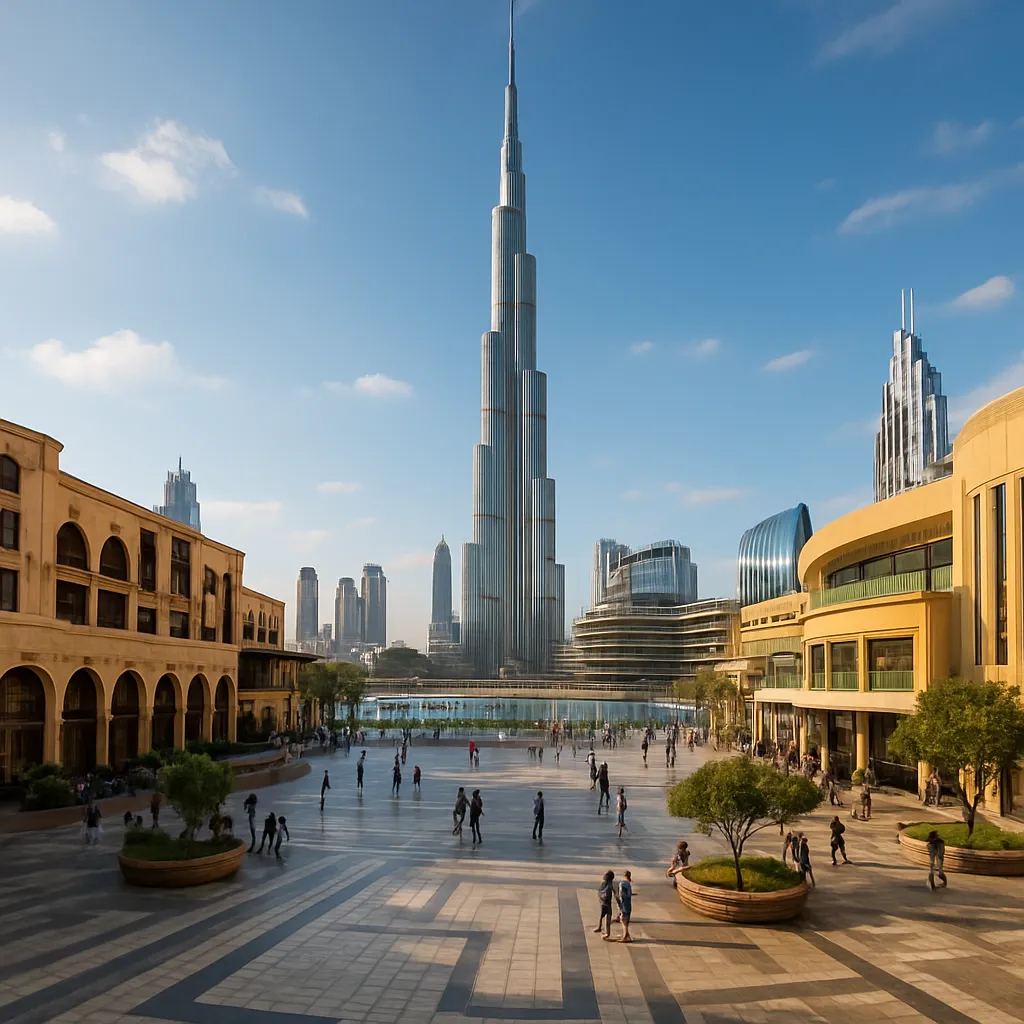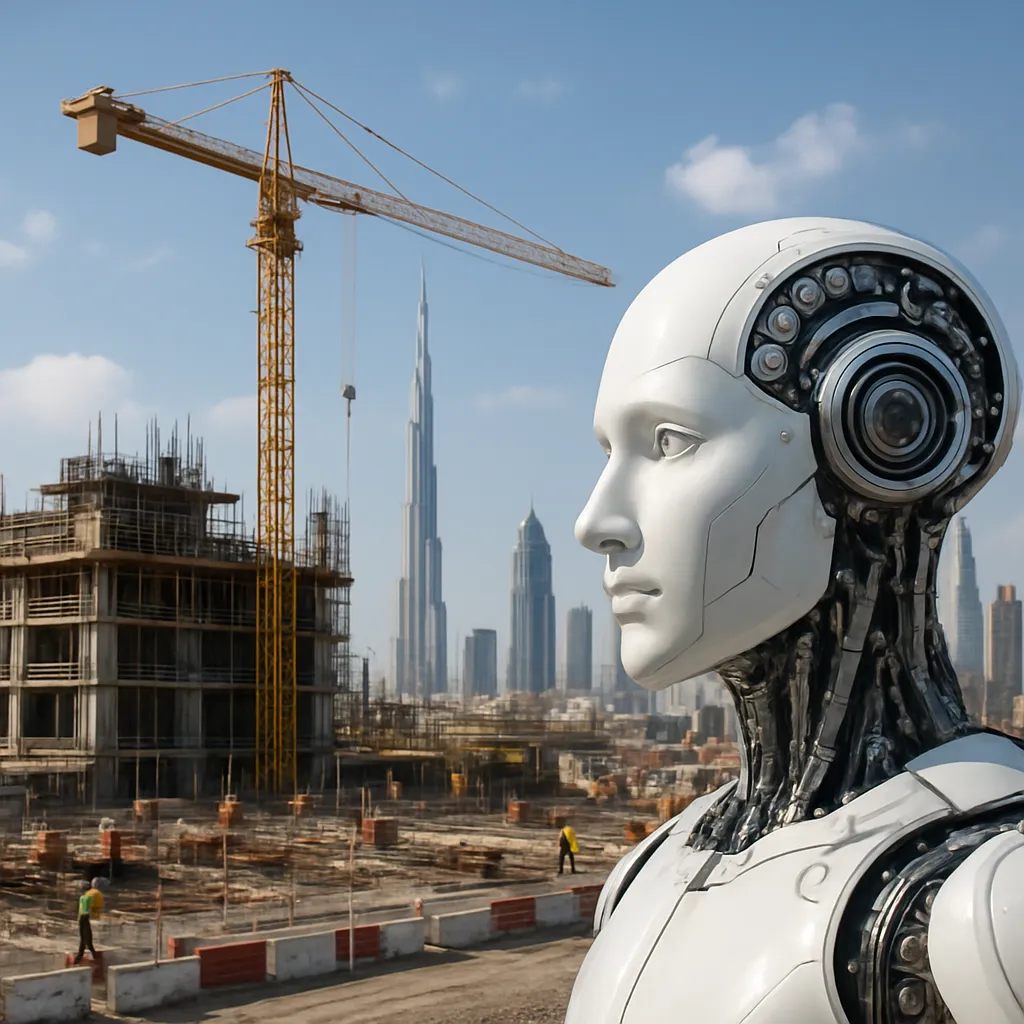
Dubai’s architectural landscape is renowned for its breathtaking skyscrapers and cutting-edge infrastructure. The city’s rapid growth has catalyzed a shift towards integrating Artificial Intelligence into every phase of building development. From concept design to post-occupancy monitoring, AI technologies are transforming traditional practices by enhancing efficiency and fostering innovation across the construction lifecycle. This article examines the pivotal roles AI plays in shaping Dubai’s built environment and highlights key examples that underscore the emirate’s commitment to technological excellence.
AI-Driven Design and Planning
Effective planning lays the foundation for any successful construction project. In Dubai, architects and engineers increasingly rely on parametric design and generative algorithms to explore complex geometries and optimize structural forms. Building Information Modeling (BIM) platforms powered by digitalization integrate vast datasets, enabling multidisciplinary teams to collaborate seamlessly. Real-time simulations assess daylight exposure, wind loads, and material performance long before ground is broken.
Key advantages of AI-enhanced planning include:
- Optimized site selection through analytics of land-use patterns, microclimates, and infrastructure networks.
- Accelerated design iterations using automation tools that generate multiple layout alternatives in minutes.
- Reduced risk by forecasting budget overruns and schedule delays via predictive models.
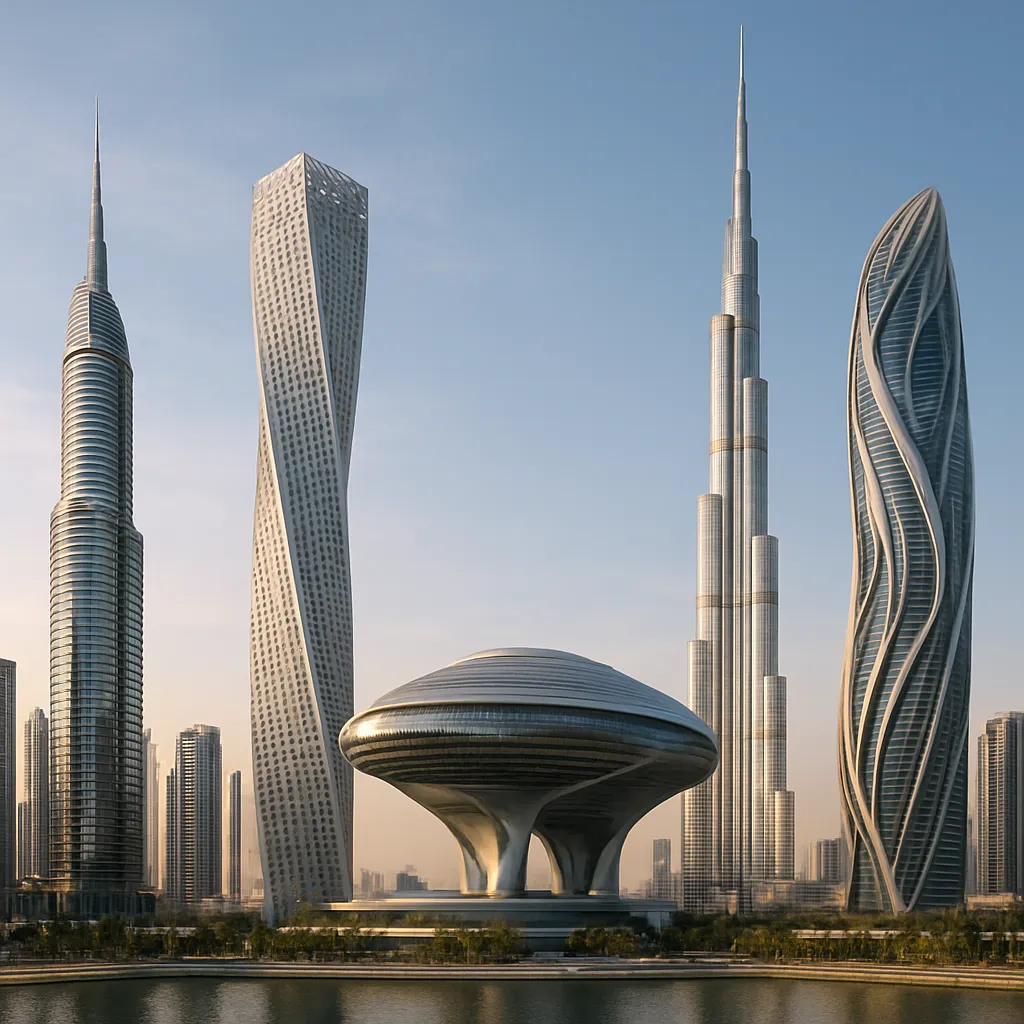
Major projects like the Museum of the Future illustrate how AI-driven design respects both aesthetic ambitions and functional requirements. Parametric façades respond to environmental triggers, while structural elements adapt to load conditions determined through machine simulations. This synergy of human creativity and algorithmic precision defines a new era of data-informed architecture in Dubai.
Robotics and Construction Automation
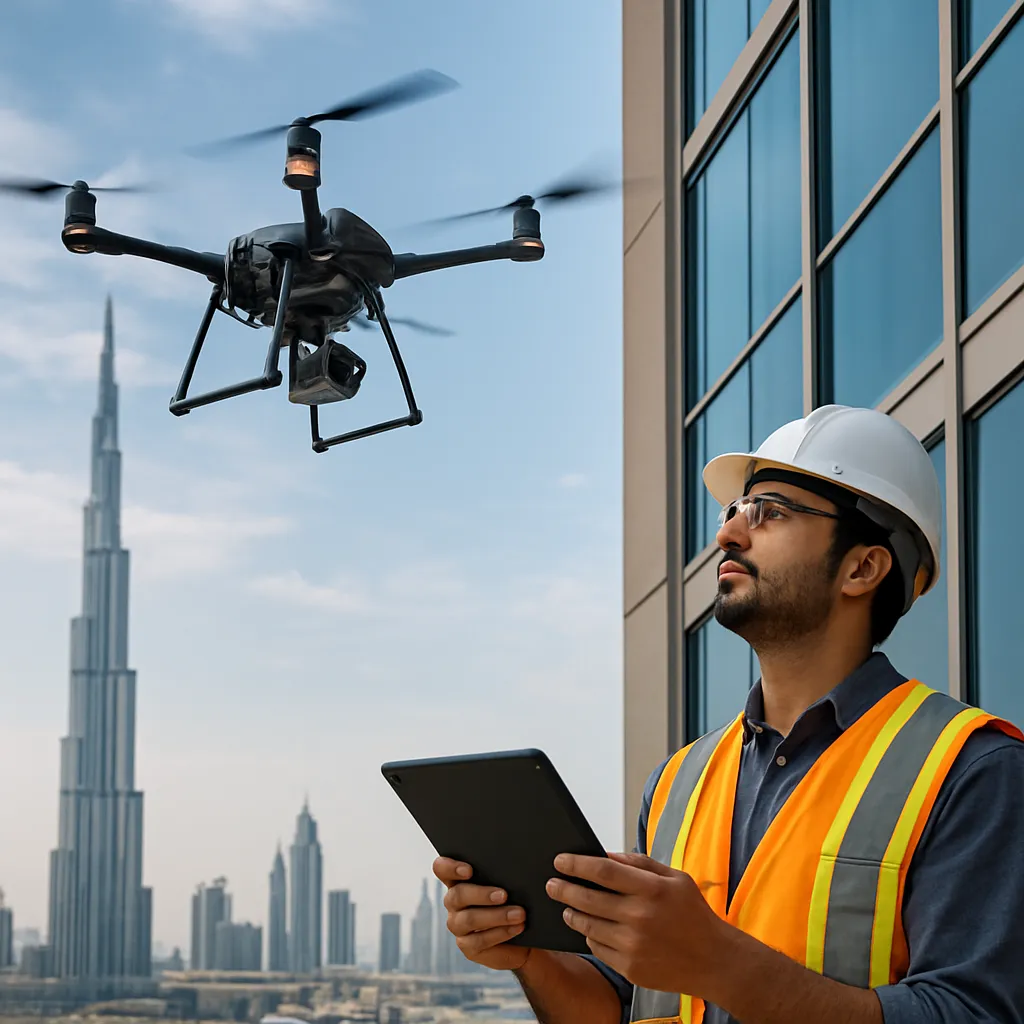
On-site construction in Dubai is witnessing a revolution with the deployment of advanced robots and autonomous machinery. Prefabrication yards now incorporate robotic arms, drones, and 3D printers to assemble building components under controlled conditions. This shift towards off-site assembly dramatically reduces waste, improves quality control, and enhances worker safety.
Examples of AI-driven machinery in Dubai:
- Drones equipped with computer vision systems for real-time progress monitoring and site surveying.
- Autonomous vehicles transporting materials across large construction zones with minimal human intervention.
- 3D concrete printers constructing complex architectural forms with unprecedented speed and accuracy.
Central to these innovations is the integration of robotics and machine learning algorithms. Robots analyze sensor data to adjust their actions, such as calibrating nozzle flow rates during 3D printing or rerouting drone flight paths to avoid unforeseen obstacles. The outcome is not only higher productivity but also the cultivation of a new generation of skilled technicians who oversee and maintain these intelligent systems.
Smart Buildings and Sustainability
Beyond construction, AI continues to redefine how Dubai’s buildings operate and interact with occupants. Smart façades embedded with sensors regulate shading and ventilation, ensuring optimal thermal comfort while minimizing energy consumption. In high-rise complexes, AI-driven energy management platforms learn usage patterns to automate HVAC, lighting, and water distribution according to occupancy demands.
Core features of smart buildings:
- Adaptive lighting systems that dim or brighten based on natural light availability and user preferences.
- Predictive maintenance scheduling driven by AI analysis of equipment performance metrics.
- Real-time indoor air quality monitoring with automated filtration adjustments.
The emphasis on sustainability aligns with Dubai’s broader vision for carbon neutrality. By integrating the Internet of Things (IoT) with AI, every sensor, actuator, and control unit contributes data to centralized platforms. This interconnected network leverages IoT frameworks to deliver actionable insights, allowing facility managers to ensure peak performance while reducing environmental impact. Landmark developments such as the Dubai Sustainable City exemplify how AI-driven ecosystems can achieve net-zero operation and set new benchmarks for green design.
Challenges and Future Prospects
Despite remarkable progress, integrating AI into Dubai’s construction sector presents challenges. Data security and privacy concerns must be addressed, especially when collaborating with international technology partners. The complexity of AI models demands robust training protocols and a continuous investment in workforce upskilling. Regulatory frameworks also need to evolve, balancing innovation encouragement with safety and ethical standards.
Looking ahead, emerging trends promise further transformation:
- Digital twins of entire city districts enabling urban planners to test infrastructure scenarios virtually.
- Advanced AI-driven supply chain coordination to minimize material shortages and logistics delays.
- Human–robot collaboration on construction sites, where cobots assist workers with repetitive or hazardous tasks.
By addressing these hurdles, Dubai will solidify its status as a global pioneer in marrying construction prowess with intelligent technologies. The ongoing pursuit of smarter, faster, and greener building solutions ensures that the city’s skyline continues to evolve in harmony with its vision for a sustainable and technologically advanced future.