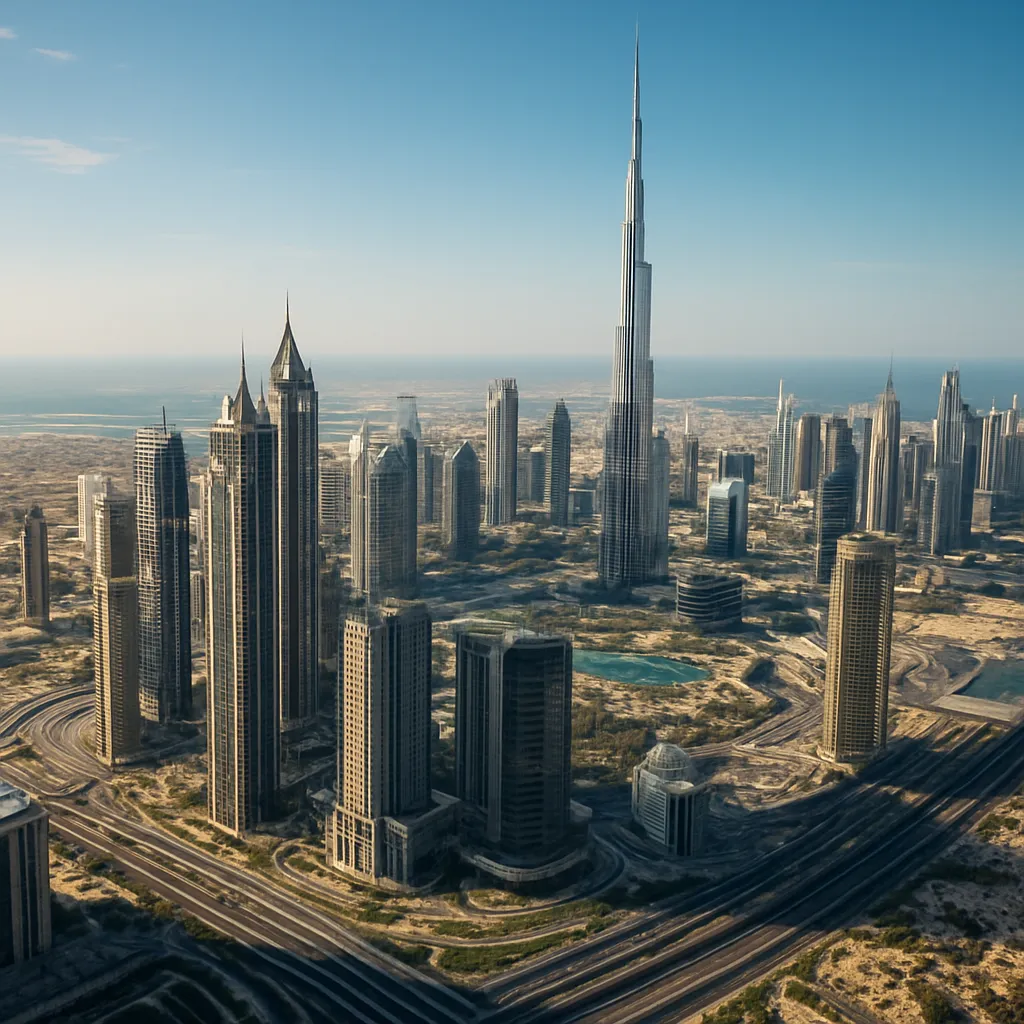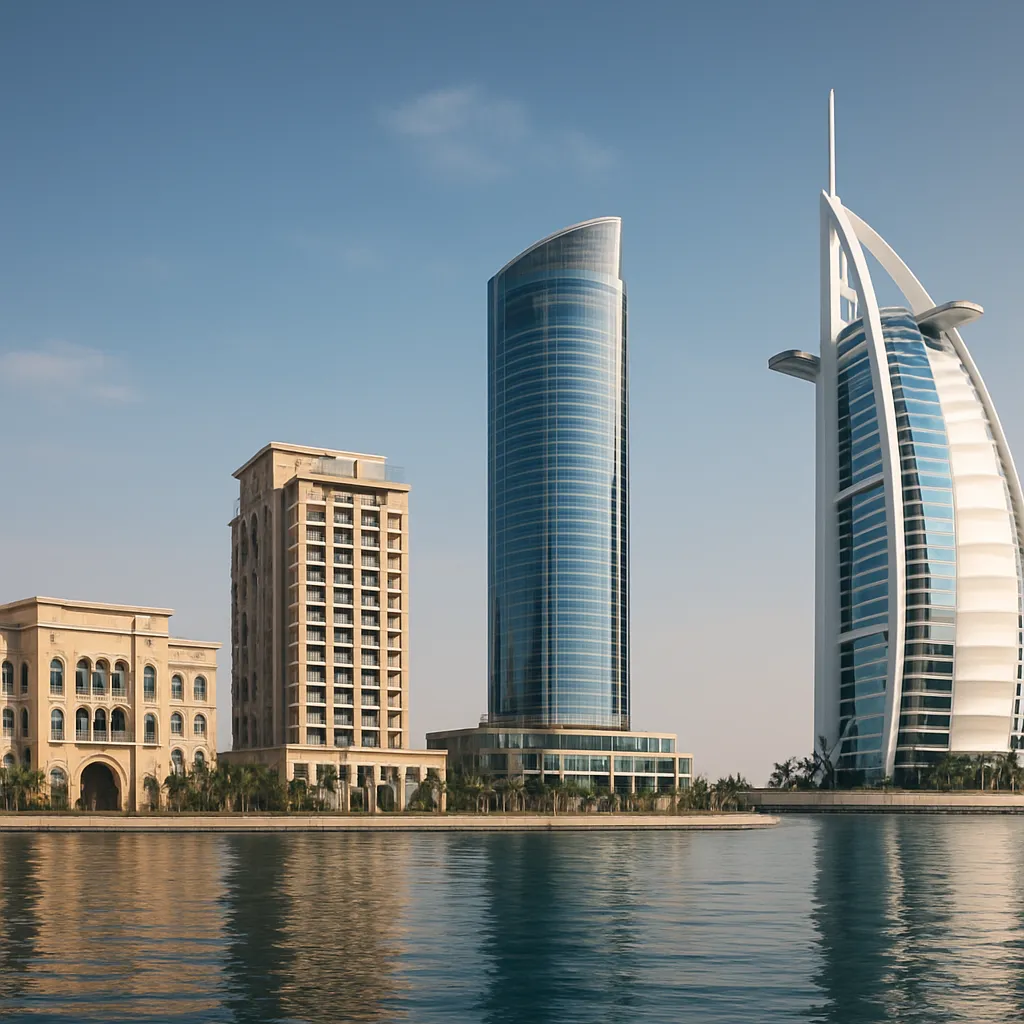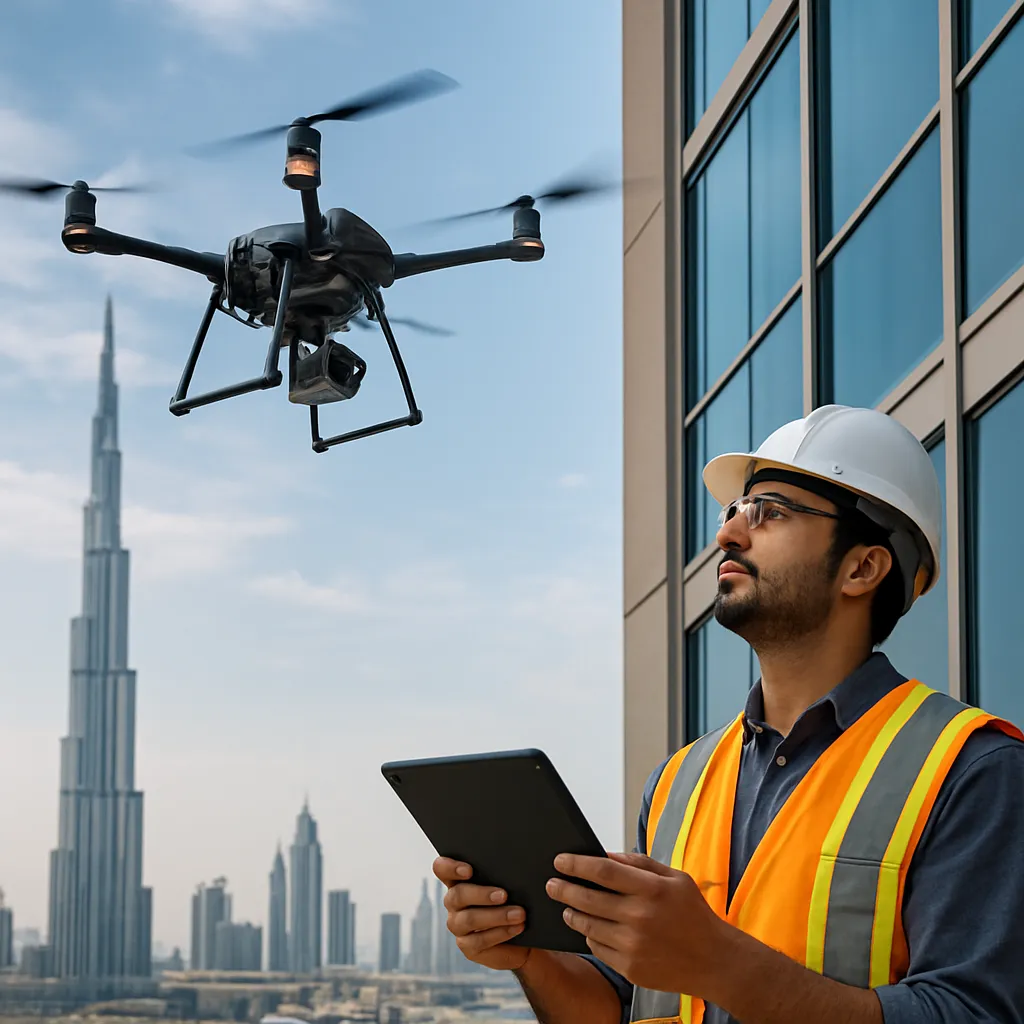
Dubai’s skyline constantly pushes the boundaries of architectural possibility, presenting both awe-inspiring vistas and complex upkeep demands. As structures soar to unprecedented heights, traditional maintenance methods strain under the weight of logistics, safety concerns, and rising costs. Enter drone-based solutions: a fusion of innovation and cutting-edge automation that promises to redefine building care in this ultramodern metropolis.
Evolving Skyline: Challenges of Dubai’s Architectural Marvels
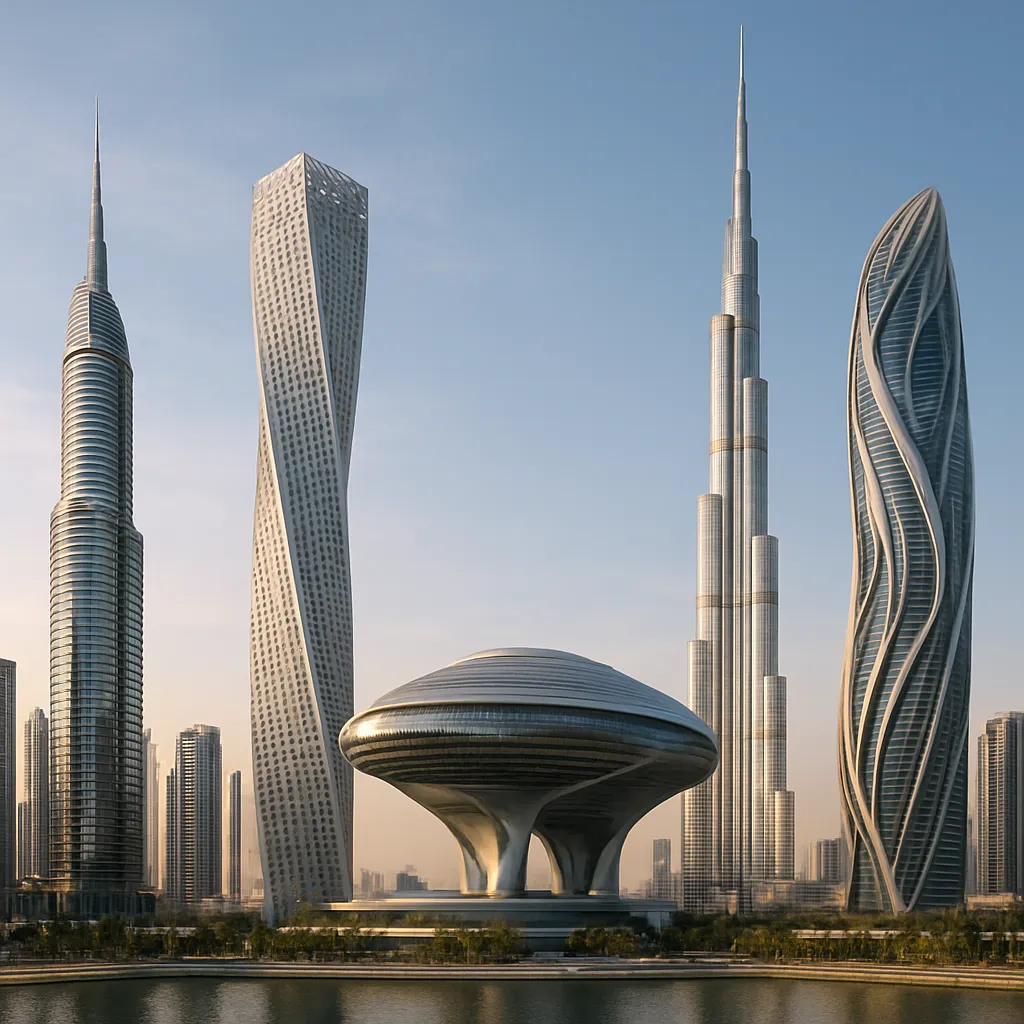
The emirate has cultivated a reputation for ultra-tall towers, fluid façades, and bold geometric forms. Structures like the Burj Khalifa and the twisting Cayan Tower encapsulate the spirit of endless ambition. Yet their very grandeur spawns unique maintenance hurdles:
- Complex Access: Workers face logistical hurdles scaling curved or pointed surfaces suspended hundreds of meters above ground.
- Weather Extremes: High winds, scorching temperatures, and occasional sandstorms accelerate façade wear and jeopardize human safety.
- Operational Downtime: Traditional rope access or crane platforms often require shutting off affected building zones, disrupting tenants and business.
These factors have driven facility managers to seek alternatives that prioritize safety and accelerate inspection cycles without compromising on precision.
Drone Technology Revolutionizing Maintenance
Advanced Visual and Thermal Inspections
Equipped with high-resolution cameras and infrared sensors, drones can swiftly survey exteriors, identifying hairline cracks, heat leaks, or moisture ingress. The integration of AI-powered image analysis means anomalies are flagged automatically, reducing reliance on manual reviews.
Multi-Rotor vs. Fixed-Wing Platforms
- Multi-Rotor Drones excel at hovering near complex façades for detailed inspection, but have limited flight duration.
- Fixed-Wing Drones cover large areas more efficiently and can be deployed for roof or solar panel sweeps across sprawling developments.
Drone fleets often combine both types, orchestrated via centralized software that optimizes flight paths, battery swaps, and data collection priorities. This level of coordination unleashes a new era of efficiency in building upkeep.
Regulatory Framework and Safety Protocols
Dubai’s aviation authority has established clear guidelines for commercial drone operations, reflecting a commitment to both innovation and public safety. Key regulatory considerations include:
- Airspace Authorization: Operators must secure permits for flights near sensitive zones, including airports and government buildings.
- Pilot Certification: Drone pilots undergo rigorous training, covering air traffic procedures, emergency response, and aircraft maintenance.
- Geofencing Technology: To ensure compliance, drones are programmed to avoid restricted corridors and altitude limits.
On-site safety protocols add another layer of assurance. Before each mission, maintenance teams conduct risk assessments, calibrate sensors, and verify fail-safe mechanisms that trigger auto-landing in case of signal loss or battery depletion.
Sustainability and Efficiency Gains
By replacing diesel-powered lifts and scaffolding with electric UAVs, building operators significantly lower their carbon footprint. Drones consume a fraction of the energy, and their agile maneuverability reduces the need for heavy machinery staging. Key environmental benefits include:
- Lower Emissions: Electric drones eliminate exhaust pollutants associated with traditional platform equipment.
- Resource Optimization: Real-time data empowers targeted repairs, minimizing materials waste.
- Operational Flexibility: Quick deployment shortens project timelines, cutting overall energy usage on-site.
Moreover, data collected during drone missions feeds into predictive maintenance algorithms. By analyzing trends in thermal leaks or surface deterioration, building managers can anticipate repairs before issues escalate, extending the lifespan of glazing, sealants, and structural components.
Integration with Smart City Initiatives
Dubai’s vision for a fully interconnected smart city positions drone-based maintenance as a vital cog in a broader ecosystem. When synchronized with IoT sensors embedded in façades, drones can respond automatically to triggered alerts:
- Temperature Spikes: Thermographic data from wall-embedded sensors cue drones to inspect insulation performance.
- Structural Vibrations: Microphones and accelerometers detect unusual oscillations, prompting UAVs to assess connection points.
- Solar Efficiency: Roof-mounted photovoltaics relay power output metrics; drones verify panel cleanliness and alignment to optimize energy yield.
This seamless interoperability between fixed sensors and mobile drones reduces downtime, enhances tenant comfort, and supports Dubai’s ambition to set global benchmarks in sustainability.
Future Prospects: Beyond Inspection to Active Maintenance
Looking ahead, the role of drones is poised to shift from passive observation to direct intervention:
- Automated Spray Systems: Equipped with targeted nozzle arrays, drones could apply sealants or anti-corrosion coatings in hard-to-reach crevices.
- Robotic Attachments: Micro-manipulators and cutting tools may enable tasks such as bolt tightening or glass panel removal.
- Collaborative Swarms: Multiple UAVs operating in concert could erect temporary netting around damaged sections, isolating hazards while repairs are underway.
These advances would require breakthroughs in onboard power density, materials science, and real-time swarm coordination algorithms. Still, the trajectory is clear: building envelopes will be maintained not by human climbers alone but by fleets of precise, remotely controlled machines.
Embracing a New Era of Maintenance Excellence
The convergence of drone innovation, stringent regulations, and Dubai’s architectural ambition heralds a profound transformation in building maintenance. By championing automation and integrating UAVs into the fabric of urban operations, Dubai stands ready to overcome the challenges of tomorrow’s skyline. As drones grow more capable—bolstered by AI, edge computing, and advanced materials—the emirate’s buildings will remain as resilient and breathtaking as the vision that birthed them.