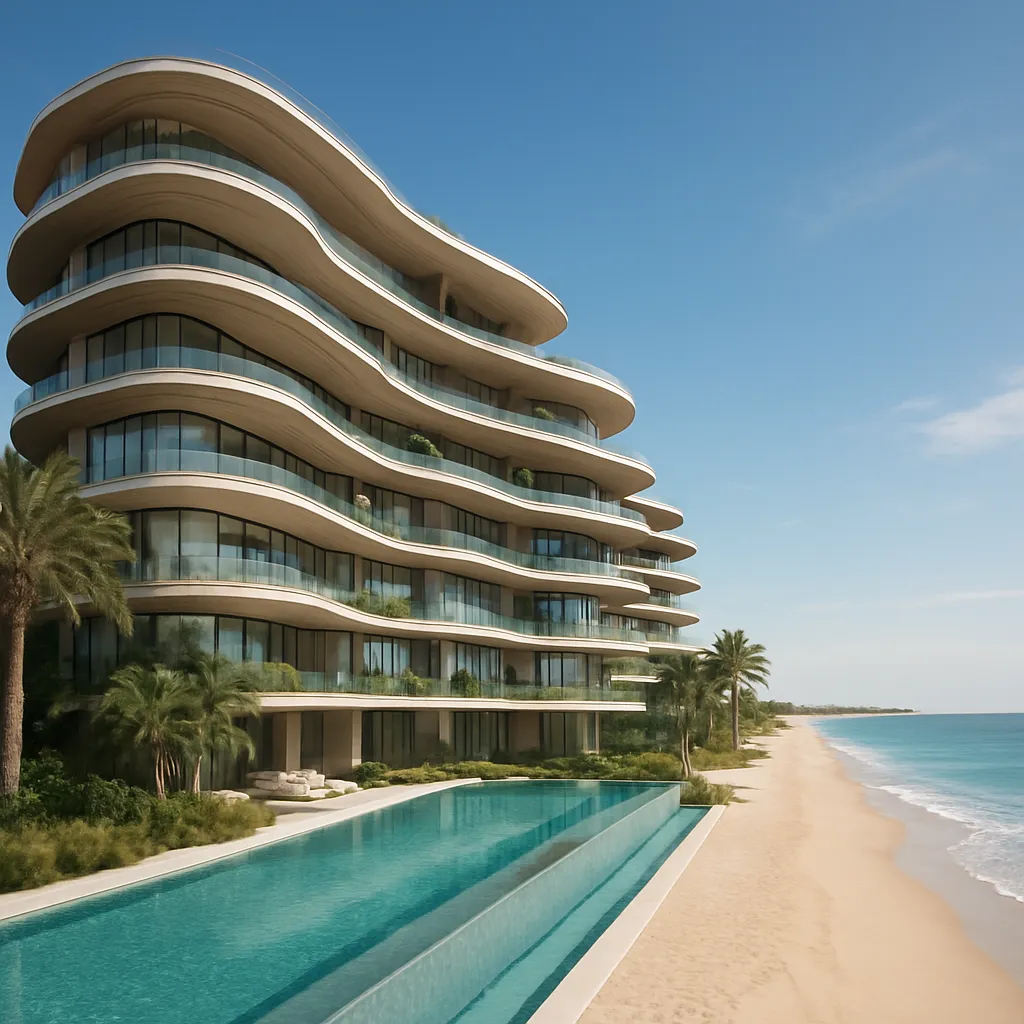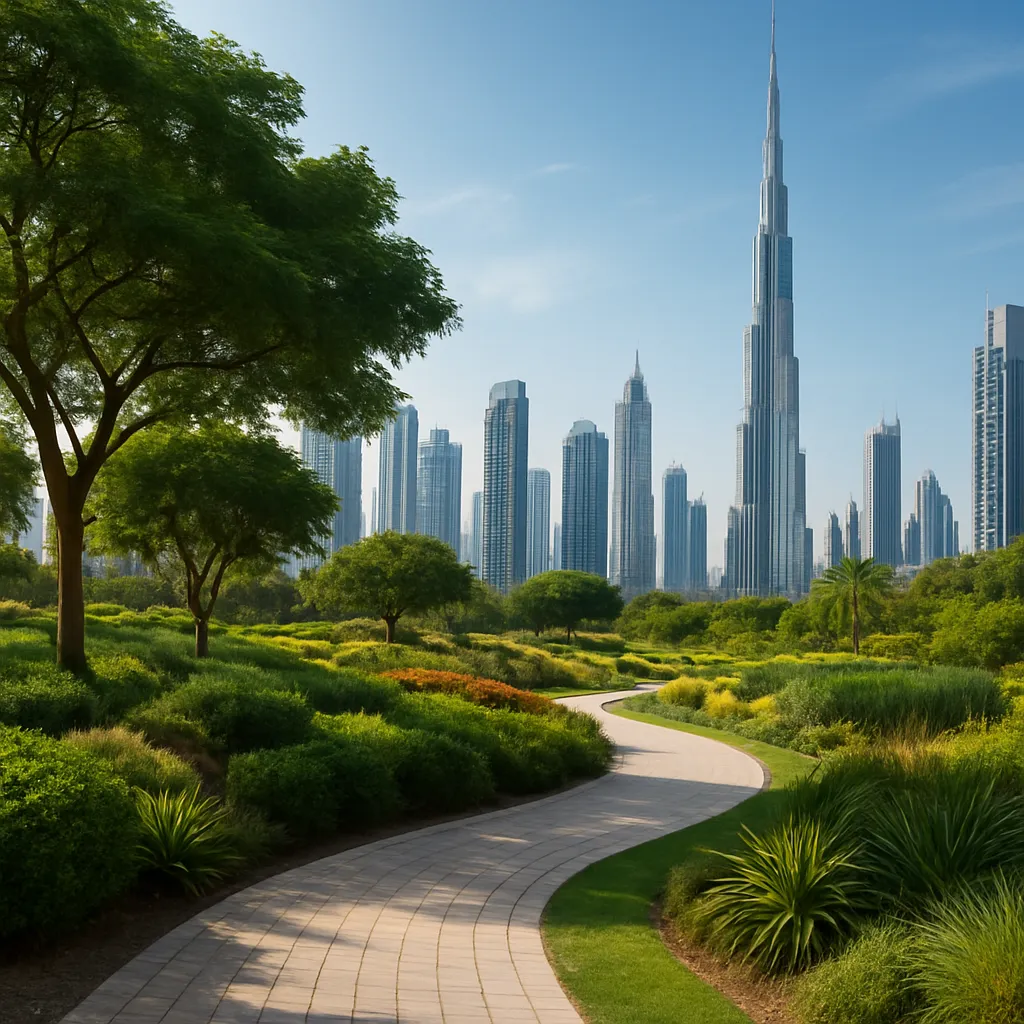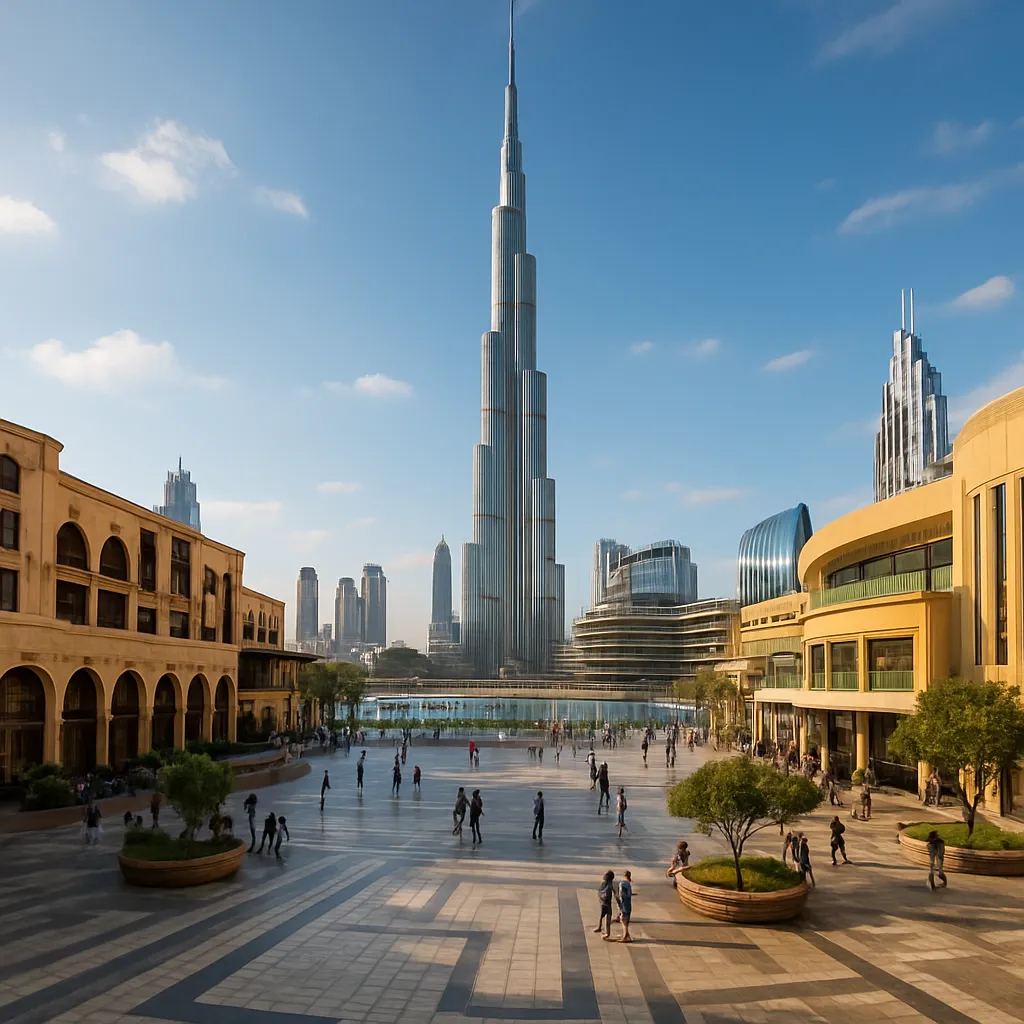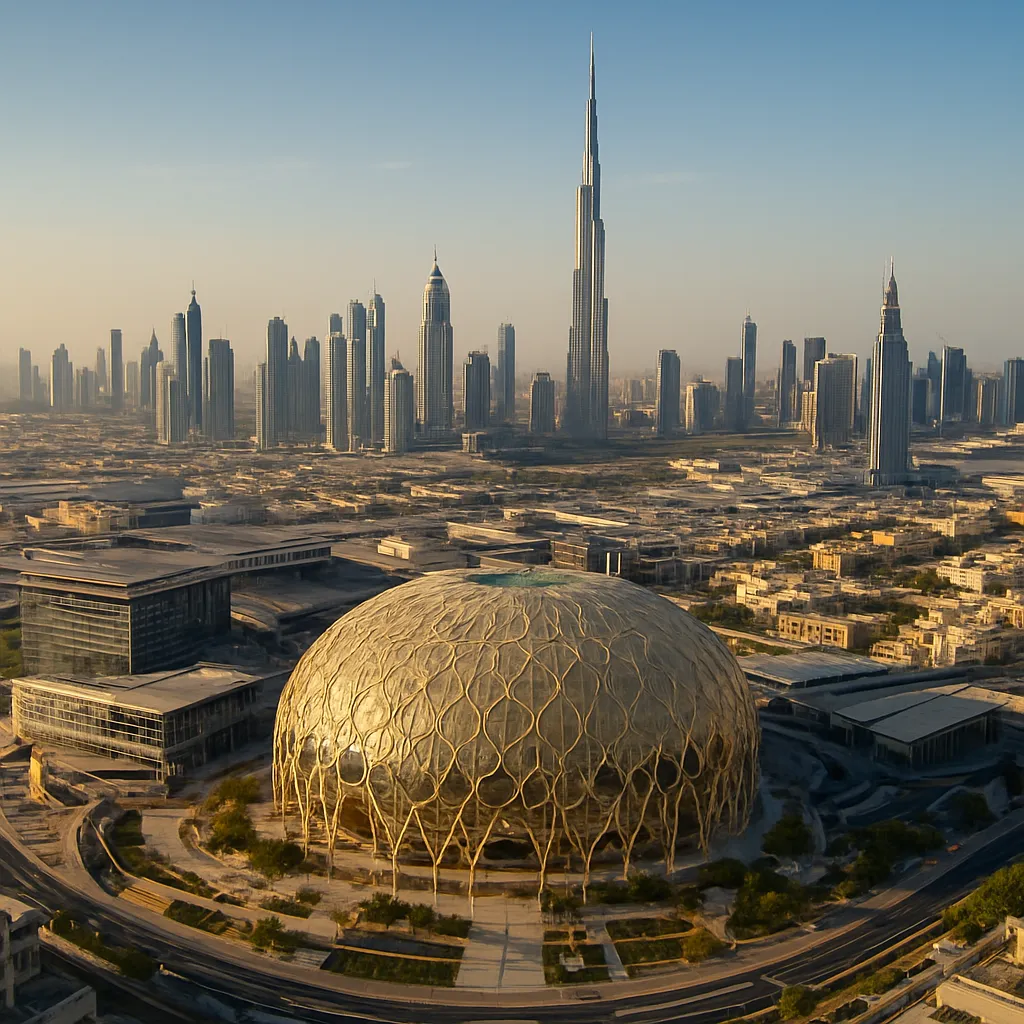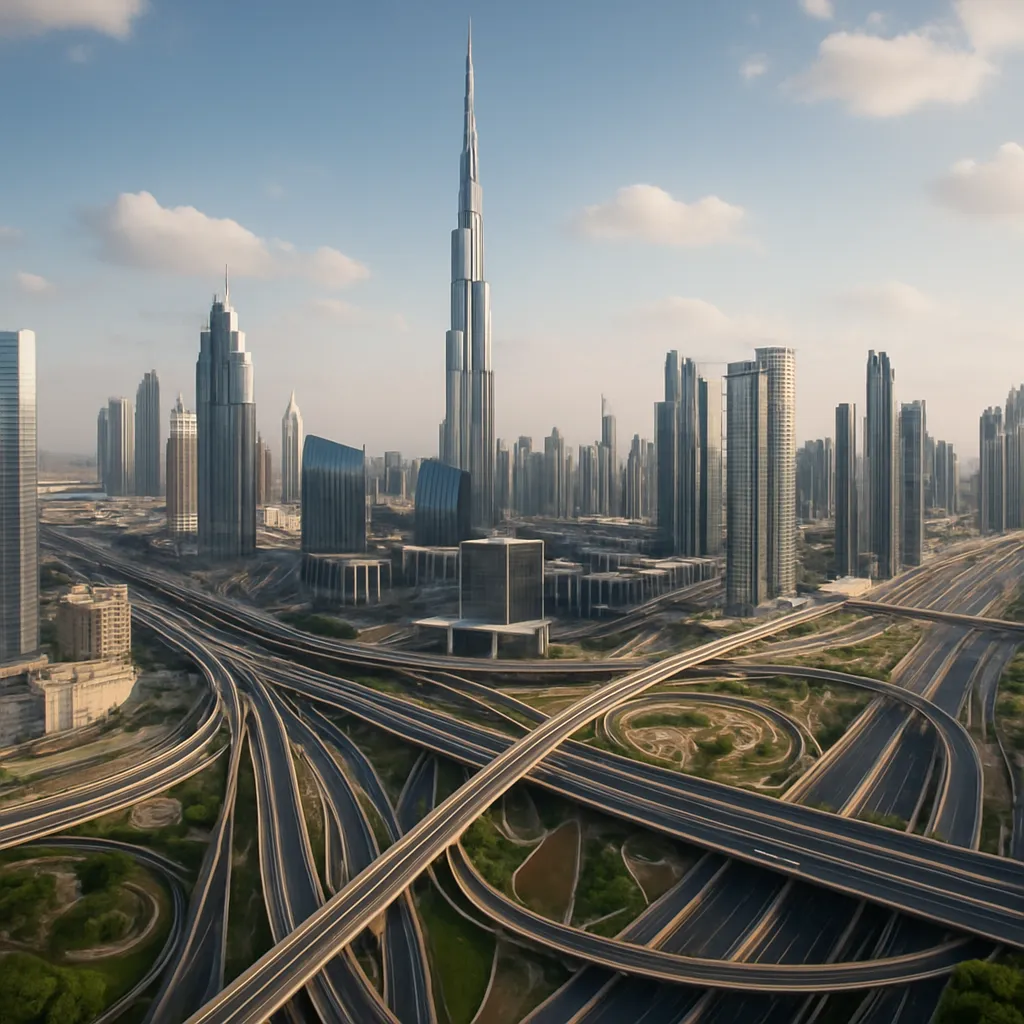
The Architectural Philosophy Behind Dubai’s Smart City Vision explores how Dubai’s skyline has become a testament to human ingenuity, advanced technologies, and seamless integration of urban living. By examining how design, sustainability, and cultural heritage inform the city’s built environment, we uncover the principles that have driven Dubai’s transformation from a desert trading post to a globally recognized hub of innovation and luxury.
Emergence of Smart Urban Design in Dubai
The rapid evolution of Dubai’s urban landscape is rooted in a bold commitment to innovation and long-term planning. From the initial conceptualization of large-scale developments such as the Palm Jumeirah to the comprehensive blueprint of the Smart City initiative, Dubai has embraced a holistic design philosophy. This approach prioritizes:
- Connectivity: Seamless integration of transport networks, digital services, and public spaces.
- Resilience: Structures and systems capable of adapting to climatic challenges, resource constraints, and evolving needs.
- Sustainability: Adoption of eco-friendly materials, renewable energy sources, and water-saving measures.
At the core is a vision of creating an urban ecosystem where buildings, infrastructure, and citizens interact through data-driven platforms. This environment leverages the Internet of Things (IoT), advanced sensors, and predictive analytics to optimize energy consumption, traffic flows, and public services.
Integration of Sustainable Technologies
One of the defining characteristics of Dubai’s recent developments is the emphasis on green architecture and energy efficiency. Landmark projects demonstrate how high-rise towers and mixed-use precincts adopt strategies such as:
- Passive design elements—orientation, shading devices, and thermal mass—to reduce cooling loads.
- Photovoltaic installations on facades and rooftops to harness solar power.
- Smart building management systems that monitor indoor climate, lighting, and occupancy patterns.
For instance, the Dubai Airport Free Zone Authority (DAFZA) Headquarters employs a dynamic façade that adjusts louvers in response to sun angle, cutting solar gain by nearly 40%. Meanwhile, the Museum of the Future showcases a double-skin envelope integrated with photothermal panels, illustrating the synergy between architectural form and renewable energy harvesting.
Water scarcity in the Gulf region has spurred innovations in water recycling and conservation. The Dubai Municipality’s sub-municipal district in Al Barsha features greywater systems that treat and reuse effluent for irrigation, supporting lush urban parks in a desert climate. These measures underscore Dubai’s commitment to reducing environmental impact while fostering a high quality of life.
Iconic Skyline and Cultural Synthesis
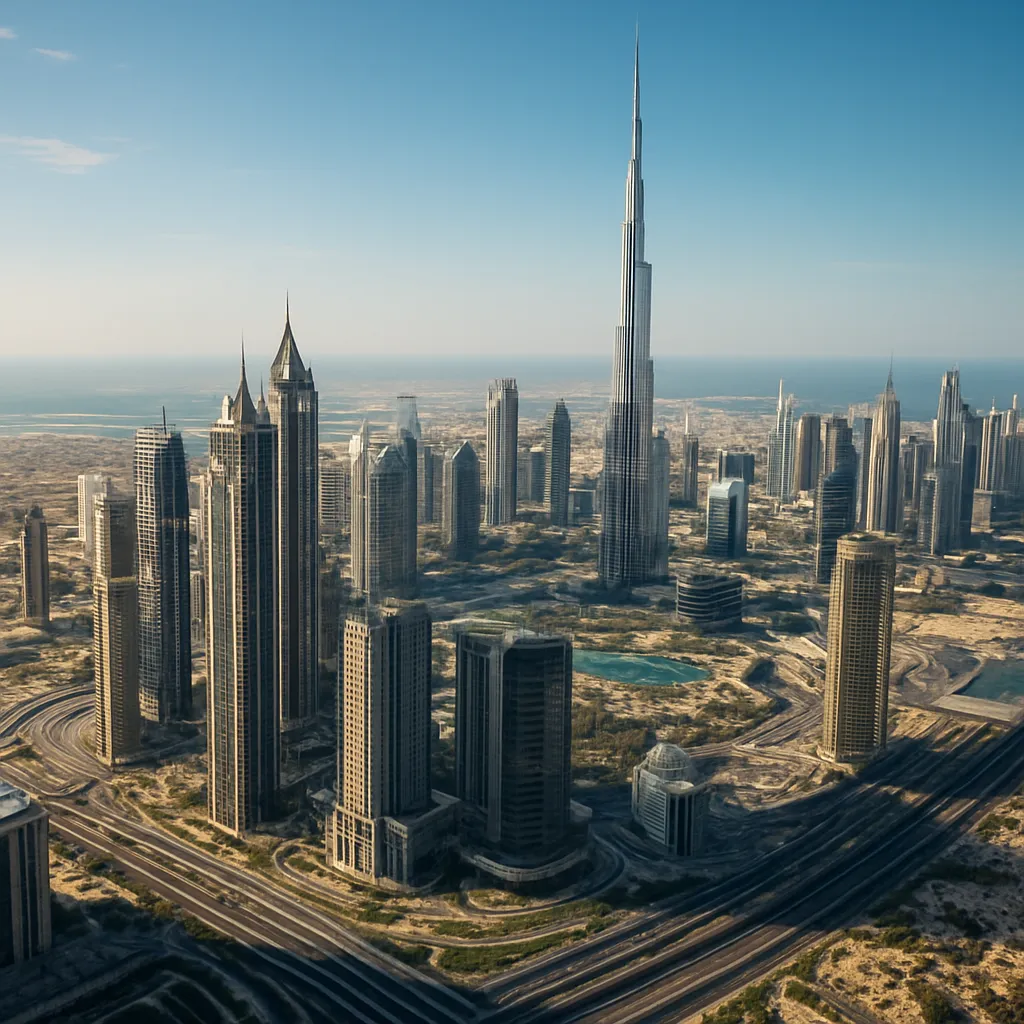
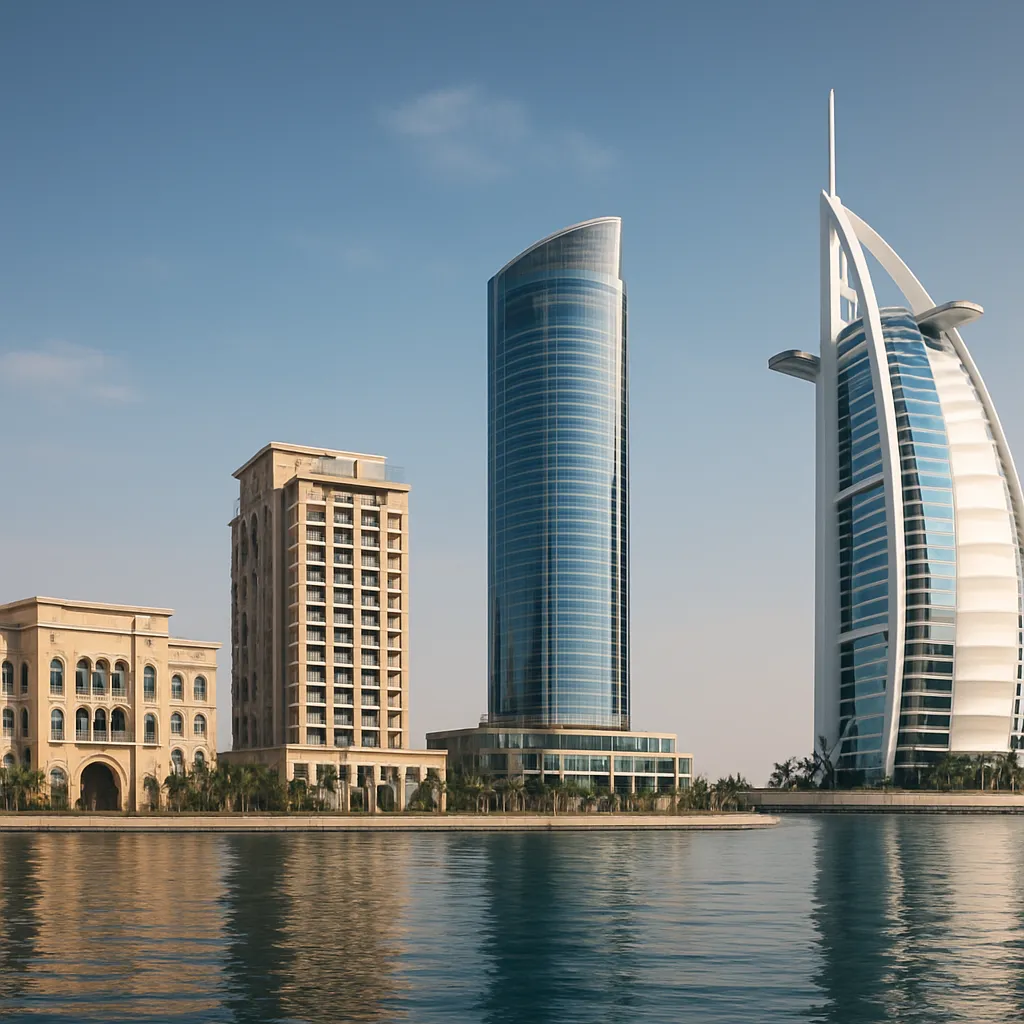
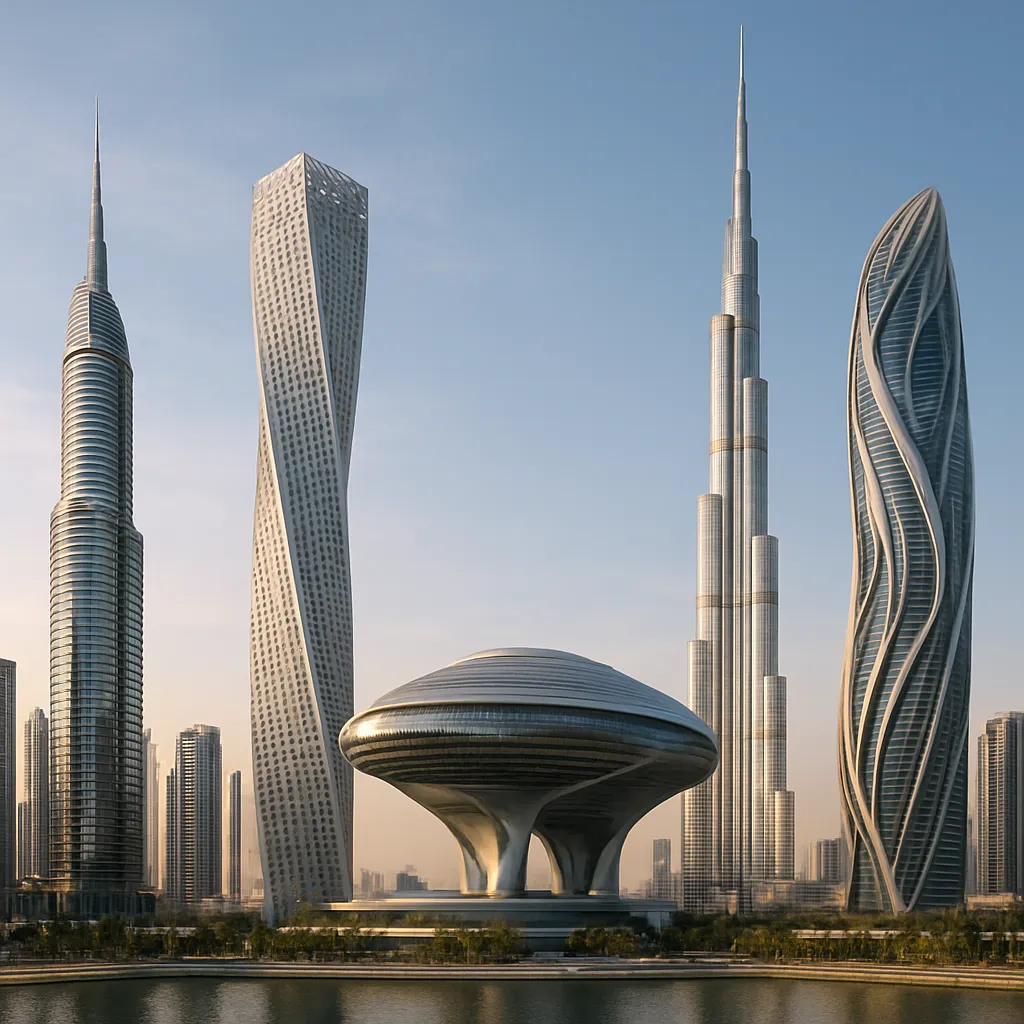
Dubai’s skyline is recognized worldwide, anchored by awe-inspiring towers such as the Burj Khalifa and twisting forms like the Cayan Tower. Yet beyond height, the architectural philosophy emphasizes a dialogue between modernity and tradition. Key principles include:
- Contextual sensitivity—drawing inspiration from local patterns, calligraphy, and the geometry of Islamic art.
- Human-centric spaces—public plazas, waterfront promenades, and heritage districts that encourage social interaction.
- Adaptive reuse—transforming historic districts such as Al Fahidi into vibrant cultural hubs.
The Alserkal Avenue arts district exemplifies how industrial warehouses have been reimagined into creative studios and galleries, preserving the narrative of Dubai’s rapid growth while accommodating the creative economy. Through careful restoration and contemporary additions, the built fabric narrates a story of continuity and change.
Moreover, architectural landmarks are woven into the cultural identity of Dubai. The Sheikh Zayed Road gateway, framed by illuminated skyscrapers at night, serves as both a symbol of ambition and a backdrop for public events. This fusion of large-scale engineering with experiential urbanism highlights the city’s ability to craft spectacular environments without sacrificing functionality.
Mobility, Infrastructure, and Digitalization
Efficient mobility networks are fundamental to Dubai’s smart city agenda. From the driverless Dubai Metro to extensive bus corridors, transport solutions are planned to handle millions of trips daily. Pillars of this system encompass:
- Integrated ticketing platforms that connect rail, bus, taxi, and ride-hailing services.
- Real-time passenger information displays, mobile apps, and AI-driven route optimization.
- Pedestrian-friendly precincts and dedicated cycling paths to promote active travel.
Infrastructure investments also focus on connectivity. High-capacity fiber networks and 5G deployments enable buildings to function as data nodes, supporting services from remote healthcare consultations to augmented reality wayfinding. The Dubai Digital Core project aims to embed networked intelligence at the heart of urban districts, ensuring that every new building contributes to the city’s overall digital footprint.
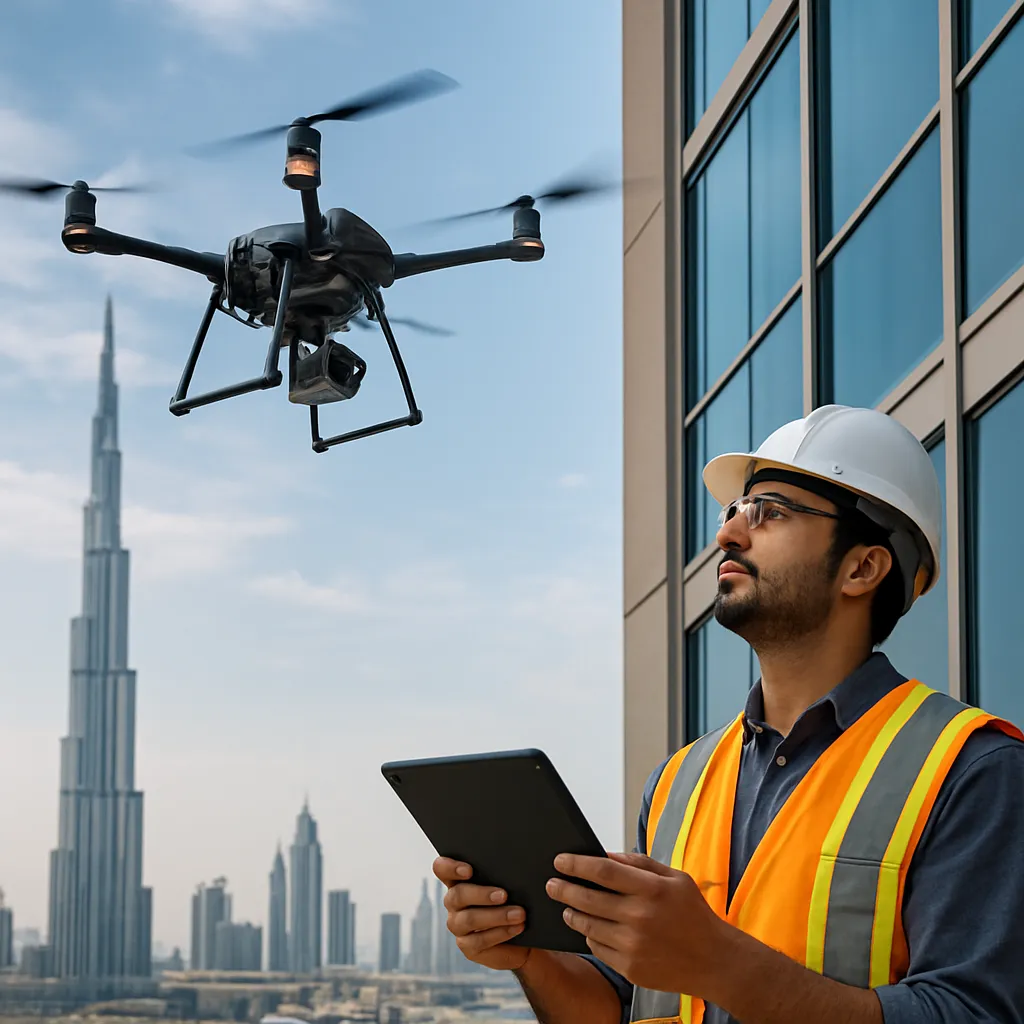
Moreover, the logistics sector benefits from autonomous delivery vehicles and drone corridors, which are in the process of being trialed across key developments. Such initiatives reduce last-mile emissions and demonstrate how automation can enhance service reliability within a bustling metropolis.
Future Prospects for Urban Innovation
Looking ahead, Dubai’s smart city vision continues to expand beyond physical infrastructure. Initiatives such as the Dubai 10X challenge invite government entities to pioneer disruptive solutions that will make the city ten years ahead of global standards. Emerging frontiers include:
- Biophilic design: Integrating nature through vertical gardens, sky parks, and indoor forests to improve well-being and air quality.
- Digital twins: Creating virtual replicas of entire districts for simulation, planning, and disaster management.
- Circular economy models: Promoting waste-to-energy systems, recycled building materials, and modular construction.
The Marasi Business Bay development is set to feature a network of waterways, pedestrian bridges, and remote-operated craft, exemplifying how urban waterways can become dynamic public spaces. Meanwhile, plans for the next-generation Dubai South airport city propose an autonomous ecosystem for logistics, tourism, and research, further cementing the emirate’s role as a global testbed.
Beyond technology, Dubai’s emphasis on collaboration with international design firms, research institutions, and local stakeholders fosters an inclusive approach to urban evolution. Workshops, hackathons, and public consultations ensure that every resident can contribute to shaping the future. This participatory ethos enhances the sense of ownership and ensures that architectural innovation aligns with social aspirations.
By weaving together cutting-edge engineering, cultural stewardship, and environmental stewardship, Dubai’s architectural philosophy presents a replicable model for cities worldwide. The emirate’s journey illustrates that visionary design, when paired with strategic policymaking and community engagement, can transform a desert landscape into a thriving, sustainable metropolis ready to meet the challenges of the 21st century and beyond.