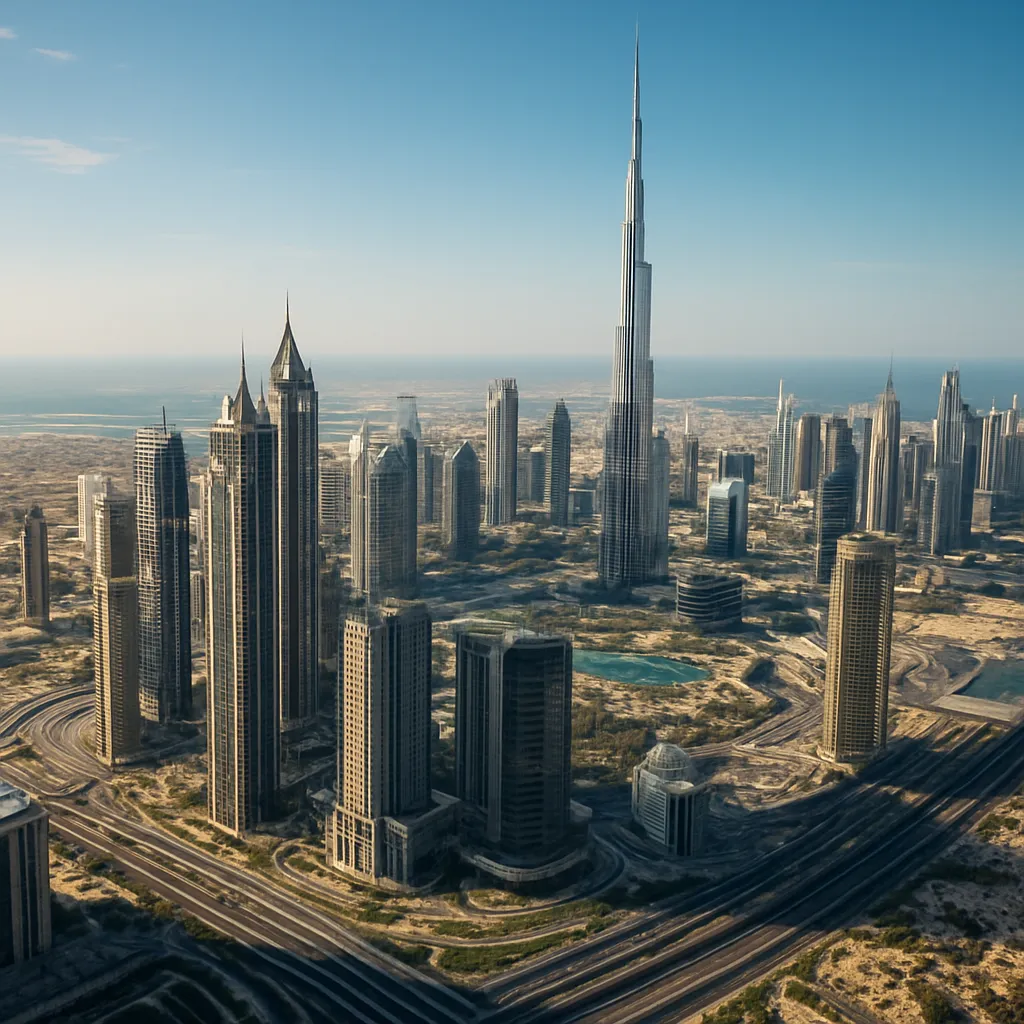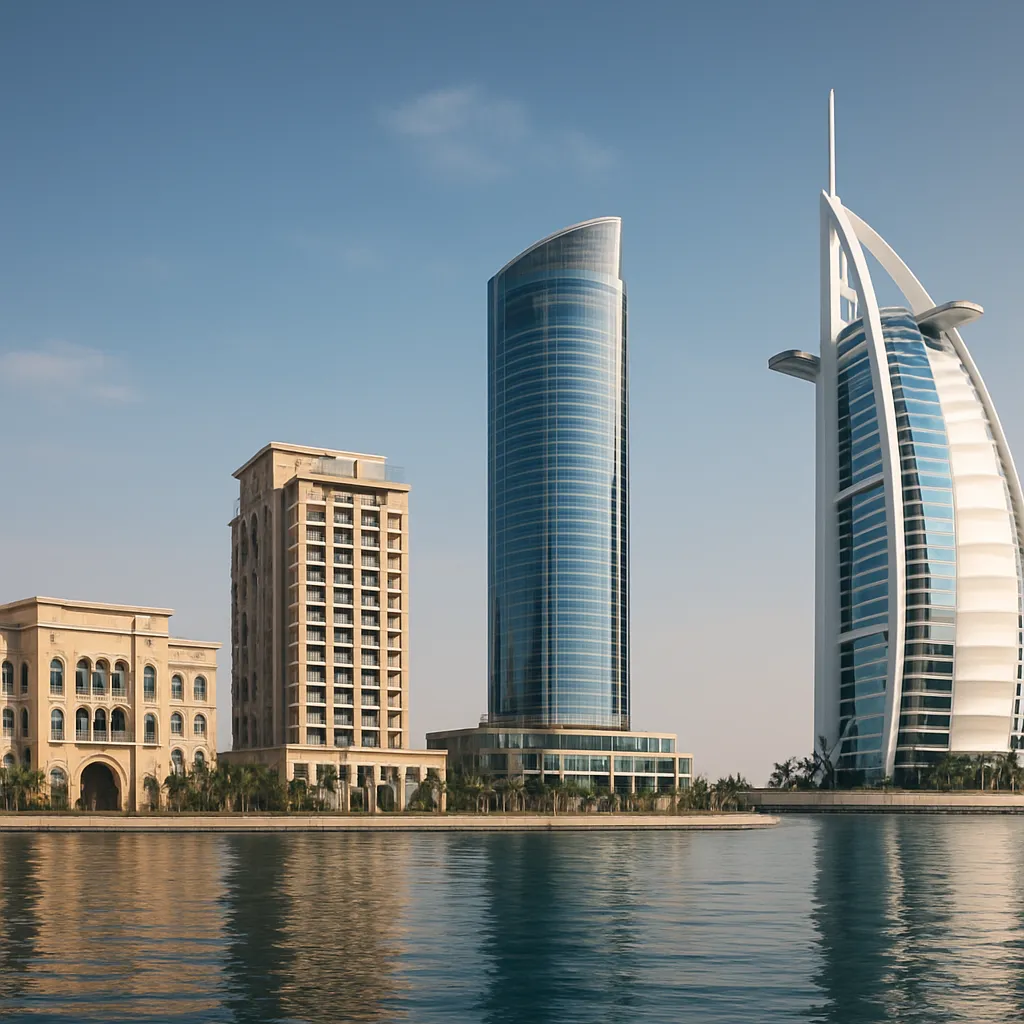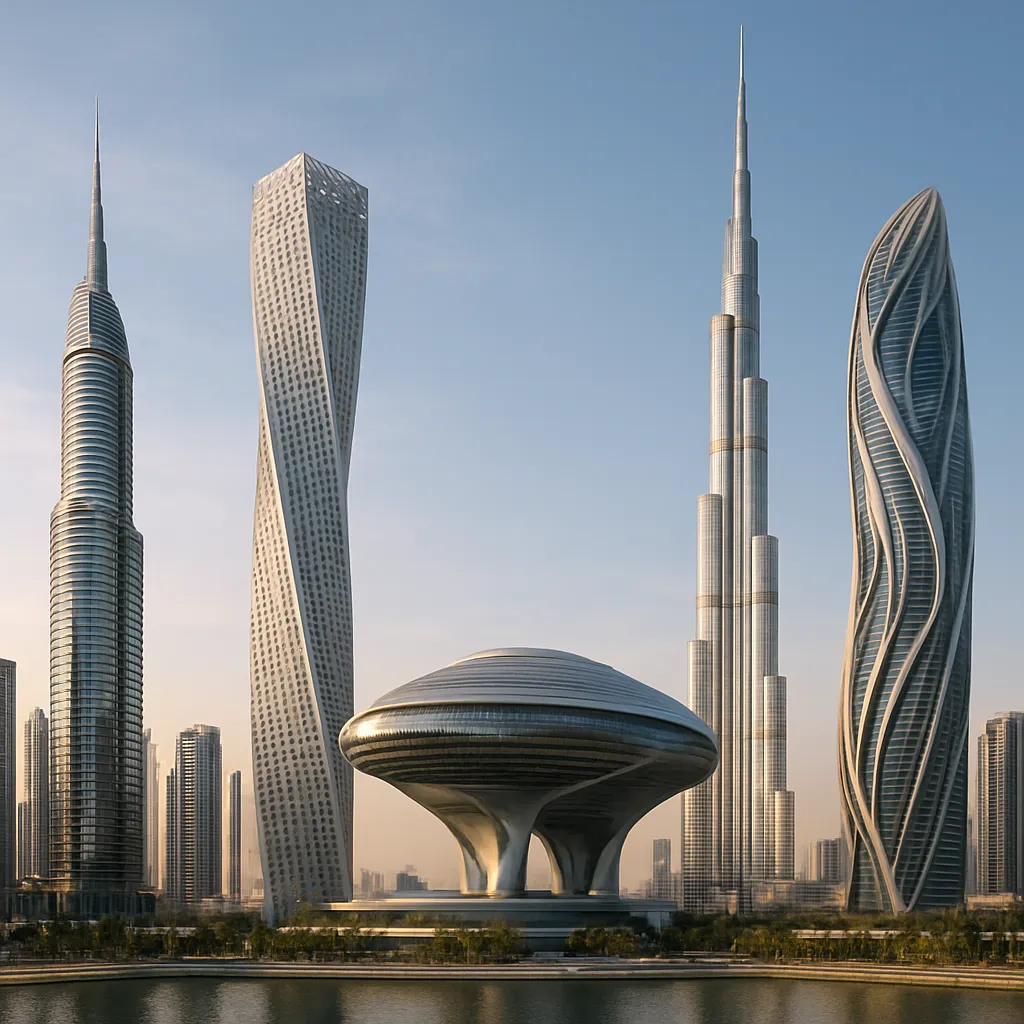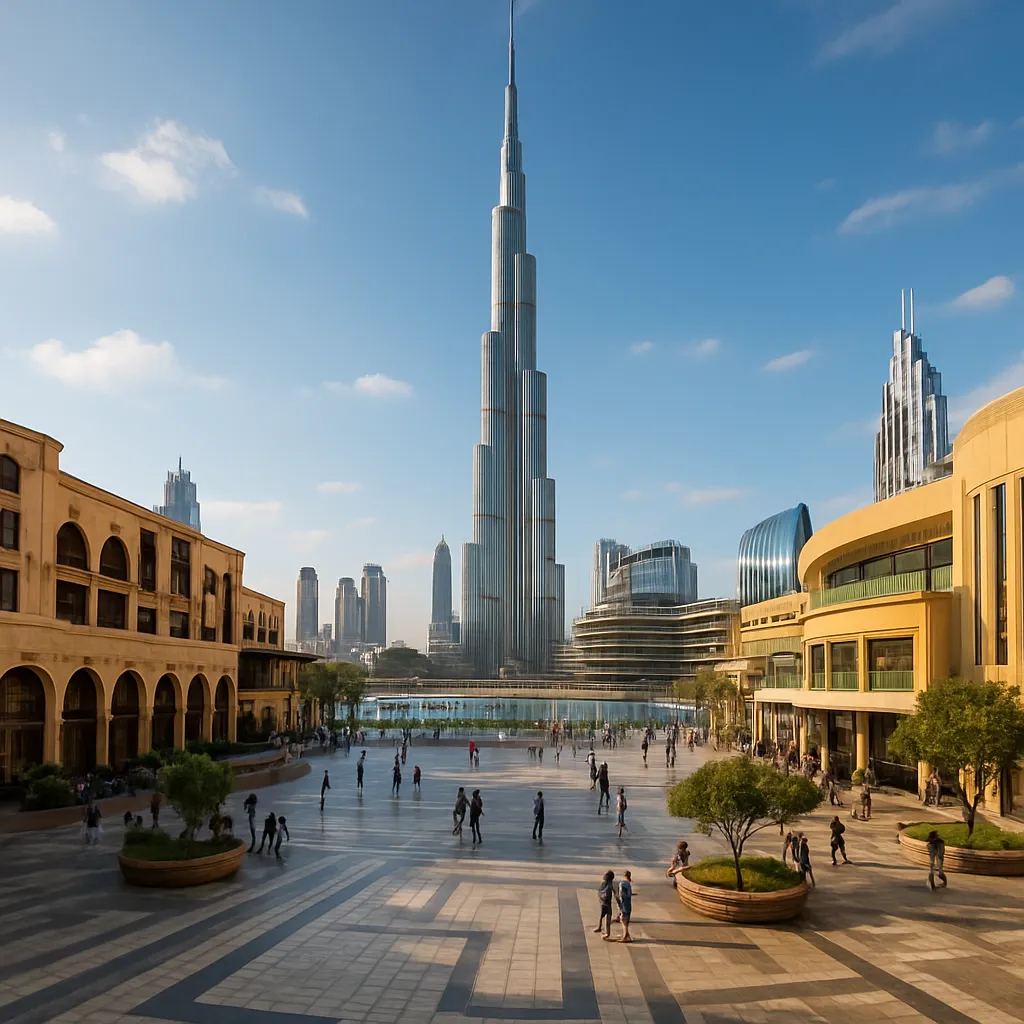
The Architectural Importance of Public Spaces in Dubai transcends mere aesthetics to embody a vision of connectivity, urbanism, and inclusivity that shapes the city’s identity. From waterfront promenades to sprawling cultural hubs, these spaces serve as dynamic platforms for social exchange, economic vitality, and environmental stewardship. By examining their evolution, design principles, and broader implications, we gain insight into how Dubai leverages its public arenas to balance rapid modernization with deep-rooted cultural heritage.
Evolution of Public Spaces in Dubai
Traditional Roots and Early Urban Patterns
Long before the rise of skyscrapers along Sheikh Zayed Road, Dubai’s public life revolved around accessibility to coastal souks, open-air markets, and communal meeting points near natural water channels. The simple majlis—a shaded courtyard or tent—embodied functionality and resilience in a harsh desert climate. These early gatherings fostered strong social interaction, laying groundwork for a more elaborate urban framework that would follow.
Rapid Modernization and the Shift to Iconic Landmarks
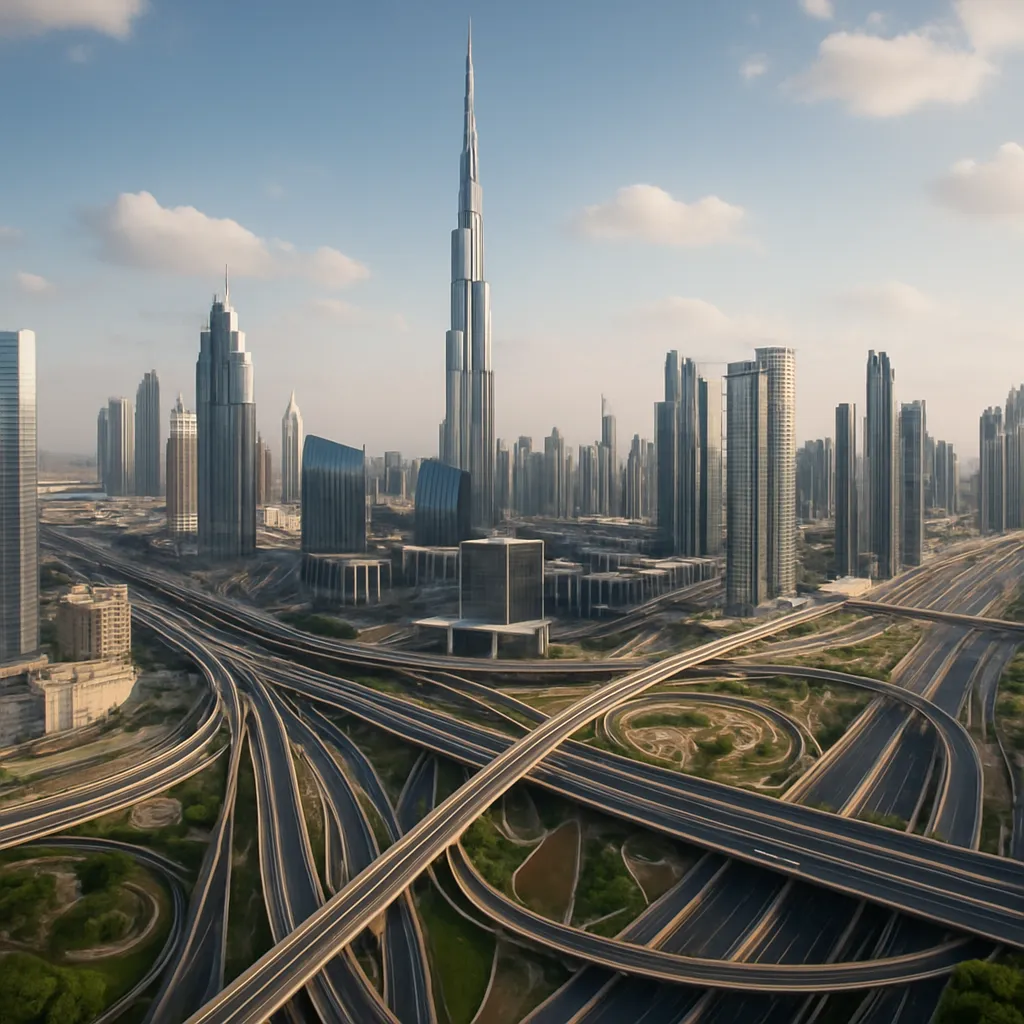
The discovery of oil in the 1960s initiated a dramatic transformation. Urban planners introduced wide avenues, roundabouts, and landscaped medians to connect emerging residential districts with downtown areas. By the 1990s, government-led initiatives prioritized landmark developments like the Dubai Creek Tower and Palm Jumeirah. Public plazas, elevated walkways, and waterfront boardwalks sprouted alongside these projects, showcasing an ambition to fuse innovation with human-centered design.
Architectural Features and Design Principles
Integration with Iconic Buildings
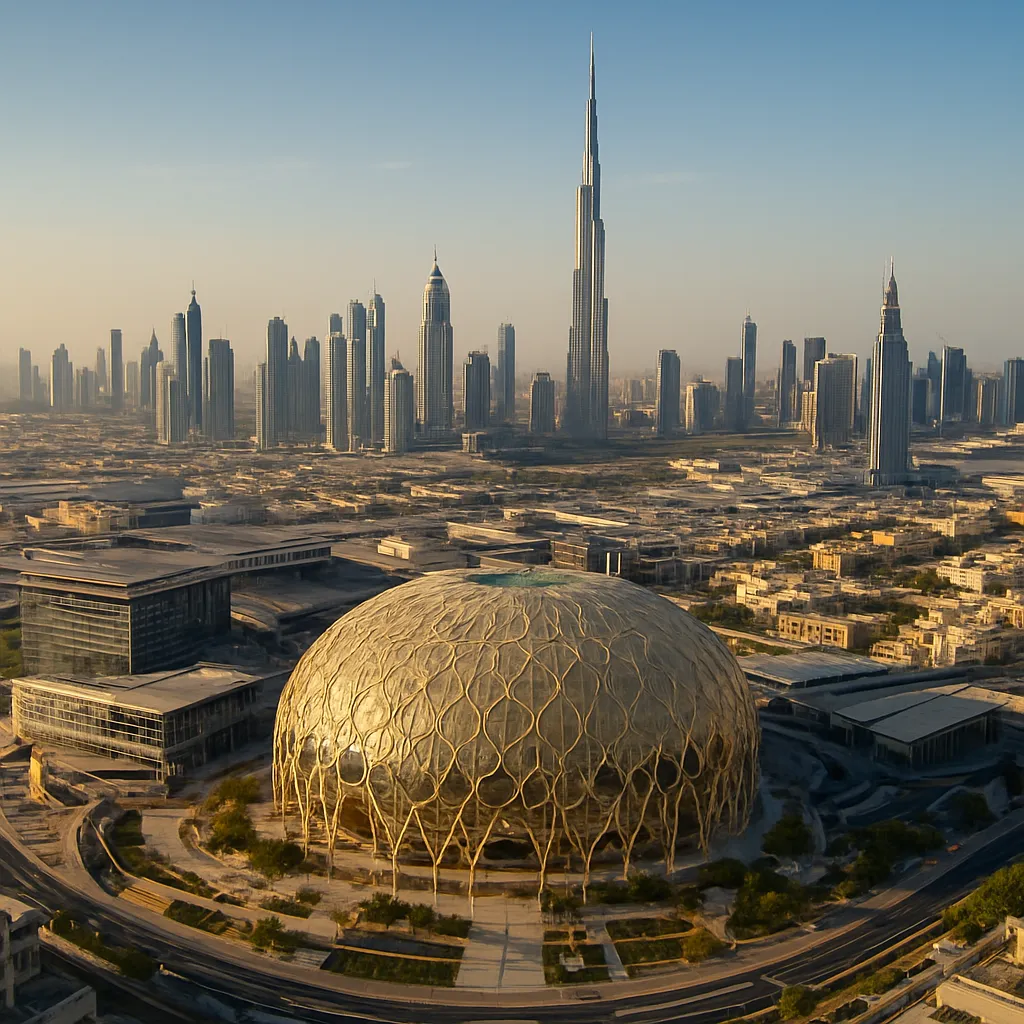
Dubai’s skyline often overshadows its ground-level spaces, yet the two are deeply interwoven. The Burj Khalifa Downtown District, for example, pairs high-rise luxury with the Dubai Fountain Plaza, a grand public stage designed to host daily multimedia performances. Such synergies demonstrate how vertical and horizontal dimensions can reinforce one another, creating unified urban experiences.
- Connectivity: Seamless pedestrian networks link metro stations to plazas and parks.
- Accessibility: Universal design accommodates all ages and abilities.
- Iconic Identity: Sculptural elements reflect local culture and global ambition.
- Sustainability: Passive cooling and solar shading mitigate high temperatures.
- Flexibility: Versatile zones host markets, festivals, and community gatherings.
Sustainability and Environmental Responsiveness
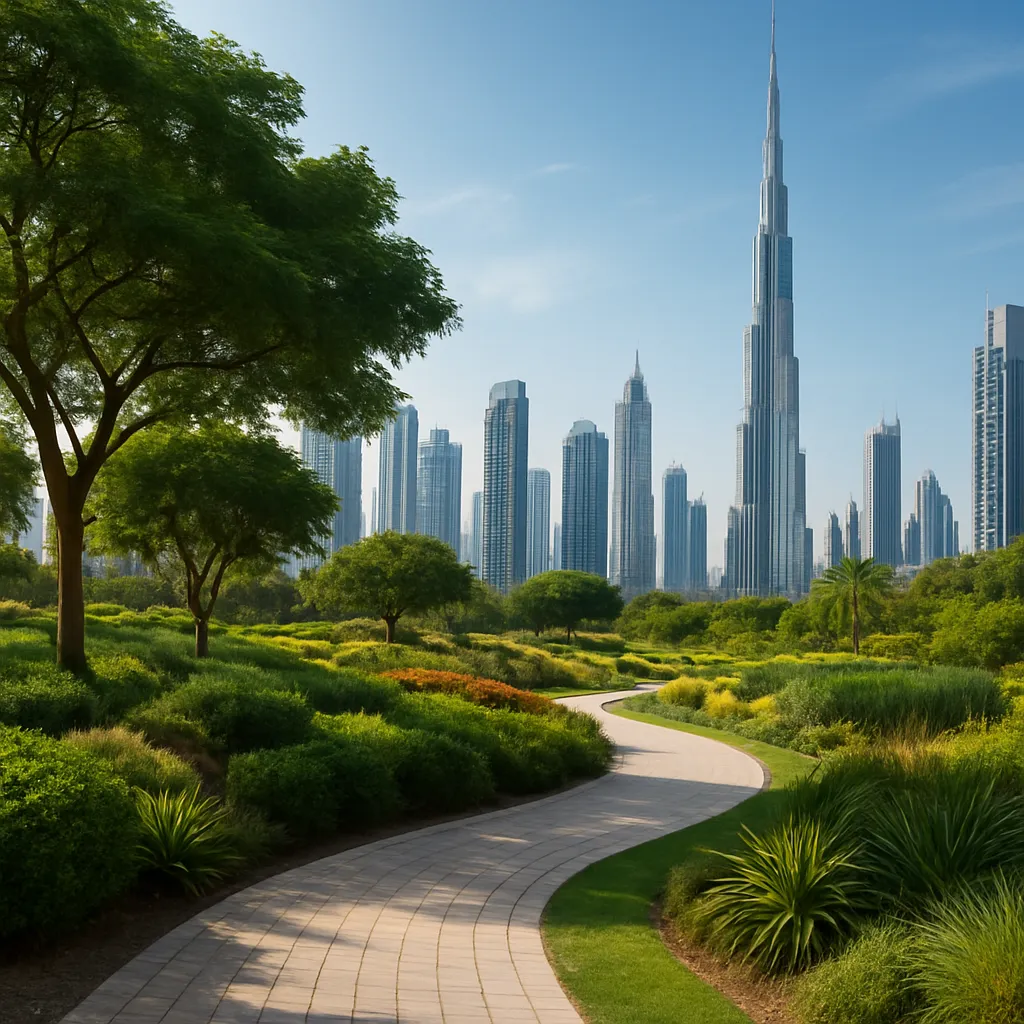
Given Dubai’s arid climate, public spaces must integrate sustainability at every scale. Native plantings reduce water consumption, while water features generate microclimates through evaporative cooling. Solar panels line pergolas and shade structures to power lighting and interactive installations. Rainwater harvesting systems feed irrigation networks, exemplifying a commitment to resource efficiency within highly trafficked civic zones.
Social, Cultural, and Economic Impacts
Enhancing Social Cohesion
Public spaces in Dubai function as crucibles of cultural diversity. Residents and visitors from across the globe converge in open-air amphitheaters, boardwalks like La Mer, and heritage sites around Al Fahidi Historical Neighbourhood. By offering accessible venues for festivals, art installations, and educational workshops, these areas foster mutual understanding and collective memory, strengthening the city’s social fabric.
Stimulating Economic Activity
Cultural promenades and plaza-front retail create ripple effects in tourism and local entrepreneurship. Outdoor markets adjacent to the Dubai Mall and Souk Madinat Jumeirah attract artisanal vendors and food trucks, generating revenue streams that complement conventional commercial districts. Seasonal events—ranging from light festivals to gourmet food fairs—transform these spaces into economic hotspots year-round.
Championing Health and Wellbeing
Incorporating walking paths, exercise stations, and shaded seating zones, Dubai’s public arenas promote healthy lifestyles. The Al Qudra Cycling Track and Creekside Park integrate green corridors for jogging and cycling. By embedding recreational infrastructure within urban layouts, planners encourage daily physical activity and mental rejuvenation.
Technological Integration and Smart Urbanism
Interactive Installations and Digital Wayfinding
Smart benches equipped with charging ports, Wi-Fi hotspots, and solar lighting have become signature elements of modern plazas. Interactive screens provide real-time transit updates, weather forecasts, and event schedules. These technologies not only enhance user convenience but also gather data on visitor patterns, informing future design optimizations.
Security and Crowd Management
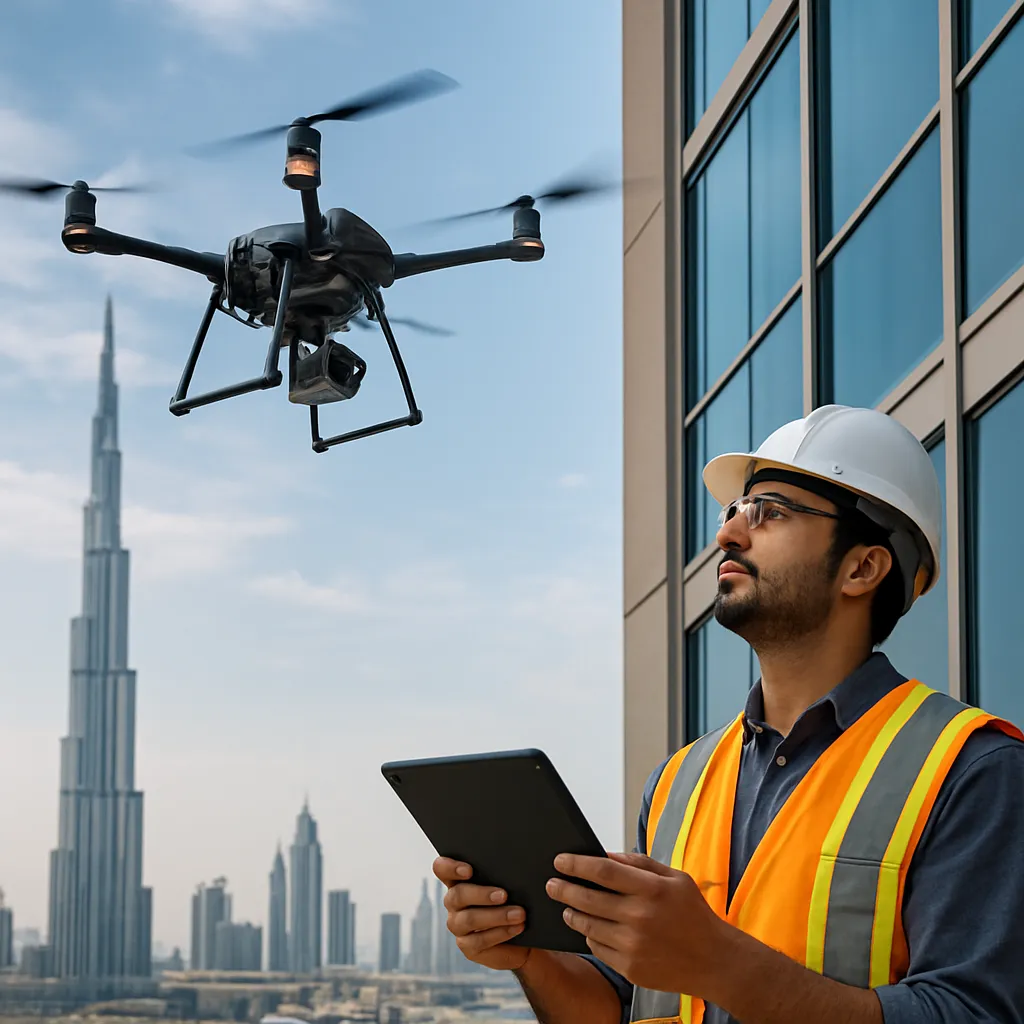
Advanced surveillance systems—integrated seamlessly with architectural elements—ensure public safety without compromising openness. Intelligent crowd-flow analytics predict congestion, guiding spatial adjustments for peak events. Drone-based monitoring further expands oversight in vast waterfronts and desert parks.
Future Challenges and Opportunities
Maintaining Cultural Authenticity
As Dubai’s skyline grows ever more iconic, maintaining authentic expression in public spaces remains crucial. Architects and urbanists are urged to revisit vernacular design principles—wind towers, perforated screens, and local materials—to preserve a sense of place. This approach counters the risk of over-modernization and promotes a dialogue between past and present.
Scaling Green Infrastructure
Expanding tree-lined boulevards, vertical gardens, and rooftop parks can mitigate urban heat island effects. Proposed green belts around new developments aim to connect isolated green pockets, fostering biodiversity corridors. By weaving sustainability into the very fabric of public spaces, Dubai can pioneer resilient urbanism for arid megacities worldwide.
Inclusive Community Engagement
Planning processes are gradually becoming more participatory. Digital platforms invite residents to propose features—playgrounds, art zones, or performance stages—in upcoming projects. Such collaborations ensure that public spaces reflect the needs of diverse demographics, reinforcing a sense of ownership and pride.
Harnessing Cultural Tourism
Upcoming cultural districts—such as the Dubai Design District expansion and Museum of the Future precinct—will rely on interconnected plazas and pedestrian avenues to attract global audiences. By positioning public spaces as integral parts of the visitor journey, Dubai consolidates its reputation as a destination that seamlessly blends spectacle with everyday experiences.
Through strategic design and forward-looking policies, Dubai’s public spaces continue to redefine urban living in extreme environments. They exemplify how innovation, identity, and accessibility converge to produce dynamic environments where people gather, interact, and thrive.