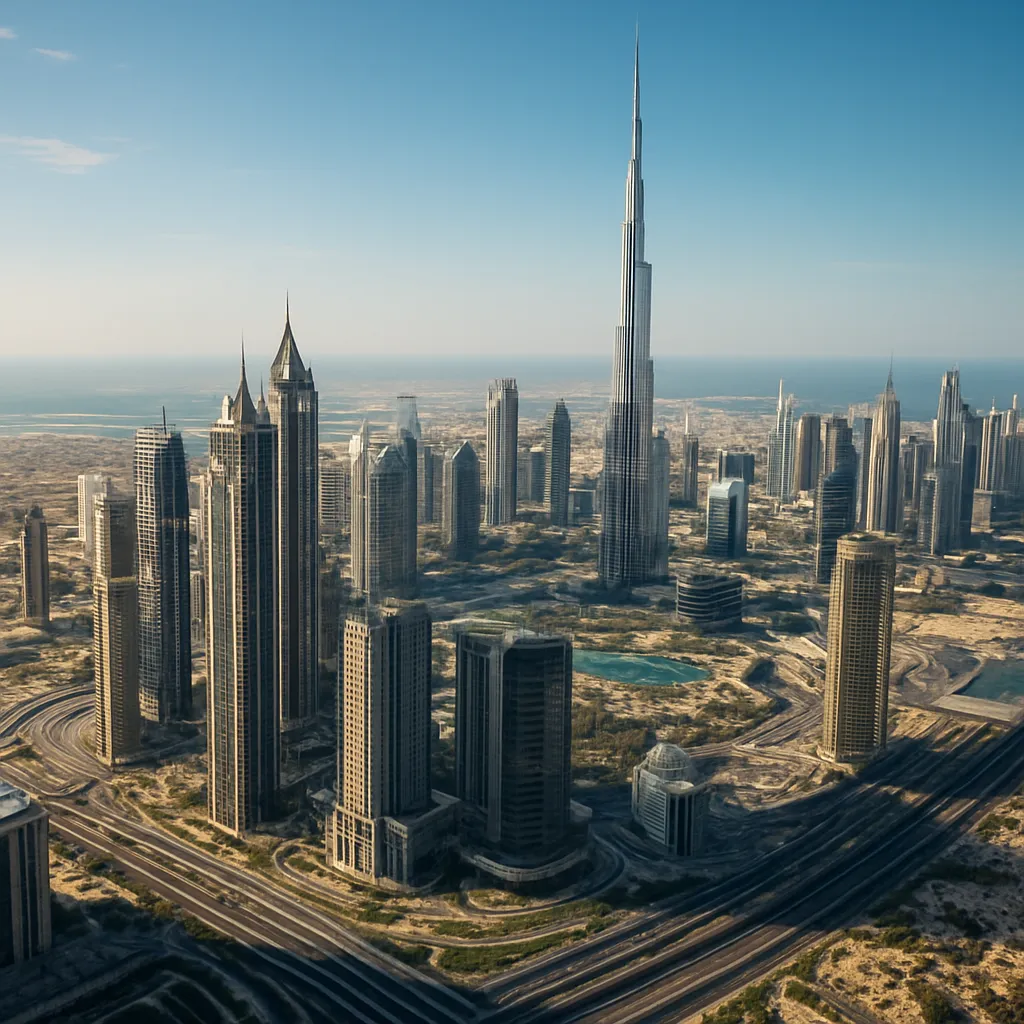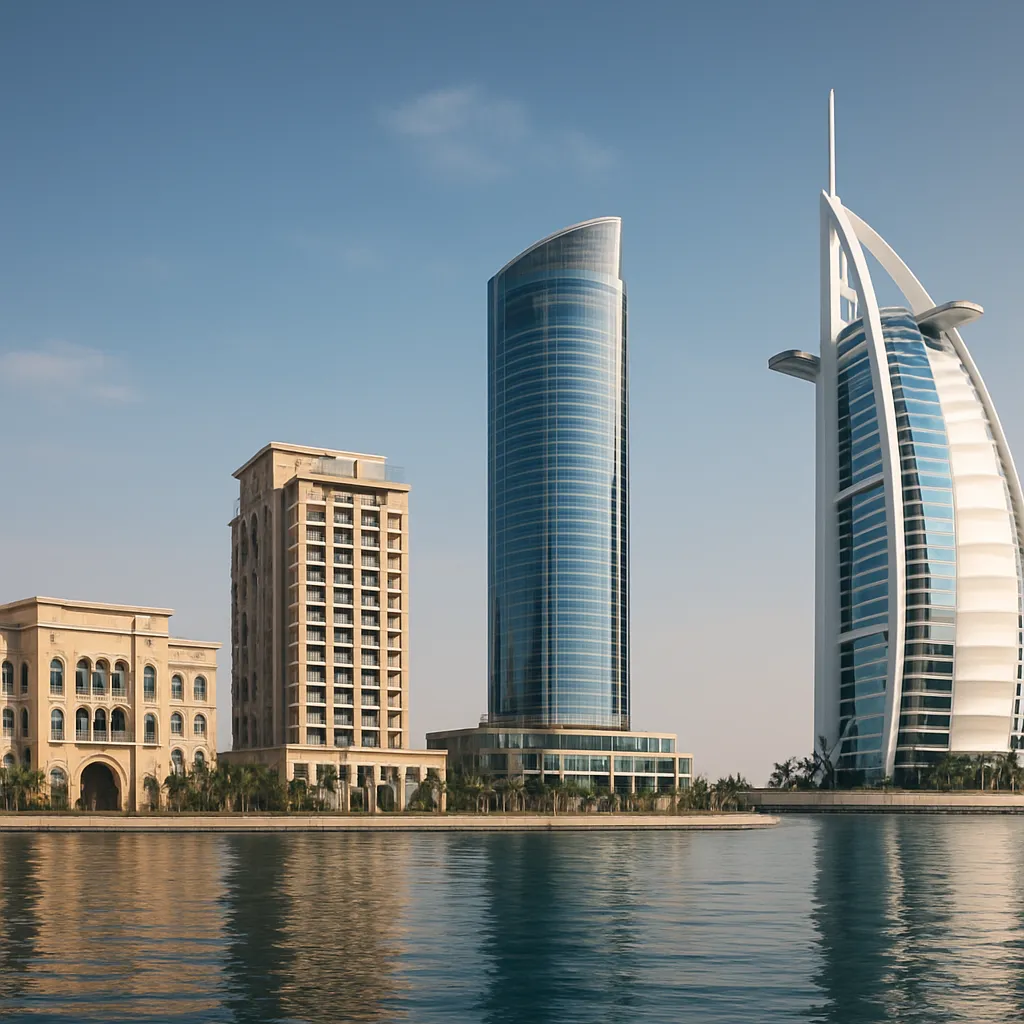
Dubai’s hospitality scene has witnessed a remarkable transformation over the past few decades. From modest desert lodges to glimmering towers that define the city’s skyline, hotel architecture in Dubai has consistently pushed boundaries. Developers, architects and hoteliers have embraced innovation to create environments that blend comfort, spectacle and cultural resonance. This article explores three key phases in the evolution of hotel design, highlighting how Dubai became synonymous with luxury, iconic form and pioneering sustainability.
Early Ambitions in Hotel Design in Dubai
Pioneering Structures
In the 1970s, Dubai began its journey from a small trading port into a global city. The first international chains—such as the Hyatt Regency and Sheraton—introduced Western-style accommodation, setting new standards for hospitality in the region. These early high-rise blocks demonstrated that modern design and local traditions could coexist.
Key characteristics of this era:
- Emphasis on air-conditioned public spaces, reflecting the harsh desert climate
- Blend of Arabesque decorative motifs with contemporary building techniques
- Use of simple concrete frames, establishing the blueprint for later vertical expansion
Though modest by today’s standards, these hotels laid the groundwork for the city’s towering ambitions. Architects experimented with wind towers and shaded courtyards, referencing centuries-old Bedouin solutions. Such features foreshadowed the later pursuit of sustainability.
The Era of Iconic Luxury Landmarks
Burj Al Arab and Beyond
As Dubai’s economy boomed in the 1990s and early 2000s, developers sought to create architectural statements that would attract international attention. The unveiling of the Burj Al Arab in 1999 marked a turning point. Rising 321 meters on its own artificial island, its sail-like form symbolized the city’s forward-looking spirit and desire to craft a unique identity.
Signature innovations of the Burj Al Arab included:
- A double-curved exoskeleton that reduces wind loads and creates the sail silhouette
- An atrium lobby soaring over 180 meters, one of the tallest in the world
- Helipad cantilevered high above the Persian Gulf
- Interior finishes featuring gold leaf, marble and bespoke artworks
Following this success, a series of other landmark hotels emerged:
- Atlantis, The Palm: A mythical-themed resort with underwater suites and marine habitats
- Jumeirah Emirates Towers: Twin triangular towers reflecting corporate and leisure fusion
- The Address Downtown: A sleek tower with glass façade, anchoring the Burj Khalifa district
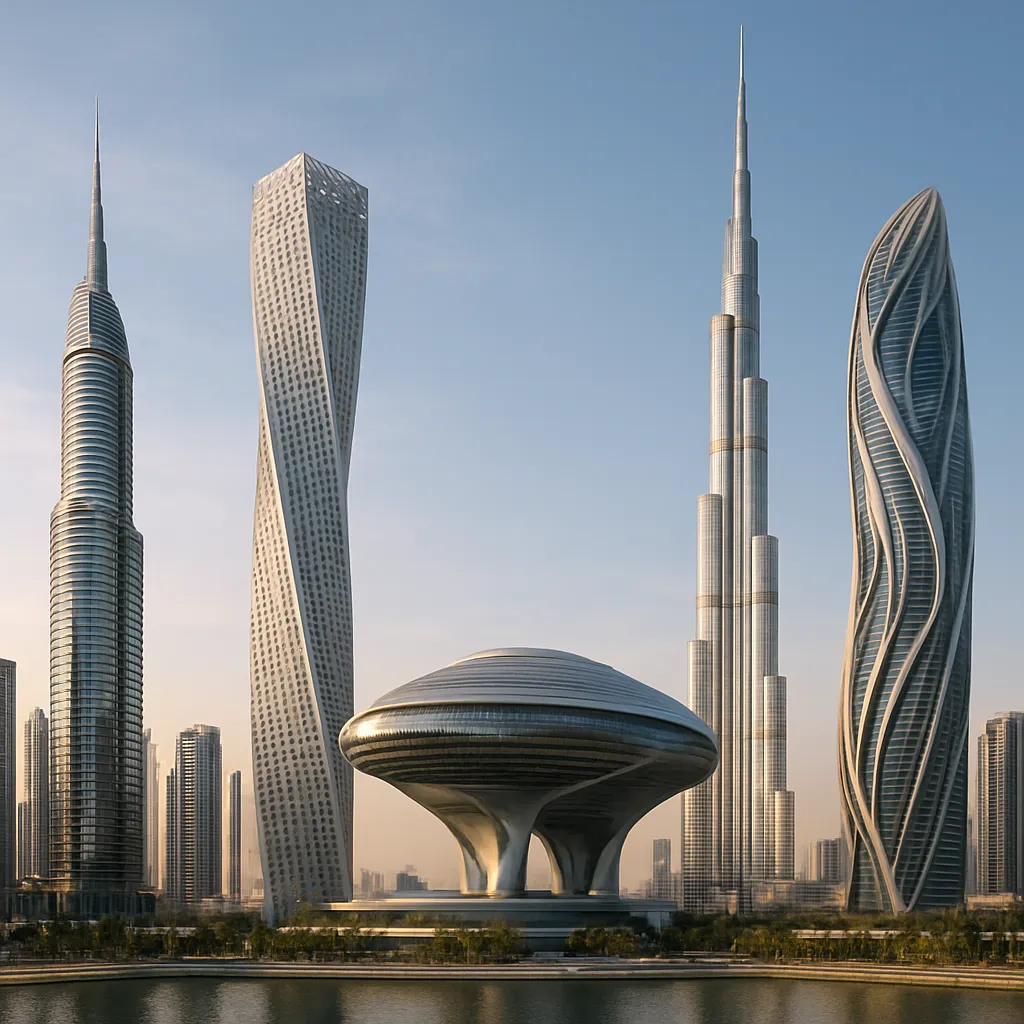
Each project raised the bar for luxury and spectacle. Architectural firms from around the world were commissioned to deliver one-of-a-kind hospitality venues, resulting in a cityscape defined by daring geometry and lavish finishes.
Sustainable Horizons and Future Innovations
Green Architecture and Eco-Friendly Materials
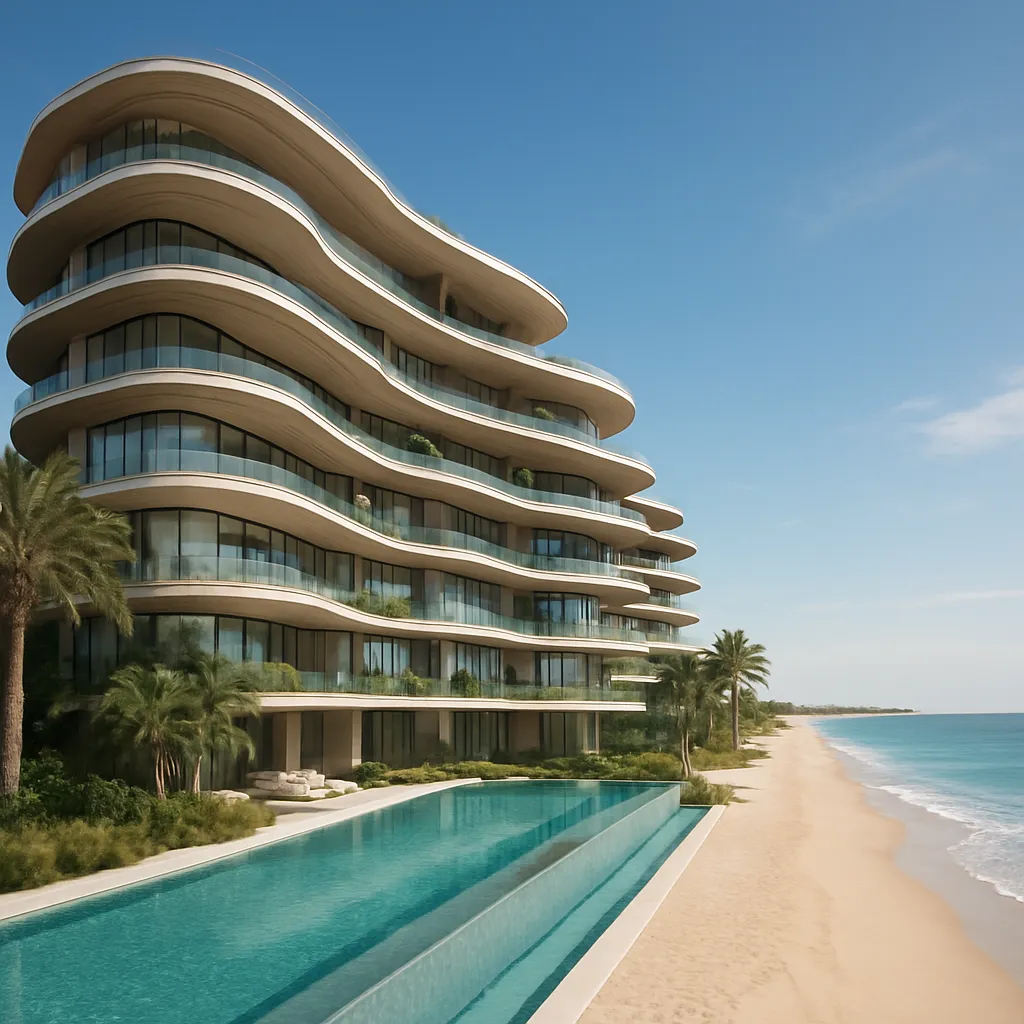
In recent years, Dubai’s hotel sector has shifted focus towards environmental responsibility. Developers recognize that long-term viability depends on integrating sustainability into every structure. New resorts and urban hotels employ passive cooling techniques, smart shading devices, and reclaimed materials.
Notable sustainable features include:
- Solar panels covering rooftops and façades, generating on-site power
- Greywater recycling systems for irrigation and toilet flushing
- Green roofs and vertical gardens that reduce heat gain and improve air quality
- High-performance glazing to minimize solar heat ingress
Certification programs like LEED and Estidama guide developers in achieving stringent efficiency targets. As a result, new hotels often exceed regional benchmarks for energy and water usage.
Technological Integration and Smart Systems
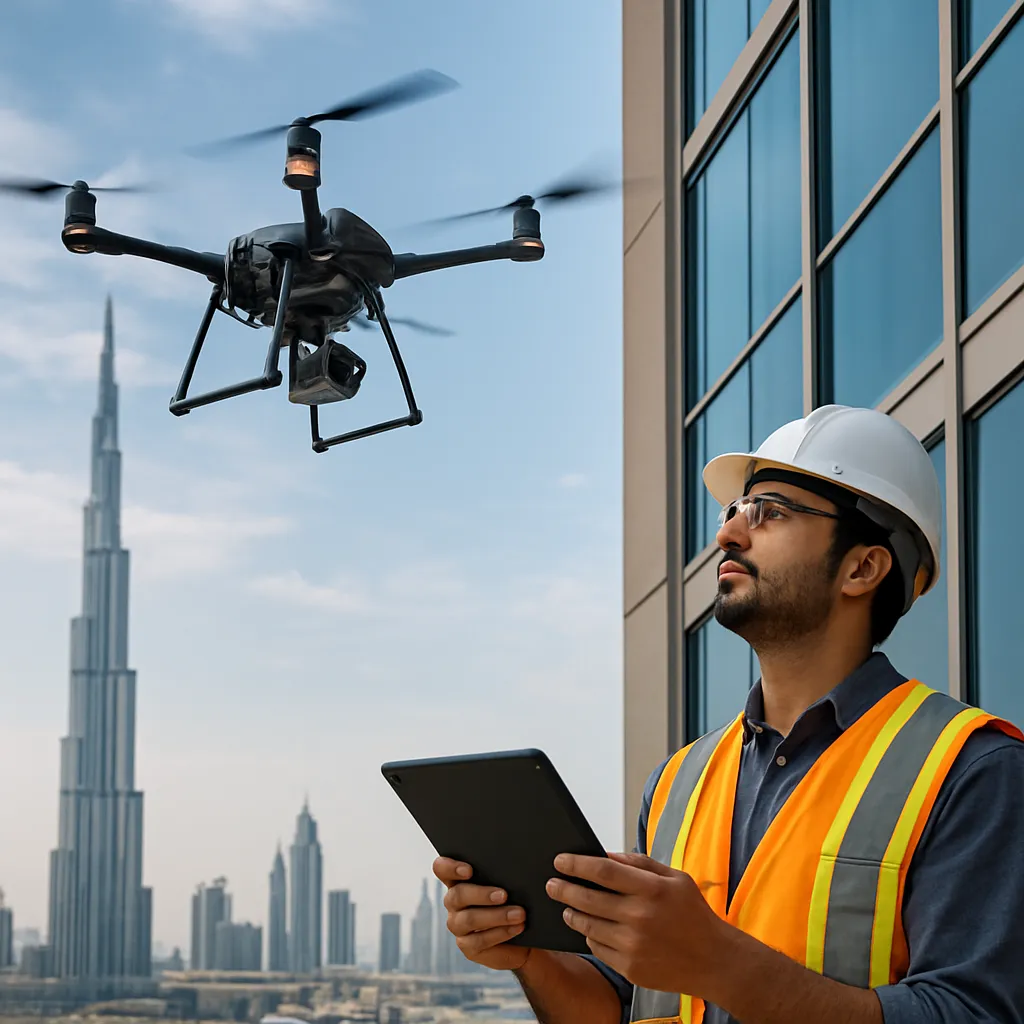
Advanced technology is reshaping the guest experience and operational efficiency. Voice-controlled room adjustments, AI-driven concierge services, and predictive maintenance algorithms are becoming commonplace. The deployment of Internet of Things (IoT) networks allows real-time monitoring of:
- Room occupancy and temperature
- Energy consumption patterns
- Guest preferences for lighting, entertainment and service requests
These cutting-edge systems enhance personalization and reduce waste. Staff can focus on delivering memorable moments rather than routine tasks. Moreover, blockchain-based booking platforms promise secure, transparent transactions, reinforcing Dubai’s position at the forefront of innovation.
Anticipating Tomorrow’s Hospitality Icons
Looking ahead, architects envision hotels that blur the lines between indoor and outdoor, leveraging robotics and sustainable materials such as cross-laminated timber. Plans for underwater, desert-based and population-scale vertical resorts signal a future where form adapts to climate, culture and technology.
The commitment to research and development ensures that every new project advances the dialogue between art and engineering. Whether through 3D-printed hotel pods or self-healing concrete façades, Dubai remains a laboratory for pioneering design strategies—an urban canvas where each landmark propels the next wave of global hospitality trends.