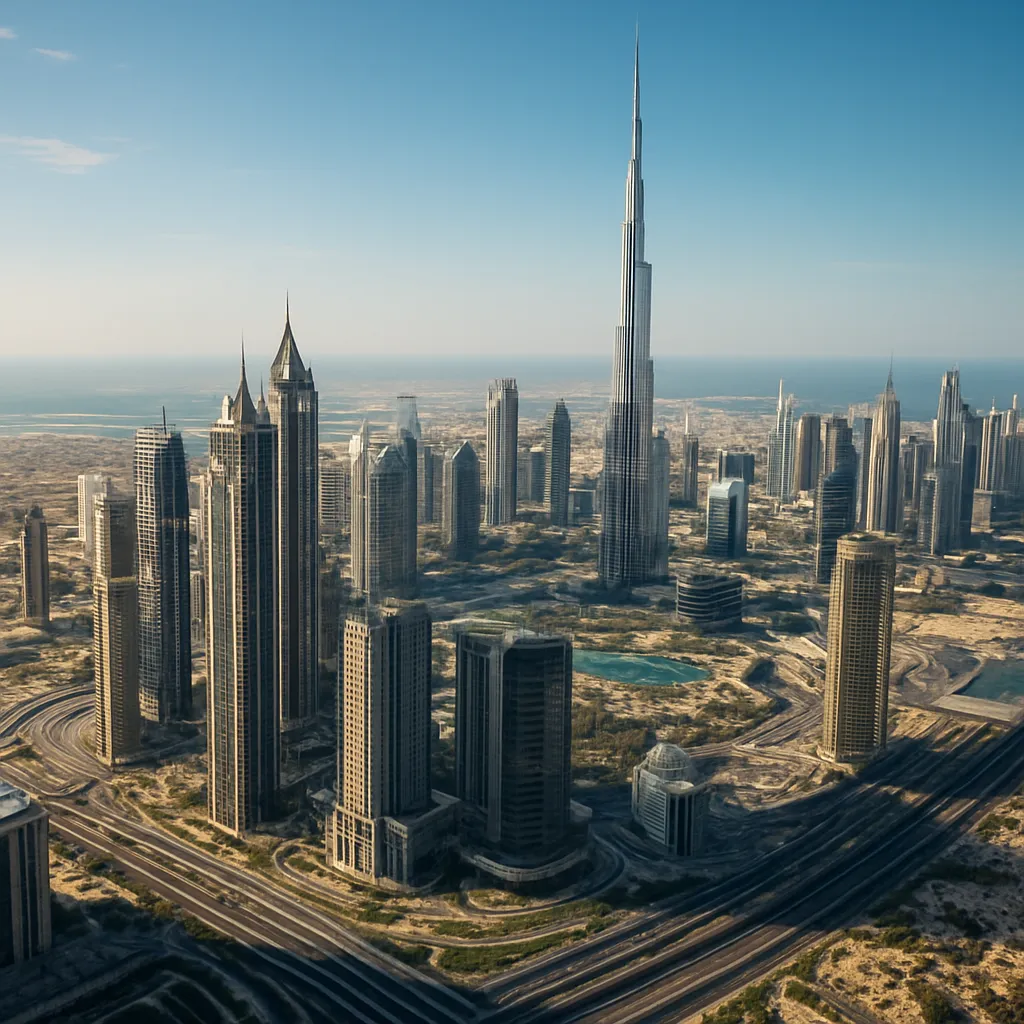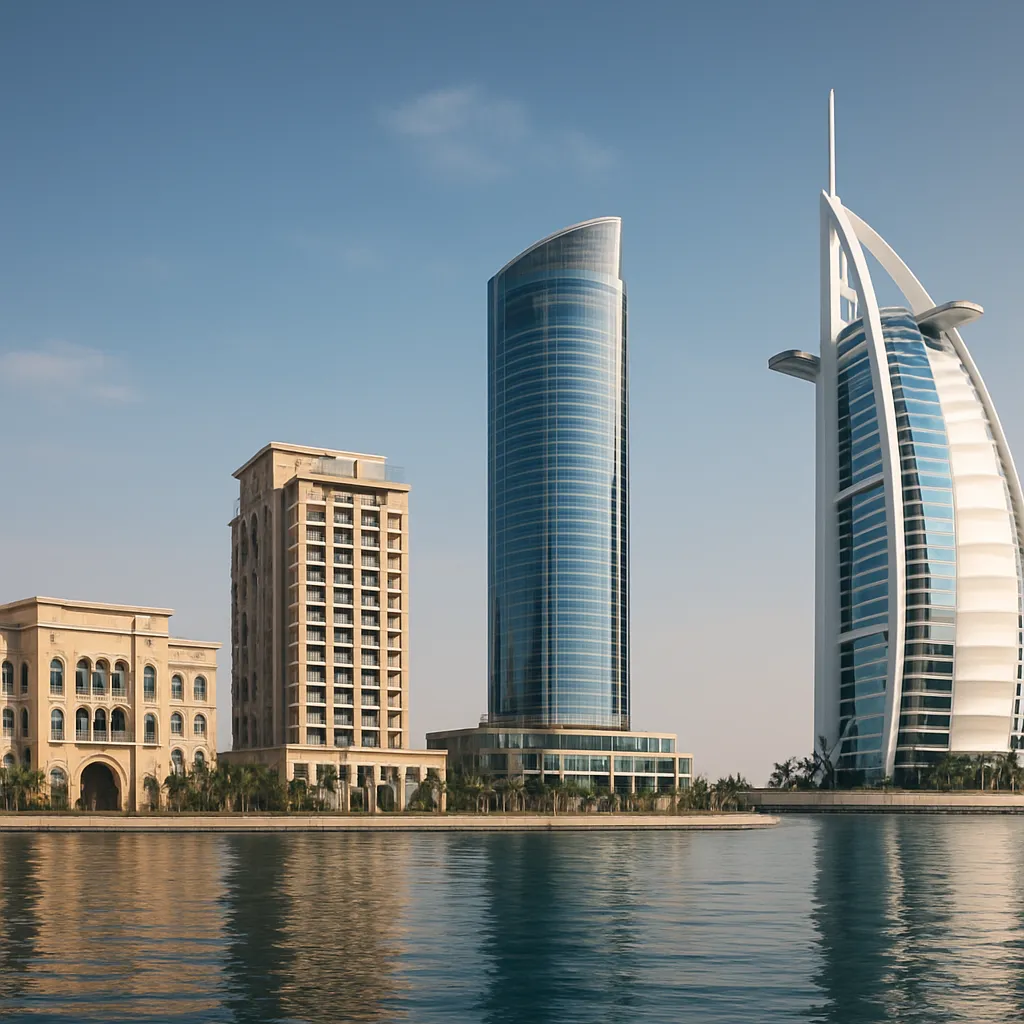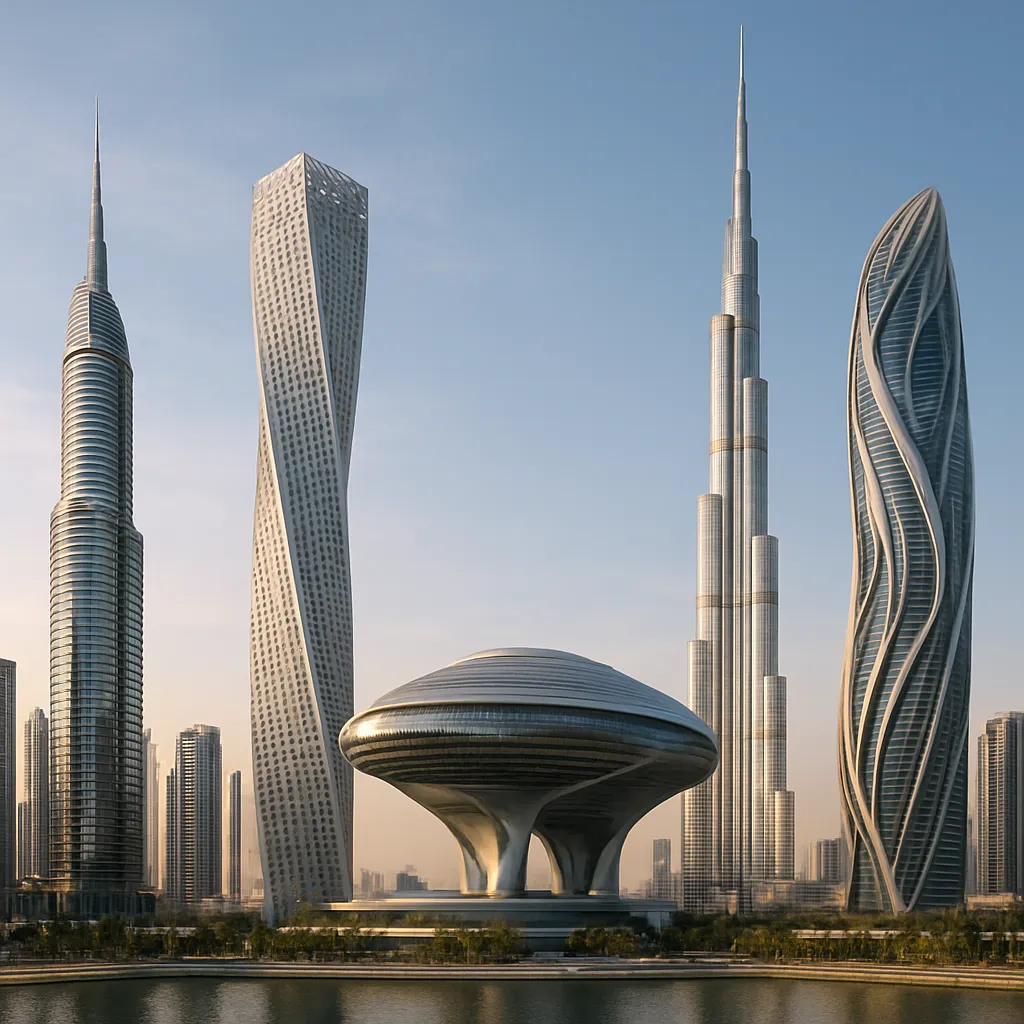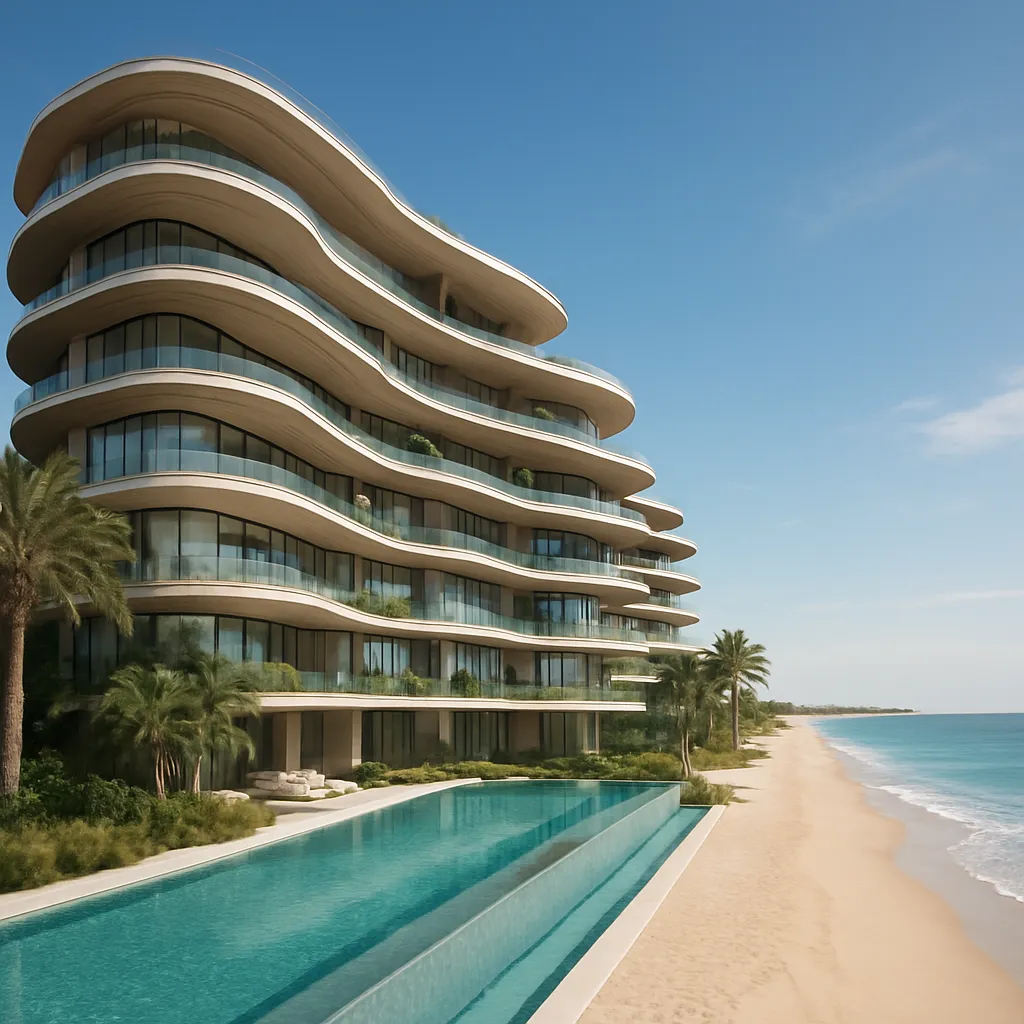
The soaring skyline of Dubai has become synonymous with groundbreaking design, where opulence meets innovation. As global tastes evolve, a new direction has emerged, defined by clean lines, open spaces, and a restrained palette. In this context, the city’s most exclusive residences have embraced minimalist concepts, challenging traditional notions of extravagance. This exploration delves into the driving forces, celebrated projects, and material strategies shaping the rise of understated luxury in one of the world’s most dynamic urban landscapes.
Embracing Minimalist Aesthetics in Dubai’s Luxury Homes
Dubai’s reputation for grandeur and spectacle has long been built on record-setting skyscrapers and lavish interiors overflowing with ornamentation. However, recent developments signal a shift toward refined simplicity. Homeowners and architects alike are captivated by the seamless interplay of space and light, focusing on functionality without sacrificing the sense of luxury intrinsic to the city’s identity.
Key characteristics of this movement include:
- Open-plan layouts that enhance fluid circulation and visual continuity
- Neutral color palettes—whites, beiges, muted grays—to evoke calm
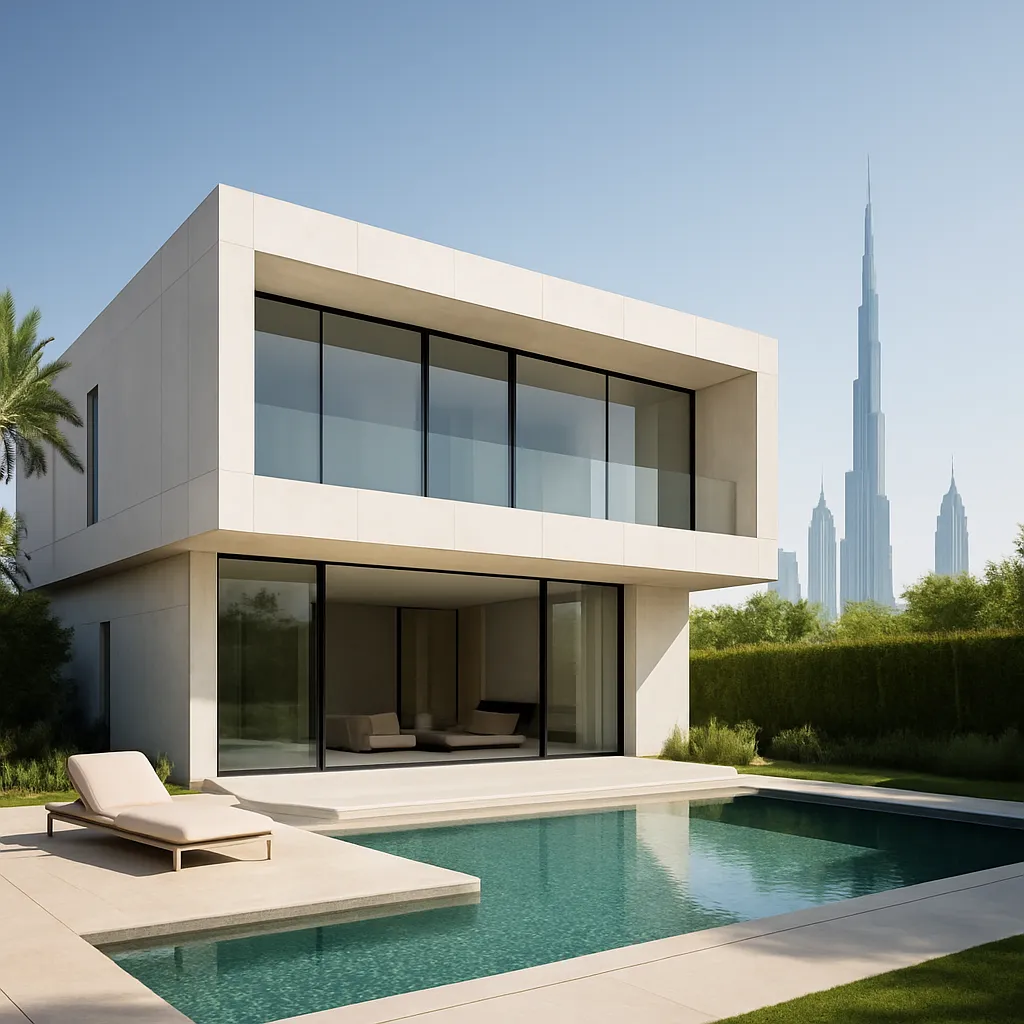
- Integration of natural light via floor-to-ceiling glazing
- Selective use of bespoke furnishings, each piece bearing sculptural significance
- Strategic incorporation of texture through stone, wood, and matte finishes
By paring back decorative details, architects emphasize the purity of form and the remarkable engineering feats behind expansive cantilevers or floating staircases. The result is an environment where curated art installations or singular statement elements command attention, reinforcing a sense of elegance rooted in restraint.
Iconic Projects and Leading Architectural Practices
A cadre of visionary firms has propelled minimalist luxury to the forefront of Dubai’s residential scene. These studios prioritize clarity of vision and meticulous craftsmanship, forging spaces that balance grandeur with intimate comfort.
Key Projects
- Villa Alila by A2 Architecture: Exemplifies the dialogue between solid volumes and negative space. Expansive terraces overlook the Arabian Gulf, while interior gardens blur the lines between indoor and outdoor living.
- The Reef Mansion by TerraForm Design: Showcases a dynamic façade of horizontal louvers that adjust for sun control, creating ever-changing shadow patterns throughout the day.
- Quartz Residences by NovaForm Studio: Utilizes monolithic blocks of limestone and blackened steel, achieving an austere yet inviting ambiance through warm indirect lighting and concealed storage solutions.
These ventures share a common thread: the unwavering commitment to elevating architecture beyond aesthetic trend, treating each dwelling as a holistic experience. Interiors are free from superfluous ornamentation, allowing structural elements—such as cantilevered slabs and load-bearing columns—to become celebrated features.
Behind such pioneering projects are firms that champion holistic collaboration, ensuring that landscape architects, lighting specialists, and interior designers contribute to a unified vision. The synthesis of these disciplines yields spaces that exude cohesion and elevate the everyday routines of discerning residents.
Materials, Sustainability, and Environmental Synergy
Minimalist luxury in Dubai goes hand in hand with a commitment to sustainability. Given the region’s intense climate and resource challenges, designers emphasize durable, regionally appropriate materials and energy-efficient systems. Key strategies include:
- High-performance glazing with low-emissivity coatings to reduce cooling loads
- Locally sourced stone finishes—such as travertine and marble—minimizing transportation impact
- Recycled or repurposed elements, from timber cladding to metal fixtures
- Integration of photovoltaic panels into shading devices and roof planes
- Smart home automation for precise control of lighting, HVAC, and shading
By emphasizing passive design principles—cross-ventilation, thermal mass, and solar orientation—architects achieve high levels of comfort with reduced reliance on mechanical systems. Courtyards and green walls not only introduce cooling microclimates but also reinforce the connection to nature, a hallmark of minimalist aesthetics.
Material selection extends beyond performance. Finishes are chosen for their patina over time, celebrating the gradual evolution of surfaces rather than striving for artificial permanence. This approach aligns with the minimalist ethos of authenticity, encouraging occupants to forge a deeper relationship with their surroundings.
Challenges, Cultural Context, and Future Trajectories
While minimalist luxury finds favor among a growing cohort of international clients, its widespread adoption in Dubai faces distinct challenges. Cultural expectations of ostentation remain deeply entrenched, and developers often prioritize maximum visual impact to drive sales. Overcoming these paradigms requires persuasive demonstration of how pared-back design yields long-term value—both financially and experientially.
Emerging trends poised to influence the next wave of minimalist residences include:
- Adaptive re-use of existing structures, preserving heritage while injecting contemporary simplicity
- Modular and prefabricated elements, enabling high precision and reduced construction waste
- Biophilic integration—seamless green terraces and indoor gardens enhancing well-being
- Advanced materials research, such as self-healing concrete and phase-change insulation
- Augmented reality tools for real-time customization of spatial layouts and finishes
Ultimately, the future of minimalist innovation in Dubai’s luxury segment will hinge on the ability of architects and developers to communicate the profound impact of disciplined design. As urban density grows and environmental considerations become ever more urgent, the pursuit of simplicity may well define the next chapter of the city’s storied architectural narrative, forging a delicate harmony between opulence and responsible stewardship.