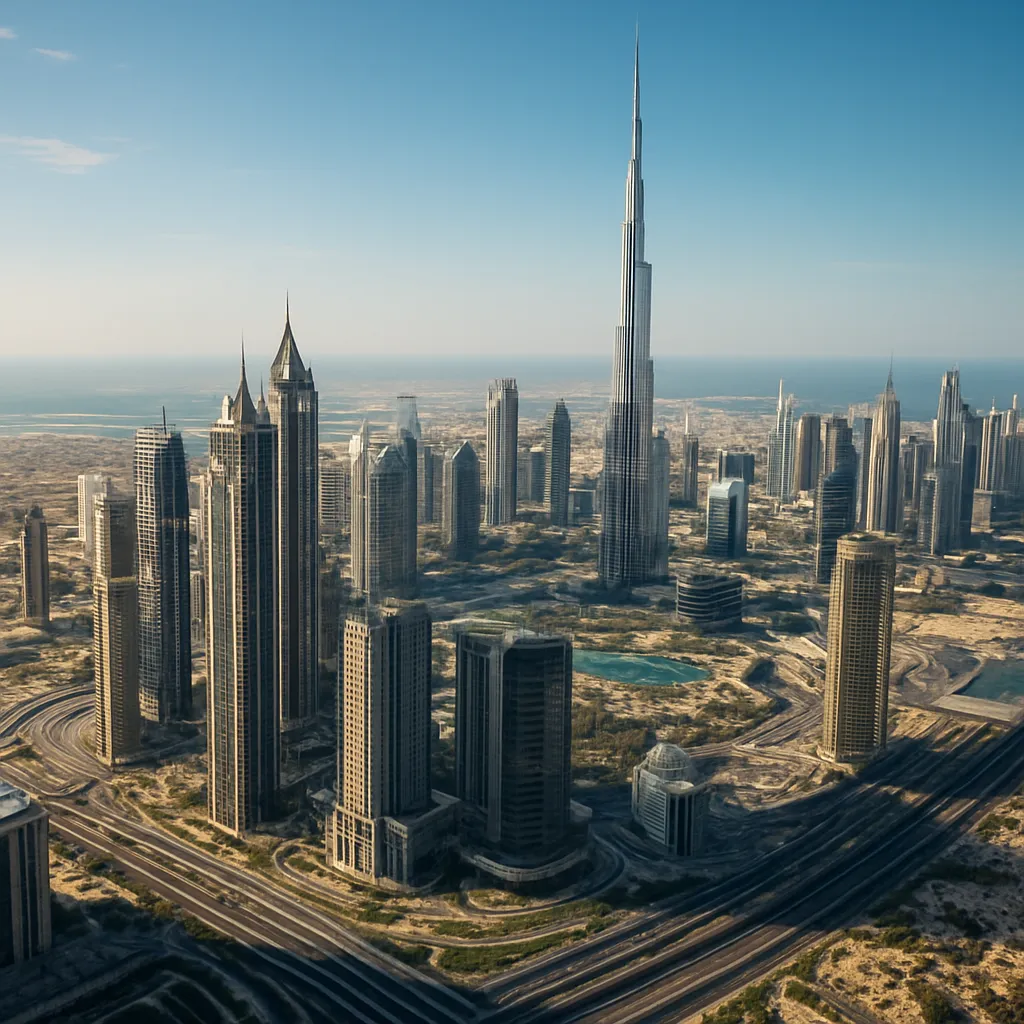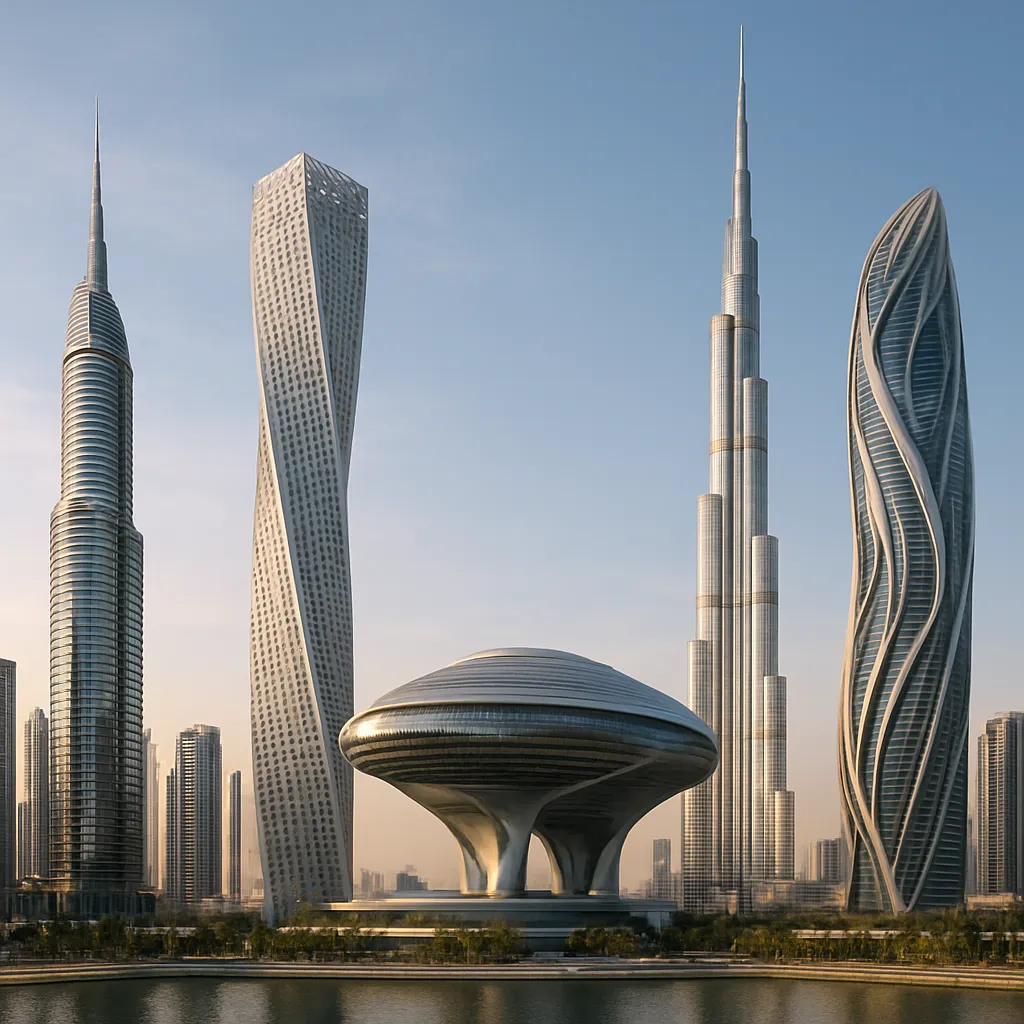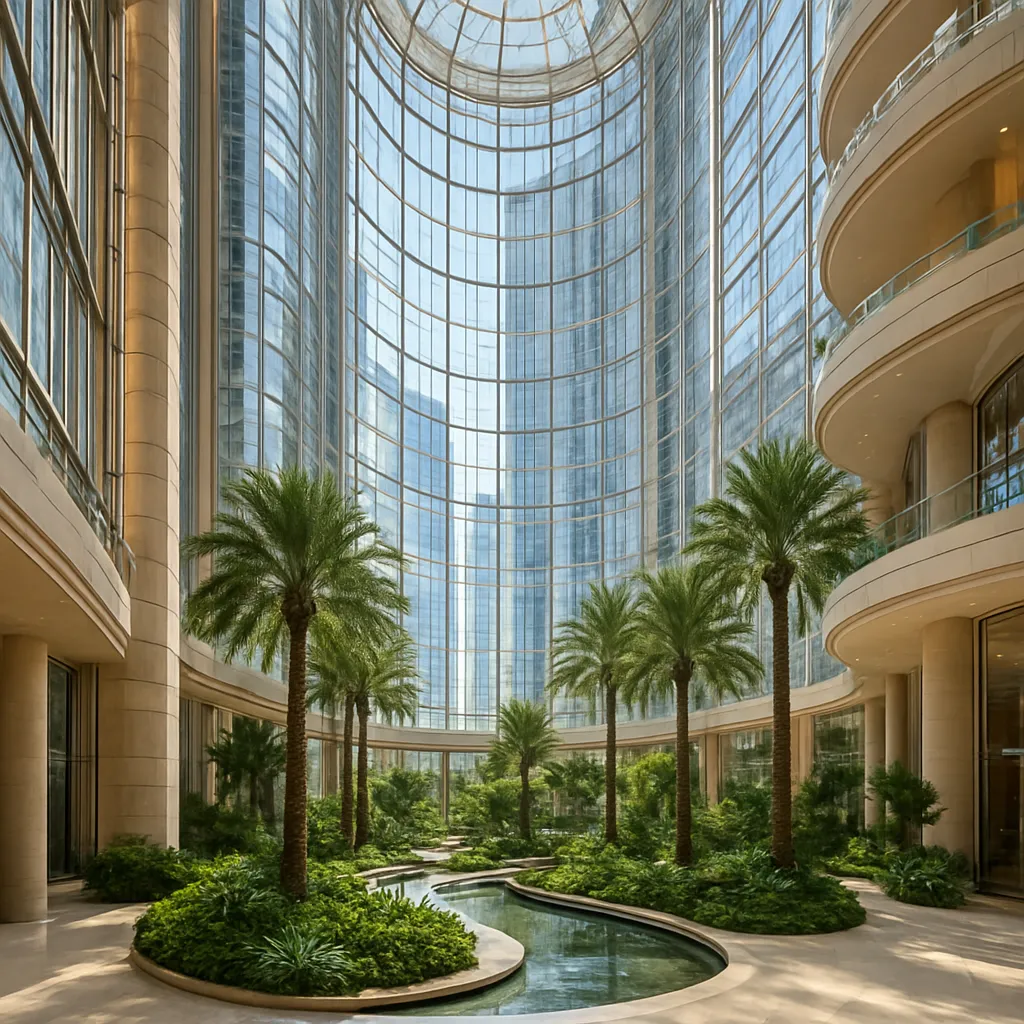
Dubai’s towering skyscrapers are celebrated not only for their immense heights but also for their breathtaking interior spaces. Among these, atriums stand out as focal points of innovation and artistic expression. From cascading water features to suspended gardens, the atriums in Dubai redefine the boundaries between indoor and outdoor environments, offering visitors a glimpse of the city’s relentless pursuit of architectural excellence.
Iconic Atriums Defining Dubai’s Skyline
Dubai’s rise into a global metropolis goes hand in hand with its architects’ ambition to create awe-inspiring interior volumes. Several landmark buildings feature atriums that have become as famous as their exterior façades.
Burj Al Arab’s Oceanic Heart
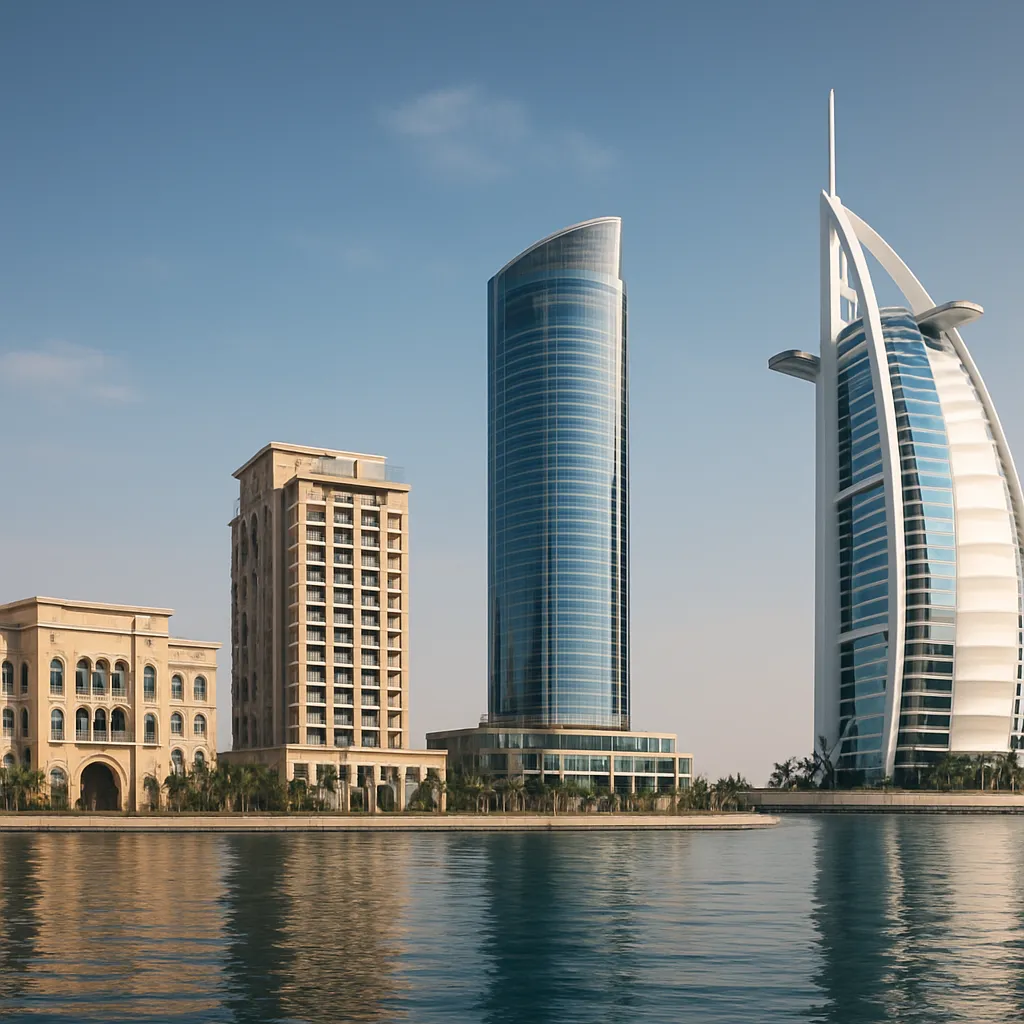
The sail-shaped Burj Al Arab boasts a multi‐level atrium that soars over 180 meters in height. The space is a symphony of glass and gold leaf, with a suspended bridge and cascading fountains that evoke the sensation of being inside a modern-day palace. Visitors often describe the atmosphere as the epitome of luxury.
Address Downtown’s Luminous Vault
At the base of the Address Downtown hotel, a central atrium welcomes guests with natural light flooding through a massive dome-shaped skylight. Surrounded by plush seating areas and verdant planting, this public space seamlessly blends hotel reception, restaurants, and lounge zones. The interplay of light and shadow here is a testament to meticulous design.
- Emirates Towers: A twin-tower complex linked by a glass atrium that houses a luxurious business club.
- One&Only The Palm: Features a secluded atrium garden with lush greenery and reflecting pools.
- W Dubai – The Palm: Known for a multi‐storey atrium with dramatic LED installations and fire features.
Architectural Elements and Innovative Features
Beyond mere scale, Dubai’s atriums excel through creative use of materials and structural ingenuity. These interior voids often function as microclimates, balancing temperature and acoustics to create comfortable yet spectacular environments.
Material Mastery
Engineers and designers frequently combine steel frameworks with tensile fabric roofs, allowing for expansive column-free spaces. High-performance glazing systems ensure that the atrium remains bright while minimizing solar gain, addressing both comfort and energy efficiency. The strategic use of sustainability principles manifests in integrated water recovery systems for indoor fountains and courtyard vegetation.
Vertical Landscapes
One of the most talked-about trends is the incorporation of vertical gardens. Living walls, featuring native and imported plant species, climb the inner faces of towering atrium shells. Besides aesthetic appeal, these green installations improve air quality and contribute to acoustic buffering, turning vast atriums into serene sanctuaries suspended in the sky.
Experiencing the Atriums: Hospitality and Visitor Impressions
Dubai’s atriums serve as more than just architectural statements; they are stages for unforgettable guest experiences. Whether in five-star hotels, corporate headquarters, or mixed-use complexes, these grand spaces influence how visitors perceive the city’s reputation for extravagance and grandeur.
Social Hubs and Event Spaces
Many atriums double as versatile event venues. From high-end product launches to art exhibitions, the sheer volume and dramatic backdrop make these spaces ideal for memorable gatherings. Event planners often leverage dynamic lighting rigs and projection mapping to transform blank walls into immersive storytelling surfaces.
Wellness and Culinary Delights
Hospitality operators capitalize on atrium vistas to offer patrons unique dining experiences. Restaurants and cafes positioned on mezzanine levels overlook central water features or forest-like plantings, creating an ambiance that blends the indoors with an urban oasis. Spa and wellness centers likewise use atrium spaces to foster a sense of openness, with treatment rooms offering views into the atrium’s heart.
- Interactive art installations that respond to motion or sound
- Seasonal décor themes, such as floating lanterns during festive periods
- Pop-up retail kiosks showcasing luxury brands amid tropical landscaping
Future Trends in Atrium Design
As Dubai continues its vertical expansion, upcoming projects push the boundaries of what atriums can achieve. Architects are exploring novel ways to integrate technology, sustainability, and cultural expression within these cavernous interiors.
Smart Environmental Controls
Next-generation atriums will feature AI-driven systems that monitor air quality, temperature, and occupancy in real time. Automated shading devices and dynamic glass will adjust opacity to optimize daylight, while energy harvested from solar panels will help power interior lighting and climate regulation.
Cultural Narratives in Space
Designers are increasingly infusing atriums with storytelling elements that reflect the UAE’s heritage. Through the use of traditional motifs in laser-cut metal screens, digital calligraphy projections, and interactive historical exhibits, new atriums will become living museums, celebrating local identity within a globalized context.
In every case, Dubai’s architects and developers remain committed to creating atriums that transcend mere passages and foyers. These expansive interiors stand as beacons of engineering prowess, cultural ambition, and the city’s unrelenting drive toward the future. Visitors and residents alike continue to marvel at how light, air, water, and greenery can converge within these colossal indoor realms, offering an unparalleled urban experience.